A motorcycle battery is one of the hardest-working components on any bike, yet it is often neglected until the engine refuses to start. Most modern AGM and lithium motorcycle batteries are designed to last between three and five years under normal conditions, but poor maintenance and everyday mistakes can shorten that lifespan dramatically.
Simple habits such as leaving the ignition on, storing the bike incorrectly, or using the wrong charger can permanently damage battery cells long before they reach their expected service life.
Understanding these common mistakes not only prevents unexpected breakdowns but also saves money by extending battery life and ensuring reliable starts every time you ride.
Also Read: 10 Cars With the Longest Single-Generation Production Runs
1. Leaving the Motorcycle Parked for Weeks Without a Battery Tender
One of the fastest ways to shorten the life of a motorcycle battery is allowing the bike to sit unused for extended periods without connecting a battery maintainer. Unlike many modern cars, motorcycles have relatively small batteries with limited reserve capacity.
Even when the engine is off, the battery continues supplying small amounts of power to the clock, ECU memory, alarm system, immobilizer, and other electronics. This constant parasitic draw slowly reduces the battery’s state of charge.
Lead-acid and AGM batteries suffer when they remain partially discharged. As voltage drops, lead sulfate crystals begin forming on the battery plates, a process known as sulfation.
If the battery stays discharged long enough, those crystals harden and reduce the battery’s ability to accept or hold a full charge. Once severe sulfation occurs, even a quality charger may not restore the battery completely.
Seasonal riders encounter this problem most often. A motorcycle stored throughout the winter without periodic charging may emerge in spring with a battery that has permanently lost much of its capacity. Riders frequently assume the battery simply reached the end of its life when, in reality, improper storage caused the damage.
The solution is straightforward. Connect the motorcycle to a smart battery tender designed specifically for motorcycles whenever the bike will remain parked for more than two or three weeks. Unlike conventional trickle chargers, modern maintainers monitor battery voltage and charge only when necessary, preventing both deep discharge and overcharging.
Spending a small amount on a quality maintainer is considerably less expensive than replacing batteries every year because of preventable neglect.
2. Using the Wrong Battery Charger
Not every battery charger is suitable for every motorcycle battery. One of the most expensive mistakes owners make is connecting a charger intended for automotive batteries or using equipment incompatible with the battery chemistry installed in the motorcycle.
Modern motorcycles commonly use conventional flooded lead-acid, AGM, gel, or lithium-ion batteries, and each requires a charging profile matched to its design.
An oversized automotive charger delivering excessive charging current can overheat a small motorcycle battery. Excessive heat accelerates water loss inside conventional batteries and may damage internal separators, permanently reducing capacity.
AGM batteries are particularly vulnerable because they are sealed and cannot easily replace lost electrolyte. Lithium motorcycle batteries present an even greater concern, as they require chargers specifically approved for lithium chemistry.
Using an incompatible charger may shorten battery life or activate the battery’s internal protection circuitry.
Another common mistake is leaving an old-fashioned trickle charger connected continuously. Unlike smart maintainers, traditional chargers often continue supplying current after the battery reaches full charge. Continuous overcharging gradually damages battery plates, increases internal temperatures, and reduces service life.
Manufacturers recommend selecting a charger based on battery type rather than convenience. A quality smart charger automatically detects battery condition, adjusts charging voltage, and switches to maintenance mode after reaching full charge.
This controlled process minimizes stress on the battery while ensuring it remains fully charged during storage.
Choosing the proper charger may seem like a minor decision, but it directly affects battery longevity. Matching the charger to the battery chemistry is one of the simplest and most effective ways to maximize battery life.
3. Taking Only Short Rides That Never Fully Recharge the Battery
Many riders assume that every time the engine starts, the battery automatically returns to full charge during the ride. In reality, that only happens if the motorcycle is ridden long enough for the charging system to replace the energy used by the starter motor.
Repeated trips of only a few miles can gradually drain the battery because the alternator may not have sufficient time to restore the charge that was consumed during starting.
Starting a motorcycle places one of the highest electrical demands on the battery. For several seconds, hundreds of amps may be required to crank the engine, especially during cold weather.
If the ride ends shortly afterward, the battery is partially discharged. Repeating this pattern day after day gradually lowers the battery’s average state of charge, encouraging sulfation in lead-acid and AGM batteries.
This problem is common among riders who use their motorcycle only for short commutes, coffee runs, or quick errands. They may never notice an issue until cooler temperatures arrive, when reduced battery capacity makes starting much more difficult.
A simple voltmeter often reveals the situation. After several weeks of short rides, battery voltage may consistently remain below its fully charged level despite regular use. Riders sometimes replace perfectly good batteries when the real issue is insufficient charging time.

Whenever possible, include at least one ride each week lasting 20 to 30 minutes at normal road speeds. That allows the charging system to replenish the battery more effectively.
If longer rides are not practical, connecting a smart battery maintainer overnight every few weeks can help restore full charge and prevent long-term damage caused by chronic undercharging.
4. Leaving the Ignition or Accessories Switched On
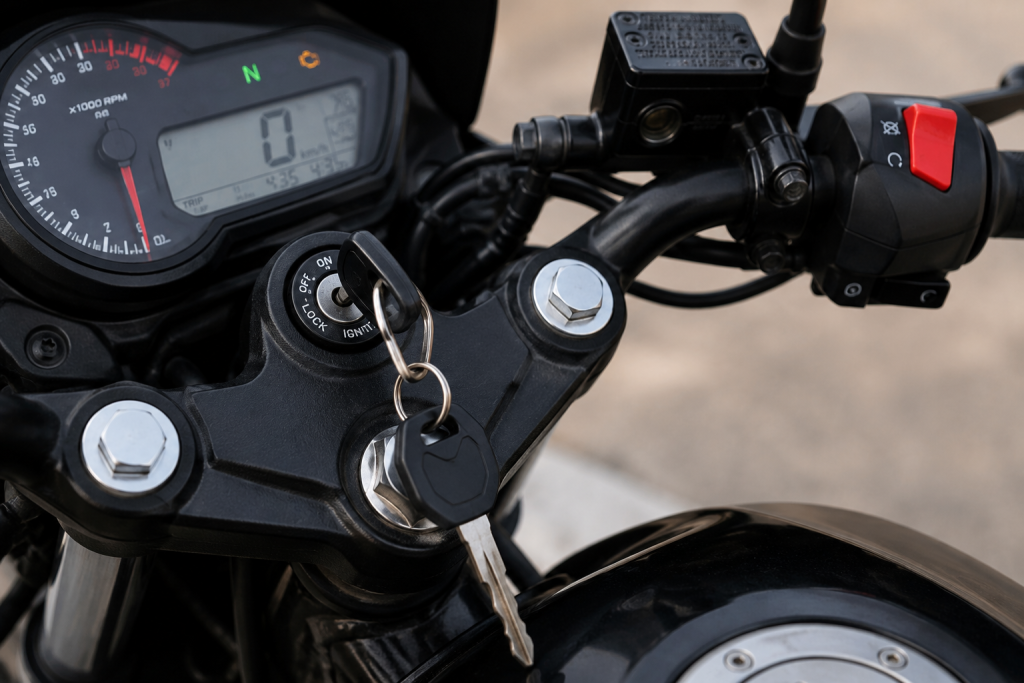
One forgotten key can dramatically shorten the life of a motorcycle battery. Leaving the ignition in the “ON” position while the engine is not running allows components such as the fuel pump, instrument cluster, ignition coils, ECU, lighting, and cooling fan circuits to continue drawing power.
Because motorcycle batteries have relatively small capacity compared with automotive batteries, complete discharge can occur much faster than many riders expect.
The situation becomes even worse on motorcycles equipped with heated grips, auxiliary lights, GPS units, USB charging ports, communication systems, or aftermarket audio equipment.
These accessories increase current draw significantly when left powered without the engine running. In some cases, a battery can become deeply discharged in only a few hours.
Deep discharge places tremendous stress on lead-acid and AGM batteries. Once battery voltage falls below recommended levels, sulfation begins developing rapidly. Even if the battery accepts a recharge afterward, some capacity may already be lost permanently. Repeating this mistake several times often reduces battery lifespan by years.
Modern motorcycles sometimes include automatic headlight shutoff or accessory timers, but many systems continue operating until the ignition is manually switched off. Riders should develop the habit of verifying that the key has been removed before leaving the motorcycle, especially after fueling, cleaning, or performing maintenance.
If accessories are added after purchase, wiring them through a relay that disconnects when the ignition is off provides another layer of protection. Preventing unnecessary battery discharge is considerably easier than attempting to recover a battery that has already suffered repeated deep-discharge cycles.
5. Ignoring Loose or Corroded Battery Terminals
A motorcycle battery can be in perfect condition and still struggle to start the engine if the battery terminals are loose or covered with corrosion. Many riders immediately blame the battery when they hear a slow starter motor or intermittent clicking, but the real culprit is often poor electrical contact.
Every time current passes through a loose or corroded connection, electrical resistance increases. That resistance generates heat, reduces the amount of power reaching the starter motor, and forces the battery to work harder than necessary.
Corrosion usually appears as a white, bluish, or greenish deposit around the battery terminals. It develops when moisture, road salt, or battery vapors react with the metal connections.
Over time, the buildup acts like an insulator, preventing electricity from flowing efficiently. Loose terminal bolts create a similar problem because vibration from normal riding gradually weakens the connection.
The warning signs are often subtle at first. The motorcycle may crank normally one day and struggle the next. Dashboard lights may flicker while starting, or the starter relay may click repeatedly even though the battery still holds adequate voltage.
Riders sometimes replace an expensive battery only to discover that tightening the terminals would have solved the problem.
Inspecting the terminals takes only a few minutes. Disconnect the negative terminal first, followed by the positive; clean away corrosion using a battery terminal brush or approved cleaner; and tighten the connections according to the manufacturer’s torque specification. Applying a thin layer of dielectric grease afterward helps slow future corrosion.
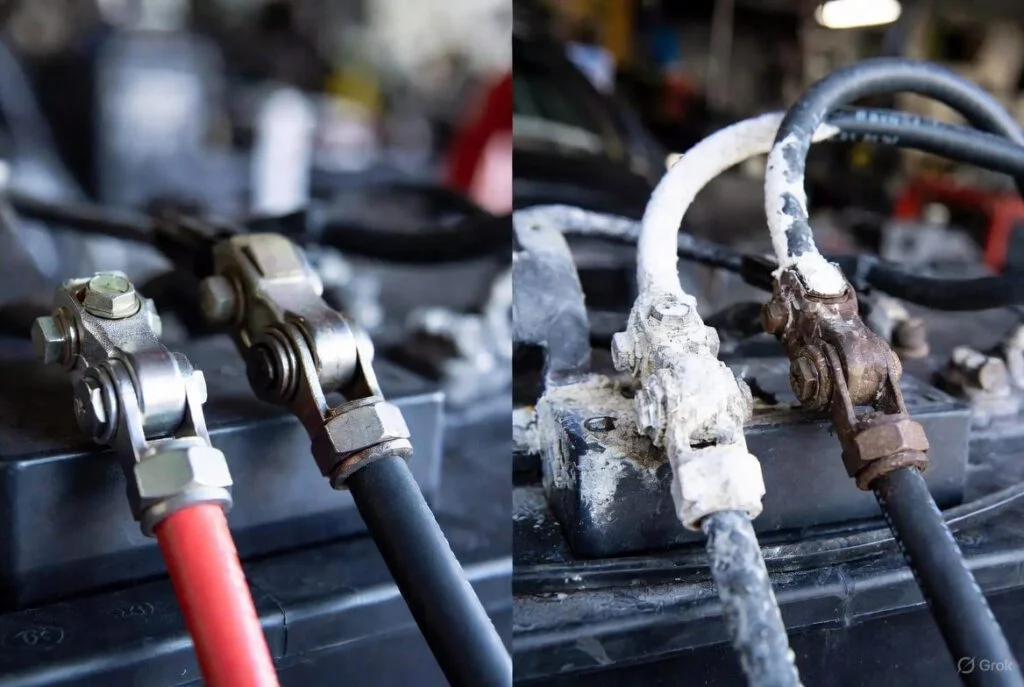
Routine inspection of battery terminals during oil changes or seasonal maintenance helps ensure maximum current reaches the starter motor while reducing unnecessary strain on the battery.
6. Installing High-Power Accessories Without Upgrading the Electrical System
Modern motorcycles often carry more electronic accessories than ever before. Heated riding gear, auxiliary LED lights, GPS units, phone chargers, cameras, communication systems, and additional lighting all improve convenience, but together they can place a heavy load on the charging system.
Many riders assume the alternator can handle any accessory they install, yet exceeding its capacity can slowly discharge the battery even while riding.
Every motorcycle has a maximum electrical output determined by its stator and regulator-rectifier. After supplying ignition, fuel injection, lighting, cooling fans, and factory electronics, only a limited amount of power remains available for accessories.
If the total electrical demand exceeds charging capacity, the battery begins supplying the difference. Instead of remaining fully charged, it gradually loses capacity during every ride.
This situation often goes unnoticed because the motorcycle continues operating normally until battery voltage falls too low.
Riders may eventually experience slow cranking, dim headlights at idle, or repeated battery failures despite installing new batteries. Replacing the battery alone does not fix the underlying electrical imbalance.
Before adding aftermarket equipment, calculate its combined electrical consumption and compare it with the motorcycle manufacturer’s available accessory capacity. High-output touring motorcycles generally have more reserve charging capability than lightweight commuter bikes or sport motorcycles.
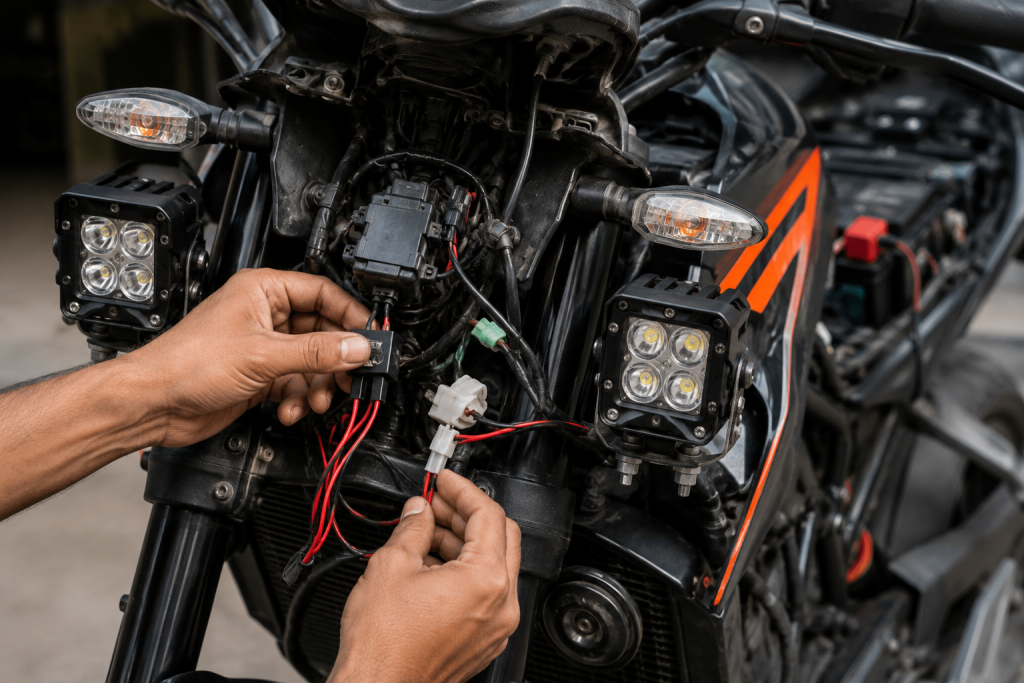
Installing accessories through fused circuits and using switched relays also helps prevent unnecessary battery drain when the engine is turned off. Understanding the limits of the charging system allows riders to enjoy additional equipment without sacrificing battery life or long-term electrical reliability.
7. Allowing the Battery to Overheat
Heat is one of the biggest enemies of any motorcycle battery, regardless of whether it is a conventional flooded lead-acid, AGM, or lithium unit. While cold weather temporarily reduces battery performance, excessive heat causes permanent chemical deterioration that cannot be reversed.
Riders who frequently operate in southern U.S. states or leave their motorcycles parked in direct sunlight for extended periods often expose the battery to temperatures well above its ideal operating range.
High temperatures accelerate the chemical reactions inside the battery. In lead-acid and AGM batteries, heat increases water loss and speeds up plate corrosion, gradually reducing the battery’s ability to store energy.
Lithium batteries are generally more tolerant of repeated charging cycles but can also suffer accelerated degradation when exposed to prolonged high temperatures. Even if the motorcycle starts normally, continuous heat exposure slowly shortens the battery’s expected service life.
Engine heat also contributes to the problem. After a long ride, temperatures beneath the fuel tank and seat can remain high for quite some time. Parking the motorcycle inside a well-ventilated garage instead of leaving it on hot pavement under direct sunlight helps reduce unnecessary thermal stress.
Riders should also ensure that factory heat shields remain in place because they protect nearby electrical components from excessive engine temperatures.
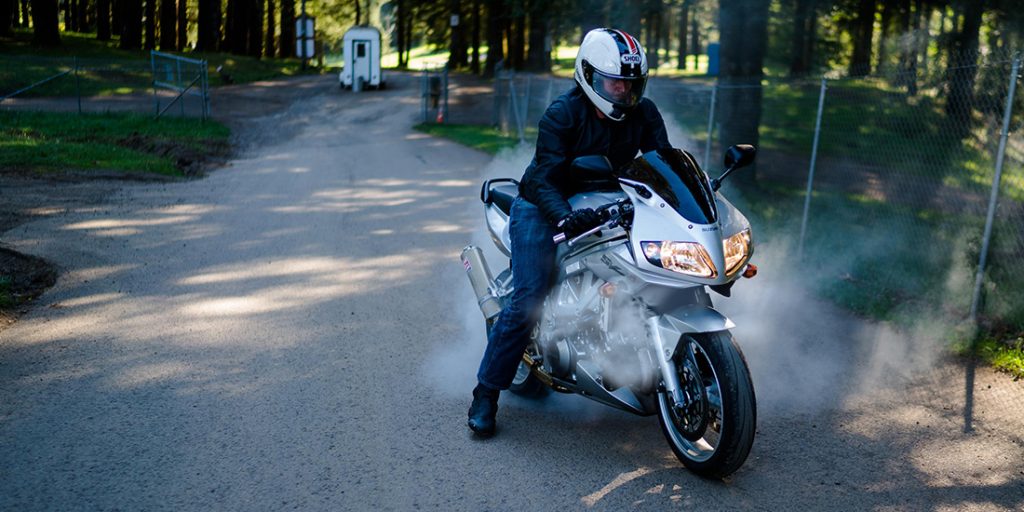
Another mistake is storing a battery near furnaces, heaters, or enclosed spaces that become extremely hot during summer. Manufacturers recommend storing batteries in cool, dry environments whenever they are removed from the motorcycle for seasonal storage.
Keeping the battery away from excessive heat is one of the simplest ways to extend its lifespan, maintain reliable starting performance, and avoid premature replacement caused by irreversible internal damage.
8. Ignoring Warning Signs of a Weak Charging System
Many riders replace their motorcycle battery only to discover that the new one fails within months because the actual problem was the charging system.
A healthy battery depends on the stator, regulator-rectifier, and wiring system to maintain proper charging voltage while the engine is running. If any of these components begin failing, the battery is forced to operate in a partially charged state, dramatically shortening its service life.
The warning signs usually appear gradually. Headlights may dim while idling, the starter motor may crank more slowly after several rides, or the battery may require frequent charging even though the motorcycle is used regularly.
Dashboard warning lights, fluctuating instrument displays, or inconsistent idle speed can also point to charging system problems rather than battery failure.
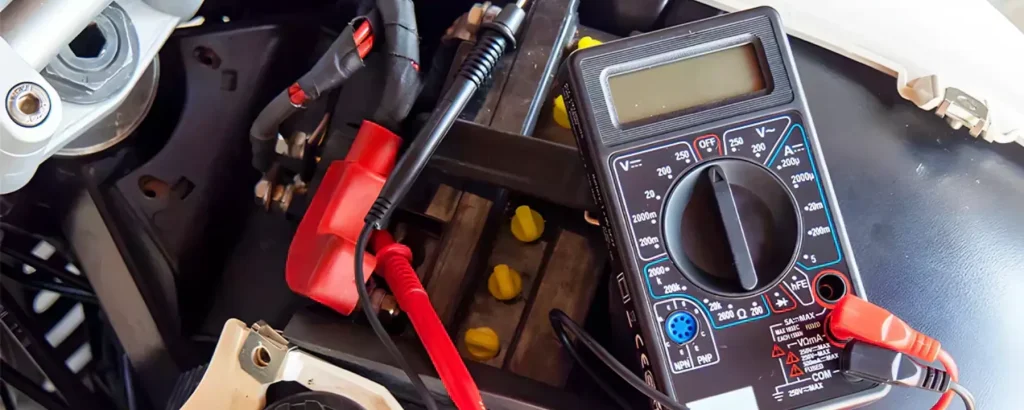
Using a digital multimeter provides valuable information. Most modern motorcycles should produce approximately 13.5 to 14.8 volts across the battery terminals with the engine running at moderate rpm.
Readings consistently below this range suggest undercharging, while significantly higher readings may indicate overcharging caused by a faulty regulator-rectifier. Both conditions damage the battery over time.
Ignoring these symptoms often results in repeated battery replacements without solving the root cause. During routine maintenance, inspect charging system connectors for corrosion, verify battery cable tightness, and test charging voltage according to the manufacturer’s specifications.
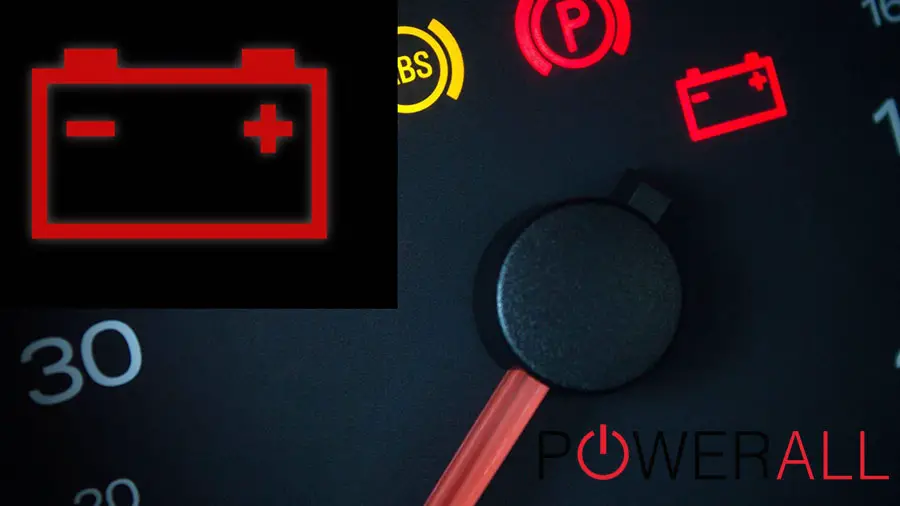
Identifying a failing stator or regulator early is usually far less expensive than replacing multiple batteries damaged by improper charging. A properly functioning charging system allows the battery to remain near full capacity, providing dependable starts and maximizing the service life expected by the manufacturer.
9. Jump-Starting the Motorcycle Incorrectly
Jump-starting a motorcycle is sometimes unavoidable, but doing it improperly can damage both the battery and the motorcycle’s electrical system. One of the most common mistakes is connecting the jumper cables in the wrong order or attempting to jump-start the bike from a running automobile.
A car’s charging system can deliver significantly higher current than a motorcycle requires, increasing the risk of voltage spikes that may damage sensitive electronics or shorten battery life.
Another error is using low-quality jumper cables that cannot provide a stable electrical connection. Loose clamps create resistance, generating heat and reducing the effectiveness of the jump-start.
Riders may continue cranking the starter for extended periods, placing excessive strain on the already weakened battery. Every unsuccessful starting attempt removes additional charge while increasing internal heat.
Manufacturers generally recommend using a portable motorcycle jump starter or another motorcycle battery whenever possible. If a car must be used, the automobile’s engine should remain switched off while the jump-start is performed.
This reduces the chance of exposing the motorcycle to excessive charging voltage. After the motorcycle starts, disconnect the cables carefully in the reverse order and allow the charging system to replenish the battery naturally during the ride.
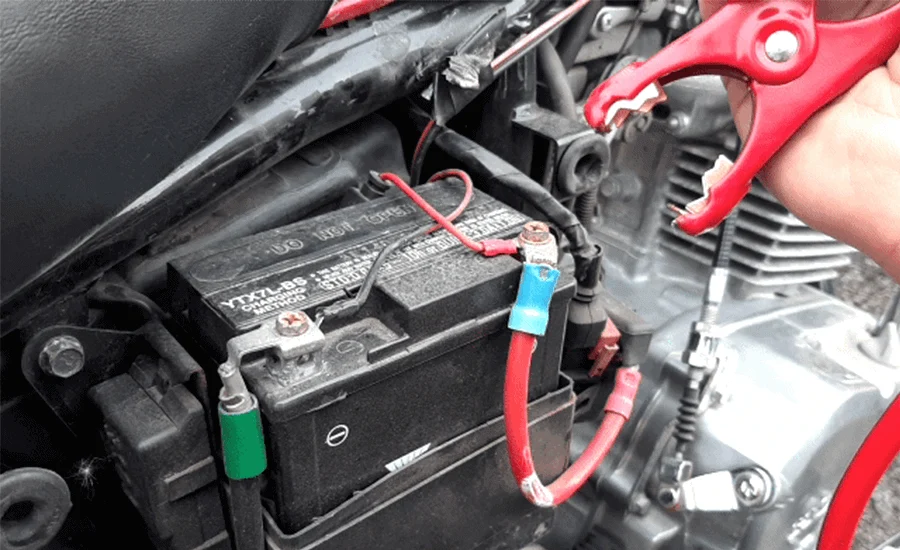
If the battery repeatedly requires jump-starting, the underlying cause should be diagnosed immediately. A battery that cannot hold a charge, a failing stator, or a defective regulator-rectifier may all be responsible.
Treating frequent jump-starts as a normal routine only accelerates battery wear and increases the likelihood of complete battery failure at an inconvenient time.
10. Neglecting Battery Fluid Levels in Serviceable Batteries
Although many modern motorcycles use sealed AGM or lithium batteries, thousands of motorcycles on American roads still operate with conventional flooded lead-acid batteries that require periodic electrolyte inspection. Ignoring the fluid level is a mistake that can dramatically shorten battery life.
As the battery charges and discharges, small amounts of water naturally evaporate. If the electrolyte drops below the top of the lead plates, those exposed sections begin deteriorating, permanently reducing battery capacity.
Low electrolyte levels also increase internal temperature because less liquid is available to absorb heat generated during charging. The battery becomes more susceptible to plate damage, sulfation, and premature failure.
Riders often assume the battery has simply worn out when, in reality, regular maintenance could have extended its service life by several years.
Checking electrolyte levels is straightforward. With the motorcycle parked on a level surface and the battery cool, inspect the level markings on each cell. If necessary, add only distilled water.
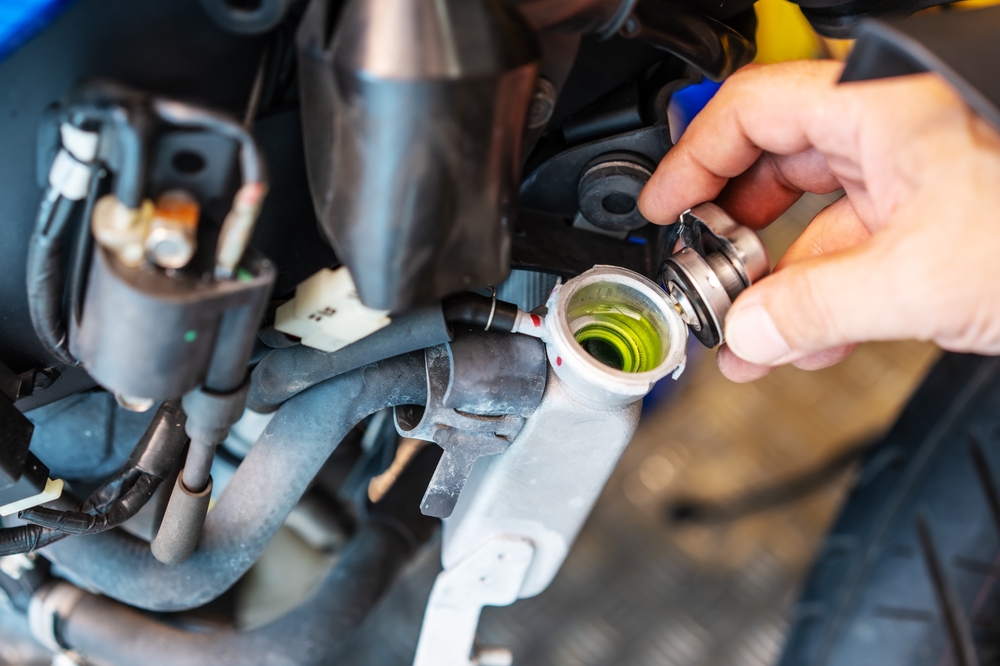
Tap water should never be used because dissolved minerals can contaminate the electrolyte and reduce battery performance. The fluid should be brought only to the recommended level, as overfilling can cause overflow during charging.
Routine inspections become especially important in hot climates where evaporation occurs more rapidly. Performing this simple maintenance every few months helps preserve battery health, improves starting reliability, and reduces the likelihood of unexpected battery failure during the riding season.
Also Read: Nissan Recalls More Than 168,000 Armada and Infiniti SUVs Over Incorrect Weight Labels