
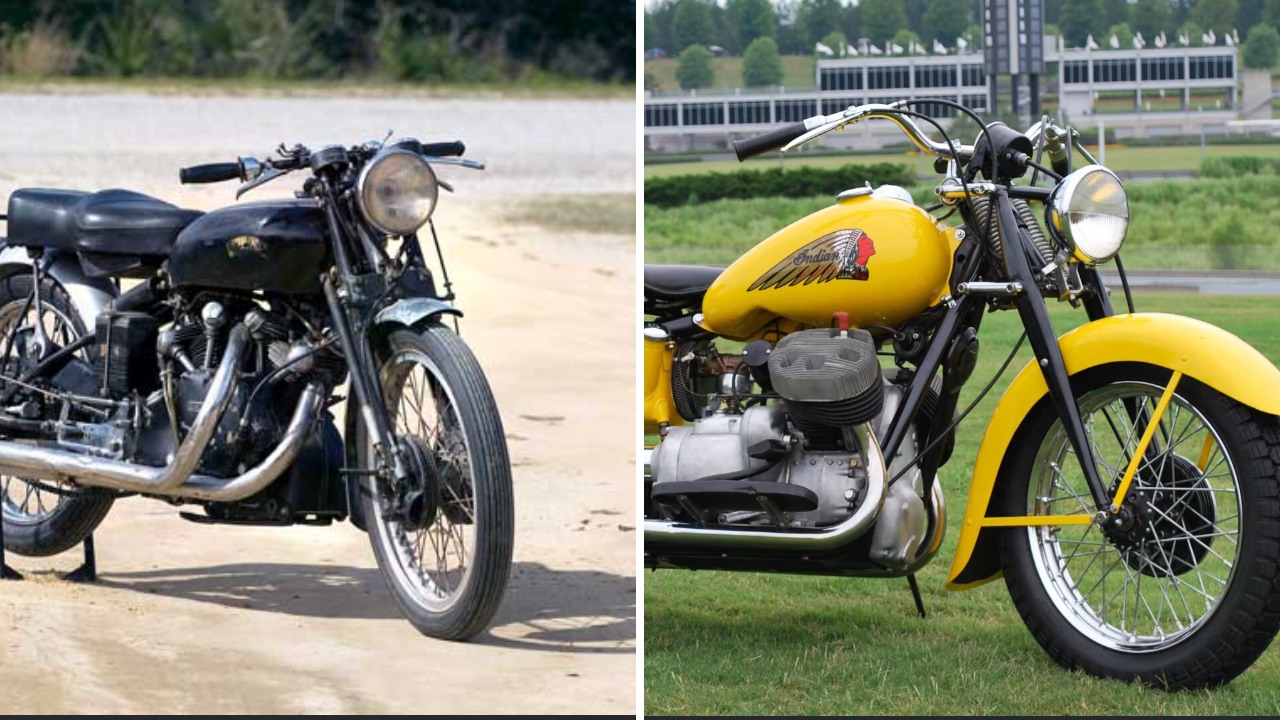
Motorcycles have always represented freedom, engineering creativity, and mechanical passion, but some rare machines have reached values far beyond ordinary ownership. Classic racing bikes, celebrity-owned motorcycles, historically important models, and limited production machines have attracted collectors willing to pay extraordinary prices at American auctions.
These motorcycles are not simply transportation; they are pieces of history connected to famous riders, important events, and remarkable craftsmanship.
Auction houses across the United States have witnessed record-breaking sales where rare motorcycles achieved prices normally associated with fine art and collectible automobiles. This article examines the most expensive motorcycle auction sales recorded in the US.
Also Read: 10 EVs Ranked by Charging Speed
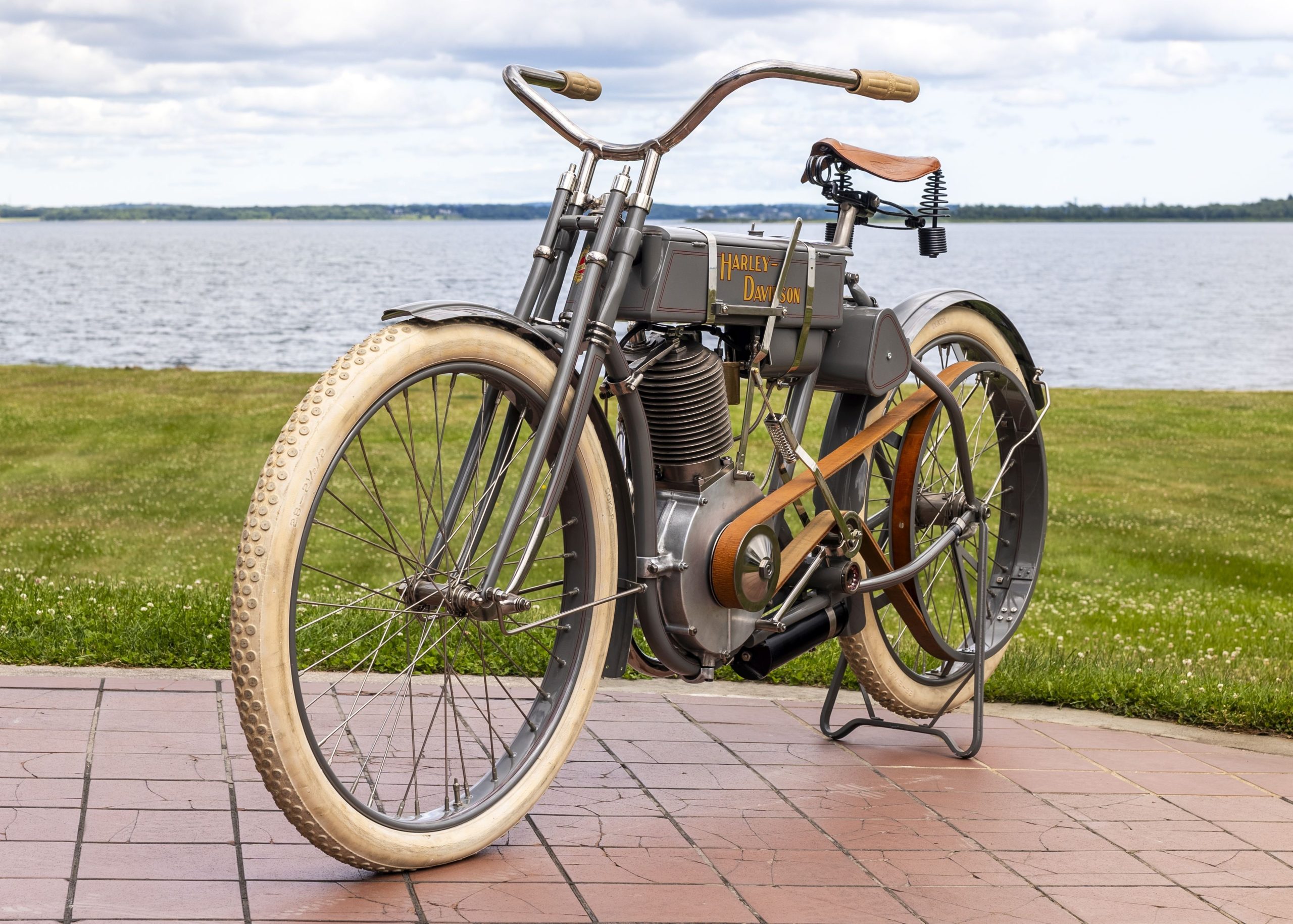
- Engine: Approximately 440 cc single-cylinder engine
- Horsepower: Around 4 hp
- Torque: Approximately 5 to 7 lb-ft
- Length: Around 82 inches (2,083 mm)
- Width: Around 28 inches (710 mm)
10. Harley-Davidson Strap Tank Replica and Early Harley Collectibles
Early Harley-Davidson motorcycles represent the foundation of American motorcycling history. Models from the company’s earliest years are extremely desirable because they showcase the beginning of mass-produced American motorcycles.
The early Strap Tank models, produced during the first decade of Harley-Davidson’s existence, are among the rarest motorcycles connected to the brand’s origins.
The first Harley-Davidson motorcycles were produced in very small numbers compared with later models. Many early examples disappeared because motorcycles were viewed as everyday transportation rather than collectible machines.
As decades passed, surviving examples became increasingly valuable due to their rarity and historical importance. Collectors searching for authentic early Harley-Davidson motorcycles often compete heavily when examples appear at major auctions.
The value of these motorcycles comes from their connection to the company’s earliest engineering achievements. Before Harley-Davidson became a global motorcycle manufacturer, it operated as a small workshop producing simple but innovative machines.
Owning an early model allows collectors to preserve a physical piece of that transformation from a small American manufacturer into a legendary motorcycle brand.
Auction prices for early Harley-Davidson motorcycles vary depending on authenticity, restoration quality, and documentation. Some examples have achieved hundreds of thousands of dollars, especially when they feature rare components or exceptional history.
While they may not always reach the prices of celebrity motorcycles, their importance within motorcycle history keeps them among the most desirable collector bikes.
The appeal of early Harley-Davidson motorcycles extends beyond financial value. These machines represent the beginning of American motorcycle culture and the craftsmanship of a different manufacturing era. Their simple mechanical designs, hand-built elements, and historical significance make them highly respected among collectors worldwide.
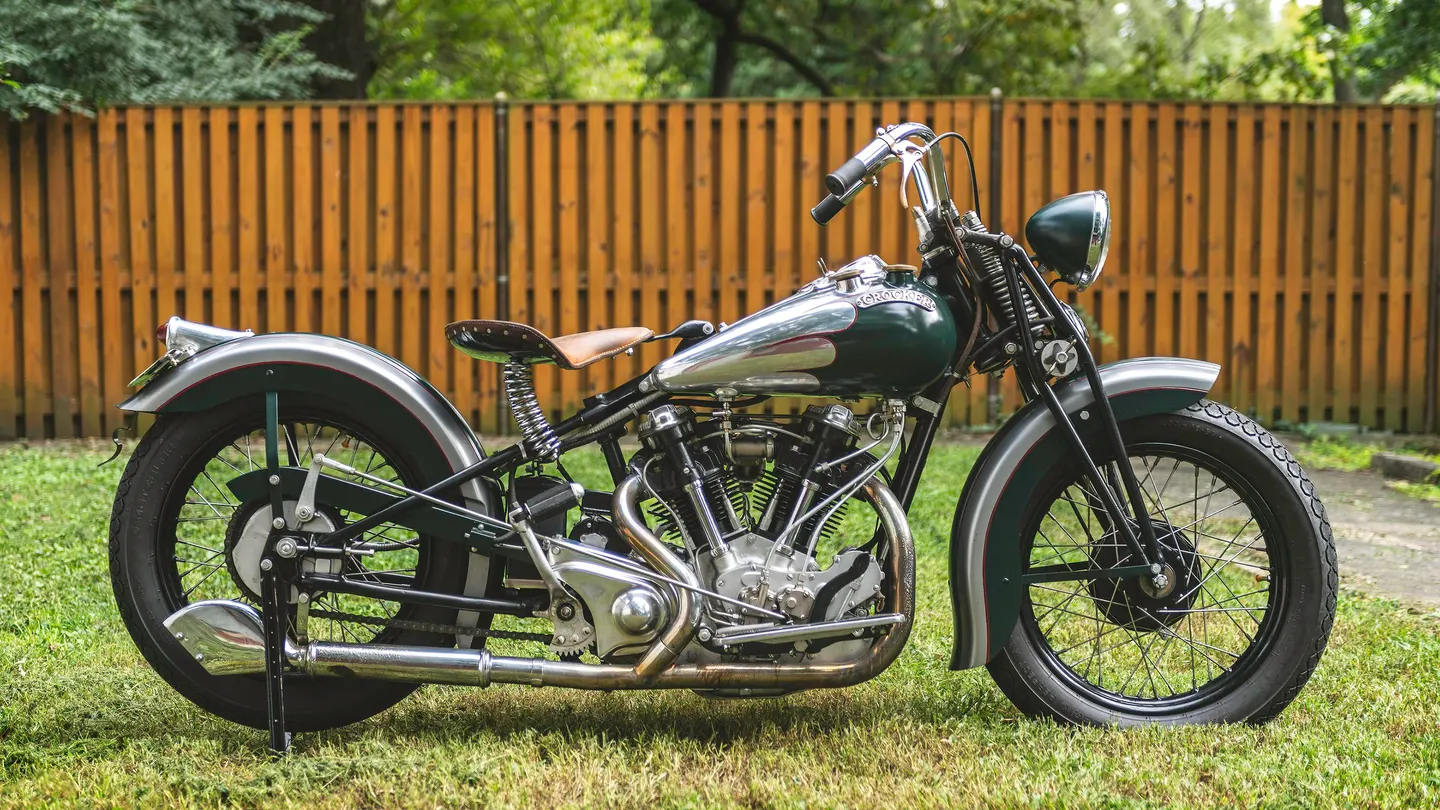
- Engine: 61 cubic inch (998 cc) overhead-valve V-twin
- Horsepower: Approximately 55 to 60 hp
- Torque: Approximately 65 lb-ft (88 Nm)
- Length: Around 90 inches (2,286 mm)
- Width: Around 30 inches (762 mm)
9. Crocker V-Twin Motorcycles
Crocker motorcycles occupy a special position in American motorcycle history because of their exceptional engineering and limited production numbers. Produced in Los Angeles during the late 1930s and early 1940s, Crocker motorcycles were created by Al Crocker, an engineer known for building high-performance machines capable of competing with larger manufacturers.
Only a small number of Crocker motorcycles were produced, making surviving examples extremely rare. Unlike mass-produced motorcycles, Crocker focused on performance and craftsmanship rather than large-scale manufacturing.
Each motorcycle featured advanced engineering for its period, including powerful V-twin engines and carefully crafted components.
Collectors value Crocker motorcycles because they represent a forgotten chapter of American performance engineering. During their production years, they competed against established companies with much larger resources. Their impressive performance and limited availability created a reputation that continues among motorcycle enthusiasts today.
At auctions, Crocker motorcycles regularly attract serious collectors because authentic examples rarely become available. Prices can reach hundreds of thousands of dollars depending on originality and history. A well-preserved Crocker is considered a centerpiece of any serious motorcycle collection.
The continued popularity of Crocker motorcycles demonstrates how innovation and rarity influence collector values. These machines were produced for a short period, but their engineering achievements helped secure their place among America’s most important historic motorcycles.
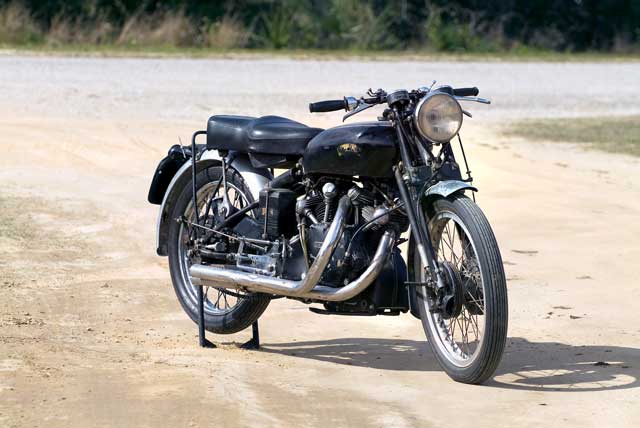
- Engine: 998 cc air-cooled V-twin
- Horsepower: Around 55 to 70 hp depending on specification
- Torque: Approximately 60 to 65 lb-ft (81 to 88 Nm)
- Length: Around 88 inches (2,235 mm)
- Width: Around 28 inches (710 mm)
8. Vincent Black Lightning
The Vincent Black Lightning is widely recognized as a landmark motorcycle because of its combination of advanced engineering, racing success, and extreme rarity.
Produced by the British manufacturer Vincent Motorcycles during the late 1940s, the Black Lightning was created as a lightweight, high-performance version of the Vincent Black Shadow. It was designed for riders who wanted exceptional speed and competition capability.
The motorcycle became famous because of its impressive performance during an era when speed records were becoming increasingly important.
A modified Vincent Black Lightning ridden by Australian racer Rollie Free achieved a legendary land speed record at the Bonneville Salt Flats in 1948. The famous image of Free riding the motorcycle while wearing only a swimsuit became one of the most recognizable moments in motorcycle history.
Only a limited number of Vincent Black Lightning motorcycles were produced, which makes surviving examples highly valuable among collectors.
The motorcycle featured lightweight components, upgraded engine parts, and racing-focused improvements that separated it from standard Vincent models. Every surviving example carries historical importance because of the small production numbers and the company’s reputation for innovation.
A Vincent Black Lightning sold at auction in the United States for several million dollars, making it one of the highest-priced motorcycles ever purchased through an auction.
The sale reflected the motorcycle’s racing heritage, rarity, and connection to a legendary period of motorcycle development. Collectors considered the machine more than a vehicle because it represented a major achievement in engineering.
The continuing demand for Vincent motorcycles shows how historical importance can influence collector markets. Modern performance motorcycles may produce far greater power, but they cannot replace the significance of machines that changed perceptions during their era. The Black Lightning remains a symbol of innovation, competition, and motorcycle history.
- Engine: 745 cc air-cooled V-twin
- Horsepower: Approximately 25 hp
- Torque: Approximately 35 lb-ft (47 Nm)
- Length: Around 86 inches (2,184 mm)
- Width: Around 31 inches (787 mm)
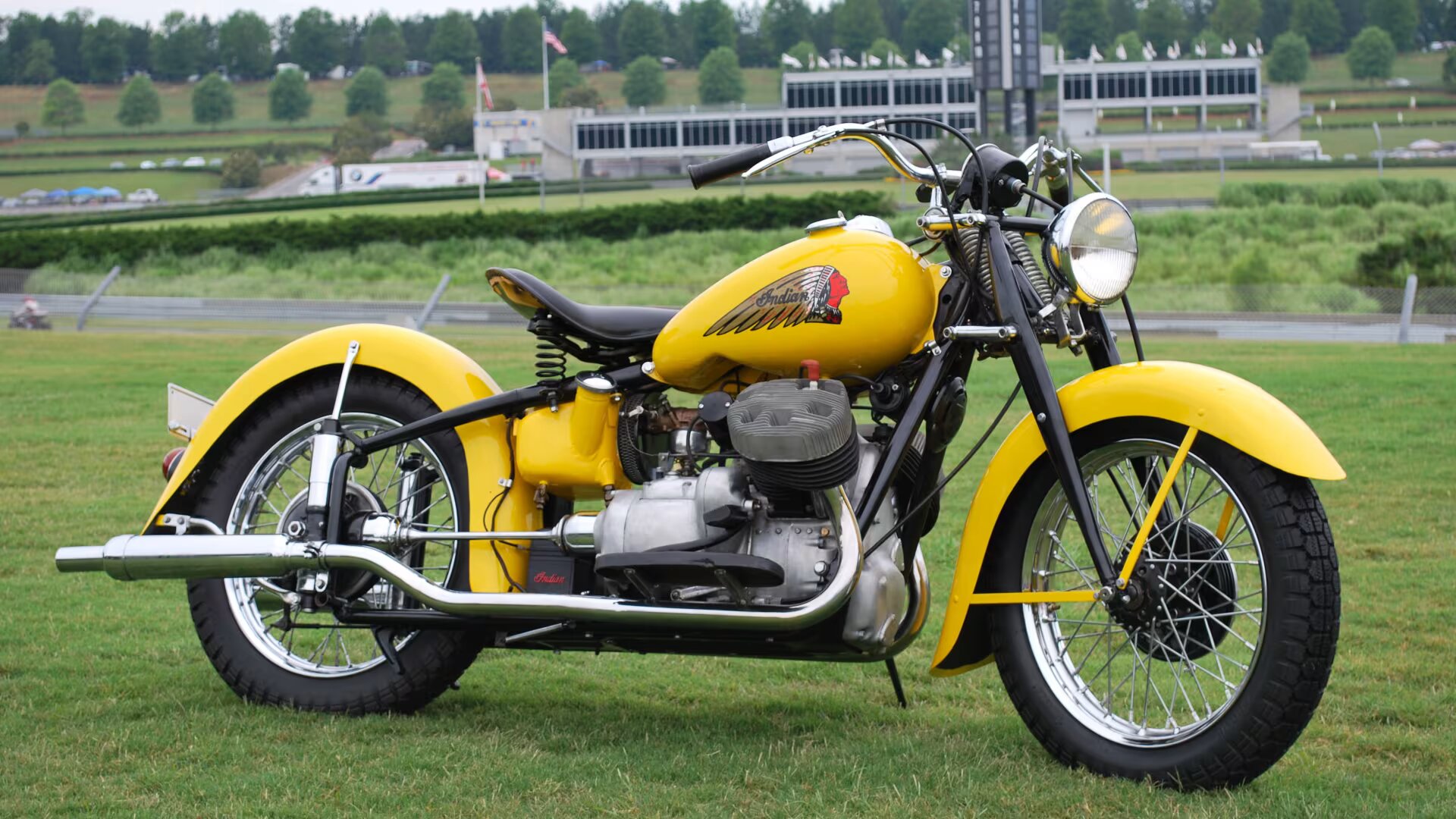
7. Indian 841 Military Motorcycle
The Indian 841 represents a unique chapter in American motorcycle development because it was created for military purposes during World War II.
Unlike traditional Indian motorcycles built for civilian riders, the 841 was designed specifically for challenging battlefield conditions. Its unusual engineering choices and limited production numbers have made it a highly desirable collector motorcycle.
During World War II, manufacturers experimented with different motorcycle designs that could handle difficult terrain and military requirements.
Indian developed the 841 with features such as a shaft drive system and a transverse-mounted V-twin engine. These design choices were unusual compared with the company’s standard motorcycles and reflected the need for durability and adaptability.
Only a limited number of Indian 841 motorcycles were produced because military priorities changed before the model could achieve widespread use.
Many examples disappeared over time, leaving only a small number available for collectors. The motorcycle’s unusual design and connection to wartime history contribute significantly to its value.
Auction interest in the Indian 841 comes from its historical importance rather than just performance. Collectors appreciate motorcycles that represent experimental engineering or important moments in manufacturing history. The 841 provides insight into how motorcycle companies adapted their technology during periods of global conflict.
While Indian motorcycles have always been important within American motorcycling culture, rare models like the 841 demonstrate the company’s willingness to experiment. Its limited production and military background have helped it become a valuable collectible that represents a unique period of motorcycle development.
- Engine: 1,200 cc Harley-Davidson Panhead V-twin
- Horsepower: Approximately 50 to 55 hp
- Torque: Approximately 65 lb-ft (88 Nm)
- Length: Around 96 inches (2,438 mm)
- Width: Around 32 inches (813 mm)
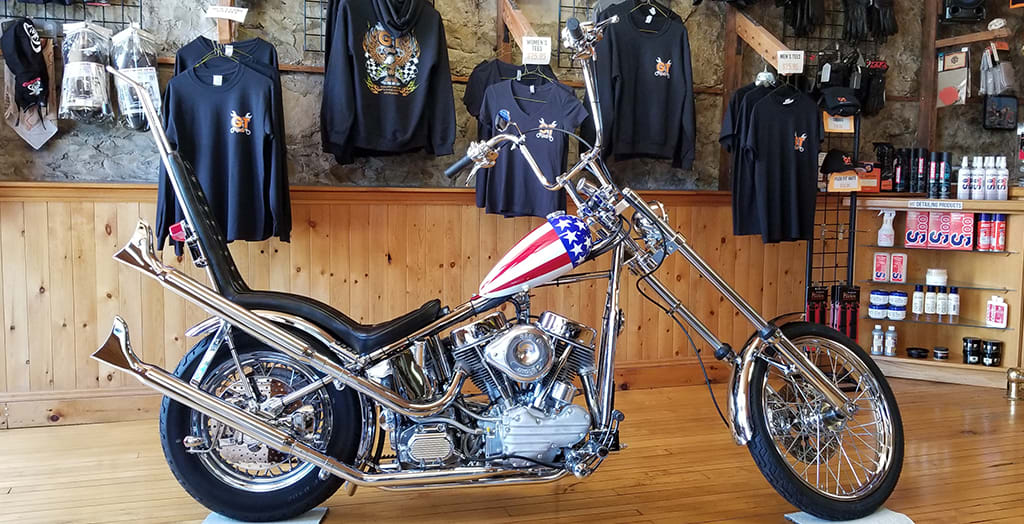
6. Harley-Davidson Captain America Panhead Chopper
Few motorcycles are as recognizable in popular culture as the Captain America Harley-Davidson from the 1969 film Easy Rider. The motorcycle became a symbol of the counterculture movement and helped transform the public image of custom motorcycles. Its long front end, patriotic paint scheme, and distinctive design made it instantly memorable.
The motorcycle was based on a Harley-Davidson Panhead engine and customized specifically for the film. Several bikes were reportedly created for production purposes, with some used for riding scenes and others used as backups.
Because of the movie’s cultural importance, surviving Captain America motorcycles became highly sought-after collectibles.
The value of the motorcycle increased because of its connection to Hollywood history. Movie-related vehicles often attract collectors who appreciate both mechanical design and entertainment history. A motorcycle that appears in an influential film can become valuable because it represents a specific cultural moment that cannot be recreated.
Auction sales involving Captain America motorcycles have attracted significant attention, with examples achieving high prices. However, authenticity has been a major factor because multiple replicas and disputed examples exist. Collectors carefully examine documentation, ownership records, and historical evidence before placing large bids.
The Captain America motorcycle remains important because it helped introduce custom choppers to a wider audience. It influenced motorcycle styling for decades and became associated with personal freedom, individuality, and American road culture. Its importance goes beyond its engine and components because its cultural impact created lasting collector demand.
- Engine: 990 cc J.A.P. or Matchless V-twin engine
- Horsepower: Approximately 45 to 55 hp
- Torque: Approximately 55 lb-ft (75 Nm)
- Length: Around 89 inches (2,260 mm)
- Width: Around 29 inches (737 mm)
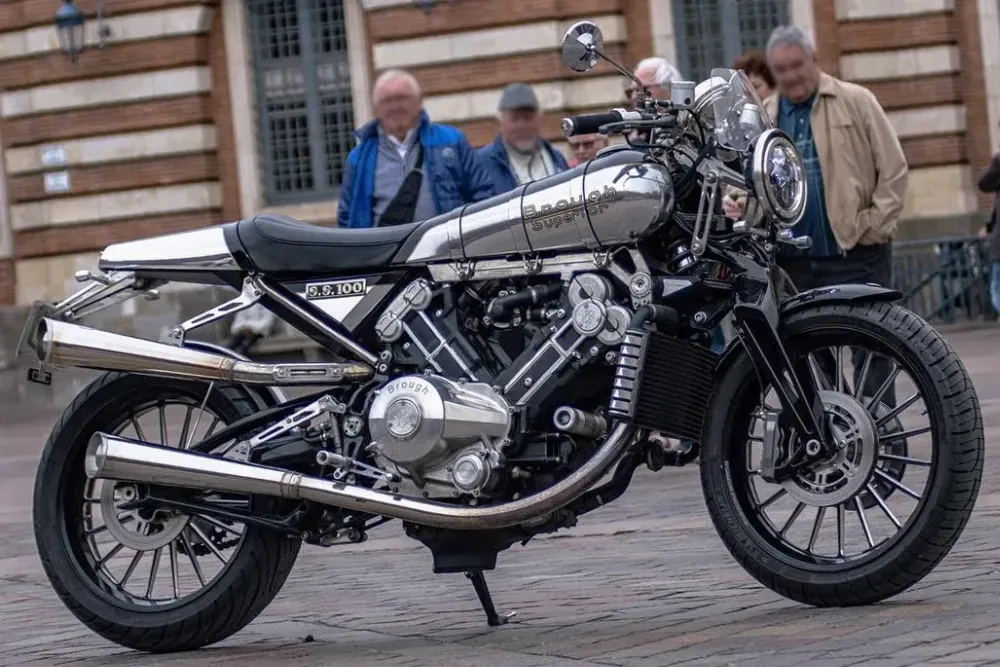
5. Brough Superior SS100
The Brough Superior SS100 has earned a reputation as one of the most prestigious motorcycles ever produced.
Manufactured in England during the early twentieth century, the SS100 was known for exceptional craftsmanship, impressive performance, and luxury construction. It was often described as the “Rolls-Royce of motorcycles” because of its quality and attention to detail.
George Brough founded Brough Superior with the goal of creating motorcycles that offered unmatched refinement and performance. Each motorcycle was carefully assembled and tested before delivery. The company focused on producing premium machines rather than competing through large production numbers, which resulted in exclusivity.
The SS100 gained recognition through speed records and competition achievements. Its powerful V-twin engine and advanced engineering allowed it to outperform many motorcycles of its period.
Riders who wanted the best available performance often looked toward Brough Superior because the brand represented excellence and prestige.
Collectors value the SS100 because surviving examples are rare and historically significant. Original motorcycles with documented ownership histories can command extremely high auction prices. The combination of craftsmanship, rarity, and historical reputation makes the model highly desirable among serious motorcycle collectors.
The Brough Superior SS100 represents an era when motorcycles were built with extensive hand craftsmanship. Modern production methods allow manufacturers to create faster and more efficient machines, but few motorcycles carry the same level of historical prestige. Its auction success reflects the lasting appreciation for exceptional engineering.
- Engine: 1,200 cc Harley-Davidson Panhead V-twin
- Horsepower: Approximately 50 to 55 hp
- Torque: Approximately 65 lb-ft (88 Nm)
- Length: Around 96 inches (2,438 mm)
- Width: Around 32 inches (813 mm)
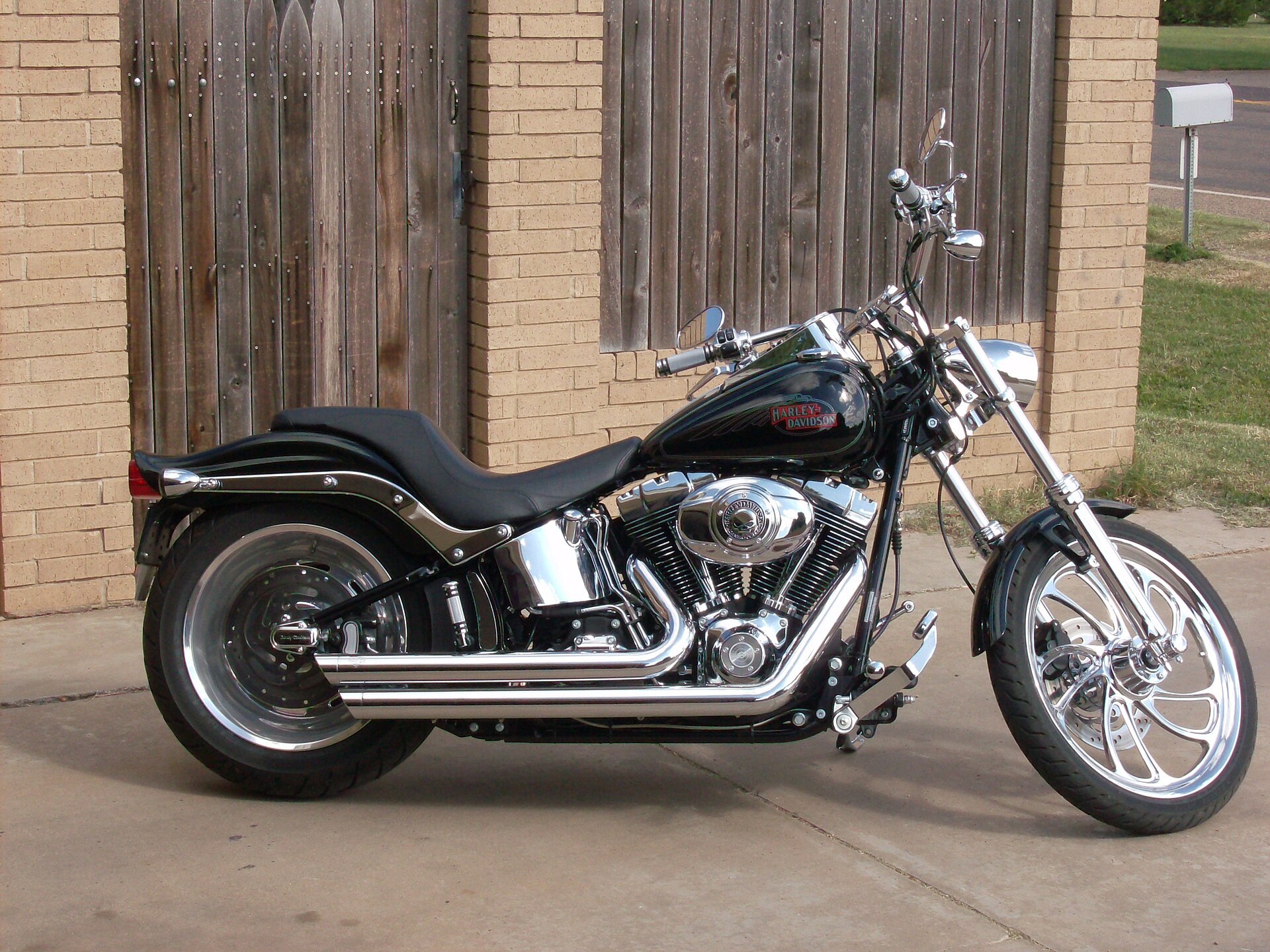
4. Harley-Davidson FXSTC “Captain America” Related Custom Models
Custom Harley-Davidson motorcycles connected to famous builders and cultural movements have become increasingly valuable among collectors.
These motorcycles often represent personal expression, craftsmanship, and the evolution of American custom bike culture. Certain custom Harley-Davidson models have reached impressive auction prices because of their unique stories and historical relevance.
The popularity of custom motorcycles grew significantly during the second half of the twentieth century. Builders modified factory motorcycles to create unique designs that reflected individual personality and riding preferences. Some customs became famous because of their builders, owners, or appearances in media.
Auction collectors often look beyond mechanical specifications when evaluating custom motorcycles. The builder’s reputation, documented history, and cultural significance can have a major effect on value.
A motorcycle with a proven connection to an important figure or movement can become much more valuable than a similar machine without that background.
Harley-Davidson customs connected to American motorcycle culture continue to attract attention because they represent creativity and individuality. These motorcycles demonstrate how owners transformed factory machines into personal works of mechanical art. Their value comes from the story behind the build as much as the motorcycle itself.
The growth of the collector market for custom motorcycles shows that historical importance is not limited to factory-produced models. Unique motorcycles with meaningful backgrounds can achieve impressive auction results when collectors recognize their influence and significance.
- Engine: 996 cc V-twin overhead-cam engine
- Horsepower: Approximately 45 hp
- Torque: Approximately 45 lb-ft (61 Nm)
- Length: Around 84 inches (2,134 mm)
- Width: Around 28 inches (710 mm)
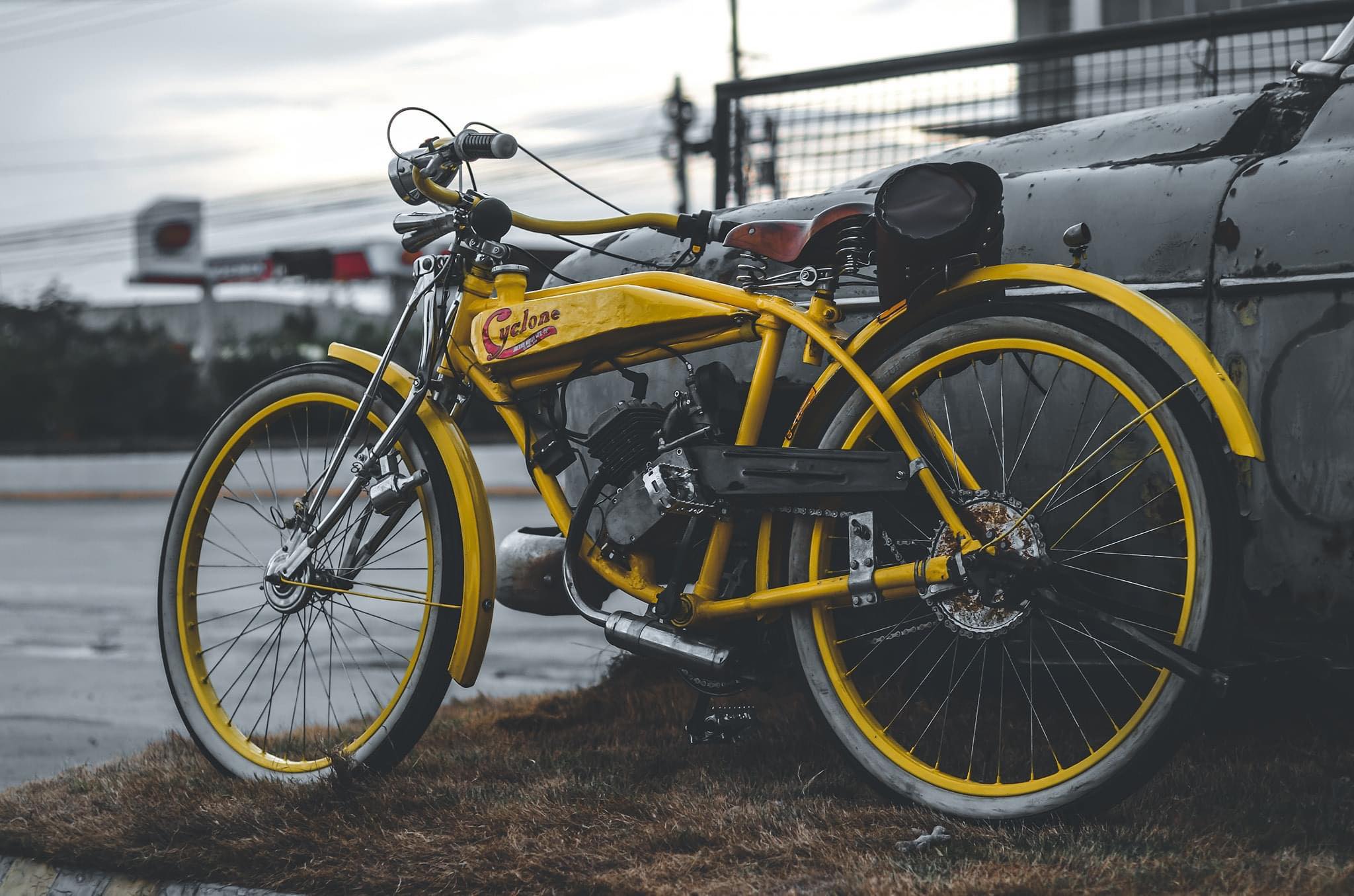
3. Cyclone Board Track Racer
The Cyclone Board Track Racer is among the most fascinating motorcycles connected to early American racing history. Produced by the Joerns Motor Manufacturing Company in St. Paul, Minnesota, during the 1910s, the Cyclone was built during the golden era of board track racing.
This dangerous but popular form of motorcycle competition pushed manufacturers to create extremely fast machines designed for speed rather than everyday practicality.
The Cyclone featured innovative engineering for its time, including an overhead cam V-twin engine that produced impressive performance compared with many competing motorcycles.
During an era when most motorcycles relied on simpler designs, the Cyclone stood out because of its advanced technology and racing capabilities. Its lightweight construction and powerful engine helped it become a serious competitor on wooden racing tracks across America.
Board track racing attracted large crowds in the early twentieth century, but the sport eventually declined because of safety concerns and changing public interest.
Many racing motorcycles from this period were destroyed, modified, or lost over the decades. Because of this, surviving Cyclone motorcycles are exceptionally rare and highly valued by collectors.
The motorcycle’s auction value comes from its combination of rarity and historical significance. A genuine Cyclone represents an important stage in American motorcycle development when manufacturers experimented with new engineering approaches to achieve higher speeds. Collectors recognize that very few examples remain from this exciting period of racing history.
A Cyclone Board Track Racer sold at a major American auction for a seven-figure amount, confirming its position among the most valuable motorcycles ever sold. The motorcycle’s appeal comes from its racing heritage, limited production, and connection to a period when motorcycle manufacturers competed through innovation and speed.
The Cyclone remains important because it represents ambition and experimentation in early motorcycle engineering. While modern motorcycles benefit from advanced electronics and computer-controlled systems, machines like the Cyclone demonstrate how manufacturers achieved remarkable performance using mechanical creativity and limited technology.
- Engine: 440 cc single-cylinder F-head engine
- Horsepower: Approximately 4 hp
- Torque: Not officially recorded, estimated around 5 to 7 lb-ft
- Length: Around 82 inches (2,083 mm)
- Width: Around 28 inches (710 mm)
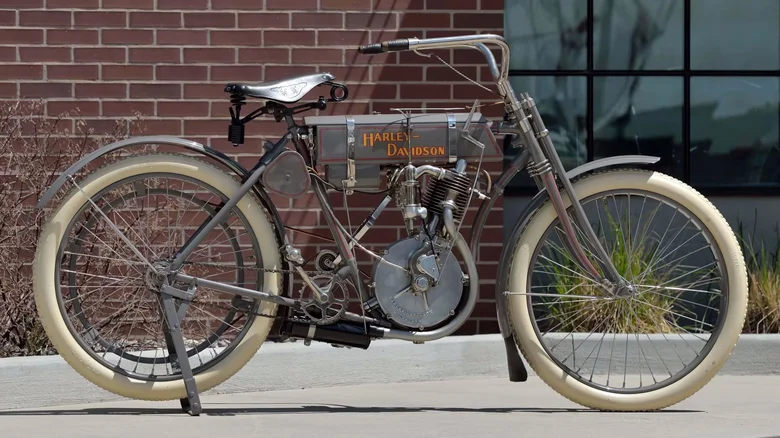
2. Harley-Davidson Strap Tank Motorcycle
The Harley-Davidson Strap Tank is considered one of the most historically important motorcycles associated with the company’s earliest years.
Built in 1908, this motorcycle represents the beginning of Harley-Davidson’s journey from a small workshop operation into a globally recognized motorcycle manufacturer. Its extreme rarity and connection to the company’s origins have made it highly desirable among collectors.
The motorcycle received its name from the metal straps used to secure the fuel tank to the frame. This early construction method reflects the manufacturing techniques used before motorcycle production became more standardized.
The design shows how early motorcycles combined bicycle-like components with developing engine technology. Very few Strap Tank motorcycles survived because early motorcycles were often used extensively rather than preserved as collectibles.
Owners commonly modified, repaired, or discarded older machines as technology improved. The survival of an original Strap Tank provides historians and collectors with a direct connection to the earliest period of American motorcycle manufacturing.
The motorcycle gained worldwide attention after an exceptionally preserved example appeared at auction. The machine achieved a record-setting price because of its originality, rarity, and importance in Harley-Davidson history.
Collectors viewed the motorcycle as a foundation piece representing the birth of a legendary American brand.
The value of the Strap Tank extends beyond its mechanical features. It represents the beginning of a company that would influence transportation, popular culture, and motorcycle communities for more than a century. Few motorcycles carry such a direct connection to the origins of an internationally recognized manufacturer.
The Harley-Davidson Strap Tank remains a benchmark for collectible motorcycles because it demonstrates how historical importance can create extraordinary value. Its auction success showed that early motorcycles can compete with rare automobiles and artwork when they possess unique stories and unmatched historical significance.
- Engine: 998 cc air-cooled V-twin
- Horsepower: Approximately 70 hp
- Torque: Approximately 60 lb-ft (81 Nm)
- Length: Around 88 inches (2,235 mm)
- Width: Around 28 inches (710 mm)
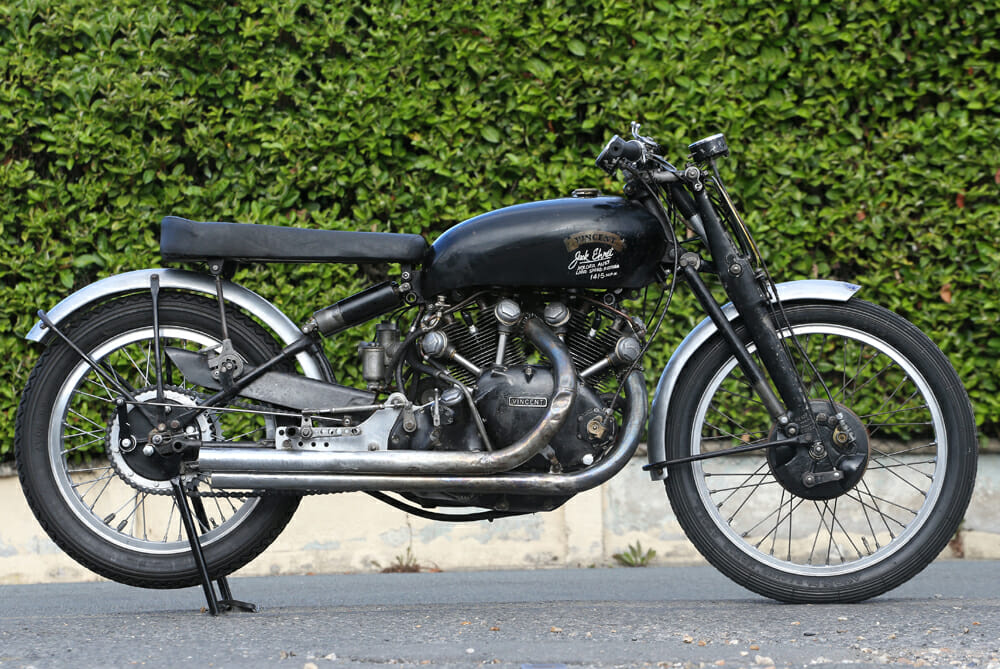
1. Vincent Black Lightning, Jack Ehret Motorcycle
The Vincent Black Lightning associated with Australian racer Jack Ehret is among the most expensive motorcycles ever sold at auction in the United States.
This motorcycle represents the perfect combination of rarity, racing history, engineering excellence, and documented ownership. Its sale demonstrated how a motorcycle with a remarkable story can reach values normally associated with major collectible assets.
Jack Ehret purchased the Vincent Black Lightning in the early 1950s and quickly established its reputation through racing achievements. The motorcycle became part of Australian motorcycle history because Ehret used it to achieve impressive performance milestones. Its documented racing background added significant value when it eventually entered the collector market.
The Black Lightning was already considered special because Vincent produced very few examples. Unlike ordinary production motorcycles, it was designed as a lightweight performance machine with upgraded components intended for speed.
Features such as polished aluminum parts, higher-performance engine components, and reduced weight made it a highly advanced motorcycle for its era.
When the motorcycle appeared at auction in the United States, collectors recognized its exceptional importance. The combination of original condition, racing history, and famous ownership created intense interest. The final sale price reached several million dollars, placing it among the highest motorcycle auction results ever recorded.
The success of the Vincent Black Lightning shows how collectors evaluate motorcycles through more than technical specifications. A motorcycle’s story, achievements, and connection to important figures can transform it into a historic artifact.
The Black Lightning became valuable because it represented innovation, competition, and the passion of riders who pushed machines beyond ordinary limits.
The motorcycle continues to hold a special place among enthusiasts because it represents an era of mechanical achievement. It proved that motorcycles could be serious performance machines capable of setting records and creating lasting memories. Its auction record reflects the continuing appreciation for motorcycles that changed history.
