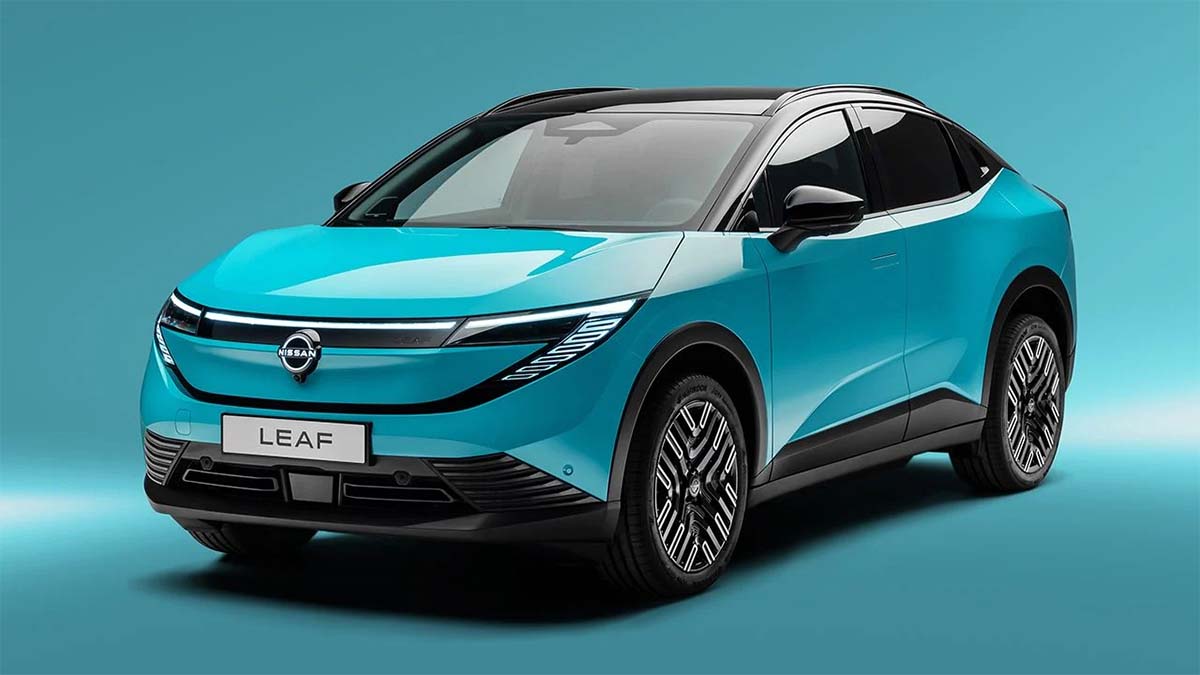
Nissan has officially begun customer deliveries of the next-generation Leaf across Europe, marking a major milestone for one of the world’s most recognizable electric vehicles.
The redesigned Leaf represents a significant departure from previous generations, adopting a crossover-inspired design, improved driving range, faster charging capabilities, and a new suite of connected technologies.
According to Nissan Europe, the first customer deliveries began on July 25, 2026, as the company continues expanding its electric vehicle lineup in one of the world’s most competitive EV markets.
The original Nissan Leaf helped establish the modern electric vehicle market when it debuted more than a decade ago, becoming one of the first mass-produced battery-electric vehicles available to consumers.
Since then, the global EV landscape has changed dramatically, with virtually every major automaker introducing new electric models. The latest Leaf has been developed to meet these evolving expectations while building on the nameplate’s long-standing reputation for practicality and efficiency.
According to Nissan Europe, the new model introduces substantial improvements in styling, technology, and battery performance while positioning itself as a key part of the company’s future electrification strategy.
Customer deliveries now signal the transition from development and production into real-world ownership across multiple European markets.
Also Read: 10 Used SUV Listings That Signal a Flood Car
European Customer Deliveries Are Underway
According to Nissan Europe, the first customer deliveries of the redesigned Leaf have officially begun in several European countries following the vehicle’s production launch.
Early customers who placed reservations are among the first to receive the new model through Nissan’s authorized dealership network. The rollout will continue gradually as production increases and additional European markets receive vehicle allocations.
The start of deliveries marks the culmination of several years of engineering and testing, with Nissan introducing a vehicle designed to compete in today’s rapidly evolving electric vehicle segment rather than simply updating the previous generation.
Company officials describe the new Leaf as one of the most important products in Nissan’s current lineup because it combines the brand’s EV experience with its latest battery, software, and design technologies.
A New Design Moves Beyond the Traditional Hatchback
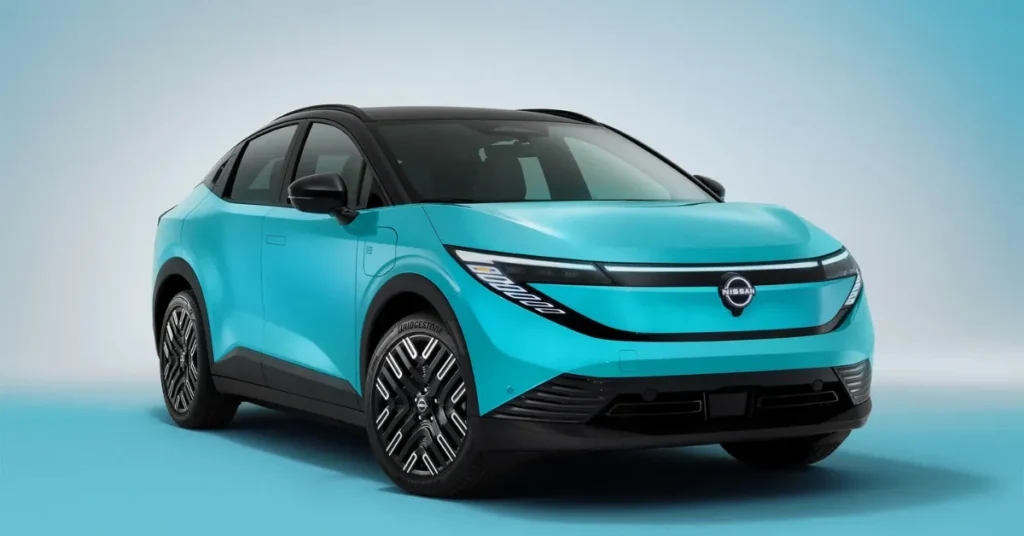
One of the most noticeable changes is the Leaf’s completely redesigned exterior. Rather than retaining the conventional hatchback shape associated with previous generations, the latest Leaf adopts a more crossover-inspired profile featuring a higher seating position, sculpted bodywork, and improved aerodynamic efficiency.
This design reflects changing consumer preferences, as crossover vehicles continue to dominate global sales across nearly every market.
According to Nissan, the revised body shape also contributes to improved efficiency by reducing aerodynamic drag, helping maximize driving range without requiring significantly larger battery packs.
The updated styling aligns the Leaf more closely with Nissan’s newest electric models while maintaining a practical interior intended for everyday family use.
Improved Range and Charging Capability
Nissan has placed considerable emphasis on increasing the vehicle’s everyday usability. According to the company, the next-generation Leaf offers improved driving range compared with its predecessor, allowing owners to travel farther between charging sessions.
While battery specifications vary depending on market and trim level, the new model has been engineered to deliver greater efficiency through improvements in battery chemistry, motor design, and energy management software.
The vehicle also supports faster charging, reducing the amount of time required at compatible DC fast-charging stations. Combined with intelligent route planning and updated charging management systems, these enhancements are intended to make long-distance travel more convenient.
Industry analysts note that improvements in charging speed and efficiency remain among the most important purchasing factors for today’s EV buyers.
Technology Receives a Major Upgrade
The redesigned Leaf introduces Nissan’s latest digital technologies throughout the cabin. Drivers benefit from updated infotainment software, larger digital displays, connected navigation services, smartphone integration, and over-the-air software update capability.
Advanced driver-assistance systems have also been expanded, providing additional convenience and safety features during daily driving.
Nissan has also refined the vehicle’s energy management software, enabling drivers to better monitor battery performance, charging status, and estimated driving range through the vehicle’s digital interface.
The company believes these improvements will appeal to customers who increasingly expect their vehicles to receive software enhancements throughout ownership rather than relying solely on hardware upgrades.
A Key Model in Nissan’s Electrification Strategy
The new Leaf plays a central role in Nissan’s broader transition toward electrification. As one of the pioneers of mass-market electric vehicles, Nissan has accumulated more than a decade of real-world EV experience. The company now intends to apply that expertise across a growing portfolio of battery-electric models serving multiple market segments.
According to Nissan Europe, the redesigned Leaf complements the Ariya and other future electric vehicles while helping the company meet increasingly strict emissions regulations across European markets.
Executives have consistently described the Leaf as a foundational model within Nissan’s global EV strategy because of its strong brand recognition and history among electric vehicle buyers.
Its success will likely influence future investments in battery technology, manufacturing, and software development.
Competition Has Never Been Stronger
The next-generation Leaf enters a market that is considerably more competitive than when the original model first appeared.
European buyers now have access to electric vehicles from Volkswagen, Tesla, Hyundai, Kia, Renault, Peugeot, Volvo, BMW, Mercedes-Benz, BYD, and numerous emerging manufacturers.
Rather than competing solely on price, automakers now differentiate their vehicles through driving range, charging performance, software capabilities, digital services, and ownership experience.
Nissan believes the redesigned Leaf’s combination of practicality, efficiency, improved technology, and established reputation will help it remain competitive despite the rapidly expanding number of alternatives.
Industry analysts expect compact electric crossovers to remain one of the fastest-growing vehicle segments across Europe during the coming years.
What the European Launch Means
Although deliveries have begun in Europe, the redesigned Leaf is expected to play an important role in Nissan’s global product strategy.
Customer feedback from European markets will provide valuable insight into vehicle performance, charging behavior, software reliability, and consumer expectations. Those findings can help guide future product updates and influence additional electric models currently under development.
The launch also demonstrates Nissan’s continued commitment to battery-electric vehicles despite slowing EV growth in some global markets. Rather than reducing investment, the company continues introducing next-generation products designed to compete in an increasingly sophisticated marketplace.
As production expands, additional markets are expected to receive the redesigned Leaf over time.
A New Chapter for One of the World’s Best-Known EVs
The start of customer deliveries for the next-generation Nissan Leaf marks an important milestone in the evolution of one of the automotive industry’s most influential electric vehicles.
According to Nissan Europe, the redesigned model combines a crossover-inspired design, improved driving range, enhanced charging capability, and significantly updated technology to meet the expectations of today’s EV buyers.
The Leaf helped introduce millions of consumers to electric mobility, and its latest generation reflects how dramatically both technology and customer expectations have evolved.
With deliveries now underway across Europe, Nissan is positioning the vehicle as a central part of its long-term electrification strategy while strengthening its presence in one of the world’s most competitive electric vehicle markets.
As more customers take delivery of the new Leaf in the months ahead, the model will serve as an important indicator of Nissan’s ability to compete in a rapidly changing EV landscape where efficiency, software, charging performance, and everyday usability have become just as important as the electric powertrain itself.
Also Read: How Much an EV Battery Loses in Capacity After 100,000 Miles