
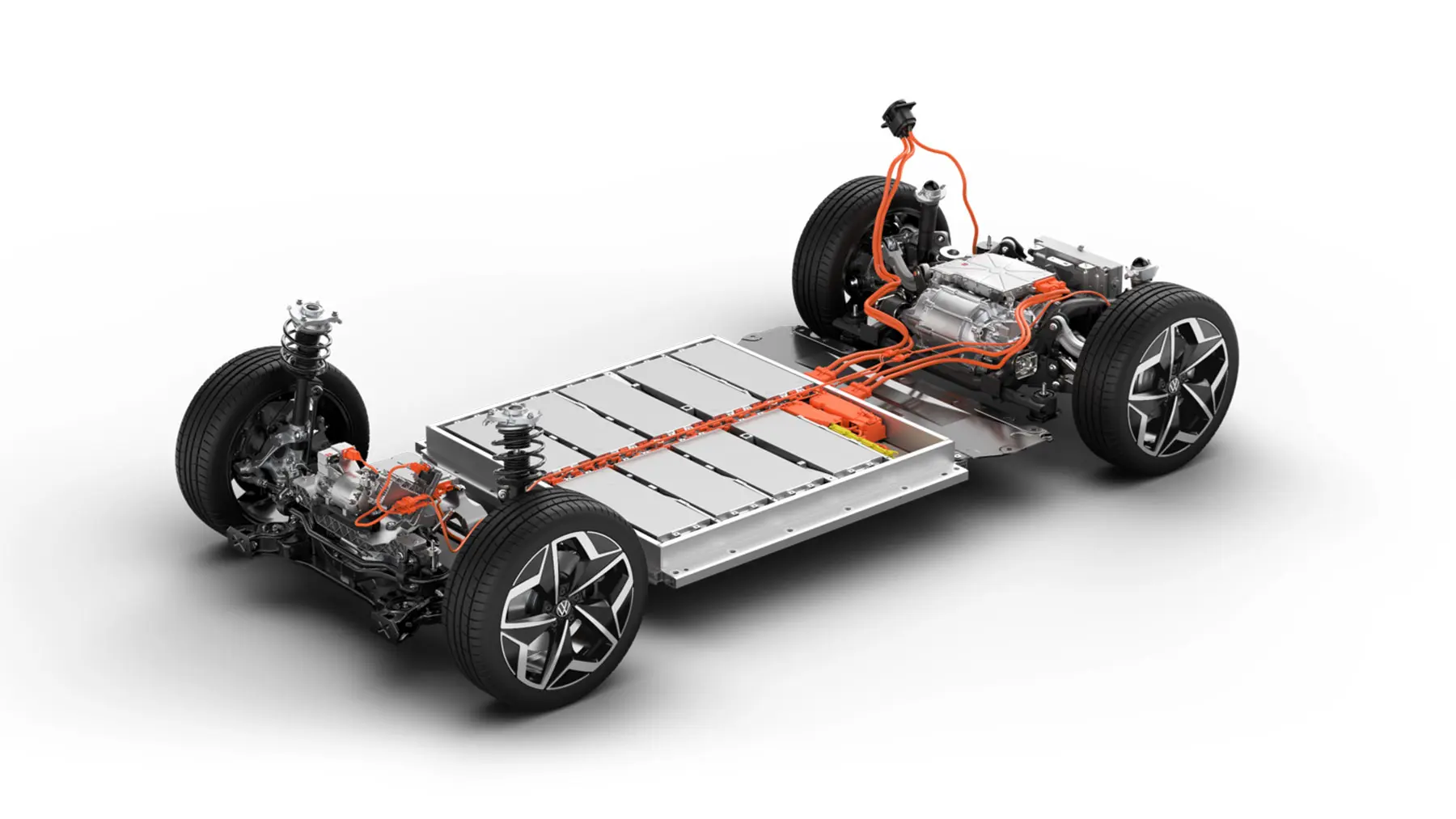
Battery longevity is one of the biggest concerns for anyone considering an electric vehicle. While gasoline cars gradually lose performance as engines and transmissions wear over time, EV buyers often wonder what happens to the battery after years of daily use.
Will it still provide enough range? Will charging become noticeably slower? And perhaps the most common question of all: How much capacity does an EV battery actually lose after 100,000 miles?
The reassuring news is that modern electric vehicles have proven to be far more durable than many early skeptics predicted. Real-world data collected from hundreds of thousands of EVs shows that most battery packs retain the vast majority of their original capacity well beyond the 100,000-mile mark.
Although some degradation is inevitable, it is usually gradual rather than dramatic, and for most drivers, it has little impact on everyday usability.
That does not mean every EV ages the same way. Battery chemistry, charging habits, climate, thermal management, and driving conditions all influence how much capacity is lost over time. Understanding these factors provides a much clearer picture of what owners can realistically expect after years of ownership.
Also Read: 8 Maintenance Items Owners Should Not Skip
Battery Degradation Is Normal
Every rechargeable lithium-ion battery slowly loses capacity as it ages. This process occurs because repeated charging and discharging gradually alter the battery’s internal chemistry.
Unlike mechanical wear, battery degradation is typically measured as a reduction in usable energy storage rather than outright failure.
For example:
- A new 75 kWh battery provides its full usable capacity.
- After years of use, it may store only 69 to 71 kWh.
- The vehicle still functions normally but offers slightly less driving range.
This gradual decline affects every lithium-ion battery, including those found in smartphones, laptops, and electric vehicles.
The difference is that automotive batteries are designed with far more sophisticated management systems to slow the aging process.
Most EVs Retain 85 to 95 Percent Capacity After 100,000 Miles
Real-world studies from manufacturers, fleet operators, and independent researchers consistently show encouraging results.
For most modern EVs driven approximately 100,000 miles, battery capacity typically remains between 85 and 95 percent of its original usable capacity.
In practical terms:
- 100 percent when new
- 95 to 98 percent after roughly 25,000 miles
- 90 to 95 percent after around 50,000 miles
- 85 to 95 percent after approximately 100,000 miles
The exact figure depends heavily on the vehicle, battery chemistry, and operating conditions. Many owners report even smaller losses than these averages.
Capacity Loss Does Not Mean Battery Failure
One common misunderstanding is confusing degradation with failure. A battery that has lost 10 percent of its capacity has not failed. It simply stores slightly less energy.
For example:
A vehicle originally capable of 300 miles on a full charge may provide the following:
- Around 285 miles after 5 percent degradation
- Around 270 miles after 10 percent degradation
- Around 255 miles after 15 percent degradation
For drivers covering typical daily commutes of 30 to 50 miles, this reduction often has little practical effect.
Long-distance travelers notice the change more because charging stops become slightly more frequent.
Battery Cooling Systems Make a Huge Difference
One of the biggest reasons modern EV batteries last longer than early electric cars is improved thermal management. Temperature is one of the most important factors affecting battery life.
Most current EVs use liquid cooling systems that maintain the battery within its ideal operating range during the following:
- Fast charging
- Highway driving
- Hot weather
- Cold weather
Keeping the battery at stable temperatures slows chemical aging significantly. Vehicles lacking active liquid cooling generally experience faster degradation, particularly in very hot climates.
Climate Plays a Major Role
Where an EV spends its life matters almost as much as how it is driven. High temperatures accelerate battery aging because chemical reactions occur more rapidly.
Vehicles operating year-round in extremely hot regions often experience greater capacity loss than identical vehicles used in milder climates.
Cold weather temporarily reduces available range but usually has much less long-term impact on permanent battery health.
Many manufacturers therefore recommend avoiding prolonged exposure to extreme heat whenever possible. Parking in garages or shaded areas can help reduce thermal stress over many years.
Fast Charging Does Increase Wear, But Less Than Many Think
DC fast charging subjects batteries to higher electrical loads than slower Level 2 charging. Repeated fast charging generates more heat and places additional stress on battery cells.
However, modern battery management systems carefully regulate charging speed to minimize damage.
Research suggests drivers relying primarily on DC fast charging may experience slightly greater degradation than those charging mostly at home. The difference, however, is generally much smaller than many people assume.
Occasional road trips using fast chargers have very little measurable impact on long-term battery life.
Problems arise mainly when fast charging becomes the primary charging method every day for many years.
Battery Chemistry Has Improved Significantly
Not every EV battery uses identical chemistry. Modern vehicles commonly use variations such as the following:
- Nickel Manganese Cobalt (NMC)
- Nickel Cobalt Aluminum (NCA)
- Lithium Iron Phosphate (LFP)
Each offers different advantages. LFP batteries generally tolerate repeated charging cycles exceptionally well and often experience slower long-term degradation.
NMC and NCA batteries typically provide higher energy density and longer driving range but may require slightly more careful charging habits.
Manufacturers continue refining these chemistries every year, meaning newer EVs often outperform earlier generations in long-term durability.
Charging Habits Can Influence Battery Life
Owners can extend battery health by adopting sensible charging practices. Helpful habits include:
- Using Level 2 charging for daily driving
- Limiting unnecessary fast charging
- Avoiding prolonged storage at 100 percent charge
- Following the manufacturer’s charging recommendations
- Installing software updates promptly
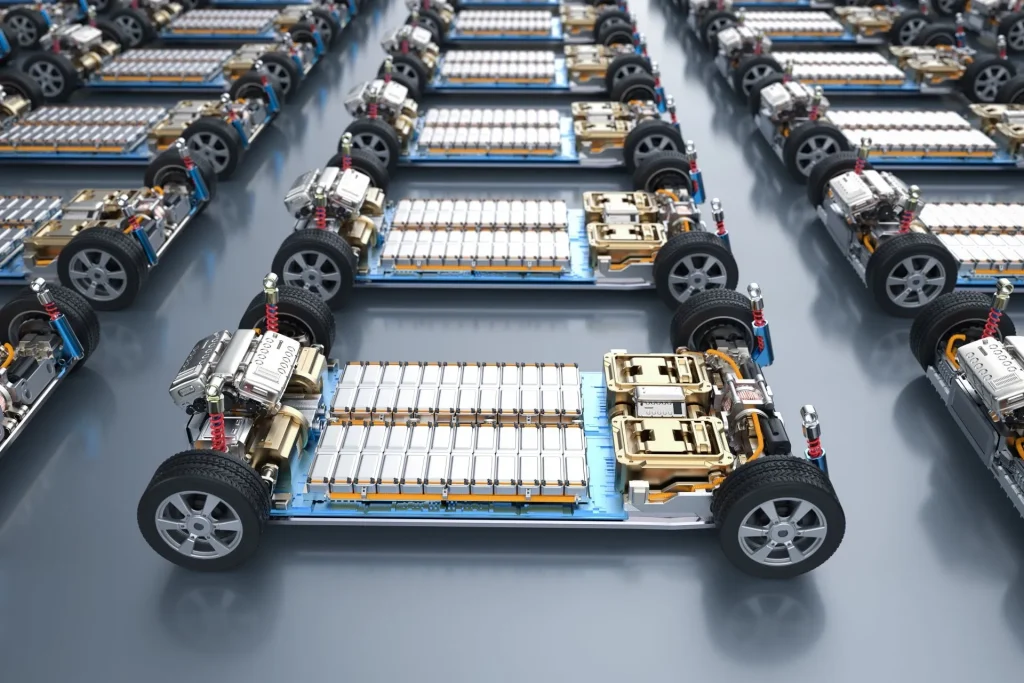
Many EVs now allow owners to set daily charging limits around 80 percent, automatically preserving battery longevity while still providing ample driving range. Charging to 100 percent remains perfectly acceptable before long trips.
Software Also Protects Battery Health
Modern EVs rely heavily on software to manage battery aging. The battery management system continuously monitors:
- Cell voltage
- Temperature
- Charging speed
- State of charge
- Cell balance
Manufacturers frequently release software updates improving charging algorithms and thermal management. These updates help reduce long-term degradation without requiring any hardware changes. Software improvements have become an increasingly important part of battery longevity.
Warranty Coverage Reflects Manufacturer Confidence
Most major EV manufacturers now provide battery warranties covering:
- 8 years
- 100,000 miles, sometimes more
Many warranties also guarantee the battery will retain at least 70 percent of its original capacity during the coverage period.
If capacity falls below that threshold because of a manufacturing defect, the battery may qualify for repair or replacement under warranty.
The fact that manufacturers are willing to offer such coverage demonstrates considerable confidence in modern battery durability. Actual real-world degradation usually remains well above the warranty threshold.
Used EV Buyers Should Check Battery Health
For anyone purchasing a used electric vehicle, battery health has become one of the most important inspection items. Many manufacturers provide battery health information directly through the vehicle. Independent diagnostic tools can also estimate remaining capacity.
Buyers should consider:
- Total mileage
- Battery health percentage
- Fast-charging history
- Service records
- Software update history
A well-maintained EV with 100,000 miles may still retain over 90 percent battery capacity, making it an excellent long-term purchase.
Will Battery Degradation Continue at the Same Rate?
Interestingly, degradation often slows after the initial years.
Many batteries experience the following:
- Slightly faster capacity loss early in life
- Much slower decline afterward
This pattern means a battery losing 8 percent during its first 100,000 miles does not necessarily lose another 8 percent during the next 100,000 miles.
Actual aging depends on numerous variables, but many long-term fleet studies have observed relatively gradual degradation beyond the initial decline.
Should Buyers Worry About 100,000 Miles?
For most drivers, probably not.
A vehicle originally offering 320 miles of range that still delivers around 285 to 300 miles after 100,000 miles remains highly practical.
Daily commuting changes very little. Charging habits remain largely unchanged.
Road trips may require slightly shorter intervals between charging stops, but the difference is often measured in tens rather than hundreds of miles.
Modern battery technology has advanced far enough that battery longevity is becoming less of a concern than many buyers originally feared.
Modern electric vehicle batteries have proven remarkably durable, with most retaining 85 to 95 percent of their original capacity after approximately 100,000 miles. While some degradation is inevitable, it is typically gradual and has only a modest effect on real-world driving range.
Advances in battery chemistry, liquid cooling systems, software management, and thermal control have dramatically improved long-term durability compared with early-generation EVs.
Factors such as climate, charging habits, battery chemistry, and vehicle design all influence how much capacity is lost over time, but for the vast majority of owners, a well-maintained EV remains highly usable long after reaching six-digit mileage.
Rather than fearing battery replacement at 100,000 miles, today’s EV buyers are increasingly discovering that the battery is often one of the most durable components in the entire vehicle.
Also Read: 10 Cars That Are Cheapest to Insure for Drivers Under 25
