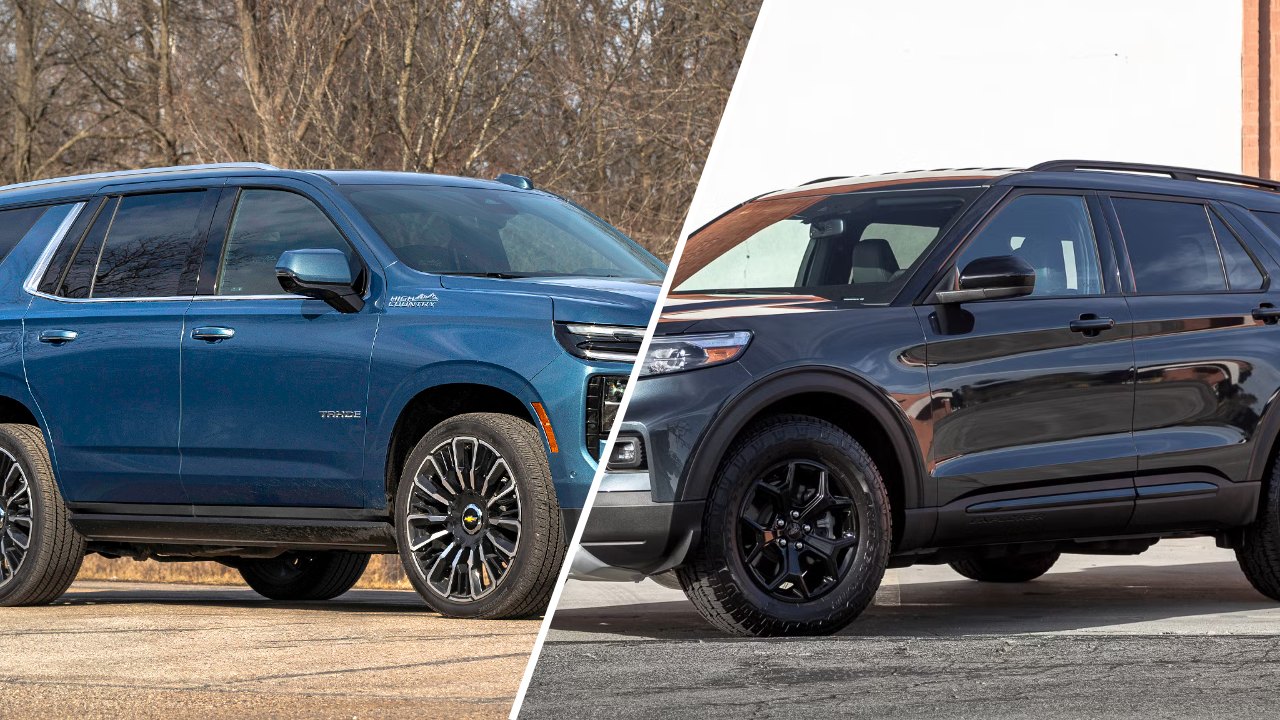
Flood-damaged SUVs often look surprisingly clean in online listings, especially after professional detailing, but water leaves behind clues that are difficult to erase.
According to the National Insurance Crime Bureau (NICB), hundreds of thousands of vehicles are damaged by flooding after major storms, and some eventually return to the used market despite being declared total losses or rebuilt.
While title washing can make a vehicle’s history harder to trace, physical evidence such as corrosion, rust on seat rails, moisture inside lighting, and electrical problems usually remains.
This guide highlights eight popular SUVs where careful inspection of specific areas can help buyers identify warning signs before making an expensive mistake.
Also Read: 10 EVs That Hold Value Better Than a Model 3
1. Toyota Highlander
A Toyota Highlander with an attractive price, low mileage, and a clean-looking interior can easily catch a buyer’s attention, but those same listings deserve closer scrutiny if they originate from regions recently affected by hurricanes or major flooding.
One of the first warning signs is not the exterior but the seller’s documentation. A missing maintenance history, recently issued out-of-state title, or frequent ownership changes may indicate title washing, a practice where a flood vehicle is retitled in another state to reduce the visibility of its damage history.
While vehicle history reports are valuable, they do not always capture every flood event, making a physical inspection equally important.
Inside the Highlander, remove the floor mats and inspect the carpeting around the front footwells. Fresh carpet combined with worn seats can suggest repairs after water intrusion. More importantly, look underneath the front seats.
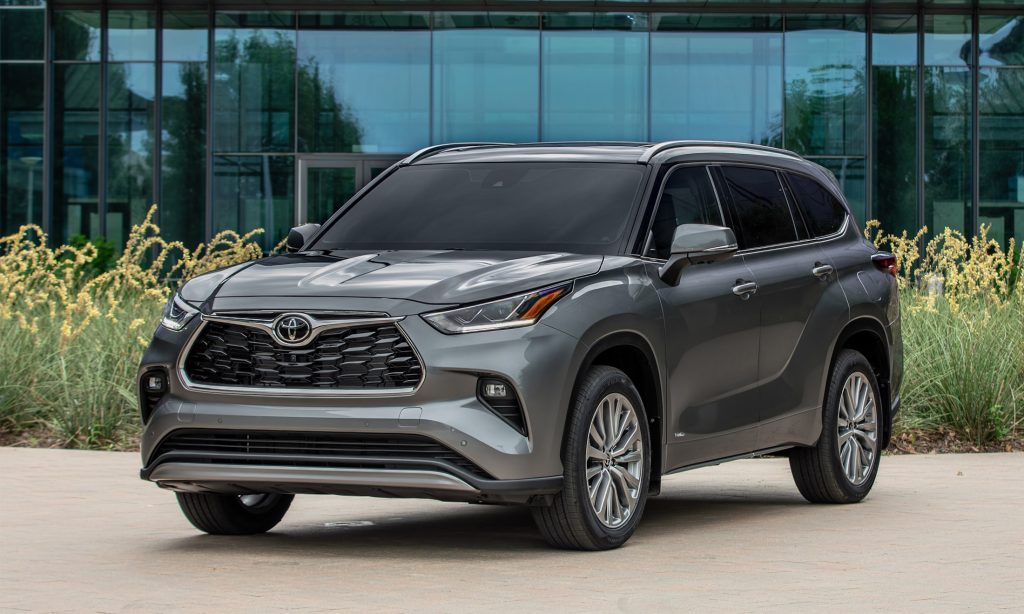
Surface rust on seat rails, seat mounting bolts, and metal brackets is uncommon on well-maintained vehicles kept in normal conditions. Corrosion in these areas often points to prolonged moisture exposure. Check whether seat adjustment motors move smoothly because electrical connectors beneath the seats are vulnerable to water damage.
Move to the cargo area and lift the rear floor panels. The spare tire well should be clean and dry. Mud residue, water stains, silt deposits, or rust around drain plugs deserve immediate attention.
Electrical components deserve careful attention during the inspection process. Check features such as the power liftgate, rear climate system, USB connections, and auxiliary power outlets, as water exposure can create hidden electrical problems that may not become obvious during a brief test drive. These issues often appear later as intermittent failures.
Buying a Highlander with verified maintenance records and carefully inspecting these corrosion points can significantly reduce the risk of unknowingly purchasing a flood-damaged SUV.
Specifications
- Engine: 2.4-liter turbocharged inline-4
- Torque: 310 lb-ft
- Horsepower: 265 hp
- Length/Width: 194.9 inches / 76.0 inches
2. Ford Explorer
The Ford Explorer is among the most common family SUVs on American roads, which also means it appears frequently in the used vehicle market following severe weather events.
A low asking price alone should never be considered proof of flood damage, but when paired with limited service records or a recently transferred title from another state, it warrants a more detailed inspection.
Flood-damaged vehicles sometimes move across state lines before being offered for sale, making physical evidence far more important than relying solely on paperwork.
Begin your inspection beneath the front seats. Explorer seat rails are finished with protective coatings that normally resist corrosion. Rust forming around adjustment tracks, mounting bolts, or electrical seat connectors can indicate previous water exposure.
Inspect the carpeting closely for inconsistent coloring or signs that sections have been replaced. A strong air freshener or recently shampooed interior may also be an attempt to mask lingering odors caused by moisture.
The Explorer’s numerous electronic systems deserve equal attention. Test every power window, seat adjustment, infotainment feature, climate control setting, backup camera, parking sensor, and steering wheel button.
Flood damage often affects electrical connectors long before complete failure occurs, resulting in intermittent malfunctions that may only appear after extended operation.
Open the rear cargo floor and inspect the spare tire compartment carefully. Dirt trapped in corners, dried silt, corrosion around welded seams, or water marks above the spare tire are strong indicators that standing water once collected inside the vehicle.
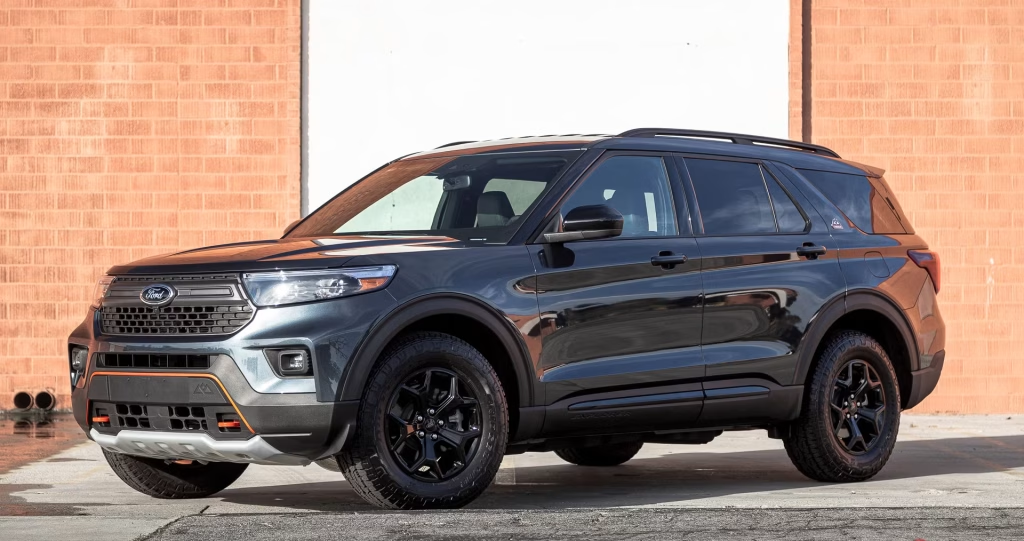
Also examine the underside of the hood for corrosion on exposed brackets and electrical grounds that should normally remain clean.
A careful inspection of these commonly overlooked areas provides far better protection than judging an Explorer solely by its polished paint or detailed interior.
Specifications
- Engine: 2.3-liter EcoBoost turbocharged inline-4
- Torque: 310 lb-ft
- Horsepower: 300 hp
- Length/Width: 198.8 inches / 78.9 inches
3. Jeep Grand Cherokee
The Jeep Grand Cherokee has long been a popular choice for buyers wanting a capable SUV that is equally comfortable on highways and trails.
That popularity also means thousands appear in the used market every year, making it important to separate well-maintained examples from those that may have suffered flood damage.
A listing advertising an unusually low price immediately after hurricane season is not proof of a problem, but it should encourage a much more detailed inspection before money changes hands.
Start with the interior because flood damage often leaves subtle evidence where buyers rarely look. Slide both front seats fully forward and backward while examining the seat rails. Light surface oxidation may occur in older vehicles, but significant rust on the rails, mounting bolts, or seat frames is a warning sign.
Lift the floor mats and press firmly on the carpet padding. Dampness, unusually soft insulation, or a musty odor can indicate previous water intrusion even if the visible carpet has been replaced.
The Grand Cherokee contains numerous electronic modules positioned throughout the cabin. Test the heated seats, power tailgate, navigation system, adaptive cruise control, memory seat functions, and every climate control setting.
Flood-damaged electrical systems frequently operate intermittently before complete failure occurs, making a thorough inspection more valuable than a short drive around the block. Move to the rear cargo area and remove the load floor. Inspect the spare tire compartment carefully for silt, rust around drain plugs, or water stains on painted metal.
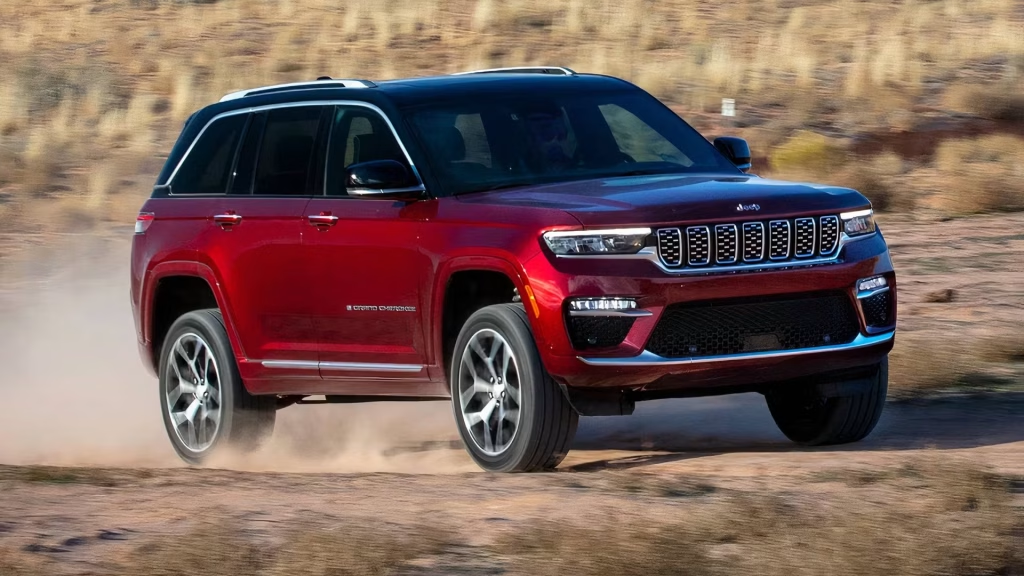
Check wiring harnesses for corrosion or unusually new electrical tape that could indicate previous repairs. Under the hood, look for oxidation on aluminum brackets, fuse box terminals, and exposed fasteners that normally remain clean.
A clean vehicle history report is valuable, but combining it with a careful inspection of corrosion points gives buyers much greater confidence that the Grand Cherokee has not experienced hidden flood damage.
Specifications
- Engine: 3.6-liter Pentastar V6
- Torque: 260 lb-ft
- Horsepower: 293 hp
- Length/Width: 193.5 inches / 77.5 inches
4. Honda Pilot
The Honda Pilot has built a strong reputation for reliability, which makes it attractive to used SUV buyers. Unfortunately, that demand also creates opportunities for flood-damaged examples to reappear on the market after cosmetic repairs.
Professional detailing can restore the appearance of a water-damaged interior, but it cannot eliminate every clue. Buyers willing to spend an extra half hour inspecting key areas often uncover problems that photographs never reveal.
Instead of beginning with the seats or carpet, focus on the cargo compartment. Lift the rear floor panels and remove the spare tire cover if possible. The metal well beneath should appear clean and free of rust flakes, dried mud, or water staining.
Floodwater frequently settles in this lowest section of the vehicle, leaving behind residue that remains long after the visible interior has been cleaned.
Next, examine the seat belt hardware. Pull every belt completely out and inspect it for discoloration, water spotting, or mildew. Seat belts are difficult to clean perfectly after submersion, making them one of the better indicators of previous flooding.
Continue by checking the seat rails for corrosion and ensuring every power seat adjustment functions smoothly.
The pilot’s extensive electronic equipment also deserves careful testing. Verify operation of the rear climate controls, infotainment screen, backup camera, USB ports, power outlets, blind-spot monitoring system, and power liftgate if equipped. Water intrusion commonly affects connectors long before warning lights appear on the dashboard.
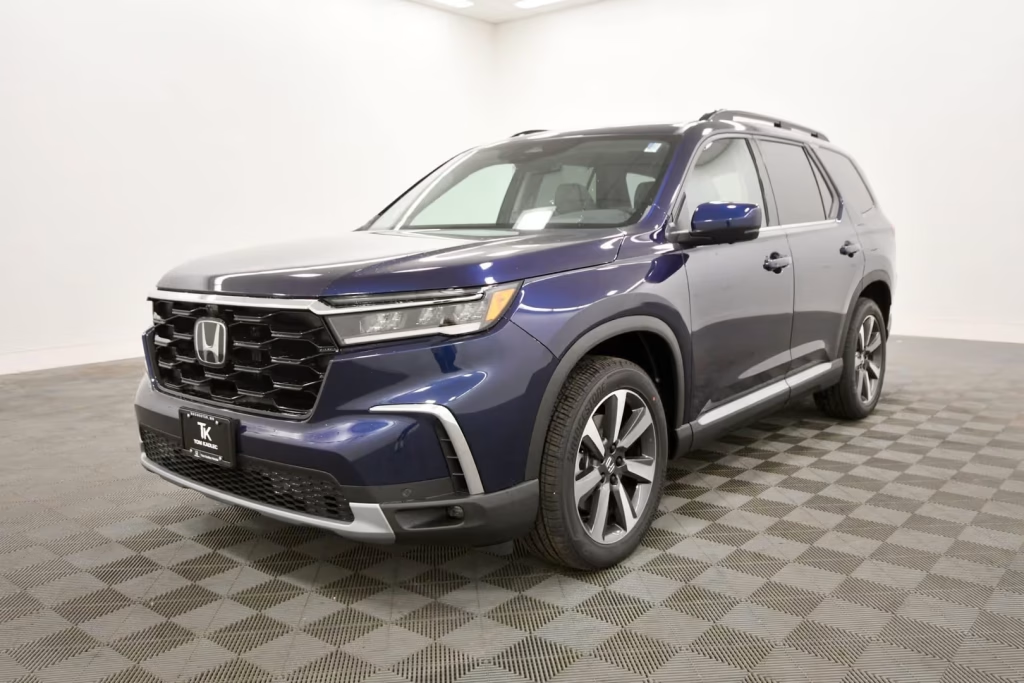
The interior condition should also be evaluated against the vehicle’s reported age and mileage. If a Pilot displays significant wear on high-touch areas like the steering wheel while showing unusually fresh carpeting or recently replaced trim, it may indicate previous repairs or refurbishment. In such cases, buyers should ask for more details about the vehicle’s history.
Consistency between wear and appearance is often a good sign, while mismatched conditions deserve closer investigation before completing the purchase.
Specifications
- Engine: 3.5-liter V6
- Torque: 262 lb-ft
- Horsepower: 285 hp
- Length/Width: 199.9 inches / 78.5 inches
5. Chevrolet Tahoe
A full-size SUV like the Chevrolet Tahoe can hide flood damage more effectively than smaller vehicles because of its spacious cabin and extensive sound insulation. A freshly detailed interior may appear spotless, but water often leaves evidence in places buyers rarely inspect.
If a listing shows a Tahoe priced well below similar models or recently registered in a different state following a major flood event, it deserves additional scrutiny before purchase.
Begin underneath the vehicle. Inspect the frame, suspension mounting points, brake line brackets, and fuel tank straps. While light surface rust is expected on older trucks in northern states, heavy corrosion on fasteners combined with an unusually clean body can indicate prolonged exposure to standing water.
The contrast between clean exterior panels and rust-covered underbody components should immediately raise questions.
A vehicle’s interior can reveal important clues about past flood exposure. Start by lifting the floor mats and examining the carpet around the door openings, where trapped moisture may leave behind stains or water marks. Check the center console, storage compartments, and removable panels for hidden dirt or sediment. Because floodwater often carries fine debris, traces can remain in small gaps and crevices that are difficult to fully remove.
The Tahoe contains numerous electronic control modules for features such as power-folding seats, rear entertainment systems, adjustable suspension, and multiple USB charging ports.
Test every electrical accessory individually instead of assuming they work because the dashboard shows no warning lights. Flood-related corrosion can create intermittent faults that appear only after repeated use.
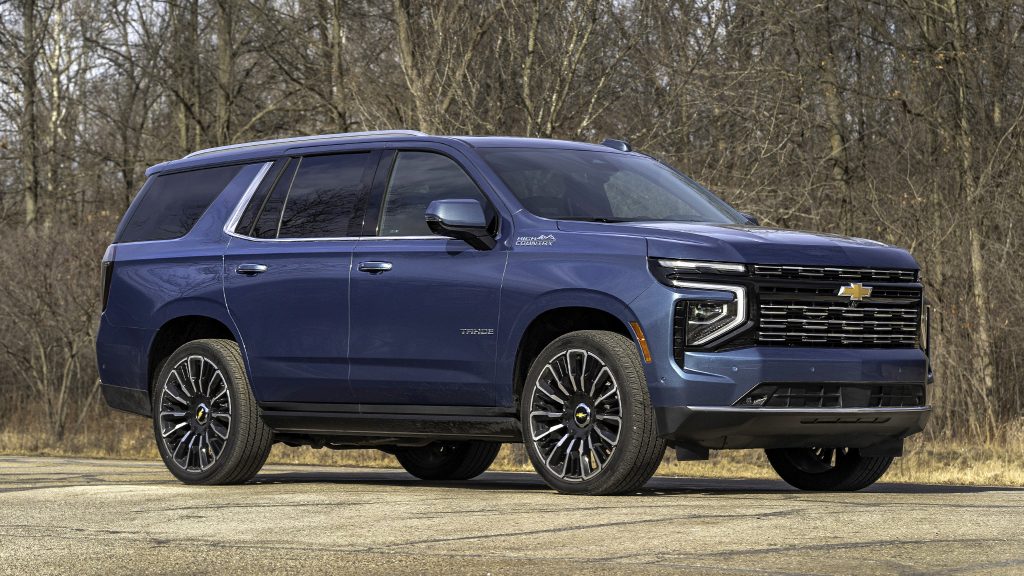
Finish by examining the spare tire compartment and rear cargo floor for rust, water staining, or signs of recent repainting. Even a professionally repaired flood vehicle often retains subtle evidence in these concealed areas. Spending extra time on this inspection can help buyers avoid expensive electrical repairs after the purchase.
Specifications
- Engine: 5.3-liter V8
- Torque: 383 lb-ft
- Horsepower: 355 hp
- Length/Width: 210.7 inches / 81.0 inches
6. Subaru Forester
The Subaru Forester is popular with buyers who enjoy outdoor activities, making it common in regions where heavy rain, snow, and flooding occasionally occur.
Because many examples have been used for camping and adventure travel, distinguishing normal outdoor wear from genuine flood damage requires careful observation. A clean title alone should never replace a thorough physical inspection.
One of the first places to inspect is beneath the front and rear seats. The Forester’s exposed seat rails and mounting hardware make corrosion relatively easy to spot. Rust concentrated around bolts, brackets, or electrical connectors beneath the seats is more concerning than minor oxidation on exterior suspension parts.
While checking this area, inspect the carpet backing for moisture stains or replacement sections that differ slightly in color or texture.
Next, verify that every electronic feature works exactly as intended. Test the EyeSight driver-assistance functions if possible, along with power windows, mirrors, heated seats, rear hatch operation, and climate controls.
Flood damage often affects connectors hidden beneath carpeting, causing intermittent electrical issues that become increasingly expensive to diagnose. Open the rear hatch and remove the cargo floor panels. The spare tire well should be free of mud deposits, rust flakes, or water marks.
Pay close attention to wiring harnesses routed through the cargo floor because these connectors often remain vulnerable after standing water exposure. Also inspect the jack storage area, where sediment can remain trapped for years.
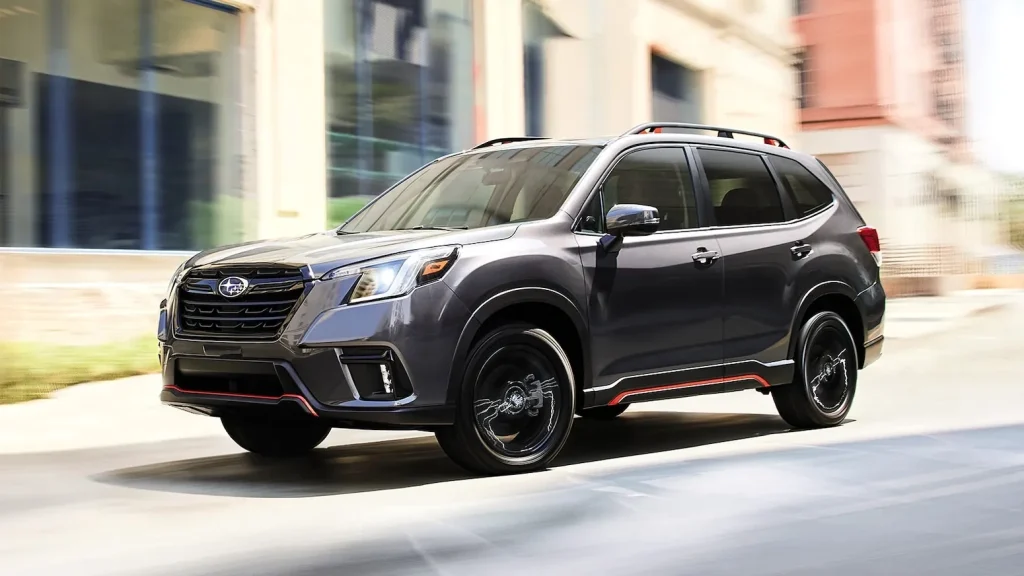
A Forester that passes these inspections while matching its maintenance records is far less likely to have hidden flood damage. Careful attention to corrosion points and interior consistency provides buyers with much stronger protection than appearance alone.
Specifications
- Engine: 2.5-liter BOXER flat-4
- Torque: 178 lb-ft
- Horsepower: 180 hp
- Length/Width: 183.3 inches / 72.0 inches
7. Nissan Rogue
The Nissan Rogue is one of the best-selling compact SUVs in the United States, making it a frequent sight in used vehicle listings. Its popularity also means flood-damaged examples occasionally reappear on the market after being cosmetically restored.
A spotless interior should never be accepted as proof that the vehicle escaped water damage. Instead, buyers should compare the vehicle’s condition with its history and inspect areas that are difficult to clean after flooding.
Start by opening every door and examining the lower weather stripping. Lift the rubber seals gently and look for trapped dirt, fine sand, or dried silt in the channels. Floodwater often leaves sediment behind in these hidden areas even after professional detailing.
Continue by checking the lower seat mounts and seat rails. Corrosion around the mounting hardware or discoloration on exposed metal parts can indicate that water remained inside the cabin for an extended period.
The Rogue relies heavily on electronic systems, making electrical inspection especially important. Test the infotainment display, backup camera, wireless charging pad if equipped, power driver’s seat, steering wheel controls, automatic climate control, and every USB port.
Flood-related corrosion may not trigger immediate warning lights, but intermittent operation is a common symptom of damaged electrical connectors. Next, inspect the cargo area thoroughly. Remove the floor panels and look inside the spare tire compartment for rust, water stains, or mud trapped around drain plugs.
Check the jack storage compartment and wiring harnesses for corrosion or signs of recent cleaning. These areas are often overlooked during cosmetic repairs and can reveal the vehicle’s true history.

A careful inspection takes little time but can prevent thousands of dollars in future repairs. When purchasing a used Rogue, evidence found beneath the carpeting and inside hidden storage compartments often tells a far more accurate story than the advertisement itself.
Specifications
- Engine: 1.5-liter VC-Turbo three-cylinder
- Torque: 225 lb-ft
- Horsepower: 201 hp
- Length/Width: 183.0 inches / 72.4 inches
8. Toyota RAV4
The Toyota RAV4 closes this list because of its enormous presence in the American used vehicle market. High demand means buyers often move quickly when an attractively priced example appears online, but rushing the inspection process can be costly if the SUV has experienced flood damage.
Even when a title appears clean, hidden corrosion and water intrusion can remain long after the vehicle has been professionally detailed.
Begin your inspection by comparing wear throughout the interior. A RAV4 showing heavily worn pedals and steering wheel but brand-new carpeting or recently replaced floor insulation deserves additional investigation.
Such inconsistencies do not automatically indicate flood damage, but they justify asking for repair records and maintenance documentation.
Move underneath the front seats and inspect the seat rails, adjustment mechanisms, and exposed bolts. Rust concentrated in these protected areas is unusual because they are not regularly exposed to road spray.
While there, check every seat adjustment and ensure the seat heaters, if equipped, operate correctly. Electrical connectors beneath the seats are particularly vulnerable to prolonged moisture.
The rear cargo area provides another valuable inspection point. Remove the cargo floor, inspect the spare tire well, and examine every corner for dried mud, corrosion, water stains, or peeling paint.
Open and close the power liftgate several times while testing the rear camera, cargo lighting, and power outlet. Intermittent electrical operation should never be dismissed as a minor inconvenience.
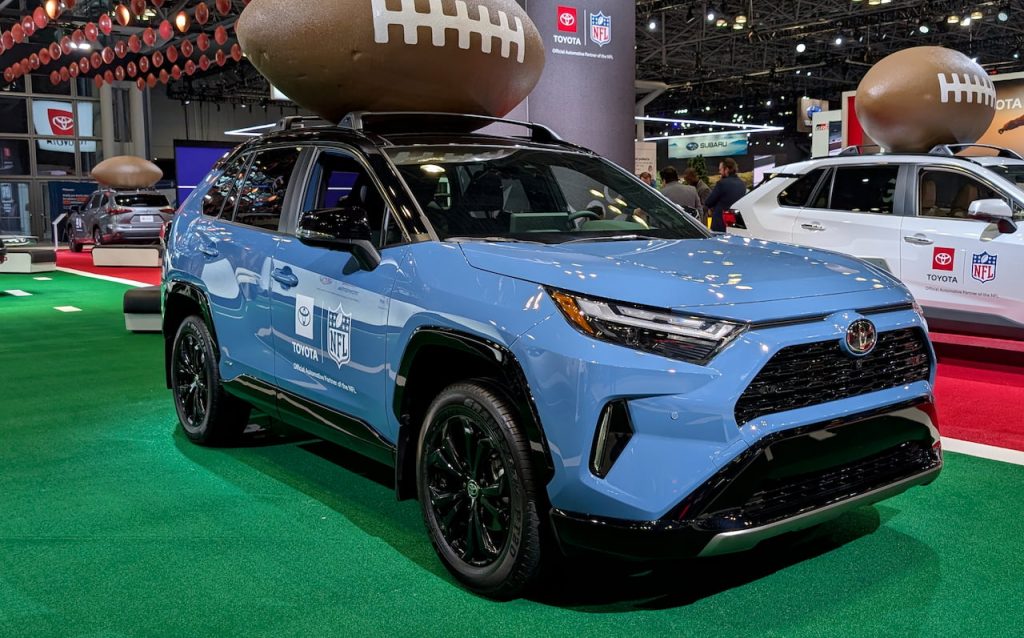
The engine compartment can reveal important clues about possible water exposure. Inspect areas such as fuse box terminals, exposed fasteners, grounding points, and aluminum components for signs of corrosion. Because these parts usually deteriorate gradually over time, excessive oxidation or rust that seems out of place compared with the vehicle’s age and condition may indicate previous flood damage.
A patient inspection combined with a vehicle history report and professional pre-purchase evaluation provides the best defense against unknowingly buying a flood-damaged RAV4.
Specifications
- Engine: 2.5-liter naturally aspirated inline-4
- Torque: 184 lb-ft
- Horsepower: 203 hp
- Length/Width: 180.9 inches / 73.0 inches
9. Hyundai Santa Fe
The Hyundai Santa Fe frequently appears on the used market, particularly as lease returns, making it important to separate well-maintained examples from vehicles with hidden flood histories.
A polished exterior and freshly cleaned interior can easily disguise previous water exposure, so buyers should focus on components that are difficult or expensive to restore completely. If the SUV recently changed ownership multiple times or has been retitled in another state following a major flooding event, that history deserves closer attention.
Begin by inspecting the lower dashboard panels and the area beneath the front seats. The Santa Fe houses several wiring connectors under the carpeting, and prolonged water exposure can leave corrosion on terminals or mounting brackets.
Check the seat rails for rust and verify that all power seat functions operate smoothly without hesitation. Lift the cargo floor and inspect the spare tire well for mud residue, water stains, or corrosion around drain plugs.
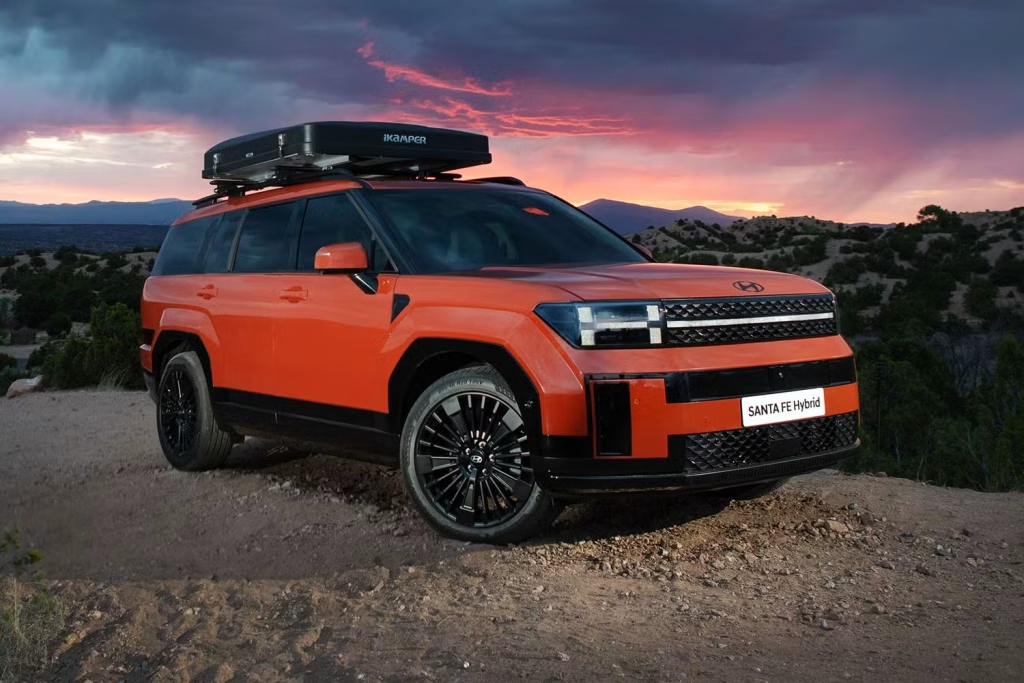
Pay equal attention to electronic features. Test the digital instrument cluster, infotainment system, blind-spot cameras, wireless phone charger, rear climate controls, and power liftgate. Flood damage often causes intermittent electrical issues before complete failure occurs.
Finally, compare the condition of the carpeting with the rest of the interior. Brand-new carpet in an otherwise worn cabin should prompt additional questions. Combining these physical inspections with a professional pre-purchase inspection significantly reduces the chances of buying a flood-damaged Santa Fe.
Specifications
- Engine: 2.5-liter turbocharged inline-4
- Torque: 311 lb-ft
- Horsepower: 277 hp
- Length/Width: 190.2 inches / 74.8 inches
10. Mazda CX-5
The Mazda CX-5 is known for its premium interior, but that same high-quality cabin can make flood damage difficult to recognize after professional detailing.
Buyers should avoid relying solely on appearance and instead inspect the hidden structural and electrical areas that flooding commonly affects. A vehicle offered at a price noticeably below similar listings should always receive a detailed inspection before purchase.
Open every door and examine the weather seals for trapped sand or dried silt. These narrow channels are often overlooked during cleanup and can reveal previous water intrusion.
The interior can reveal signs of water intrusion that are easy to overlook. Check the seat tracks, mounting hardware, and metal brackets beneath the front seats for signs of corrosion. Rust in these normally protected areas is a much more serious indicator of possible flood exposure than typical surface rust found on exposed underbody components.
Remove the cargo floor panels and inspect the spare tire compartment carefully, looking for corrosion, peeling paint, or sediment trapped around seams.
The CX-5’s electronics also deserve careful testing. Verify the operation of the infotainment display, backup camera, heated seats, power liftgate, adaptive cruise control, and every USB port. Water-damaged connectors may function intermittently, making it worthwhile to operate each feature multiple times during the inspection.
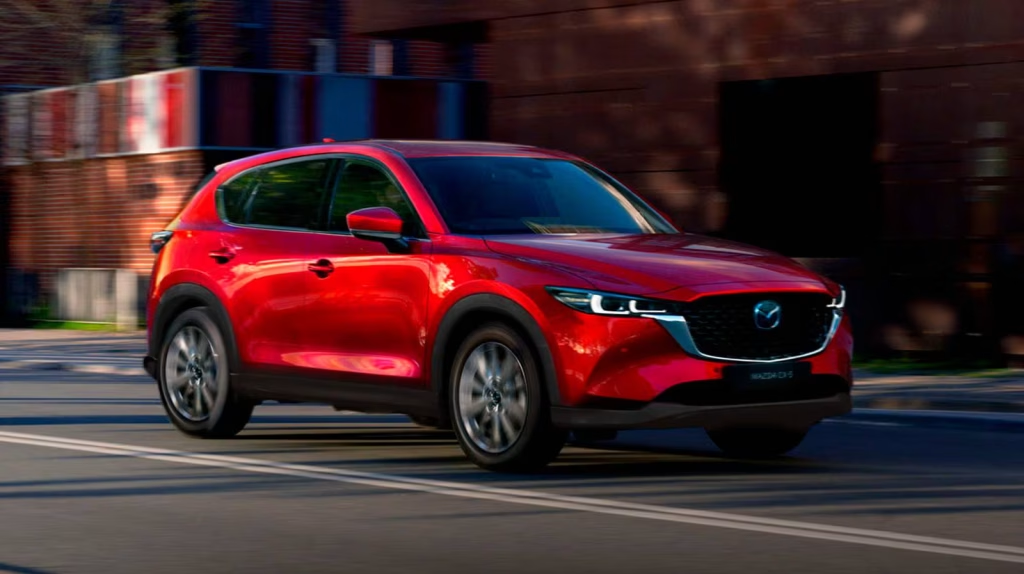
When combined with a vehicle history report and an independent mechanical inspection, these checks provide buyers with a much clearer picture of whether the CX-5 has experienced hidden flood damage.
Specifications
- Engine: 2.5-liter naturally aspirated inline-4
- Torque: 186 lb-ft
- Horsepower: 187 hp
- Length/Width: 180.1 inches / 72.6 inches