
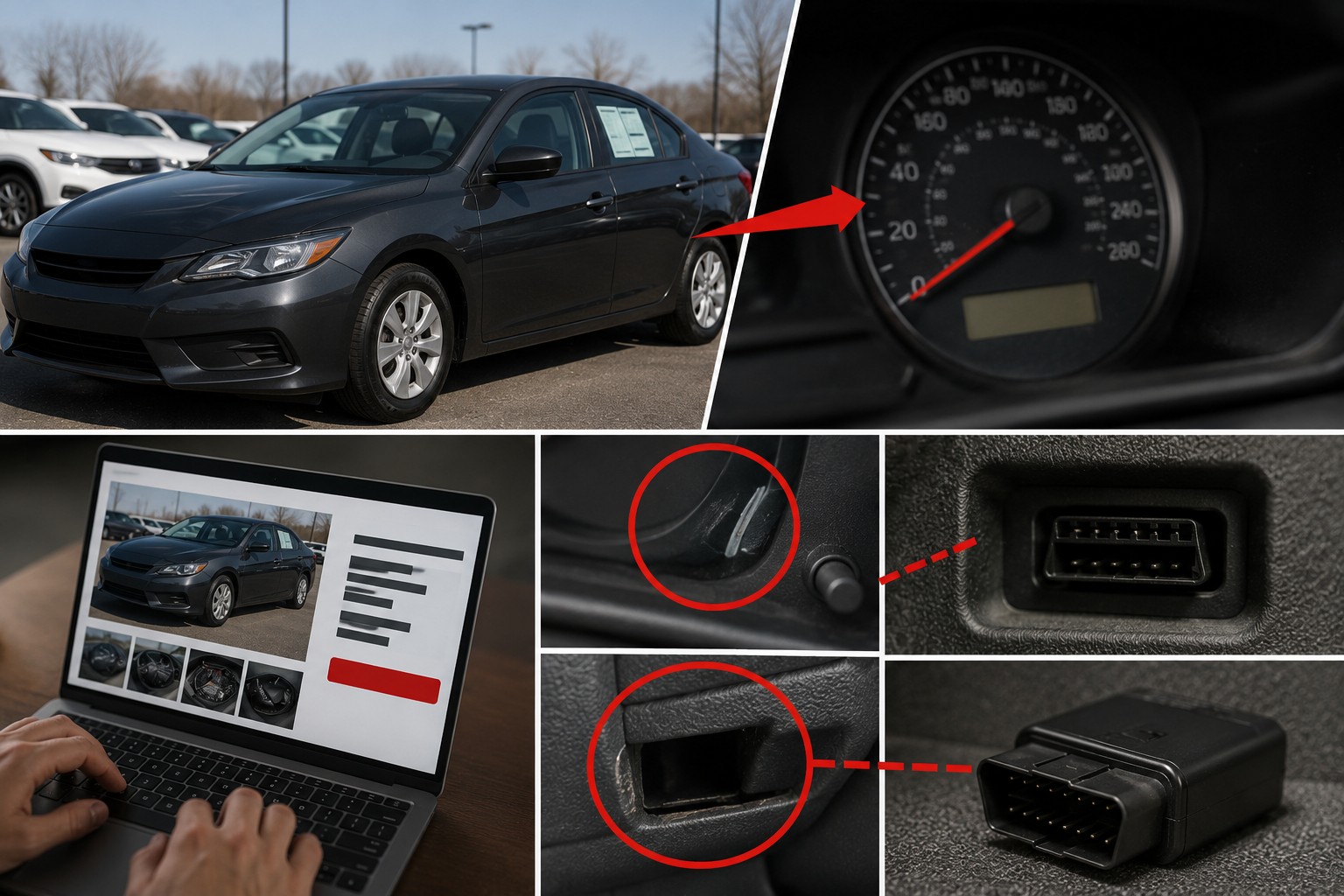
Buying a used car is a leap of trust. You depend on the seller’s word and the numbers on the dashboard. Unfortunately, odometer fraud remains a real problem in resale markets. Rollback scams inflate a car’s value by making it look newer than it truly is. Criminals use cheap tools to spin digital odometers backward in minutes.
The financial damage can be significant, sometimes thousands of dollars in inflated price. Beyond money, a rolled-back odometer hides real mechanical risk. A car that has secretly done 150,000 miles gets sold as an 80,000-mile vehicle. That gap means skipped maintenance intervals and hidden wear on critical parts.
Buyers often only discover the truth after costly repairs begin. The good news is that rollback fraud leaves physical traces almost every time. Wear patterns, service records, and small mechanical details rarely lie, even when the odometer does. This article breaks down eight specific, research-backed warning signs.
Each one focuses on a mismatch between claimed mileage and physical or documented evidence. Learning to spot these signs protects your wallet and your safety. Let’s go through them one by one, in real detail.
1. Gaps or Missing Entries in Service Records
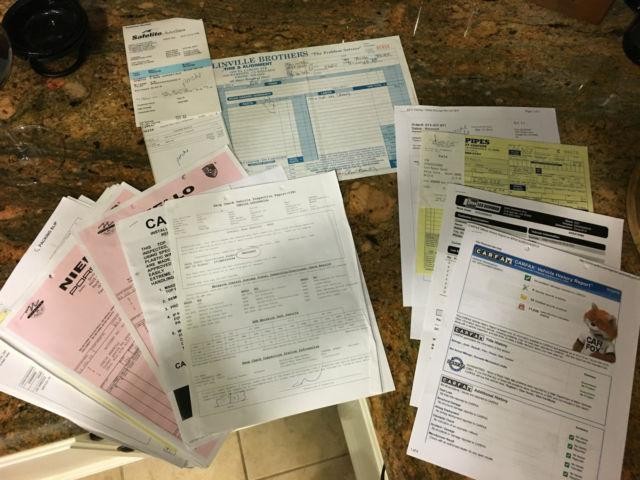
A clean, continuous service history is one of the strongest anti-fraud tools available. Every oil change, inspection, and repair should be logged with a date and mileage.
When you review the file, look for chronological gaps. A car serviced at 20,000 miles and then again at 45,000 miles with no records between raises questions. Rollback fraud often happens during a period of unrecorded ownership or private sale. The odometer gets adjusted right before the car changes hands.

That means the gap in records is exactly where the fraud occurred. Genuine owners rarely skip years of scheduled maintenance entirely. Dealership service departments and independent garages both keep digital records now. Ask the seller to request records directly from the shop, not just show you a printout.
Printed sheets can be edited in basic software before printing. Compare the mileage listed at each visit against the car’s current claimed mileage. If the numbers ever go backward between two service dates, that is a definitive red flag. Reputable oil-change chains also stamp windshield stickers with mileage and date.
Check whether the physical sticker matches the paper trail. A mismatch between the sticker and the paperwork often exposes tampering. Also check state inspection databases where available, since many track mileage every year.
This third-party data is much harder for a scammer to alter. If the seller becomes evasive when asked for full service history, treat that as a warning itself. Honest sellers usually want to prove their car’s condition, not hide it.
2. Mismatched Mileage Across Different Official Records
Odometer numbers appear in more places than just the dashboard. Title documents, registration renewals, insurance policies, and past listings all record mileage. Each of these creates a timestamped snapshot you can compare. Pull a vehicle history report from a reputable provider before buying.
These reports pull mileage data from title transfers, auctions, and inspections. Look specifically at the sequence of numbers over time. Mileage should climb steadily year after year, never drop.
A sudden decrease between two records is nearly impossible without fraud. Even a plateau, where mileage barely changes over a long period, deserves scrutiny.
Cars driven daily accumulate miles at a fairly predictable rate. Roughly 10,000 to 15,000 miles per year is typical for most drivers. If a car shows only 3,000 miles added over two full years, ask why. Sometimes it’s legitimate, like a second car rarely driven. But it can also mean the odometer was rolled back mid-period.
Cross-check old online listings if the car was previously advertised for sale. Screenshots or cached pages sometimes show a higher mileage than the current listing. Auction house records are particularly reliable since they’re generated at the point of sale. If you can access one, compare it against the seller’s current claim.
Insurance claim documents from past accidents also often list mileage. Any of these sources contradicting the dashboard reading should stop the deal immediately. Never rely on a single data point when so many independent ones exist.
3. Excessive Pedal and Steering Wheel Wear for the Claimed Mileage
Physical wear on touch points tells an honest story the odometer cannot fake easily. The brake pedal, gas pedal, and steering wheel absorb constant human contact. On a car with genuinely low mileage, these parts still look fairly fresh. Rubber pedal pads stay textured with visible tread patterns intact.
The steering wheel retains its shape without flattened or shiny grip areas. Now compare that to a car claiming 30,000 miles with a slick, worn pedal pad. That kind of wear typically takes 80,000 miles or more to develop. Leather or vinyl steering wheels that are cracked, shiny, or reshaped signal heavy use.
This is one of the hardest things for scammers to fake convincingly. Replacing pedal pads or steering wheel covers is possible but often looks obviously new against an aged interior. Look closely for mismatched wear between the steering wheel and the rest of the cabin. A brand-new-looking wheel paired with a worn seat is suspicious on its own.
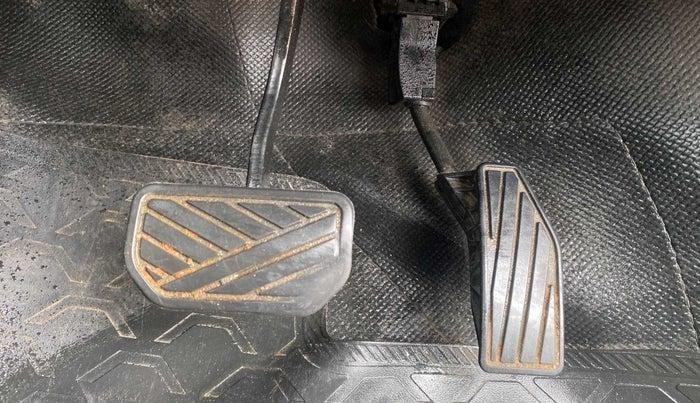
Also check the automatic transmission shift knob or gear lever grip. Frequent hand contact wears down textured surfaces and printed lettering over time. Faded gear position numbers or a smooth, worn knob suggest high usage. Floor mats near the driver’s seat show wear patterns too.
Genuine low-mileage cars have mats with minimal creasing or fabric thinning. Heavily creased, thin, or replaced mats hint at more driving than claimed. Combine these observations rather than judging on just one detail. Multiple worn touch points together build a much stronger case for rollback.
4. Uneven or Premature Tire Wear Relative to Claimed Mileage
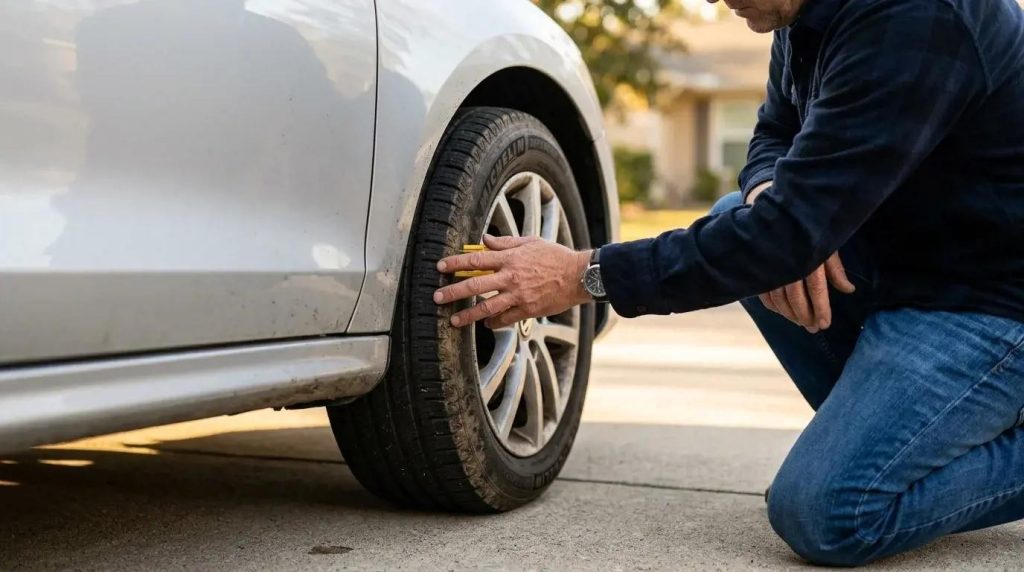
Tires wear down at a fairly predictable rate under normal driving conditions. Most tires last between 40,000 and 60,000 miles depending on type. If a car claims 25,000 miles but rides on tires worn down to the wear bars, question it.
That level of tread loss usually needs significantly more mileage to occur. Check the tire manufacturer date code stamped on the sidewall. It’s usually a four-digit number showing the week and year of production.
Compare that date against the car’s claimed age and mileage. Tires much older than the car’s stated purchase date suggest inconsistency somewhere. If the original tires are still on the car, this comparison is especially telling. Also examine whether all four tires show the same brand and wear level. Mismatched tire brands or wildly different tread depths raise a flag.
It may mean tires were replaced early due to unusually high actual mileage. Ask the seller directly whether tires have been replaced and when. Cross-reference that answer against any receipts in the service file.
A seller claiming original tires on a car with heavy wear at low claimed mileage is a strong warning sign. Consider the tread wear pattern too, not just depth. Rollback vehicles sometimes come from ride-share or delivery use before resale.
These vehicles accumulate mileage unevenly and heavily around city driving. Cupping, feathering, or inner-edge wear can indicate a harder driving history.
This kind of wear pattern doesn’t match casual, low-mileage personal ownership. Bring a simple tread depth gauge to the inspection if possible. It only takes a minute and gives you an objective number to compare.
Also Read: Why Ignoring a Small Windshield Chip Gets Expensive Fast
5. Interior Wear Inconsistent with the Claimed Mileage
The cabin ages in ways that are difficult to fully disguise. Seat bolsters, especially on the driver’s side, take the most contact over time. On a truly low-mileage car, bolster fabric or leather stays relatively smooth. Heavy creasing, thinning, or shine on the bolster suggests years of regular use. Check the driver’s door sill and armrest as well.
These areas get scuffed and worn from repeated entry and exit. A worn door sill paired with a low odometer reading doesn’t add up. Look at the headliner fabric above the driver’s seat too.
Sagging or yellowing headliner fabric usually takes many years to develop. Combine that observation with the claimed age of the vehicle. A three-year-old car with a sagging headliner is unusual outside of extreme conditions. Window and door switches show wear from repeated pressing over time. Faded lettering on power window buttons often means heavy daily use.
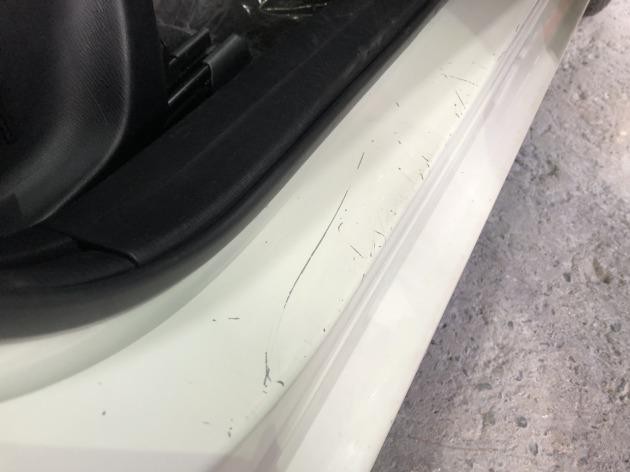
Compare that wear against a seemingly pristine dashboard elsewhere in the cabin. Selective wear in some spots but not others can indicate parts were replaced. Scammers sometimes swap a worn seat cover or clean a cabin selectively. But full interior consistency is hard to fake across every surface.
Check underneath the floor mats for carpet wear too. This area is rarely cleaned or replaced by casual owners or fraudsters. Genuine wear patterns there are a good honesty check.
Also smell the cabin for signs of heavy smoking or animal use inconsistent with a “one owner, low mileage” claim. These sensory clues, while not scientific, add useful context to your assessment.
6. Maintenance Sticker and Scheduled Service Mismatch
Modern vehicles follow strict maintenance schedules tied to mileage intervals. Timing belts, transmission fluid, and spark plugs each have recommended replacement points.
Manufacturers publish these intervals clearly in owner’s manuals and service guides. If a car’s claimed mileage says it hasn’t reached a timing belt interval, but records show it was already replaced, question why. Premature replacement can indicate the actual mileage is higher than stated.
Conversely, a car well past its interval with no replacement record is also risky. Either scenario suggests a disconnect between real use and the displayed number. Check under-hood or windshield stickers left by service centers. These often list the mileage at the last service and the mileage due for the next one.
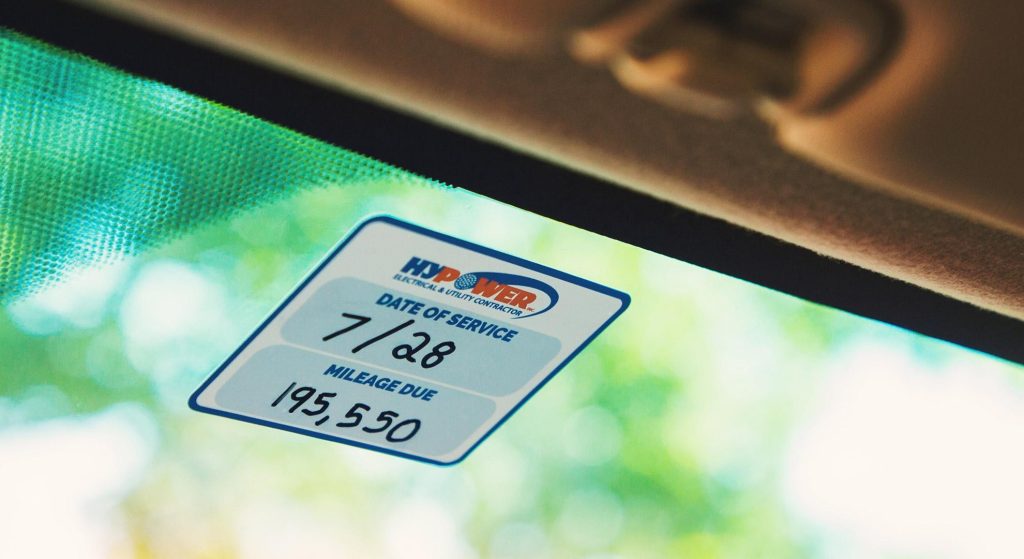
Compare that sticker’s numbers against the current claimed mileage. A recent sticker showing 95,000 miles on a car now claiming 60,000 is a glaring contradiction. Scammers sometimes forget to remove these stickers when rolling back the odometer. This small oversight can be one of the easiest tells to catch.
Also check spark plug or air filter replacement records against typical intervals. These parts usually get serviced around every 30,000 to 60,000 miles depending on the vehicle. A pattern of premature part replacement across multiple systems supports the rollback theory. Ask a trusted mechanic to inspect belts, hoses, and fluid condition directly.
Aged, cracked rubber components on a “low mileage” car are a physical contradiction. Fluids that look dark and old on paper-perfect low mileage cars tell the same story. Trust physical component condition over what a paper sticker or dashboard claims.
7. Windshield and Wiper Blade Wear Mismatch
Windshields and wipers endure constant exposure regardless of how carefully a car is driven. Genuine low-mileage cars usually have relatively clear, unpitted windshields. Heavy pitting, sandblasting texture, or a network of small chips suggests years on the road. Compare that wear against the claimed age and mileage of the vehicle.
A two-year-old car with a heavily pitted windshield is unusual under normal conditions. This kind of damage typically accumulates from sustained highway driving over time.
Wiper blade condition offers another clue worth checking closely. Original wiper blades degrade and crack after roughly one to two years of regular use. If the blades look ancient and brittle on a supposedly low-mileage, newer car, that’s inconsistent. It may suggest the car is actually much older in real-world use than claimed.
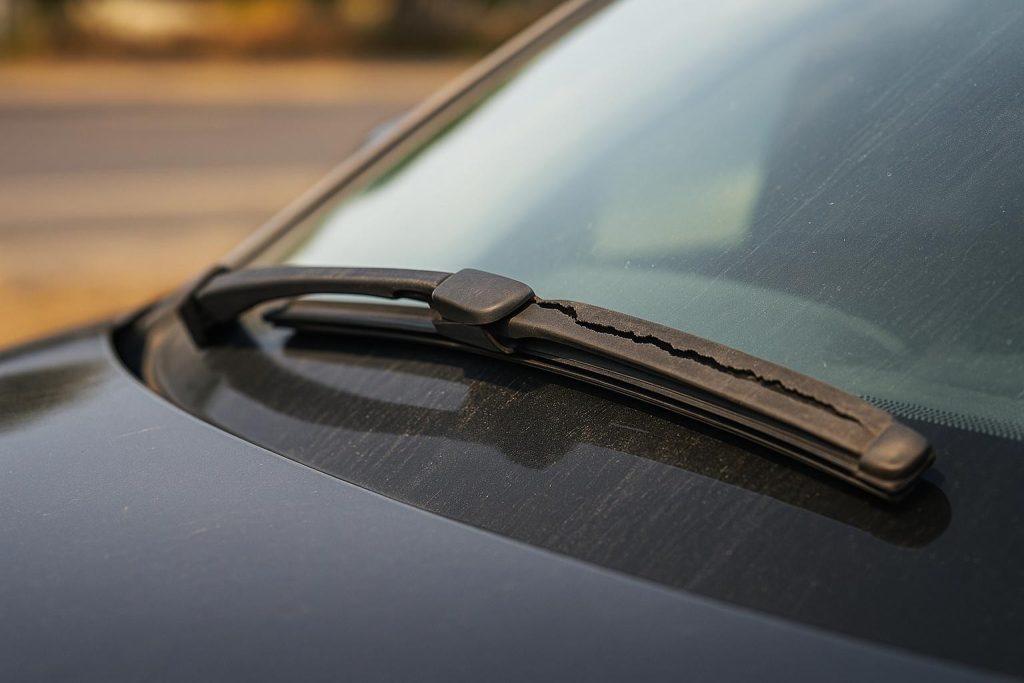
Check the wiper blade streak marks on the glass itself. Long-term streaking patterns etched faintly into glass build up gradually. This kind of etching takes extended exposure and repeated wiper cycles to form. It’s very difficult to replicate artificially or clean away completely. Also inspect the rubber seals around the windshield and windows.
UV exposure over years causes these seals to harden, crack, or discolor. A car claiming low mileage and recent age with heavily degraded seals raises doubt.
Rock chip repairs, visible as small resin-filled dots, also accumulate with highway miles. Multiple repaired chips on a low-mileage claim suggest more actual road exposure. None of these signs alone proves fraud conclusively. But together with other mismatches, they strengthen the pattern of suspicion.
8. Odometer Display Irregularities and Physical Tampering Marks
Finally, examine the odometer display and surrounding cluster itself directly. On analog-style odometers, look for misaligned numbers or uneven spacing between digits.
Mechanical rollback often leaves digits slightly crooked or unevenly lit. On digital odometers, check for flickering, incorrect fonts, or inconsistent digit brightness.
These small inconsistencies can indicate the cluster was opened and reprogrammed. Look closely at the screws around the instrument cluster housing. Scratched screw heads or mismatched screws suggest the panel has been removed before. Factory-installed clusters usually have clean, unmarked fastening points.
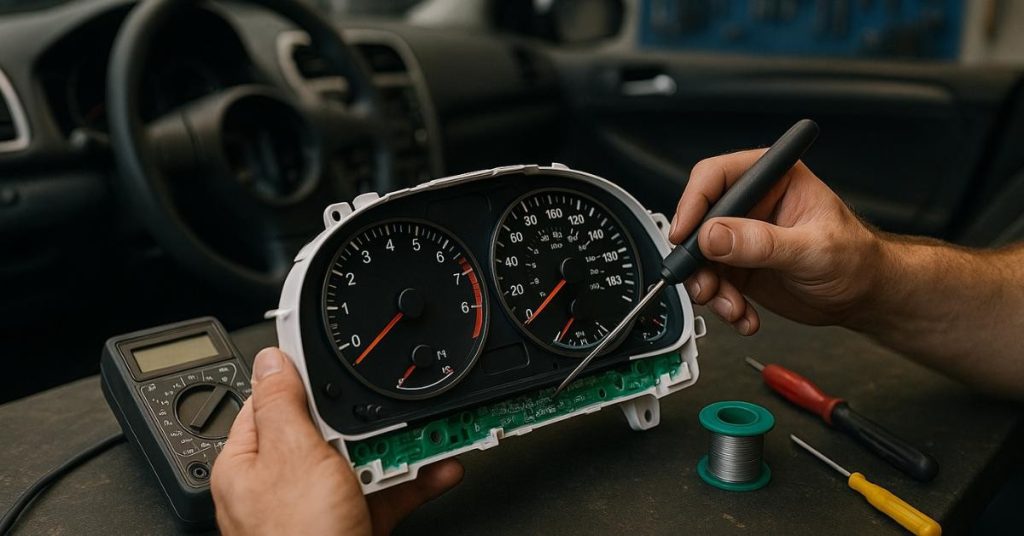
Tampering tools often leave tiny scratches on plastic trim near the dashboard. Ask to see the car started from cold, not already running when you arrive. Watch the odometer during startup for any unusual flicker or reset behavior. Some rollback tools cause a brief glitch during the initial power-up sequence.
Take a photo of the odometer reading at the start of your inspection. Compare that photo against the reading at the end of your test drive. Any discrepancy larger than the actual miles driven is an immediate red flag.
Also check the trip odometer and any onboard computer mileage logs. Some vehicles store separate mileage data in multiple modules beyond the main cluster. A qualified technician can sometimes access this data with diagnostic tools.
This stored data is much harder for scammers to alter consistently. If the seller resists a pre-purchase inspection at an independent shop, be cautious. Legitimate sellers rarely object to a short, professional diagnostic check. This final physical inspection often confirms or refutes all the earlier clues at once.
