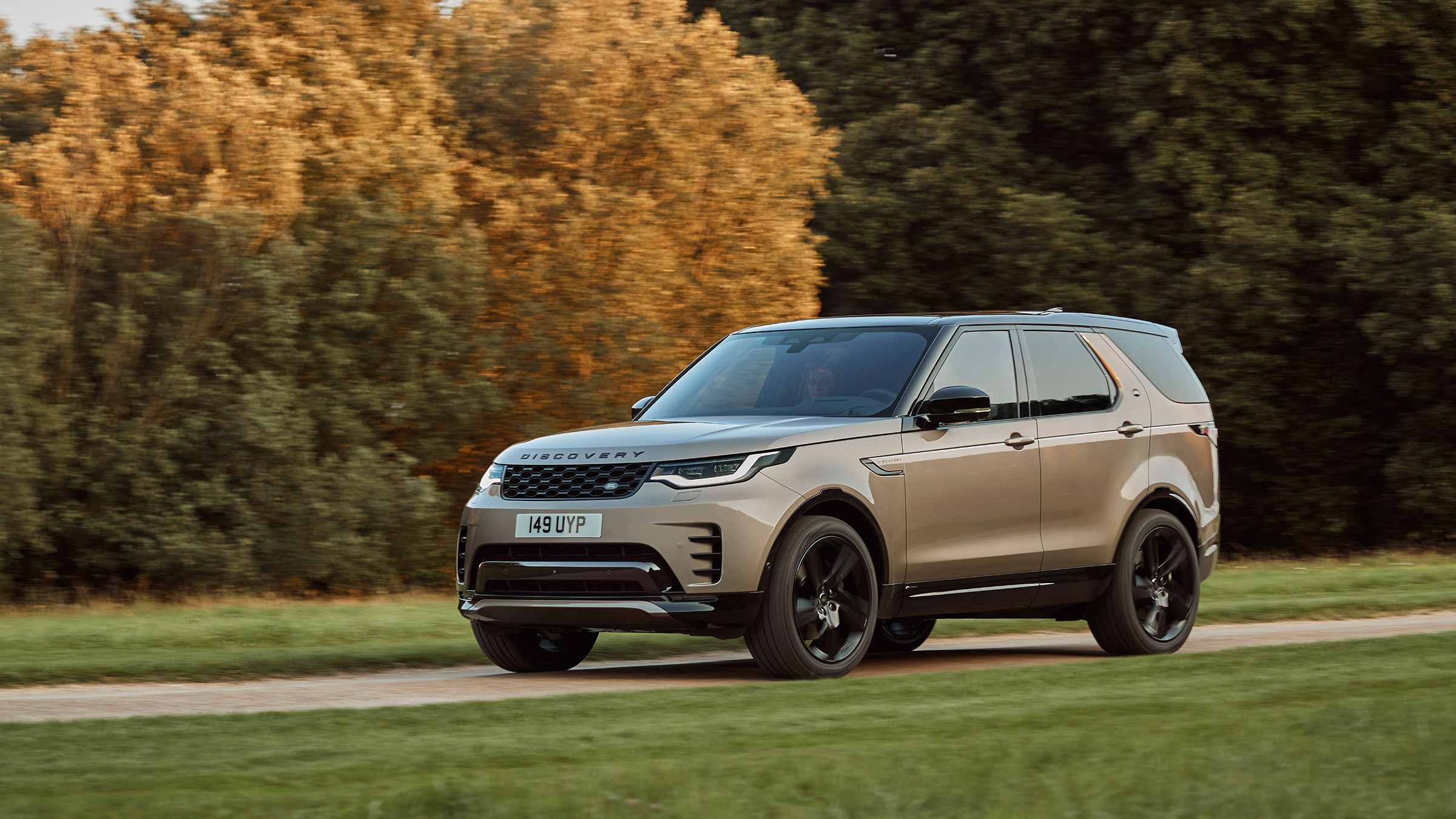
Land Rover has announced a safety recall for certain Discovery SUVs in the United States after identifying a defect that can allow water to enter the rearview camera assembly, potentially causing the camera image to malfunction or fail.
According to Autoevolution, citing a recall filed with the National Highway Traffic Safety Administration (NHTSA), the issue may reduce the driver’s rear visibility and prevent affected vehicles from complying with Federal Motor Vehicle Safety Standard (FMVSS) No. 111, which governs rear visibility requirements.
Rearview cameras have been mandatory on all new passenger vehicles sold in the United States since 2018, making them a critical component of modern vehicle safety.
These systems help drivers detect pedestrians, cyclists, children, and other obstacles behind the vehicle when reversing. A malfunctioning camera can significantly reduce situational awareness and increase the likelihood of a backing collision.
Land Rover says owners of affected Discovery SUVs will be notified and instructed to bring their vehicles to authorized dealerships, where technicians will inspect and repair the rear camera assembly at no cost.
The recall demonstrates how manufacturers continue monitoring component performance after vehicles enter service and take corrective action whenever a safety-related issue is identified.
Also Read: Nissan Recalls More Than 168,000 Armada and Infiniti SUVs Over Incorrect Weight Labels
Recall Targets Certain Discovery SUVs
According to documents submitted to NHTSA, the recall applies to specific Land Rover Discovery SUVs sold in the United States during designated production periods.
The issue involves the rearview camera system, which may experience water intrusion into the camera housing. Moisture entering electronic components can interfere with normal camera operation, causing image distortion, intermittent failures, or a complete loss of the rear camera display.
Although only certain production batches are affected, Land Rover initiated the recall to ensure every potentially impacted vehicle receives corrective repairs before the defect creates a greater safety risk.
Owners will receive official notification letters explaining whether their vehicle is included in the campaign and how to schedule a repair appointment.
How Water Intrusion Affects the Rear Camera
Rearview cameras are designed to operate in a wide range of environmental conditions, including rain, snow, heat, and freezing temperatures.
To achieve this, the camera housing is sealed to prevent moisture from reaching sensitive electronic components. If water penetrates the housing because of a manufacturing defect or inadequate sealing, corrosion or electrical failures may occur over time.
According to the recall information, moisture entering the camera assembly can interfere with image transmission, causing the display to become blurry, distorted, intermittent, or completely blank when reverse gear is selected.
Because drivers rely on the rearview camera during parking and low-speed maneuvering, these failures may reduce visibility behind the vehicle.
Why Rearview Camera Systems Are Important
Rearview cameras have become one of the most significant vehicle safety advancements introduced during the past decade.
Unlike mirrors alone, cameras provide a wide-angle view directly behind the vehicle, helping drivers identify hazards that may otherwise remain hidden.
Children, pedestrians, cyclists, shopping carts, animals, and low objects are among the obstacles that cameras are specifically intended to help drivers detect.
Recognizing their safety benefits, NHTSA requires all new passenger vehicles sold in the United States to include rear visibility systems that meet federal performance standards.
If a rearview camera fails to function correctly, the vehicle may no longer comply with FMVSS No. 111, prompting manufacturers to issue a safety recall.
The recall specifically relates to compliance with Federal Motor Vehicle Safety Standard No. 111.
This regulation establishes minimum requirements for rear visibility systems, including camera image quality, display timing, and full functionality.
Manufacturers must ensure that drivers receive a clear rearward image whenever reverse gear is selected. If a defect prevents the system from operating consistently, the vehicle may fail to satisfy federal safety requirements.
NHTSA monitors compliance with these standards and works closely with manufacturers whenever potential violations are identified.
Land Rover’s recall reflects the company’s effort to restore full compliance before additional vehicles experience camera failures.
How Land Rover Identified the Issue
Like other major automakers, Land Rover continuously evaluates vehicle performance after production through engineering reviews, warranty data, dealership reports, and supplier quality monitoring.
According to the recall documents, the company determined that water intrusion into the rear camera assembly could affect camera performance under certain conditions.
After completing its engineering investigation, Land Rover notified NHTSA and initiated a voluntary recall to address the issue.
Automotive manufacturers frequently identify defects through ongoing field monitoring before widespread customer complaints develop, allowing corrective action to begin earlier and reducing long-term safety risks.
This proactive quality monitoring has become an essential part of modern vehicle development and customer support.
Authorized Land Rover dealerships will complete all recall repairs at no cost to vehicle owners. According to the company, technicians will inspect the rear camera system and replace or repair affected components as necessary to eliminate the possibility of water intrusion.
Depending on the vehicle, repairs may involve installing an updated camera assembly or replacing sealing components designed to better protect the electronics from moisture.
Federal law requires manufacturers to provide recall repairs without charge regardless of whether the vehicle remains within its original warranty period.
Owners are encouraged to schedule appointments promptly after receiving official recall notifications.
How Owners Can Check Their Vehicle
Discovery owners do not need to wait for a recall letter before determining whether their SUV is affected.
The simplest method is entering the vehicle’s 17-digit Vehicle Identification Number into the NHTSA recall lookup database or contacting an authorized Land Rover dealership.
Service departments can verify recall eligibility immediately and arrange repairs once parts are available.
This recommendation also applies to used vehicle owners because safety recalls remain associated with the vehicle itself rather than the original purchaser.
Regularly checking for open recalls helps ensure vehicles continue meeting the latest safety standards throughout their service life.
The Discovery recall highlights the growing importance of electronic safety systems in today’s vehicles. While rearview cameras may seem less complex than engines or transmissions, they play a critical role in preventing low-speed collisions and helping drivers maintain awareness of their surroundings.
According to Autoevolution and NHTSA, water intrusion into the rear camera assembly can reduce or eliminate the camera image, increasing the risk of backing accidents and causing affected vehicles to fall short of federal safety requirements.
By initiating a voluntary recall, Land Rover is addressing the issue before it becomes more widespread. The company will inspect and repair affected vehicles through its dealer network at no cost, restoring proper operation of the rear visibility system.
For Discovery owners, the recommended action is straightforward. Check the vehicle’s VIN to determine whether it is included in the recall, schedule the repair with an authorized Land Rover dealership, and complete the service as soon as possible.
Promptly resolving the issue will help ensure the rearview camera functions as designed, maintaining both compliance with federal safety standards and the level of visibility drivers expect during everyday parking and reversing maneuvers.
Also Read: Hyundai Recalls More Than 47,000 Kona SUVs Over Rear Seat Belt Defect