
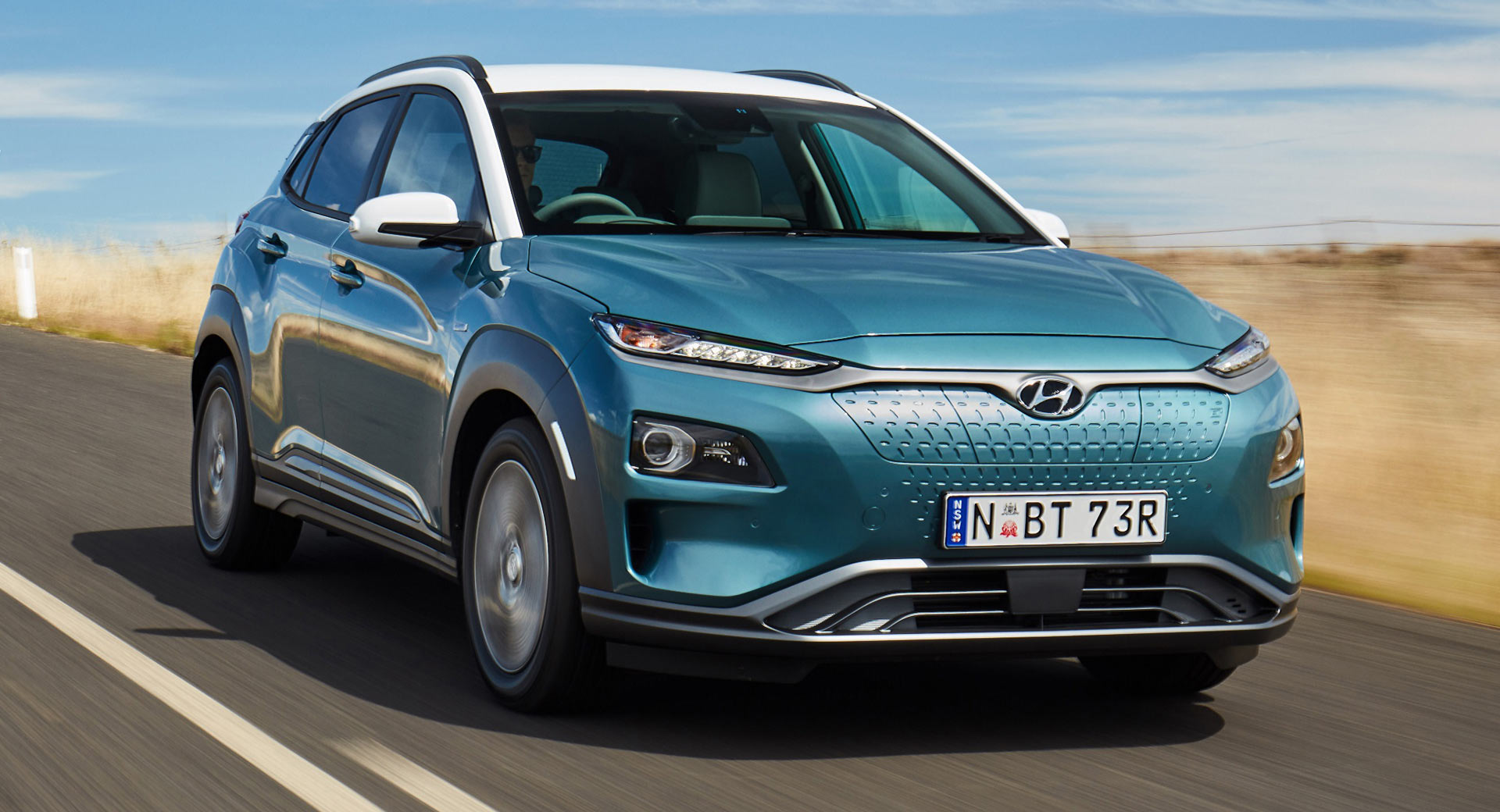
Hyundai has issued a safety recall affecting more than 47,000 Kona and Kona Electric SUVs in the United States after discovering a defect that could compromise the effectiveness of rear seat belts.
While the issue does not affect every occupant in the vehicle, it has the potential to reduce protection for passengers seated in the second row during a collision, prompting the automaker to initiate a nationwide recall.
Seat belts remain one of the most important safety features in any vehicle. According to the National Highway Traffic Safety Administration (NHTSA), seat belts reduce the risk of fatal injury to front-seat passenger car occupants by about 45% and moderate to critical injuries by approximately 50%.
Even relatively small manufacturing defects involving restraint systems are treated seriously because they directly affect occupant protection during a crash.
The latest recall affects thousands of recently built Kona models, including both gasoline-powered and electric variants.
According to recall documents filed with NHTSA and first reported by Car and Driver, the problem involves the rear seat belt assemblies, which may not function as intended due to a manufacturing defect. Hyundai says dealers will inspect and replace the affected components free of charge.
Also Read: 8 Luxury SUVs With the Best Factory Warranties
More Than 47,000 Kona SUVs Are Affected
According to recall documents published by the National Highway Traffic Safety Administration, Hyundai is recalling more than 47,000 Kona and Kona Electric SUVs sold in the United States because of a defect involving the rear seat belt system.
Car and Driver, citing the federal recall documents, reported that the campaign covers certain 2024 and 2025 model-year vehicles manufactured during a specific production period.
The affected vehicles include both gasoline-powered Kona models and the all-electric Kona Electric, meaning the issue is unrelated to the vehicle’s powertrain. Instead, it centers on the rear passenger restraint system, which is designed to secure occupants during a collision and reduce injury.
According to Hyundai’s filing with NHTSA, the defect could prevent the rear seat belt from providing the intended level of protection during a crash.
Although Hyundai has not reported widespread incidents linked to the issue, federal safety regulations require manufacturers to recall vehicles whenever a defect could increase the risk of injury.
Owners of affected vehicles will receive notification letters explaining the recall and providing instructions for scheduling repairs at authorized Hyundai dealerships.
What Is the Problem?
According to NHTSA recall documents referenced by Car and Driver, Hyundai identified a manufacturing issue affecting certain rear seat belt assemblies installed in the recalled vehicles.
The problem involves components within the rear seat belt mechanism that may not perform as designed during a collision. If the seat belt assembly fails to function correctly, rear-seat occupants may not receive the intended level of restraint protection, increasing the possibility of injury.
Hyundai has not indicated that every recalled vehicle contains a defective seat belt. Instead, the recall covers vehicles built during a specific production period that may have received the affected components.
Unlike cosmetic issues or convenience-related defects, problems involving restraint systems are classified as safety recalls because they directly influence crash protection.
Why Rear Seat Belts Are Critical
While advanced driver-assistance systems receive much of the attention today, seat belts remain the primary safety device inside every vehicle.
According to NHTSA, properly worn seat belts help distribute crash forces across stronger parts of the body while reducing the likelihood of occupants striking interior surfaces or being ejected during a collision.
Modern seat belt systems are far more advanced than simple belts. They include retractors, locking mechanisms, pretensioners, and load limiters that work together to protect passengers during an impact. If any part of the system does not operate correctly, the effectiveness of the entire restraint system can be reduced.
This is especially important for families who regularly transport children or other passengers in the second row.
How Hyundai Identified the Issue
According to information submitted to NHTSA, Hyundai discovered the issue through its internal quality monitoring process. Automakers routinely analyze warranty claims, supplier reports, manufacturing records, dealer feedback, and field data to identify potential defects after vehicles enter production.
Following an investigation, Hyundai determined that certain Kona and Kona Electric SUVs may have been equipped with rear seat belt assemblies that do not meet the company’s intended performance standards.
After confirming the issue, the company voluntarily notified NHTSA and initiated a recall campaign in accordance with federal safety regulations.
Industry experts note that while recalls are never ideal, identifying problems through internal quality controls before widespread failures occur demonstrates the effectiveness of modern safety monitoring systems.
The Repair Will Be Free
Hyundai has developed a straightforward remedy for affected vehicles. According to the recall documents, authorized Hyundai dealerships will inspect the rear seat belt assemblies and replace the affected components if necessary. All repairs will be completed free of charge.
Replacement parts have been designed to meet Hyundai’s original engineering specifications and restore the intended level of occupant protection.
Owners will receive recall notification letters with instructions on scheduling an appointment. Those who frequently carry rear-seat passengers are encouraged to have the repair completed as soon as possible.
How Owners Can Check Their Vehicle
Owners do not need to wait for a notification letter to determine whether their Kona or Kona Electric is included in the recall.
NHTSA recommends entering the vehicle’s 17-digit Vehicle Identification Number (VIN) into its online recall lookup database, which identifies all active safety recalls associated with the vehicle.
Hyundai dealerships can also verify recall eligibility using the VIN and schedule repair appointments.
This is particularly important for used-vehicle owners, as recalls remain attached to the vehicle rather than the original owner. Federal law requires manufacturers to complete open recall repairs at no cost regardless of ownership history.
A Reminder of the Importance of Occupant Safety
Hyundai’s recall of more than 47,000 Kona and Kona Electric SUVs demonstrates how seriously automakers and regulators treat defects involving occupant protection systems.
While the issue affects only the rear seat belt assemblies and no widespread injuries have been reported, even the possibility of reduced crash protection is enough to trigger a nationwide recall.
According to NHTSA and Car and Driver, affected owners will receive free inspections and replacement components where necessary, ensuring the vehicles continue to meet Hyundai’s intended safety standards.
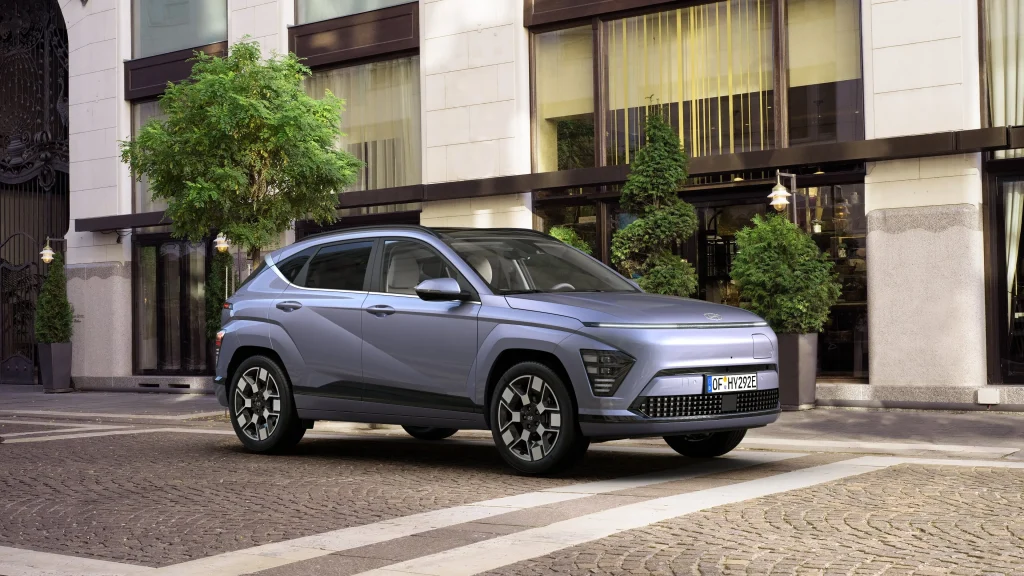
For owners, the next step is straightforward: verify whether the vehicle is included in the recall and schedule the repair if necessary.
Although replacing a seat belt component may seem like a relatively minor repair, ensuring that every restraint system functions exactly as designed is one of the most effective ways to protect passengers during a collision.
Safety Recalls Remain an Essential Part of the Industry
Vehicle recalls have become an increasingly important part of modern automotive safety, reflecting the industry’s focus on identifying and correcting potential issues even after vehicles have reached customers.
According to the National Highway Traffic Safety Administration, automakers are legally required to notify regulators whenever they determine that a defect could affect vehicle safety or fail to meet a Federal Motor Vehicle Safety Standard.
In many cases, manufacturers discover these issues through routine quality audits, supplier inspections, warranty claims, or reports from dealerships rather than customer complaints or crashes.
Industry analysts note that recalls involving restraint systems receive particular scrutiny because seat belts are the first line of defense in protecting occupants during a collision. While no manufacturer wants to issue a recall, acting quickly helps reduce potential risks and reinforces consumer confidence.
Hyundai’s decision to launch this campaign before any widespread incidents were reported demonstrates the importance of proactive safety monitoring and the company’s commitment to addressing potential defects before they become larger problems.
Also Read: 8 Pickup Trucks With a History of Severe Frame Corrosion
