
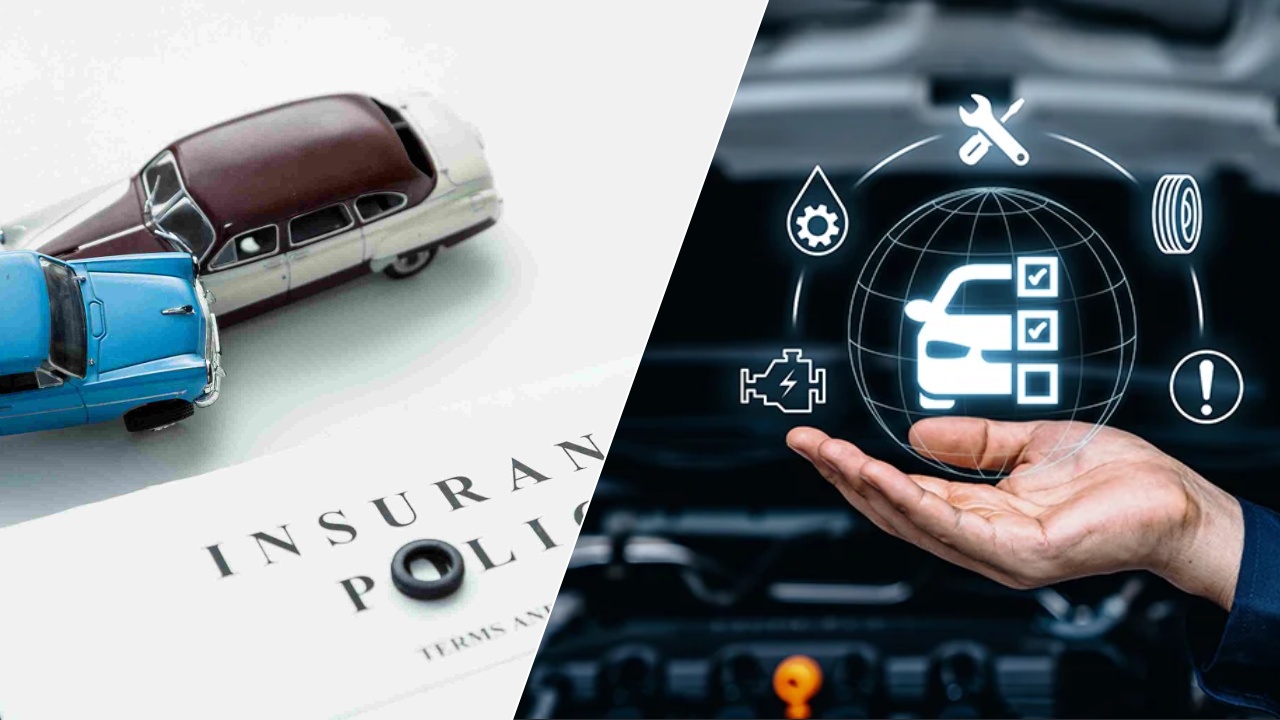
Full car coverage is a phrase many drivers hear when buying insurance, but its meaning is often misunderstood. It does not mean every possible repair, loss, or expense will be paid by an insurer. Full coverage usually refers to a combination of policies that provide broader financial protection than basic liability insurance.
Understanding what these policies include and exclude helps drivers choose suitable protection, avoid surprises after accidents, and make smarter decisions about their vehicles. This guide explains what full car coverage actually covers, what it does not cover, and how drivers can understand their insurance choices better.
Also Read: 10 EVs Ranked by Charging Speed
Understanding What Full Car Coverage Includes
Full car coverage generally combines several types of auto insurance protections, including liability coverage, collision coverage, and comprehensive coverage. Liability insurance helps pay for damage or injuries a driver causes to others during an accident.
This part of a policy is required in many locations because it protects other drivers and property owners from financial losses. If a driver causes a crash, liability coverage may help handle repair bills, medical costs, and legal expenses within the policy limits. However, liability protection does not usually pay for damage to the insured driver’s own vehicle.
Collision coverage is designed to help pay for repairs to a driver’s vehicle after an accident involving another vehicle or object. For example, if a car hits another vehicle, a fence, or a tree, collision coverage may help cover repair costs after the deductible is paid.
This protection can be valuable for drivers with newer cars, vehicles with financing, or cars that would be expensive to replace. Collision insurance focuses on crash-related damage and does not normally cover mechanical failures, routine maintenance, or problems caused by poor vehicle care.
Comprehensive coverage protects against many types of damage that do not involve a collision. This can include theft, vandalism, fire, falling objects, storms, floods, and certain animal-related damage.
If a tree branch falls on a parked car during a storm or a vehicle is damaged by hail, comprehensive coverage may help with repair expenses. This type of protection gives drivers financial support for unexpected events that can happen while a vehicle is parked or being stored.
Many full coverage policies may also include additional protections depending on the insurer and the driver’s selected options. These can include rental car reimbursement, roadside assistance, gap insurance, and coverage for certain personal items. Rental reimbursement can help pay for a temporary vehicle while a covered car is being repaired.
Gap insurance can help drivers who owe more on a vehicle loan than the car’s current value after a total loss. These additions are not automatically included in every policy, so drivers need to review their contracts carefully.
The exact meaning of full coverage varies between insurance companies and individual policies. There is no single insurance package officially called full coverage that guarantees the same benefits everywhere.
A policy described as full coverage may provide strong protection, but it still has limits, deductibles, exclusions, and conditions. Drivers should read their policy documents, understand coverage amounts, and ask questions before assuming a claim will be approved.
What Full Car Coverage Does Not Pay For
Full car coverage does not usually pay for regular maintenance and normal wear and tear. Vehicles require oil changes, brake replacements, tire rotations, battery replacements, and other routine services as they age.
Insurance exists to protect against sudden losses and unexpected events, not the normal costs of owning and operating a vehicle. A damaged engine caused by skipped maintenance or worn-out parts will typically not qualify for insurance payment.
Mechanical breakdowns are also commonly excluded from standard full coverage policies. If a transmission fails, the engine stops working, or an electrical system develops a problem because of age or use, the repair cost usually falls on the vehicle owner.
Some drivers purchase separate mechanical protection plans or extended warranties for certain repair situations. These products are different from standard auto insurance and have their own rules and limitations.
Full coverage does not guarantee payment for every accident. Insurance companies investigate claims and determine whether the damage matches the policy terms.
If a driver intentionally damages a vehicle, uses a car for prohibited activities, or provides false information during a claim, the insurer may deny payment. Policies also have coverage limits, meaning the insurer will only pay up to the amount listed in the agreement.
Damage caused by certain situations may also be excluded. For example, a standard policy may not cover damage from racing, using a vehicle for commercial purposes without proper coverage, or driving in restricted circumstances.
Some policies may exclude certain drivers who are not listed on the agreement. Understanding these exclusions before an accident occurs can help prevent confusion during the claims process.
Personal belongings inside a vehicle are another area where many drivers have incorrect expectations. If a laptop, phone, bag, or other item is stolen from a car, auto insurance may not cover the loss under a normal vehicle policy.
In many cases, personal property coverage comes from a homeowners or renters insurance policy instead. Drivers should check their insurance arrangements to understand which policy applies to stolen or damaged belongings.

How Drivers Can Choose the Right Full Coverage Policy
Choosing the right level of car insurance requires looking at personal needs, vehicle value, driving habits, and financial situation.
A newer or more expensive vehicle may require stronger protection because repairs or replacement costs can be high. A driver with an older car may decide that certain coverage options are less valuable if repair expenses approach the vehicle’s market value. Each driver needs to compare potential risks with the cost of protection.
The deductible is an important part of a full coverage policy. A deductible is the amount a driver pays before insurance contributes toward a covered claim.
Higher deductibles often reduce monthly premiums, while lower deductibles usually increase premium costs. Drivers should select a deductible they can reasonably afford if an accident or covered event happens. A very low premium may not always provide the financial comfort a driver expects after a loss.
Policy limits also affect how much protection a driver receives. Higher limits may provide greater financial security if an accident causes significant damage or injuries.
Lower limits may leave drivers responsible for expenses beyond the insurer’s payment amount. Reviewing coverage limits regularly is useful because vehicle values, financial responsibilities, and personal circumstances can change over time.
Comparing insurance providers can help drivers find suitable coverage at a reasonable price. Different companies may offer different rates, discounts, claim experiences, and policy options.
Drivers should compare more than just the monthly premium. Looking at coverage details, customer service reputation, deductibles, and exclusions can provide a clearer picture of the policy’s actual value.
A good full coverage policy is not necessarily the most expensive option. The right policy provides protection that matches a driver’s situation without including unnecessary costs.
Drivers should review their coverage whenever they purchase a new vehicle, change their driving habits, move locations, or experience major financial changes. Staying informed helps ensure insurance remains useful when protection is needed most.
Also Read: 10 Sedans That Pack More Than You’d Expect
