
Finding an SUV with wide-opening rear doors can make daily family life much easier. Whether you are securing an infant seat, helping a toddler climb inside, or assisting an elderly passenger, door opening angle has a direct impact on convenience.
While manufacturers rarely advertise exact rear door opening degrees, several SUVs are engineered with hinges that allow the doors to swing very close to 90 degrees, creating a much larger entry space than average.
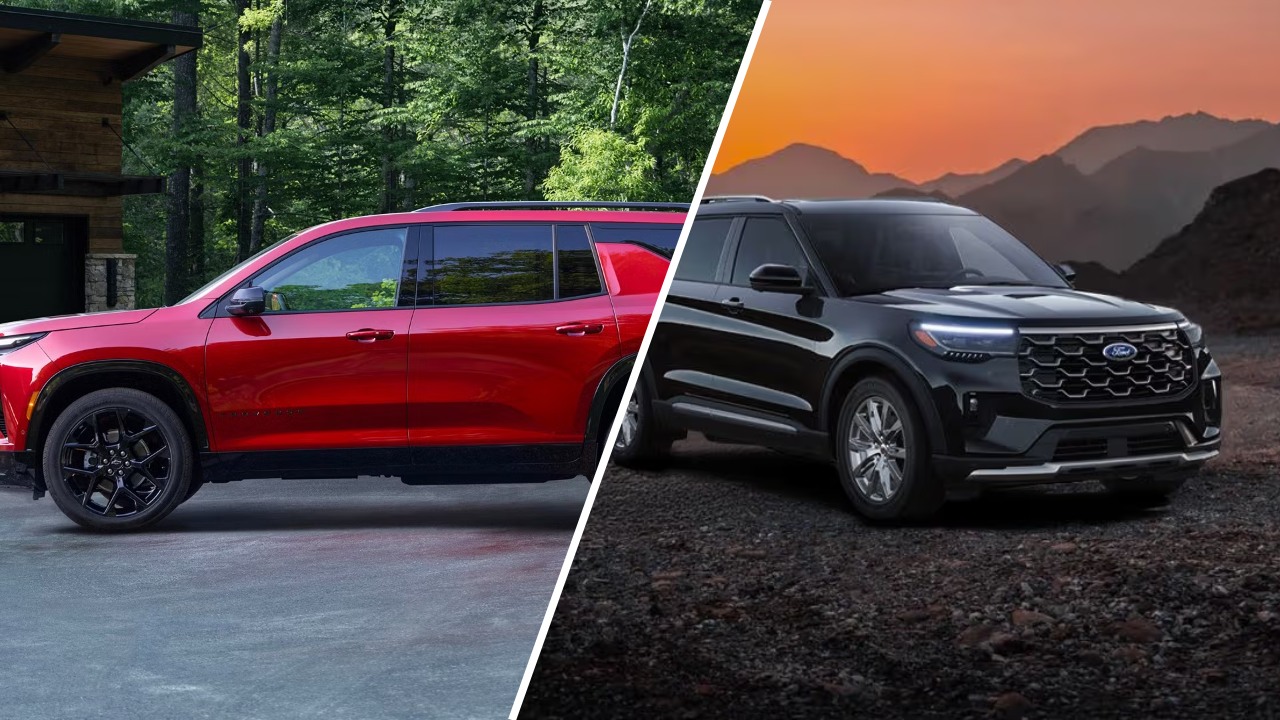
Combined with generous rear seat dimensions and wide door apertures, these vehicles reduce awkward lifting angles and make loading bulky child seats far less stressful. Here are ten SUVs sold in the United States that stand out for their exceptionally wide rear door openings.
Also Read: 10 Sedans With Headlights That Yellow Before 60,000 Miles
1. Honda CR-V
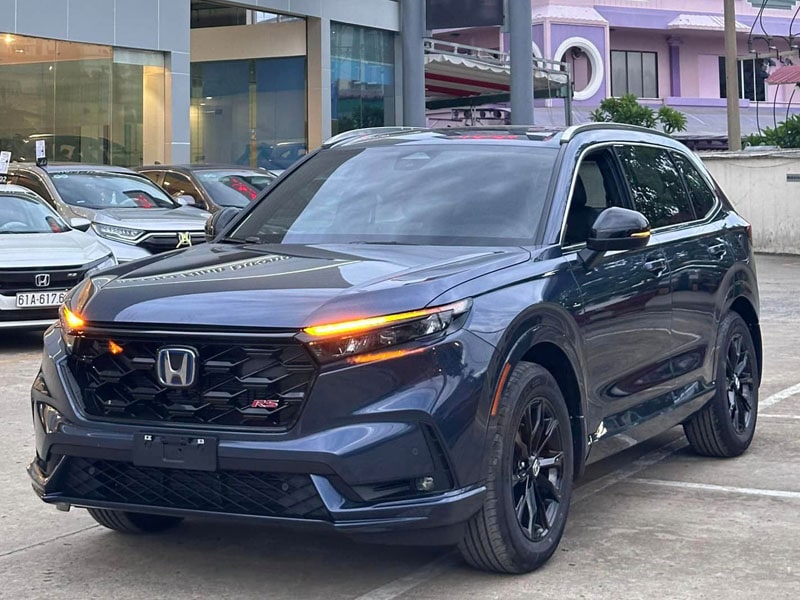
The Honda CR-V has long been one of America’s favorite compact SUVs because it combines practical engineering with family-friendly usability. One of its most overlooked strengths is the rear door design.
The rear doors swing open to nearly a right angle, creating one of the easiest cabin entry points in the compact SUV segment. Parents installing rear-facing child seats immediately notice how much easier it is to position themselves beside the vehicle instead of twisting through a narrow opening.
The advantage becomes even clearer when using large convertible child seats. Wide door openings allow the seat to pass through without repeatedly contacting the door frame.
Adults helping children buckle up also benefit because they can lean farther into the cabin while keeping both feet firmly on the ground.
Honda pairs this feature with a relatively low rear floor and generous rear legroom exceeding 41 inches in U.S. specifications. The flat roofline also improves head clearance when lifting infants into high-mounted child seats.
Accessibility is another reason the CR-V earns praise among families with elderly passengers. The door opening makes stepping inside easier while reducing the need to duck significantly. During grocery trips or school pickups, the extra opening angle saves time every single day.
Rather than relying on luxury features, Honda focused on smart packaging. That attention to everyday usability explains why the CR-V consistently ranks among America’s best-selling SUVs.
Specifications
- Engine: 1.5-liter turbocharged inline-four
- Torque: 179 lb-ft
- Horsepower: 190 hp
- Length/Width: 184.8 inches / 73.5 inches
2. Subaru Forester
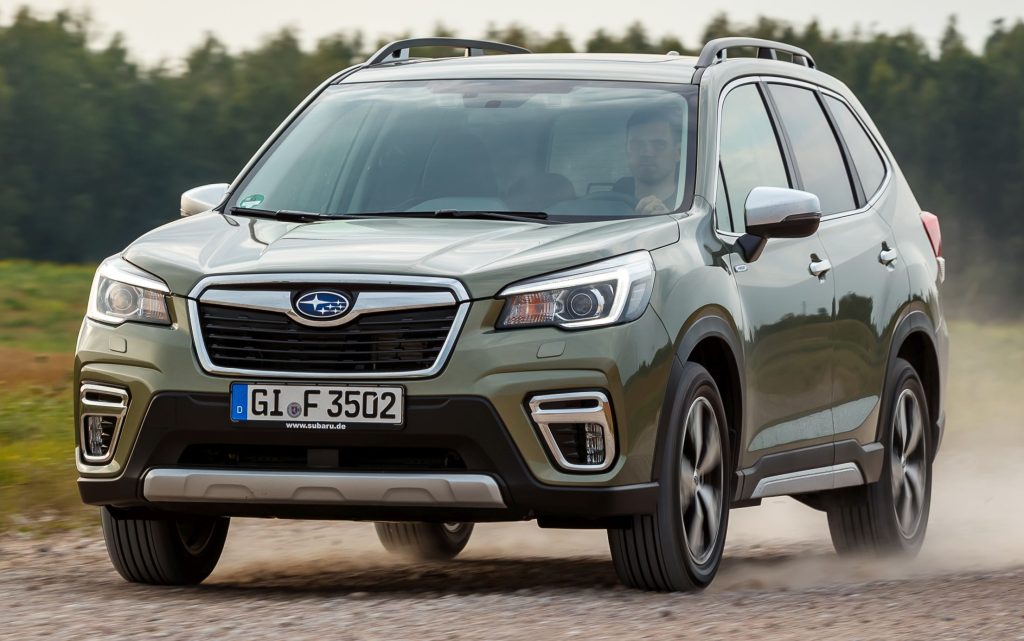
Families often shop for the Subaru Forester because of its standard all-wheel drive and outstanding safety reputation, but one feature that deserves equal attention is its exceptionally wide rear door opening.
The rear doors open to nearly 90 degrees, creating a generous entrance that simplifies everything from loading child seats to helping older passengers get comfortable. Instead of squeezing through a narrow doorway, parents have much better access to the entire rear bench, reducing strain on their back and shoulders during daily use.
This design becomes especially valuable with rear-facing infant seats, which are typically the most difficult to install. A wider opening provides more room to maneuver the seat into position while allowing parents to reach the LATCH anchors without twisting awkwardly.
Even after installation, buckling a child into the harness is noticeably easier because there is more space to lean into the cabin. Families with two or three children also appreciate being able to move between seating positions without constantly bumping into the door frame.
The Forester complements its wide-opening doors with a tall roofline, nearly 39.6 inches of rear headroom, and over 39 inches of rear legroom in U.S. specifications. The seating height is another advantage because passengers slide into the seat naturally rather than climbing up or dropping down.
That ergonomic position benefits grandparents, young children, and anyone with limited mobility.
Cargo flexibility further enhances the Forester’s family credentials. Whether loading a stroller after securing a child or helping passengers enter while parked in a tight lot, the generous rear access consistently proves useful.
Subaru designed the cabin with practicality in mind, and the rear door geometry reflects that philosophy. It may not be the first specification buyers notice in a brochure, but after months of everyday ownership, it becomes one of the vehicle’s most appreciated features.
Specifications
- Engine: 2.5-liter naturally aspirated flat-four
- Torque: 178 lb-ft
- Horsepower: 180 hp
- Length/Width: 183.3 inches / 72.0 inches
3. Kia Telluride
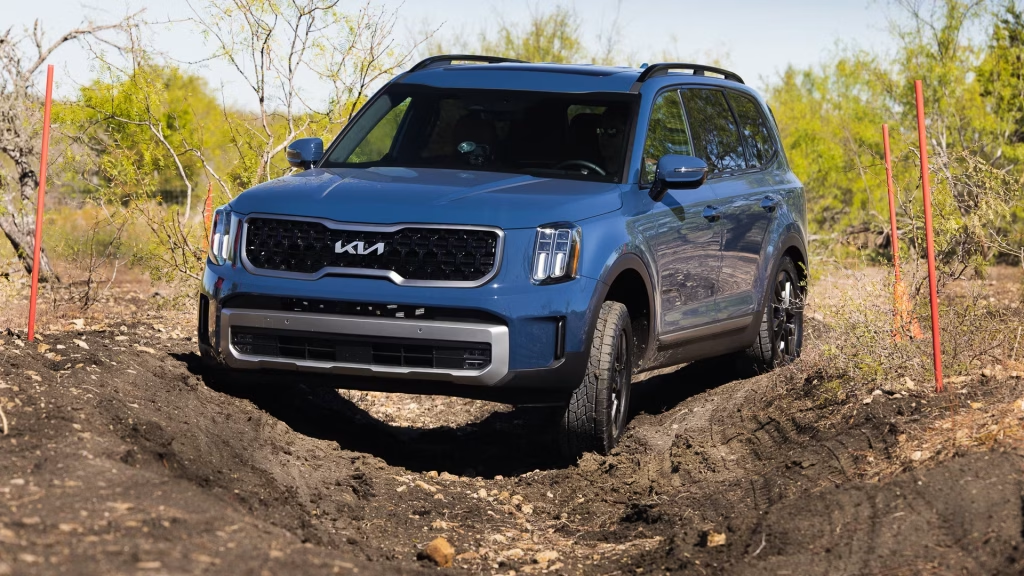
The Kia Telluride demonstrates that thoughtful engineering can make a three-row SUV feel much easier to use every day. One of its strongest practical features is the rear passenger door design, which opens close to 90 degrees.
That wide swing transforms access to both the second and third rows, making it significantly easier to load child seats, assist passengers, or organize cargo before a trip.
Unlike many midsize SUVs where the door opening limits movement, the Telluride provides a broad pathway into the cabin. Parents can stand almost directly beside the second-row seat while installing a child restraint instead of reaching around a partially opened door.
The result is a more comfortable installation process and easier access to harness buckles. This becomes even more important when using large rear-facing convertible seats that occupy substantial cabin space.
The Telluride’s spacious dimensions amplify the benefits of the wide-opening doors. U.S. models provide more than 42 inches of second-row legroom, allowing adults to work comfortably around installed child seats. The tall roof and wide body also reduce the chance of bumping a child’s head while lifting them into the vehicle.
Passengers entering the third row benefit as well. When the second-row seat is folded or slid forward, the large rear door opening creates a noticeably wider passage than many competing SUVs. Families frequently transporting children, relatives, or friends quickly recognize how much easier boarding becomes.
Kia paired these practical touches with high safety ratings, excellent cabin quality, and one of the largest interiors in its class.
While horsepower and technology often receive the headlines, the near-90-degree rear doors quietly improve everyday ownership in countless situations, from school drop-offs to long family vacations.
Specifications
- Engine: 3.8-liter V6
- Torque: 262 lb-ft
- Horsepower: 291 hp
- Length/Width: 196.9 inches / 78.3 inches
4. Hyundai Palisade
Not every family feature appears on a specification sheet, and the Hyundai Palisade is an excellent example. While buyers usually notice its premium interior and spacious three-row layout first, the rear passenger doors deserve just as much recognition.
They open to nearly 90 degrees, giving passengers a broad, unobstructed entry into the cabin. For parents dealing with child seats several times a day, this small engineering detail has a surprisingly large impact.
Installing a rear-facing infant seat often requires kneeling beside the vehicle while reaching deep into the cabin to tighten the LATCH straps. In SUVs with narrower door openings, that process can become frustrating.
The Palisade’s wide-opening rear doors provide much more working space, allowing parents to secure child seats without constantly bumping elbows against the door frame.
The same benefit applies when buckling toddlers into forward-facing seats, as caregivers can lean comfortably inside instead of twisting awkwardly.
Hyundai also designed the cabin with generous dimensions that complement the door geometry. Second-row passengers enjoy more than 42 inches of legroom, while the roof remains high enough to make lifting children into booster seats easier.
Families using captain’s chairs gain an additional advantage because the large opening creates a direct path to the third row without feeling cramped.
The benefits extend beyond parents. Elderly passengers appreciate the higher seating position and large entrance because stepping into the SUV requires less bending than many lower vehicles. Even loading bulky items such as pet carriers or folded mobility equipment becomes less challenging through the expansive rear doorway.
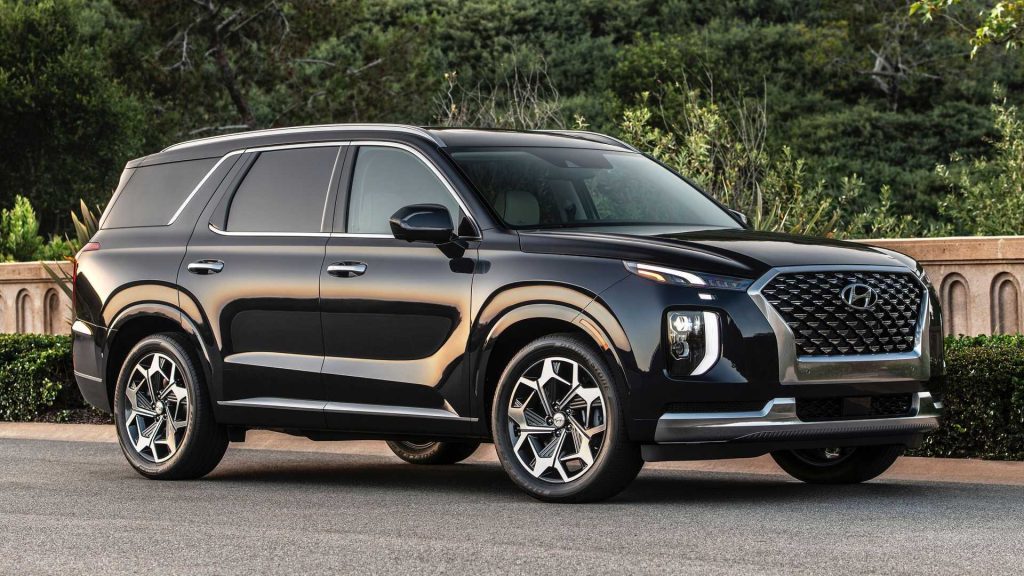
These practical touches explain why the Palisade continues to receive praise from American families. It delivers convenience that owners experience every day rather than features that are noticed only during a dealership visit.
Specifications
- Engine: 3.8-liter V6
- Torque: 262 lb-ft
- Horsepower: 291 hp
- Length/Width: 196.7 inches / 77.8 inches
5. Toyota Grand Highlander
Toyota designed the Grand Highlander specifically for families who needed more passenger room than the standard Highlander could provide. Along with the larger cabin came another important improvement: rear doors that open close to 90 degrees.
That generous opening makes entering and exiting the second row remarkably easy while also improving access to the third row.
Consider a busy morning when two children need to be buckled into car seats before school. Instead of reaching through a narrow doorway, parents have a wide working area that allows them to stand naturally beside the seat.
The larger opening also reduces the chance of accidentally striking the child’s seat against the door trim during installation. For families frequently switching between rear-facing and forward-facing child seats, this convenience quickly becomes one of the SUV’s most appreciated qualities.
Toyota paired the wide-opening doors with one of the roomiest second rows in the midsize SUV category. Rear legroom exceeds 39 inches, while the taller roofline provides excellent head clearance for adults and children alike.
Accessing the third row is equally straightforward because the door opening creates a broad pathway when the second-row seats slide forward.
Daily errands highlight another advantage. Whether helping grandparents into the vehicle, loading a pet carrier, or securing sports equipment beside young passengers, the additional door swing minimizes awkward movements. The cabin feels more open, and passengers are less likely to brush against interior panels while entering.
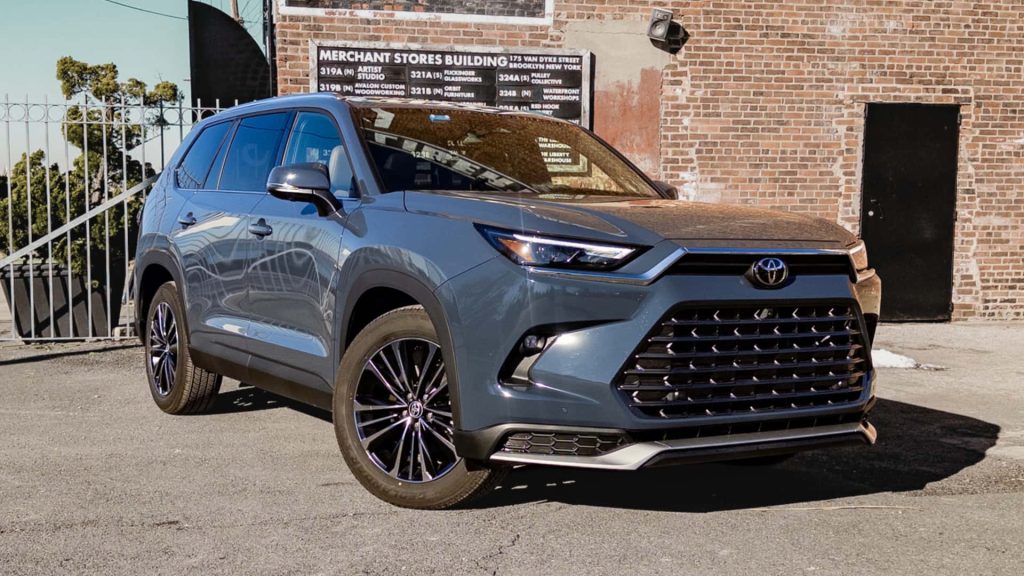
Toyota has built its reputation on dependable transportation, and the Grand Highlander adds genuine usability to that formula.
Families may initially shop for its roomy interior and strong resale value, but many discover that the nearly 90-degree rear doors become one of the features they appreciate most throughout years of ownership.
Specifications
- Engine: 2.4-liter turbocharged inline-four
- Torque: 317 lb-ft
- Horsepower: 265 hp
- Length/Width: 201.4 inches / 78.3 inches
6. Ford Explorer
The Ford Explorer has spent decades serving American families, and one reason it continues to remain popular is its practical cabin design. Among its family-friendly features are rear doors that open to nearly 90 degrees, allowing much easier access to the second-row seating area than many midsize SUVs.
The difference becomes noticeable the first time a bulky child seat needs to be installed or when several passengers climb in during a busy day.
Parents often struggle with tightening child-seat harnesses because limited door openings force them into uncomfortable positions. The Explorer minimizes that problem by providing a wider opening that lets adults stand closer to the seat.
With more room to move, attaching LATCH connectors and adjusting harness straps becomes less physically demanding. Even larger convertible child seats can be maneuvered into place with fewer interruptions from the door frame.
Ford also designed the Explorer with a comfortable ride height, helping children and older passengers step inside naturally. Rear headroom remains generous, while the second row offers more than 39 inches of legroom, giving caregivers additional space when helping younger passengers.
Models equipped with second-row captain’s chairs further improve accessibility because they leave a clear passage toward the third row.
The practical advantages continue after the family has grown. Wide-opening doors simplify loading pet carriers, sports equipment, or large shopping bags onto the rear seats.
Owners transporting elderly relatives frequently mention that the large opening makes entering and exiting the SUV feel much more comfortable than in vehicles with tighter rear door angles.

Although performance, towing capacity, and technology often receive the spotlight, the Explorer’s door design contributes just as much to everyday satisfaction. It is one of those engineering choices that owners appreciate repeatedly throughout years of use, particularly when transporting children or multiple passengers.
Specifications
- Engine: 2.3-liter EcoBoost turbocharged inline-four
- Torque: 310 lb-ft
- Horsepower: 300 hp
- Length/Width: 198.8 inches / 78.9 inches
7. Chevrolet Traverse
Space has always been one of the Chevrolet Traverse’s greatest strengths, but its rear door design deserves equal attention. The doors open to nearly a right angle, creating an exceptionally wide entrance into the second row.
Combined with one of the largest cabins in its class, this feature makes the Traverse especially attractive for growing families who regularly install child seats or transport multiple passengers.
Large SUVs can sometimes make access more difficult because of their size, yet Chevrolet addressed that concern by engineering rear doors that provide generous clearance.
Parents loading rear-facing infant seats can move the carrier directly through the opening without constantly adjusting the angle to avoid striking the door frame. The extra space also helps when tightening seat belts or connecting lower anchors.
Inside, the Traverse offers abundant passenger room. Second-row legroom exceeds 41 inches in U.S. specifications, giving caregivers plenty of room to kneel or lean inside while helping children.
The tall roofline allows adults to lift infants into their seats without awkward bending, while wide rear door apertures reduce the amount of twisting required during everyday use.
Third-row passengers also benefit from the thoughtful layout. When the second-row seat is folded or slid forward, the large rear door opening creates a broad pathway that feels noticeably less restrictive than many competing SUVs.
Families taking road trips with seven or eight occupants will appreciate how efficiently passengers can enter and exit during fuel or meal stops.
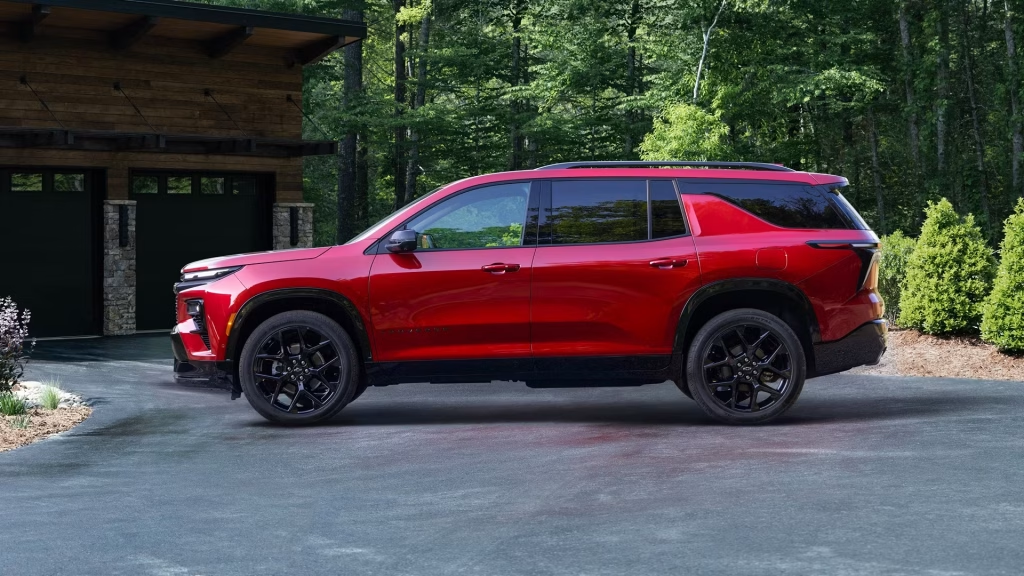
The Traverse demonstrates that practical engineering extends beyond cargo capacity and seating numbers. Small details such as near-90-degree rear doors improve comfort every day, whether the task involves securing children, assisting older relatives, or loading bulky equipment before a weekend adventure.
Specifications
- Engine: 2.5-liter turbocharged inline-four
- Torque: 326 lb-ft
- Horsepower: 328 hp
- Length/Width: 204.5 inches / 79.6 inches
8. Volkswagen Atlas
If there is one midsize SUV that was clearly engineered with American families in mind, it is the Volkswagen Atlas. Sold exclusively as a three-row SUV in the U.S., the Atlas emphasizes interior accessibility as much as passenger space.
One reason is its rear doors, which open to nearly 90 degrees. That wide swing creates an expansive doorway that simplifies loading child seats, helping elderly passengers, or simply allowing adults to enter without turning sideways.
Parents immediately notice the advantage when installing rear-facing infant seats. Instead of stretching around a partially opened door, they can stand directly beside the seat and work with both hands comfortably.
This reduces the effort required to connect LATCH anchors, tighten harnesses, and position the seat correctly. The benefit becomes even more obvious with larger convertible seats, which typically require additional room during installation.
The Atlas also offers one of the roomiest second rows in the midsize SUV class. Rear legroom measures more than 37 inches, while the upright roofline provides excellent head clearance. The combination of generous interior dimensions and wide-opening doors creates a cabin that feels easy to use rather than merely spacious.
Another thoughtful aspect is third-row access. Even when child seats remain installed in the second row, the Atlas allows many versions of its second-row seats to tilt and slide forward, and the large rear door opening provides a wider path toward the back seats.
Families carrying grandparents, teenagers, and younger children on the same trip appreciate how efficiently passengers can board.

Volkswagen focused on practical usability instead of flashy gimmicks. The result is an SUV where simple engineering decisions improve daily ownership. Wide-opening rear doors may not appear in advertisements, but they become one of the features owners appreciate every time they buckle in children or load passengers.
Specifications
- Engine: 2.0-liter turbocharged inline-four
- Torque: 273 lb-ft
- Horsepower: 269 hp
- Length/Width: 200.7 inches / 78.3 inches
9. Nissan Pathfinder
The Nissan Pathfinder has steadily evolved into a highly capable family SUV, and its cabin layout reflects that mission. One of its strongest practical features is the rear door design, which opens close to a 90-degree angle.
While this may seem like a minor engineering detail, it dramatically improves access to the second-row seating area during everyday family use.
Child-seat installation highlights the difference immediately. Rear-facing seats occupy significant cabin space, forcing adults to lean deep into the vehicle.
The Pathfinder’s wide-opening rear doors provide a larger working area, allowing parents to position the seat with fewer awkward movements. Buckling children into harnesses is also easier because caregivers can stand closer to the seat instead of reaching through a restricted opening.
Nissan complements this design with flexible second-row seating. Depending on the trim level, buyers can choose either a bench seat or captain’s chairs.
Both configurations benefit from the generous door opening, making it easier for passengers of all ages to climb aboard. Families using the available EZ FLEX seating system can slide the second-row seats forward for third-row access, even when certain child seats remain installed.
Passenger comfort is another strength. The Pathfinder provides more than 35 inches of third-row legroom and generous second-row dimensions, allowing occupants to move around without feeling confined. Combined with the large rear doorway, entering and exiting the SUV requires less bending and twisting than many competitors.
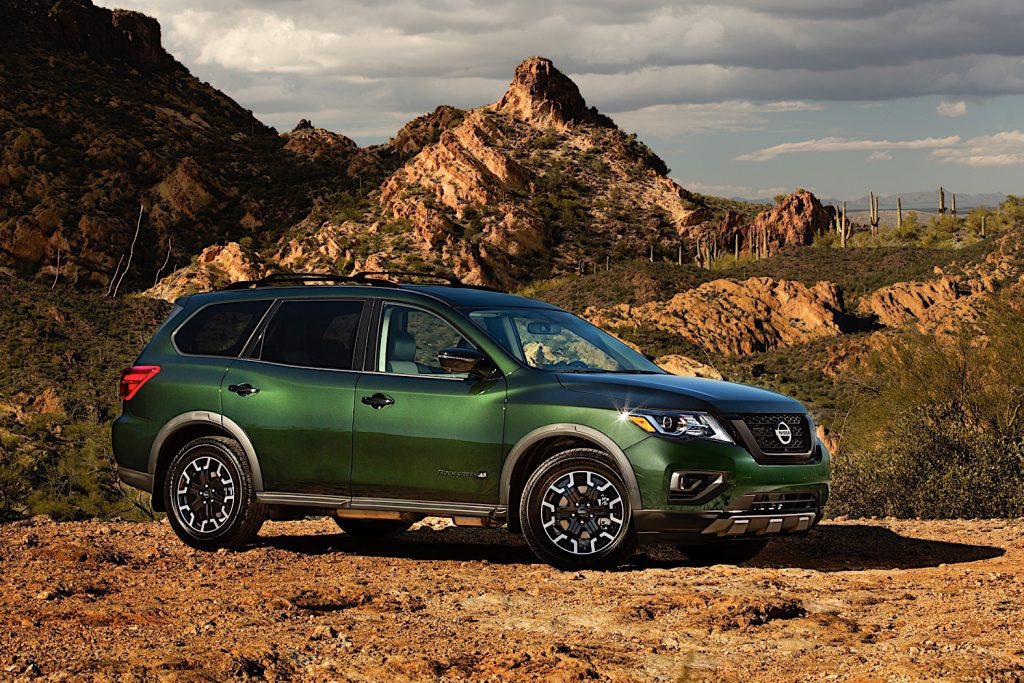
Owners also benefit during routine errands. Whether loading a pet carrier, carrying a folded stroller onto the rear seat, or assisting elderly relatives, the broad opening simplifies tasks that are repeated countless times throughout ownership.
These practical touches reinforce the Pathfinder’s reputation as a thoughtfully engineered SUV for busy American families.
Specifications
- Engine: 3.5-liter V6
- Torque: 259 lb-ft
- Horsepower: 284 hp
- Length/Width: 197.7 inches / 77.9 inches
10. Honda Pilot
The Honda Pilot finishes this list because it combines one of the most family-oriented interiors in the midsize SUV segment with rear doors that open to nearly 90 degrees. Honda engineered the Pilot to simplify everyday transportation, and that philosophy is immediately evident when opening the rear passenger doors.
The large opening creates an inviting entrance that makes loading children, assisting older passengers, and accessing the third row significantly easier than in many competing SUVs.
For parents, the benefits start with child-seat installation. Rear-facing infant seats can weigh more than 20 pounds before the child is even added, making them awkward to maneuver through a narrow doorway.
The Pilot’s wide-opening rear doors reduce that challenge by providing a broad entry point with ample clearance around the seat. Adults can reach both lower anchors and top tether points more comfortably while tightening the harness without twisting their body into uncomfortable positions.
The interior layout enhances the experience even further. The Pilot offers more than 40 inches of second-row legroom and a tall roofline that allows adults to lean into the cabin without crouching excessively.
Depending on the trim level, buyers can choose a second-row bench or captain’s chairs, both of which benefit from the generous door opening. Honda’s one-touch second-row seat mechanism also creates an efficient path into the third row, making family road trips much less stressful.
The wide-opening doors are equally valuable outside of child-seat duties. Elderly passengers appreciate the easier step-in height, while owners carrying pets, sports equipment, or large shopping bags find that the additional opening reduces awkward lifting angles.
During crowded parking lot situations, the Pilot’s thoughtful cabin access often proves more valuable than many technology features.
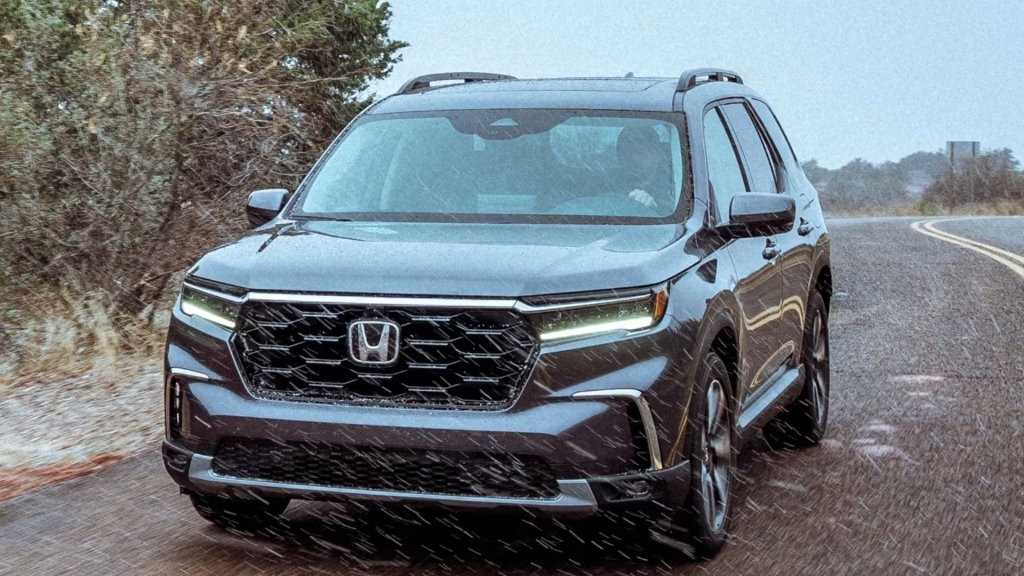
Honda has consistently prioritized practical usability, and the Pilot reflects that approach perfectly. While exact rear door opening angles are rarely highlighted in sales brochures, the nearly right-angle design is one of the reasons families continue to rate the Pilot among the most user-friendly three-row SUVs available in the United States.
Specifications
- Engine: 3.5-liter V6
- Torque: 262 lb-ft
- Horsepower: 285 hp
- Length/Width: 199.9 inches / 78.5 inches
Also Read: 10 SUVs With Seat Heaters That Warm Up Under 90 Seconds
