
Headlight lenses are made from durable polycarbonate because it is lighter and far more impact-resistant than glass. The tradeoff is that polycarbonate depends on a factory-applied UV-resistant clear coat to remain transparent.
After years of sunlight, road salt, heat cycles, and harsh car washes, that protective coating can break down, allowing oxidation to turn the lenses cloudy or yellow. On some sedans, owners begin noticing discoloration well before 60,000 miles, particularly in sunny states.
Professional restoration typically costs $100 to $200, while replacing an entire headlight assembly can easily cost $400 to well over $1,000 per side depending on the model. The following sedans have developed a reputation for premature lens yellowing based on owner reports, technical service history, and long-term reliability data.
Also Read: 8 Cars With Third Rows Adults Cannot Actually Use
1. Nissan Altima (2013 to 2018)
The Nissan Altima has earned a reputation as a dependable midsize sedan, but one cosmetic issue appears repeatedly in owner forums, dealership inspections, and used-car listings: prematurely yellowed headlight lenses.
Many examples show noticeable oxidation before reaching 60,000 miles, particularly vehicles that spend years parked outdoors in states with intense sunlight such as Arizona, Florida, Texas, and California.
The problem rarely originates with the headlight bulb or housing. Instead, the factory UV-resistant coating on the polycarbonate lens gradually deteriorates after prolonged exposure to ultraviolet radiation.
Once that coating begins to fail, oxygen reacts with the plastic surface, producing the familiar yellow or hazy appearance. Besides affecting the car’s appearance, oxidation can reduce nighttime visibility by scattering light rather than projecting a clean beam onto the road.
Owners often attempt inexpensive restoration kits, which temporarily improve clarity by sanding away the damaged layer and applying a fresh protective coating.
While these kits can be effective, the results depend heavily on proper preparation and whether a quality UV sealant is applied afterward. Without new protection, oxidation frequently returns within a year.
Professional restoration generally costs between $100 and $200, while replacing a damaged headlight assembly can exceed $400 per side using OEM components.
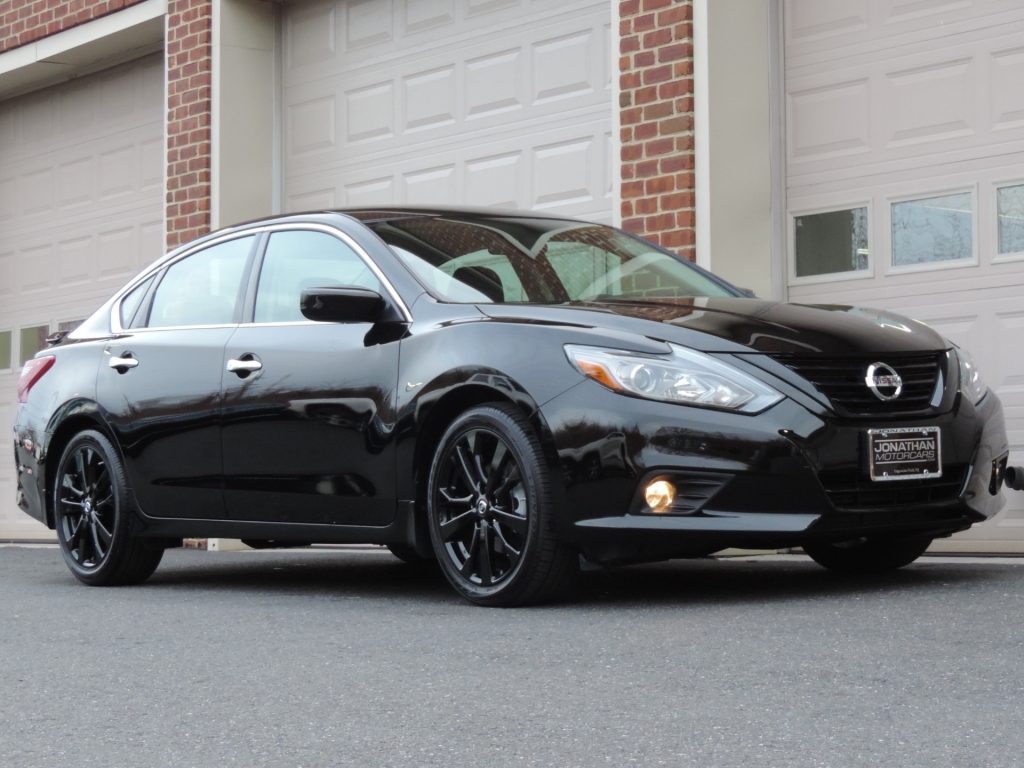
Regular waxing of the lenses and parking in garages or shaded areas can slow deterioration, but many Altima owners eventually need restoration to maintain both appearance and lighting performance.
When shopping for a used Altima, cloudy headlights should not automatically discourage a purchase, but they should be factored into maintenance costs and inspected carefully for deeper cracking or moisture intrusion.
Specifications
- Engine: 2.5L Naturally Aspirated Inline-4
- Torque: 180 lb-ft
- Horsepower: 182 hp
- Length/Width: 191.9 inches / 72.0 inches
2. Honda Civic (2012 to 2015)
Unlike mechanical reliability concerns, headlight oxidation develops gradually enough that many owners barely notice it until comparing their car with a newer example. The ninth-generation Honda Civic is one sedan where this issue appears with surprising frequency.
Long-term owner reports and used-vehicle inspections frequently reveal yellowed or cloudy headlight lenses before the vehicle accumulates 60,000 miles, especially in regions with strong year-round sun exposure.
Honda used durable polycarbonate lenses for reduced weight and improved impact resistance, but like every manufacturer, those lenses depend on a transparent UV-protective coating.
Once that coating wears away through years of ultraviolet exposure, road debris, and repeated washing, the outer plastic surface begins oxidizing. The result is a dull yellow tint that can significantly reduce light output during nighttime driving.
A cloudy lens can reduce headlight effectiveness by limiting how efficiently the reflector and projector distribute light. This not only affects visibility but may also contribute to poor inspection results in states that evaluate lighting performance.
Fortunately, oxidation is usually confined to the lens surface rather than the internal lighting components.
Professional restoration remains the most cost-effective repair, with most shops charging $100 to $200 for both headlights. If deterioration becomes severe or internal damage develops, complete replacement assemblies typically begin around $400 and increase substantially for genuine Honda parts.
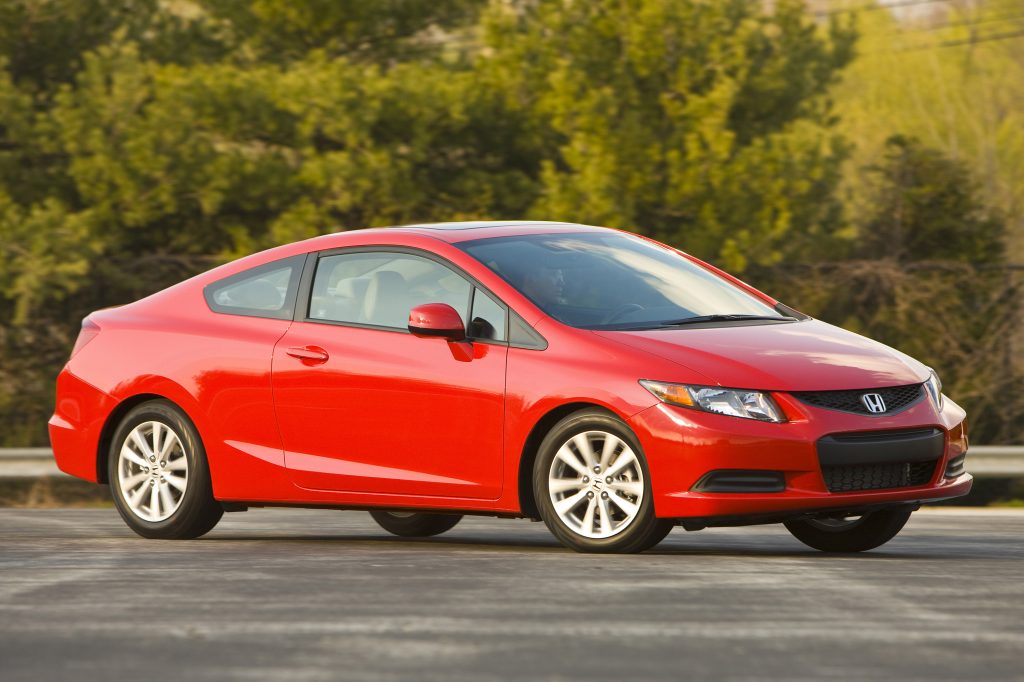
Applying ceramic coatings or UV protectants after restoration helps extend lens clarity and reduces the likelihood of recurring oxidation.
For buyers considering a used Civic, inspecting the headlights during daylight is just as important as checking paint condition or tire wear because replacement costs can quickly add to the ownership budget.
Specifications
- Engine: 1.8L Naturally Aspirated Inline-4
- Torque: 128 lb-ft
- Horsepower: 143 hp
- Length/Width: 179.4 inches / 69.0 inches
3. Toyota Camry (2012 to 2017)
The Toyota Camry has long been one of the best-selling sedans in the United States thanks to its reliability and low operating costs. However, one cosmetic issue that appears regularly in owner discussions is premature headlight lens yellowing.
Numerous used examples show noticeable oxidation before reaching 60,000 miles, particularly vehicles that have spent most of their lives exposed to direct sunlight without the protection of a garage or covered parking.
The root cause is the gradual failure of the factory UV-resistant coating applied to the polycarbonate headlight lens. Once this protective layer begins to deteriorate, ultraviolet rays break down the plastic surface, creating a cloudy or yellow appearance.
Heat, road salt, bug residue, and automatic car washes with abrasive brushes can accelerate the process by wearing away the protective coating even faster.
Beyond appearance, oxidized headlights can noticeably reduce nighttime visibility. Independent lighting studies have shown that cloudy lenses scatter and absorb more light, reducing the effectiveness of the headlight beam.
Drivers may find themselves relying more heavily on high beams or experiencing shorter illumination distances on dark roads.
Many Camry owners restore their headlights instead of replacing them. Professional restoration generally costs between $100 and $200, while replacing an original Toyota headlight assembly can easily exceed $400 per side, especially on trims equipped with projector headlights.
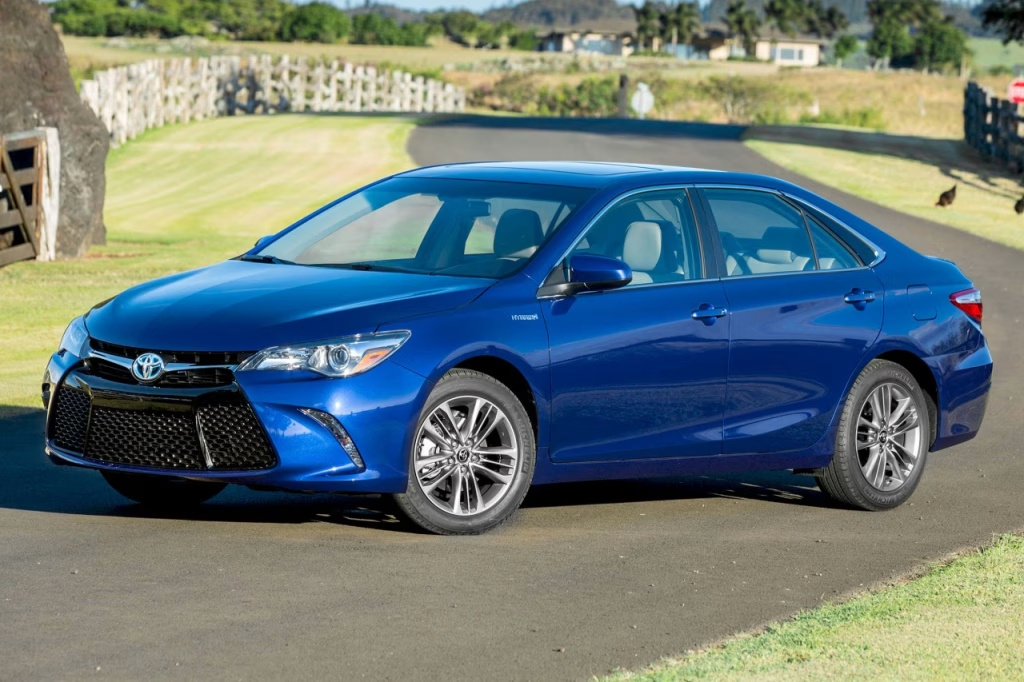
Restoration is often successful when oxidation is limited to the outer surface, but applying a high-quality UV sealant afterward is critical for long-lasting results.
When shopping for a used Camry, inspecting the headlight lenses in bright daylight is worthwhile. Slight hazing is common and usually repairable, but severe yellowing or peeling may indicate years of neglected maintenance and could require more expensive repairs.
Specifications
- Engine: 2.5L Naturally Aspirated Inline-4
- Torque: 170 lb-ft
- Horsepower: 178 hp
- Length/Width: 189.2 inches / 71.7 inches
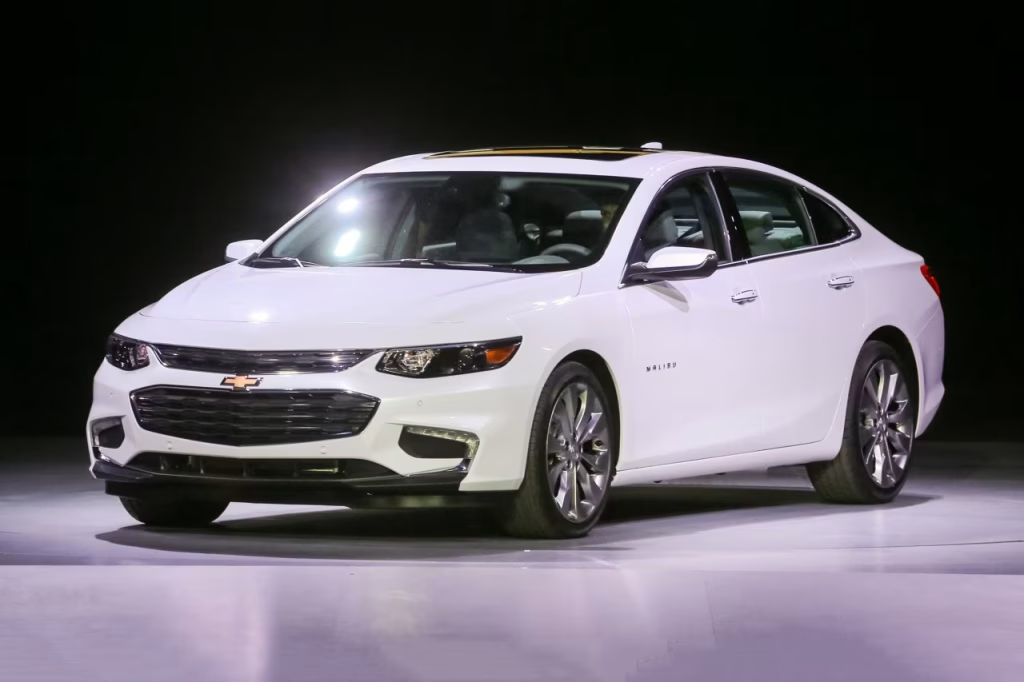
4. Chevrolet Malibu (2013 to 2018)
Unlike mechanical wear, headlight oxidation often develops so gradually that owners fail to notice it until nighttime visibility begins to decline.
The Chevrolet Malibu from this generation is among the midsize sedans that frequently exhibit yellowed or hazy headlight lenses well before 60,000 miles, especially in warm climates where prolonged UV exposure accelerates degradation of the protective coating.
The Malibu’s polycarbonate headlight lenses are durable against rock impacts but remain vulnerable once their UV-resistant clear coat begins to fail.
As oxidation develops, the outer surface loses its transparency, creating a yellow tint and reducing the amount of usable light projected onto the road. This can make nighttime driving more difficult, particularly during rain when scattered light further reduces visibility.
Environmental conditions play a significant role. Vehicles parked outside every day, exposed to intense summer heat, or washed frequently with harsh chemical cleaners often experience faster deterioration than garage-kept examples. Salt used on winter roads may also contribute by gradually weakening the protective finish around the lens edges.
Owners generally have two repair choices. Professional headlight restoration, typically priced between $100 and $200, removes the oxidized surface and applies a fresh UV-resistant coating.
If the damage extends deeper into the lens or the housing has become cracked or moisture has entered the assembly, replacement becomes the better option. OEM headlight assemblies commonly start at around $400 per side, with higher trims costing even more.
Routine application of UV protectants after restoration can significantly extend lens clarity and delay future oxidation, making preventative maintenance much less expensive than replacing an entire headlight assembly.
Specifications
- Engine: 2.5L Naturally Aspirated Inline-4
- Torque: 191 lb-ft
- Horsepower: 196 hp
- Length/Width: 191.5 inches / 73.0 inches
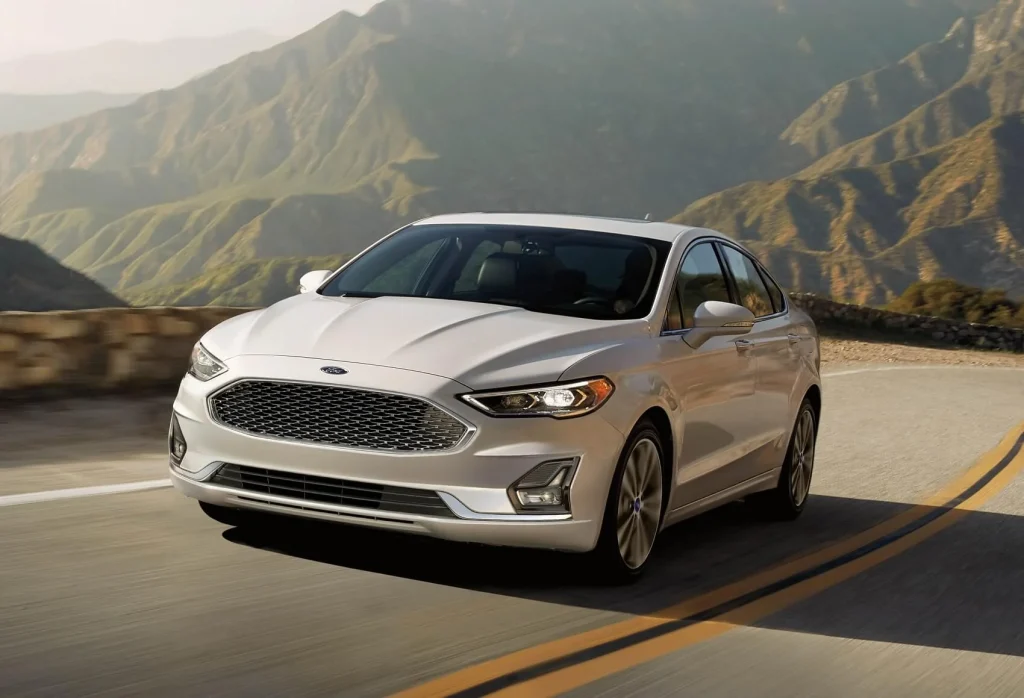
5. Ford Fusion (2013 to 2020)
The second-generation Ford Fusion introduced a sleek exterior design that helped it compete with some entry-level luxury sedans, but one area that has not aged as gracefully on many examples is the headlight lens.
Numerous owner reports and inspections of used vehicles show that the Fusion’s polycarbonate headlights can begin developing haze or a yellow tint well before the odometer reaches 60,000 miles, particularly when the vehicle spends years parked outdoors in areas with high UV exposure.
The deterioration starts with the gradual breakdown of the factory-applied UV-resistant coating. Once that protective layer weakens, sunlight attacks the outer surface of the polycarbonate lens, causing oxidation.
Dust, airborne contaminants, road salt, bug residue, and repeated exposure to automatic car washes can accelerate the process. The result is a cloudy appearance that not only affects the Fusion’s styling but also reduces the efficiency of the headlight beam.
Reduced light output becomes especially noticeable during nighttime highway driving and rainy weather. Even if the bulbs remain in excellent condition, a yellowed lens can scatter light and shorten the effective illumination distance. Many owners initially replace bulbs, only to discover that the real problem is the oxidized lens itself.
Professional headlight restoration is usually the most economical solution, with most shops charging between $100 and $200 for both headlights. If oxidation has progressed too far or the lens has developed cracks, replacing the complete assembly is often necessary.
Genuine Ford replacement headlights commonly exceed $400 per side, making preventative care worthwhile. Applying a quality UV protectant after restoration and parking in shaded or covered areas whenever possible can significantly slow future oxidation and preserve headlight clarity for years.
Specifications
- Engine: 2.5L Naturally Aspirated Inline-4
- Torque: 175 lb-ft
- Horsepower: 175 hp
- Length/Width: 191.8 inches / 72.9 inches
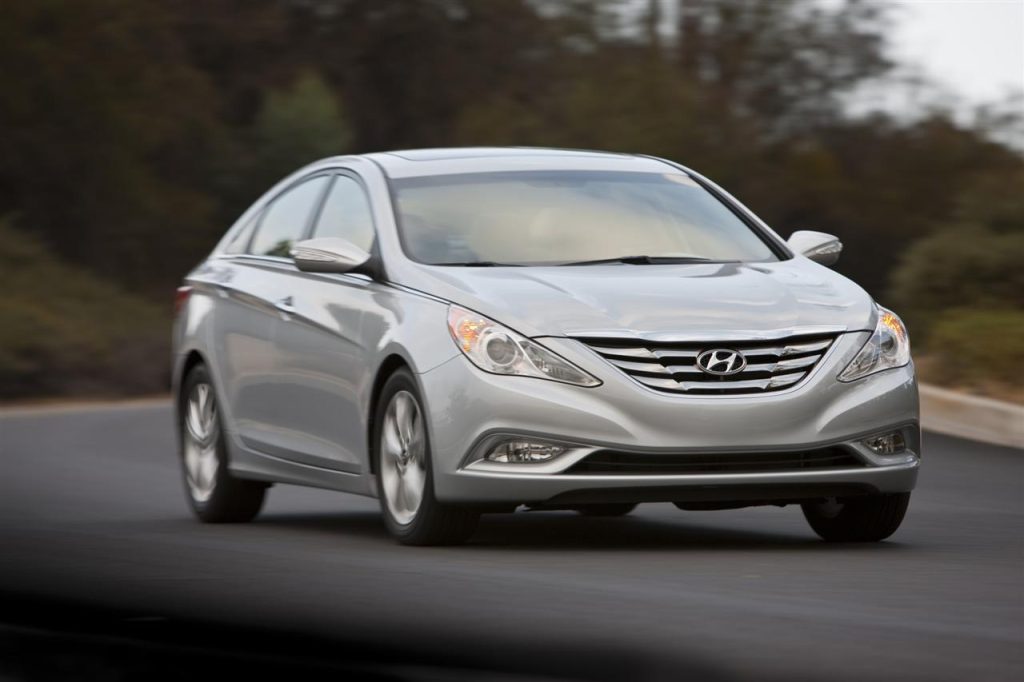
6. Hyundai Sonata (2011 to 2014)
For many buyers, the Hyundai Sonata represented outstanding value thanks to its generous equipment and efficient powertrains.
However, long-term ownership has shown that the headlight lenses on many examples can develop premature yellowing or cloudiness before reaching 60,000 miles, particularly in southern U.S. states where prolonged ultraviolet exposure places constant stress on exterior plastics.
Unlike internal headlight failures, this issue occurs on the outer lens surface. The Sonata uses impact-resistant polycarbonate, which relies on a transparent UV coating for long-term durability.
As that coating gradually deteriorates from sunlight, temperature changes, environmental pollutants, and routine washing, the plastic underneath begins oxidizing. The resulting yellow haze becomes increasingly noticeable and can eventually affect nighttime visibility.
One reason this issue deserves attention is its effect on safety. Cloudy lenses reduce the amount of light reaching the road, making lane markings, pedestrians, and roadside hazards more difficult to identify. Because the deterioration is gradual, many owners adapt without realizing how much lighting performance has been lost until the lenses are restored.
Fortunately, restoration is usually effective if the damage remains limited to the outer surface. Professional refinishing typically costs $100 to $200 and includes sanding away oxidation before applying a fresh UV-resistant coating.
If the protective layer has completely failed or moisture has entered the housing, replacement assemblies generally begin at about $400 per side for OEM-quality parts.
Buyers considering a used Sonata should inspect the headlights in direct sunlight. Clear lenses usually indicate careful maintenance, while severe yellowing may suggest additional exterior wear that deserves closer examination before purchase.
Specifications
- Engine: 2.4L Naturally Aspirated Inline-4
- Torque: 168 lb-ft
- Horsepower: 198 hp
- Length/Width: 190.0 inches / 72.2 inches
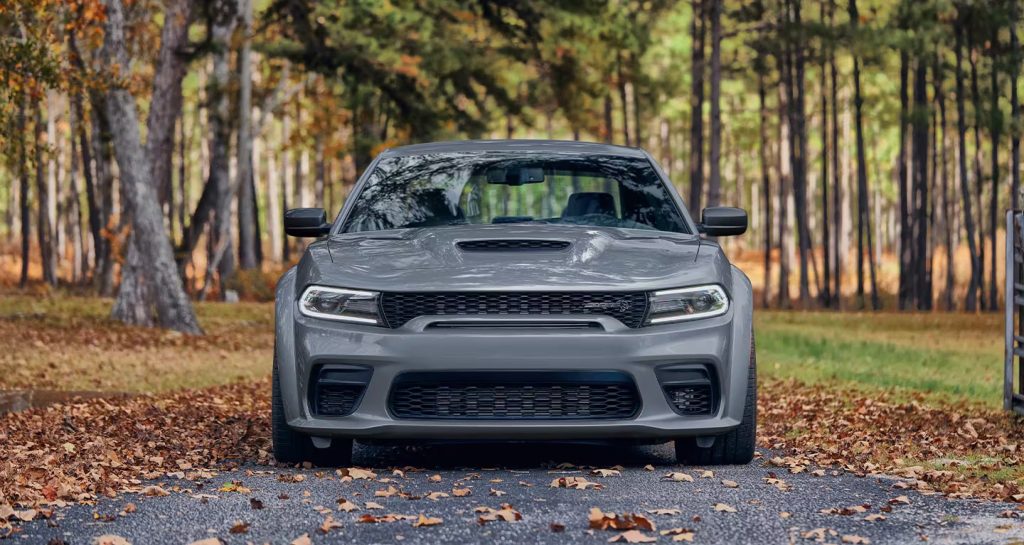
7. Dodge Charger (2015 to 2023)
The Dodge Charger is known for its muscular styling and powerful engine lineup, but owners of V6 and V8 models alike have frequently reported another characteristic that appears with age: headlight lenses that become cloudy or develop a yellow tint earlier than expected.
While not every Charger experiences the issue before 60,000 miles, vehicles exposed to intense sunlight, frequent highway driving, and minimal garage storage often show oxidation well within that mileage range.
The culprit is not unique to Dodge. Like virtually every modern manufacturer, the Charger uses lightweight polycarbonate headlight lenses protected by a factory-applied UV-resistant clear coat. Once that coating begins to deteriorate, ultraviolet rays slowly oxidize the outer plastic surface.
The first signs usually appear as a slight haze near the top of the lens before progressing into a noticeable yellow discoloration across the entire assembly. Besides affecting appearance, oxidation can reduce the performance of the Charger’s projector headlights.
A cloudy lens scatters light instead of directing it efficiently down the road, reducing visibility during nighttime driving and in poor weather. This becomes particularly noticeable on rural highways where maximum headlight performance is essential.
Owners have two practical repair options. Professional restoration, typically costing $100 to $200, removes the oxidized surface and reapplies UV protection.
If oxidation has become severe or the housing has suffered internal damage, replacing the headlight assembly is often necessary. Genuine replacement units commonly exceed $400 per side, with higher-performance trims costing even more.
Routine application of UV protectant after restoration and avoiding prolonged exposure to direct sunlight whenever possible can significantly delay future oxidation and help preserve both lighting performance and resale value.
Specifications
- Engine: 3.6L Pentastar V6
- Torque: 260 lb-ft
- Horsepower: 292 hp
- Length/Width: 198.4 inches / 75.0 inches
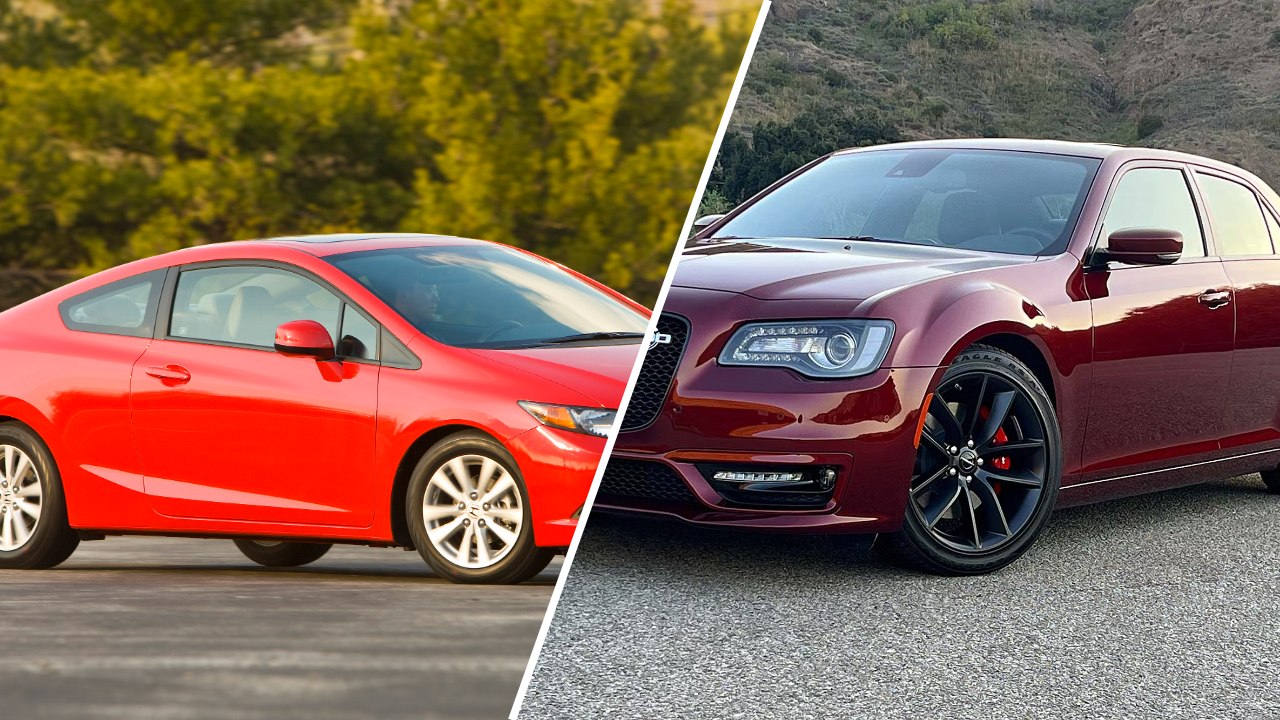
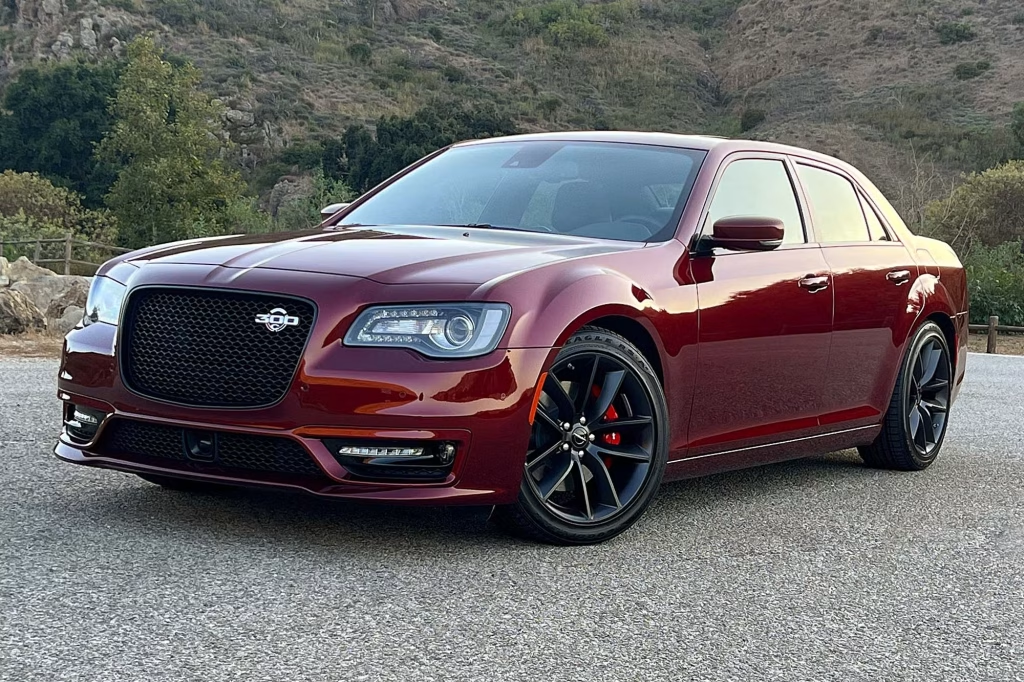
8. Chrysler 300 (2015 to 2023)
The Chrysler 300 has maintained its distinctive full-size sedan styling for years, but one area where age often becomes visible is the headlight lens.
Used vehicle inspections and long-term owner reports frequently reveal yellowing or hazing on vehicles with fewer than 60,000 miles, especially those that spend their lives in regions with high UV exposure such as the Southwest and Southeast United States.
Although the headlight assemblies themselves are well engineered, the polycarbonate lenses depend on an intact UV-resistant coating to remain clear.
Over time, sunlight, road debris, chemical cleaners, and repeated heat cycles gradually wear away that protective layer. Once exposed, the plastic begins oxidizing, producing the familiar cloudy appearance that many owners mistake for dirt inside the housing.
The impact extends beyond cosmetics. Reduced lens clarity decreases the amount of usable light projected onto the road, limiting nighttime visibility and making the headlights appear dimmer even when equipped with new bulbs.
Drivers often notice improved illumination immediately after a professional restoration because more light can once again pass through the clear lens.
Restoration remains the preferred repair when oxidation is limited to the outer surface. Most professional services cost between $100 and $200 and include polishing followed by the application of a new UV-resistant coating.
Should the damage become severe or moisture enter the housing, replacement headlight assemblies generally start at around $400 per side for OEM components.
For prospective used-car buyers, inspecting the Chrysler 300’s headlights in bright daylight is an easy way to assess exterior condition. Clear lenses often indicate regular maintenance, while advanced oxidation may suggest years of uninterrupted outdoor exposure.
Specifications
- Engine: 3.6L Pentastar V6
- Torque: 260 lb-ft
- Horsepower: 292 hp
- Length/Width: 198.6 inches / 75.0 inches
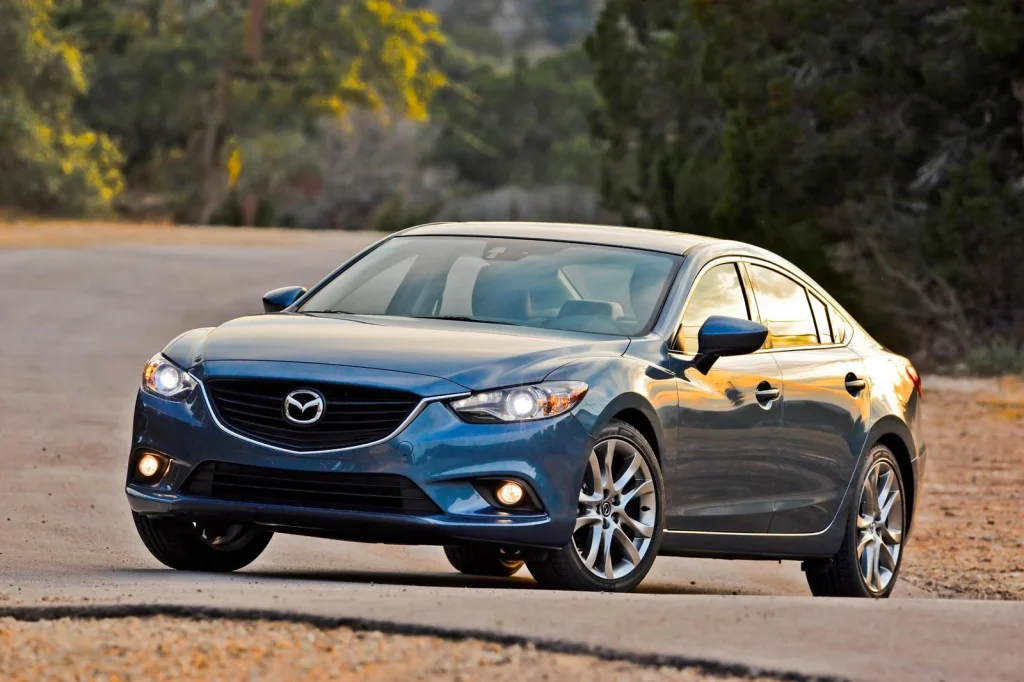
9. Mazda6 (2014 to 2021)
The Mazda6 has earned praise for combining engaging driving dynamics with upscale styling, but one area that frequently shows its age is the headlight lens. Owners in sunny parts of the United States have regularly reported oxidation appearing before 60,000 miles, particularly on vehicles that spend most of their lives outdoors.
While the issue does not affect every example, it is common enough that prospective buyers should inspect the headlights carefully when shopping for a used Mazda6.
The cause is the gradual breakdown of the UV-resistant coating applied to the polycarbonate lens at the factory. Polycarbonate is highly resistant to impacts from rocks and road debris, making it an ideal material for modern headlights.
However, once the protective coating begins to deteriorate, ultraviolet radiation attacks the plastic surface directly. This process creates the cloudy or yellow appearance that becomes increasingly noticeable with age. High summer temperatures, frequent exposure to road chemicals, and abrasive automatic car washes can accelerate the deterioration.
Yellowed headlights do more than reduce curb appeal. They can noticeably decrease nighttime visibility by scattering the light produced by the projector or reflector housing. Drivers may notice shorter illumination distances, making road signs, lane markings, and pedestrians harder to identify after dark.
The reduction in light output is gradual, so many owners do not recognize how much performance has been lost until the lenses are restored.
Professional headlight restoration generally costs $100 to $200 and is often sufficient when oxidation is limited to the outer surface. If the lens has become severely damaged or internal components have deteriorated, replacing the assembly may exceed $400 per side.
Applying a ceramic coating or UV protectant after restoration helps preserve clarity and extend the life of the repaired lens.
Specifications
- Engine: 2.5L Naturally Aspirated Inline-4
- Torque: 185 lb-ft
- Horsepower: 187 hp
- Length/Width: 191.5 inches / 72.4 inches
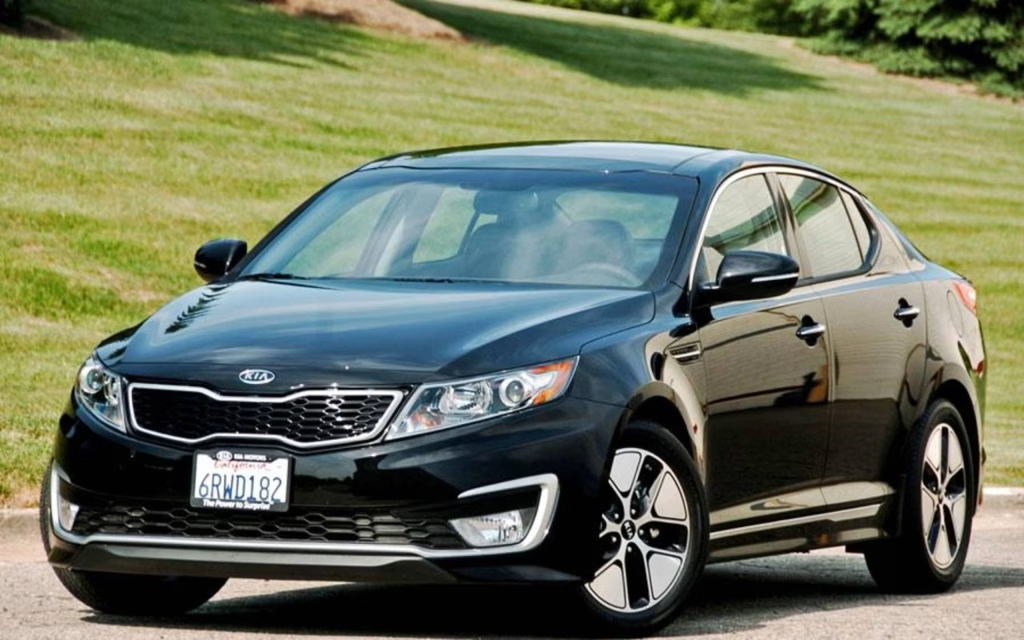
10. Kia Optima (2011 to 2015)
The Kia Optima helped transform Kia’s reputation in the American market with its stylish design and generous feature list. Despite its strengths, long-term ownership has revealed that many early third-generation models develop headlight lens oxidation earlier than expected.
Numerous owner reports and used-vehicle inspections show that noticeable yellowing can appear before 60,000 miles, especially on cars exposed to strong sunlight year-round.
The Optima’s headlight assemblies use polycarbonate lenses protected by a thin UV-resistant coating. As this coating wears away from constant exposure to ultraviolet rays, environmental contaminants, and repeated washing, the plastic underneath begins to oxidize.
The result is a hazy or yellow surface that reduces transparency and limits the amount of light reaching the road. This deterioration is often gradual, making it easy for owners to overlook until nighttime visibility begins to suffer.
In addition to reducing light output, oxidized headlights can negatively affect the vehicle’s appearance and resale value. Fortunately, if the damage is confined to the outer lens, professional restoration is usually effective.
Most restoration services cost between $100 and $200, including polishing and applying a fresh UV-resistant coating.
If oxidation is accompanied by cracks, moisture intrusion, or internal reflector damage, complete replacement becomes the better solution. OEM-quality headlight assemblies commonly cost $400 or more per side, depending on trim level.
Regularly cleaning the lenses, applying UV protectant, and parking in shaded areas whenever practical can significantly delay oxidation. For used-car shoppers, clear headlights are often a sign of attentive ownership, while severe yellowing may indicate years of prolonged environmental exposure.
Specifications
- Engine: 2.4L Naturally Aspirated Inline-4
- Torque: 186 lb-ft
- Horsepower: 192 hp
- Length/Width: 190.7 inches / 72.0 inches
