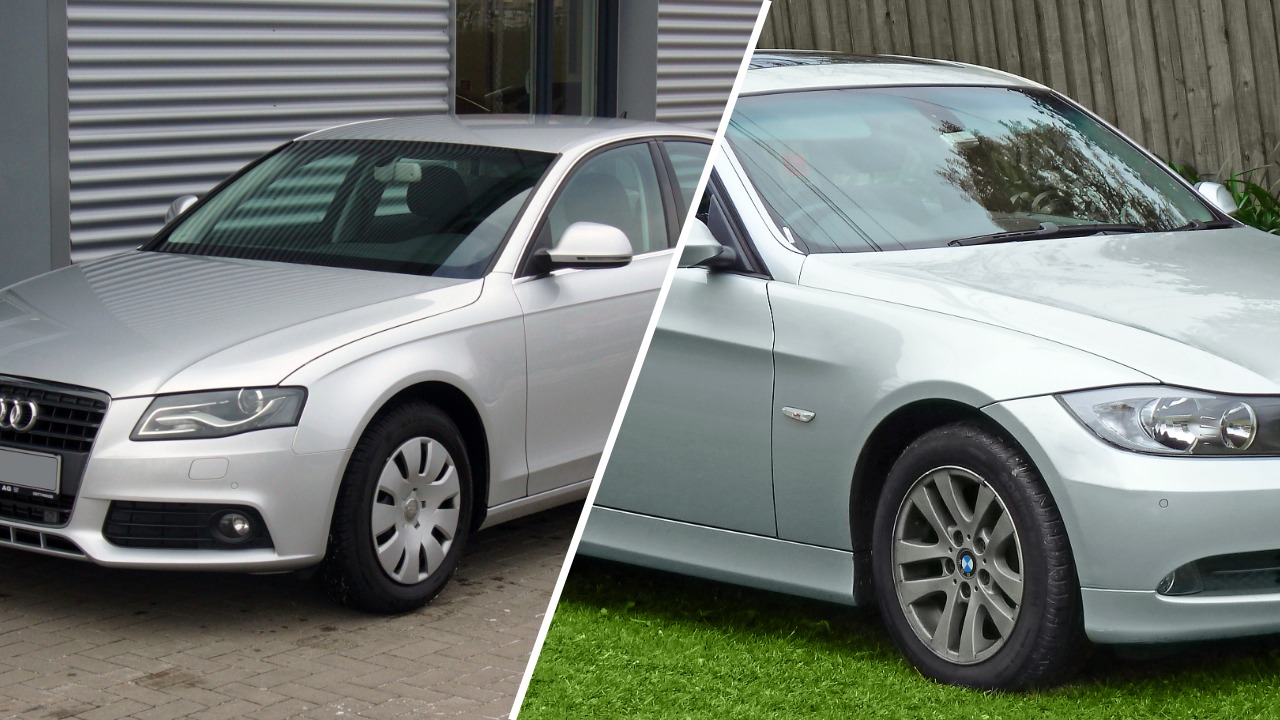
A sunroof is designed to let a small amount of water pass through its perimeter seal. Instead of keeping every drop out, the system channels water into drain tubes located in each corner of the sunroof cassette.
When those drains become clogged with leaves, pine needles, dirt, or debris, water can overflow into the headliner, A-pillars, carpets, and even electronic control modules hidden beneath the floor.
Several vehicles have developed a reputation among technicians and owners for this issue. Here are ten U.S.-market cars where keeping the sunroof drains clean is essential to avoiding expensive interior water damage.
Also Read: 10 Sedans With Headlights That Yellow Before 60,000 Miles
1. Volkswagen Passat (B6/B7)
The Volkswagen Passat, particularly the B6 and early B7 generations sold in the United States, is one of the best-known examples of how neglected sunroof drains can become a costly repair. The sunroof cassette includes four drain tubes that carry rainwater down through the body and safely underneath the vehicle.
When leaves, pollen, or accumulated dirt clog these passages, water no longer exits as intended. Instead, it backs up into the cassette and begins spilling into the headliner before traveling down the A-pillars or C-pillars.
Owners frequently first notice damp front carpets after heavy rain. Unfortunately, the problem often extends far beyond wet carpeting. On many Passat models, important electrical components and wiring connectors are located beneath the carpet.
Once water reaches these areas, corrosion can begin developing on connectors, potentially causing intermittent electrical faults, warning lights, or malfunctioning convenience features. Mold growth and unpleasant interior odors can also develop if the carpet padding remains saturated for an extended period.
Volkswagen technicians commonly recommend inspecting the drain outlets during routine maintenance, especially for vehicles parked beneath trees.
Cleaning the drains with compressed air at excessive pressure is discouraged because it can separate the drain tube from the sunroof cassette. Flexible line or manufacturer-approved cleaning tools are generally considered safer.

The repair itself is often simple if discovered early, but allowing water intrusion to continue can result in damaged carpeting, soaked sound insulation, headliner staining, and expensive electrical repairs. Preventive maintenance remains the most effective solution for Passat owners equipped with a factory sunroof.
Specifications
- Engine: 2.0-liter turbocharged inline-four
- Torque: 207 lb-ft
- Horsepower: 174 hp
- Length/Width: 191.9 inches / 72.2 inches
2. BMW 3 Series (E90)
The BMW E90 3 Series combines sharp driving dynamics with premium engineering, but it is also familiar to independent repair shops for occasional sunroof drain problems.
BMW designed the sunroof with multiple drain channels that direct water through tubes hidden inside the pillars. When debris blocks these passages, the water level inside the sunroof tray rises until it finds another path into the passenger compartment.
Unlike obvious roof leaks, clogged drains often create symptoms that appear unrelated at first. Owners may discover moisture around the front floor mats, fogged windows that refuse to clear, or a musty smell after rain.
As water continues soaking into the carpet insulation, it can migrate beneath the seats where several electronic modules are positioned on certain configurations. Extended exposure to moisture increases the risk of connector corrosion and electronic failures that can be expensive to diagnose.
BMW service specialists usually recommend inspecting drain operation during routine maintenance instead of waiting for water intrusion. Parking beneath trees significantly increases the likelihood of leaves and organic debris entering the drain channels.
Regular cleaning of the sunroof tracks also helps prevent contaminants from reaching the drain openings in the first place.
Another important consideration is avoiding excessive compressed air when clearing the drains. High pressure can dislodge the tubing from its fittings, creating a larger leak that requires partial interior disassembly to repair. Gentle cleaning methods are preferred.
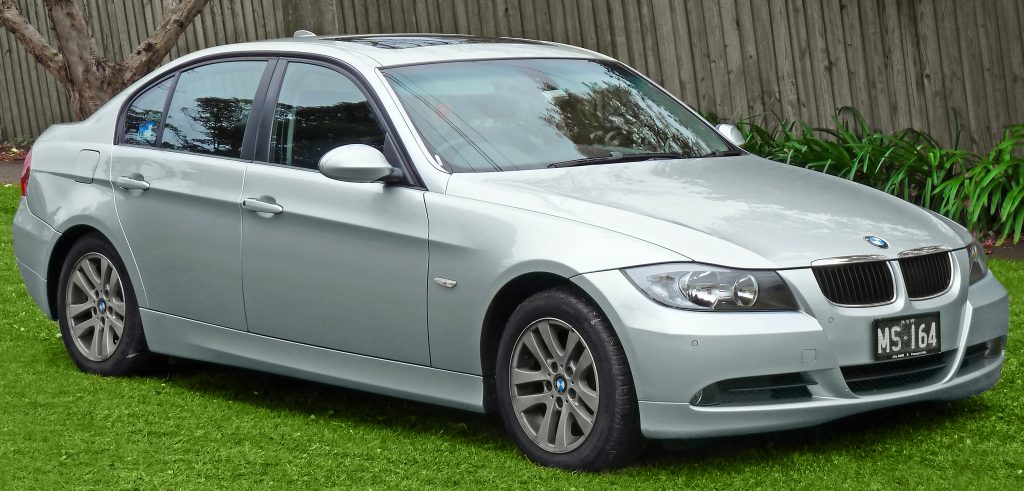
The E90 remains a rewarding sports sedan to own, but keeping its sunroof drainage system functioning properly is just as important as changing the engine oil or servicing the brakes.
Specifications
- Engine: 3.0-liter naturally aspirated inline-six
- Torque: 200 lb-ft
- Horsepower: 230 hp
- Length/Width: 178.2 inches / 71.5 inches
3. Audi A4 (B8)
The Audi A4 B8 is respected for its refined interior and solid highway manners, but owners and independent repair specialists have long recognized that neglected sunroof drains can become a source of water intrusion.
Audi designed the sunroof cassette with drain channels at each corner that route rainwater through flexible tubes hidden inside the pillars. The system works effectively when clean, but accumulated debris can restrict water flow and cause the tray to overflow into the cabin.
One of the first warning signs is usually a damp headliner near the front corners or moisture around the A-pillars after heavy rainfall. As the overflow continues, water often reaches the carpet beneath the front seats.
This is particularly concerning because several wiring harnesses and electronic connectors run underneath the carpet. If moisture remains trapped for days or weeks, corrosion may begin forming on terminals, creating intermittent electrical problems that are difficult and expensive to diagnose.
The A4’s thick carpet insulation acts like a sponge, allowing a relatively small leak to hold a surprising amount of water. Owners sometimes believe the interior has dried because the carpet surface feels normal, while the padding underneath remains saturated.
This hidden moisture can eventually lead to mold, unpleasant odors, and deterioration of sound-deadening materials.
Routine maintenance dramatically reduces the risk. Keeping the sunroof tracks free from leaves and periodically checking that water drains freely through all four corners can prevent costly repairs. Audi technicians also advise against forcing compressed air into blocked drains because excessive pressure can disconnect the drain tube from the cassette.
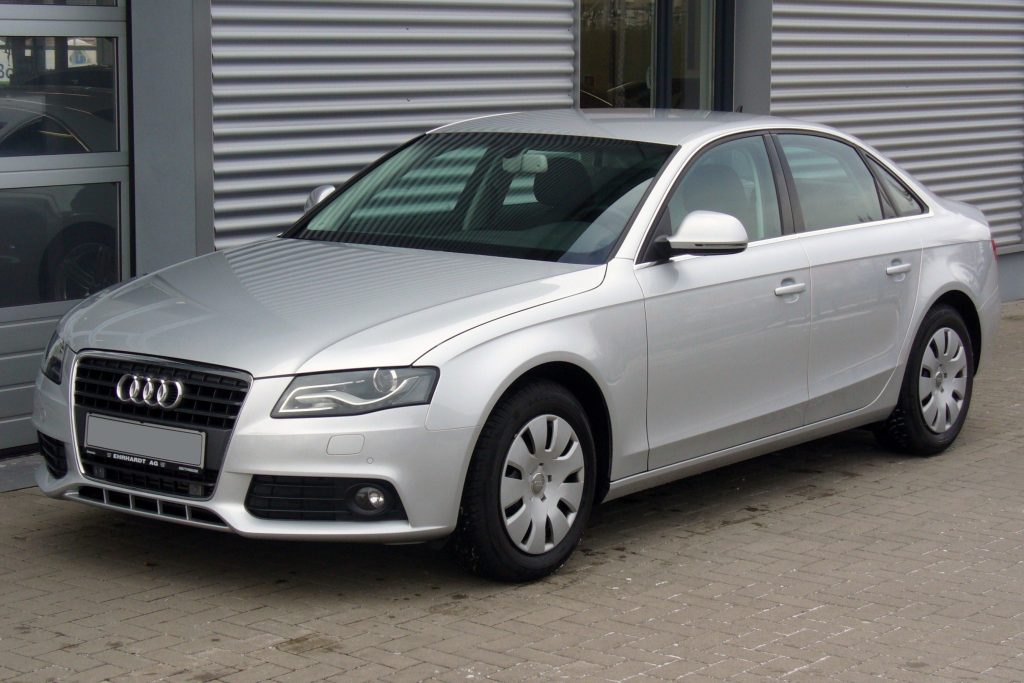
The repair may be inexpensive when caught early, but ignoring clogged drains can eventually require carpet removal, interior drying, replacement of damaged insulation, and electrical repairs that far exceed the cost of simple preventive maintenance.
Specifications
- Engine: 2.0-liter turbocharged inline-four
- Torque: 258 lb-ft
- Horsepower: 261 hp
- Length/Width: 187.5 inches / 72.7 inches
4. Mercedes-Benz C-Class (W204)
Luxury sedans often contain dozens of electronic control units positioned throughout the cabin, making water leaks particularly expensive. The Mercedes-Benz W204 C-Class demonstrates why a clogged sunroof drain deserves immediate attention.
Its sunroof assembly is designed to collect water that bypasses the outer seal and direct it through dedicated drain tubes. When those tubes become restricted by dirt or organic debris, water can overflow into the headliner before traveling down the pillars and into the passenger compartment.
Many owners first notice condensation inside the windows that persists even after using the climate control system. Others discover wet carpeting following a heavy storm without realizing the leak originated at the roof rather than the floor.
If left unresolved, moisture can reach electrical connectors beneath the carpet and contribute to corrosion that affects convenience features, lighting systems, or other electronic functions.
Vehicles parked outdoors beneath trees face the greatest risk because leaves, seeds, and pollen gradually accumulate around the sunroof frame.
Seasonal maintenance becomes especially valuable during autumn when falling debris can quickly block the small drain openings. Regular inspection also helps identify cracked drain tubes or loose fittings before they create larger leaks.

Mercedes technicians generally recommend flushing the drains gently with clean water after confirming the outlet remains open. Aggressive cleaning methods using stiff wire or excessive air pressure can damage the tubing or disconnect it inside the body, turning a simple maintenance procedure into a labor-intensive repair.
The W204 remains a dependable luxury sedan when properly maintained, and keeping its sunroof drainage system clean protects both the interior materials and the sophisticated electronics that contribute to the vehicle’s premium ownership experience.
Specifications
- Engine: 2.0-liter turbocharged inline-four
- Torque: 273 lb-ft
- Horsepower: 255 hp
- Length/Width: 182.3 inches / 70.7 inches
5. Cadillac CTS (Second Generation)
The second-generation Cadillac CTS earned praise for its sharp handling and upscale cabin, yet technicians have also encountered water intrusion complaints traced to blocked sunroof drains.
Like most modern vehicles, the CTS does not rely on the sunroof seal to keep all water outside. Instead, rainwater that passes the outer seal is collected in a drainage tray and directed through four drain tubes.
When those tubes become obstructed by dirt, leaves, or tree debris, water has nowhere to escape and eventually spills into the interior.
The leak often begins subtly. Owners may notice a damp headliner near the windshield, water stains around the A-pillars, or a musty odor after a period of rain. As the overflow continues, water can soak the front carpet and insulation underneath.
Because the CTS contains wiring harnesses and electrical connectors beneath the floor, prolonged moisture exposure increases the possibility of corrosion and electrical issues ranging from warning lights to intermittent accessory failures.
One reason this problem can become expensive is that the carpet padding retains water long after the visible surface appears dry. Moisture trapped beneath the carpet promotes mold growth and can damage sound insulation if it is not removed and dried properly. Simply vacuuming the carpet rarely solves the underlying issue.
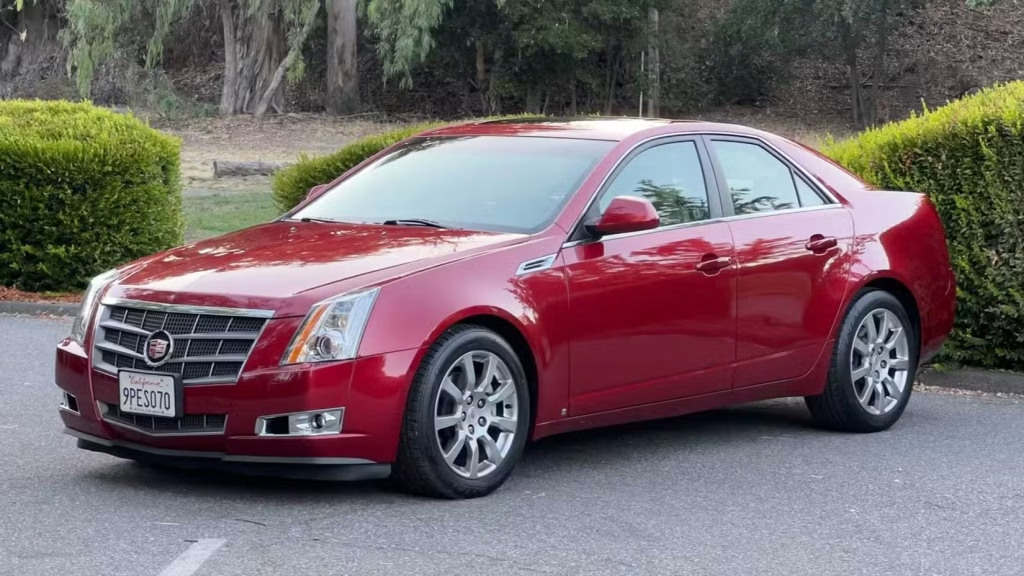
Routine inspection of the sunroof channels is an effective preventive measure, particularly for vehicles parked outdoors year-round. Cleaning debris from the sunroof tracks and confirming that water drains freely from all four outlets can prevent overflow before it reaches the passenger compartment.
The CTS remains an enjoyable luxury sedan, but owners who ignore clogged sunroof drains may eventually face repair bills involving interior trim, electronic diagnostics, and carpet replacement instead of a straightforward maintenance procedure.
Specifications
- Engine: 3.6-liter V6
- Torque: 275 lb-ft
- Horsepower: 318 hp
- Length/Width: 191.3 inches / 72.5 inches
6. Lincoln MKZ (2013 to 2020)
The Lincoln MKZ combines a quiet cabin with premium comfort, but like many luxury sedans equipped with a panoramic sunroof, it depends on an efficient drainage system to manage rainwater.
The perimeter seal around the glass is not intended to create a watertight barrier. Instead, water enters a collection channel before flowing through drain tubes hidden inside the body. If those tubes become clogged, the water level rises until it escapes into the cabin.
Owners have reported discovering wet front carpets after heavy storms, sometimes without any obvious leak around the windshield or doors. Water can travel down the A-pillars before soaking into the floor insulation.
If the condition remains unnoticed, moisture may reach electronic connectors beneath the carpet and contribute to corrosion over time. Persistent dampness can also produce mildew odors that are difficult to eliminate completely.
Vehicles parked beneath trees face the highest likelihood of drain blockage because leaves, seeds, and pine needles gradually accumulate around the sunroof frame.
Seasonal cleaning greatly reduces the chance of restricted water flow. Technicians generally recommend pouring a small amount of clean water into each drain channel to verify that it exits beneath the vehicle rather than backing up into the roof assembly.
Owners should avoid inserting rigid wire deep into the drain tubes because it can puncture or disconnect the flexible hose. Gentle cleaning tools specifically intended for sunroof drains are much safer and reduce the risk of accidental damage.
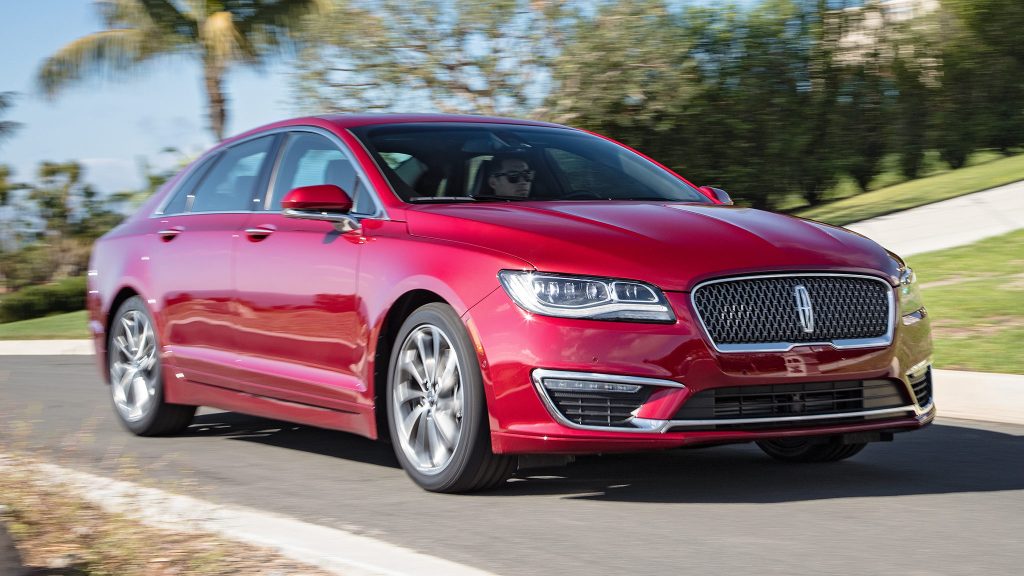
For the MKZ, preventive maintenance is considerably less expensive than replacing soaked carpet insulation, repairing electrical components, or removing interior trim to access disconnected drain tubing. Regular inspection helps preserve both the interior and the sophisticated electronics found throughout the vehicle.
Specifications
- Engine: 2.0-liter turbocharged inline-four
- Torque: 275 lb-ft
- Horsepower: 245 hp
- Length/Width: 193.9 inches / 73.4 inches
7. Ford Fusion (2013 to 2020)
The Ford Fusion became one of the most popular midsize sedans in the United States, and many well-equipped trims included a power sunroof. Like every factory-installed sunroof, the Fusion’s design intentionally allows a small amount of water to pass the outer weather seal.
That water is directed into drain channels and exits through tubes hidden inside the A-pillars and rear body structure. Problems begin when those tubes become clogged with leaves, dirt, or pollen.
Unlike an obvious roof leak, clogged drains often create symptoms that appear elsewhere in the cabin. Drivers may first notice damp front floor mats after a rainstorm or hear water sloshing inside the pillars during sharp turns.
As the overflow continues, moisture can travel beneath the carpeting where thick insulation traps water for days. Because several wiring harnesses run along the floor, prolonged exposure increases the possibility of connector corrosion and electrical faults.
The Fusion’s carpet padding is particularly effective at holding moisture, making the problem easy to overlook until mildew odors develop. Even after the carpet surface feels dry, the insulation underneath may still contain a significant amount of water. If ignored, mold growth and deterioration of interior materials can follow.

Preventive maintenance is straightforward. Removing leaves from the sunroof tracks and periodically confirming that water flows freely through each drain outlet can prevent overflow before it reaches the passenger compartment.
Service technicians also advise using flexible cleaning tools instead of compressed air at high pressure, which can separate the drain hose from the sunroof cassette.
A clogged drain is inexpensive to correct when addressed early, but delaying repairs can result in interior trim removal, carpet replacement, and electrical diagnostics that cost substantially more than routine maintenance.
Specifications
- Engine: 2.0-liter EcoBoost turbocharged inline-four
- Torque: 275 lb-ft
- Horsepower: 245 hp
- Length/Width: 191.8 inches / 72.9 inches
8. Lexus ES 350 (XV60)
The Lexus ES 350 has earned an outstanding reputation for reliability, yet even dependable luxury sedans require regular maintenance of components that owners rarely think about. The factory sunroof includes drain channels positioned around the glass opening.
Their purpose is to collect rainwater that bypasses the outer seal and direct it safely underneath the vehicle. If debris blocks those passages, the water eventually overflows into the interior instead of leaving through the drain tubes.
One reason this issue deserves attention is the ES 350’s exceptionally well-insulated cabin. Thick carpeting and sound-deadening material absorb water efficiently, often hiding the leak until occupants notice a persistent musty smell or fogging windows during humid weather. By the time visible signs appear, the insulation beneath the carpet may already be saturated.
Electronic systems are another concern. Modern Lexus vehicles contain wiring connectors beneath the carpet and inside the lower body structure. Continuous moisture exposure can encourage corrosion that may lead to intermittent electrical issues if left unresolved.
Although such failures are less common when leaks are addressed promptly, ignoring standing water significantly increases the repair cost.
Routine inspection of the sunroof drain openings helps prevent these problems. Vehicles parked outdoors beneath trees should receive extra attention because leaves and seeds can quickly accumulate inside the drainage tray. Flushing the drains gently with clean water is often enough to verify that the system remains unobstructed.

The ES 350 demonstrates that even highly reliable vehicles benefit from simple preventive care. Keeping the sunroof drains clear protects the premium interior materials while reducing the possibility of water reaching expensive electrical components hidden beneath the carpet.
Specifications
- Engine: 3.5-liter V6
- Torque: 267 lb-ft
- Horsepower: 302 hp
- Length/Width: 195.9 inches / 73.4 inches
9. Honda Accord (Ninth Generation)
The ninth-generation Honda Accord is widely recognized for reliability and low ownership costs, but models equipped with a factory sunroof can experience water intrusion if the drain system is neglected.
Honda designed the sunroof with drainage channels at each corner because the outer weatherstrip is intended to minimize water entry rather than eliminate it entirely. Rainwater entering the tray normally flows through drain tubes hidden inside the body.
If those passages become blocked by dirt, leaves, or pollen, water eventually overflows into the cabin.
The first indication is often subtle. Owners may notice damp carpet near the front footwells after a heavy rainstorm or detect a faint mildew odor despite the cabin appearing clean.
Since the Accord uses thick carpet padding for noise reduction, moisture can remain trapped underneath for extended periods. Surface carpeting may feel dry while the insulation below continues holding water.
Long-term moisture creates additional concerns beyond unpleasant odors. Wiring connectors and electrical harnesses routed beneath the carpeting can be exposed to corrosion if water remains in contact with them.
Although Honda engineered these components for durability, prolonged saturation is never desirable and can eventually lead to intermittent electrical issues.
Maintenance is straightforward and inexpensive. Cleaning leaves from the sunroof channels during routine washing and periodically checking that water drains freely from each outlet helps prevent overflow before it reaches the interior.
Technicians also caution against using stiff metal wire to clear the drains because flexible tubing can be punctured or disconnected inside the pillars.
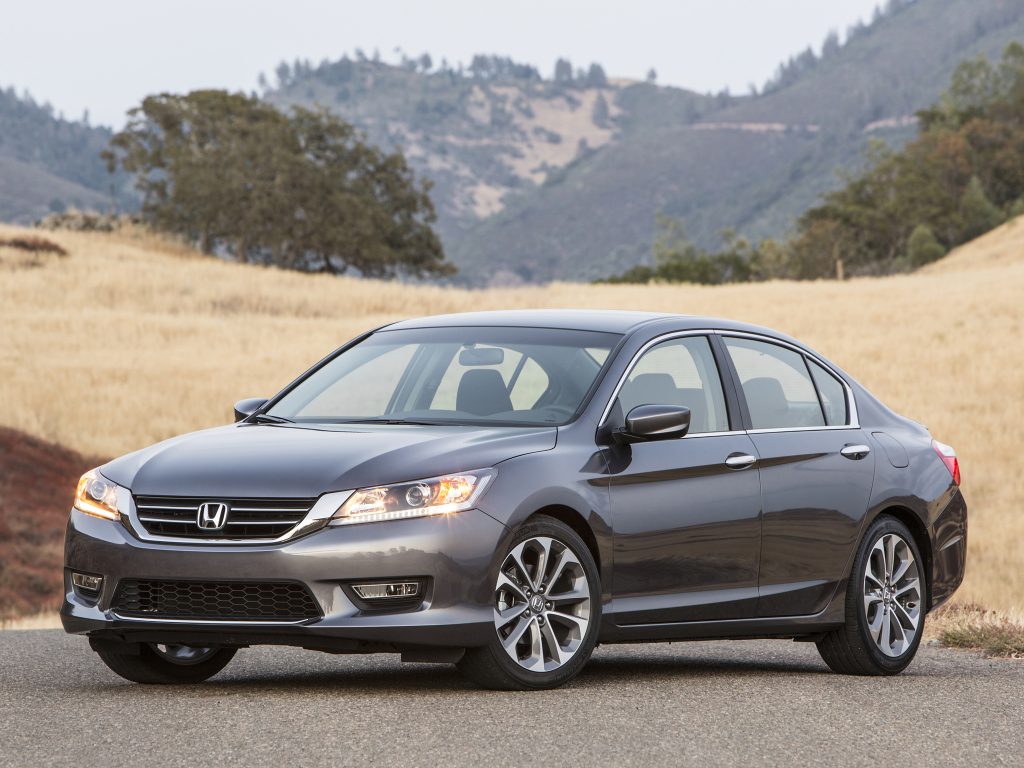
The Accord’s dependable reputation is well deserved, but like any vehicle equipped with a sunroof, its drainage system deserves occasional attention. Preventive cleaning is far less expensive than replacing soaked carpeting, repairing interior trim, or diagnosing moisture-related electrical problems.
Specifications
- Engine: 2.4-liter naturally aspirated inline-four
- Torque: 181 lb-ft
- Horsepower: 185 hp
- Length/Width: 191.4 inches / 72.8 inches
10. Nissan Maxima (A36)
The Nissan Maxima closes this list because its panoramic-style sunroof system follows the same drainage principles as many premium sedans. Water that passes the outer glass seal is collected in a tray before traveling through dedicated drain tubes concealed within the vehicle’s pillars.
As long as those drains remain unobstructed, rainwater exits safely beneath the car. Trouble begins when debris restricts the flow, and the tray fills faster than it can drain.
Owners often report discovering moisture after periods of heavy rain rather than during routine driving. Damp carpeting near the front seats, persistent window fogging, and a noticeable musty odor are among the earliest warning signs.
Because the Maxima uses substantial sound insulation beneath the carpet, water can remain hidden for days before the problem becomes obvious.
The consequences extend beyond wet floor mats. Electronic connectors and wiring routed along the floor can eventually suffer corrosion if exposed to standing water for prolonged periods. Interior materials such as carpet backing and insulation may also deteriorate, while mold growth becomes increasingly likely if the leak is ignored.
Routine inspection is especially important for vehicles parked beneath trees or in areas where falling leaves accumulate around the roof.
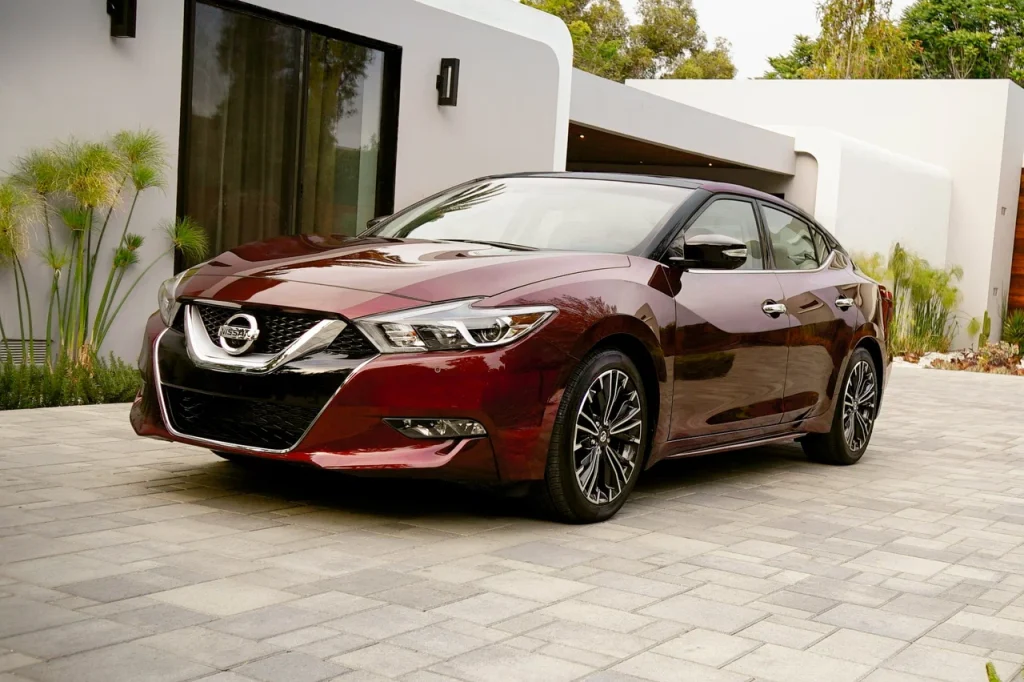
During regular washing, owners can check that water poured carefully into the sunroof channel exits beneath the vehicle within seconds. Slow drainage usually indicates a partial blockage that should be corrected before significant water intrusion develops.
The Maxima’s comfortable cabin and refined driving experience make it an appealing full-size sedan, but preserving those qualities requires keeping the sunroof drainage system functioning as intended.
A few minutes of preventive maintenance can prevent repairs involving the headliner, carpeting, electrical components, and interior trim.
Specifications
- Engine: 3.5-liter V6
- Torque: 261 lb-ft
- Horsepower: 300 hp
- Length/Width: 192.8 inches / 73.2 inches