
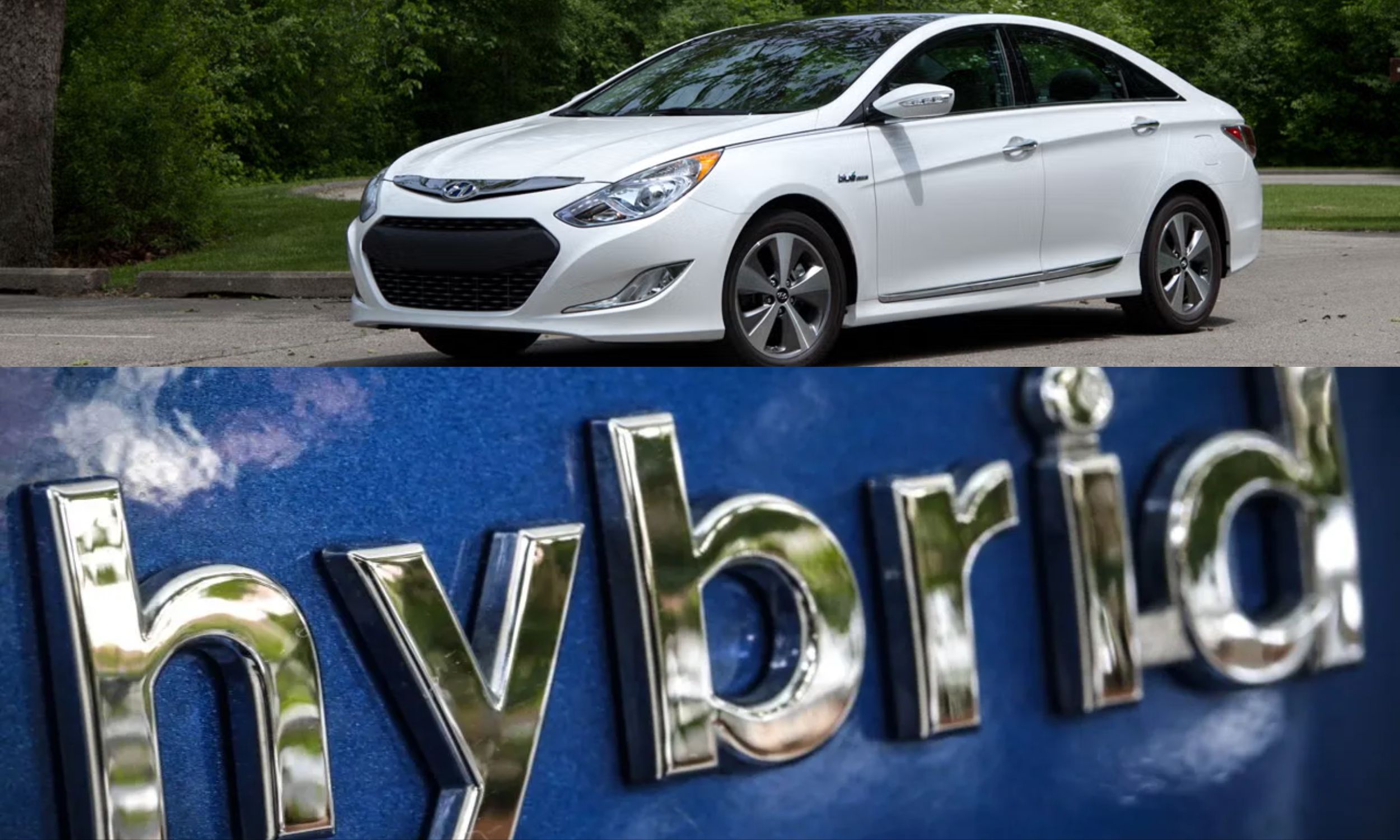
Something is changing at used car lots across the country, and the numbers don’t lie. Gas prices crept up, buyers got nervous, and instead of running straight to electric vehicles as everyone predicted, shoppers picked hybrids instead. A fresh iSeeCars study looked at 6.7 million used vehicles sold between one and five years old, and the results tell a clear story.
Hybrid demand climbed 41.8% in the first quarter of 2026 compared to the same stretch last year. Gas-powered vehicle share slipped 2.9%, while EV share grew 15.9%. Hybrids won by a wide margin. If you’re shopping for a used car right now, or just curious why your neighbor traded in their sedan for a Prius, this breakdown covers what’s driving the change.
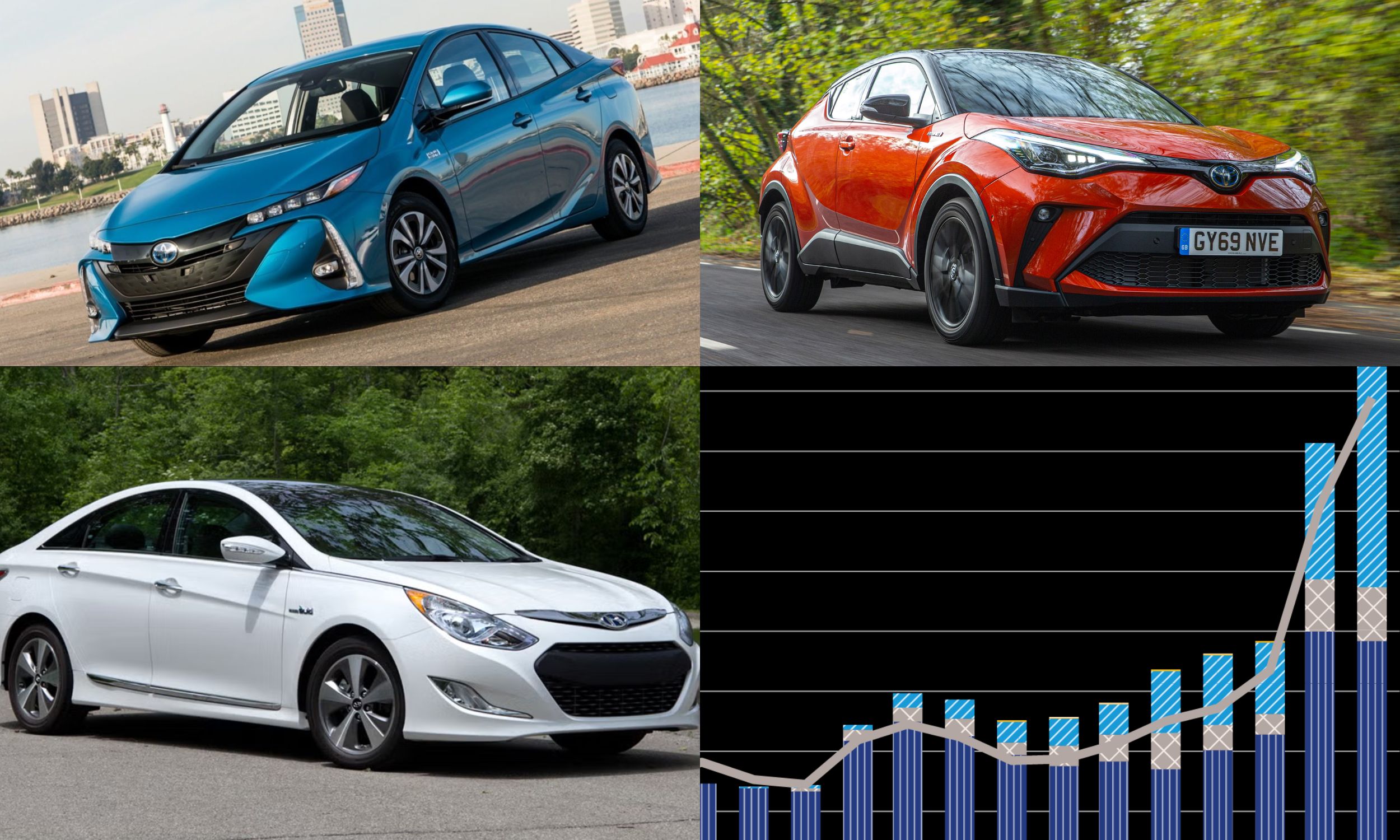
Used Hybrid Demand Jumped 41.8% While Gas Share Fell
Higher fuel prices were widely expected to boost demand for fully electric vehicles, but hybrids ultimately attracted more buyers. Karl Brauer, Executive Analyst at iSeeCars, attributed their success to a combination of fuel savings, everyday practicality, and the ability to avoid reliance on charging stations.
Picture a family cross-shopping a used sedan. Gas prices are high enough to sting every fill-up. An EV sounds appealing until they think about road trips, charging stations, and cold-weather range loss. A hybrid solves both problems at once. No plug required, better mileage than a standard gas engine, and none of the range anxiety that comes with going fully electric.
The data backs this up in a straightforward way. Hybrid vehicles grew their share of the used car market faster than electric vehicles did during the same period. That’s a big claim, but the numbers hold up. Buyers aren’t choosing hybrids because they’re trendy. They’re choosing them because they make sense for daily life, weekend trips, and unpredictable gas prices.
There’s a practical lesson buried in this trend too. When fuel costs climb, people don’t always jump straight to the newest, flashiest technology. They often reach for the middle ground, something that fits their budget and their lifestyle without asking them to change how they live. Hybrids fit that description almost perfectly right now.
Gas Vehicle Share Down 2.9% Signals A Slow Retreat
Gas-powered vehicles didn’t collapse. A 2.9% drop in share sounds modest, and it is. But small numbers add up over quarters and years, and this particular drop arrives at a moment when hybrids and EVs are both gaining ground simultaneously. That’s the part worth paying attention to.
Consider what a 2.9% share decline actually represents across 6.7 million vehicles. It’s not a rounding error. It reflects millions of individual buying decisions, each one a small vote against the traditional gas engine. Multiply that pattern across dealerships nationwide, and a pattern becomes a trend.
Why now? Fuel prices are part of it, obviously. But there’s more happening beneath the surface. Used gas vehicle prices dropped 2.8% year-over-year in the first quarter of 2026, a steeper decline than hybrids experienced.
Sellers are having to lower prices to move inventory, which tells you something about softening demand. When a product needs a bigger discount to sell at the same pace, that’s usually a sign buyers have other options they prefer.
Automakers and dealers watching this pattern face a real question. Do they keep leaning on gas inventory, hoping prices stabilize? Or do they move their used car lots toward more hybrids, betting that this preference sticks around? Neither answer is obvious yet, but the early data suggests buyers have already made up their minds.
Gas vehicles still dominate the market by raw numbers. Nobody should mistake a 2.9% dip for a collapse. But trends like this rarely reverse overnight, and dealers who ignore it may find themselves stuck with inventory nobody wants.
Also Read: 8 Used Hybrids That Hold Value Better Than Their Gas Twins
EV Share Climbed 15.9% But Trailed Hybrid Growth
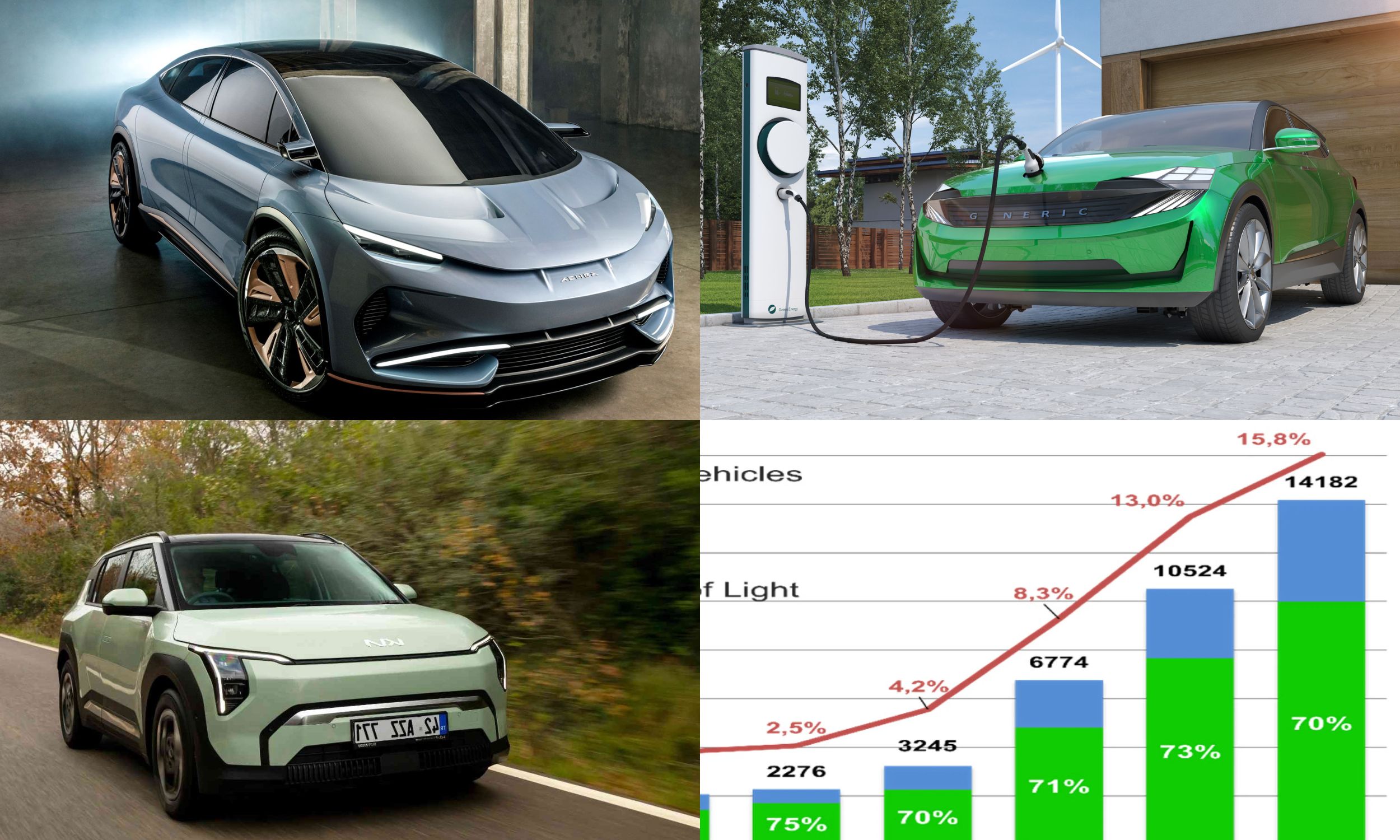
Electric vehicles aren’t losing, far from it. A 15.9% jump in share is a strong number by any measure, and it shows real momentum for battery-powered cars in the used market. The catch is that hybrids grew even faster, and that comparison matters more than the raw EV number alone.
Here’s where things get interesting. Tesla resale prices held remarkably steady, down just 0.1% year-over-year, while non-Tesla EV prices dropped 10.3% over the same period. That gap is enormous. It suggests buyers trust Tesla’s brand and infrastructure far more than competing electric models from legacy automakers, and that trust translates directly into resale value.
Non-Tesla EV owners trying to sell their cars are facing a tougher market. Prices dropping over 10% in a single year is a steep decline, and it likely reflects buyer hesitation around charging networks, software reliability, and long-term battery health for brands still working out the kinks. Meanwhile, Tesla’s used inventory sold in an average of 32.4 days, faster than gas cars, hybrids, and other EVs alike.
So the EV story isn’t one simple trend. It’s split. Tesla is thriving. Everyone else building electric vehicles is struggling to keep pace, both in price and in how quickly cars leave the lot.
Days On Market Reveal How Buyer Patience Has Changed
Used cars are taking slightly longer to sell this year as buyers become more careful with their spending. The average selling time has increased from 31.2 days last year to 32.4 days this year. While the difference is small, it suggests that many people are comparing more options before deciding which vehicle offers the best value.
A closer look at each category reveals different buying patterns. Petrol-powered vehicles remain on dealer lots for an average of 54.1 days, while hybrids follow closely at 54.4 days. This shows that hybrid models continue to attract steady demand. Non-Tesla electric vehicles take the longest to sell, averaging 60.1 days before finding buyers.
The difference between hybrids and non-Tesla electric vehicles reflects current consumer preferences. Many buyers still favour hybrids because they combine improved fuel economy with the convenience of a familiar driving experience. Even with price reductions, many non-Tesla electric vehicles continue to remain on dealership lots longer than expected.
Also Read: 8 Used Hybrids That Save More Than They Cost To Own
What This Means For Buyers Shopping Right Now
If you’re in the market for a used vehicle this year, the data offers a clear roadmap. Hybrids are moving fast, holding value better than gas cars, and giving buyers exactly what they want: fuel savings without the commitment of a plug. Gas vehicles remain affordable and widely available, though their share keeps slipping bit by bit.
Electric vehicles split sharply by brand, with Tesla holding strong and other manufacturers struggling to match that resale strength. Shoppers weighing all three should think about their daily routine, their access to charging, and how long they plan to keep the car. Hybrids currently offer the best of both worlds for buyers who want lower running costs without changing their entire routine.
