
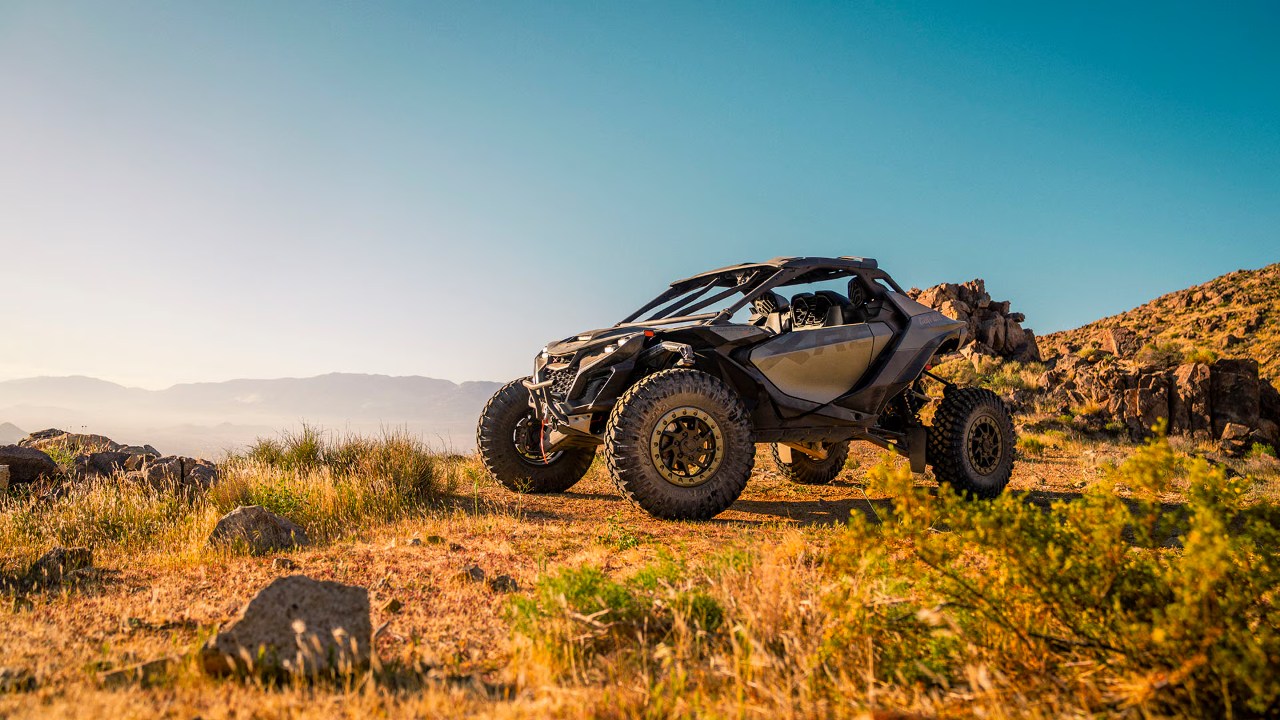
Buying a vehicle does not automatically mean you can legally drive it on public roads. In New York, registration rules are governed by state law and federal vehicle safety standards, meaning certain vehicles cannot receive a standard registration for highway use regardless of how new or expensive they are.
Many buyers discover this only after purchasing an off-road machine, race vehicle, or imported model. Before spending thousands of dollars, it is important to understand which vehicles are ineligible for road registration.
Here are ten vehicles that cannot legally be registered for normal road use in New York under current regulations.
Also Read: 10 Cars That Cannot Be Driven During a System Update
1. Polaris RZR Pro R
The Polaris RZR Pro R is one of the most capable side-by-side off-road vehicles sold in the United States, but it cannot be registered for normal highway use in New York.
Although it features advanced suspension, powerful brakes, LED lighting, and modern safety equipment for off-road driving, it was never certified to meet the Federal Motor Vehicle Safety Standards required for passenger vehicles.
Because of that, the New York Department of Motor Vehicles does not issue a standard passenger registration for the RZR Pro R.
Many first-time buyers mistakenly believe they can add mirrors, turn signals, or a windshield and make the vehicle street legal. That approach does not work in New York. Registration eligibility is determined by the manufacturer’s original certification, not by aftermarket modifications.
Since the RZR Pro R is manufactured and sold strictly as an off-highway vehicle, it remains ineligible for road registration regardless of accessories installed later.
The vehicle is perfectly legal to own and can be operated where off-highway vehicles are permitted, including designated trails and private property with the owner’s permission. However, driving it on public streets without proper registration could result in citations, fines, and the vehicle being removed from the roadway.
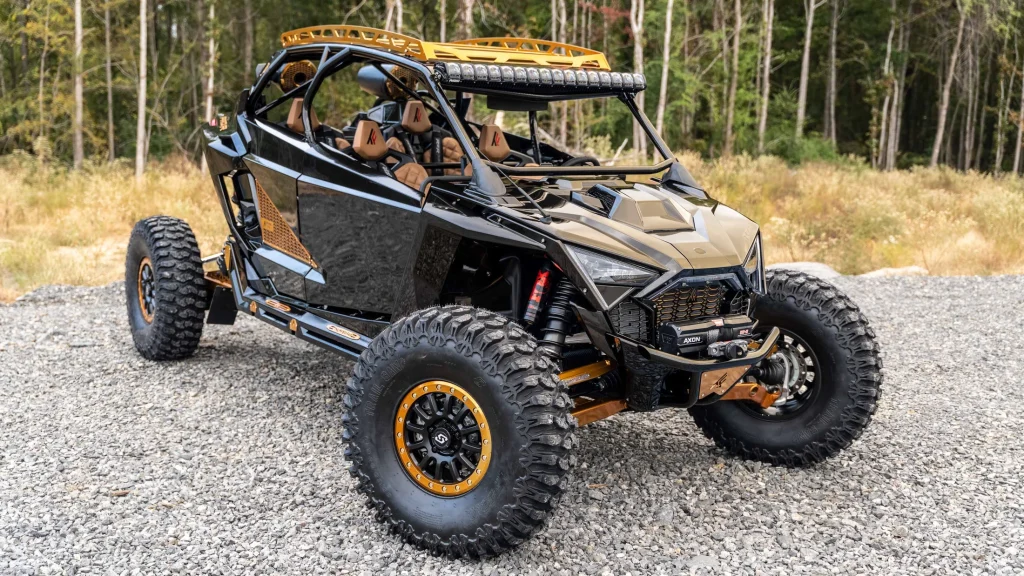
Its long-travel suspension, nearly race-ready chassis, and high-performance engine make it an outstanding recreational machine, but those strengths are designed for dirt, sand, and rocky terrain rather than public highways.
Anyone shopping for a utility or recreational vehicle should understand the difference between an off-highway vehicle and a street-legal automobile before making a purchase.
Specifications
- Engine: 2.0-liter ProStar Fury naturally aspirated inline-four
- Torque: Approximately 166 lb-ft
- Horsepower: 225 hp
- Length/Width: 133.5 inches / 74 inches
2. Honda CRF450R
At first glance, the Honda CRF450R may resemble a dual-sport motorcycle, but it is built exclusively for motocross competition.
Because it lacks the federal certification required for on-road motorcycles, it cannot receive a standard New York motorcycle registration for street use. Riders who purchase one expecting to commute on public roads often discover that registration is legally impossible.
The CRF450R omits several components required for highway certification. Depending on the model year, it does not meet federal equipment standards for street motorcycles, including requirements related to lighting, emissions certification, mirrors, instrumentation, and other road-use equipment.
More importantly, Honda never certifies the motorcycle as a street-legal model under federal regulations. That manufacturer certification is what matters during the registration process.
New York allows registered motorcycles on public roads only when they comply with applicable federal safety and emissions standards. Since the CRF450R was engineered for closed-course competition, it falls outside those requirements.
Even significant aftermarket modifications generally do not change its registration status because the original vehicle certification remains unchanged.
For riders seeking a legal alternative, Honda offers dual-sport motorcycles such as the CRF450RL that are specifically designed and certified for highway operation. Those models include the equipment and documentation necessary for registration while still delivering excellent off-road capability.
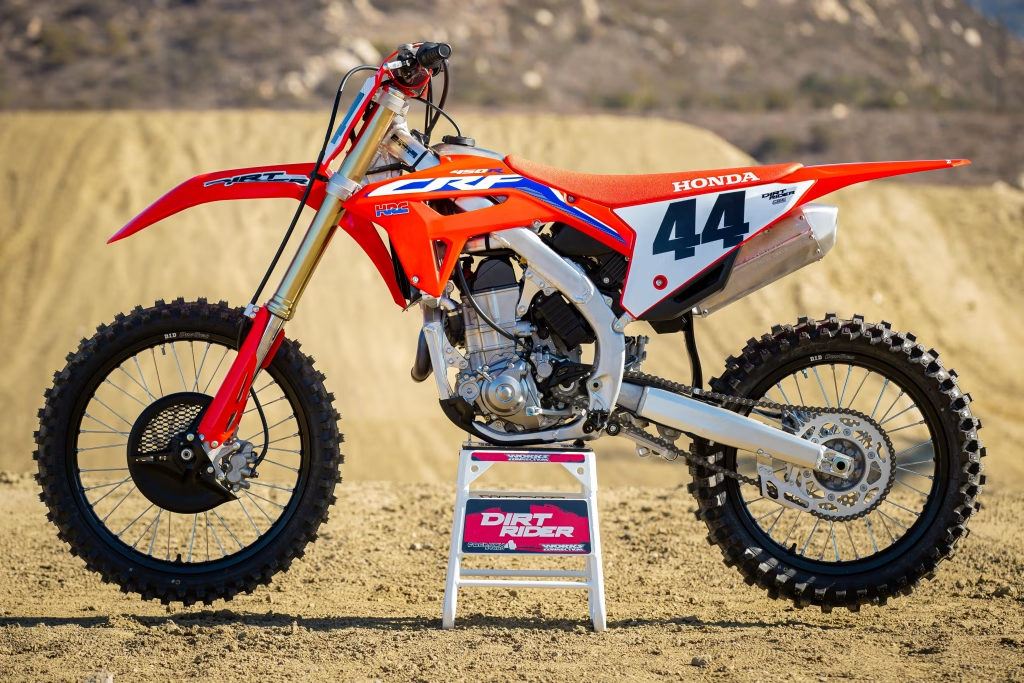
The CRF450R remains one of the most respected motocross motorcycles in America, winning races across professional competition. Its inability to receive a New York road registration is not a reflection of performance but of its intended purpose as a dedicated competition machine.
Specifications
- Engine: 449.7 cc liquid-cooled single-cylinder four-stroke
- Torque: Approximately 35 lb-ft
- Horsepower: Approximately 56 hp
- Length/Width: 85.9 inches / 32.6 inches
3. Can-Am Maverick R
The Can-Am Maverick R is engineered to tackle some of the toughest off-road terrain in North America, but it cannot be registered for normal road use in New York.
Despite featuring automotive-style bucket seats, a steering wheel, advanced suspension, and a turbocharged engine producing more than 200 horsepower, the Maverick R is classified as an off-highway vehicle rather than a passenger automobile.
That distinction is critical because New York requires vehicles driven on public roads to comply with the Federal Motor Vehicle Safety Standards applicable to highway vehicles. The Maverick R was never certified under those standards.
It lacks the manufacturer certification label required for passenger vehicle registration, making it ineligible for a standard New York license plate.
Some owners assume adding windshield wipers, turn signals, mirrors, or even a horn will make the vehicle street legal. While those additions may satisfy certain local requirements in other states with more flexible laws, they do not override New York’s registration rules.
The original manufacturer certification determines whether the vehicle qualifies for highway registration.
The Maverick R shines in environments where traditional trucks or SUVs would struggle. Its long-travel suspension, locking differential options, and powerful turbocharged engine are designed for dunes, deserts, wooded trails, and rocky terrain. Those capabilities, however, do not change its legal status.
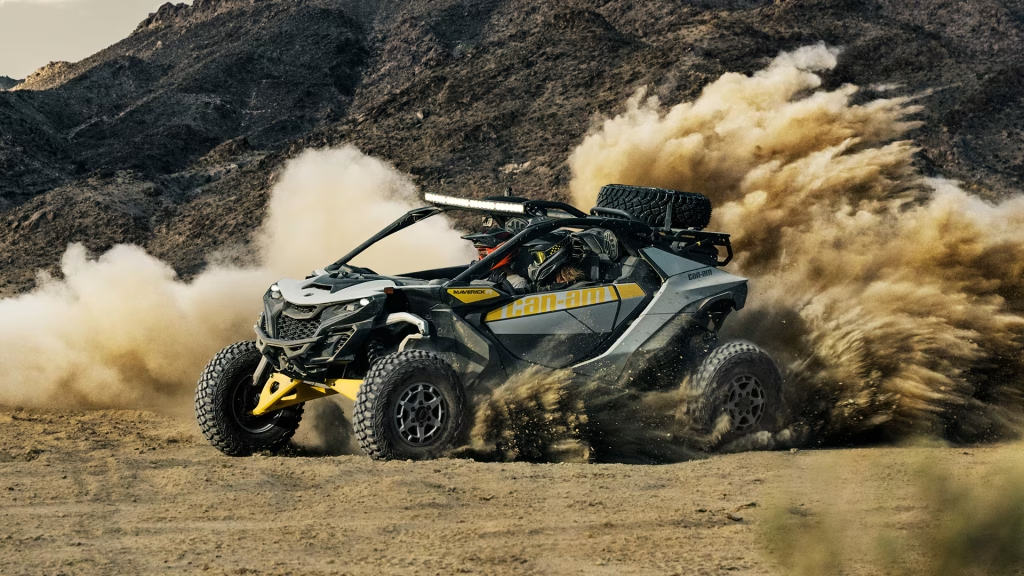
Anyone considering the Maverick R should plan to transport it on a trailer to approved riding areas rather than expecting to drive it on public streets. Understanding that limitation before purchasing can prevent expensive surprises and ensure the vehicle is used exactly as it was designed.
Specifications
- Engine: 999 cc turbocharged three-cylinder
- Torque: Approximately 184 lb-ft
- Horsepower: 240 hp
- Length/Width: 132.8 inches / 77 inches
4. Kawasaki KX450
The Kawasaki KX450 has earned a reputation as one of America’s premier motocross motorcycles, but it is built for racetracks, not highways. Buyers in New York cannot obtain a standard street registration for this motorcycle because Kawasaki sells it exclusively as a closed-course competition model.
Unlike a street motorcycle, the KX450 is not certified to meet federal on-road emissions or safety requirements. It is designed with lightweight racing components that prioritize performance over highway compliance.
The motorcycle also lacks the federal certification necessary for registration, which cannot be replaced simply by installing aftermarket equipment.
Many riders mistakenly believe converting a motocross bike into a street motorcycle is straightforward. In reality, New York registration officials rely primarily on the manufacturer’s original classification.
Since the KX450 leaves the factory as an off-road competition motorcycle, it remains ineligible for standard highway registration regardless of later modifications.
The KX450’s strengths become obvious once it reaches a motocross circuit. Its lightweight aluminum frame, responsive suspension, and powerful single-cylinder engine allow riders to tackle jumps, berms, and rough terrain with confidence.
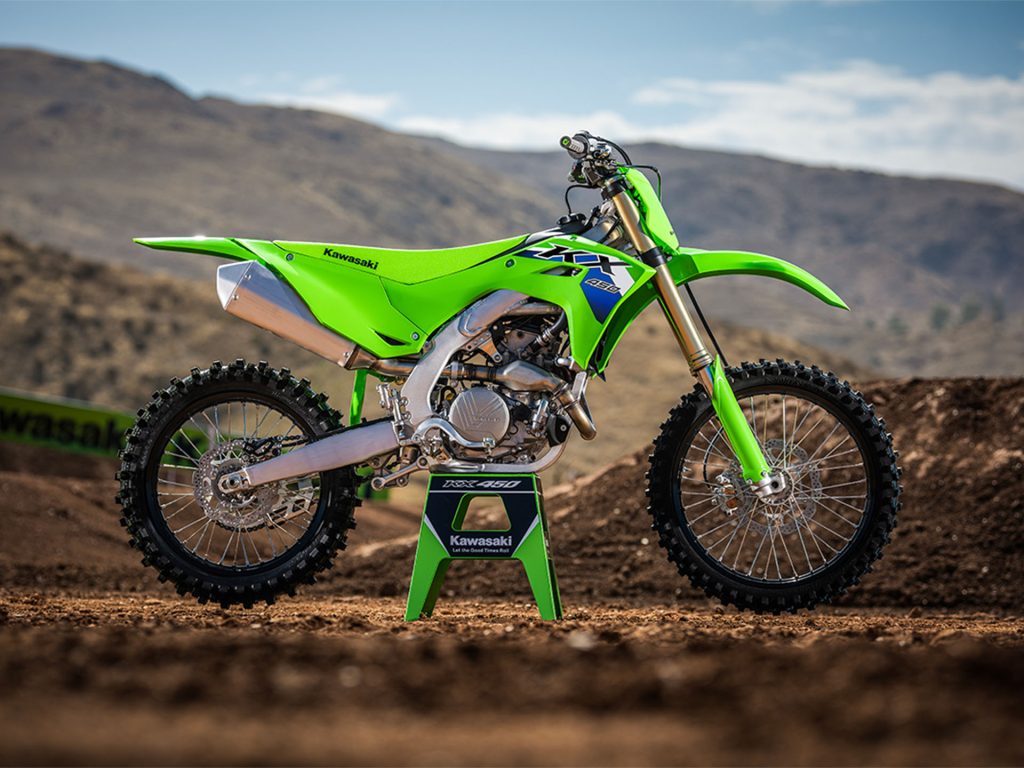
Those same characteristics make it one of the most competitive motocross machines available, but they were never intended for daily commuting or interstate travel.
Anyone wanting similar performance with legal road access should instead consider a factory-certified dual-sport motorcycle. Purchasing the correct model from the beginning is considerably easier than attempting to modify a competition bike that cannot legally receive a New York road registration.
Specifications
- Engine: 449 cc liquid-cooled single-cylinder four-stroke
- Torque: Approximately 37 lb-ft
- Horsepower: Approximately 60 hp
- Length/Width: 85.8 inches / 32.5 inches
5. Yamaha YFZ450R
Performance ATV enthusiasts often regard the Yamaha YFZ450R as one of the finest sport quads ever built, but it is completely ineligible for standard road registration in New York.
While the machine delivers exceptional handling, rapid acceleration, and race-inspired suspension, it is classified as an all-terrain vehicle rather than a passenger vehicle or motorcycle. That classification alone prevents it from receiving a standard license plate for operation on public highways.
The YFZ450R was engineered specifically for closed-course riding, dunes, and designated off-road trails. It was never certified to comply with the Federal Motor Vehicle Safety Standards that govern vehicles driven on public roads. Features such as headlights or brake lights are only part of the equation.
Federal certification, crashworthiness requirements, emissions compliance, and the manufacturer’s original designation all determine whether a vehicle qualifies for registration.
Some owners attempt to convert ATVs for street use by installing mirrors, turn signals, or other aftermarket accessories.
Those upgrades do not change how the New York DMV classifies the vehicle. Since Yamaha markets the YFZ450R exclusively as an off-highway ATV, it cannot legally receive a passenger registration regardless of modifications.
That restriction should not discourage enthusiasts from enjoying the machine where it belongs.
The YFZ450R remains one of the most capable sport ATVs available, offering responsive handling, lightweight construction, and impressive durability during recreational riding and amateur competition. It simply must be transported to approved riding locations rather than driven there.
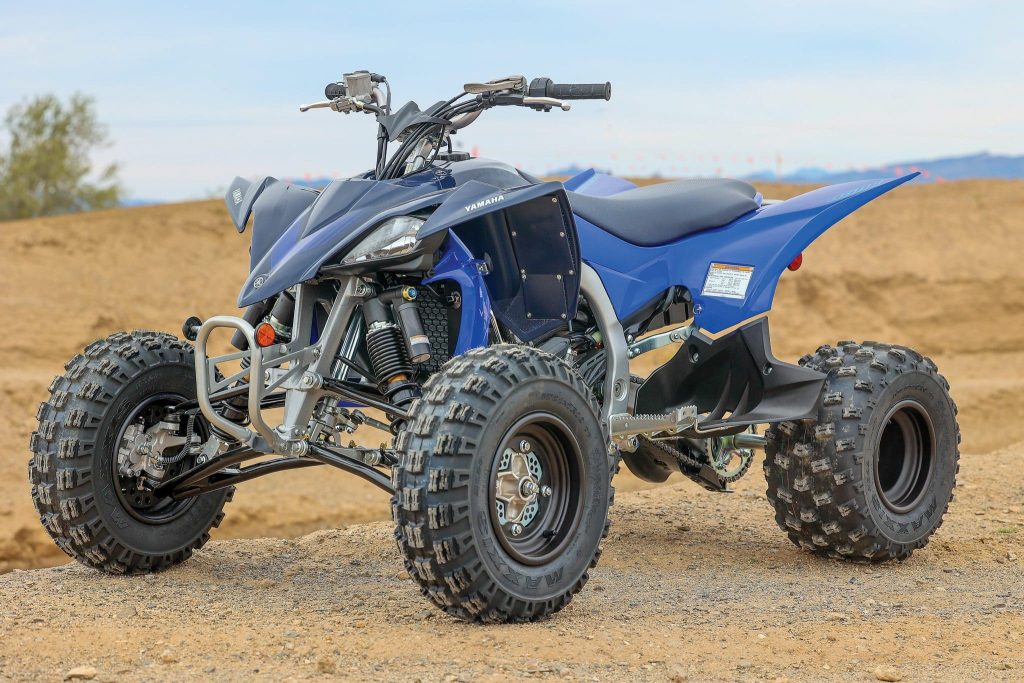
Understanding this distinction before purchasing is essential. Buyers looking for transportation should choose a street-certified motorcycle or automobile, while those seeking weekend off-road excitement will find the YFZ450R excels in its intended environment.
Specifications
- Engine: 449 cc liquid-cooled single-cylinder
- Torque: Approximately 35 lb-ft
- Horsepower: Approximately 39 hp
- Length/Width: 72.6 inches / 48 inches
6. KTM 450 SX-F
The KTM 450 SX-F has become a dominant force in professional motocross, earning countless victories thanks to its lightweight chassis and powerful engine.
Yet despite its outstanding performance, this motorcycle cannot be registered for normal road use in New York because it is manufactured exclusively as a competition motocross bike.
Unlike KTM’s dual-sport lineup, the 450 SX-F is not certified for highway operation under federal regulations. It is designed with racing in mind, focusing on acceleration, suspension travel, and reduced weight rather than equipment required for public roads.
Since it lacks the necessary federal certification label, the New York DMV will not issue a standard motorcycle registration for highway use.
Some riders believe adding headlights, mirrors, a horn, or a license plate bracket is enough to satisfy registration requirements. Unfortunately, the legal process is far more comprehensive. Registration eligibility depends primarily on the manufacturer’s certification at the time of production.
Because KTM never intended the 450 SX-F to be a street motorcycle, aftermarket modifications cannot convert it into one for registration purposes.
Where the 450 SX-F truly shines is on motocross tracks and organized off-road events. Its advanced WP suspension, responsive throttle, and lightweight construction allow experienced riders to push the motorcycle to competitive speeds over jumps and technical terrain.
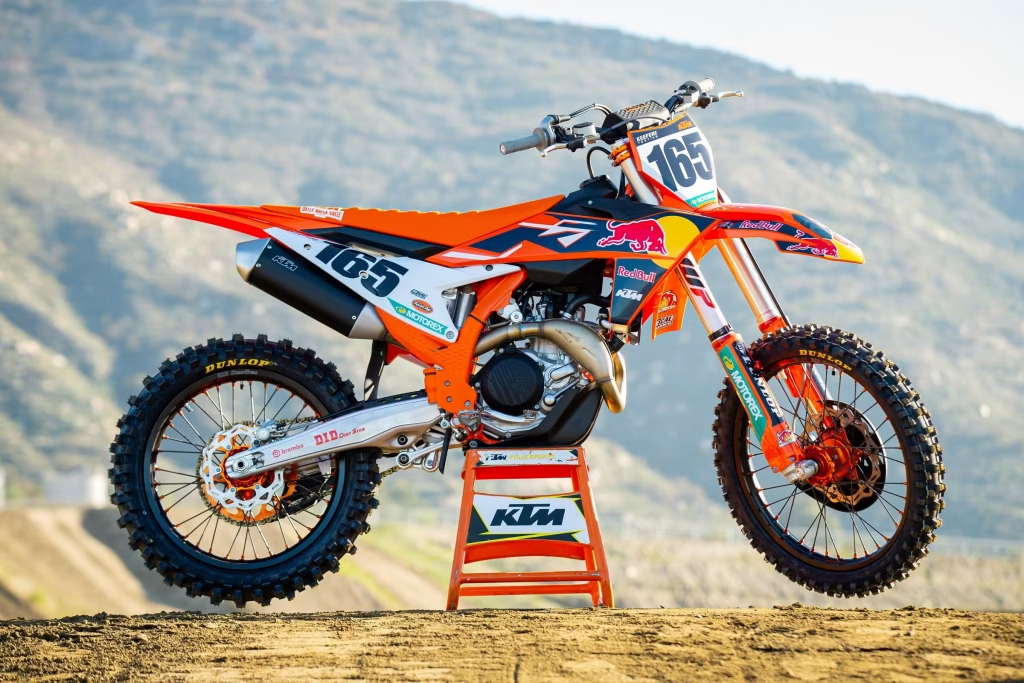
Those characteristics make it exceptional for racing but unsuitable for public streets governed by federal highway standards.
Anyone seeking a motorcycle capable of both trail riding and legal highway travel should instead purchase a factory, street-certified dual-sport model. Doing so avoids registration complications while providing the documentation required for lawful road operation.
Specifications
- Engine: 449.9 cc liquid-cooled single-cylinder four-stroke
- Torque: Approximately 37 lb-ft
- Horsepower: Approximately 63 hp
- Length/Width: 85.7 inches / 32.4 inches
7. Segway Villain SX20T
The Segway Villain SX20T is one of the newest entries in the high-performance side-by-side market, combining aggressive styling with a turbocharged engine and long-travel suspension.
Although it resembles a compact off-road truck, buyers in New York cannot register it for normal highway use. Like other utility terrain vehicles, it is manufactured exclusively for off-road recreation and lacks the federal certification required for passenger vehicles.
The distinction is important because many modern side-by-sides include features that resemble street vehicles, including LED headlights, bucket seats, seat belts, digital instrument panels, and power steering.
Those features improve off-road safety and comfort, but they do not satisfy the Federal Motor Vehicle Safety Standards applicable to highway vehicles. Without manufacturer certification, the New York DMV cannot issue a standard registration.
Attempting to modify the Villain SX20T with mirrors, turn signals, or other accessories does not change its legal classification. Registration decisions are based on how the vehicle was originally built and certified, not on equipment added after purchase.
The Villain SX20T excels on trails, dunes, and private property where its suspension travel and turbocharged power can be fully appreciated. Its high ground clearance and durable chassis allow it to tackle terrain that would stop conventional SUVs.
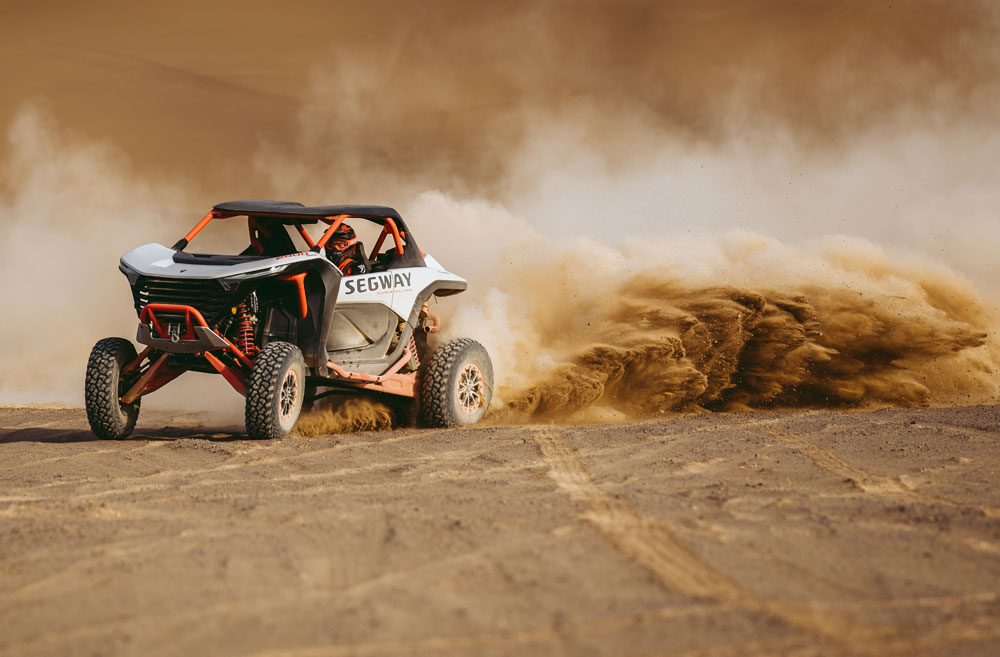
Those strengths are exactly why it has become increasingly popular among off-road enthusiasts across the United States.
Prospective buyers should budget for a trailer and towing vehicle because transporting the Villain SX20T to approved riding areas is the legal way to enjoy it in New York. Understanding those requirements before purchase helps avoid registration disappointment and ensures the vehicle is used within state law.
Specifications
- Engine: 2.0-liter turbocharged four-cylinder
- Torque: Approximately 181 lb-ft
- Horsepower: 235 hp
- Length/Width: 133.9 inches / 72.4 inches
8. Suzuki RM-Z450
Few motorcycles have built a stronger reputation in motocross than the Suzuki RM-Z450. It is engineered to compete at the highest level of off-road racing, but that same purpose prevents it from qualifying for standard road registration in New York.
The motorcycle is sold strictly as a closed-course competition model and does not carry the federal certification necessary for public highway operation.
Unlike motorcycles intended for everyday transportation, the RM-Z450 prioritizes race performance. Its lightweight construction, competition-tuned suspension, and high-compression engine deliver exceptional capability on dirt tracks.
Highway equipment such as federally certified lighting, emissions systems, and road-use certification are not part of its design because Suzuki never intended it for public streets.
Some owners assume converting a motocross motorcycle into a street bike is simply a matter of adding accessories. New York regulations do not work that way.
Even if mirrors, turn signals, and other equipment are installed, the original manufacturer certification remains unchanged. Without federal highway certification, the motorcycle cannot receive a standard registration.
The RM-Z450 continues to attract serious racers because of its predictable handling and proven reliability under demanding conditions. It performs exactly as intended on motocross circuits, training facilities, and approved off-road riding areas. Those are the environments where its engineering truly stands out.
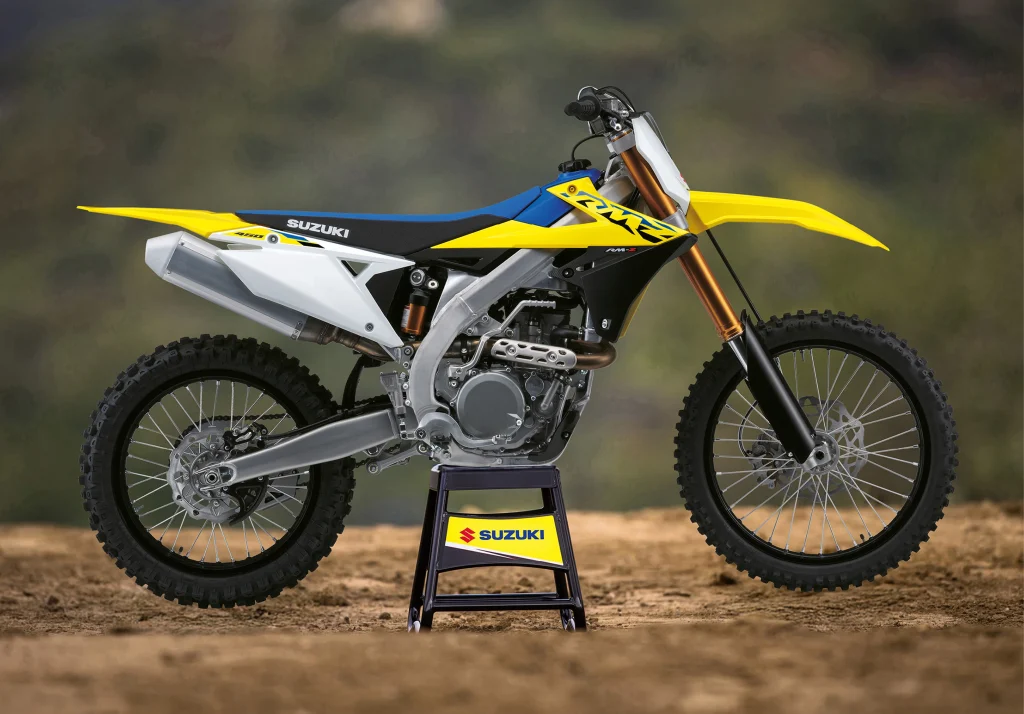
Anyone shopping for a motorcycle that can legally travel between trails and public roads should instead choose a factory-certified dual-sport model. That approach eliminates registration complications while still providing strong off-road capability.
Specifications
- Engine: 449 cc liquid-cooled single-cylinder four-stroke
- Torque: Approximately 36 lb-ft
- Horsepower: Approximately 54 hp
- Length/Width: 85.6 inches / 32.5 inches
9. Arctic Cat Wildcat XX
The Arctic Cat Wildcat XX was designed for drivers who want exceptional performance across desert trails, rocky terrain, and forest routes. Its suspension system, wide stance, and powerful engine make it a formidable off-road machine, but none of those qualities qualifies it for standard road registration in New York.
The Wildcat XX is manufactured and marketed exclusively as an off-highway vehicle, meaning it does not meet the federal certification standards required for passenger vehicles operated on public roads.
One reason buyers become confused is the vehicle’s appearance. The Wildcat XX features automotive-style seats, a steering wheel, seat belts, headlights, and a digital instrument display. It can easily resemble a compact recreational buggy built for everyday transportation. However, those similarities are cosmetic rather than regulatory.
Federal Motor Vehicle Safety Standards require manufacturers to certify vehicles for highway use before they can be registered, and the Wildcat XX was never intended to satisfy those requirements.
Installing aftermarket equipment does not change that status. Owners sometimes add mirrors, turn signals, windshields, or other accessories in hopes of obtaining registration. New York DMV evaluates the manufacturer’s original certification rather than later modifications, so these additions do not make the Wildcat XX street legal.
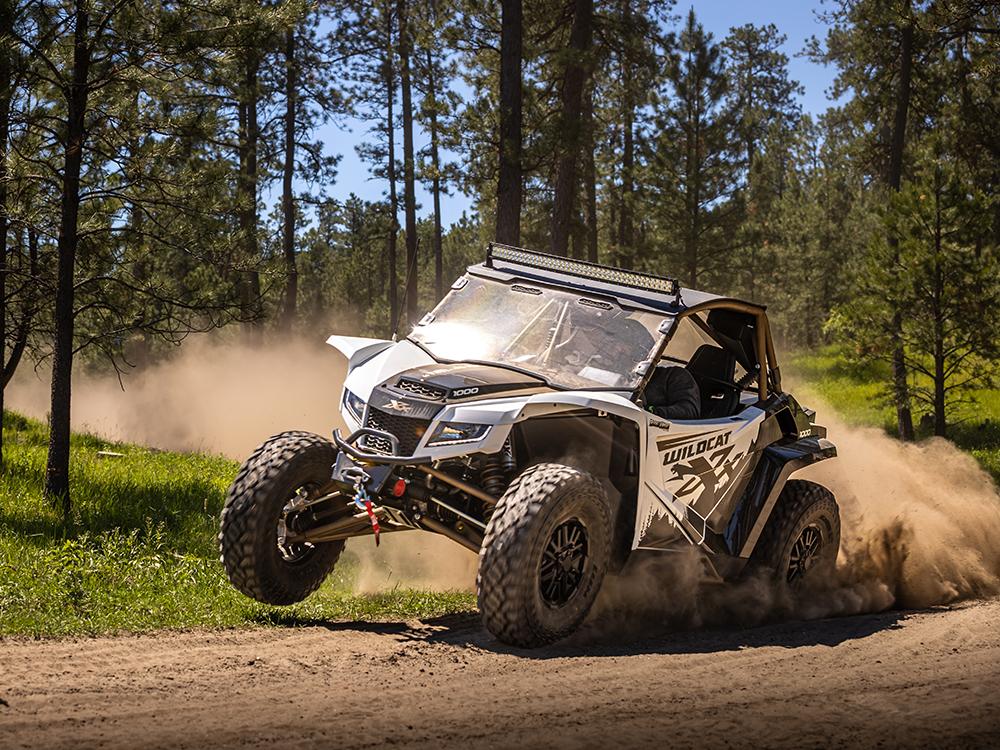
Where the Wildcat XX truly belongs is on designated off-road trails and private land. Its sophisticated suspension absorbs rough terrain with ease, while the naturally aspirated engine delivers predictable power across a wide range of conditions. Those characteristics have earned it a loyal following among recreational riders.
Before purchasing one, buyers should plan for transportation using a trailer. That preparation allows owners to enjoy the vehicle legally while avoiding fines or registration issues associated with driving it on public highways.
Specifications
- Engine: 998 cc naturally aspirated three-cylinder
- Torque: Approximately 94 lb-ft
- Horsepower: 130 hp
- Length/Width: 126 inches / 64 inches
10. Yamaha YZ450F
The Yamaha YZ450F closes this list because it perfectly illustrates the difference between a championship-winning competition motorcycle and a street-legal motorcycle. Widely respected in professional motocross, the YZ450F delivers remarkable acceleration, precise handling, and race-ready suspension.
Yet despite its reputation, New York does not permit standard highway registration because the motorcycle is manufactured solely for closed-course competition.
The absence of federal on-road certification is the deciding factor. Yamaha designed the YZ450F to compete under motocross regulations rather than comply with federal safety and emissions standards applicable to public highways.
As a result, it lacks the certification documentation required by the New York DMV during the registration process.
Some enthusiasts invest considerable money attempting to convert motocross motorcycles into road-going machines by installing lighting systems, mirrors, horns, and other accessories.
While those upgrades may improve convenience, they do not alter the motorcycle’s original manufacturer classification. Without federal highway certification, the registration application will still be denied for normal road use.
That limitation does not diminish the YZ450F’s capabilities. It remains one of the most competitive motocross motorcycles available, featuring advanced engine technology, lightweight construction, and suspension specifically developed for aggressive off-road riding.
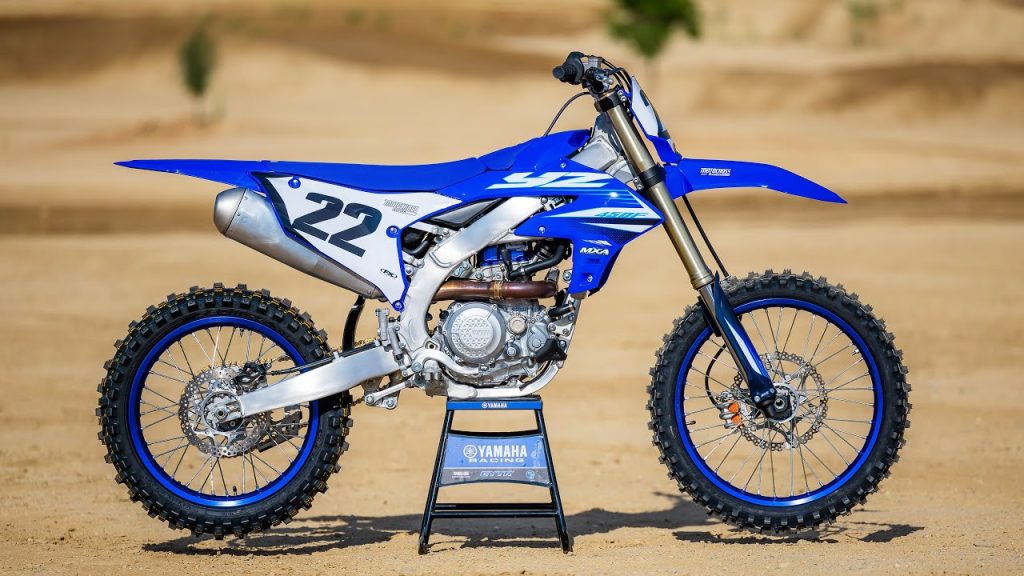
Riders seeking weekend competition or recreational track days continue to regard it as one of the industry’s benchmark machines.
Anyone who intends to ride on public streets should instead purchase Yamaha’s factory-certified dual-sport lineup.
Those motorcycles are engineered to satisfy highway regulations while retaining impressive off-road performance, making them the appropriate choice for riders who need both versatility and legal road access.
Specifications
- Engine: 450 cc liquid-cooled single-cylinder four-stroke
- Torque: Approximately 37 lb-ft
- Horsepower: Approximately 58 hp
- Length/Width: 85.8 inches / 32.5 inches
Also Read: 10 Cars With Microphones That Never Fully Switch Off
