

Cold weather can expose weaknesses in many vehicle components, including exterior door handles that drivers use every day. Freezing temperatures, ice buildup, moisture intrusion, aging plastic parts, and mechanical wear can make some door handles difficult to operate during harsh winter conditions.
Certain vehicles have received owner complaints about handles becoming stiff, sticking, cracking, or failing when temperatures drop.
These problems are not guaranteed to happen on every vehicle, but they highlight how winter conditions can affect small yet important parts. Understanding possible issues can help owners maintain their cars and avoid unexpected trouble during freezing weather.
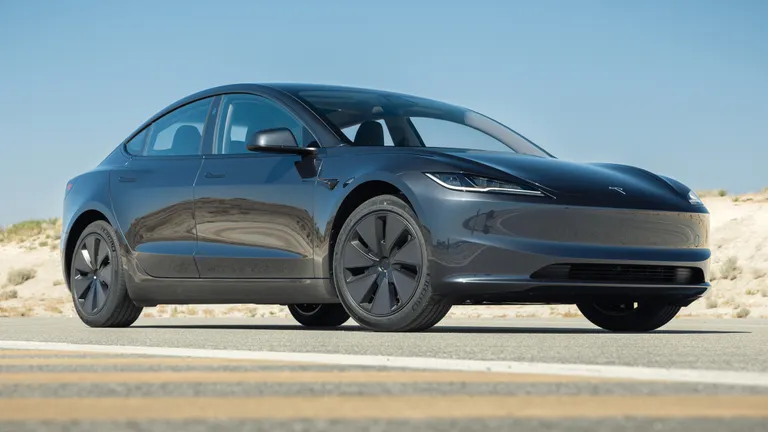
- Engine/Motor: Dual Motor All-Wheel Drive electric motors (Performance and Long Range variants)
- Horsepower: Approximately 346 hp to 510 hp depending on variant
- Torque: Approximately 310 lb-ft to 487 lb-ft depending on variant
- Length: 185.8 inches (4,720 mm)
- Width: 72.8 inches (1,849 mm)
1. Tesla Model 3
The Tesla Model 3 uses a flush exterior door handle design that sits nearly level with the door surface. This styling choice improves aerodynamics and gives the vehicle a modern appearance, but it also creates unique challenges in freezing conditions.
When ice forms around the handle area, the mechanism may not move freely. Owners in colder regions have reported situations where the handles become difficult to open or operate after snow, freezing rain, or overnight temperature drops. The issue is usually linked to ice buildup rather than a permanent design failure, but it can still create frustration when drivers need quick access to the vehicle.
The electronic nature of the Model 3 door system adds another layer of complexity. Traditional handles usually rely on direct mechanical movement, while Tesla’s system uses sensors and powered components to assist operation.
In extremely cold environments, frozen moisture can interfere with moving parts and prevent the handle from working normally. Tesla has included software features and owner guidance aimed at reducing cold weather problems, but winter conditions can still test the limits of any electronic exterior component.
Another challenge comes from the way many owners interact with the handle. The flush design requires users to press one side of the handle and pull from another point.
When ice covers the surface, drivers may apply extra force while attempting to open the door. Repeated pressure in frozen conditions can increase stress on smaller components. Careful removal of ice and avoiding aggressive pulling can reduce the chance of damage.
Regular winter preparation can make a noticeable difference for Model 3 owners. Keeping the door handle area clean, removing snow before it freezes, and using appropriate vehicle care products can help prevent moisture-related problems.
Parking in covered areas when possible can also reduce exposure to freezing rain and overnight ice formation. These simple habits protect both the handle mechanism and the surrounding door materials.
The Tesla Model 3 shows how modern vehicle design can bring both benefits and challenges. Flush handles provide improved airflow and a sleek appearance, but they may require more attention in harsh climates.
Drivers living in areas with severe winters should understand how these systems work and take preventive steps before extreme temperatures arrive. A small amount of maintenance can help avoid inconvenient door access problems during cold months.

- Engine: 2.0-liter turbocharged four-cylinder petrol or diesel engine (varies by market)
- Horsepower: Approximately 246 hp to 296 hp
- Torque: Approximately 269 lb-ft to 295 lb-ft
- Length: 172.1 inches (4,371 mm)
- Width: 82.0 inches including mirrors (2,100 mm)
2. Range Rover Evoque
The Range Rover Evoque features premium styling and sophisticated exterior components, including integrated door handles designed to match its luxury appearance.
Like many modern vehicles with advanced handle designs, the Evoque can face challenges when exposed to freezing temperatures. Ice accumulation around moving sections of the handle can restrict movement, making entry more difficult. Winter conditions can be especially demanding in regions where snow and freezing rain are common.
Luxury vehicles often use complex mechanisms to create smooth operation and refined user experiences. These systems provide convenience but may contain more parts that can be affected by moisture and low temperatures.
When water enters small gaps around a door handle and freezes, expansion can create resistance. Drivers may notice that a handle feels unusually stiff or does not respond as expected until the ice melts.
Cold weather maintenance becomes important for vehicles with detailed exterior designs. Owners should avoid forcing frozen handles because excessive pressure can damage internal components or surrounding trim. Instead, gently clearing ice from the handle area and allowing the vehicle to warm naturally can help restore normal operation. Preventive care is usually more effective than repairing damage after it occurs.
The Evoque’s premium construction does not make it immune to winter-related problems. Every vehicle with exterior moving parts can experience difficulties when exposed to repeated freezing and thawing cycles.
Temperature changes can create moisture buildup, while road salt and winter debris may affect mechanical areas over time. Proper cleaning and inspection can help maintain reliable performance.
For drivers who regularly experience harsh winters, understanding how cold temperatures affect vehicle components is valuable. The Range Rover Evoque represents a category of vehicles where comfort-focused features may require additional care in challenging weather. Door handles may seem simple, but their performance depends on several small parts working together correctly.
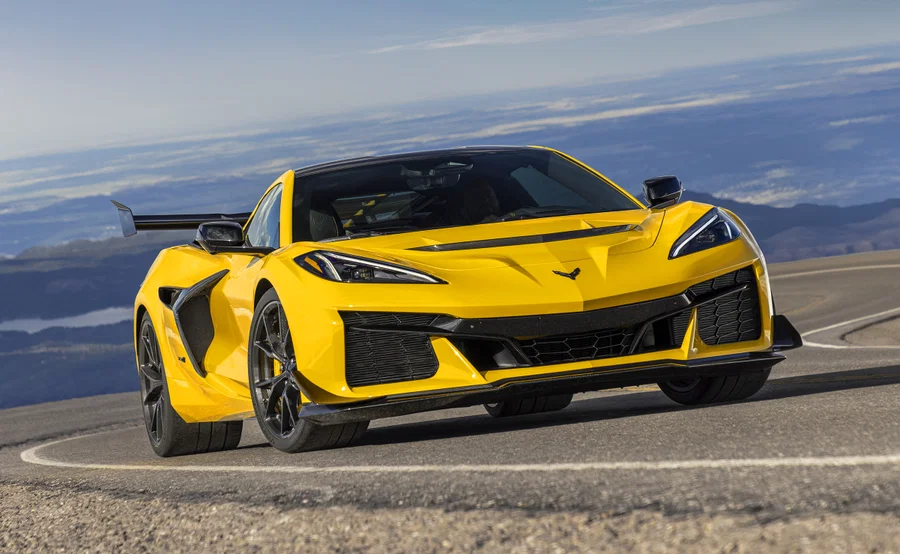
- Engine: 6.2-liter naturally aspirated LT2 V8 petrol engine
- Horsepower: 490 hp (standard) to 495 hp with performance exhaust
- Torque: 465 lb-ft to 470 lb-ft
- Length: 182.3 inches (4,630 mm)
- Width: 76.1 inches (1,934 mm)
3. Chevrolet Corvette C8
The Chevrolet Corvette C8 introduced a modern approach to vehicle design with hidden exterior door releases and a focus on aerodynamic styling. While the design creates a clean appearance and supports the sports car’s performance goals, it also means drivers must pay attention to how cold temperatures affect exterior access components.
Freezing rain, snow, and ice accumulation can interfere with small moving parts around the door release area. Owners in colder climates have discussed situations where ice buildup makes entry more difficult after the vehicle sits outside.
Sports cars often have tighter body designs and specialized components compared with traditional vehicles. The Corvette C8 uses electronic and mechanical systems together, which means several parts must function correctly for the door to open smoothly.
Low temperatures can affect lubrication, increase stiffness in materials, and create resistance when ice forms around openings. A handle or release system that works perfectly in mild weather may require extra care during winter conditions.
One common mistake drivers make during freezing weather is applying too much force when a door mechanism feels stuck. Exterior components are designed to operate within specific limits, and forcing a frozen release can put unnecessary pressure on internal parts.
The safest approach is usually removing visible ice, warming the area, and allowing frozen moisture to loosen naturally. Taking a few extra minutes can prevent expensive repairs.
Winter storage habits can also influence how well a Corvette C8 performs during cold months. Vehicles parked outdoors for long periods face greater exposure to snow, ice, and temperature changes.
Using a garage, weather protection, or a quality cover can reduce the amount of moisture reaching exterior components. Cleaning around door areas after winter driving can also help remove salt and debris that may contribute to wear.
The Corvette C8 demonstrates how modern automotive design continues to change the way drivers interact with vehicles. Advanced door systems can improve appearance and convenience, but they may need more attention in extreme climates.
Owners who understand the relationship between cold temperatures and mechanical components can reduce problems and keep their vehicles operating properly throughout winter.
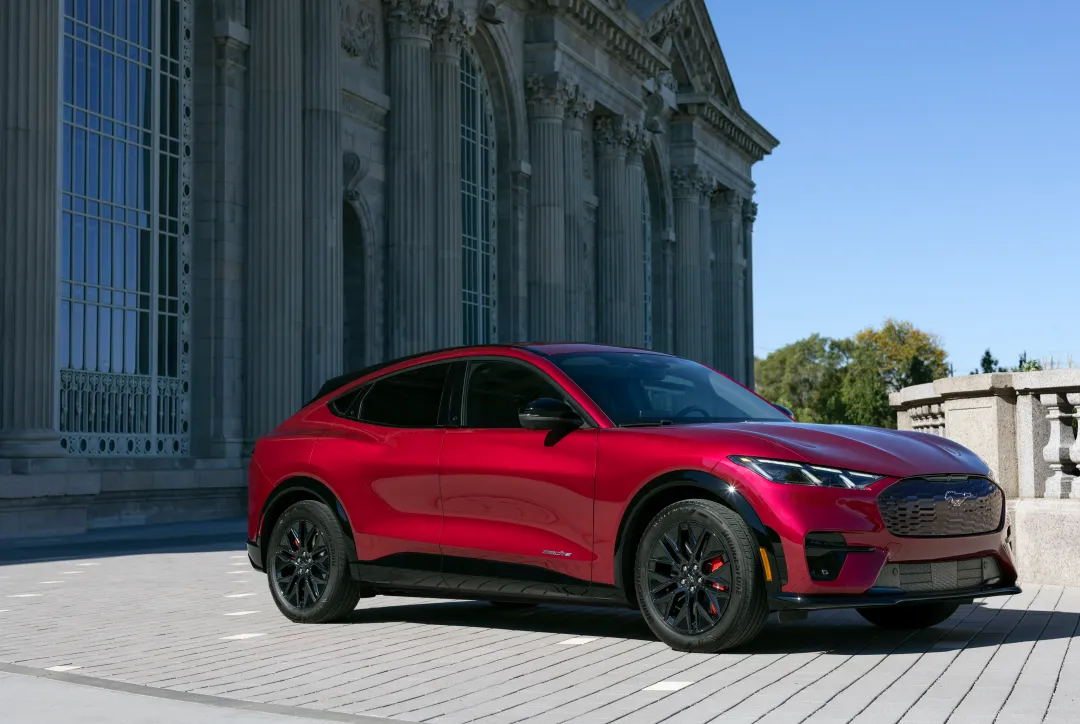
- Engine/Motor: Single or dual electric motors depending on trim
- Horsepower: Approximately 264 hp to 480 hp
- Torque: Approximately 387 lb-ft to 634 lb-ft
- Length: 185.6 inches (4,715 mm)
- Width: 74.1 inches (1,881 mm)
4. Ford Mustang Mach-E
The Ford Mustang Mach-E uses modern styling with electronically assisted features and flush-style door technology. These design choices create a smooth exterior appearance while supporting convenience features expected from a newer electric vehicle.
However, cold weather can challenge any vehicle that depends on electronic components and moving exterior parts. Some owners have reported difficulties with door access during freezing conditions, particularly when ice forms around handles and release areas.
Electric vehicles can experience unique winter challenges because temperature affects several systems, including battery performance, sensors, and mechanical components.
While door handles are not directly connected to battery range, they can be affected by the same environmental conditions. Frozen moisture around small gaps can prevent parts from moving correctly. Drivers may find that a handle requires more effort or does not operate normally until the ice clears.
The Mustang Mach-E includes technology designed for convenience, but advanced systems require proper care. Traditional door handles often provide direct physical feedback, while newer designs may rely on sensors, buttons, or electronic assistance.
When freezing temperatures affect these systems, the experience can feel different from older vehicles. Understanding how the vehicle responds in winter can help drivers handle problems calmly.
Preventive maintenance is especially useful for vehicles that spend time outside during cold weather. Keeping door areas clean, removing ice carefully, and avoiding harsh tools can protect the exterior finish and internal mechanisms.
Some owners also use winter vehicle protection products designed to reduce moisture-related issues. Good preparation can make daily operation easier when temperatures drop.
The Mustang Mach-E represents the shift toward modern electric vehicles with technology-focused designs. Its winter door handle concerns are connected to the broader challenge of combining convenience features with extreme weather reliability.
As electric vehicles become more common, manufacturers continue improving designs to handle different climates while owners learn the best maintenance practices for cold environments.
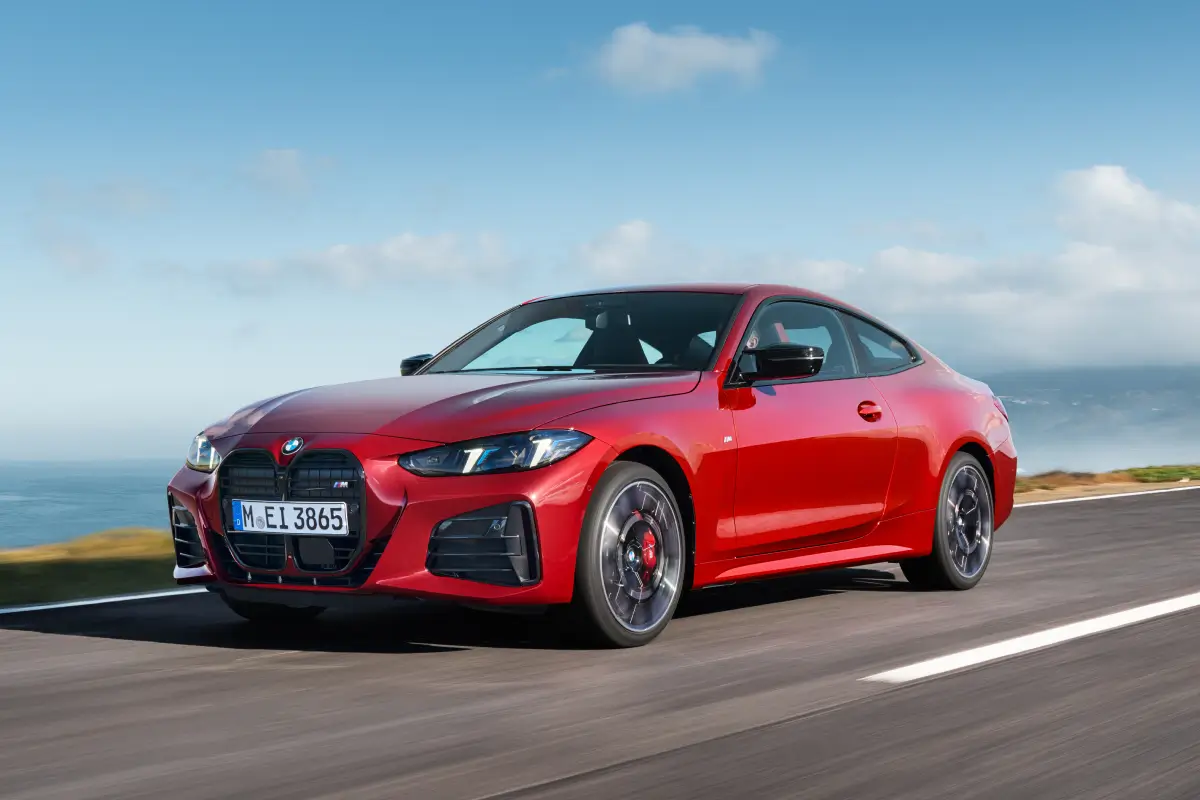
- Engine:
- 2.0-liter turbocharged four-cylinder (430i)
- 3.0-liter turbocharged inline-six (M440i)
- Horsepower: Approximately 255 hp to 382 hp
- Torque: Approximately 295 lb-ft to 369 lb-ft
- Length: 188.0 inches (4,768 mm)
- Width: 72.4 inches (1,852 mm)
5. BMW 4 Series
The BMW 4 Series features sleek styling and modern exterior design elements, including aerodynamic door handles that blend with the vehicle’s premium appearance.
Like many newer vehicles, these components are built with precision and depend on multiple parts working together. Cold temperatures can affect moving sections by causing moisture to freeze and materials to become less flexible. Drivers in colder regions may experience stiff or difficult-to-use handles after winter storms.
BMW vehicles often include advanced comfort features designed to create a smooth ownership experience. These features can include electronic locking systems, keyless entry, and carefully engineered exterior components.
While these systems provide convenience, freezing weather can create additional stress. Ice around the handle area can block movement, while frozen water inside small spaces may temporarily affect operation.
Winter conditions can be especially demanding because temperatures often change throughout the day. A vehicle may experience snow in the morning, melting ice during warmer afternoon temperatures, and refreezing overnight.
These repeated cycles allow moisture to enter small areas and freeze again. Over time, this pattern can contribute to wear on exterior components if maintenance is ignored.
Owners can reduce winter-related handle problems through simple habits. Washing away road salt, drying door areas, and checking for ice before pulling on handles can protect the mechanism. Parking indoors when possible provides additional protection against freezing conditions. These steps are useful for many vehicles, not only premium models.
The BMW 4 Series highlights the balance between attractive design and practical durability. Modern vehicles often use refined exterior features that improve appearance and convenience, but they also require proper care in severe weather.
Drivers who understand how winter affects small components can avoid unnecessary damage and maintain reliable access throughout the colder months.
- Engine: 2.0-liter turbocharged four-cylinder petrol or diesel engine
- Horsepower: Approximately 246 hp to 286 hp
- Torque: Approximately 269 lb-ft to 295 lb-ft
- Length: 181.0 inches (4,597 mm)
- Width: 82.0 inches including mirrors (2,173 mm)
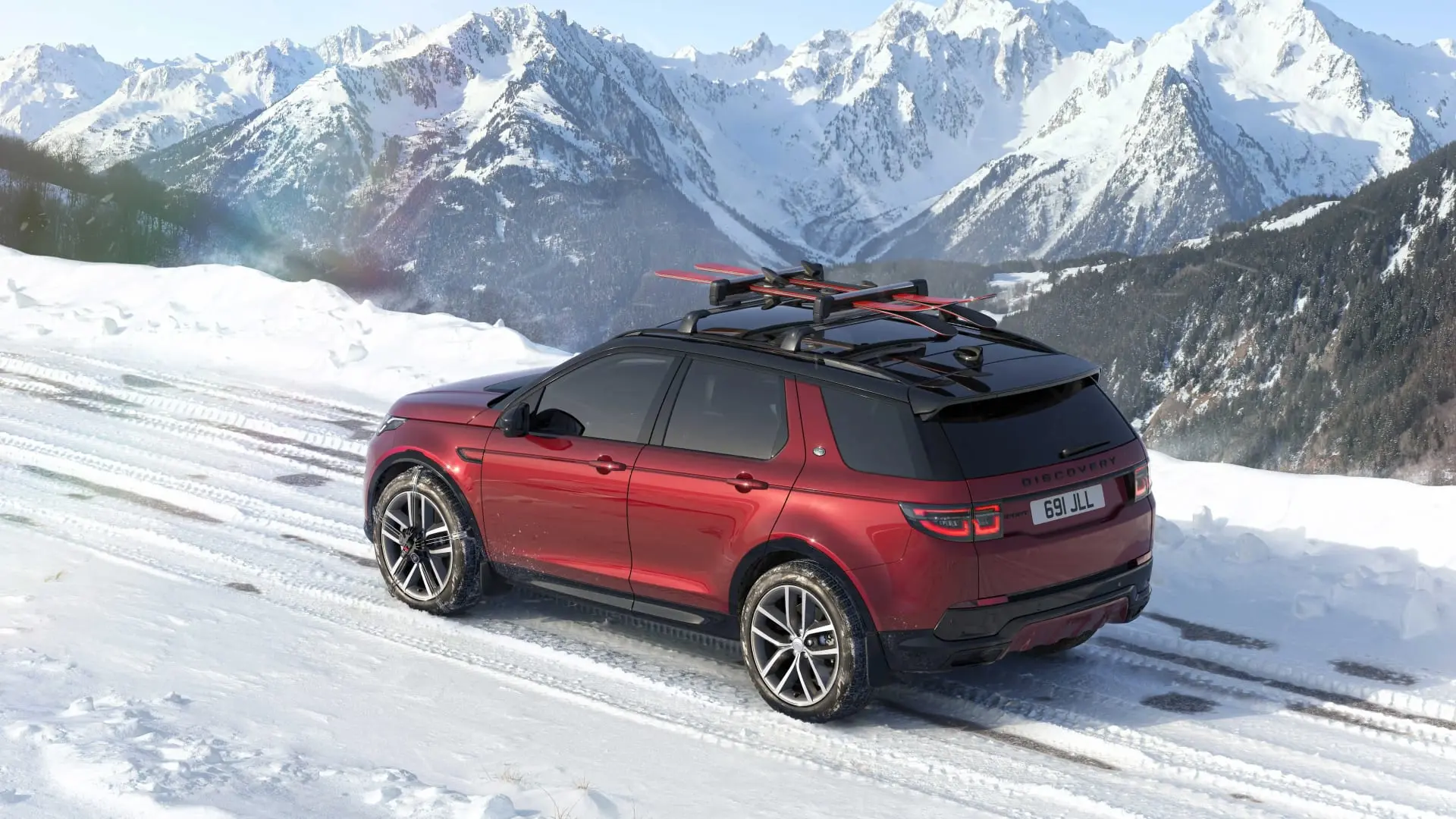
6. Land Rover Discovery Sport
The Land Rover Discovery Sport is designed for drivers who expect capability in challenging environments, including areas with snow and freezing temperatures. Its exterior door handles include modern components that provide convenience and a refined appearance.
However, like any vehicle exposed to harsh winter conditions, the Discovery Sport can experience problems when ice, moisture, and low temperatures affect moving parts. Door handles that operate smoothly during normal weather may become harder to use after freezing conditions.
Vehicles built for outdoor environments often face a wide range of weather challenges. Snow, road salt, freezing rain, and temperature changes can all contribute to problems with exterior mechanisms.
A small amount of water trapped around a door handle can freeze and restrict movement. When drivers attempt to open a door without removing the ice, extra pressure may be placed on the handle assembly.
The Discovery Sport uses a combination of mechanical and electronic systems to provide access and security features. These systems are designed for convenience, but cold conditions can sometimes reduce their effectiveness temporarily.
Frozen components may require additional time to return to normal operation. Drivers who understand this possibility can avoid unnecessary force and protect the vehicle from damage.
Winter preparation is especially important for vehicles used in snowy areas. Cleaning the door edges, removing ice carefully, and keeping seals maintained can help reduce access problems. Owners should also inspect exterior components regularly, especially after periods of heavy snow or freezing rain. Small maintenance steps can prevent larger issues from developing.
The Land Rover Discovery Sport shows that even vehicles designed for demanding environments need attention during extreme weather.
A strong vehicle design does not eliminate the effects of freezing temperatures on small moving parts. Proper care, careful operation, and awareness of winter conditions can help maintain dependable performance throughout the cold season.
- Engine:
- 1.5-liter turbocharged four-cylinder petrol
- 2.0-liter turbocharged four-cylinder petrol (GTI/Golf R variants)
- Horsepower: Approximately 150 hp to 315 hp depending on version
- Torque: Approximately 184 lb-ft to 295 lb-ft
- Length: 168.7 inches (4,287 mm)
- Width: 70.8 inches (1,789 mm)
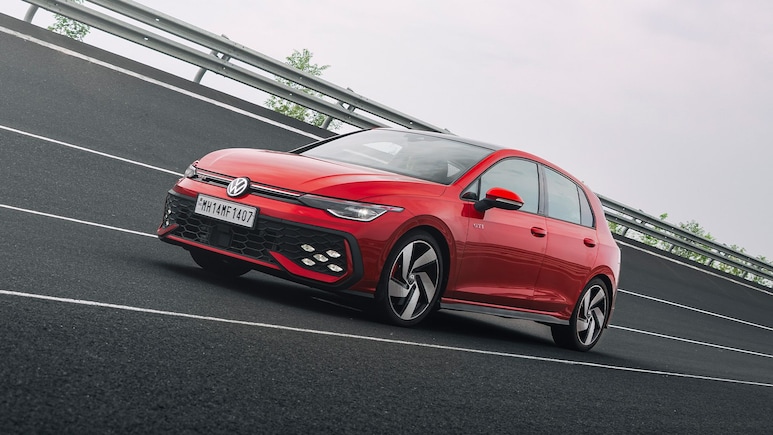
7. Volkswagen Golf
The Volkswagen Golf has been popular for decades because of its practical design, efficient performance, and comfortable driving experience. Like many vehicles, the Golf uses exterior door handles that must continue working through different climates and weather conditions.
In regions with severe winters, frozen moisture around door handles can create temporary problems. Drivers may experience stiff handles, frozen locks, or difficulty opening doors after the vehicle has been exposed to snow and ice.
Older and newer generations of the Golf have different designs, but all vehicles can experience winter-related access problems. Cold temperatures can affect lubricants inside mechanical parts, making movement less smooth.
Water that enters small gaps around the handle can freeze overnight and create resistance. These conditions are common challenges for vehicles used in areas with regular freezing temperatures.
The Golf’s practical design makes it a common choice for daily transportation, meaning many owners rely on it in all weather conditions. A vehicle used every day often experiences repeated exposure to winter elements.
Road salt, moisture, and temperature changes can gradually affect exterior parts if they are not maintained properly. Regular cleaning can help preserve the condition of door components.
Drivers can reduce the chance of winter door handle problems by taking simple precautions. Removing snow before it melts and refreezes around the door area is helpful.
Using appropriate automotive products to protect seals and keeping locks maintained can also improve reliability. Avoiding sudden force when a handle feels frozen is important because small components can be damaged under pressure.
The Volkswagen Golf demonstrates that winter door handle issues are not limited to luxury or high-performance vehicles. Any car with moving exterior parts can experience challenges when exposed to freezing weather. Good maintenance practices and careful handling remain the best ways to keep everyday vehicles dependable during colder months.
- Engine/Motor: Single or dual electric motors
- Horsepower: Approximately 168 hp to 320 hp
- Torque: Approximately 258 lb-ft to 446 lb-ft
- Length: 182.5 inches (4,635 mm)
- Width: 74.4 inches (1,890 mm)
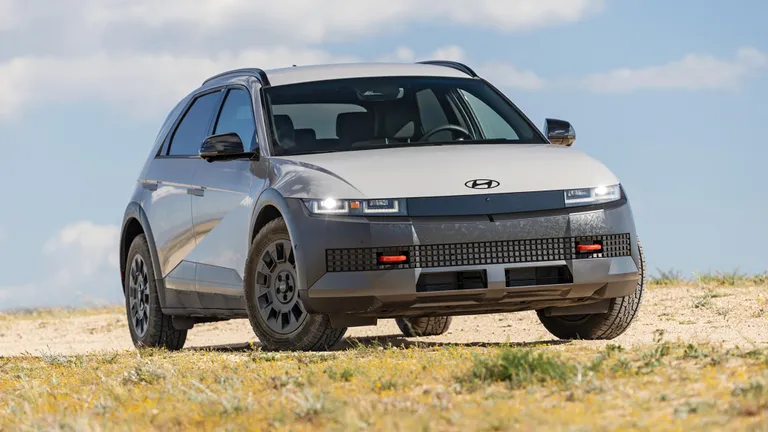
8. Hyundai Ioniq 5
The Hyundai Ioniq 5 features a futuristic design with modern exterior styling and technology-focused features. Its appearance includes unique door elements that contribute to the vehicle’s distinctive look.
As with many newer vehicles, these design choices may require attention during extreme winter conditions. Freezing temperatures, ice buildup, and moisture can affect how easily exterior access components operate.
Electric vehicles like the Ioniq 5 are designed with advanced technology that improves efficiency and convenience. Features such as keyless entry and electronic systems provide a modern ownership experience.
However, electronic and mechanical components still face environmental challenges. When freezing rain or snow covers door areas, even well-designed systems may require additional care.
Cold weather can affect materials used throughout a vehicle. Plastic components may become less flexible, lubricants may become thicker, and trapped moisture may freeze. These factors can combine to make a door handle feel harder to operate. Drivers should avoid applying excessive force because frozen parts are more vulnerable to damage.
Preparing an Ioniq 5 for winter involves protecting the areas most exposed to the elements. Keeping the vehicle clean, removing ice carefully, and parking in protected areas when possible can help maintain reliable operation. Many winter problems are temporary and related to environmental conditions rather than permanent mechanical failures.
The Hyundai Ioniq 5 represents the direction modern vehicles are moving toward, with more technology and innovative designs becoming standard.
Winter conditions continue to test these features, encouraging manufacturers and drivers to focus on durability as well as appearance. Proper maintenance allows owners to enjoy the benefits of advanced vehicle designs while reducing cold weather inconveniences.
Also read: 10 Cars With the Biggest Heat-Related Reliability Issues
