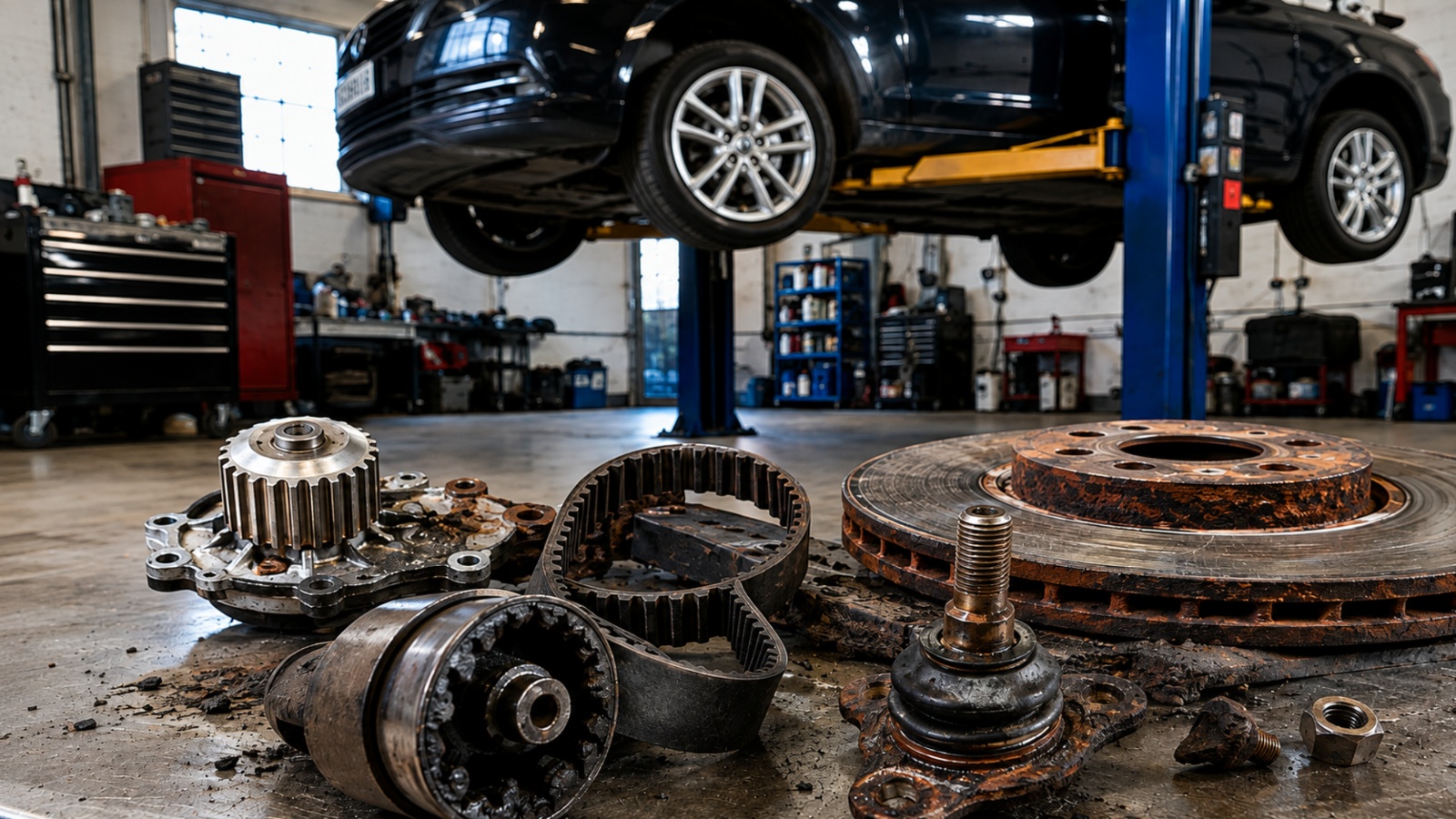
Every used car needs something. Worn tires, tired brakes, leaking shocks, and an overdue battery are normal negotiating points. What mechanics fear are problems that spread beyond one replaceable component. Structural corrosion, flood contamination, internal engine damage, and undocumented collision repairs can turn a bargain into a vehicle that is never completely right.
The advice to walk away applies mainly when buying an ordinary used vehicle, not when restoring a collectible or repairing a car you already own. Price and condition still matter. However, when the repair could approach the car’s value or the full extent of the damage cannot be confirmed, the smartest tool in the shop is often the ability to leave without buying it.
AAA specifically identifies extensive rust, severely damaged frames, and major engine or transmission damage as conditions that can make an older, low-value car uneconomical to repair.
1. Structural Rust on the Frame or Unibody
Surface rust does not scare an experienced mechanic. A brown exhaust pipe, rusty brake rotor edges, or light oxidation on suspension hardware may be normal, especially in regions that use road salt. Structural corrosion is different. When rust has reached frame rails, suspension mounting points, subframes, rocker reinforcements, or load-bearing sections of a unibody, the vehicle’s basic structure is being consumed.
This is not a repair you solve with a wire brush and a can of black paint. Flaking metal may need to be cut out, surrounding material must be checked for strength, and replacement steel must be welded into sound metal.
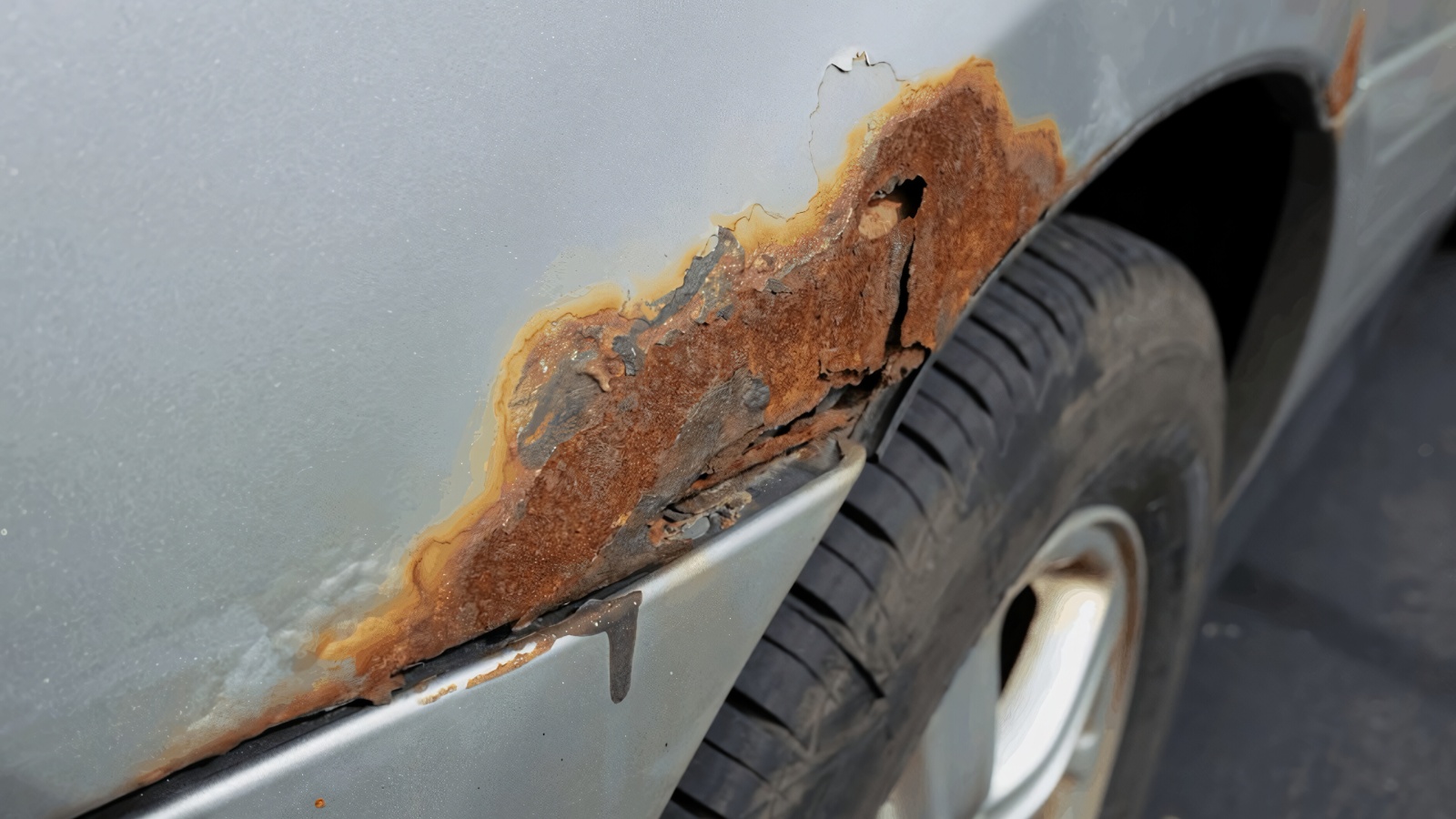
The visible hole is often only the beginning. Rust can continue inside boxed frame sections where an inspector cannot see it without disassembly. Consumer Reports recommends checking a used vehicle for rust, uneven body gaps, mismatched paint, and evidence of poor previous repairs. CARFAX similarly warns that corrosion becomes more complicated and expensive as it progresses.
Get the vehicle onto a lift. Pay close attention to control-arm mounts, rear suspension attachment points, brake and fuel lines, floor seams, body mounts, and the areas where a subframe bolts to the body. Fresh undercoating should make you more curious, not less. Probe suspicious scaling rather than trusting its appearance.
I will replace brakes, struts, exhaust parts, and even an engine in the right car. I do not volunteer to rebuild the skeleton of an ordinary commuter. If a seller says the rust is “only cosmetic” but refuses a lift inspection, put your money back in your pocket. There are too many structurally sound cars available to gamble on one that may no longer hold its suspension securely.
2. Evidence of Flood Damage
A flood vehicle can be cleaned well enough to look normal during a ten-minute test drive. That does not mean it is normal. Water can enter connectors, control modules, seat motors, airbag wiring, speakers, insulation, switches, and wiring junctions hidden underneath the carpet. Weeks or months later, trapped moisture and contamination can create corrosion, excessive resistance, intermittent warning lights, communication faults, or electrical shorts.
NHTSA warns that flooded hybrid and electric vehicles can present high-voltage, short-circuit, shock, and fire hazards. AAA advises buyers to look for mildew, water stains, sediment, rusty fasteners, mismatched carpeting, and electrical accessories that do not operate correctly. CARFAX notes that unfinished metal beneath seats may corrode even after relatively brief water exposure.
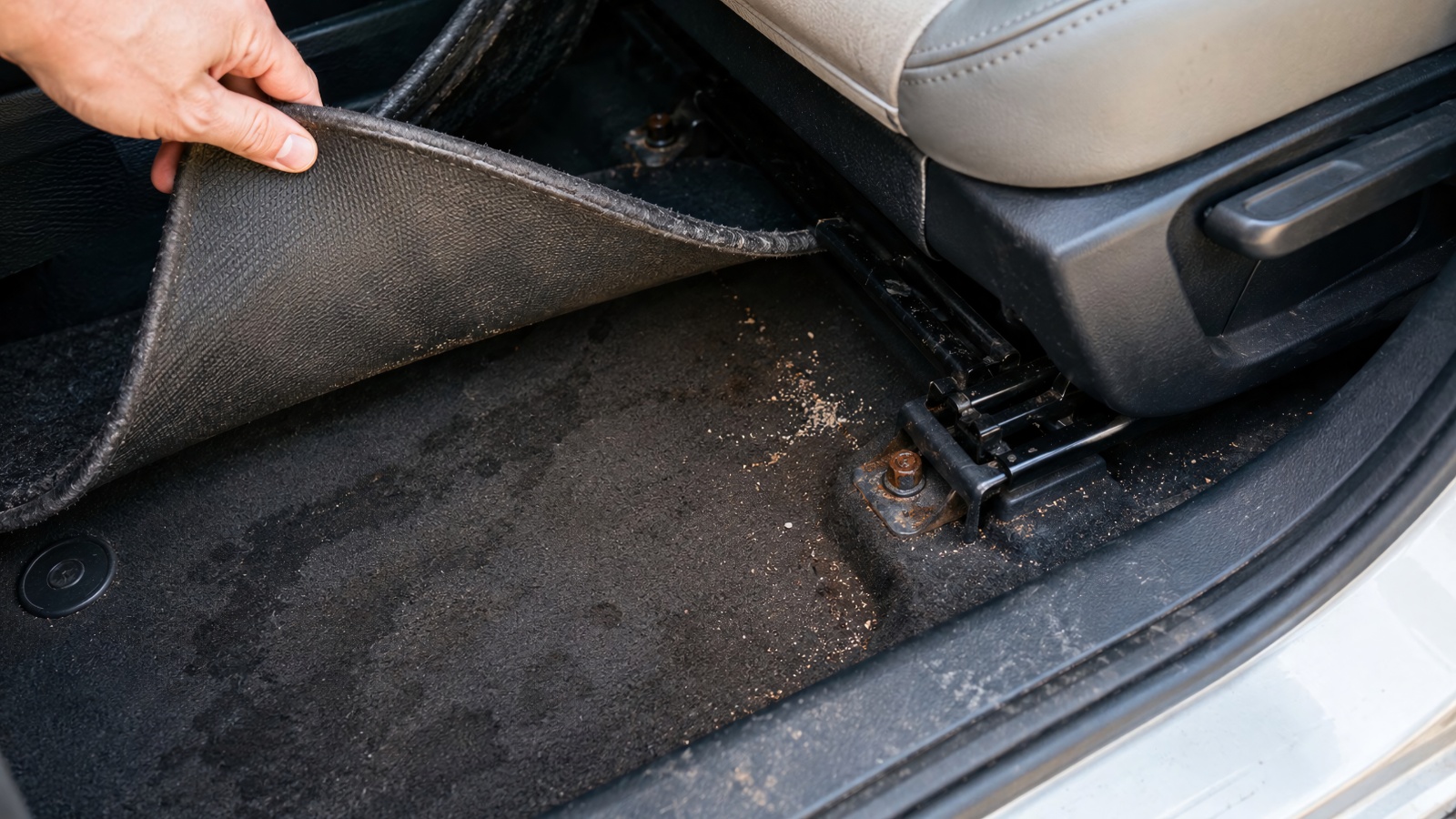
Pull the seatbelts completely out and inspect their lower sections. Look under the seats, inside the spare-tire well, behind lower trim panels, beneath the carpet edges, and around wiring connectors.
Mud in hidden seams, rust on interior screws, recently replaced upholstery, heavy air-freshener use, and condensation inside lights are all reasons to investigate further. Test every switch, window, lock, light, camera, sensor, speaker, seat adjustment, and climate-control mode.
The problem is not merely replacing one failed module. It is never knowing which connector will corrode next. The first repair may fix the power windows, while the next fault affects the airbag system or prevents the engine computer from communicating with the transmission.
Unless you are buying the vehicle strictly for parts and pricing it accordingly, I would walk away. A flood history turns diagnosis into archaeology. Mechanics can repair what they can isolate, but contaminated electrical systems frequently produce problems that are difficult to reproduce, expensive to trace, and impossible to guarantee permanently.
3. An Engine That Has Been Seriously Overheated
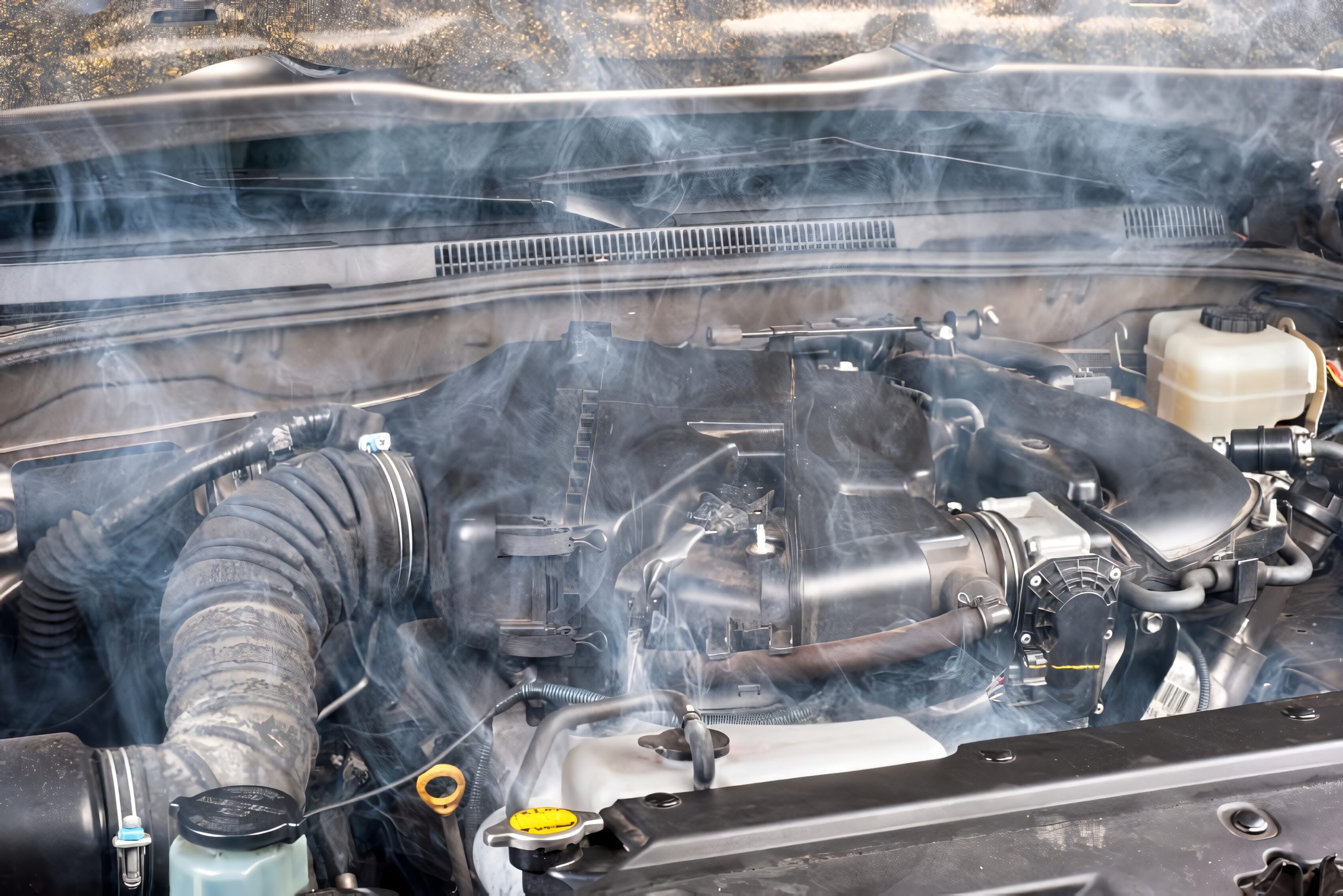
A leaking radiator or worn hose is normally repairable. An engine that has been driven until the temperature gauge buried itself in the red zone is a different purchase. Severe overheating can warp an aluminum cylinder head, damage the head gasket, crack the head or block, weaken seals, and contaminate the oil. Replacing the original leak does not reverse the damage created while the engine was cooking.
Look for a seller who starts the car before you arrive. That can hide difficult cold starts, coolant entering a cylinder, or abnormal noise. Begin with a cold engine whenever possible.
Check for oil floating in the coolant reservoir, milky residue under the oil cap, bubbling in the expansion tank, unexplained coolant loss, a sweet exhaust smell, or persistent white smoke after the engine has warmed. Consumer Reports identifies billowing white exhaust as a possible sign of a failed head gasket, damaged cylinder head, or cracked block.
Do not accept “it probably only needs a thermostat” as a diagnosis. A cooling-system pressure test, combustion-gas test, cylinder leak-down test, and computer scan may be needed to establish what happened. Even then, the shop may not know whether the block or head is usable until the engine is dismantled.
RepairPal’s national estimate places an average head-gasket replacement between $2,543 and $3,337, while cylinder-head replacement averages between $4,309 and $5,176. Taxes, local labor rates, machine-shop work, and related damage can increase those figures.
On an inexpensive used car, those numbers can consume most of the purchase price. Unless the seller has already reduced the price to project-car territory and you are prepared to replace the engine, walk away. Never buy an overheated vehicle based on the cheapest possible explanation.
4. Deep Engine Knock or Low Oil Pressure
Engines make plenty of harmless sounds. Fuel injectors tick. Direct-injection pumps click. Accessories and heat shields can rattle. A deep, rhythmic knock that follows engine speed is not something I dismiss as “normal for the mileage,” especially when it appears with low oil pressure, metallic debris, or a history of running without enough oil.
Low oil pressure can come from a low oil level, worn bearings, excessive internal clearances, a failing oil pump, sludge, or other lubrication problems. AAA warns that insufficient oil pressure can damage internal engine components. It also identifies connecting rods, pistons, bearings, and low oil level among possible sources of engine knocking.
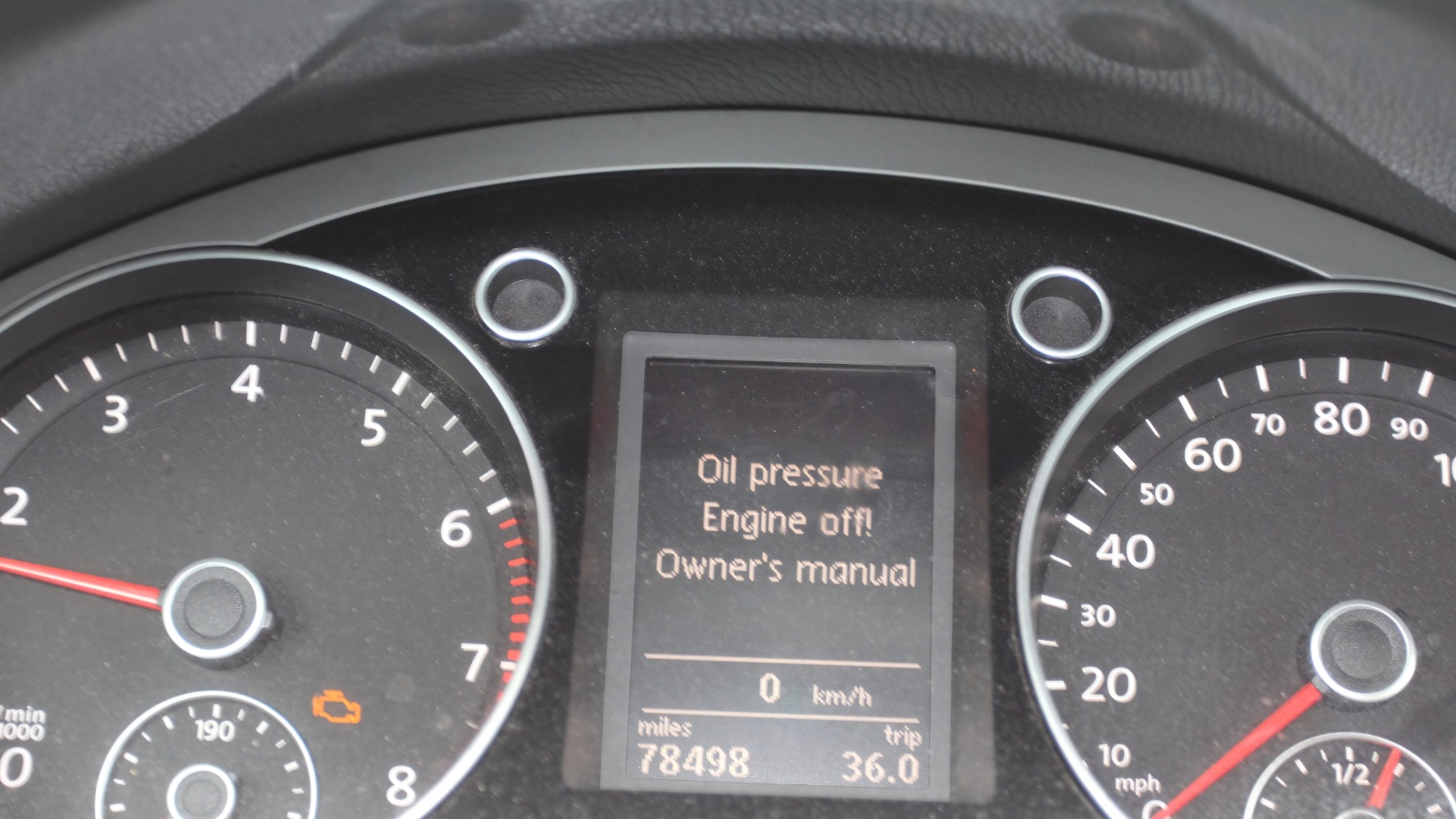
Check the oil before starting the vehicle. Oil far below the dipstick’s safe range tells you how the owner treated the car. Metallic glitter in the oil or filter is an even stronger warning. Do not let a seller convince you that a heavy knock is caused by the fuel grade without a proper diagnosis. Spark knock under load, and a failed connecting-rod bearing are completely different problems, even though both may be described casually as “knocking.”
Watch the oil-pressure warning light during startup. It should illuminate during the bulb check and go out promptly after the engine starts. An absent light may mean someone removed the bulb or altered the cluster. A flickering light at hot idle deserves mechanical pressure testing, not guesswork.
An engine with confirmed internal bearing damage may require a rebuild or replacement, plus investigation into what caused the failure. That is not a repair allowance I subtract casually from the asking price. Unless the vehicle is unusually valuable or the price assumes a dead engine, I walk. A used engine can save the project, but it introduces its own mileage, history, labor, and warranty questions.
Also read: 10 Cars That Need Specific Coolant and Not a Universal
5. A Slipping, Shuddering, or Metal-Filled Transmission
A transmission does not need to be completely dead to become a financial problem. Delayed engagement, slipping under acceleration, shuddering, harsh gear changes, ratio codes, or an engine that revs without a matching increase in road speed can indicate internal wear. A fresh fluid change will not restore burned clutches, damaged bearings, a failing valve body, or a worn continuously variable transmission.
Drive the car when it is cold and again after it reaches operating temperature. Some transmissions behave acceptably for the first ten minutes and begin slipping after the fluid warms.
Test Reverse, light acceleration, moderate acceleration, hills, deceleration, and parking-lot maneuvers. Watch for a delay when selecting Drive or Reverse. Listen for whining that changes with vehicle speed and feel for repeated shuddering under steady throttle.
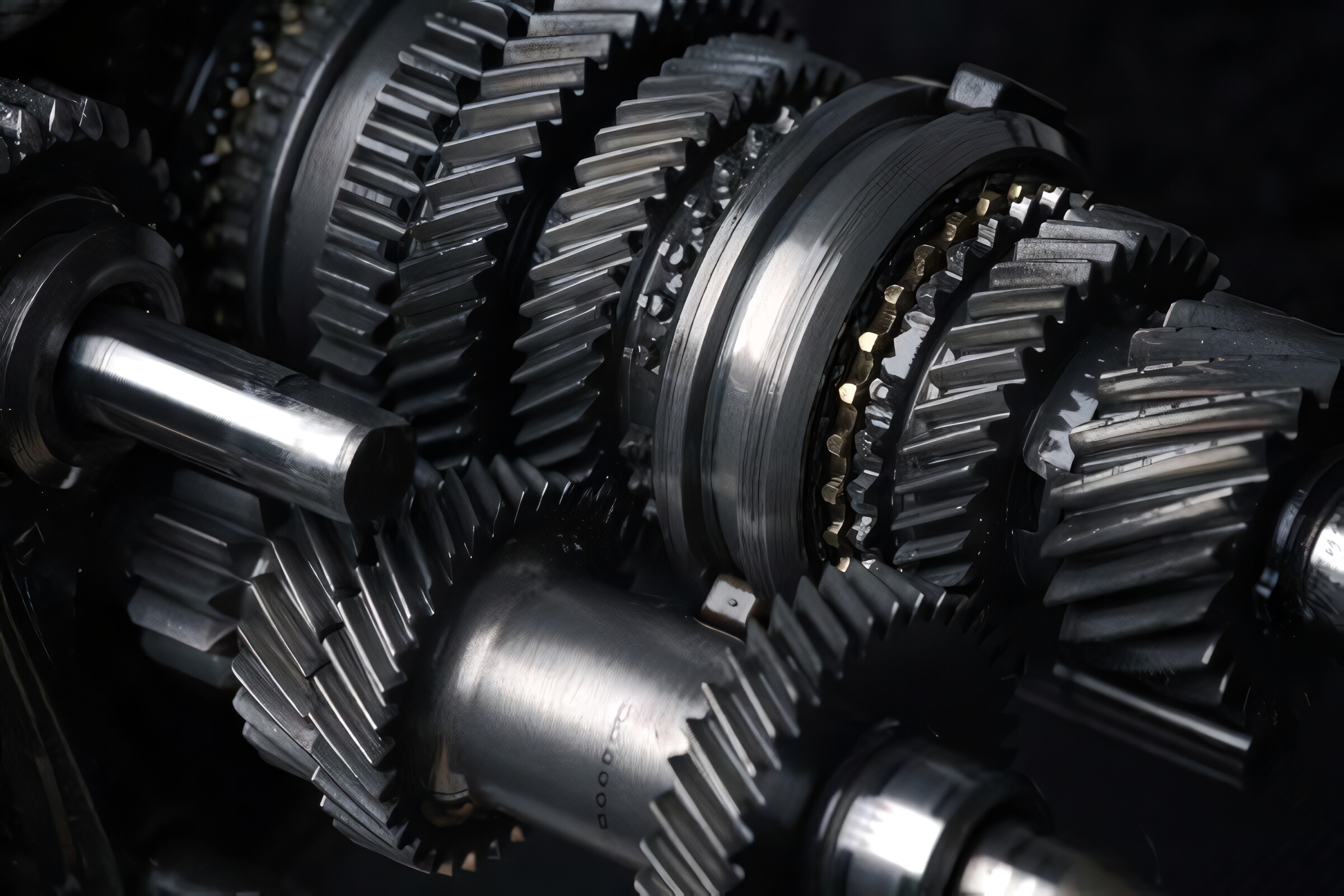
Scan every control module, not only the engine computer. Transmission faults can be stored even when the dashboard warning light is off. Recently cleared readiness monitors or erased codes should delay the purchase until the system has completed enough driving to reveal whether the fault returns.
Do not assume the problem is only dirty fluid. Transmission service is maintenance, not a rebuild in a bottle. RepairPal’s nationwide estimate for complete transmission replacement was between $6,003 and $6,525 as of July 25, 2026. A control module alone averages approximately $901 to $977, but electronic diagnosis should never be used to minimize obvious mechanical slipping.
There are exceptions. A rare truck, collectible performance car, or otherwise excellent vehicle may justify a transmission. But on an ordinary used commuter advertised near market value, the seller should repair it before the sale. Do not pay full price and accept their diagnosis. When the transmission is already warning you during the test drive, listen to it and leave.
6. A Failed Timing Belt or Severely Worn Timing Chain
A scheduled timing-belt replacement is not automatically a reason to reject a car. It is predictable maintenance that can be priced into the deal. The situation changes when the belt has already broken, the engine no longer runs, or the seller claims it “just needs a timing belt” without proving that the valves and pistons survived.
On an interference engine, the pistons and valves occupy some of the same space at different points in the combustion cycle. If camshaft timing is lost, internal contact may occur. Gates warns that failing to replace timing belts as specified may result in catastrophic engine damage. A buyer therefore cannot price a non-running vehicle as though installing a belt will certainly restore it.
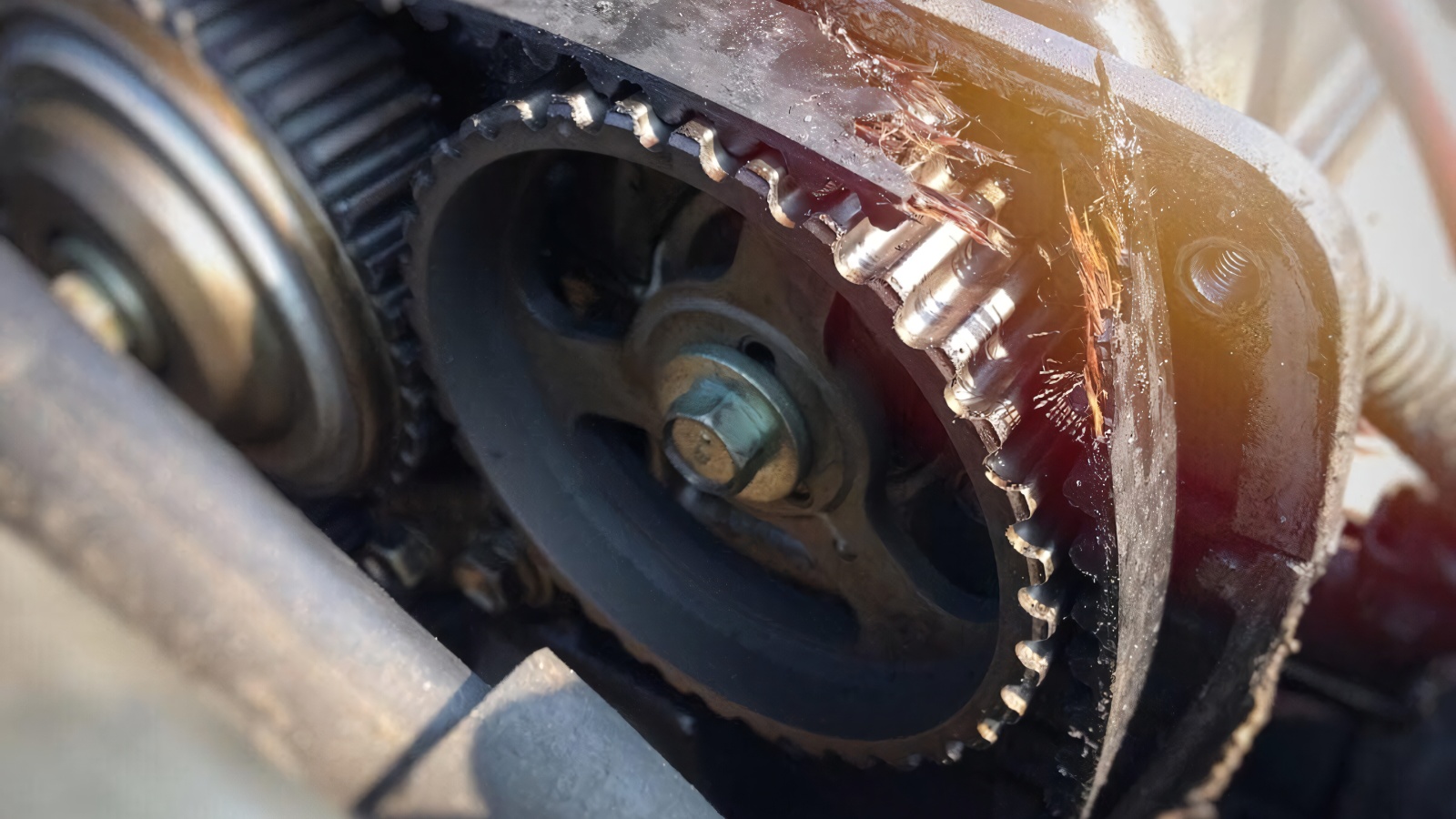
Timing chains can create a similar trap. A worn chain, damaged guide, weak tensioner, or oil-pressure problem may cause rattling, incorrect camshaft timing, poor running, or diagnostic trouble codes. RepairPal currently estimates average timing-chain replacement at $2,108 to $2,750. If the chain has jumped far enough for internal contact, the repair can expand into cylinder-head or engine work.
Listen during a true cold start. A brief noise and a continuous mechanical rattle are not the same thing, but both deserve model-specific investigation. Check service records for timing-belt intervals and proper oil changes. Sludge and incorrect oil can affect hydraulic chain tensioners and variable-valve-timing components.
A practical approach is to distinguish between routine maintenance and serious mechanical problems. Delayed maintenance can usually be planned and budgeted for, but internal engine damage is far more expensive and difficult to predict.
If a timing belt replacement is overdue, the safest option is to replace the belt along with related components recommended by the manufacturer. If the timing belt has already failed and caused engine damage, the repair may involve major engine work or even a complete engine replacement.
7. Major Collision Damage With Questionable Airbag Repairs
A replaced bumper or professionally repaired fender does not automatically ruin a used car. Major structural damage is different. When rails, pillars, floors, suspension mounting points, or occupant-safety systems have been affected, the quality and documentation of the repair become critical. Poor work may leave the vehicle misaligned, difficult to calibrate, prone to tire wear, or unable to protect occupants as designed in another crash.
Inspect the vehicle in daylight. Look for inconsistent paint texture, masking lines, overspray, wrinkled metal, uneven welds, missing seam sealer, disturbed fasteners, mismatched glass dates, and gaps that change from one side to the other. Consumer Reports advises buyers to think carefully about cars involved in serious collisions and notes that welding on the frame may indicate that a damaged section was replaced or cut out.
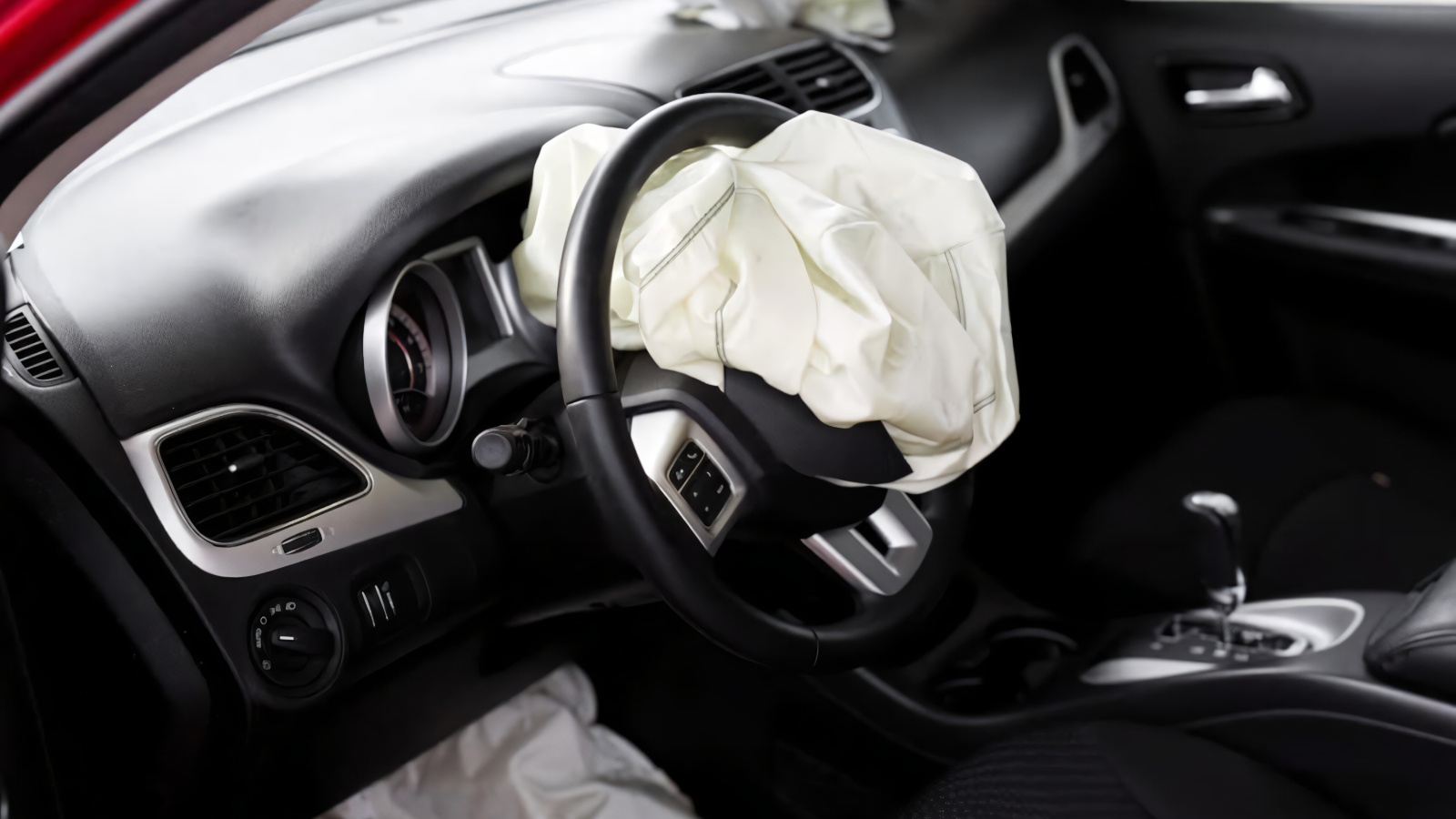
The airbag system deserves special attention. Confirm that the airbag warning lamp illuminates during startup and then switches off. A lamp that never comes on may have been disabled. NHTSA warns that an airbag in a used vehicle may fail to deploy if it was not replaced following a previous crash and recommends replacing airbags after deployment.
Ask for body-shop invoices, alignment measurements, calibration records, parts receipts, and photographs taken before and during the repair. A history report helps, but it is not a substitute for physical inspection because not every incident is reported.
I am not afraid of a documented cosmetic repair completed by a reputable shop. I walk away from cut wiring, improvised airbag resistors, dashboard covers hiding deployment damage, crooked suspension pickup points, or structural work the seller cannot explain. You can repaint a panel. You cannot casually guess whether a compromised safety structure will perform correctly when somebody’s life depends on it.
8. Electrical Faults Across Multiple Unrelated Systems
One dead window motor is a repair. A vehicle with intermittent starting, random warning lamps, dead accessories, communication codes, a battery that repeatedly drains, and several modules dropping offline is an investigation. When unrelated systems fail together, the actual cause may involve damaged wiring, bad grounds, water intrusion, incorrect aftermarket installations, voltage problems, or network communication faults.
Modern vehicles rely on multiple computers linked through shared data networks. Replacing the first module named in a fault code is not always the correct solution. A code tells the technician where the system noticed a problem; it does not prove which component caused it. That is why the seller’s claim that the car “only needs a computer” should not reassure you.
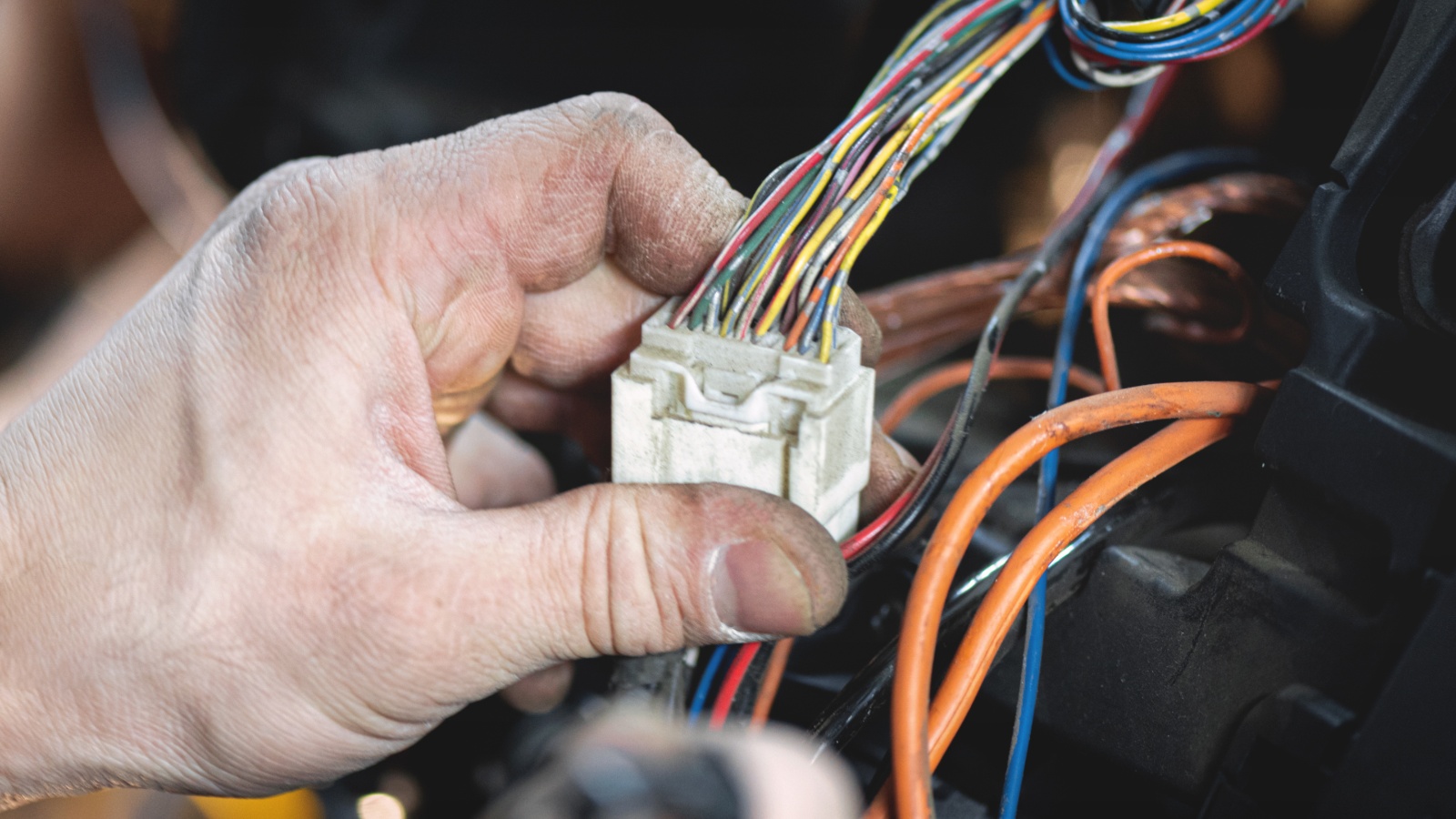
Look under the dashboard and around the battery for non-factory wiring, twisted connections, household connectors, loose grounds, alarm-system remnants, stereo wiring, remote-start modules, and added lights.
Inspect harnesses near previous collision repairs. Operate every feature repeatedly while moving the steering wheel, opening doors, adjusting seats, and changing climate settings. Intermittent faults often appear when a harness flexes or system voltage changes.
The individual parts can already be expensive. RepairPal’s July 2026 national estimates place engine-control-module replacement at approximately $1,123 to $1,193, body-control-module replacement at $671 to $731, and transmission-control-module replacement at $901 to $977. Those figures do not include the possibility that the installed module must be programmed or that damaged wiring caused the original failure.
A qualified automotive electrician may find one corroded ground and solve everything. The problem is that you do not know that before buying. On a commonly used car, I let the seller complete the diagnosis and demonstrate a permanent repair. I do not purchase someone else’s half-finished electrical experiment based on a promise that the final fix will be cheap.
Also read: 10 Cars With the Biggest Heat-Related Reliability Issues