Modern cooling systems are engineered around very specific coolant chemistries, not just color.
Many drivers assume any “universal” antifreeze is safe because the bottle says it works with all vehicles, but automakers often specify Hybrid Organic Acid Technology (HOAT), Organic Acid Technology (OAT), or other proprietary formulas to protect aluminum engine components, water pumps, seals, and radiators.
Mixing incompatible coolant types can shorten corrosion protection, create deposits, reduce heat transfer, and in severe cases damage expensive cooling system components. The following ten vehicles sold in the United States require manufacturer-approved coolant formulations rather than relying on generic universal products.
Also Read: 10 SUVs With Seat Heaters That Warm Up Under 90 Seconds
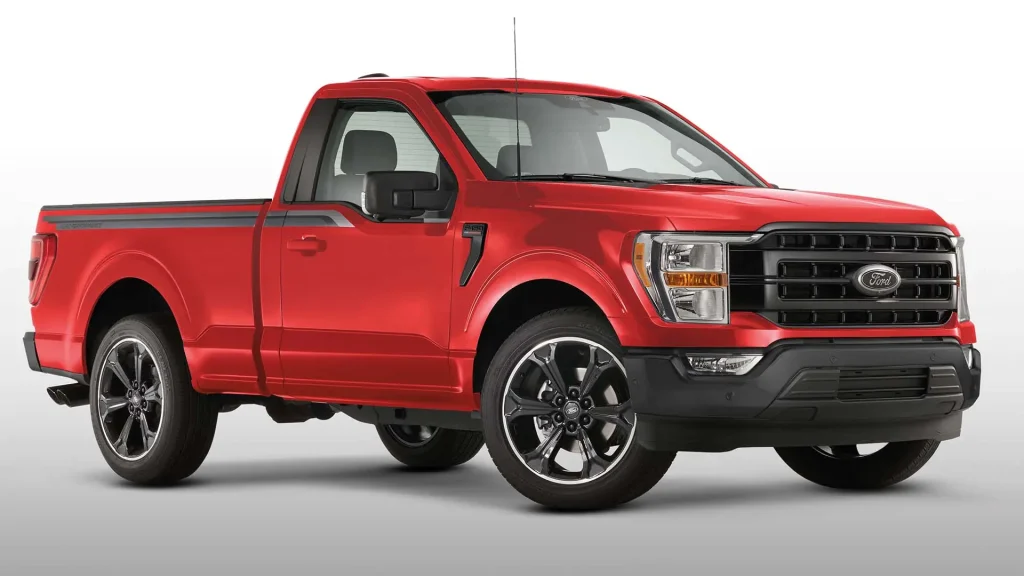
1. Ford F-150 5.0L V8 (Motorcraft Yellow Coolant)
The Ford F-150 remains America’s best-selling pickup, and the 5.0-liter Coyote V8 has earned a reputation for durability. However, one maintenance detail owners should never ignore is the coolant specification.
Ford requires Motorcraft Yellow Prediluted Antifreeze/Coolant meeting specification WSS-M97B57-A1 for current production models.
Earlier F-150s used Motorcraft Orange coolant, but Ford officially transitioned many vehicles to the newer yellow formula. Simply pouring in a universal coolant because it claims compatibility is not what Ford recommends.
Motorcraft Yellow uses a Hybrid Organic Acid Technology formulation designed to provide long-term corrosion protection for aluminum cylinder heads, the engine block, the radiator, the heater core, and the water pump.
The corrosion inhibitors are balanced specifically for Ford cooling systems. Mixing another coolant chemistry, particularly one containing incompatible additive packages, can reduce inhibitor performance and shorten coolant life.
While catastrophic damage is not always immediate, contamination can increase the likelihood of corrosion, scaling, and water pump wear over time.
Many aftermarket universal coolants advertise broad compatibility, yet Ford service documentation consistently instructs owners to use coolant meeting the required engineering specification rather than selecting a product solely because it is labeled universal.
During repairs requiring coolant replacement, technicians generally perform a complete drain and refill if the coolant type is unknown instead of topping off with a different chemistry.
Considering that a replacement radiator, heater core, or water pump can cost hundreds of dollars in parts and labor, using the correct coolant is inexpensive insurance.
The F-150’s cooling system was engineered around a specific chemical formulation, and following Ford’s recommendation helps preserve long-term reliability while maintaining maximum corrosion protection throughout the system.
Specifications
- Engine: 5.0-liter naturally aspirated V8
- Torque: 410 lb-ft
- Horsepower: 400 hp
- Length/Width: 231.7 inches / 79.9 inches
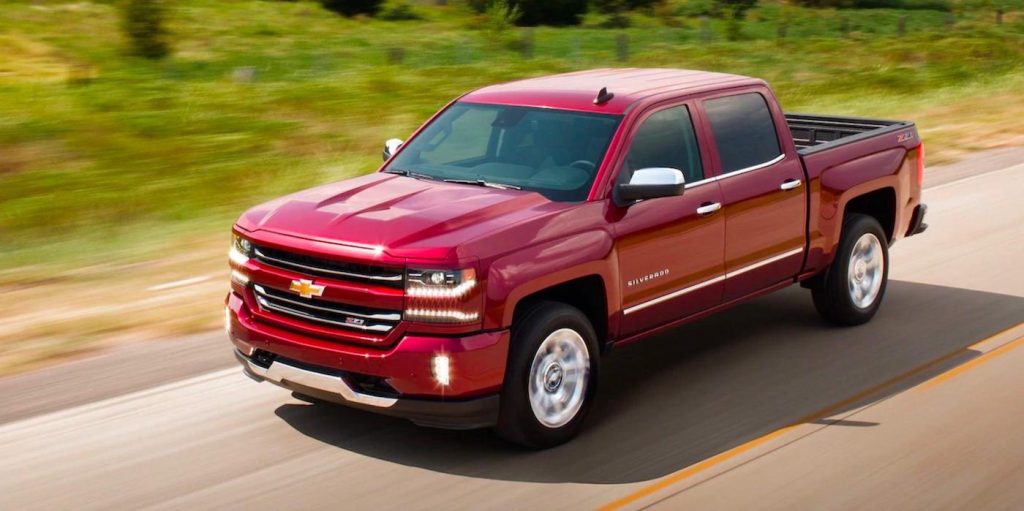
2. Chevrolet Silverado 1500 5.3L V8 (DEX-COOL OAT)
General Motors has specified DEX-COOL coolant for decades, making it one of the most recognized factory coolant formulations in North America. The Chevrolet Silverado 1500 equipped with the 5.3-liter EcoTec3 V8 continues that practice, requiring DEX-COOL coolant that meets GM6277M and current GM service specifications.
Although many universal coolants claim compatibility with DEX-COOL, GM’s service literature continues to recommend using approved DEX-COOL coolant rather than substituting an unspecified formula.
DEX-COOL is an organic acid technology coolant engineered for extended service intervals while protecting aluminum engine components from corrosion. Its additive package differs from traditional green coolant and many hybrid organic acid technology products.
Mixing DEX-COOL with incompatible coolant chemistries may reduce corrosion resistance and shorten the intended service life. In older vehicles, contamination from incorrect coolant mixtures has also been associated with sludge formation when cooling systems were neglected or repeatedly mixed with conventional coolant.
The Silverado’s modern V8 relies on efficient cooling to maintain proper combustion temperatures while towing heavy loads and operating under demanding conditions. Water pump seals, thermostat housings, radiator passages, and aluminum cylinder heads all benefit from maintaining the coolant chemistry GM engineered for the vehicle.
Owners purchasing coolant should avoid relying solely on color because multiple manufacturers now sell orange, yellow, pink, and red coolants with completely different chemical compositions.
Instead, the label should specifically state that it meets the GM DEX-COOL specification. This simple step helps preserve cooling efficiency and minimizes the risk of corrosion-related repairs later in the truck’s life.
Specifications
- Engine: 5.3-liter EcoTec3 V8
- Torque: 383 lb-ft
- Horsepower: 355 hp
- Length/Width: 231.9 inches / 81.2 inches
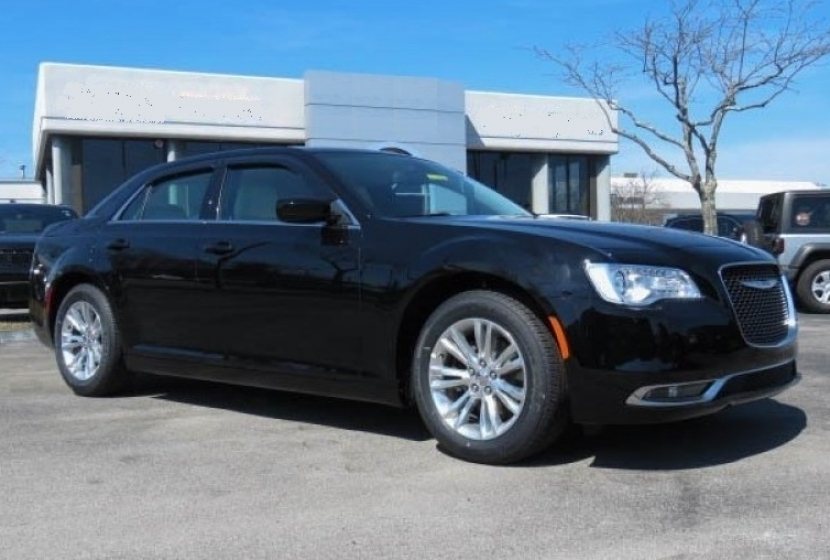
3. Chrysler 300 3.6L Pentastar V6 (Mopar OAT Coolant)
The Chrysler 300 equipped with the 3.6-liter Pentastar V6 illustrates why coolant chemistry is just as important as engine oil. Chrysler, Dodge, Jeep, and Ram vehicles using the Pentastar engine require Mopar Organic Additive Technology (OAT) coolant that meets FCA Material Standard MS-12106.
This purple coolant is specifically engineered for the metals, seals, and gasket materials used throughout the Pentastar cooling system. Replacing it with a generic universal coolant may seem harmless, but doing so introduces additives that were never validated for this engine family.
Unlike older Hybrid Organic Acid Technology formulations, Mopar OAT uses a different corrosion inhibitor package designed to provide extended protection for aluminum cylinder heads, the water pump, radiator, heater core, and engine block.
Mixing OAT with HOAT or conventional green coolant reduces the effectiveness of those inhibitors. Even if the cooling system continues to function initially, contamination can shorten coolant life and increase the likelihood of corrosion or deposits forming inside narrow cooling passages.
One common mistake occurs during emergency top-offs. Drivers may purchase the first coolant available at a convenience store without checking whether it meets MS-12106. If the coolant level drops unexpectedly, identifying and repairing the leak is more important than repeatedly mixing different coolant chemistries.
The Pentastar V6 is widely respected for reliability when maintained correctly, and using the proper coolant is part of that maintenance. Chrysler engineered the cooling system around a specific formulation for a reason.
Spending a few extra dollars on the approved Mopar coolant helps maintain consistent corrosion protection and supports the long service life expected from this engine.
Specifications
- Engine: 3.6-liter Pentastar V6
- Torque: 260 lb-ft
- Horsepower: 292 hp
- Length/Width: 198.6 inches / 75.0 inches
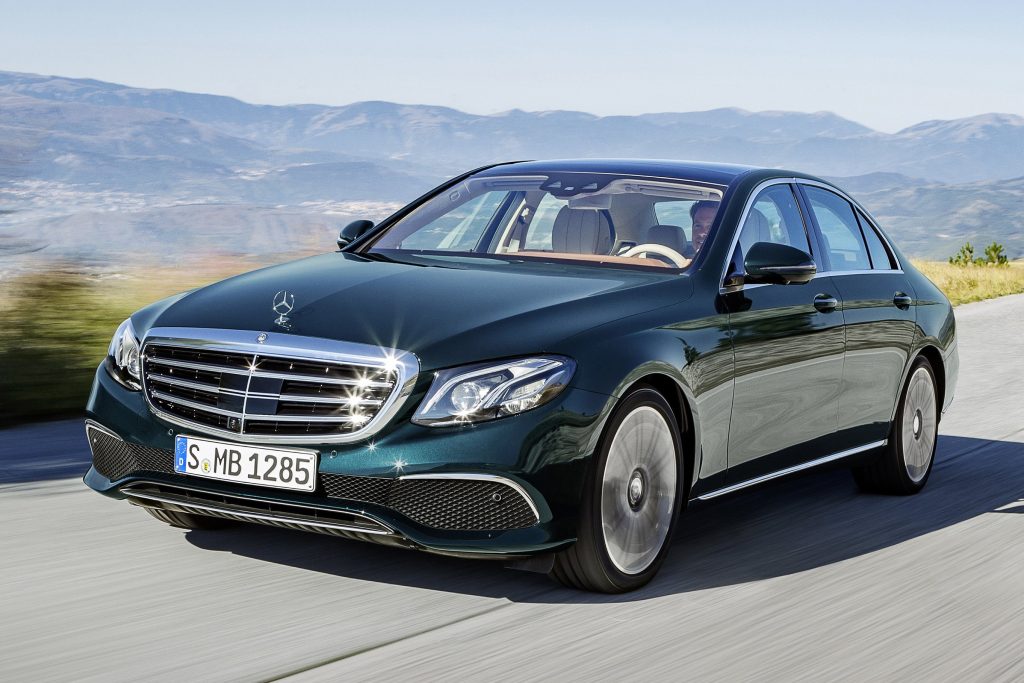
4. Mercedes-Benz E 350 (Mercedes-Benz G40 HOAT Coolant)
Luxury vehicles often have more complex cooling systems than mainstream cars, and the Mercedes-Benz E 350 is no exception. Mercedes specifies coolant that complies with its own MB Approval 325.7 or newer approved standards, commonly referred to as G40 Hybrid Organic Acid Technology coolant.
This blue coolant is formulated specifically for Mercedes cooling systems and should not be replaced with an unspecified universal antifreeze simply because the color appears similar.
Mercedes engines contain extensive aluminum components along with precision-engineered cooling passages that rely on stable corrosion inhibitors.
The approved G40 coolant protects against cavitation, corrosion, mineral deposits, and premature water pump wear while maintaining efficient heat transfer under demanding operating conditions.
Universal coolant may advertise compatibility, but unless it specifically meets Mercedes approval requirements, it has not been validated to provide the same level of long-term protection.
Mixing incompatible coolant chemistries can dilute the carefully balanced additive package. That may reduce corrosion resistance and accelerate wear in components such as the radiator, heater core, thermostat housing, and auxiliary cooling circuits.
Because modern Mercedes vehicles often include turbochargers, sophisticated thermal management systems, and electronically controlled cooling components, maintaining the proper coolant chemistry is especially important.
Owners should also avoid selecting coolant based solely on its blue color. Multiple manufacturers sell blue antifreeze with entirely different chemical formulations. The safest approach is confirming that the coolant explicitly lists the required Mercedes-Benz approval on the container before adding it to the cooling system.
Following the factory specification helps preserve cooling performance while reducing the possibility of expensive repairs that could easily exceed the cost difference between universal coolant and the approved Mercedes formula.
Specifications
- Engine: 2.0-liter turbocharged inline-four
- Torque: 295 lb-ft
- Horsepower: 255 hp
- Length/Width: 194.9 inches / 73.7 inches
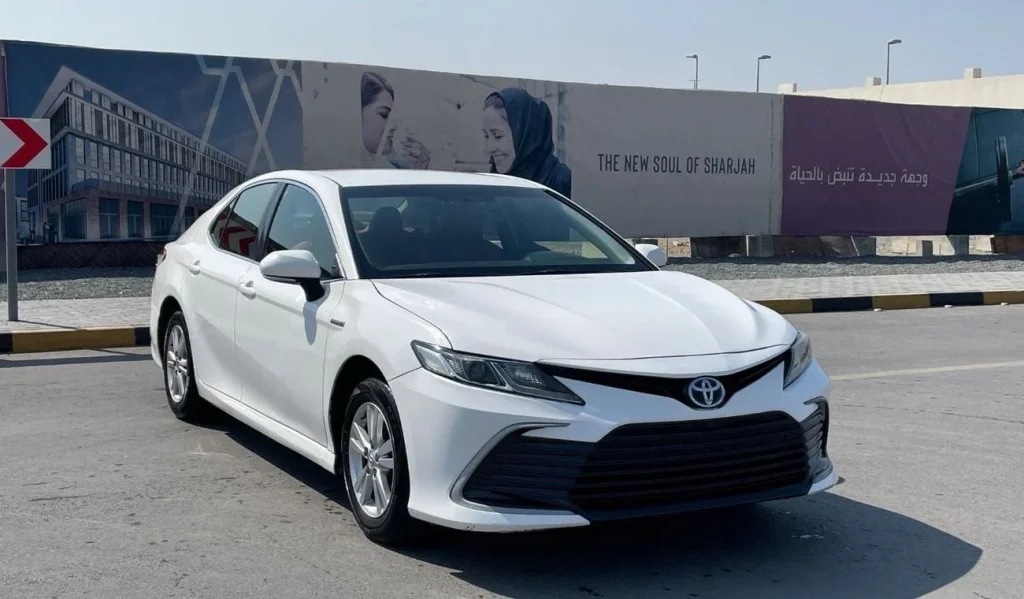
5. Toyota Camry 2.5L (Toyota Super Long Life Coolant)
Toyota has built its reputation on dependable engineering, but that reliability depends on following factory maintenance procedures, including using the correct coolant.
The Toyota Camry equipped with the 2.5-liter Dynamic Force four-cylinder requires Toyota Super Long Life Coolant (SLLC), a pink premixed organic acid technology coolant developed specifically for Toyota and Lexus cooling systems.
Although many aftermarket products advertise themselves as universal, Toyota recommends coolant that meets its own specifications rather than relying on a one-size-fits-all formula.
Toyota SLLC arrives pre-diluted with deionized water at a 50/50 ratio, eliminating the possibility of incorrect mixing. The coolant contains corrosion inhibitors engineered to protect aluminum engine blocks, cylinder heads, radiators, heater cores, and water pumps while maintaining stable operating temperatures.
Mixing it with conventional green coolant or an incompatible hybrid organic acid technology coolant can reduce inhibitor performance and shorten the coolant’s intended service interval.
Many owners assume coolant color determines compatibility, but that is a common misconception. Several manufacturers sell pink coolant with entirely different chemical formulations. The container should specifically state compatibility with Toyota Super Long Life Coolant specifications rather than relying on appearance alone.
Routine maintenance provides an ideal opportunity to inspect the entire cooling system for leaks, hose condition, and radiator health before replacing coolant.
If contamination from an incorrect coolant is suspected, Toyota service procedures generally recommend draining and flushing the system before refilling it with the approved product.
Considering the Camry’s reputation for lasting well beyond 200,000 miles when properly maintained, using the specified coolant is one of the simplest ways to protect the engine from corrosion and preserve long-term reliability.
Specifications
- Engine: 2.5-liter naturally aspirated inline-four
- Torque: 184 lb-ft
- Horsepower: 203 hp
- Length/Width: 193.5 inches / 72.4 inches
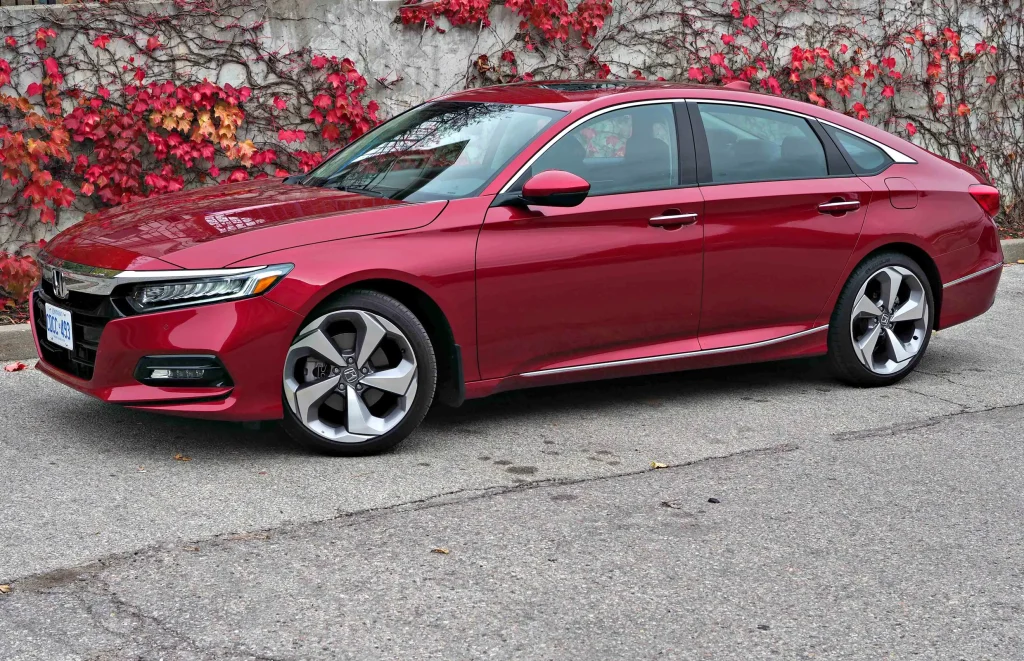
6. Honda Accord 1.5T (Honda Type 2 Coolant)
Honda pays close attention to cooling system chemistry, and the Accord equipped with the 1.5-liter turbocharged engine is designed to operate with Honda Type 2 coolant.
This premixed blue organic acid technology coolant is formulated specifically for Honda aluminum engines and should not automatically be replaced with a universal alternative unless that product explicitly meets Honda’s performance requirements.
Turbocharged engines generate significant heat, making consistent coolant performance especially important. Honda Type 2 coolant protects against corrosion while also helping lubricate the water pump and maintain efficient heat transfer throughout the cooling system.
Honda engineered the coolant’s additive package to work with the seals, gaskets, aluminum radiator, thermostat housing, and engine passages used across its modern vehicle lineup.
One reason owners accidentally create problems is by topping off the reservoir with leftover coolant from another vehicle. Even if the level rises back to normal, mixing incompatible formulations changes the chemical balance inside the cooling system.
Over thousands of miles, reduced corrosion protection can contribute to deposits that restrict coolant flow or accelerate wear on internal components.
Honda Type 2 coolant is supplied already mixed with purified water, ensuring freeze protection and boiling protection meet factory expectations. Adding concentrated coolant without properly measuring the water ratio can alter thermal performance, especially in regions that experience severe winter temperatures.
For drivers who intend to keep their Accord for many years, following Honda’s coolant recommendation is a small maintenance decision that supports long-term engine durability.
It also reduces the likelihood of cooling system repairs that are far more expensive than purchasing the correct coolant during scheduled service.
Specifications
- Engine: 1.5-liter turbocharged inline-four
- Torque: 192 lb-ft
- Horsepower: 192 hp
- Length/Width: 195.7 inches / 73.3 inches
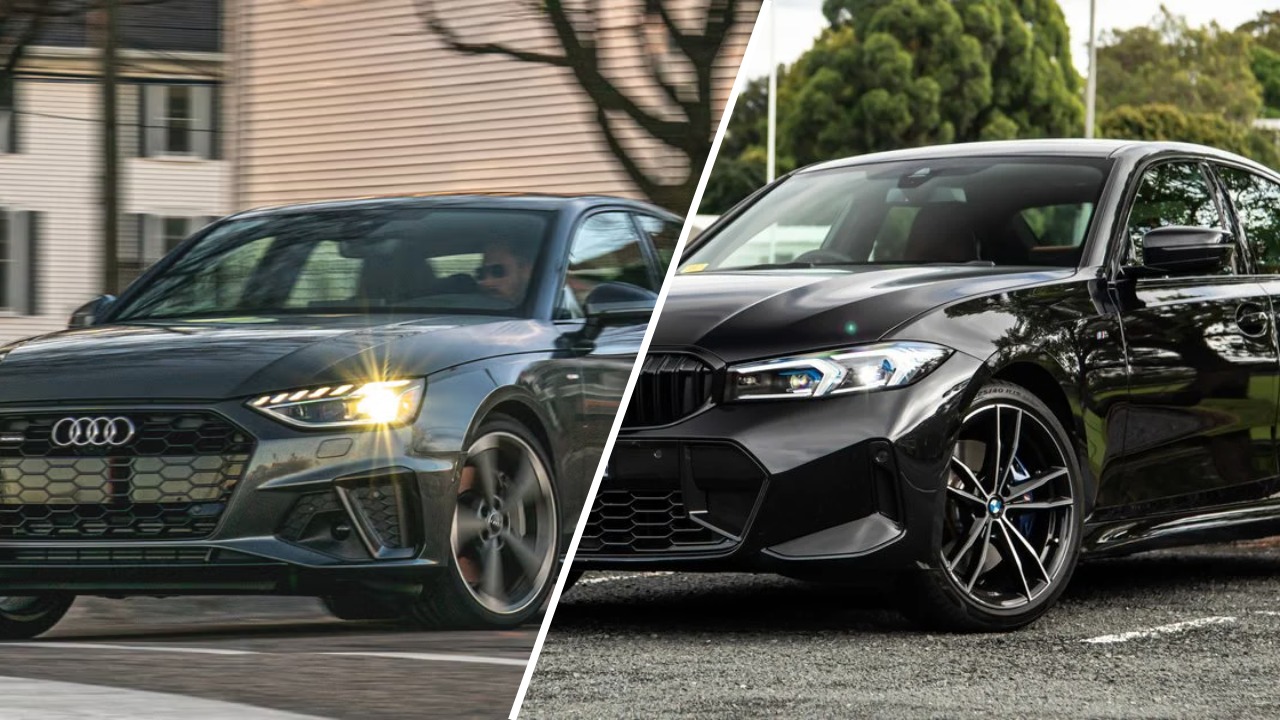
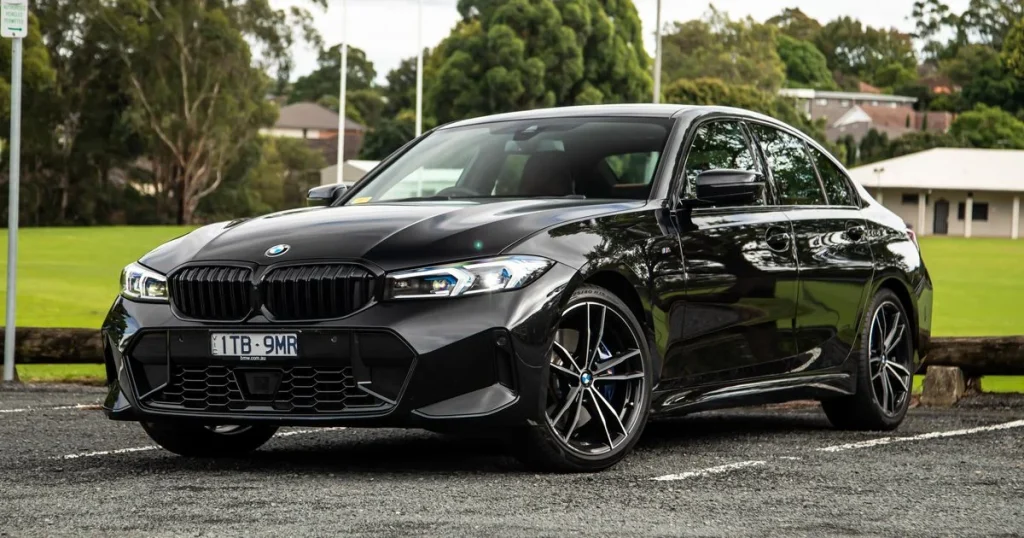
7. BMW 330i (BMW HT-12 Coolant)
BMW engines are designed with sophisticated thermal management systems that demand the correct coolant chemistry. The BMW 330i, powered by the turbocharged B48 four-cylinder engine, requires coolant that meets BMW GS 94000 specifications.
Current BMW vehicles are factory-filled with BMW HT-12 coolant, which replaced the earlier blue BMW coolant in newer applications. Owners should always verify the correct specification for their model year and never assume a universal coolant is an acceptable substitute simply because it claims broad compatibility.
BMW HT-12 is a Hybrid Organic Acid Technology coolant formulated to protect aluminum engine blocks, cylinder heads, electric coolant pumps, radiators, and heat exchangers. The additive package is specifically balanced to resist corrosion while preventing scale formation that could reduce cooling efficiency.
Mixing incompatible coolant chemistries can dilute these inhibitors and shorten the coolant’s service life, particularly in engines that operate under high thermal loads.
The B48 engine uses an electronically controlled cooling strategy to improve fuel economy and emissions. Consistent coolant chemistry helps maintain stable operating temperatures, which is essential for turbocharger durability and efficient combustion.
A contaminated cooling system may not fail immediately, but long-term corrosion or mineral deposits can increase maintenance costs.
BMW technicians typically recommend performing a complete cooling system flush if the coolant history is unknown rather than simply topping off with another formula. This ensures the entire system contains one approved chemistry instead of a mixture with unpredictable corrosion protection.
Using coolant that specifically meets BMW’s published requirements is a relatively inexpensive step compared with repairing a radiator, water pump, or turbocharger cooling circuit. Following the factory specification helps preserve the performance and longevity expected from the 330i.
Specifications
- Engine: 2.0-liter turbocharged inline-four
- Torque: 295 lb-ft
- Horsepower: 255 hp
- Length/Width: 185.9 inches / 71.9 inches
8. Audi A4 2.0 TFSI (Volkswagen G12evo Coolant)
Audi’s turbocharged engines depend on carefully engineered cooling systems, and the A4 equipped with the 2.0 TFSI engine is no exception. Modern Audi models require Volkswagen Group G12evo coolant, which succeeds earlier G12++, G13, and related factory coolants for many applications.
Owners should always follow the coolant specification listed in the owner’s manual because Volkswagen Group has updated coolant formulations over the years.
G12evo uses advanced organic acid technology chemistry designed to provide long-term corrosion protection while remaining compatible with the aluminum-intensive construction found throughout Audi engines.
It protects the engine block, cylinder head, turbocharger cooling passages, heater core, and radiator from corrosion and scale buildup. Filling the system with a generic universal coolant that does not meet Volkswagen Group specifications can compromise those protective properties.
Turbocharged engines generate substantial heat around the exhaust manifold and turbocharger. Audi engineers selected G12evo to maintain heat transfer efficiency while protecting sensitive cooling components operating under demanding temperatures.
Even a small amount of incompatible coolant can reduce the effectiveness of the additive package if mixed repeatedly over time.
Another important point is that coolant color alone should never guide purchasing decisions. Pink, purple, or violet coolants sold by different manufacturers may use completely different chemical technologies. The label should clearly state compliance with the required Volkswagen Group specification before it is added to the cooling system.
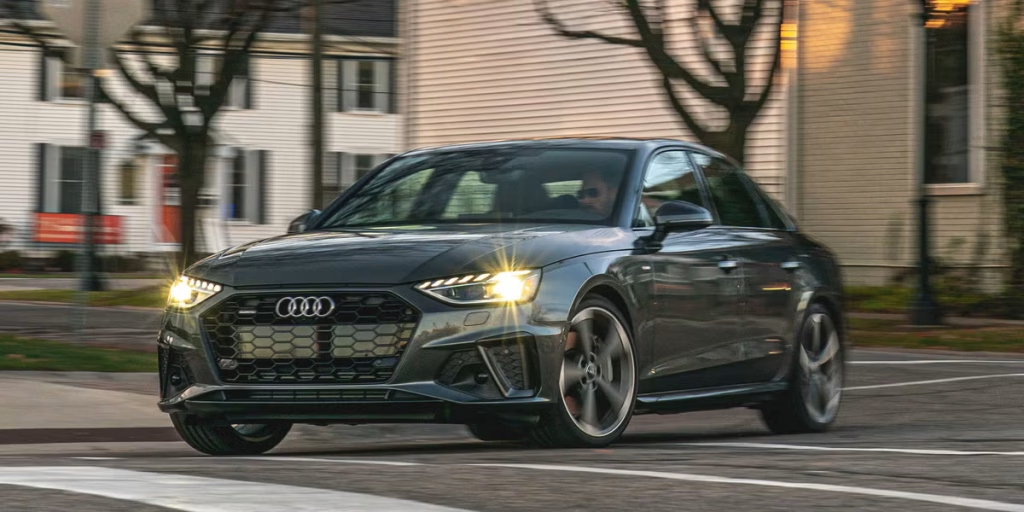
Following Audi’s coolant requirements helps maintain reliable engine temperatures, preserve corrosion protection, and reduce the likelihood of expensive repairs involving the water pump, radiator, or turbocharger cooling circuit.
Specifications
- Engine: 2.0-liter turbocharged inline-four
- Torque: 273 lb-ft
- Horsepower: 261 hp
- Length/Width: 187.5 inches / 72.7 inches
9. Hyundai Elantra 2.0L (Hyundai/Kia Phosphate Organic Acid Technology Coolant)
The Hyundai Elantra demonstrates that even an affordable compact sedan requires a carefully matched coolant formulation. Hyundai specifies its own Phosphate Organic Acid Technology coolant, commonly called P-OAT coolant, for modern gasoline engines.
Although many aftermarket bottles advertise universal compatibility, Hyundai recommends coolant that meets its factory specifications because the additive package was engineered specifically for the metals and sealing materials used throughout the cooling system.
Unlike conventional green coolant or standard organic acid technology formulas, P-OAT combines phosphate additives with organic corrosion inhibitors.
This chemistry provides excellent protection for aluminum cylinder heads, engine blocks, radiators, heater cores, and water pumps while minimizing scale formation inside narrow coolant passages.
Because modern engines rely on efficient heat transfer to maintain emissions and fuel economy, preserving those cooling passages is extremely important.
Mixing P-OAT coolant with an incompatible Hybrid Organic Acid Technology or conventional coolant can reduce corrosion protection and shorten the coolant’s intended service life.
While the vehicle may continue operating normally at first, the mixed chemistry can gradually diminish the effectiveness of the corrosion inhibitors. Hyundai service procedures generally recommend draining and refilling the system with the correct coolant if contamination occurs rather than repeatedly topping off with another formula.
The Elantra’s naturally aspirated 2.0-liter engine is known for dependable daily transportation, but long-term reliability depends on routine maintenance. Cooling system service should include inspecting hoses, checking the radiator cap, and confirming coolant concentration, along with using the correct factory-approved antifreeze.
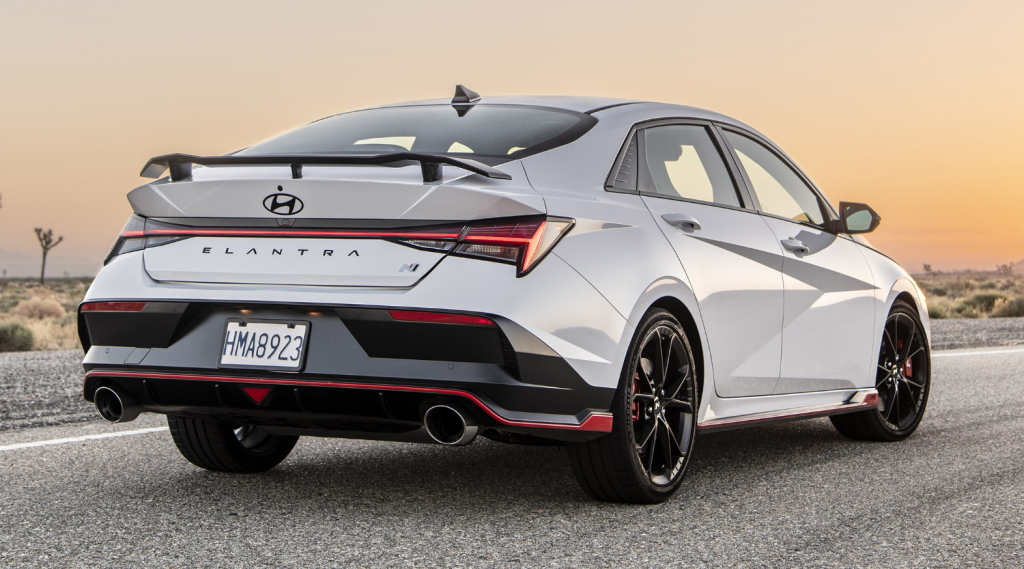
Owners often focus on engine oil while overlooking coolant, yet both fluids play a major role in engine longevity. Choosing Hyundai-approved P-OAT coolant instead of relying on a generic universal product helps preserve the cooling system exactly as Hyundai intended.
Specifications
- Engine: 2.0-liter naturally aspirated inline-four
- Torque: 132 lb-ft
- Horsepower: 147 hp
- Length/Width: 184.1 inches / 71.9 inches
10. Lexus RX 350 (Toyota Super Long Life Coolant)
Luxury vehicles often use sophisticated cooling systems, and the Lexus RX 350 is no exception. Although it shares engineering with several Toyota models, Lexus specifies Toyota Super Long Life Coolant for the RX 350 rather than recommending a generic universal antifreeze.
This pink premixed organic acid technology coolant was developed specifically for Toyota and Lexus cooling systems and is designed to deliver long service intervals while protecting critical engine components.
The RX 350’s aluminum engine relies on stable coolant chemistry to prevent corrosion throughout the radiator, heater core, cylinder heads, water pump, thermostat housing, and engine block.
Toyota Super Long Life Coolant contains carefully balanced inhibitors that protect these components without introducing abrasive deposits or excessive scale.
Replacing it with an unapproved coolant or mixing it with a different chemistry can reduce the effectiveness of those additives and shorten the coolant’s expected lifespan.
Another advantage of Toyota Super Long Life Coolant is that it is factory mixed with deionized water at the proper 50/50 concentration. This ensures consistent freeze protection, boiling protection, and corrosion resistance.
Owners who use concentrated coolant without accurately measuring distilled water may unintentionally alter the mixture, reducing cooling efficiency during extremely hot or cold weather.
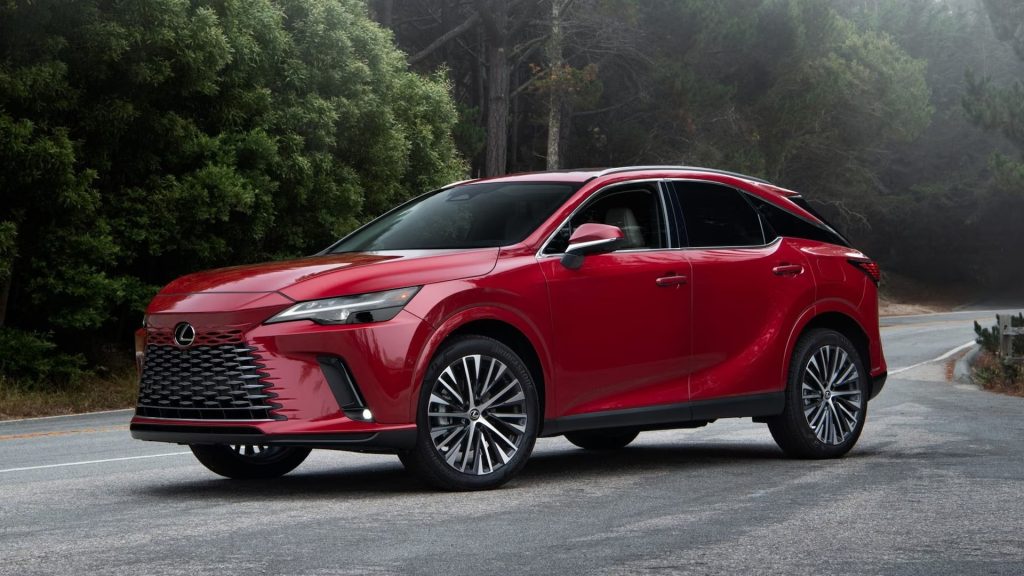
Many independent repair shops stock several coolant types, making it important for owners to confirm that the product being installed specifically meets Toyota Super Long Life Coolant requirements. Checking the specification on the container is far more reliable than selecting coolant based on its pink color.
Using the coolant recommended by Lexus helps preserve cooling system durability, maintain proper operating temperatures, and reduce the risk of costly repairs involving the radiator, water pump, or heater core throughout years of ownership.
Specifications
- Engine: 2.4-liter turbocharged inline-four
- Torque: 317 lb-ft
- Horsepower: 275 hp
- Length/Width: 192.5 inches / 75.6 inches
Also Read: 10 Cars With Water Pumps Buried Behind the Timing Cover