Automotive engineering has always been about solving problems through creative design. While most vehicles follow familiar formulas, some manufacturers have challenged convention by turning engines around, reversing drivetrain layouts, or placing powerplants in unusual locations.
The decision to use unconventional engine placement was based on careful engineering rather than experimentation alone. Manufacturers used these layouts to improve space efficiency, weight distribution, grip, and performance. While the idea of mounting an engine in a reversed position may appear unusual, it has contributed to the creation of many legendary automobiles.
From the front-wheel-drive revolution started by cars like the Oldsmobile Toronado to the exotic mid-engine layouts of supercars, these unusual designs changed the way engineers thought about vehicle packaging. Each of these cars demonstrates that sometimes breaking tradition is the best way to move automotive technology forward.
1. Oldsmobile Toronado
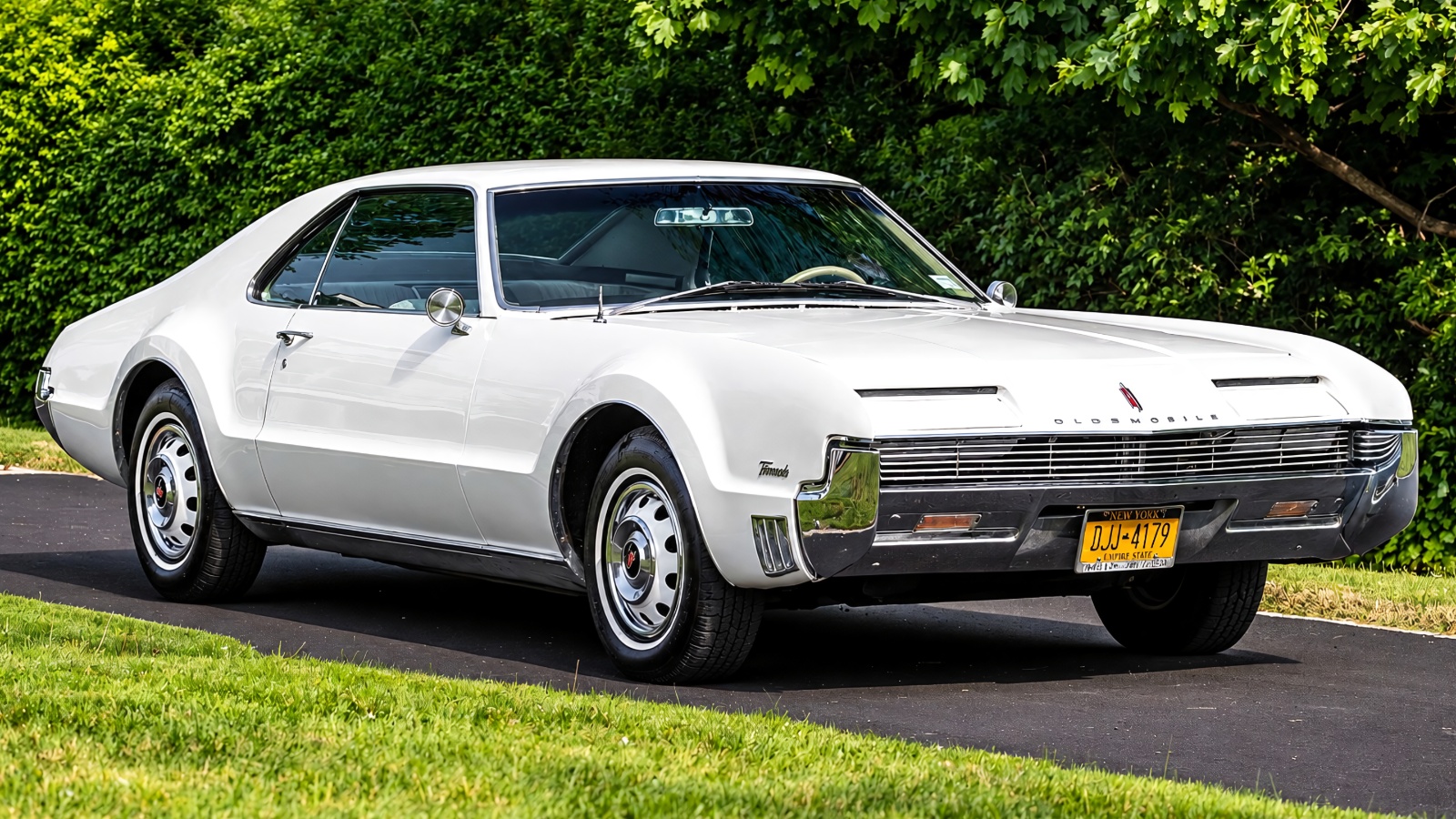
The Oldsmobile Toronado is one of the most famous examples of an engine mounted in an unusual orientation. Introduced for the 1966 model year, the Toronado was a revolutionary American luxury coupe because it combined a large-displacement V8 engine with front-wheel drive, something almost unheard of in large American cars at the time.
The challenge facing Oldsmobile engineers was significant. Traditional American vehicles used a front-mounted engine driving the rear wheels through a transmission, driveshaft, and rear differential. This layout consumed valuable interior space and required a raised transmission tunnel through the cabin. Oldsmobile wanted to create a large, comfortable luxury car with a flat floor while keeping the power and smoothness expected from a V8.
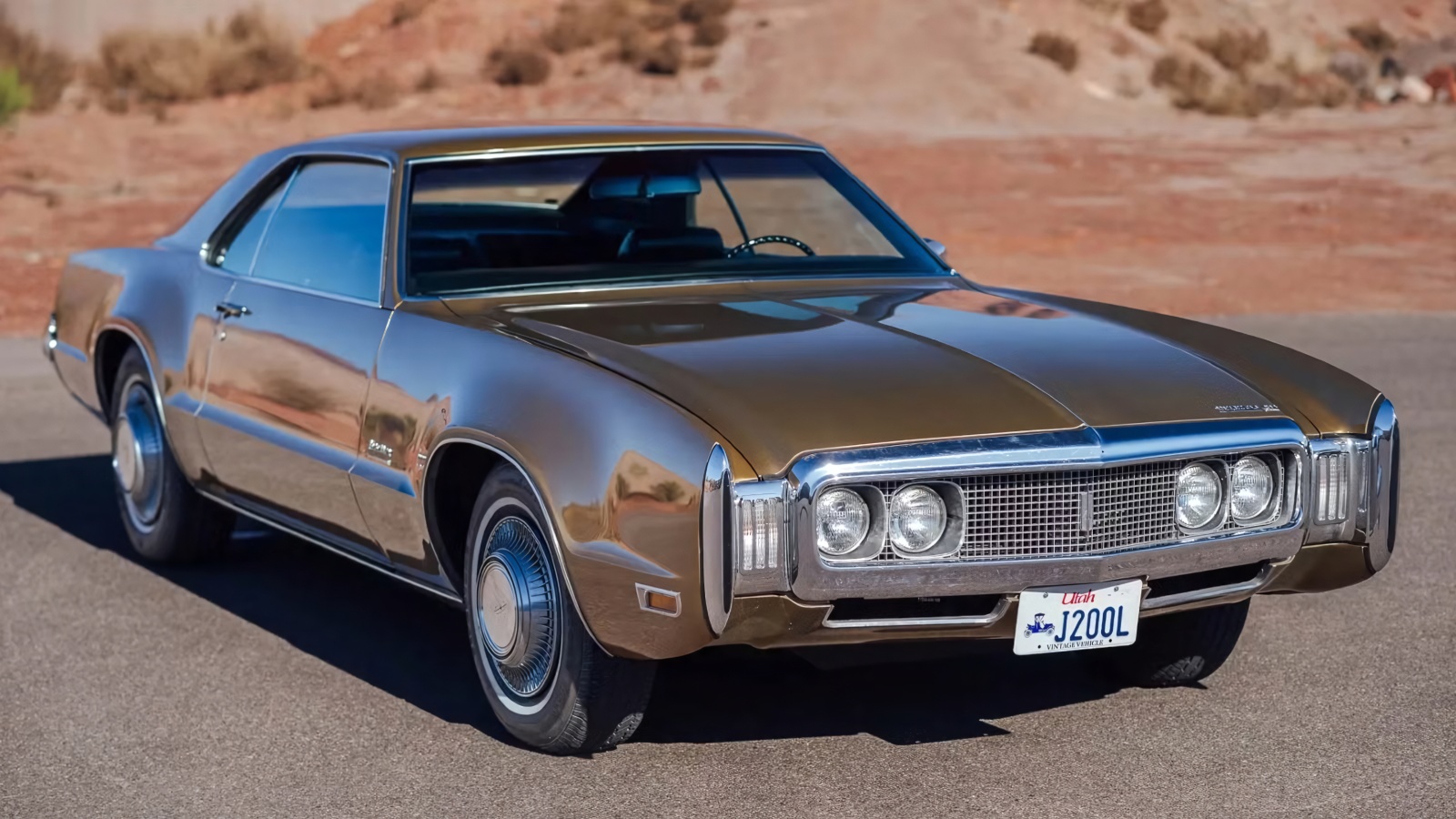
The solution was the Unitized Power Package. Engineers rotated the drivetrain arrangement and placed the transmission beside the engine rather than behind it. The 425-cubic-inch Rocket V8 was mounted longitudinally, but the power flow was redirected toward the front wheels through a compact transmission system connected by a heavy-duty chain drive.
This unusual layout allowed Oldsmobile to eliminate the traditional driveshaft tunnel. The result was a spacious interior, lower body design, and improved traction because the engine’s weight was directly over the driven wheels.
The Toronado also demonstrated that front-wheel drive could handle large amounts of horsepower and torque. Many people believed front-wheel-drive systems were only suitable for small economy cars, but Oldsmobile proved otherwise.
- Engine: 425-cubic-inch (7.0-liter) Rocket V8
- Horsepower: 385 hp (SAE gross rating)
- Torque: 475 lb-ft
- Length: Approximately 211 inches
- Width: Approximately 78 inches
The Toronado’s engineering was complex, but it became a landmark vehicle. Its drivetrain design influenced future front-wheel-drive luxury cars and demonstrated that unusual engine positioning could improve packaging without sacrificing performance.
Although the Toronado was not the first front-wheel-drive vehicle, it was one of the first to prove that a powerful American performance car could successfully use this arrangement. Its reversed drivetrain remains one of the boldest examples of automotive packaging innovation.
2. Citroën Traction Avant
The Citroën Traction Avant was decades ahead of its time when it appeared in 1934. At a time when most cars still used traditional body-on-frame construction and rear-wheel drive, Citroën introduced a vehicle with front-wheel drive, independent suspension, and a low monocoque body structure.
One of the biggest engineering challenges was fitting the drivetrain into the front of the car while keeping the vehicle low, spacious, and stable. Citroën engineers created an unusual arrangement where the engine and transmission placement differed from traditional rear-drive vehicles. Instead of sending power backward through a driveshaft, the drivetrain was concentrated at the front.
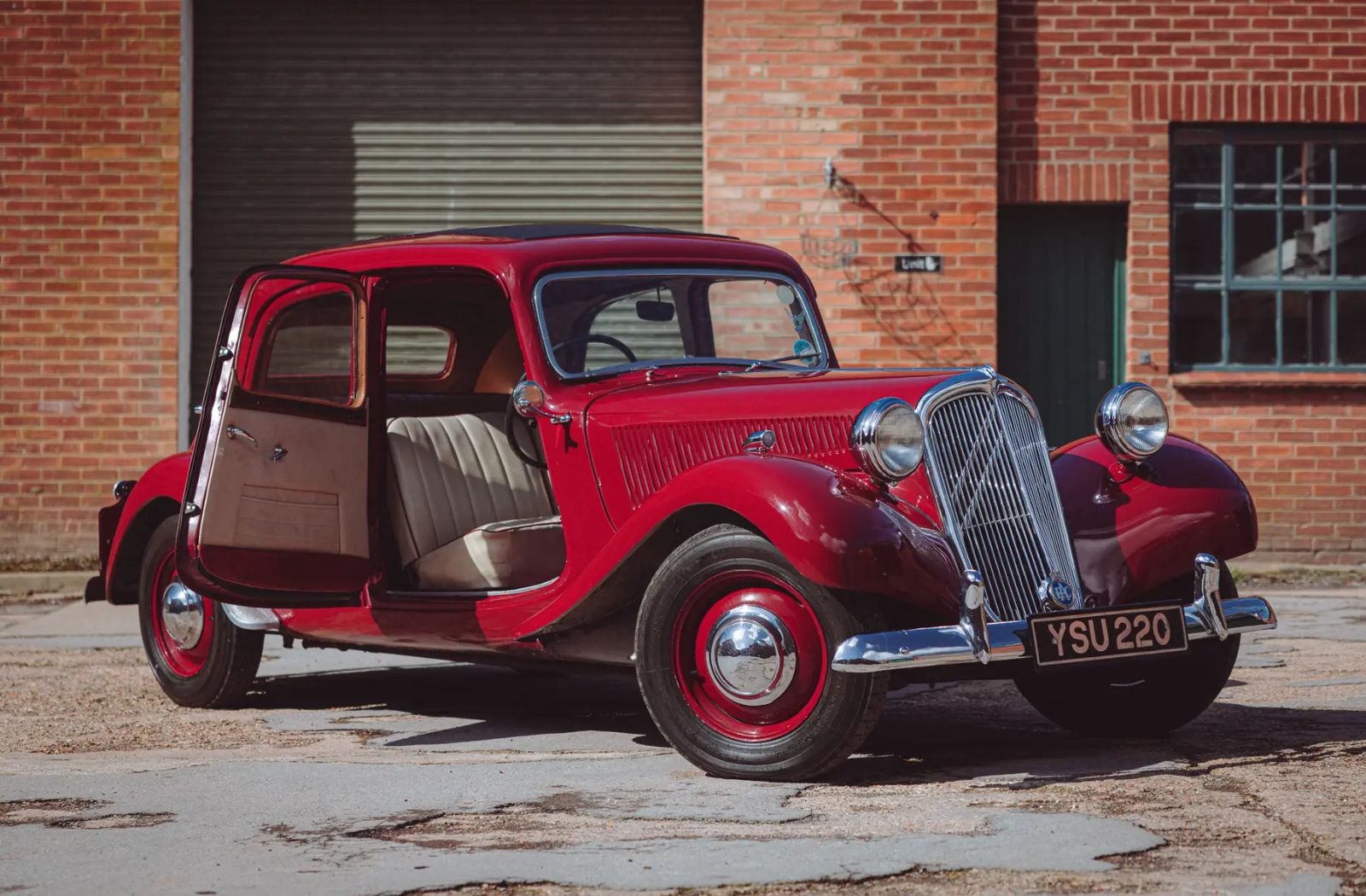
The engine was positioned behind the front axle while the gearbox sat ahead of it. This arrangement effectively reversed the conventional relationship between the engine and transmission. The design allowed Citroën to lower the floor because there was no driveshaft running through the passenger compartment.
This created several advantages. The car had a lower center of gravity, improved handling, and a more spacious cabin. Front-wheel drive also provided better traction because the engine’s weight pressed down on the wheels responsible for pulling the vehicle forward.
The Traction Avant became famous for its advanced engineering. At a time when many manufacturers were still producing vehicles based on 1920s technology, Citroën introduced concepts that would later become standard throughout the automotive industry.
- Engine: 1.9-liter inline-4 (common production version)
- Horsepower: Approximately 46 hp
- Torque: Not officially rated using modern standards
- Length: Approximately 179 inches
- Width: Approximately 70 inches
The Traction Avant’s unusual drivetrain layout was not created for performance alone. It was created to maximize efficiency, improve passenger comfort, and create a more advanced automobile architecture.
Many modern front-wheel-drive vehicles owe part of their existence to concepts introduced by Citroën. The Traction Avant proved that reversing traditional mechanical thinking could produce a better overall vehicle.
3. Saab 99
The Saab 99 continued Saab’s tradition of unconventional engineering. Introduced in 1968, the 99 was designed around front-wheel drive from the beginning, but Saab engineers developed a unique drivetrain arrangement that differed from most competitors.
Saab’s goal was to create a practical family vehicle capable of handling harsh Scandinavian weather. Front-wheel drive offered excellent traction in snow and ice, but packaging the engine and transmission efficiently required creative thinking.
Instead of mounting the engine in a typical transverse layout, Saab positioned its engine longitudinally and tilted it backward at an angle. The transmission was located underneath and ahead of the engine, creating a compact drivetrain package. This unusual orientation allowed Saab to keep the engine bay short while maximizing cabin space.
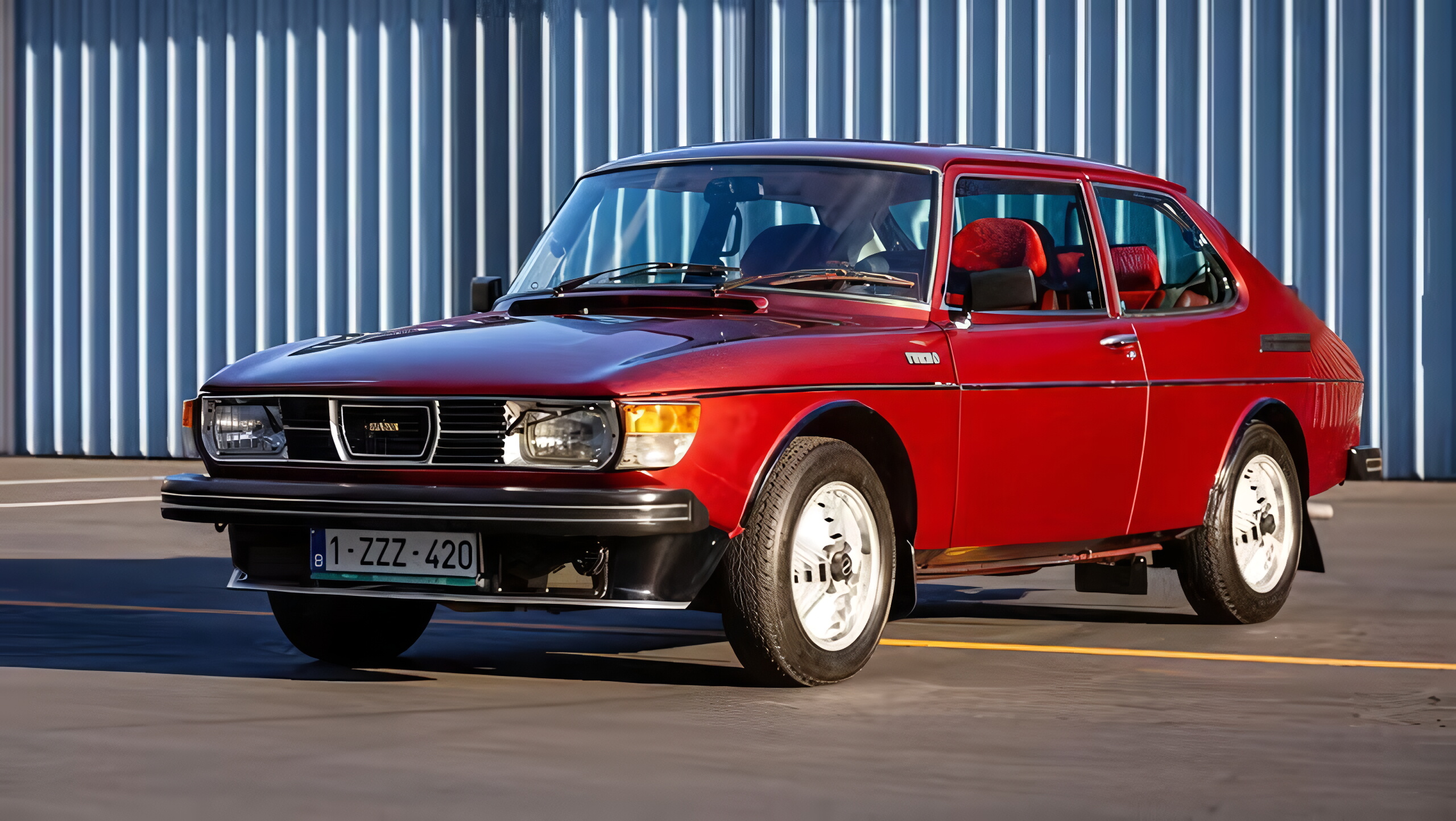
The arrangement also contributed to the vehicle’s excellent weight distribution. Because much of the drivetrain weight was concentrated over the front wheels, the Saab 99 delivered strong traction during acceleration and difficult weather conditions.
Saab was known for prioritizing engineering solutions rather than following industry trends. The company designed vehicles around safety, durability, and practicality, and the 99 became an important foundation for later turbocharged Saab models.
The introduction of the Saab 99 Turbo in the late 1970s further demonstrated the strength of the platform. Saab successfully combined unusual packaging with forced induction technology, creating one of the first mainstream turbocharged performance cars.
- Engine: 2.0-liter turbocharged inline-4
- Horsepower: Approximately 145 hp
- Torque: Approximately 173 lb-ft
- Length: Approximately 173 inches
- Width: Approximately 66 inches
The Saab 99 showed that an unconventional engine arrangement could provide real-world benefits. Its reversed drivetrain design improved packaging, traction, and practicality while maintaining Saab’s unique engineering identity.
Rather than copying existing solutions, Saab created its own approach, proving that automotive innovation often comes from solving problems differently.
4. Mini
The Mini was developed during a period when fuel shortages and economic pressures created demand for small, affordable vehicles. British Motor Corporation needed a car that was extremely compact on the outside but surprisingly spacious inside. Designer Alec Issigonis solved this challenge by turning the engine sideways and placing it above the front wheels.
Traditional vehicles used a longitudinal engine layout, where the engine sat front-to-back and sent power through a driveshaft. This required a transmission behind the engine and a large tunnel running through the center of the cabin. Issigonis eliminated this wasted space by placing the engine transversely and combining the engine, gearbox, and differential into one compact unit.
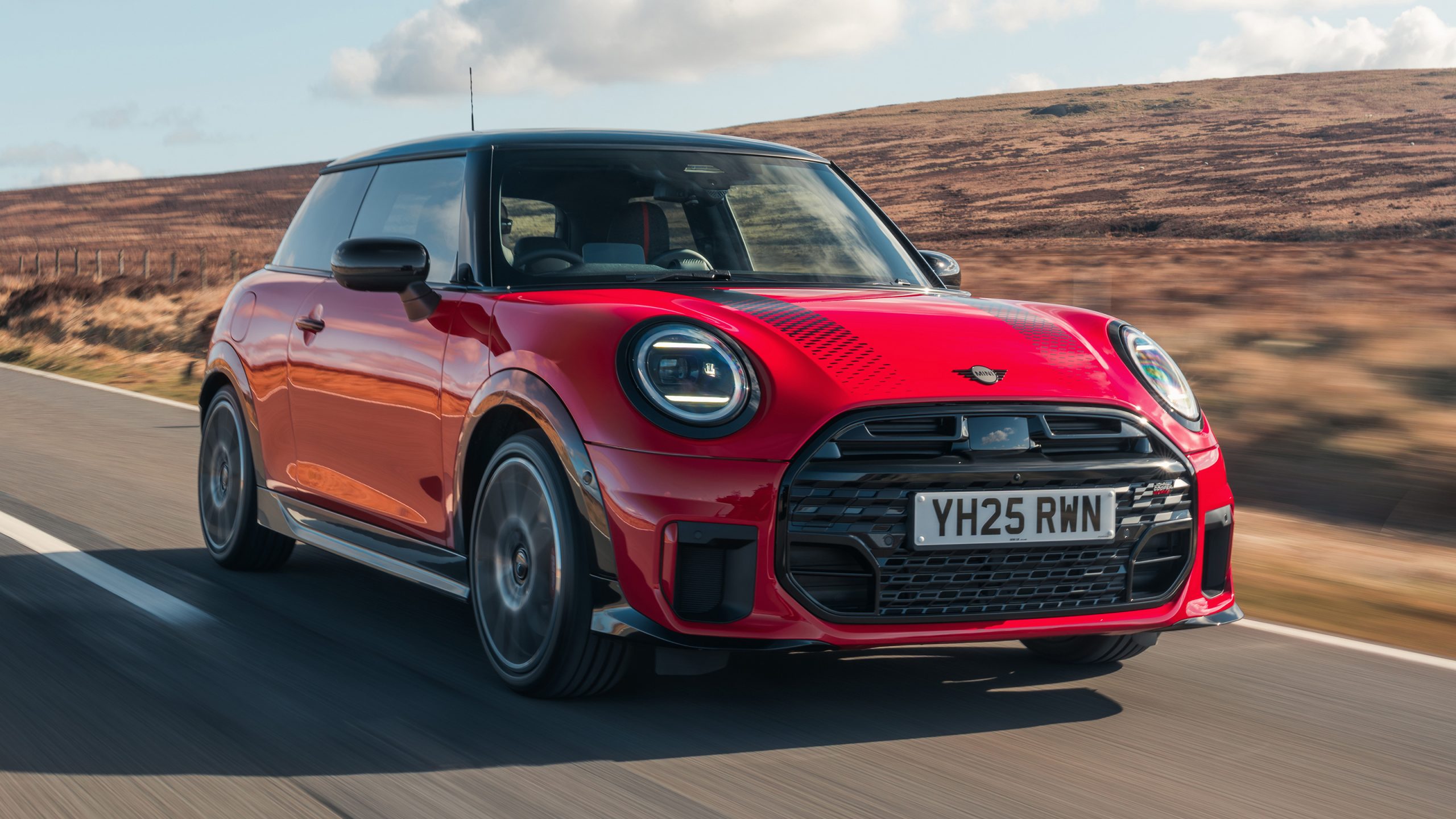
This arrangement allowed the Mini to dedicate nearly 80 percent of its footprint to passengers and luggage. Despite being only about 10 feet long, the car could carry four adults comfortably. The front-wheel-drive system also improved traction because the heavy drivetrain was positioned directly above the driven wheels.
The Mini’s unusual layout provided another unexpected advantage: excellent handling. The short wheelbase, low center of gravity, and front-wheel-drive configuration made it extremely agile. This helped the Mini become successful in motorsport, including victories at the famous Monte Carlo Rally.
- Engine: 1.275-liter inline-4
- Horsepower: Approximately 76 hp
- Torque: Approximately 79 lb-ft
- Length: Approximately 120 inches
- Width: Approximately 56 inches
The Mini’s engine arrangement became the foundation for nearly every modern small front-wheel-drive vehicle. Today, millions of compact cars use a similar transverse engine layout because it provides excellent interior space efficiency.
What began as a solution to a practical problem became one of the most important engineering breakthroughs in automotive history. The Mini proved that sometimes the best way to create more space is to completely rethink where the engine belongs.
5. Volkswagen Type 2
The Volkswagen Type 2, commonly known as the Volkswagen Bus or Microbus, used one of the most recognizable unusual engine layouts ever created. Instead of placing the engine in the front like most commercial vehicles, Volkswagen placed the engine at the rear.
The reason was simple: maximum usable space. Vans are designed around carrying people or cargo, and a front-mounted engine would reduce the available interior area. By moving the engine behind the rear axle, Volkswagen created a large, open cabin with a completely flat front section.
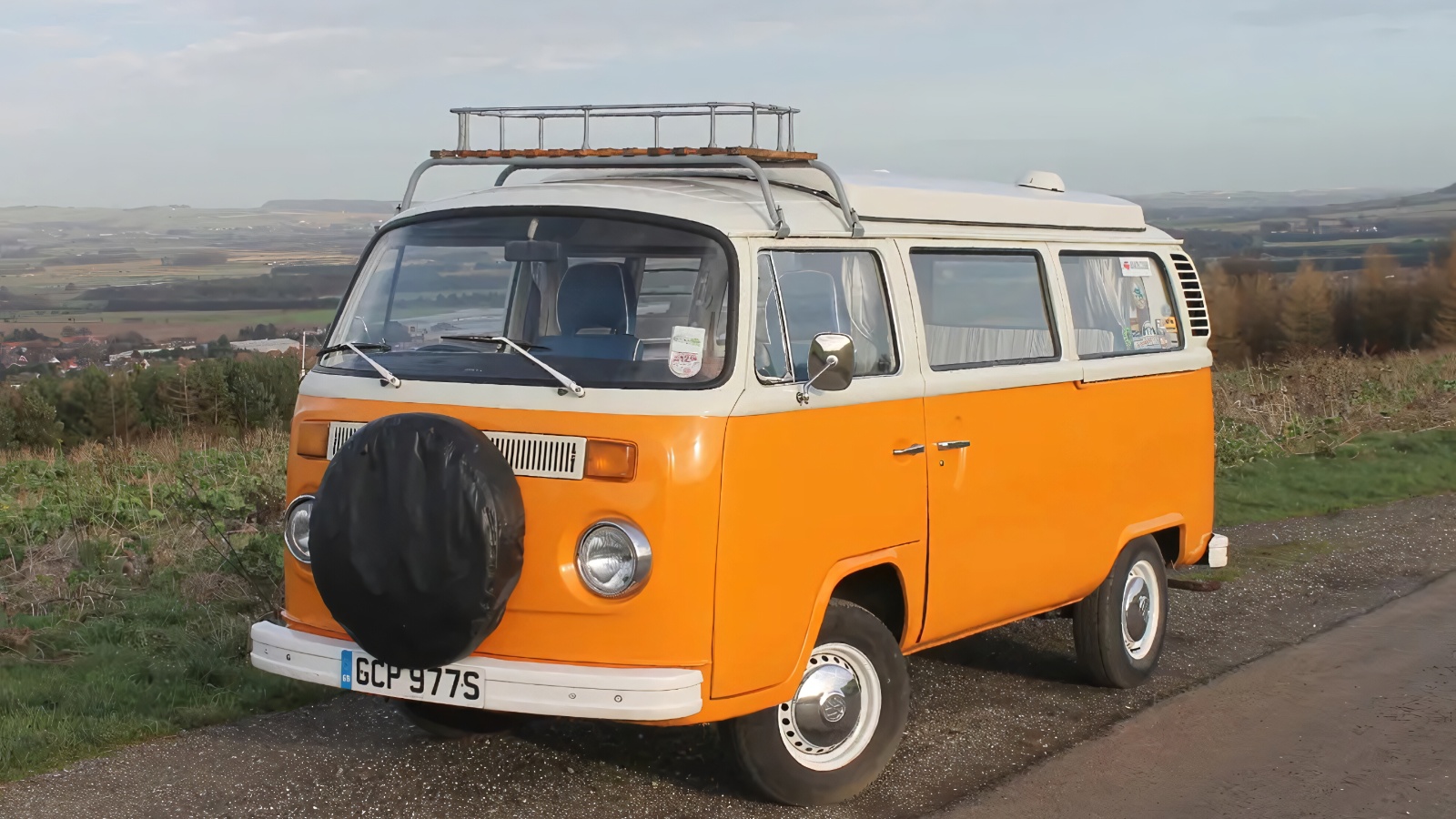
The rear-engine layout was inspired by the mechanical philosophy of the Volkswagen Beetle. The compact air-cooled flat-four engine required no radiator, which allowed Volkswagen to create a simple and durable powertrain package. The engine, transmission, and final drive were combined into one compact rear assembly.
This arrangement provided several benefits. The absence of a driveshaft allowed a lower floor, making loading easier. The weight over the rear wheels also improved traction, especially when the vehicle was carrying passengers or cargo.
However, the design also introduced unique handling characteristics. Because much of the vehicle’s weight was concentrated at the rear, drivers needed to be careful during high-speed cornering. Sudden throttle changes could create oversteer because the rear wheels carried so much weight.
Despite these limitations, the layout was perfect for the vehicle’s intended purpose. The Volkswagen Bus became popular worldwide as a delivery vehicle, camper, family transporter, and cultural icon.
- Engine: 1.1-liter air-cooled flat-four
- Horsepower: Approximately 25 hp
- Torque: Approximately 50 lb-ft
- Length: Approximately 168 inches
- Width: Approximately 67 inches
The Volkswagen Type 2 demonstrated that placing an engine in an unusual location could completely transform vehicle design. Its packaging efficiency allowed a small mechanical footprint to create a highly practical vehicle.
The same basic philosophy continues today in specialized vehicles where maximizing interior volume is more important than following traditional layouts.
Also read: 10 Cars That Cannot Be Driven During a System Update
6. Renault 5 Turbo
The Renault 5 Turbo is one of the most dramatic examples of an engine being moved backward for performance reasons. Unlike the standard Renault 5 economy hatchback, which used a front-mounted engine driving the front wheels, the Turbo version was transformed into a mid-engine rear-wheel-drive machine.
Renault developed the 5 Turbo to compete in international rally competition, where manufacturers needed extreme performance from compact vehicles. The original front-wheel-drive layout was practical but limited in how much power could be effectively transferred to the road.
Engineers decided on a radical solution: remove the rear seats and place the engine behind the driver. This completely changed the vehicle’s mechanical character. The engine was rotated into a different orientation, and the drivetrain was redesigned to send power to the rear wheels.
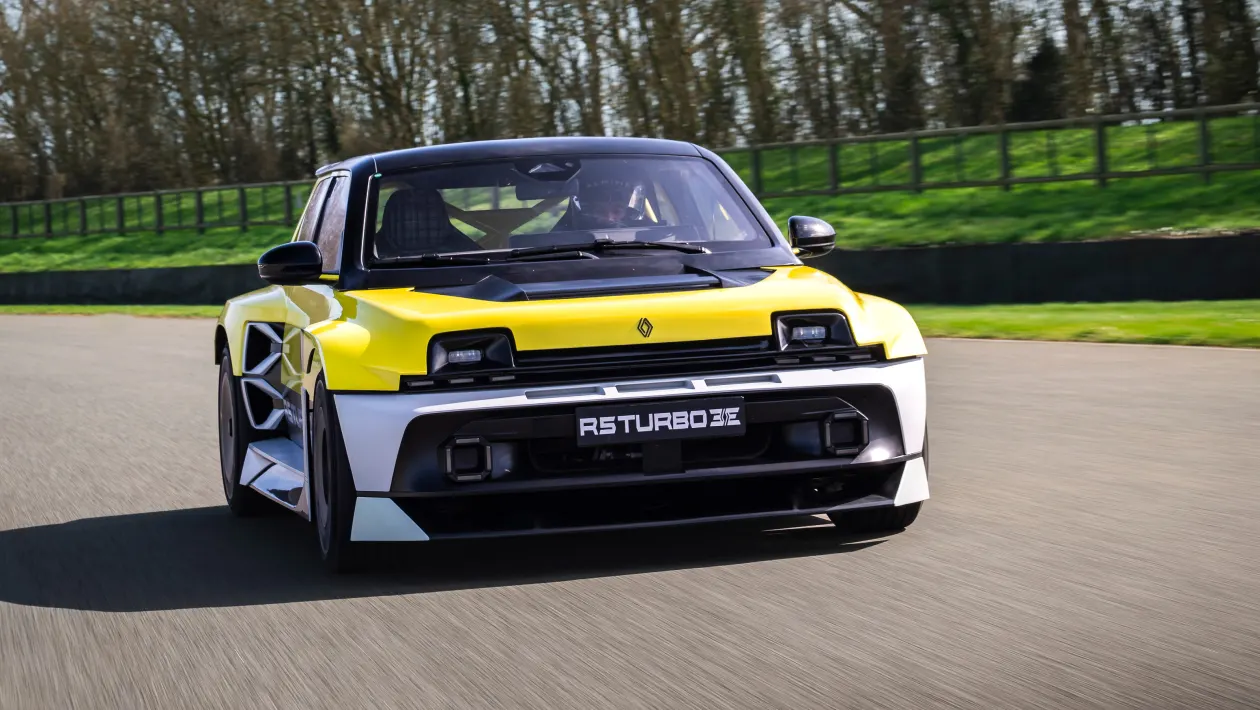
The mid-engine arrangement dramatically improved weight distribution. Instead of having most of the vehicle’s weight concentrated at the front, the Renault 5 Turbo carried its mass closer to the center of the car. This allowed quicker direction changes, better cornering balance, and improved traction under acceleration.
The turbocharged engine also gave the small hatchback serious performance. The wide rear fenders were necessary to accommodate the larger tires and mechanical components required by the new layout.
- Engine: 1.4-liter turbocharged inline-4
- Horsepower: Approximately 160 hp (road version)
- Torque: Approximately 163 lb-ft
- Length: Approximately 139 inches
- Width: Approximately 67 inches
By relocating the engine behind the driver, the Renault 5 Turbo turned a modest compact car into a true high-performance machine. Every aspect of its unusual design focused on enhancing performance rather than prioritizing comfort or practicality.
Today, it remains one of the most celebrated examples of a manufacturer completely redesigning a vehicle around an unconventional engine location.
7. Lamborghini Miura
The Lamborghini Miura changed the world of high-performance automobiles. Before the Miura, many exotic sports cars used front-engine layouts. Lamborghini engineers decided that placing the engine behind the driver would provide superior balance and handling.
The challenge was fitting a powerful V12 engine into a relatively compact sports car. Instead of mounting the engine longitudinally like later supercars, Lamborghini installed the V12 transversely. The engine, transmission, and differential were combined into a compact assembly positioned behind the cockpit.
This arrangement was unusual because it placed the engine sideways, similar to small front-wheel-drive cars, but in a high-performance mid-engine application. The result was a shorter wheelbase and excellent weight distribution.
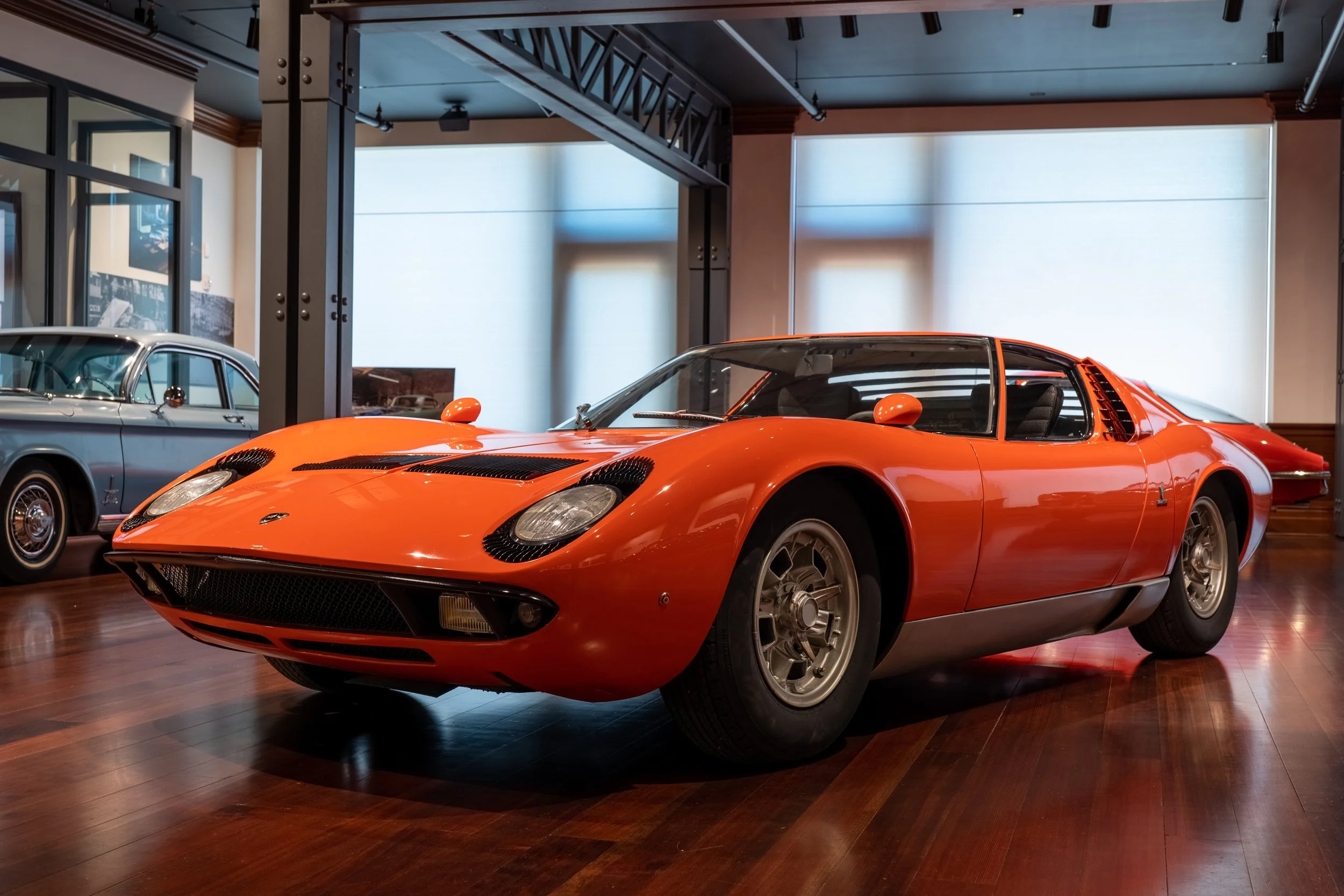
The Miura’s layout allowed the car to corner at much higher speeds than traditional front-engine designs. With the engine located near the center of the vehicle, weight transfer was reduced, creating a more balanced driving experience.
- Engine: 3.9-liter naturally aspirated V12
- Horsepower: Approximately 350 hp
- Torque: Approximately 265 lb-ft
- Length: Approximately 174 inches
- Width: Approximately 69 inches
The Miura established the basic formula followed by many modern supercars: engine behind the driver, driven wheels at the rear, and weight concentrated near the center.
The unconventional engine layout was more than a simple design solution because it created the foundation for a completely new type of performance car.
8. Maserati Bora
The Maserati Bora represented Maserati’s transition into the era of mid-engine exotic cars. While the company was famous for powerful front-engine grand tourers, changing performance expectations encouraged Maserati to explore a more advanced layout.
The Bora placed its V8 engine behind the driver and ahead of the rear axle. This created a mid-engine configuration designed to improve weight distribution and high-speed stability.
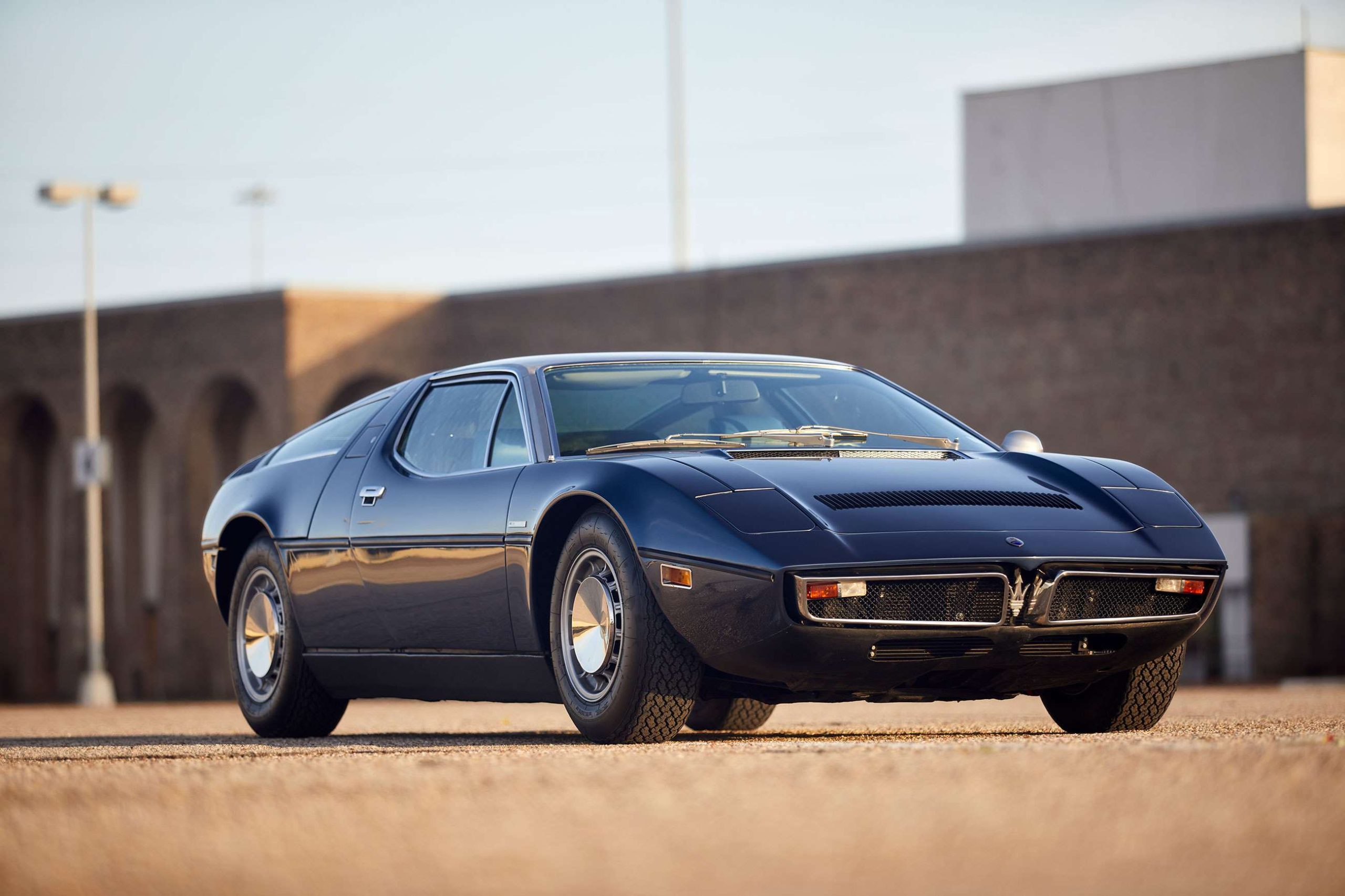
Unlike traditional grand touring cars where a heavy engine sat far ahead of the cabin, the Bora concentrated mass closer to the vehicle’s center. This improved handling response and reduced the tendency toward understeer.
The design also provided a more sophisticated driving experience. The Bora combined Italian performance engineering with luxury features, including a comfortable interior and improved refinement compared with many race-inspired competitors.
- Engine: 4.7-liter or 4.9-liter naturally aspirated V8
- Horsepower: Approximately 310–320 hp
- Torque: Approximately 325 lb-ft
- Length: Approximately 174 inches
- Width: Approximately 70 inches
The Maserati Bora demonstrated that unusual engine placement was not limited to racing cars. It showed that a mid-engine layout could provide both performance and luxury.
Also read: 10 Cars With Water Pumps Buried Behind the Timing Cover