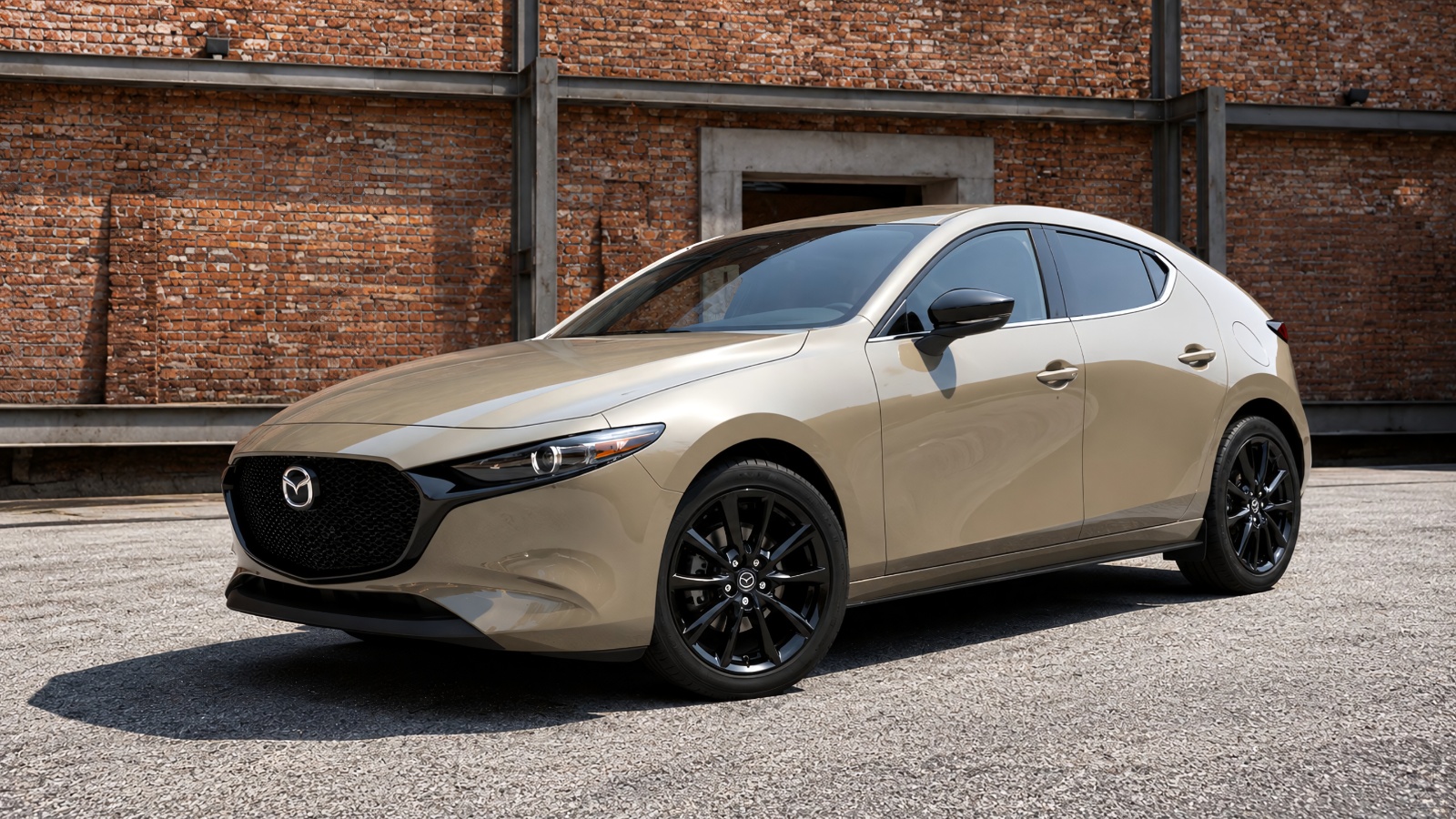
Mazda has introduced its next-generation hybrid powertrain, revealing a new electrified system that promises significantly improved fuel efficiency, lower emissions, and enhanced full performance while preserving the engaging driving characteristics that have long defined the Japanese automaker.
The new technology will gradually be introduced across several global models over the next two years, marking an important milestone in Mazda’s long-term electrification strategy.
The announcement comes as hybrid vehicles continue experiencing strong demand worldwide. While battery-electric vehicles remain central to the automotive industry’s future, many consumers are increasingly choosing hybrids because they offer improved fuel economy and reduced emissions without requiring charging infrastructure.
Automakers have responded by accelerating investment in advanced hybrid systems capable of delivering greater efficiency while maintaining the driving experience customers expect.
According to the Mazda Newsroom and Autocar, Mazda’s newly developed hybrid system has been engineered to improve thermal efficiency, optimize energy management, and reduce fuel consumption while retaining the responsive handling and smooth power delivery associated with the brand.
Rather than completely redefining its engineering philosophy, Mazda says the new hybrid technology builds upon its long-standing commitment to delivering vehicles that combine efficiency with driver engagement.
The company believes the new powertrain will play a central role in meeting increasingly strict emissions regulations across global markets while giving customers another practical alternative as the automotive industry transitions toward greater electrification.
Also Read: Every SUV Losing Its Third Row for 2027
A New Generation of Hybrid Engineering
Unlike previous hybrid systems that were developed through partnerships on certain models, Mazda’s latest technology represents a significant step toward expanding its own electrification capabilities.
According to Mazda, the new hybrid system has been designed to operate more efficiently across a wider range of driving conditions. Engineers focused on improving the interaction between the gasoline engine, electric motor, battery pack, and power management software to maximize fuel savings while maintaining smooth acceleration and responsive performance.
One of the primary objectives was increasing full thermal efficiency. By improving how the gasoline engine converts fuel into usable energy, Mazda expects the hybrid system to consume less fuel while producing lower carbon dioxide emissions.
The company has not yet released complete technical specifications, but executives indicated that improvements extend beyond the powertrain itself.
Updated control software continuously determines the most efficient balance between gasoline and electric power, allowing the system to adapt more effectively to changing traffic conditions, driving styles, and road gradients.
According to the Mazda Newsroom, the hybrid system has also been engineered with long-term durability and reliability in mind, ensuring that improved efficiency does not come at the expense of everyday usability or ownership confidence.
Industry analysts note that modern hybrid systems have become considerably more sophisticated over the past decade.
Faster electronic control units, improved battery chemistry, and more advanced regenerative braking allow today’s hybrids to operate more efficiently than earlier generations while providing smoother transitions between electric and gasoline power.
Balancing Efficiency With Mazda’s Driving Philosophy
Mazda has consistently distinguished itself from many competitors by emphasizing driving enjoyment alongside efficiency, and the company says the new hybrid system has been developed with that philosophy firmly in mind.
According to Autocar, Mazda engineers sought to ensure that electrification enhances rather than diminishes the vehicle’s driving characteristics. Instead of prioritizing maximum electric operation at the expense of responsiveness, the system has been calibrated to deliver natural throttle response, predictable acceleration, and smooth power delivery.
This approach reflects Mazda’s long-standing “Jinba Ittai” philosophy, a concept describing the sense of harmony between driver and vehicle. The company believes electrification should support that relationship by making vehicles more refined and efficient without sacrificing steering feel, handling balance, or full driver confidence.
The hybrid system is also expected to work alongside Mazda’s Skyactiv technologies, which have focused on maximizing engine efficiency through advanced combustion, lightweight construction, and optimized vehicle dynamics.
Combining these engineering principles with modern hybrid technology allows Mazda to pursue emissions reductions while maintaining the driving experience that has become a hallmark of its vehicles.
The company confirmed that the new hybrid powertrain will gradually appear across multiple global models during the next two years.
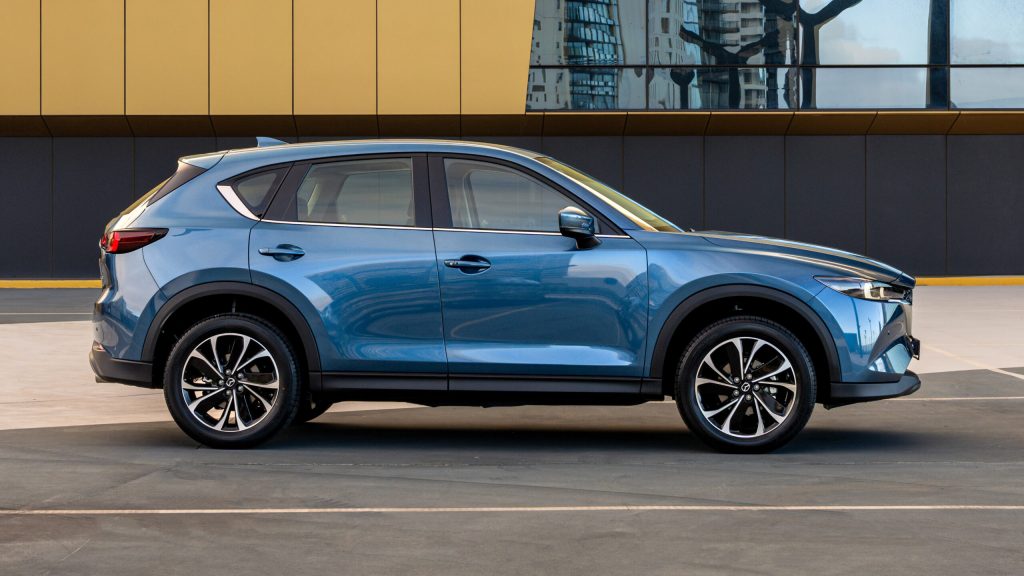
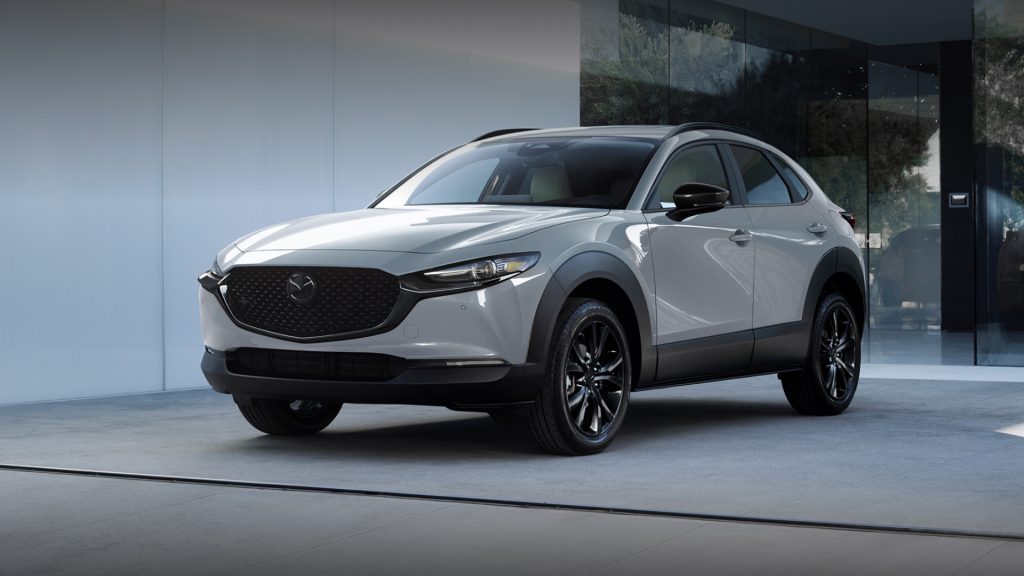
While specific vehicles have not yet been announced, industry observers expect the technology to be introduced first in high-volume products such as the CX-5, CX-30, Mazda3, and potentially future crossover models.
Introducing the system across several vehicle categories allows Mazda to reduce fleet-wide emissions while responding to growing consumer demand for electrified vehicles in different market segments.
Supporting Mazda’s Broader Electrification Strategy
The new hybrid powertrain forms part of Mazda’s wider strategy to balance multiple propulsion technologies as the global automotive industry evolves.
Rather than focusing exclusively on battery-electric vehicles, Mazda continues pursuing what it describes as a multi-solution approach that includes highly efficient gasoline engines, hybrids, plug-in hybrids, battery-electric vehicles, and future technologies tailored to different regional markets.
According to the Mazda Newsroom, customer needs continue to vary significantly depending on geography, infrastructure, and driving habits. Hybrid technology therefore represents an important bridge between conventional internal combustion engines and fully electric vehicles, particularly in markets where public charging infrastructure remains limited.
This strategy mirrors the approach taken by several major global manufacturers that continue investing in hybrids even as they expand their battery-electric portfolios.
Reuters has recently reported that companies including Toyota and Honda are increasing hybrid production because consumer demand continues exceeding expectations in key markets such as North America and Europe.
Mazda’s latest investment also reflects tightening emissions regulations around the world. Governments across Europe, North America, and Asia continue introducing stricter fuel economy and carbon dioxide standards, encouraging manufacturers to improve efficiency across their vehicle lineups.
Advanced hybrid technology allows automakers to achieve meaningful emissions reductions while maintaining flexibility during the industry’s transition toward greater electrification.
Competition within the hybrid segment has intensified considerably in recent years. Toyota remains the global leader after selling millions of hybrid vehicles over nearly three decades, while Honda, Hyundai, Kia, Ford, Renault, and Stellantis have all introduced increasingly sophisticated hybrid systems across multiple vehicle categories.
For Mazda, differentiation will depend not only on efficiency but also on preserving the driving dynamics that have consistently distinguished its vehicles from many competitors.
By combining improved fuel economy with responsive performance and refined handling, the company hopes to appeal to customers seeking an electrified vehicle that remains enjoyable to drive.
According to Autocar, additional technical details regarding battery capacity, electric motor output, fuel economy ratings, and production models will be released closer to the first vehicle launches.
Those announcements are expected to provide a clearer understanding of how Mazda’s latest hybrid system compares with competing technologies already available in the marketplace.
The introduction of the next-generation hybrid powertrain demonstrates that Mazda views electrification as an opportunity to enhance rather than replace its engineering identity.
By improving efficiency, reducing emissions, and expanding hybrid availability while maintaining the driving characteristics that have defined the brand for decades, the company is positioning itself to compete more effectively in a market where consumers increasingly expect both sustainability and engaging performance.
As hybrid demand continues growing alongside broader electrification efforts, Mazda’s latest technology represents an important step toward balancing environmental responsibility with the enjoyable driving experience that remains central to the brand’s global reputation.