
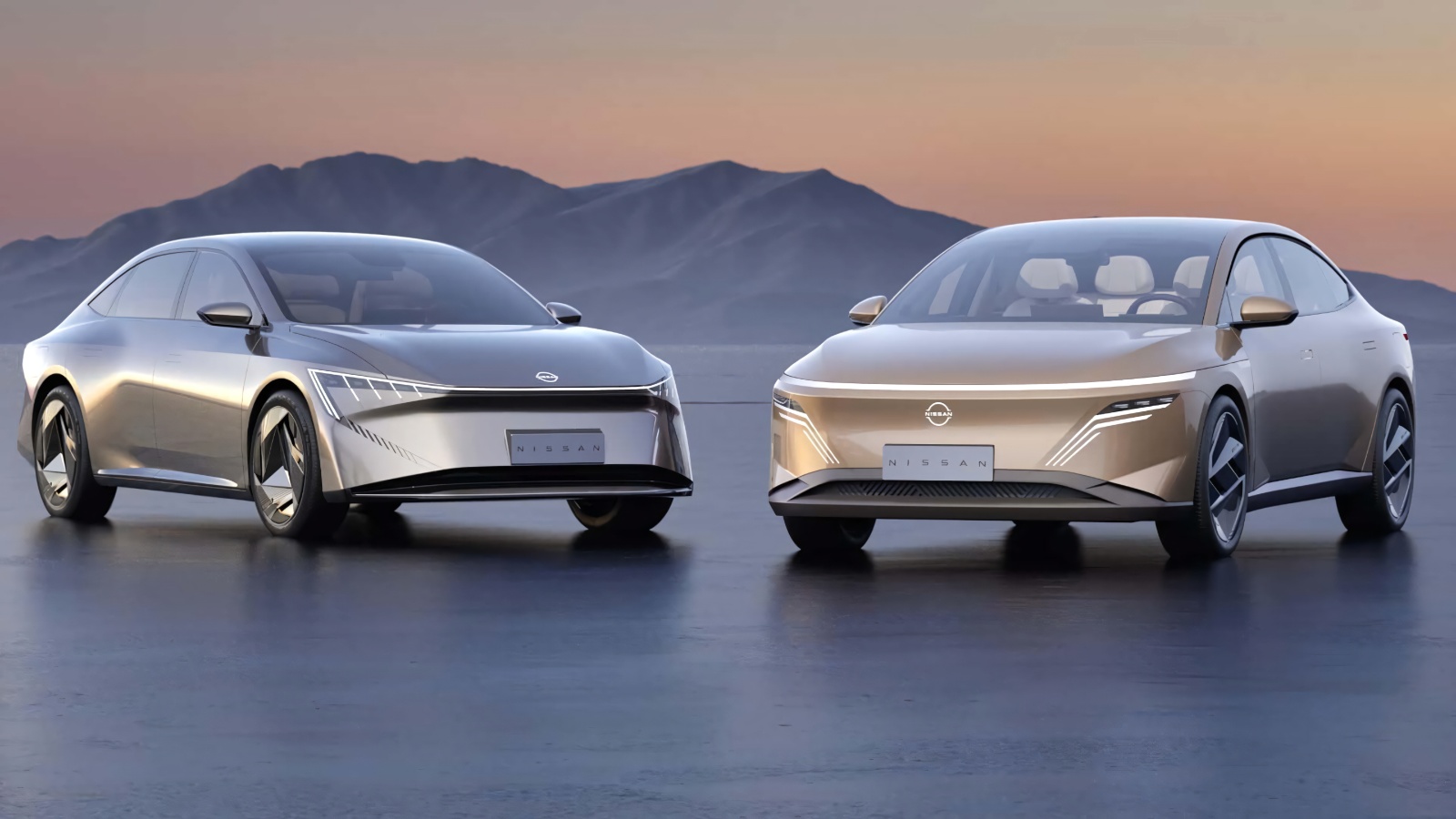
The 2028 model year remains far enough away that the word “confirmed” must be used carefully. Automakers rarely release complete product calendars two years in advance, and several vehicles on this list are known through prototypes, manufacturing reports, supplier information, or heavily camouflaged test cars rather than official production specifications. The entries therefore distinguish between fully revealed vehicles, strongly reported redesigns, and programs whose timing remains less certain.
These changes are expected to involve much more than new headlights and body panels. The next generation of everyday vehicles will increasingly rely on hybrid powertrains, centralized software, updated driver-assistance technology, lighter platforms, and architectures designed to make electrification less expensive. As of August 3, 2026, the following eight vehicles have some of the strongest evidence connecting them with substantial changes during the 2028 timeframe.
1. Toyota Corolla
Few concept cars carry as much real-world importance as one wearing the Corolla name. Toyota offered the clearest indication of the model’s future when it displayed the Corolla Concept at the 2025 Japan Mobility Show. Confidence that a next-generation Corolla will arrive around the 2028 model year is high, although Toyota has not confirmed the launch date, production design, powertrain lineup, or availability in individual markets.
The concept moves dramatically away from the current Corolla’s conservative proportions. It features a low nose, sharply angled windshield, wide stance, fastback-like roofline, and simplified lighting. Toyota presented the car as an expression of its “to you” philosophy, emphasizing the Corolla’s ability to adapt to different customers and markets. However, the company did not say how closely the eventual production model would resemble the show vehicle.
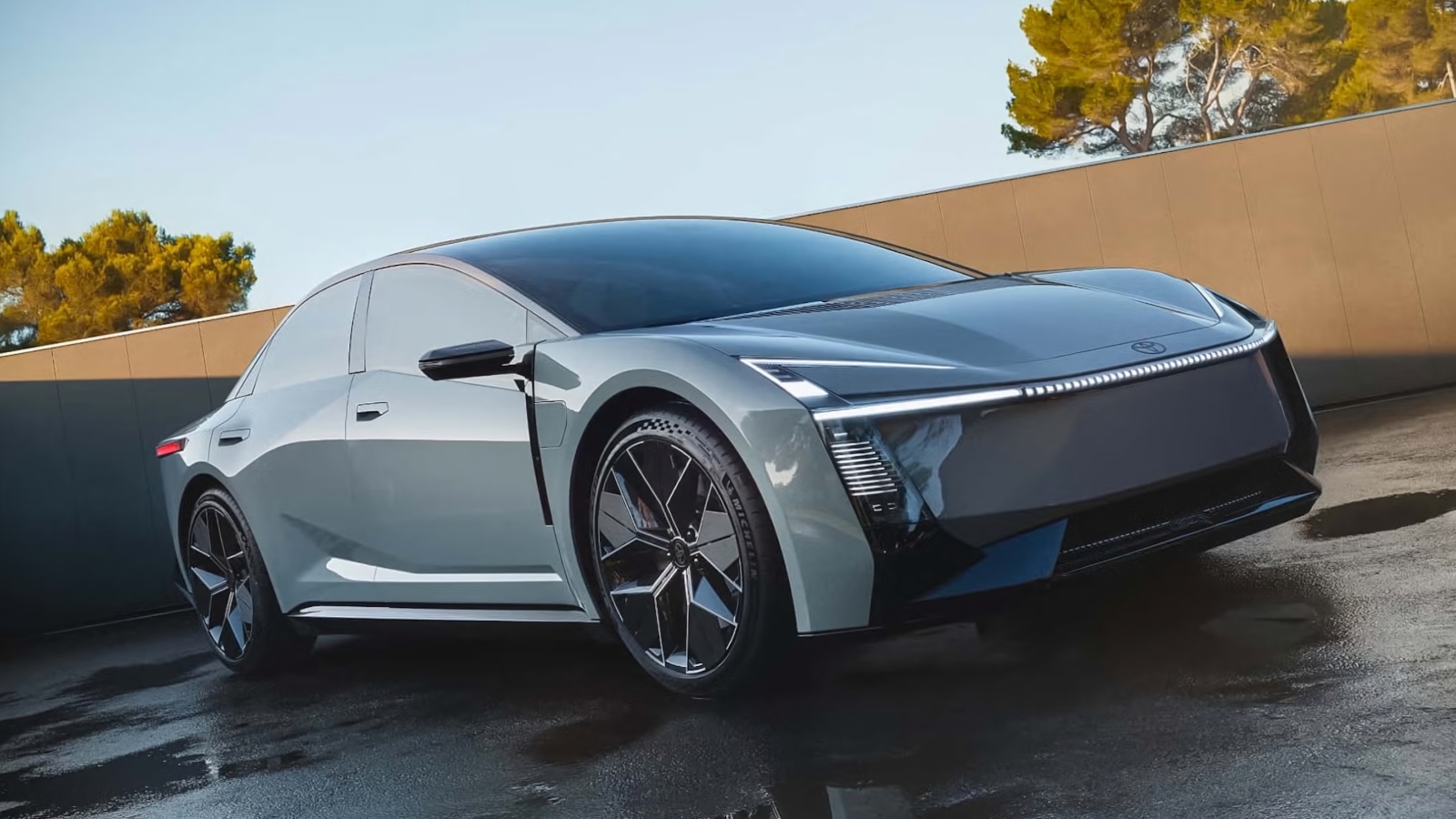
Independent reporting points to the 2028 model year for the thirteenth-generation Corolla. The schedule is believable because the current E210 generation first appeared globally in 2018 and has since received several updates rather than a complete replacement.
A new generation would allow Toyota to modernize one of its highest-volume platforms while preserving the qualities that make the Corolla successful: affordability, efficiency, durability, and low ownership costs.
Its powertrain strategy may ultimately matter more than its appearance. Toyota presented the concept as capable of supporting several propulsion systems, while the company is also expanding hybrid and plug-in-hybrid production through 2028.
The next Corolla could therefore continue with conventional hybrid options while potentially adding a plug-in version or an electric derivative in selected markets. None of those possibilities has been officially confirmed for North America.
Inside, the redesign will likely introduce a cleaner digital layout, improved packaging, upgraded safety software, and better connectivity. Toyota must avoid making the Corolla unnecessarily expensive or complicated because it remains an entry point into the brand for millions of buyers.
The likely result is a vehicle that looks significantly more adventurous while retaining familiar ownership priorities underneath. Among all the redesigns on this list, the Corolla has perhaps the greatest opportunity to bring futuristic styling and electrified technology into the mainstream.
2. Honda Civic – A Lighter, More Hybrid-Focused Generation
A reported production date provides unusually strong evidence for the Civic’s next chapter. Reuters reported that Honda plans to begin manufacturing the next-generation Civic in Indiana in May 2028 after the program had previously been associated with Mexico and a late-2027 production start. Confidence that a new generation is coming is therefore high, although the exact launch date and model-year designation may differ between countries.
Honda has not revealed the production car, but its broader engineering roadmap offers clues about what buyers may receive. The company is developing a renewed midsize platform for future hybrid vehicles, targeting approximately 10 percent lower weight, greater structural rigidity, and increased component sharing.
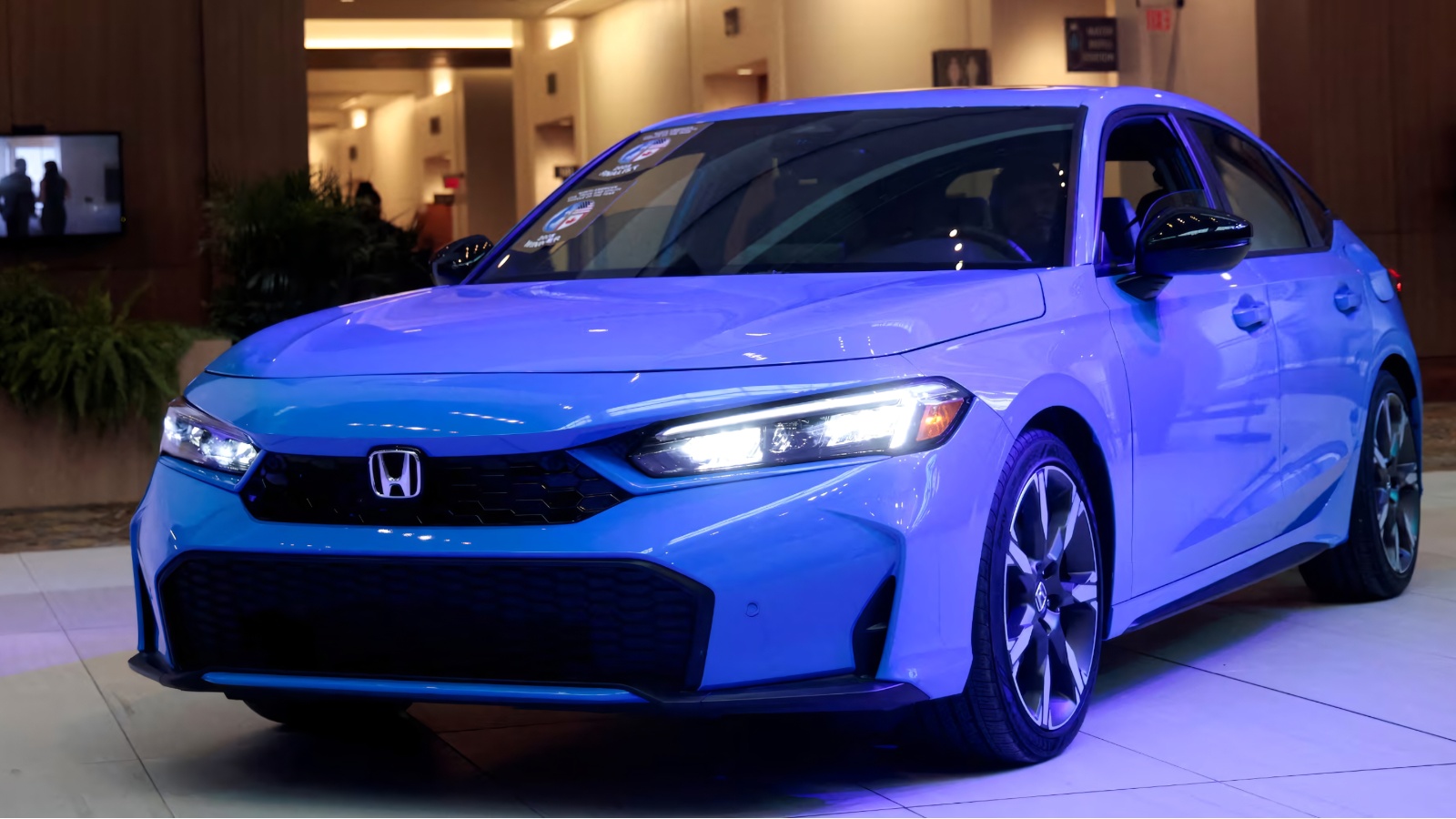
Honda is also working on new 1.5-liter and 2.0-liter Atkinson-cycle engines, updated two-motor hybrid systems, electric all-wheel drive, and next-generation driver-assistance technology. Several of those developments are scheduled to begin appearing around 2027 and 2028.
For the Civic, these changes are likely to produce evolution rather than a radical departure. The current generation already offers strong interior space, impressive efficiency, composed handling, and a level of refinement that stands out in the affordable compact segment. Honda has little reason to discard that formula.
The new model may instead receive sharper bodywork, improved aerodynamics, better outward visibility, reduced mass, and a greater emphasis on hybrid power. Honda’s current investment strategy suggests that hybrid models could become more central to the Civic range rather than remaining secondary alternatives.
The interior should also become more software-focused. Larger displays, quicker processing, improved over-the-air capability, and more advanced assistance systems are likely. Honda may nevertheless retain physical controls for commonly used features to preserve ease of operation.
Performance versions remain uncertain. Another Civic Si would be a logical continuation, but Honda has announced neither specifications nor a launch plan. The future of the Civic Type R is even less certain and should not be treated as guaranteed.
If Honda meets its weight, rigidity, and efficiency targets, the next Civic could become more refined without losing its responsive character. Its success will depend on whether Honda can introduce new technology while keeping the vehicle recognizable, practical, and reasonably priced.
3. Hyundai Elantra – The Compact Sedan Turns Sharper Again
Heavy camouflage can hide styling details, but it cannot hide the fact that Hyundai is testing an extensively redesigned Elantra. Prototypes have been photographed in Austria and California, making the next generation one of the more strongly supported entries on this list. Confidence that an eighth-generation model is approaching is high, although Hyundai has not officially confirmed that it will be sold as a 2028 model.
Car and Driver reports that the new Elantra could debut during 2027 and carry a 2028 model-year designation in North America. That schedule fits the normal product cycle because the current seventh-generation Elantra arrived for the 2021 model year.
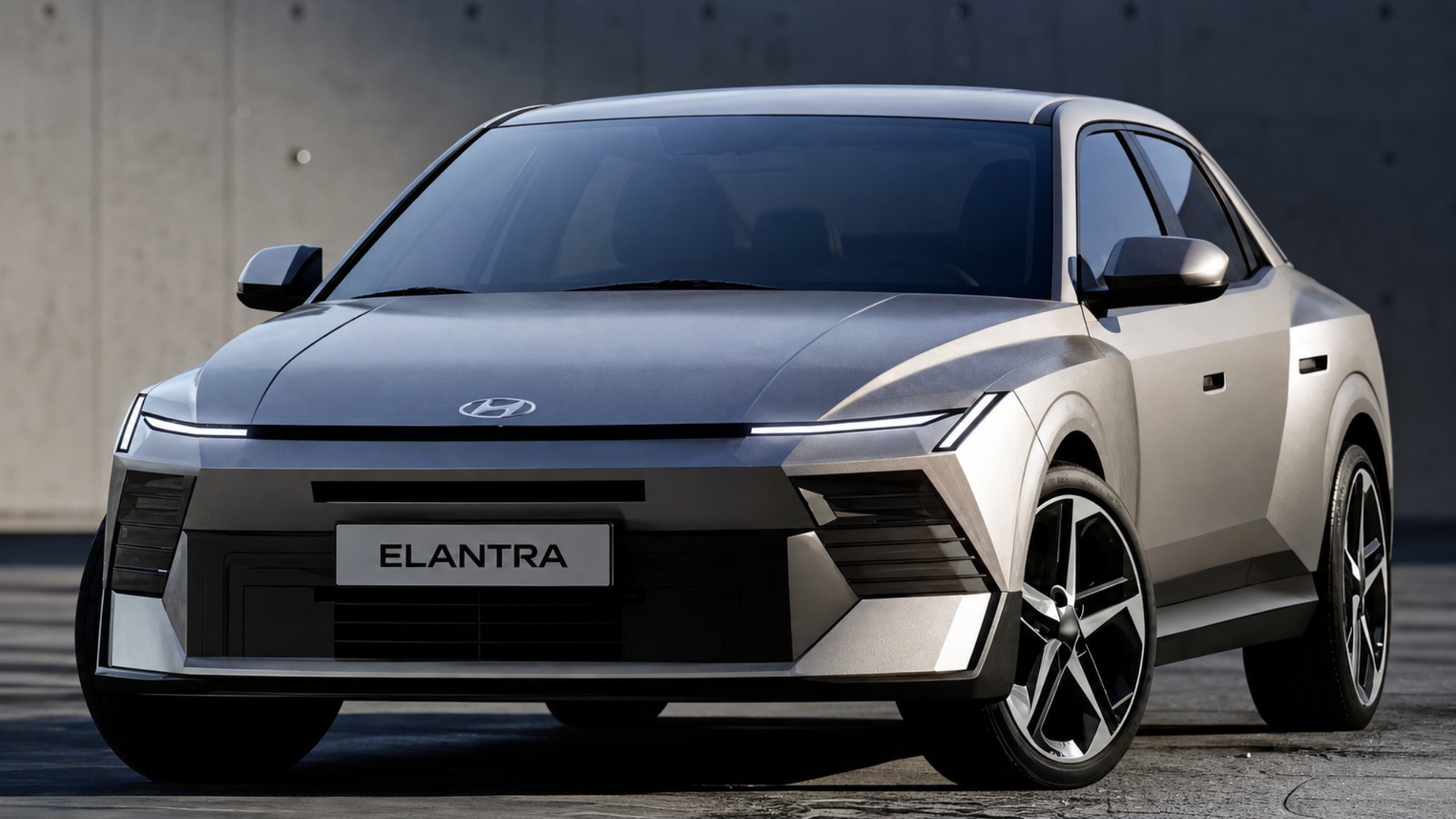
Even under camouflage, the prototypes reveal meaningful changes. The front appears more upright and technical, with a strong horizontal lighting element and more pronounced fenders. The rear pillar has been reshaped, while the taillights seem to combine vertical sections with a thin connecting light bar.
These details appear consistent with Hyundai’s developing “Art of Steel” design language. Instead of relying on the current Elantra’s dramatic triangular creases, the new style emphasizes structural tension, sharper edges, and more solid-looking body surfaces.
Technology could change just as significantly as the exterior. Reports connect the upcoming Elantra with Hyundai’s Pleos software ecosystem, which is intended to support centralized electronic controls, larger displays, improved connectivity, and quicker software updates. Hyundai has not confirmed the final hardware, available services, or whether certain features will require subscriptions.
The powertrain lineup also remains incomplete. A conventional four-cylinder engine is expected to remain available to keep the entry price competitive. A hybrid version should also return as Hyundai expands its electrified range.
Enthusiasts will be watching the N Line and Elantra N. Hyundai has not released official plans, but current reporting suggests that a new Elantra N could continue with wider bodywork and a more aggressive interpretation of the standard sedan.
Despite the attention surrounding performance and software, the redesign will still be judged on practical qualities. Rear-seat space, visibility, fuel economy, insurance costs, intuitive controls, and pricing will determine whether Hyundai can maintain the Elantra’s reputation for strong value.
4. Hyundai Tucson – A Boxier, Software-Defined Family Crossover
The next Tucson appears to be trading visual complexity for a more upright and rugged shape. Camouflaged prototypes show a squarer front, a flatter beltline, a straighter roof, and a substantially reworked rear. Confidence in a generational redesign arriving during the 2027-to-2028 period is medium-high, although Hyundai has not announced the official launch schedule or model-year designation.
At the rear, the license plate appears to move lower into the bumper, while vertical lighting elements may be connected by a narrow horizontal strip. These changes suggest that the new Tucson will move away from the current model’s intricate geometric surfaces and hidden lighting details.
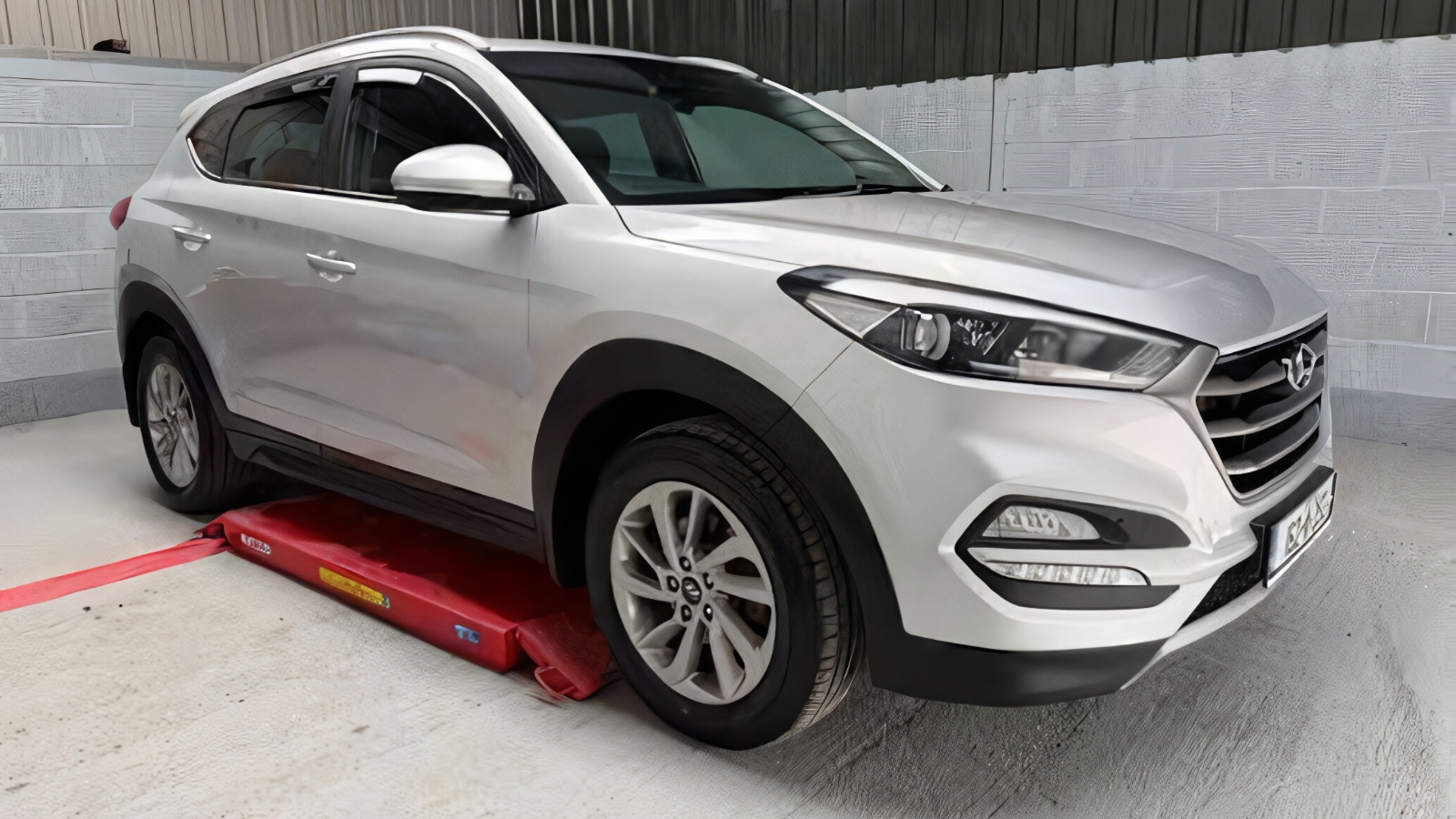
The replacement seems to borrow some visual confidence from the larger Hyundai Santa Fe, although it does not appear to be a simple scaled-down copy. Its straighter roof and more upright proportions could improve perceived space and cargo practicality. Final measurements, however, have not been released.
The cabin may receive an even more dramatic transformation. Spy photographs and industry reports suggest that Hyundai’s Pleos Connect interface could become a central feature of the dashboard. The platform is designed to support integrated navigation, connected services, app-like functions, voice features, and faster software updates.
Production details remain unknown. Screen sizes, physical controls, subscription requirements, and standard features may differ significantly depending on country and trim level.
Electrification is expected to remain a major part of the Tucson’s identity. The current vehicle is sold with gasoline, hybrid, and plug-in-hybrid configurations in different markets, and the replacement is widely expected to continue emphasizing hybrid technology.
Greater power, improved efficiency, and longer periods of electric-only operation would be reasonable development goals. No final engine output, battery capacity, electric range, or fuel-economy rating has been confirmed.
The Tucson competes in one of the most demanding parts of the market against the Toyota RAV4, Honda CR-V, Nissan Rogue, and Kia Sportage. Its new technology may attract attention, but comfort, passenger space, reliability, cargo usefulness, and pricing will decide whether it remains competitive.
Also read: 5 Cars With the Highest Theft Rates in Missouri, 5 With the Lowest
5. Kia Sportage – A More Upright Rival to the Tucson
Sharing corporate engineering with Hyundai does not mean the Sportage can afford to look or feel identical to the Tucson. Kia appears to be addressing that challenge with a next-generation Sportage that adopts a taller, flatter, and more architectural design. Confidence in a redesign around the 2028 model year is medium-high because a heavily disguised prototype has already been photographed, although Kia has not confirmed the timing.
The prototype shows a broad grille, split lighting, thicker fender treatment, and a more linear side profile. At the rear, the lighting elements appear separated, while the license plate has been moved lower.
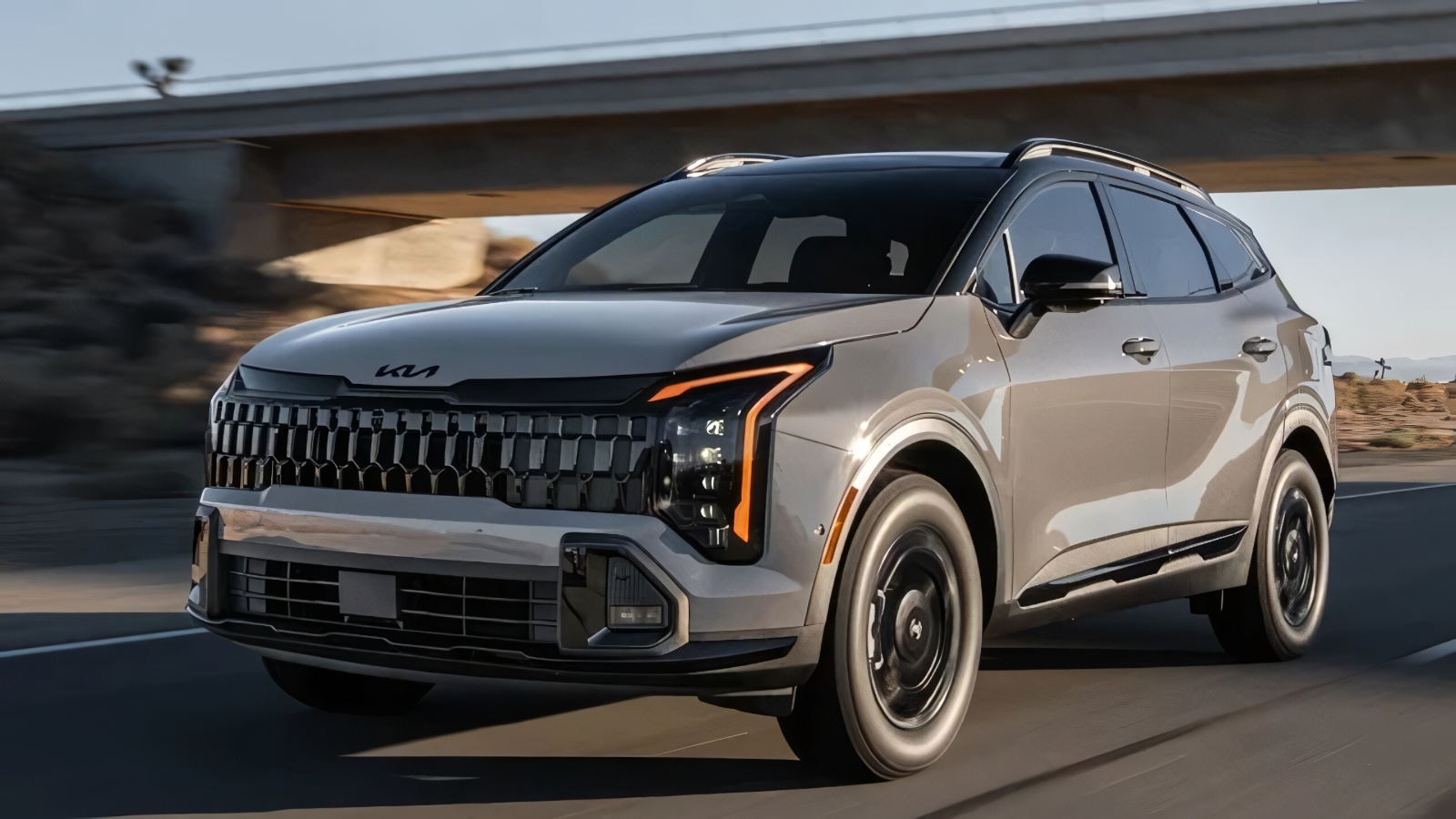
That represents a major visual shift from the current Sportage. Today’s model uses curved surfaces, boomerang-shaped daytime running lights, and swept-back styling to create a futuristic appearance. The replacement seems more rugged and upright, reflecting a direction Kia has increasingly adopted on its newer vehicles.
The cabin may introduce technology shared with the wider Hyundai Motor Group. The prototype reportedly includes a Pleos Connect display, indicating that Kia could use the group’s developing software architecture.
Such a system could provide faster processing, improved voice commands, connected navigation, downloadable features, and more consistent digital services. Kia has not shown the production interior, so the number of physical audio and climate controls remains unknown.
The powertrain range is expected to remain closely related to that of the Tucson. Hybrid and plug-in-hybrid versions are likely, potentially offering better performance and efficiency than the current models.
A conventional gasoline engine may remain available because electrified versions can still carry a significant price premium. No official horsepower figure, battery capacity, electric range, towing rating, or fuel-economy estimate has been published.
The redesigned Sportage will need to stand apart through styling, driving character, equipment, warranty coverage, and pricing. Its shared engineering can reduce costs, but Kia must still give customers a clear reason to select it instead of the Tucson.
Daily considerations such as seating comfort, cargo flexibility, outward visibility, and control simplicity will remain more important than software demonstrations or dramatic lighting signatures.
6. Mercedes-Benz GLA – The Fully Revealed 2028 Redesign
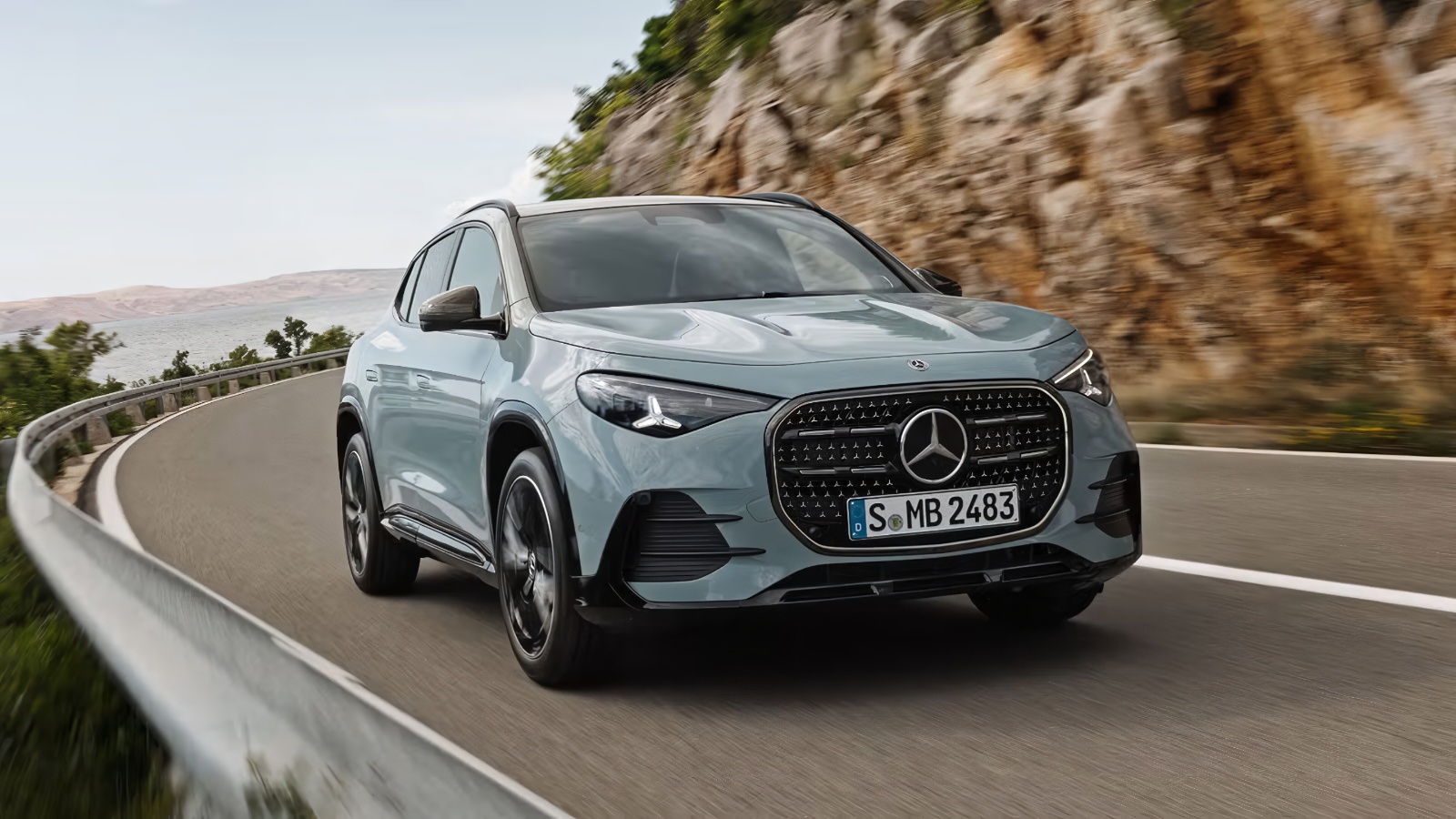
There is no need to rely on spy photographs or production rumors for the next Mercedes-Benz GLA. The third-generation compact crossover has already been revealed, making confidence in the redesign definitive. Its U.S. launch is expected during the second half of 2027 as a 2028 model, although pricing, EPA range, trim details, and standard equipment remain pending.
The redesigned GLA grows by approximately six inches in overall length and adds roughly 2.4 inches to its wheelbase. Mercedes-Benz will sell both electric and hybrid versions, allowing the same model family to serve buyers with different powertrain preferences.
The electric lineup includes the rear-wheel-drive GLA250+ and all-wheel-drive GLA350 4Matic. Both use an 85-kWh battery and an 800-volt electrical architecture. DC fast-charging capability is reported at up to 320 kW.
Mercedes-Benz has published long-range estimates under European testing procedures, but U.S. EPA ratings are not yet available. EPA figures will likely be lower because the American test cycle is generally more demanding.
The hybrid model combines a turbocharged 1.5-liter four-cylinder engine with an eight-speed dual-clutch transmission. Both front-wheel-drive and all-wheel-drive configurations are planned.
Exterior changes include smoother surfaces, star-pattern lighting, illuminated grille treatments, and different front-storage arrangements for electric versions. The overall design retains the familiar GLA identity while appearing more streamlined and technically sophisticated.
Inside, the available Superscreen extends the digital interface across much of the dashboard. The latest MBUX software integrates entertainment, navigation, voice assistance, and connected services. Buyers can also specify a panoramic roof with switchable glazing and decorative lighting effects.
Although the GLA occupies a more expensive segment than the other vehicles on this list, it still serves as an everyday commuter and small-family crossover. Its redesign illustrates several broader industry trends: common bodies for multiple powertrains, centralized software, rapid charging, connected services, and increasingly screen-dominated cabins.
European sales will begin before the North American launch. Unlike most entries here, buyers do not have to imagine the fundamental shape or engineering direction because the production vehicle has already been shown.
7. Honda Accord – A Major 2028 Overhaul, Not a Confirmed New Generation
Whether the 2028 Accord should be called “all-new” depends on how strictly that phrase is interpreted. Honda is reportedly preparing a substantial redesign that could look and feel like a new vehicle, but available evidence does not confirm a completely new generation or platform. Confidence in a major 2028 overhaul is high, while confidence in calling it a clean-sheet twelfth-generation Accord is low.
Reliable reporting indicates that the revised sedan is planned for the second half of 2027, positioning it for the 2028 model year. American Honda product-planning chief Gary Robinson has said customers will see a “substantially redesigned Accord” intended to feel like a new model.
Available reports nevertheless describe the project as an extensive mid-cycle update. That distinction matters because the Accord may receive a new appearance and cabin without replacing every major mechanical component underneath.
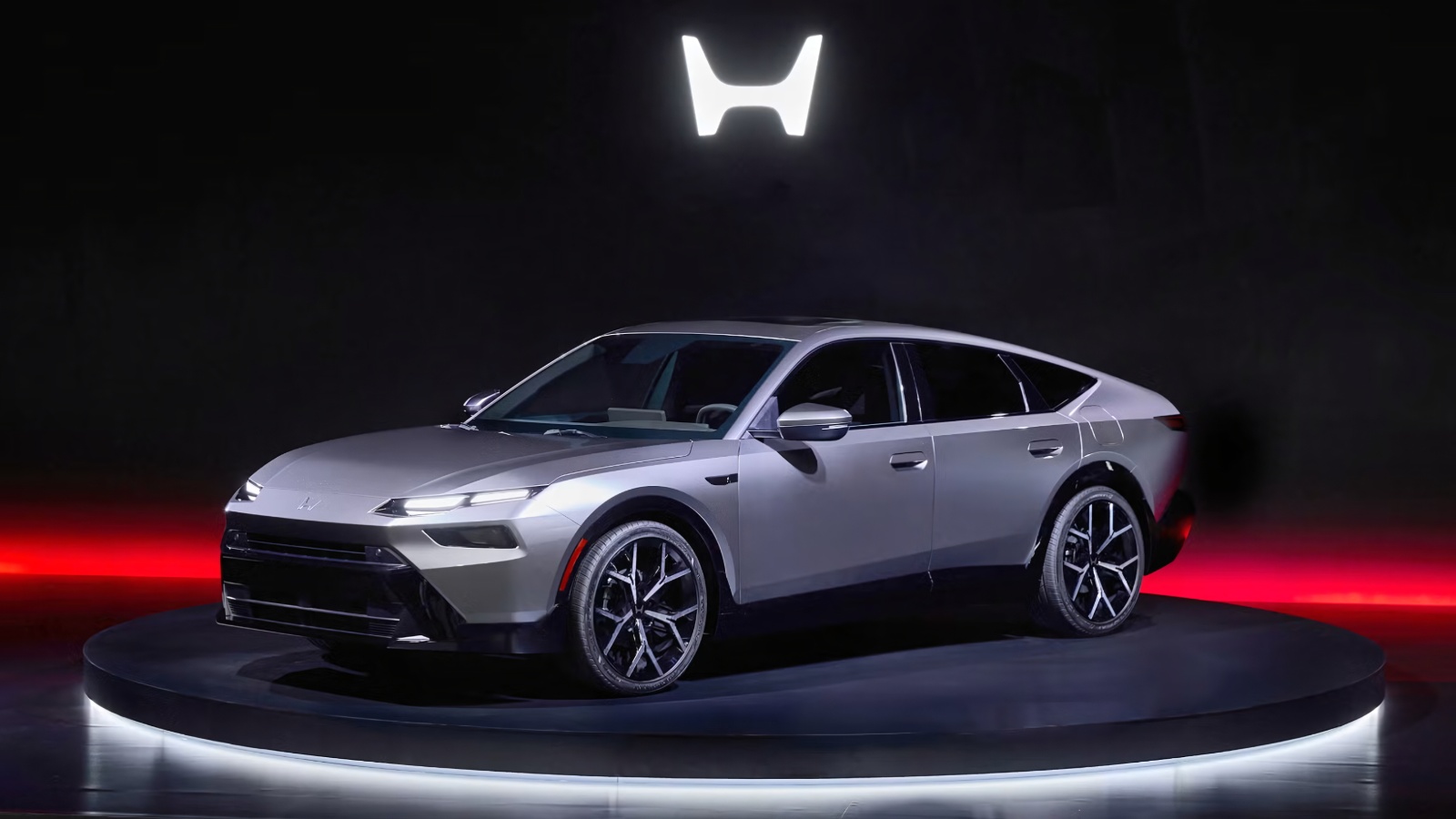
The visual changes could still be dramatic. Sources describe slimmer headlights, a narrower grille, a sharper rear end, and a more futuristic character than the restrained current sedan.
Honda’s Hybrid Sedan Prototype, displayed during its 2026 business briefing, may offer clues. It features a low front end, crisp surfaces, and a fastback-like roofline. Honda has not identified the prototype as the Accord, so treating it as a direct preview would be an interpretation rather than a confirmed fact.
The cabin is expected to gain a larger infotainment display and a more ergonomic layout. Honda could also introduce the S+ Shift system used by the Prelude, which simulates stepped gear changes through the two-motor hybrid system to produce a more engaging driving experience.
The current gasoline and hybrid powertrains are expected to continue through the update. A separate and genuinely new Accord reportedly planned closer to 2030 could become hybrid-only, but that possibility should not be confused with the 2028 redesign.
For buyers, the practical conclusion is straightforward. The 2028 Accord could appear comprehensively renewed and offer significantly upgraded technology even if its underlying platform remains largely familiar.
8. Chevrolet Equinox EV – A Fast-Tracked Second Generation
Replacing a relatively new electric vehicle after only a few years would be unusual, but EV development does not always follow traditional product cycles. General Motors is reportedly preparing a second-generation Chevrolet Equinox EV for production in late 2028 or early 2029.
Confidence in the program is medium because Chevrolet has not officially announced it, and the timing would more likely make the vehicle a 2029 model than a true 2028 model-year release.
The reported schedule makes the Equinox EV the least conventional and least certain entry on this list. It is better described as a redesign program expected to begin around calendar year 2028 rather than a confirmed 2028 model.
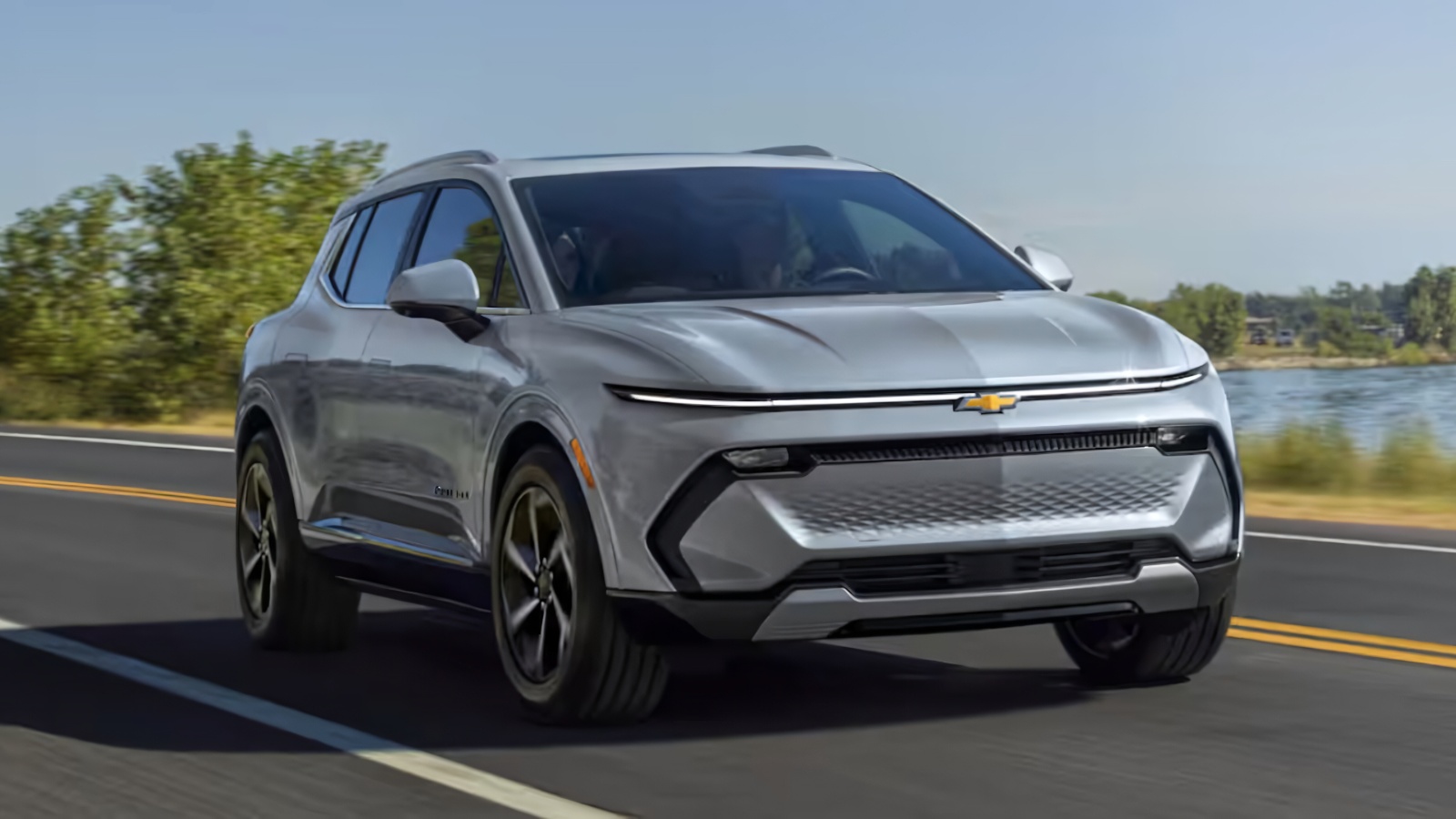
The main reason for the rapid replacement is reportedly architectural. The current Equinox EV uses GM’s BEV3-related electric platform. Its successor is expected to move to a lower-cost next-generation architecture often identified in reports as BEV-N.
General Motors has not published detailed technical information about the platform. Its name, engineering specifications, production location, and schedule could change before the vehicle reaches showrooms.
A lower-cost architecture could help solve one of the most difficult problems facing mainstream electric vehicles: providing competitive range and charging performance while keeping the purchase price within reach of ordinary households.
The current Equinox EV has become an important non-Tesla option in the electric compact-crossover category. A second generation would need to improve more than styling. Manufacturing cost, charging speed, software reliability, cabin packaging, battery efficiency, and profitability would all require attention.
No verified details are currently available regarding battery capacity, horsepower, EPA range, charging rate, dimensions, trim names, or pricing. Any specific claims about those figures would be speculative until Chevrolet, General Motors, regulatory documents, or official suppliers provide reliable information.
The program is significant because it demonstrates how quickly EV platforms can become outdated. Conventional vehicle generations often remain in production for five to seven years, but battery development, manufacturing costs, and software requirements may force electric models into shorter replacement cycles.
If the reported schedule holds, Chevrolet will replace the Equinox EV unusually quickly to adopt hardware that is cheaper, more scalable, and easier to update. Until General Motors confirms the vehicle, however, it should remain the most cautiously described entry on the list.
