
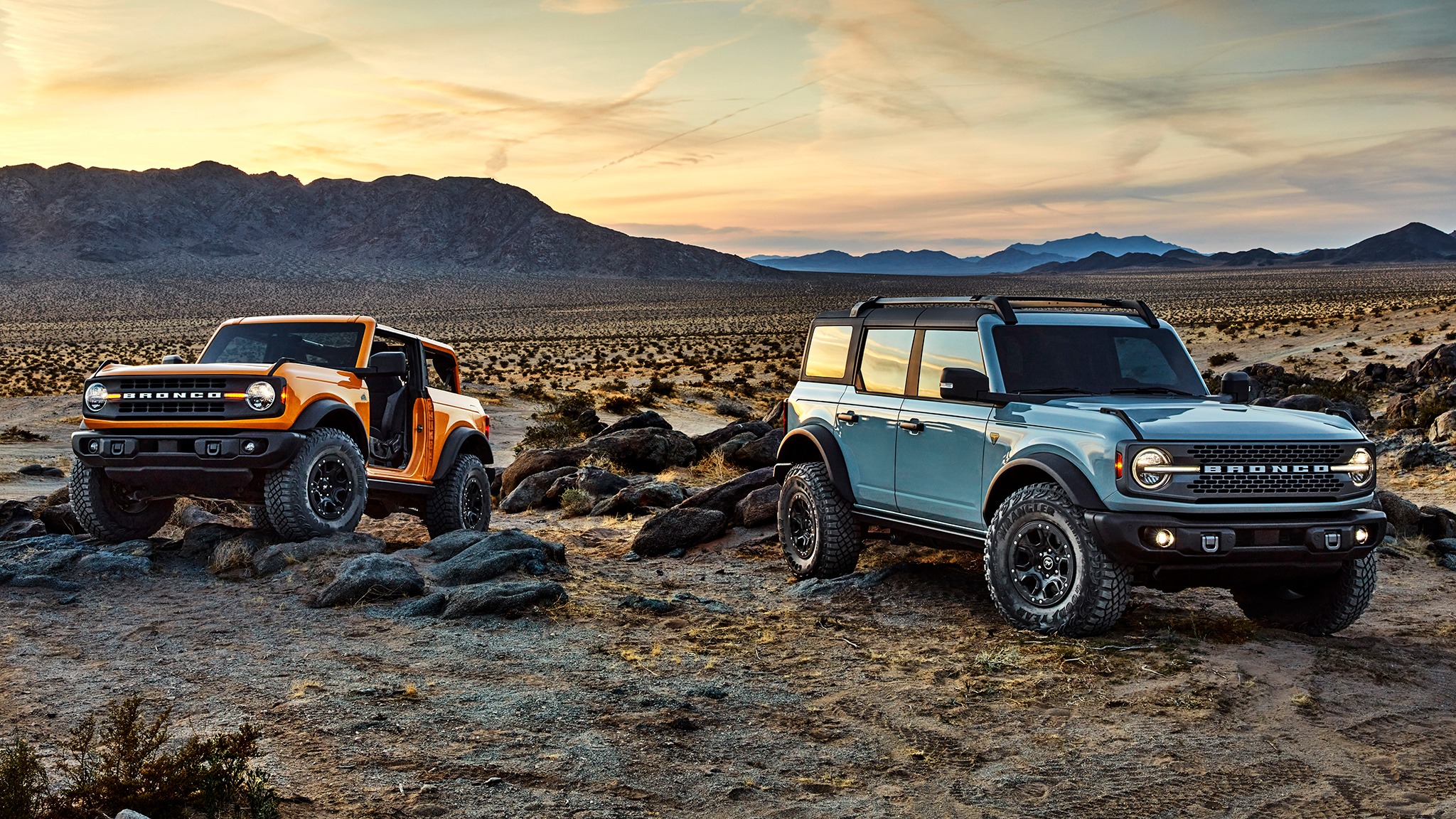
Shopping for a Ford Bronco can feel like standing in front of a candy store with too many options and not enough patience. Six trims, dozens of packages, and a price ladder that climbs fast once you start checking boxes. The good news is that most of what makes a Bronco genuinely fun to own sits comfortably below the $52,000 mark, long before you reach Raptor territory.
This guide breaks down five trims that fit that budget, what each one actually delivers, and who each version was built for. Whether you want a bare-bones trail rig or something closer to a daily driver with real off-road teeth, there’s a Bronco here worth a serious look.
Base
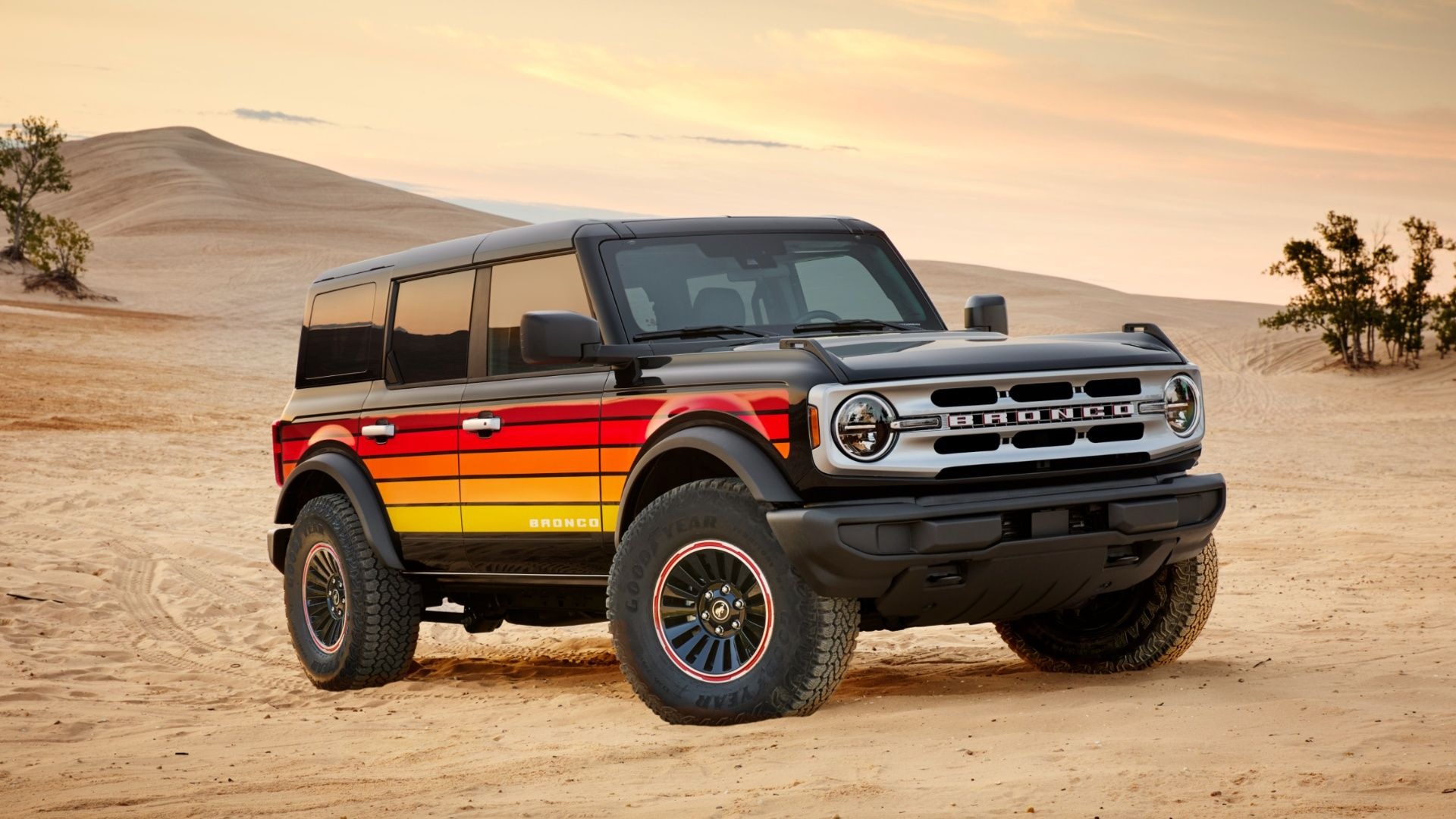
Every Bronco lineup needs a starting point, and the Base trim earns that role honestly rather than feeling like an afterthought. Priced around $34,890, it still comes standard with genuine four-wheel drive, removable doors and roof panels, and Ford’s signature G.O.A.T. modes (Goes Over Any Terrain) that adjust throttle response and traction settings for different surfaces.
Buyers drawn to this trim tend to fall into two camps. Some plan to build the Bronco their own way, adding aftermarket parts gradually rather than paying Ford’s markup for factory packages. Others simply want the lowest possible entry point into Bronco ownership without sacrificing the core off-road hardware that makes the badge worth choosing in the first place.
Cloth seating, a smaller infotainment screen, and fewer creature comforts separate this trim from everything above it. Air conditioning, power windows, and a rearview camera still come standard, so nobody’s left roughing it entirely.
What matters most here is honesty. Ford didn’t strip this trim down to make buyers feel like they’re missing something. It stripped it down so shoppers on a tighter budget could still drive home in a capable, trail-ready SUV without stretching their finances to reach a nicer badge on the tailgate.
Big Bend
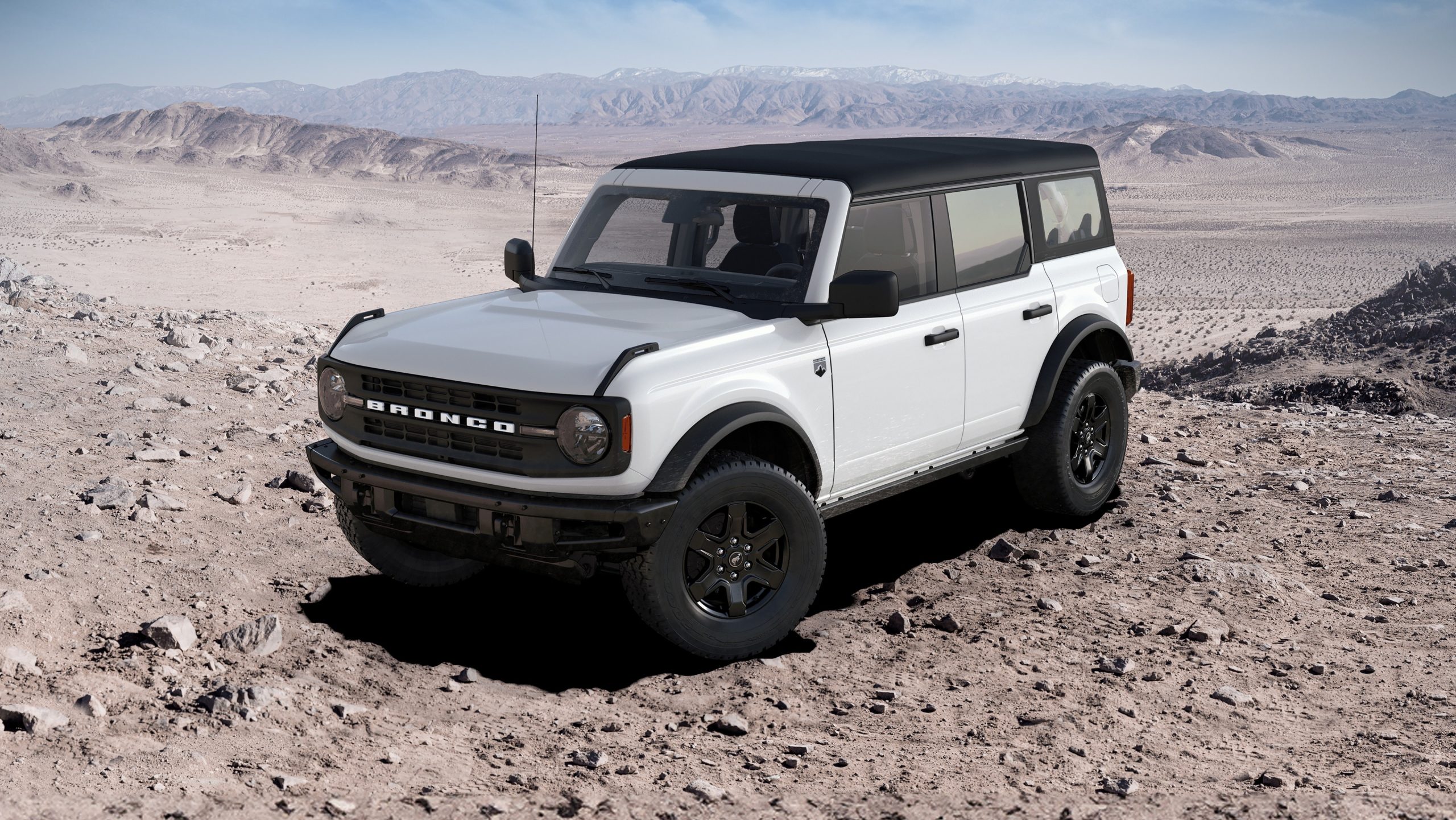
Step up to Big Bend, and the Bronco starts feeling noticeably more finished. Sitting around $38,880, this trim adds seventeen-inch alloy wheels, leather-trimmed seating surfaces, and an additional G.O.A.T. mode compared to Base, giving drivers one more layer of terrain-specific tuning.
Comfort takes a real step forward too. Heated front seats become available, along with Ford’s Co-Pilot360 suite of driver assistance features, covering things like automatic emergency braking and lane-keeping support that Base buyers have to live without unless they add options separately.
Lighting improves across the board, with better exterior illumination that actually matters once trail driving stretches into early evening hours. Little details like this rarely show up in brochure headlines, yet they change the daily experience of owning the vehicle considerably.
Dealers and reviewers alike tend to point at Big Bend as the sweet spot for shoppers who want meaningful upgrades without chasing every premium feature Ford offers.
It keeps the price reasonable while closing much of the comfort gap that separates entry-level trims from the nicer versions further up the lineup, making it an easy recommendation for someone who wants a well-rounded Bronco rather than a stripped-down starting point or an expensive flagship.
Also Read: 8 Hidden Features in the Ford Bronco Inside Menus
Black Diamond
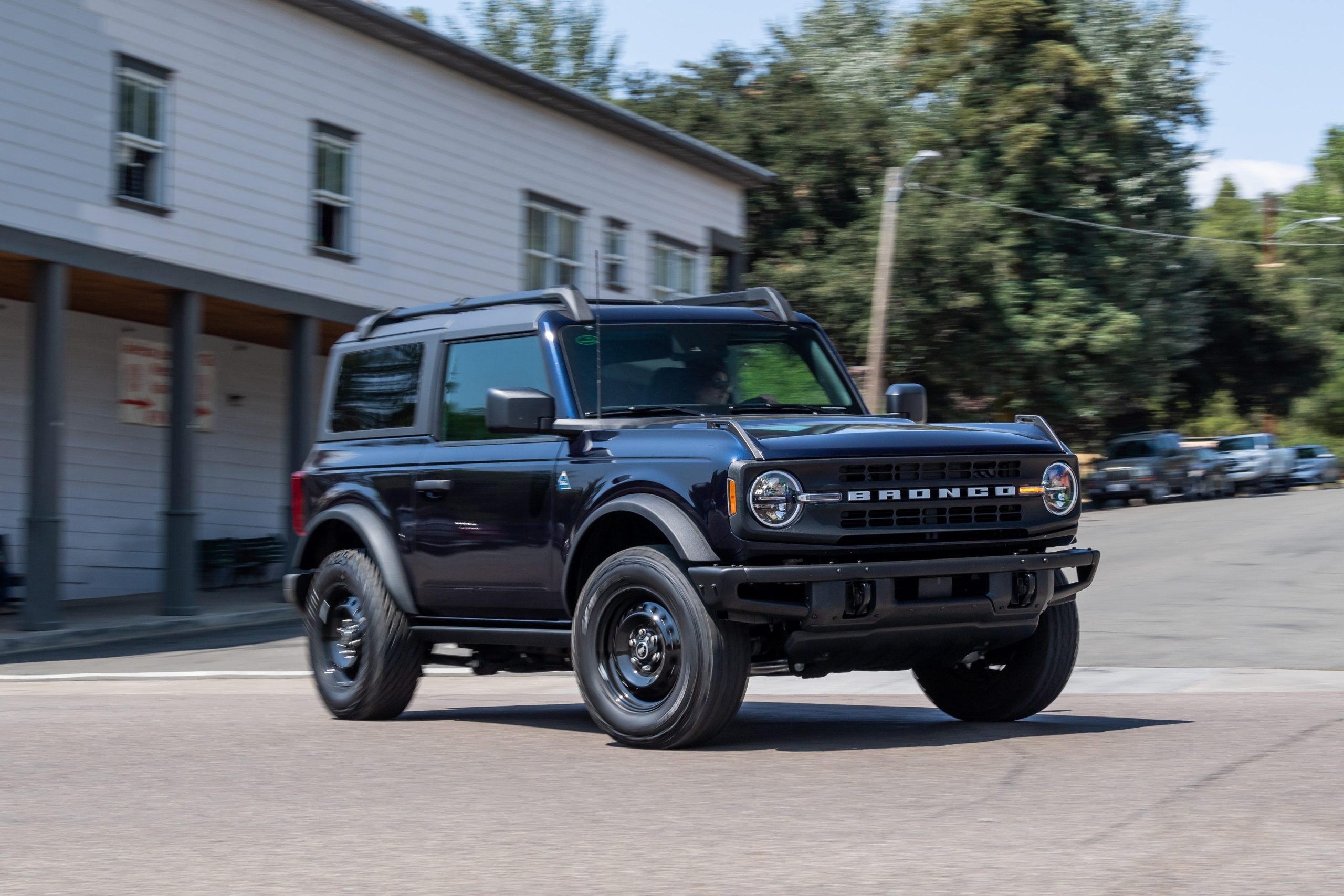
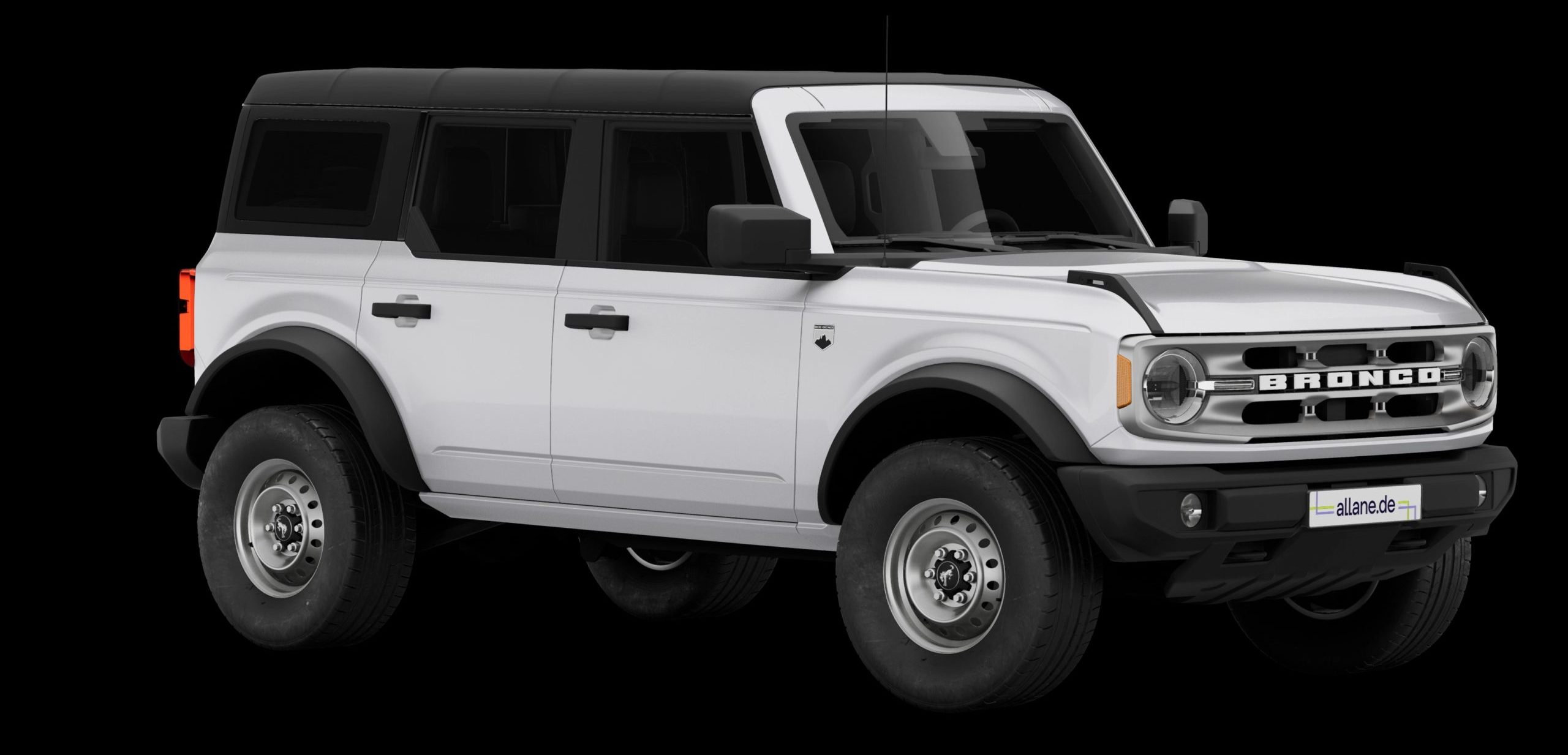
Off-road focus defines everything about the Black Diamond trim, and the price tag of roughly $41,250 reflects real hardware rather than cosmetic flair. Waterproof marine-grade vinyl upholstery replaces cloth or leather, a practical choice for anyone planning to climb out of a Bronco covered in mud after a weekend trail run.
A heavy-duty front bumper with removable end caps ships standard, giving owners the option to run a winch setup without paying extra for aftermarket brackets. Rock rails protect the rocker panels from trail damage, while skid plates shield vital components underneath the vehicle from rocks and debris that Base and Big Bend trims aren’t specifically armored against.
Auxiliary switches inside the cabin let owners wire in accessory lighting or other equipment cleanly, a detail that off-road enthusiasts genuinely appreciate rather than treat as a gimmick. Seven G.O.A.T. modes come standard here, the most of any trim discussed in this guide, giving drivers precise control across everything from sand to rock crawling.
Anyone who plans to use their Bronco for actual trail work, not just weekend photos next to a scenic overlook, should give this trim serious consideration. It delivers real capability at a price that still leaves plenty of room under the $52,000 ceiling for a few thoughtful accessories afterward.
Outer Banks
Comfort takes center stage with the Outer Banks trim, priced around $46,350. Ford clearly built this version for buyers who want a Bronco that handles daily commuting duties just as well as weekend adventures, and the feature list backs that positioning up convincingly.
Eighteen-inch wheels, body-color fender flares, and matching door handles give this trim a noticeably more polished look compared to the trail-focused Black Diamond sitting below it. Side steps make climbing in and out easier, a small but genuinely appreciated touch for shorter drivers or anyone loading kids into the back seat regularly.
Six G.O.A.T. modes come standard, along with heated seats and available leather trim for buyers willing to add that option. Where this trim really separates itself involves available technology: a twelve-inch infotainment screen, adaptive cruise control, and a wireless charging pad can all be added, bringing genuinely modern convenience into a vehicle still capable of tackling real trails when needed.
Buyers cross-shopping this trim against a Jeep Wrangler Sahara often land here specifically because Outer Banks manages to feel upscale without abandoning the mechanical toughness that defines the Bronco nameplate. It’s a well-balanced choice for someone who refuses to pick between comfort and capability.
Also Read: 7 Ford Bronco Generations Ranked Worst to Best
Badlands
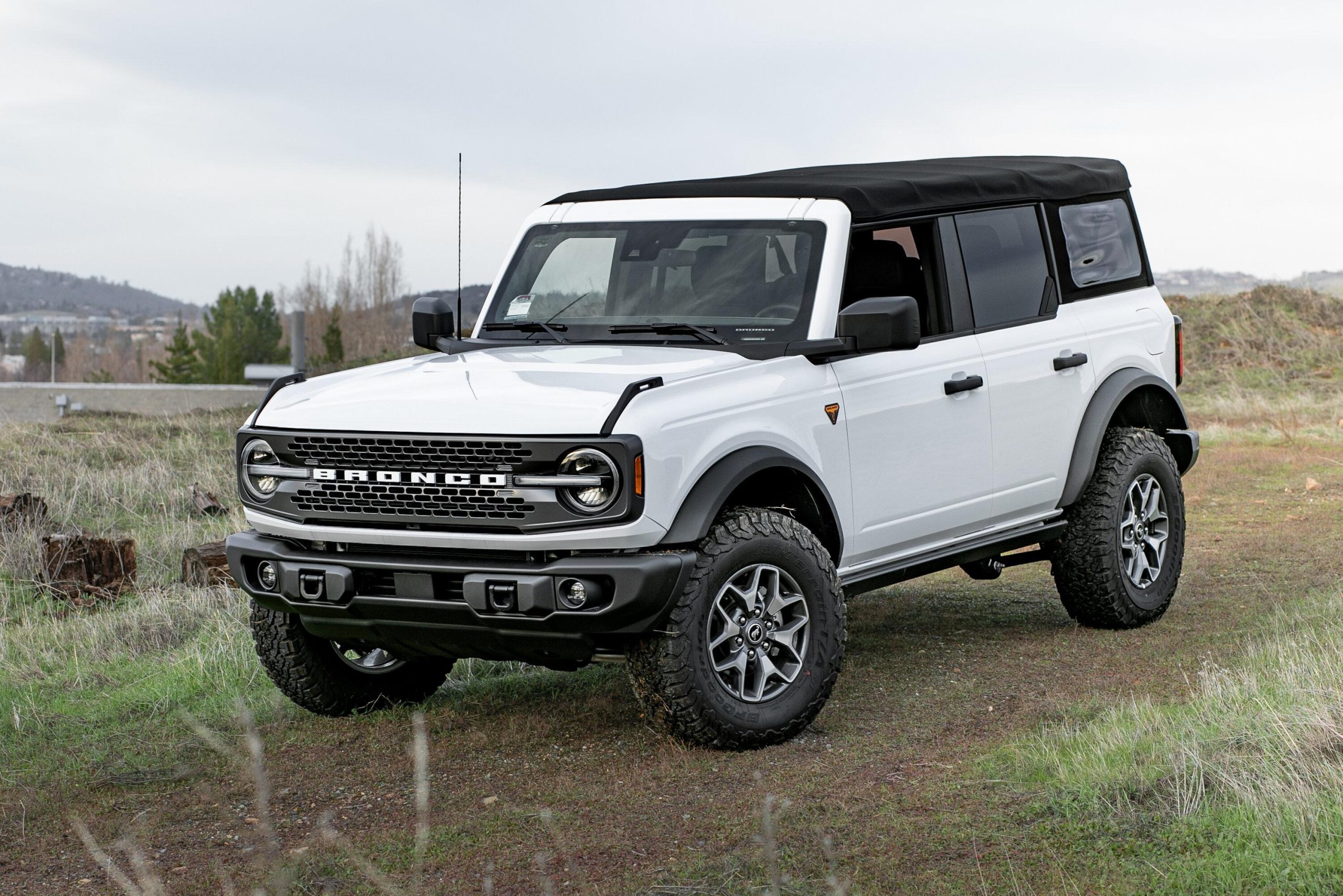
Rounding out this list at approximately $47,395, Badlands represents the most trail-serious trim that still fits comfortably under the $52,000 budget. Ford built this version specifically for buyers who take off-roading seriously rather than occasionally, and nearly every spec reflects that priority.
An advanced four-wheel-drive system with a twin-clutch rear differential separates Badlands from every trim discussed earlier in this guide, delivering genuinely improved traction management across technical terrain. Front and rear locking differentials become available, along with heavy-duty suspension components engineered specifically for sustained trail abuse rather than occasional dirt-road detours.
Steel skid plates protect the undercarriage more thoroughly than lower trims, and available all-terrain tire packages give Badlands buyers a meaningful head start toward serious capability straight from the factory floor. Reviewers consistently point to this trim as the one that best balances aftermarket-level performance against factory reliability and warranty coverage.
For shoppers who’ve test-driven every trim on this list and keep returning to Badlands, that instinct usually makes sense. It asks for a real budget commitment, yet it still lands safely under the $52,000 mark while delivering hardware that would cost considerably more to replicate through aftermarket upgrades on a lower trim.
