

Japanese superbikes from the 1980s, 1990s, and early 2000s changed motorcycling forever. Machines from Honda, Yamaha, Suzuki, and Kawasaki introduced technology that later became standard across the industry.
Fuel injection, ram air systems, aluminum frames, race-inspired aerodynamics, and screaming inline four engines all evolved rapidly during this era. Yet while legendary names such as the Hayabusa or Fireblade still dominate conversations, many brilliant superbikes quietly disappeared from public memory.
Some were overshadowed by newer machines, while others arrived at the wrong time in the market. A few earned cult followings but never reached mainstream fame outside Japan.
What makes forgotten superbikes fascinating is how bold they were. Japanese manufacturers constantly experimented with unusual engineering ideas, aggressive styling, and race-derived chassis setups.
Certain motorcycles became technological showcases rather than commercial hits. Riders who owned them often remember them as raw, exciting, and mechanically unique compared to modern bikes filled with electronic rider aids. These motorcycles demanded skill, confidence, and respect from the rider.
Many of these forgotten superbikes also represented turning points for their brands. Some introduced engines that later evolved into championship-winning platforms.
Others pushed speed wars to new levels before stricter regulations changed the industry. Their designs may look dated today, but their influence still appears in modern sport motorcycles.
Another reason these bikes deserve recognition is reliability. Japanese superbikes built during this era were often engineered with incredible durability despite producing serious power figures.
Owners regularly pushed them hard on highways, racetracks, and mountain roads for years without catastrophic problems. Their mechanical toughness became part of their reputation.
This list focuses on 10 forgotten Japanese superbikes that once carried serious performance credentials but no longer receive the attention they deserve.
Each one brought something distinctive to the superbike world, whether it was speed, handling, styling, or engineering innovation. Some became rare collector machines, while others remain affordable hidden gems for enthusiasts who appreciate classic Japanese performance motorcycles.
Also Read: 9 Best SUVs for Drivers With Knee Problems
1. Honda CBR900RR FireBlade
When the Honda CBR900RR FireBlade debuted in the early 1990s, it completely changed expectations for liter-class sportbikes. At a time when competitors focused heavily on outright horsepower and top speed, Honda pursued lightweight agility instead.
The result was a motorcycle that felt dramatically smaller and sharper than other superbikes of the era. Riders immediately noticed how quickly it changed direction and how confidence-inspiring it felt through corners.
Designer Tadao Baba created the FireBlade with a philosophy centered around balance rather than brute force. Honda gave the bike a compact chassis while still using a large-displacement inline four engine.
This combination produced explosive acceleration without the bulky feel common among other high-performance motorcycles at the time. The short wheelbase and reduced weight made it feel closer to a middleweight machine than a 900cc superbike.
The original FireBlade also carried aggressive styling that looked futuristic during the early 1990s. Twin headlights, sharp fairings, and race-inspired bodywork helped it stand apart instantly. Riders loved its combination of daily usability and track-capable performance.
Unlike some superbikes that felt intimidating at lower speeds, the Fireblade remained surprisingly manageable in city riding conditions.
Despite its influence, early FireBlade generations are not discussed as often today because newer CBR models and modern superbikes dominate attention.
Yet many enthusiasts still consider the original 900RR one of the most important sport motorcycles ever built. It forced every competitor to rethink chassis design and weight reduction strategies.
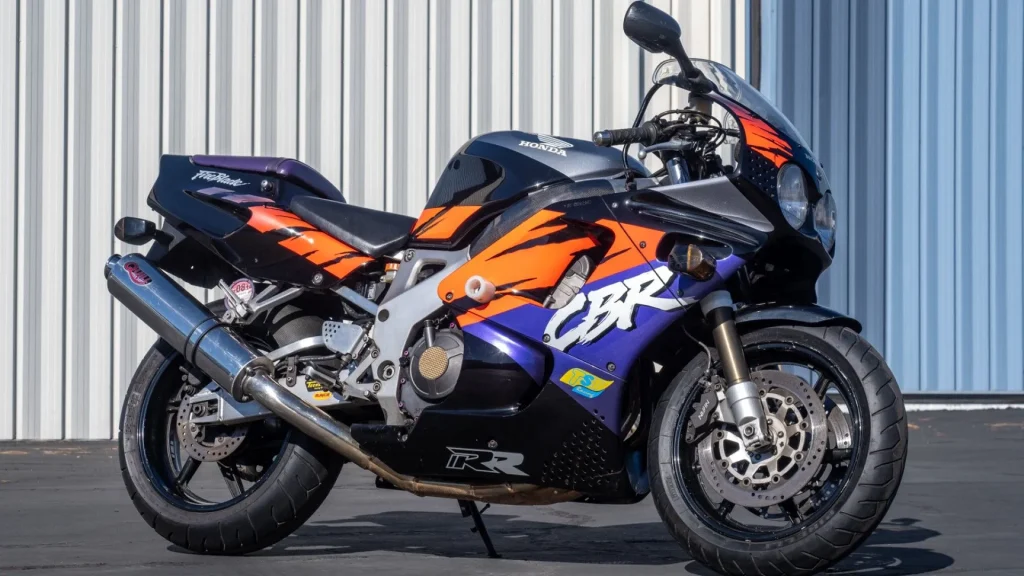
Collectors now seek clean examples because the bike represents a major turning point in superbike history. Riding one today still feels raw and engaging, especially compared to heavily computerized modern motorcycles.
The original FireBlade delivered excitement through mechanical simplicity and razor-sharp handling rather than electronic assistance.
- Engine: 893cc inline four
- Torque: 66 lb ft
- Horsepower: 122 hp
- Length/Width: 80.1 inches / 27.2 inches
2. Kawasaki ZX 7R
The Kawasaki ZX-7R earned a reputation as one of the toughest and most visually aggressive superbikes of the 1990s. Its wide stance, ram-air intake design, and muscular bodywork made it look like a pure racing machine even while parked.
Kawasaki built the bike with heavy inspiration from the World Superbike competition, and riders respected its serious, track-focused personality.
Unlike lighter rivals, the ZX-7R demanded physical effort from the rider. It was not the easiest bike to flick through tight corners, but once settled into a fast sweeping turn, it felt incredibly stable. That stability became one of its defining characteristics. Riders trusted the chassis at high speed because the bike communicated grip levels extremely well.
The suspension setup was another strong point. Adjustable front and rear components allowed experienced riders to tune the bike precisely for aggressive riding or track use. Kawasaki engineers clearly prioritized cornering confidence over comfort.
Long rides could feel demanding, especially because of the committed riding position, but owners accepted that sacrifice willingly.
One feature enthusiasts still admire is the distinctive intake howl created by the ram air system. At higher speeds, the bike produced a deep mechanical roar that separated it from many competitors. Combined with the strong midrange power delivery, the ZX-7R felt brutally mechanical in the best possible way.
Although the motorcycle enjoyed racing success and developed a loyal fanbase, it eventually became overshadowed by lighter and more powerful machines.
Modern riders sometimes forget how influential the ZX 7R was during the superbike wars of the 1990s. It represented Kawasaki at a time when manufacturers battled fiercely for dominance both on the street and on the racetrack.
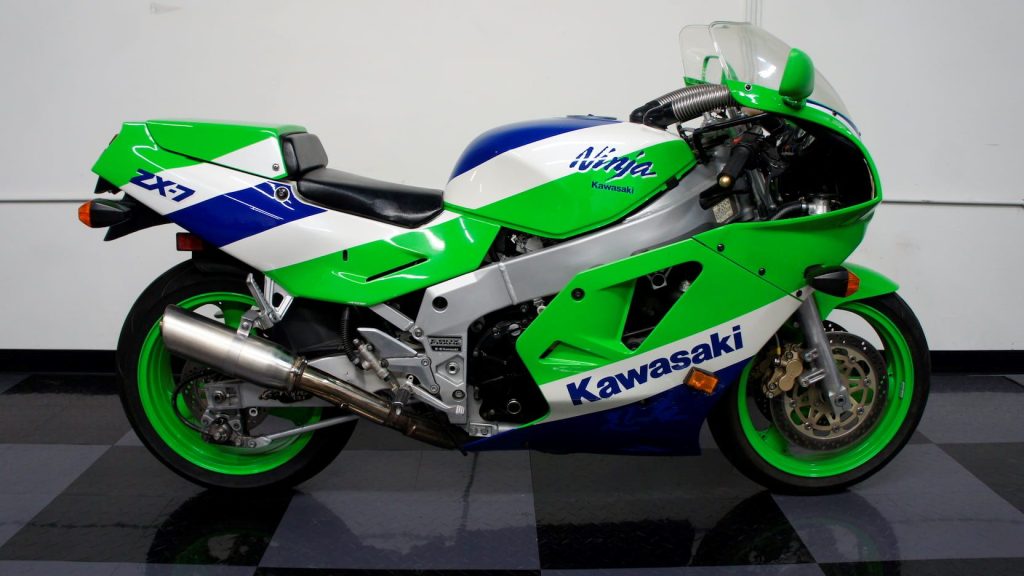
Today, the ZX-7R remains admired for its durability, analog riding experience, and intimidating appearance. Clean examples have become increasingly difficult to find because many were modified, raced, or ridden extremely hard during their lifetimes.
- Engine: 748cc inline four
- Torque: 57 lb ft
- Horsepower: 122 hp
- Length/Width: 81.9 inches / 28.3 inches
3. Yamaha YZF1000R ThunderAce
Before the Yamaha R1 completely transformed the superbike market in 1998, the YZF1000R ThunderAce served as Yamaha’s flagship performance motorcycle.
Today, it sits in the shadow of the legendary R1, which is exactly why many riders forget how capable and exciting the Thunder Ace truly was. During its time, it delivered huge power, impressive comfort, and remarkable highway performance in a package that balanced sport and touring better than many rivals.
The ThunderAce used a large-displacement inline four engine derived from Yamaha’s racing knowledge. Its power delivery felt muscular rather than frantic. Instead of demanding sky-high revs all the time, the bike produced strong acceleration throughout the rev range.
Riders appreciated this broad powerband because it made the motorcycle extremely usable on public roads. Twist the throttle in almost any gear, and the Thunder Ace surged forward with authority.
Unlike razor-edged race replicas that punished riders during long journeys, the ThunderAce offered a slightly more forgiving riding position.
The seat had decent comfort, the wind protection worked well at high speeds, and the suspension absorbed rough pavement better than many aggressive superbikes from the same period. Owners often used these bikes for long-distance touring without sacrificing performance.
Styling played an important role in the bike’s identity, too. Large fairings, dual headlights, and wide bodywork gave it a serious high-speed presence. It looked substantial and powerful rather than ultra-compact. Many enthusiasts still admire its old-school sportbike proportions.
Once the R1 arrived with lighter weight and more radical engineering, the Thunder Ace quickly faded from headlines. Yet many experienced riders still defend it passionately because of its reliability and real-world usability. It delivered thrilling speed without becoming exhausting to ride daily.
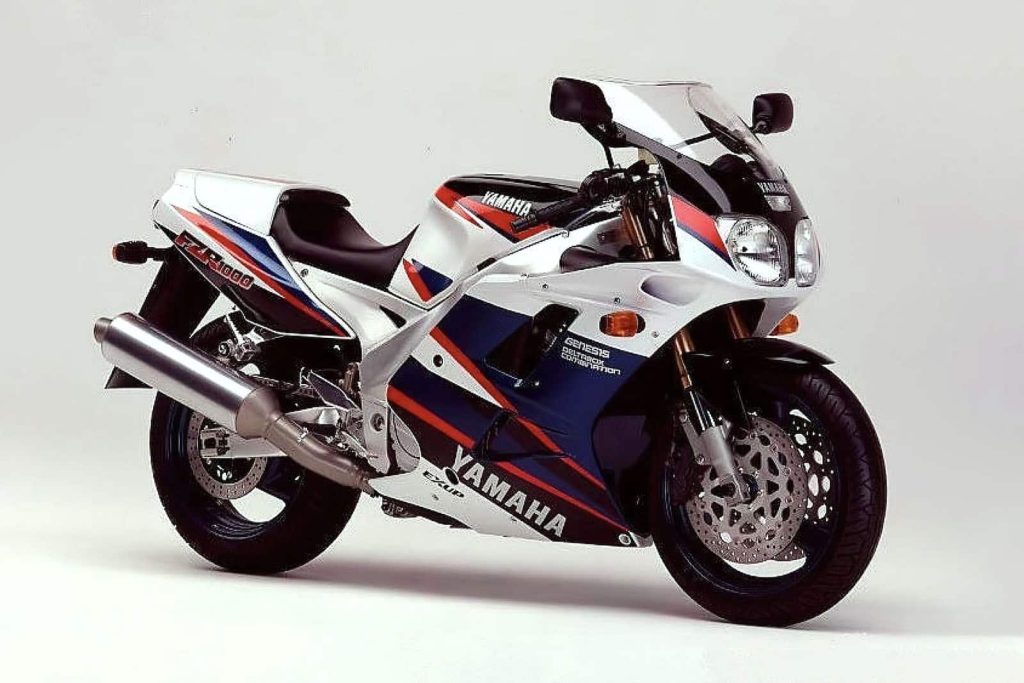
Finding an unmodified ThunderAce today is becoming difficult because many examples have accumulated high mileage over decades of use.
That durability says a lot about Yamaha’s engineering from that era. The bike may not receive the recognition of later superbikes, but it remains one of the hidden gems of 1990s Japanese motorcycling.
- Engine: 1002cc inline four
- Torque: 72 lb ft
- Horsepower: 145 hp
- Length/Width: 82.7 inches / 28.1 inches
4. Suzuki GSX-R1100
The Suzuki GSX-R1100 was a beast long before modern hyperbikes entered the scene. During the late 1980s and early 1990s, this motorcycle earned a reputation for brutal acceleration and intimidating road presence. It was not subtle, lightweight, or beginner-friendly. Suzuki designed it for riders who wanted massive power combined with endurance racing DNA.
One reason the GSX-R1100 became legendary among enthusiasts was its engine character. The large inline four produced relentless acceleration that felt endless on open roads.
Riders often described the bike as a missile because it built speed with frightening ease. High-speed highway riding became its natural environment, where the engine’s torque and stability truly shone.
Early versions used Suzuki’s famous oil-cooled technology, which gave the engine a distinctive personality and mechanical feel. The sound alone separated it from many competitors. There was a rawness to the GSX-R1100 that modern electronically managed motorcycles rarely deliver anymore. Every throttle input felt direct and physical.
Its size and weight demanded respect. The motorcycle carried significant mass compared to modern superbikes, especially during low-speed maneuvers. However, once moving at speed, the chassis felt planted and confidence-inspiring. Experienced riders appreciated the bike’s stability through fast corners and sweeping roads.
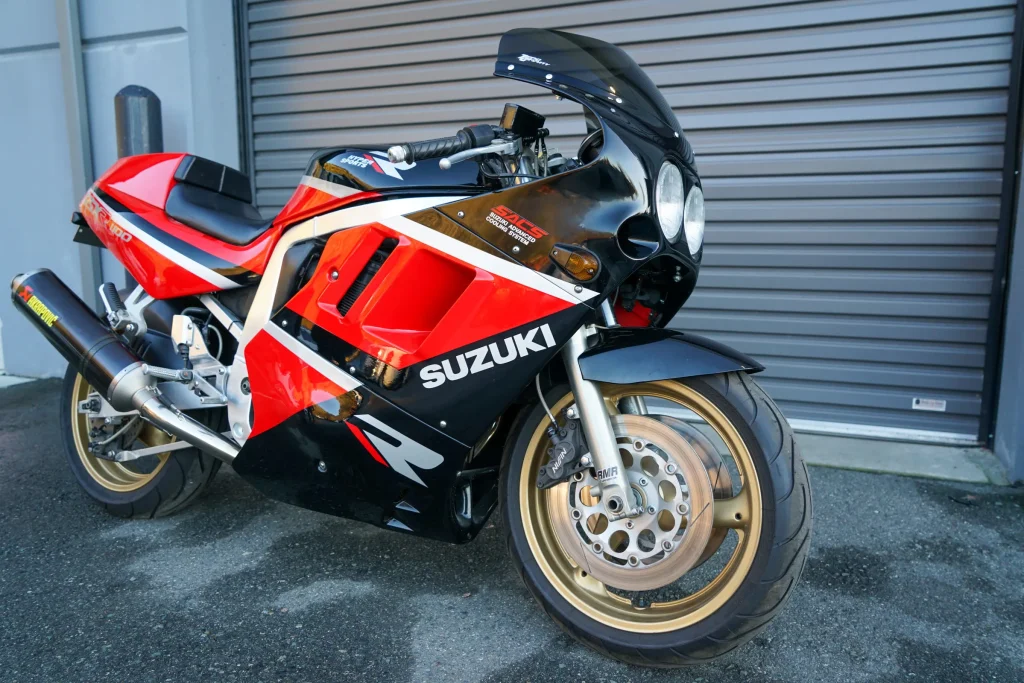
The styling reflected the bold spirit of the era. Large fairings, wide fuel tanks, and aggressive graphics made the GSX-R1100 impossible to ignore. Suzuki clearly intended the bike to project power visually before the engine even started.
As lighter sportbikes entered the market, the GSX-R1100 slowly disappeared from mainstream attention. Riders shifted toward sharper-handling machines with more compact dimensions. Even so, the GSX R1100 never lost its cult following. Many enthusiasts still consider it one of the toughest and most charismatic Japanese superbikes ever built.
Today, surviving examples are increasingly valuable because many were heavily modified or ridden extremely hard. Those who own clean originals often treasure them as symbols of an era when superbikes prioritized raw speed and mechanical aggression above refinement.
- Engine: 1127cc inline four
- Torque: 79 lb ft
- Horsepower: 145 hp
- Length/Width: 87 inches / 29.1 inches
5. Honda RVF750 RC45
The Honda RVF750 RC45 was never meant to be an ordinary street motorcycle. Honda created it primarily to satisfy homologation rules for international superbike racing, which immediately made it rare, expensive, and highly specialized.
Because of its limited production numbers and race-focused personality, many modern riders know very little about it despite its enormous importance in motorcycle history.
At the heart of the RC45 sat a sophisticated V4 engine packed with advanced engineering for its era. Honda equipped the bike with gear-driven cams and fuel injection technology that felt incredibly advanced during the mid-1990s.
The engine delivered smooth yet aggressive acceleration, especially at higher rpm levels where the bike truly came alive. Riders often admired how refined the power delivery felt compared to rougher inline-four competitors.
The RC45’s chassis carried a strong racing influence as well. Honda focused heavily on precision handling and stability under extreme conditions.
Fast corners suited the bike perfectly because it maintained composure even during aggressive riding. Its feedback through the chassis gave experienced riders tremendous confidence on racetracks.
Unlike larger and heavier superbikes from the same period, the RC45 felt compact and purposeful. Every detail appeared engineered with competition in mind, from the aerodynamic bodywork to the riding position.
It was not designed for casual comfort. Long rides could become physically demanding, especially because of the aggressive ergonomics and firm suspension setup.
One reason the RC45 became forgotten outside enthusiast circles is that its racing reputation overshadowed its road presence. It existed more as a homologation special than a mass-market motorcycle. Riders who could afford one often preserved them carefully rather than using them daily.
Today, the RC45 stands as one of Honda’s most collectible superbikes. Values continue climbing because of the bike’s rarity and racing pedigree. Enthusiasts admire it not only for its performance but also for the engineering philosophy behind it.
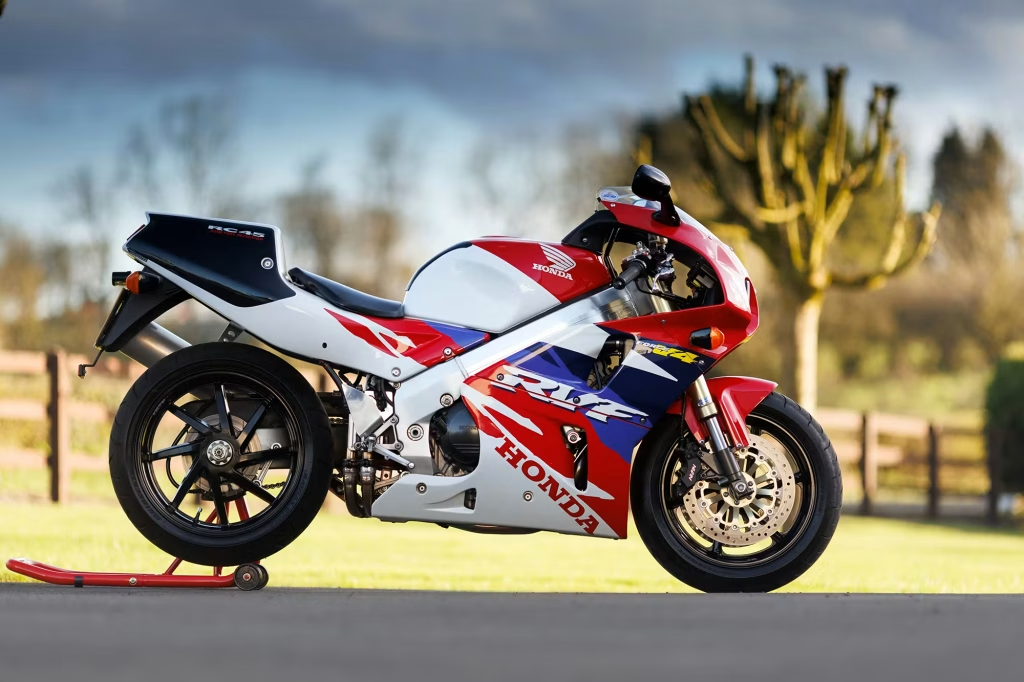
Honda built the RC45 with almost obsessive attention to detail, and that dedication still impresses riders decades later.
The motorcycle represents a period when manufacturers created road bikes mainly to dominate racetracks. That spirit gives the RC45 an identity unlike almost anything produced today.
- Engine: 749cc V4
- Torque: 57 lb ft
- Horsepower: 118 hp
- Length/Width: 79.9 inches / 27.2 inches
6. Kawasaki ZXR750
The Kawasaki ZXR750 captured the wild energy of early 1990s superbikes perfectly. Loud styling, race-inspired engineering, and a demanding riding experience turned it into one of the most memorable sport motorcycles of its generation.
Even so, the bike gradually disappeared from mainstream discussions as newer Ninja models took attention away from Kawasaki’s older racing machines.
One glance at the ZXR750 revealed its racing intentions. The motorcycle featured aggressive fairings, striking color schemes, and the famous intake tubes mounted near the headlights. Those ducts gave the bike an unmistakable appearance while also feeding cool air into the engine. During its era, few motorcycles looked as aggressive or track-focused as the ZXR750.
Performance matched the appearance. Kawasaki tuned the inline four engine to reward high-RPM riding, which meant the motorcycle demanded commitment from its rider.
Lower revs felt manageable, but once the tachometer climbed, the bike transformed completely. The power surge at higher speeds created an addictive riding experience that many owners still remember vividly.
Handling remained one of the motorcycle’s strongest qualities. The stiff chassis and quality suspension setup helped the ZXR750 maintain stability during aggressive cornering. Riders often praised how planted the bike felt while leaned over at speed. It carried genuine racing capability beneath its street-legal bodywork.
Comfort was not a major priority. The riding position placed substantial weight on the wrists, and the firm suspension transferred plenty of road imperfections directly to the rider.
Yet enthusiasts rarely complained because the motorcycle delivered such an engaging experience. The ZXR750 demanded effort and concentration, which made riding it feel rewarding.
Modern riders sometimes overlook the ZXR750 because it existed during an extremely competitive superbike era filled with iconic Japanese machines. Nevertheless, Kawasaki fans continue respecting it as one of the brand’s purest race-inspired motorcycles.
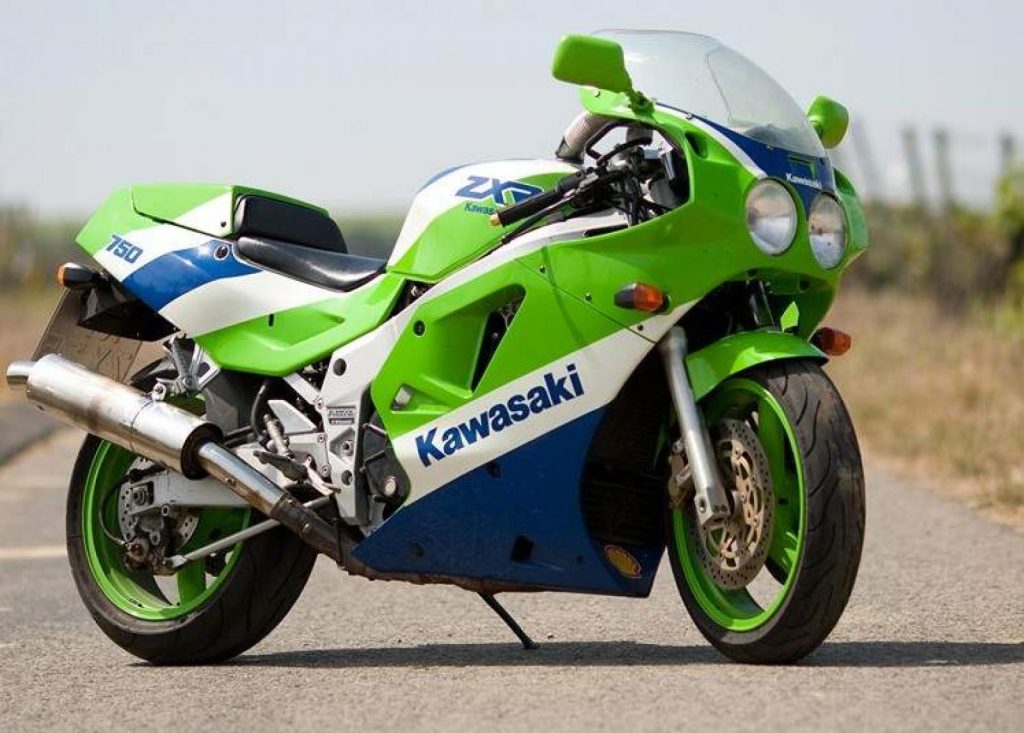
Surviving examples are becoming harder to locate in their original condition. Many were modified heavily or used aggressively on racetracks. Clean bikes now attract collectors who appreciate the raw personality and distinctive styling that defined Kawasaki superbikes during the 1990s.
- Engine: 749cc inline four
- Torque: 57 lb ft
- Horsepower: 121 hp
- Length/Width: 81.5 inches / 28 inches
7. Yamaha FZR1000
The Yamaha FZR1000 arrived during a period when manufacturers were pushing sportbike technology forward at an incredible pace. While later Yamaha machines such as the R1 became global icons, the FZR1000 quietly laid the foundation for many future superbikes.
It combined enormous straight-line speed with advanced chassis engineering that felt revolutionary when the motorcycle first appeared.
One of the most important features of the FZR1000 was Yamaha’s Deltabox frame design. At the time, this aluminum chassis technology dramatically improved rigidity and handling precision compared to older steel frames.
Riders immediately noticed how stable the bike felt during fast cornering and high-speed riding. Yamaha essentially gave the motorcycle racetrack manners while still making it usable on public roads.
The engine delivered serious performance for its era. Its large inline four produced strong acceleration across the rev range, but the real excitement came when the bike climbed into higher-rpm territory.
The motorcycle pulled aggressively and maintained speed effortlessly on the highway. Riders in the late 1980s considered it one of the fastest production motorcycles available.
Unlike some raw superbikes that sacrificed practicality completely, the FZR1000 managed to balance speed with refinement. The riding position felt sporty but not unbearable for longer distances.
Wind protection from the fairing also made high-speed touring more comfortable than many rivals. Owners frequently praised the motorcycle’s ability to cover massive distances without mechanical drama.
The styling reflected Yamaha’s race-inspired design language of the period. Twin headlights, sharp body panels, and a large fuel tank gave the bike a muscular appearance. It looked purposeful without becoming overly futuristic. Even today, enthusiasts appreciate its classic superbike proportions.
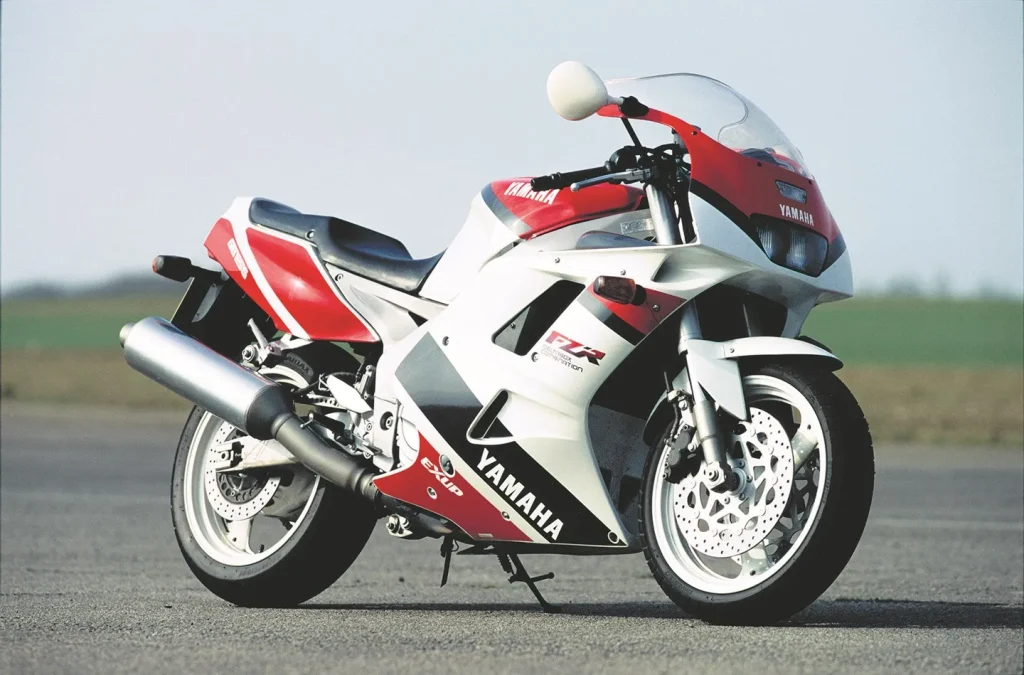
Despite its achievements, the FZR1000 gradually faded into the background after newer Yamaha sportbikes arrived.
The R1 changed the market so dramatically that many riders forgot the importance of the motorcycles that came before it. Yet without the FZR1000, Yamaha’s later superbike success may have looked very different.
Collectors now value clean examples because they represent an important stage in superbike evolution. Riding one today still feels thrilling because the motorcycle delivers power in such a mechanical and direct manner without relying on modern electronics.
- Engine: 1002cc inline four
- Torque: 78 lb ft
- Horsepower: 145 hp
- Length/Width: 84.4 inches / 28.3 inches
8. Suzuki RF900R
The Suzuki RF900R never achieved the fame of the GSX-R series, but that does not mean it lacked superbike credentials. In fact, many riders considered it one of the smartest real-world performance motorcycles of the 1990s.
It blended strong power, long-distance comfort, and sporty handling into a package that appealed to riders wanting speed without extreme race-replica compromises.
Suzuki gave the RF900R an engine that produced excellent midrange performance. Rather than focusing only on peak horsepower numbers, the bike delivered usable acceleration throughout the rev range.
That made everyday riding enjoyable because the motorcycle responded strongly without needing constant downshifts. Highway overtakes felt effortless, and the engine maintained smooth behavior even during long rides.
Another major strength involved comfort. The seat position, fairing protection, and ergonomics worked far better for touring than many aggressive superbikes from the same era.
Riders could spend hours in the saddle without the wrist pain or cramped posture associated with track-focused machines. This versatility became one of the RF900R’s defining characteristics.
The styling divided opinions when the motorcycle first appeared. Rounded bodywork and large fairings gave it a unique appearance that differed from sharper race replicas. Some riders loved the smooth aerodynamic design, while others preferred more aggressive styling. Regardless of opinion, the RF900R stood out immediately in traffic.
Handling remained predictable and stable rather than ultra-aggressive. Suzuki tuned the chassis to inspire confidence on public roads instead of creating a nervous racetrack machine. Fast-sweeping corners suited the motorcycle particularly well because it maintained composure and delivered excellent stability.
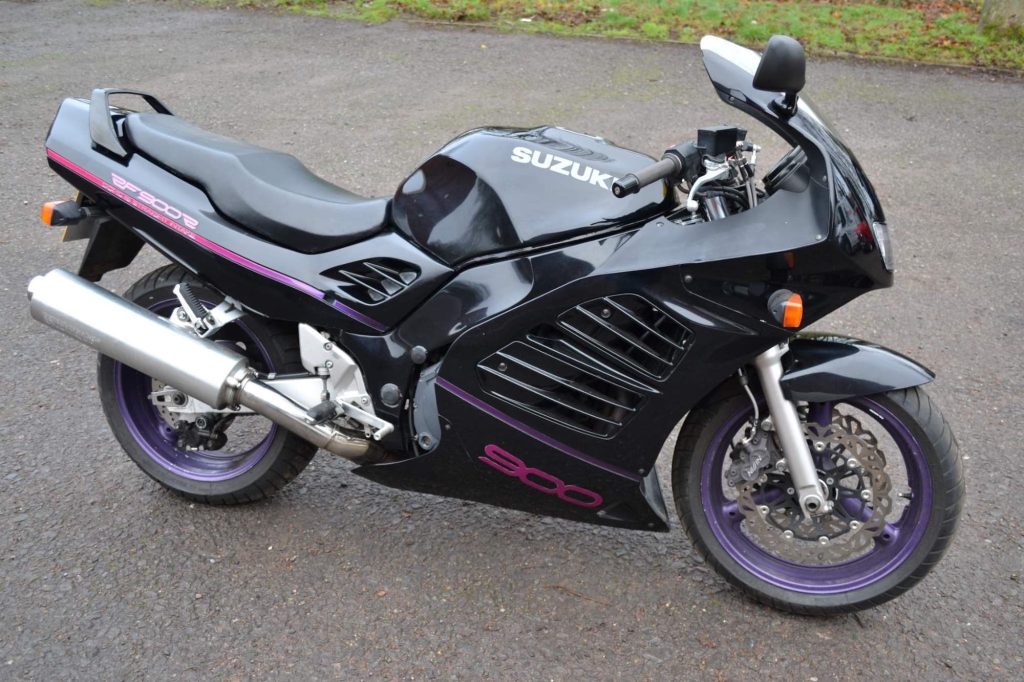
Unfortunately, the RF900R arrived during an era dominated by increasingly extreme sportbikes. Riders chasing pure racetrack performance often ignored it, while touring riders sometimes looked elsewhere. As a result, the bike gradually slipped out of mainstream attention despite being extremely capable.
Today, many enthusiasts view the RF900R as an underrated hidden gem. It represents a period when manufacturers experimented with balancing comfort and superbike performance rather than chasing lap times alone.
Owners who still ride them frequently praise their durability and everyday usability decades after production ended.
- Engine: 937cc inline four
- Torque: 66 lb ft
- Horsepower: 135 hp
- Length/Width: 83.9 inches / 28.1 inches
9. Honda CBR1100XX Super Blackbird
When Honda introduced the CBR1100XX Super Blackbird, the company had one clear target in mind. It wanted to build the fastest production motorcycle in the world.
During the late 1990s, the superbike industry became obsessed with top-speed competition, and Honda answered with a machine that combined massive performance with refinement rarely seen at the time.
The Blackbird immediately impressed riders because it felt astonishingly smooth for such a powerful motorcycle. Honda engineered the inline four engine to deliver relentless acceleration without harsh vibrations or unpredictable behavior.
Twist the throttle on an open highway, and the motorcycle surges forward with incredible force while still feeling composed and stable. Riders often described the experience as effortless speed rather than violent acceleration.
Unlike some superbikes that focused entirely on aggressive riding dynamics, the Blackbird emphasized high-speed comfort too.
The fairing provided excellent wind protection, the seat remained comfortable during long journeys, and the riding position avoided the extreme ergonomics common among race replicas. This made the motorcycle ideal for riders who wanted enormous performance without sacrificing touring capability.
The chassis also contributed heavily to the bike’s reputation. At high speeds, the Blackbird felt planted and confidence-inspiring. Honda tuned the suspension carefully so the motorcycle remained stable even while traveling at speeds most riders would never attempt regularly. This stability became one of its strongest qualities.
Styling looked sleek and aerodynamic rather than sharp or flashy. Smooth body panels and integrated design details gave the bike a sophisticated appearance. It looked mature and serious instead of visually aggressive. Many riders appreciated that understated personality.
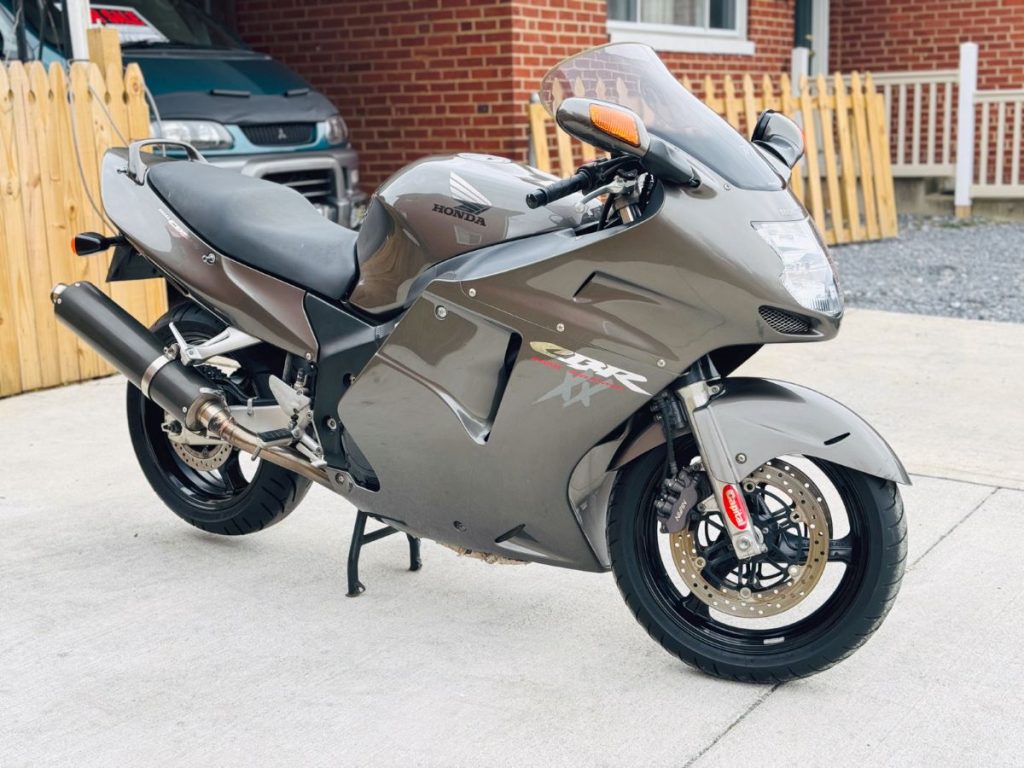
Although the Suzuki Hayabusa later stole headlines during the speed wars, the Super Blackbird remained deeply respected among experienced riders. Its combination of reliability, refinement, and brutal speed created a motorcycle with a very different personality from many competitors.
Modern riders sometimes overlook the Blackbird because newer hyperbikes dominate discussions today.
Yet those who ride one often discover how advanced it still feels decades later. Honda created a machine capable of crossing huge distances at incredible speeds while remaining surprisingly civilized throughout the journey.
- Engine: 1137cc inline four
- Torque: 91 lb ft
- Horsepower: 152 hp
- Length/Width: 84.6 inches / 28.5 inches
10. Yamaha FZR750R OW01
The Yamaha FZR750R OW01 stands among the rarest and most exotic Japanese superbikes ever produced. Unlike mass-market sport motorcycles, this machine existed mainly so Yamaha could compete effectively in World Superbike racing.
Production numbers remained limited, prices were extremely high, and the engineering bordered on obsessive. Because of that exclusivity, many motorcycle fans today have barely heard of it.
Yamaha treated the OW01 almost like a factory race bike with headlamps attached. The motorcycle featured lightweight components, advanced suspension, and a hand-assembled feel that separated it from ordinary production machines. Every detail reflected Yamaha’s determination to challenge rival manufacturers on the racetrack.
The inline four-engine delivered its best performance at higher rpm levels. Riders needed commitment and skill to unlock the motorcycle’s full potential, which added to its demanding character.
At lower speeds, the bike could feel restrained, but once pushed aggressively, the engine revealed a thrilling top-end rush. This race-focused personality made the OW01 very different from more street-friendly superbikes.
Handling represented another major highlight. Yamaha built the chassis with precision cornering in mind, and experienced riders often praised the motorcycle’s balance during aggressive riding.
Fast transitions and high-speed corners showcased the strengths of the lightweight frame and suspension setup. The OW01 rewarded smooth, confident riding techniques.
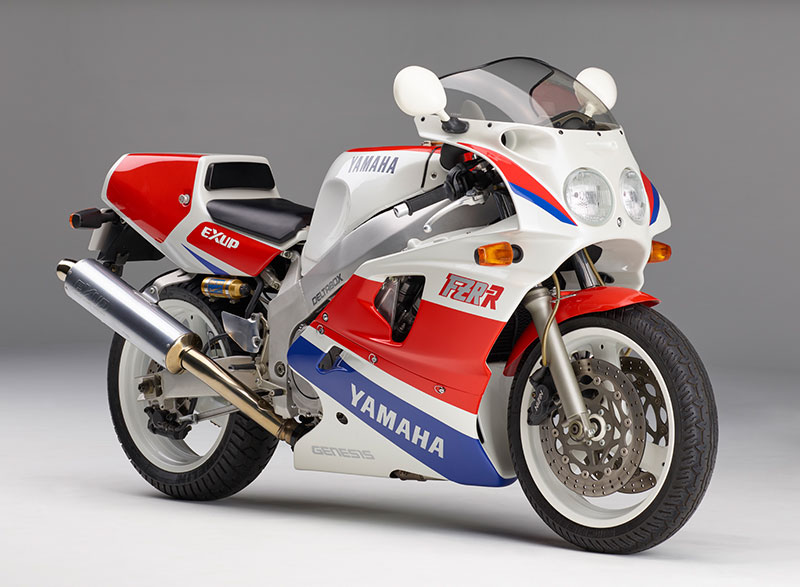
Visually, the motorcycle looked unmistakably purposeful. Sharp fairings, racing graphics, and compact dimensions gave it an authentic competition appearance. Even parked in a garage, the bike looked ready for a superbike championship grid.
One reason the OW01 became forgotten outside collector circles is simple rarity. Very few riders ever saw one in person, and even fewer had the opportunity to ride one. As years passed, the motorcycle transformed into a highly valuable collector piece rather than a commonly discussed superbike.
Today, enthusiasts regard the OW01 as one of Yamaha’s greatest homologation specials. It symbolizes an era when manufacturers invested enormous resources into race-inspired engineering for limited-production road motorcycles. Machines like this helped define Japanese superbike culture during its most competitive years.
- Engine: 749cc inline four
- Torque: 54 lb ft
- Horsepower: 121 hp
- Length/Width: 81.1 inches / 27.4 inches
Also Read: 9 Cars. Where the Coupe Outsold the Sedan Version
