
Superbikes have always represented the extreme edge of motorcycle performance. For decades, these machines were associated with exotic pricing, race-inspired engineering, and power levels that intimidated even experienced riders.
In the past, owning a superbike often required a massive budget because manufacturers packed these motorcycles with premium suspension systems, advanced electronics, lightweight materials, and engines capable of extraordinary speed.
The American motorcycle market has changed significantly in recent years. Competition between Japanese, European, and emerging international manufacturers created a wider range of performance motorcycles at more accessible prices.
Riders no longer need to spend luxury-car money to experience serious superbike performance. Several manufacturers now offer motorcycles that deliver aggressive acceleration, track-ready handling, and modern rider technology while remaining comparatively affordable.
Affordable superbikes do not necessarily mean slow motorcycles. Many bikes in this category still produce well above 100 horsepower and can reach speeds that demand skill and respect.
What separates them from ultra-expensive flagship superbikes is usually the use of slightly less exotic materials, simpler electronics packages, or engines tuned for broader street usability rather than outright racing dominance.
Another reason these motorcycles became more attractive involves real-world practicality. Many riders discovered that middleweight and budget-friendly superbikes often provide more enjoyable everyday experiences than ultra-powerful flagship liter bikes.
Lower weight, manageable power delivery, and cheaper maintenance costs make them easier to live with while still delivering thrilling performance.
The American market also benefits from strong dealership competition and healthy used-bike demand, helping manufacturers price these motorcycles aggressively.
As a result, riders shopping for their first serious sportbike now have multiple excellent choices capable of delivering authentic superbike excitement without completely draining their finances.
This article examines eight of the cheapest superbikes currently available in the American market. Each motorcycle offers impressive performance relative to its price point while maintaining the aggressive styling and riding character enthusiasts expect from modern high-performance sportbikes.
Some focus on balanced street performance, while others lean heavily toward track capability, but all of them prove that thrilling speed no longer requires an unlimited budget.
Also Read: 10 Cars That Failed Their First Year and Got Discontinued
1. Kawasaki Ninja ZX-4RR
Kawasaki surprised the motorcycle industry when it introduced the Ninja ZX-4RR to the American market. At first glance, many riders expected another ordinary middleweight sportbike designed mainly for beginners.
Instead, Kawasaki delivered something extremely unusual for the modern era: a high-revving inline-four superbike with a relatively small engine and an accessible price tag.
The ZX-4RR stands out because of its personality rather than raw displacement numbers. Most affordable sportbikes today rely on parallel-twin engines focused on efficiency and low-end torque.
Kawasaki chose a completely different path by giving the motorcycle a screaming inline-four engine capable of reaching astonishing RPM levels rarely seen in smaller bikes anymore.
That engine transforms the riding experience completely. The motorcycle feels alive at high revs, producing an addictive sound and razor-sharp throttle response that resembles larger supersport machines from previous decades.
Riders searching for an affordable bike with authentic race-inspired character immediately noticed how different the ZX-4RR felt compared to competitors.
Another reason the bike gained attention involves its chassis setup. Kawasaki equipped the ZX-4RR with quality suspension components, aggressive ergonomics, quick steering, and advanced electronics usually reserved for more expensive motorcycles.
Features such as traction control, selectable riding modes, and a quickshifter help the bike feel genuinely premium despite its comparatively affordable pricing.
On tight roads and technical racetracks, the ZX-4RR becomes especially entertaining. The lightweight chassis allows riders to carry speed confidently through corners without needing overwhelming horsepower.
Many experienced riders actually enjoy smaller high-revving superbikes because they can use more of the engine’s performance more often without instantly reaching dangerous speeds.
Fuel efficiency and ownership costs also remain relatively manageable compared to liter-class superbikes. Tires, brakes, and maintenance expenses generally stay lower, making the bike more realistic for younger enthusiasts or riders entering the superbike category for the first time.
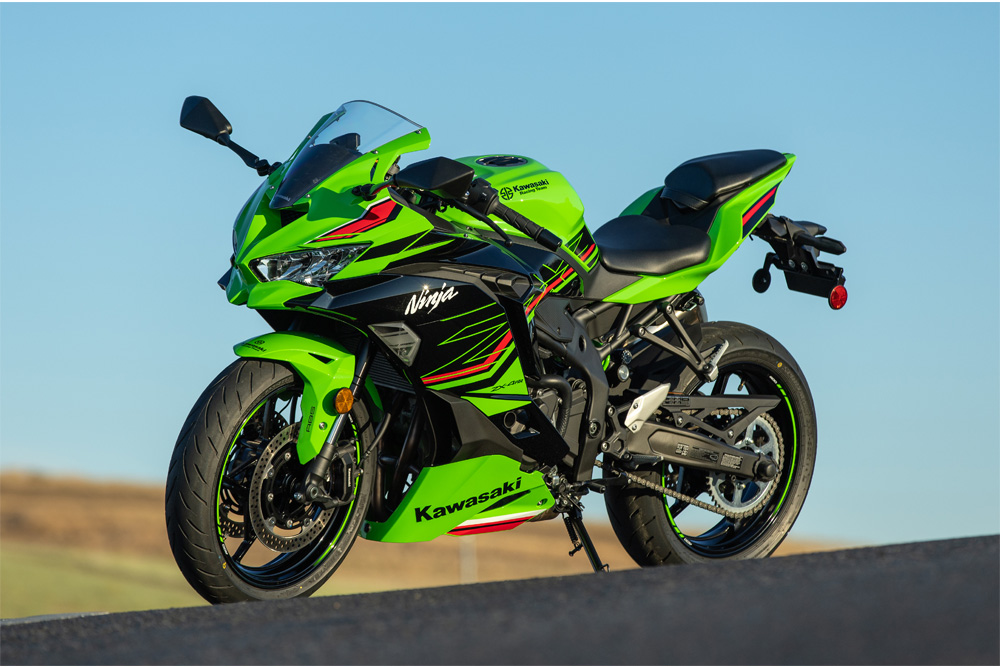
The ZX-4RR proves that affordable performance motorcycles do not need massive engines to create excitement. Kawasaki built a machine focused on precision, sound, and rider involvement rather than pure straight-line speed, giving American riders one of the most distinctive budget-friendly superbikes currently available.
- Engine: 399cc Inline 4
- Torque: 28.9 lb-ft
- Horsepower: 76 HP
- Length/Width: 78.3 inches / 30.3 inches
2. Suzuki GSX-R750
The Suzuki GSX-R750 occupies a unique position in the American superbike market because no other motorcycle balances middleweight agility and liter-bike power quite the same way.
While most manufacturers abandoned the 750cc category years ago, Suzuki continued refining the GSX-R750 into one of the best performance bargains available today.
For many riders, the GSX-R750 represents the perfect compromise. It delivers significantly stronger acceleration than smaller supersport motorcycles while remaining lighter and easier to control than modern 1000cc superbikes. That balance makes the bike exceptionally versatile for street riding, canyon carving, and occasional track use.
Suzuki’s long experience with the GSX-R platform shows immediately once the motorcycle starts moving. The chassis feels stable during high-speed riding yet surprisingly nimble in corners. Steering remains predictable, and the suspension setup handles aggressive riding without becoming punishing during daily use.
The engine remains the star of the package. Suzuki’s 750cc inline-four produces smooth but explosive power delivery across the rev range.
Riders can comfortably commute through city traffic one moment and attack racetrack straights the next without the motorcycle ever feeling out of place. The power arrives progressively, helping riders build confidence instead of overwhelming them instantly.
Another major advantage involves value. Compared to many modern European superbikes packed with expensive electronics and luxury branding, the GSX-R750 stays relatively affordable while still offering serious real-world performance. Insurance and maintenance costs also tend to remain more reasonable than larger flagship superbikes.
Some critics argue that the GSX-R750 feels old-fashioned because Suzuki has not redesigned it dramatically in recent years. Ironically, that simplicity became part of the motorcycle’s appeal. Riders seeking a straightforward superbike without excessive electronic complexity often appreciate the bike’s analog character and proven reliability.
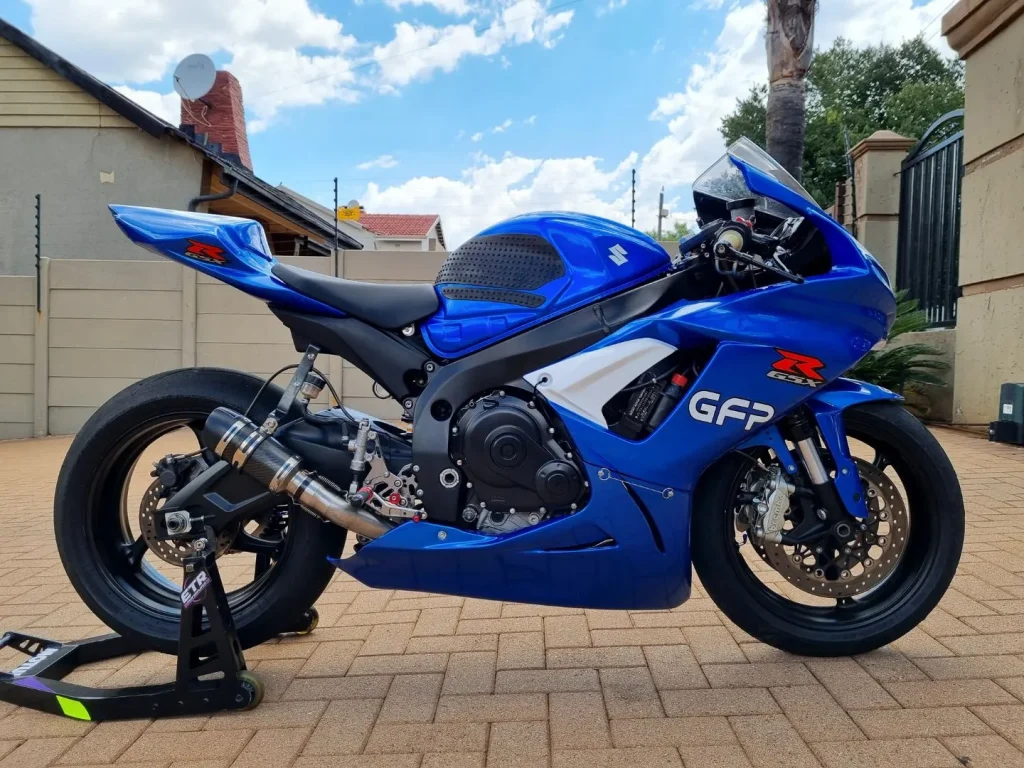
The GSX-R750 also carries enormous historical importance. Earlier generations helped define the modern supersport category, and the current version continues that legacy by offering thrilling performance at a price many riders can realistically reach.
Few motorcycles blend affordability, speed, usability, and heritage as effectively as the GSX-R750. Even after decades on the market, it remains one of America’s smartest superbike values for riders wanting serious performance without entering ultra-expensive exotic territory.
- Engine: 750cc Inline 4
- Torque: 63 lb-ft
- Horsepower: 148 HP
- Length/Width: 80.5 inches / 28.1 inches
3. Yamaha YZF-R7
The Yamaha YZF-R7 entered the American market carrying a name associated with one of Yamaha’s rarest and most legendary superbikes.
Many enthusiasts initially expected an aggressive high-horsepower machine similar to the old homologation special from the late 1990s. Instead, Yamaha introduced a far more accessible motorcycle focused on affordability, balance, and real-world usability.
At first, some riders criticized the decision because the R7 uses a parallel-twin engine rather than a screaming inline-four setup commonly associated with supersport motorcycles.
Once people actually rode the bike, opinions changed quickly. Yamaha intentionally designed the R7 to deliver approachable performance without sacrificing sporty character.
The engine comes directly from the highly successful MT-07 platform, which already had a strong reputation for reliability and strong midrange torque. In the R7, the motor feels responsive and energetic rather than intimidating.
Riders do not need to push the engine to extreme RPM levels constantly to enjoy meaningful acceleration. That makes the motorcycle surprisingly enjoyable during street riding and canyon roads where usable power matters more than massive top-end speed.
The chassis setup deserves significant praise as well. Yamaha equipped the R7 with sharp handling characteristics, sporty ergonomics, and a lightweight frame that inspires confidence quickly. The motorcycle changes direction eagerly while remaining stable under aggressive cornering and braking.
Another major strength involves affordability beyond the purchase price itself. Insurance costs, tire wear, and fuel consumption remain far lower than most liter-class superbikes. Riders wanting a serious sportbike experience without overwhelming ownership expenses often find the R7 extremely attractive for that reason alone.
Unlike some budget-friendly motorcycles that feel compromised, the R7 maintains a focused identity. The riding position, bodywork, and suspension tuning create a genuine supersport atmosphere despite the smaller engine configuration.
Many experienced riders actually appreciate this approach because they can enjoy the motorcycle’s full performance more frequently on public roads.
Yamaha also succeeded in making the bike visually aggressive. The front-end styling resembles that of larger R-series machines closely, giving the motorcycle a premium visual appeal despite its relatively affordable pricing.
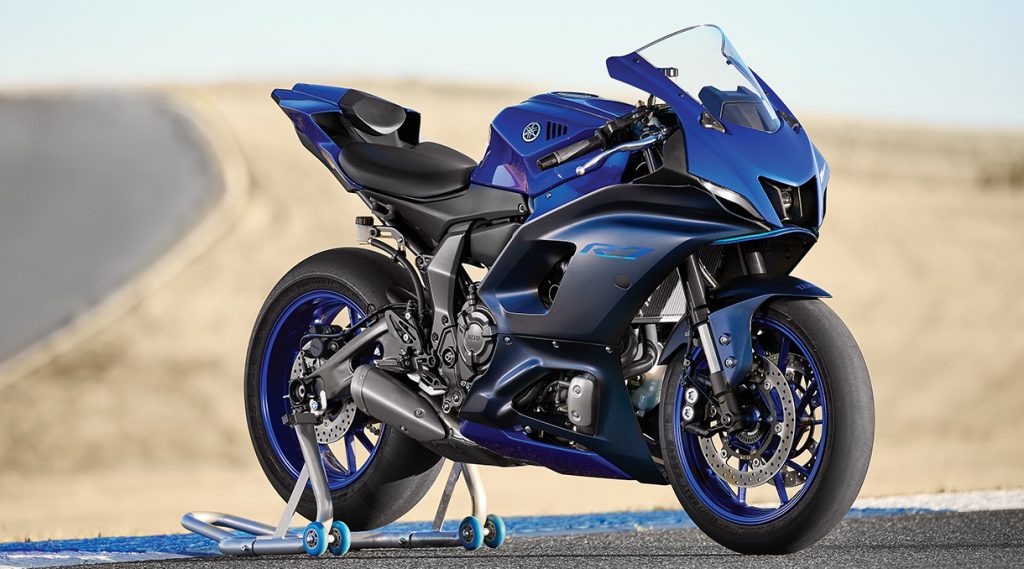
The YZF-R7 proves that a modern superbike does not require massive horsepower numbers to deliver excitement. By emphasizing balance, agility, and rider engagement, Yamaha created one of the smartest affordable performance motorcycles currently available in the American market.
- Engine: 689cc Parallel Twin
- Torque: 49.4 lb-ft
- Horsepower: 72 HP
- Length/Width: 81.5 inches / 27.8 inches
4. Honda CBR650R
Honda approached the affordable superbike category differently with the CBR650R. Instead of building an extreme race-focused machine demanding constant high-speed riding, Honda created a motorcycle capable of combining everyday comfort with authentic sportbike performance. The result became one of the most practical yet entertaining, affordable superbikes sold in America.
The CBR650R stands out immediately because of its engine configuration. While many competitors moved toward twin-cylinder layouts to reduce costs, Honda retained an inline-four engine. That decision gives the bike a smoother and more refined personality than many motorcycles in its price range.
Power delivery feels progressive and predictable, making the motorcycle approachable for newer riders while still satisfying experienced enthusiasts.
The engine produces enough acceleration to feel genuinely quick without becoming exhausting during city traffic or longer highway rides. Riders can enjoy spirited performance without constantly fighting aggressive power spikes.
Honda also paid close attention to ergonomics. Many modern supersport motorcycles prioritize racetrack performance so heavily that daily riding becomes uncomfortable.
The CBR650R offers a more relaxed seating position without losing its sporty identity. Handlebars, footpeg placement, and seat comfort create a riding experience suitable for commuting, weekend rides, and occasional track use alike.
The motorcycle’s styling contributes heavily to its appeal. Sharp bodywork, aggressive LED lighting, and compact proportions make the bike resemble Honda’s larger superbikes closely. Buyers get a premium visual presence without paying flagship superbike prices.
Handling remains one of the strongest aspects of the CBR650R. The chassis feels balanced and confidence-inspiring, especially for riders transitioning from beginner motorcycles into the supersport category. Suspension tuning prioritizes stability and road comfort rather than punishing track stiffness, helping the motorcycle perform well across different environments.
Reliability represents another major advantage. Honda’s reputation for durable engineering helps keep ownership costs manageable over time. Maintenance intervals, fuel economy, and long-term dependability remain attractive compared to more exotic European alternatives.
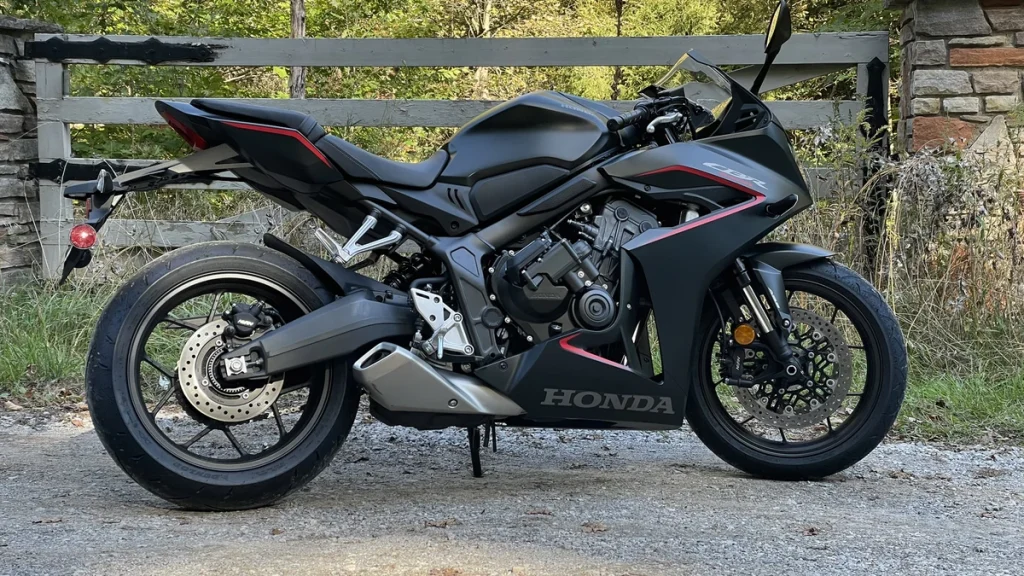
The CBR650R succeeds because it avoids chasing extreme performance numbers. Instead, Honda focused on building a well-rounded sportbike delivering enough speed, sharp styling, and everyday practicality to satisfy a wide range of riders.
That balanced approach helped make it one of the strongest values in the affordable American superbike market.
- Engine: 649cc Inline 4
- Torque: 46.5 lb-ft
- Horsepower: 94 HP
- Length/Width: 83 inches / 29.5 inches
5. Aprilia RS 660
Aprilia entered the middleweight superbike category with a completely different philosophy compared to many Japanese manufacturers. Instead of chasing maximum horsepower or bargain-basement pricing, the company focused on delivering premium riding character and advanced technology in a lighter, more accessible package.
The RS 660 quickly became one of the most talked-about affordable superbikes in America because it combined Italian personality with surprisingly realistic pricing.
The first thing riders notice about the RS 660 is how light and agile it feels. Aprilia designed the motorcycle around a compact aluminum chassis that responds immediately to rider input. Tight corners, quick transitions, and aggressive canyon riding suit the bike perfectly because it changes direction with very little effort.
Its parallel-twin engine also behaves differently from many competitors. Rather than feeling harsh or purely utilitarian, the RS 660 produces a lively and energetic power delivery that keeps the motorcycle entertaining across the rev range.
The engine delivers strong midrange torque while still encouraging riders to rev the bike aggressively when roads open up.
Technology represents one of the motorcycle’s biggest strengths. Aprilia equipped the RS 660 with advanced electronics rarely found at this price point. Riders get traction control, wheelie control, cruise control, engine braking adjustment, riding modes, and cornering ABS. Many larger superbikes cost significantly more while offering similar features.
The bike’s styling further separates it from rivals. Aprilia motorcycles carry a distinctive Italian design language that feels exotic compared to more common Japanese sportbikes. Sharp bodywork, compact proportions, and aggressive lighting give the RS 660 a premium visual identity that attracts attention immediately.
Another reason the motorcycle became popular involves its real-world usability. Unlike extreme liter bikes that can feel excessive during normal street riding, the RS 660 offers performance that riders can actually use frequently. The lighter weight and manageable power create a more involving experience at realistic speeds.
Comfort also remains better than many track-focused superbikes. Riders can spend longer periods on the motorcycle without feeling physically punished by the riding position. That flexibility makes the RS 660 appealing to commuters, weekend riders, and occasional track enthusiasts alike.
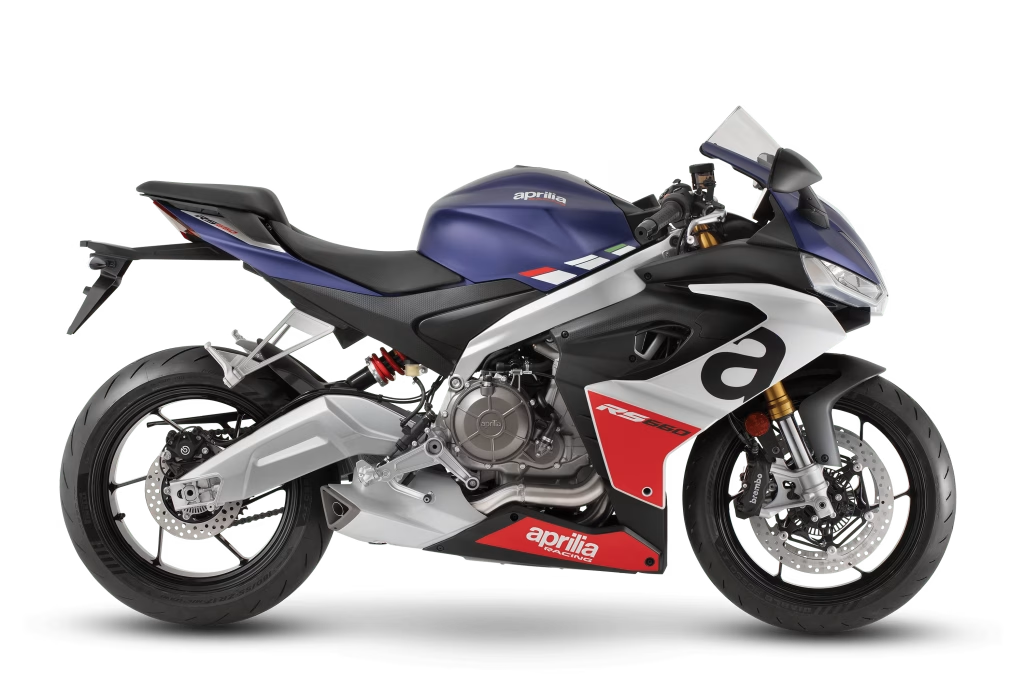
Aprilia successfully built a motorcycle delivering exotic personality without exotic ownership barriers. The RS 660 proves affordable superbikes can still feel premium, emotional, and technologically advanced while remaining accessible to a much larger group of riders.
- Engine: 659cc Parallel Twin
- Torque: 49.4 lb-ft
- Horsepower: 100 HP
- Length/Width: 78.1 inches / 29 inches
6. KTM RC 8C
The KTM RC 8C occupies a very unusual position in the affordable superbike discussion because it focuses almost entirely on delivering a raw track-inspired experience. KTM built the motorcycle with lightweight performance and aggressive handling as top priorities rather than everyday practicality.
Even so, compared to many hand-built European superbikes, the RC 8C remains relatively attainable for riders seeking something far more focused than traditional middleweight sportbikes.
The motorcycle immediately feels different from mainstream Japanese alternatives. KTM stripped away unnecessary weight aggressively, creating a machine that feels incredibly responsive during hard riding. Every steering input, throttle adjustment, and braking action produces an immediate reaction from the chassis.
Power comes from a parallel-twin engine tuned for strong performance and sharp throttle response. While it does not produce the overwhelming numbers associated with liter-class superbikes, the lightweight construction makes acceleration feel intense. The motorcycle rewards precision and momentum rather than brute-force straight-line speed.
KTM’s racing background becomes obvious once the road starts twisting. The RC 8C feels happiest attacking corners aggressively, carrying lean angle confidently, and responding instantly to rider commands. Suspension tuning remains firm and highly focused, emphasizing control over comfort.
Styling also separates the motorcycle dramatically from competitors. The RC 8C carries an unmistakably race-oriented appearance with aerodynamic bodywork, sharp angles, and minimal visual compromise. It looks like a machine designed for racetracks first and public roads second.
Another major attraction involves exclusivity. KTM produces the RC 8C in relatively limited numbers, giving buyers a motorcycle that feels special compared to more common sportbikes found everywhere. Riders wanting something less mainstream often appreciate that uniqueness.
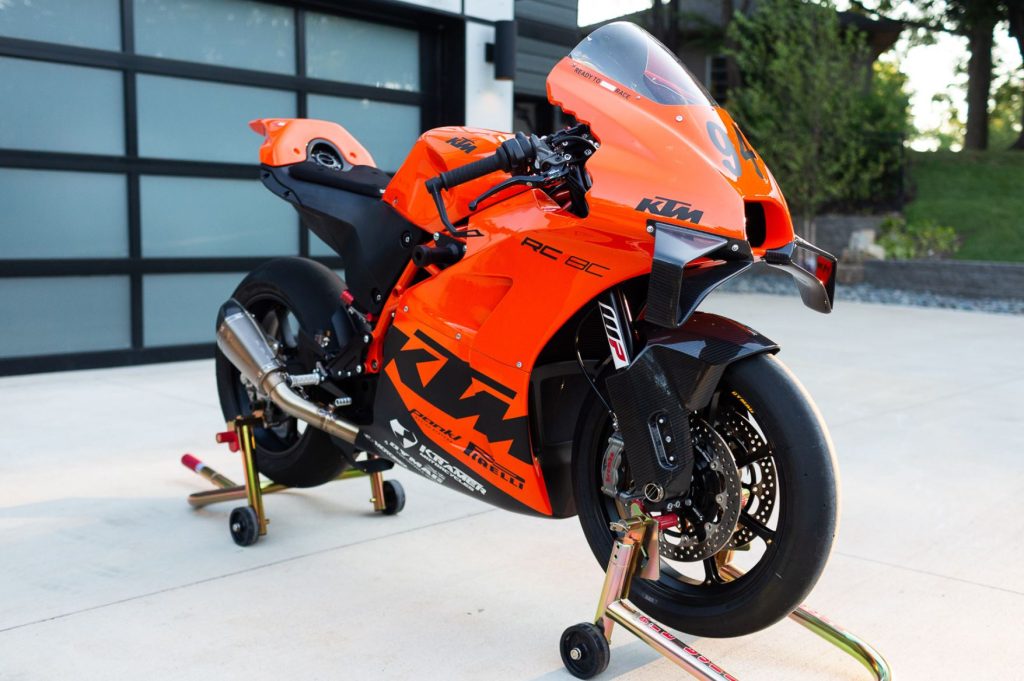
The bike is not ideal for every rider. Long highway rides and daily commuting can become tiring because the ergonomics prioritize aggressive body positioning. Yet for enthusiasts focused mainly on performance riding, that compromise feels acceptable.
KTM proved that affordable superbikes do not need to follow traditional formulas. Instead of building a softer all-around machine, the company created a motorcycle delivering raw intensity, lightweight agility, and race-inspired character at a price still reachable compared to ultra-expensive exotic superbikes.
For riders seeking a highly focused performance machine without entering six-figure superbike territory, the RC 8C delivers one of the most exciting riding experiences currently available in the American market.
- Engine: 889cc Parallel Twin
- Torque: 72.3 lb-ft
- Horsepower: 128 HP
- Length/Width: 77.9 inches / 28.5 inches
7. Ducati Supersport 950
Ducati built its reputation on exotic superbikes that combined aggressive styling, thunderous engines, and race-inspired engineering. Traditionally, owning a Ducati superbike required a substantial financial commitment along with a willingness to accept higher maintenance costs and demanding riding characteristics.
The Supersport 950 changed that formula by offering a more approachable entry point into Ducati performance without losing the emotional personality that made the brand famous.
The motorcycle occupies an interesting middle ground between hardcore superbikes and comfortable sport-touring machines. Instead of chasing extreme horsepower numbers like the Panigale lineup, Ducati focused on creating a bike riders could genuinely enjoy every day while still delivering unmistakable Italian performance character.
The engine plays a major role in achieving that balance. Ducati’s 937cc Testastretta twin-cylinder engine produces strong acceleration throughout the rev range without requiring constant high-RPM riding.
The power delivery feels smooth and usable during city traffic, highway cruising, and canyon roads alike. Riders do not need professional-level skill to enjoy the motorcycle confidently, which broadens its appeal significantly.
Styling remains unmistakably Ducati. The Supersport 950 carries aggressive bodywork, sharp lighting elements, and aerodynamic lines strongly inspired by Ducati’s larger superbikes. Parked beside many competitors, the bike still looks exotic and premium despite costing substantially less than flagship Italian performance motorcycles.
Comfort distinguishes the Supersport 950 from more extreme superbikes. Ducati gave the motorcycle a more relaxed riding position with less punishing ergonomics, allowing riders to spend longer hours in the saddle without constant wrist and back fatigue. That practicality helps justify the motorcycle as both a weekend toy and a realistic everyday machine.
Technology also contributes heavily to the bike’s value. Ducati equipped the Supersport 950 with advanced rider aids, including traction control, wheelie control, riding modes, cornering ABS, and a quickshifter on higher trims. These features improve confidence while helping the bike feel modern and sophisticated.
The chassis setup strikes a careful balance between stability and agility. The motorcycle handles corners sharply while still maintaining predictable road manners during regular commuting and highway travel.
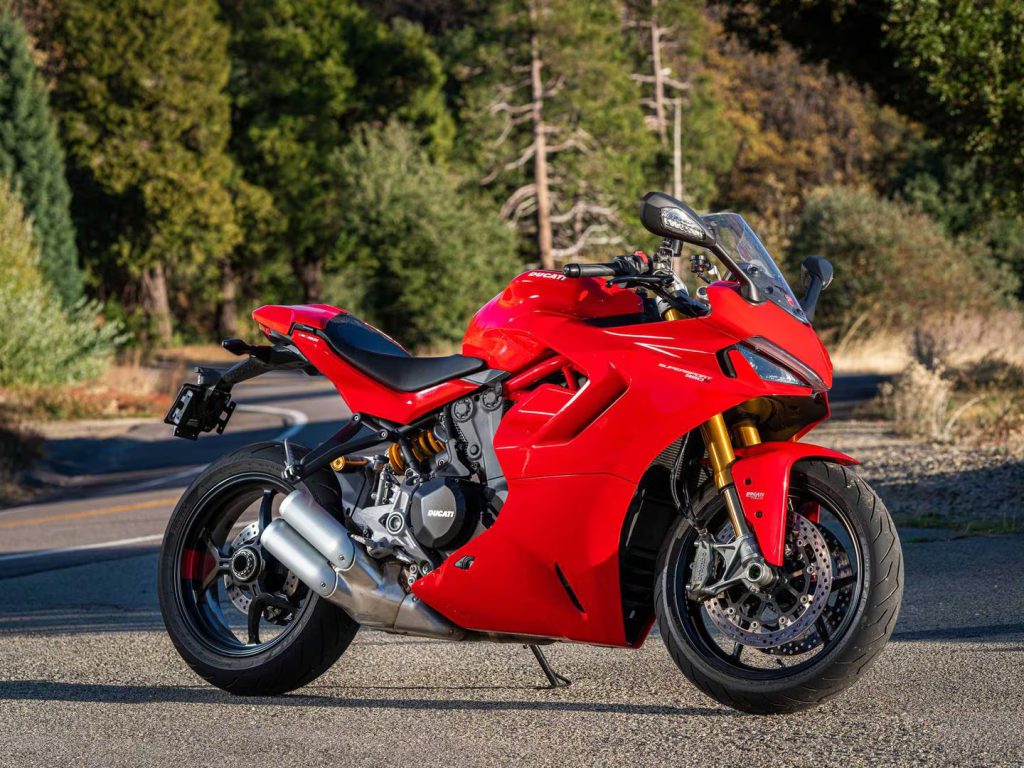
Suspension tuning avoids the harshness often associated with track-focused superbikes, creating a more forgiving riding experience on imperfect roads.
Many riders view the Supersport 950 as one of Ducati’s smartest modern motorcycles because it captures the emotional excitement of the brand without demanding superbike-level compromises. It delivers style, performance, sound, and premium engineering at a comparatively reachable price point for the American market.
- Engine: 937cc L Twin
- Torque: 69 lb-ft
- Horsepower: 110 HP
- Length/Width: 82.5 inches / 30.7 inches
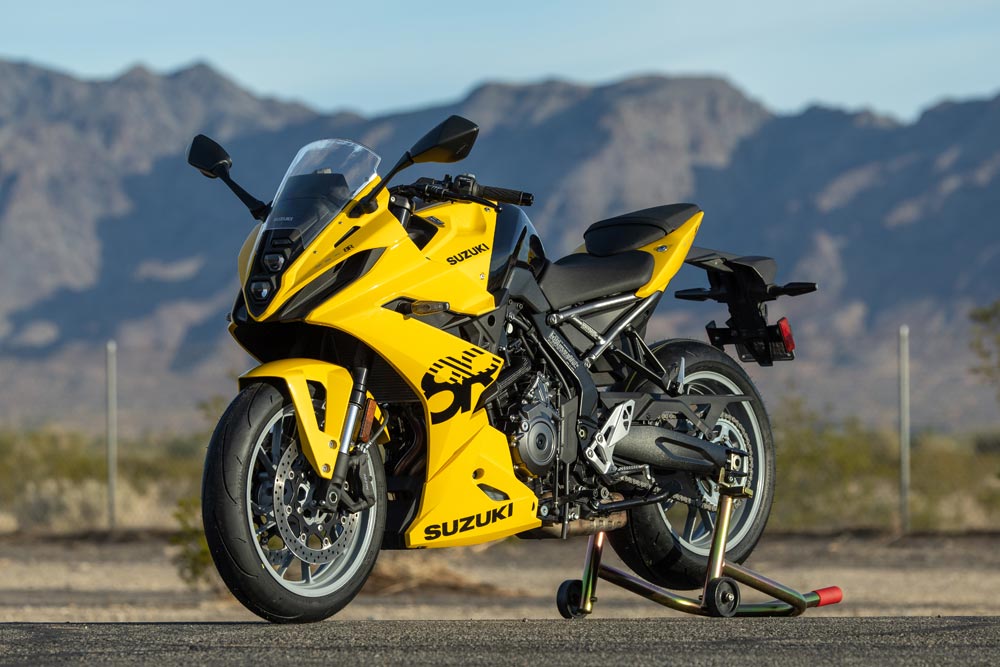
8. Suzuki GSX-8R
Suzuki entered a new chapter of middleweight performance motorcycles with the GSX-8R, a machine designed to attract riders wanting modern sportbike styling and strong real-world performance without entering the intimidating territory of full liter-class superbikes.
The motorcycle quickly became one of the strongest values in the American market because it balanced affordability, comfort, and sporty capability unusually well.
The GSX-8R uses a parallel-twin engine that delivers smooth but energetic acceleration across a broad RPM range. Suzuki focused heavily on usable street performance instead of headline horsepower numbers. As a result, the bike feels responsive during normal riding conditions without becoming difficult to manage for less experienced riders.
One of the motorcycle’s biggest strengths involves flexibility. The GSX-8R can handle commuting, weekend canyon rides, and occasional track sessions without feeling specialized toward only one type of riding. That versatility makes it highly appealing for riders who want a single motorcycle capable of performing multiple roles comfortably.
Suzuki also paid careful attention to ergonomics. Unlike aggressive supersport motorcycles that force riders into extreme forward-leaning positions, the GSX-8R offers a more natural riding posture. Handlebars sit slightly higher, and the seating position reduces strain during long rides while still maintaining a sporty feel.
Styling gives the motorcycle a strong visual presence. Sharp LED lighting, aerodynamic fairings, and compact proportions create an appearance more aggressive than many traditional middleweight bikes. Suzuki successfully made the GSX-8R look premium without dramatically increasing the price.
Technology features remain competitive as well. Riders receive selectable riding modes, traction control, modern digital instrumentation, and quickshifter functionality depending on trim and market configuration.
These additions help the bike compete with more expensive European alternatives while keeping ownership costs comparatively manageable.
Handling characteristics favor confidence and predictability rather than nervous hyperactivity. The chassis feels stable during high-speed riding but still responds eagerly in corners. Many riders transitioning from beginner motorcycles appreciate how approachable the GSX-8R feels without lacking excitement.
Another advantage involves ownership simplicity. Suzuki motorcycles generally maintain a strong reputation for reliability and lower maintenance expenses compared to many exotic brands. Insurance costs also remain relatively reasonable because the GSX-8R avoids the extreme performance image associated with liter-class superbikes.
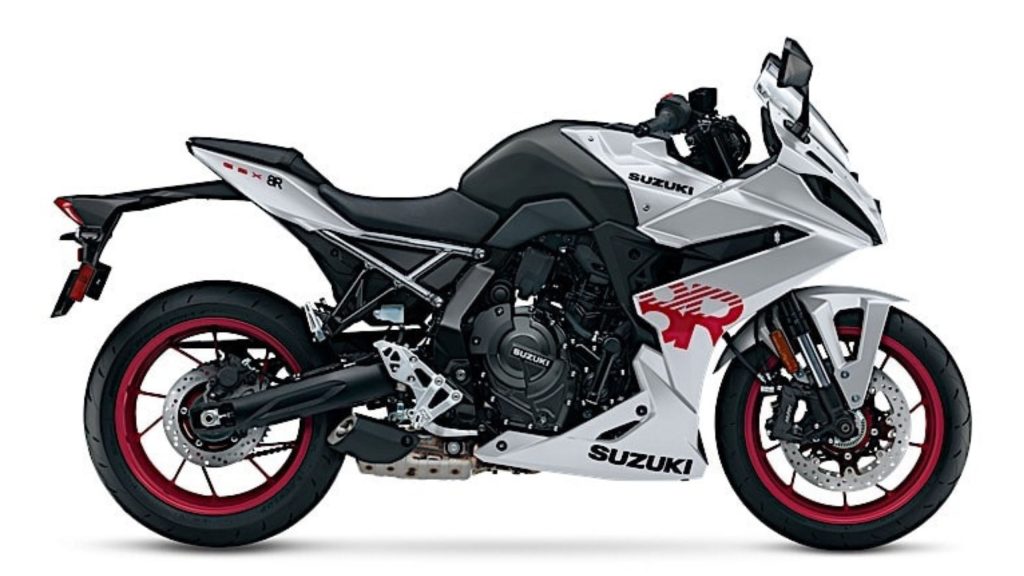
The GSX-8R proves that affordable superbikes continue evolving toward smarter real-world usability instead of purely chasing racetrack performance statistics. Suzuki built a motorcycle that feels modern, practical, and genuinely entertaining while remaining financially accessible for a large number of American riders.
- Engine: 776cc Parallel Twin
- Torque: 57.5 lb-ft
- Horsepower: 82 HP
- Length/Width: 83.1 inches / 30.3 inches
Also Read: 10 Forgotten Safety Features That No Longer Exist
