
Buying a used vehicle without a detailed maintenance history is always a gamble. Most engines today are packed with turbochargers, sensitive electronics, and tightly tuned components that punish neglect almost immediately.
But a small group of engines has earned a reputation for surviving abuse, skipped oil changes, hard towing, poor ownership habits, and years of inconsistent servicing while still pushing beyond 300,000 miles.
These engines became legends because they were engineered during an era when durability mattered more than squeezing out every possible horsepower figure or fuel economy rating. Thick iron blocks, conservative tuning, low-stress internal components, simple timing systems, and overbuilt cooling designs allowed these power plants to keep running long after many modern engines would have failed.
Mechanics, fleet operators, off-road enthusiasts, and high-mileage drivers continue searching for vehicles equipped with these engines because they repeatedly prove that reliability is not just marketing hype. Some of them are power pickup trucks that spent decades hauling trailers.
Others live under the hood of taxis, SUVs, and commuter cars that survived brutal climates and neglected maintenance schedules. In many cases, owners report crossing 300,000 miles with only basic repairs such as starters, water pumps, belts, or alternators.
Even online automotive communities consistently mention the same names whenever discussions about “bulletproof” engines appear. Toyota, Honda, General Motors, Ford, Mercedes-Benz, and Cummins all built engines that became symbols of longevity.
These engines are not perfect, and every one of them has weaknesses, but what separates them from average engines is their ability to tolerate neglect without catastrophic failure. If you are shopping for a used vehicle with an uncertain service history, choosing the right engine can dramatically reduce your risk.
The following engines have repeatedly demonstrated that they can survive well past 300,000 miles even when owners fail to keep complete maintenance records. Their reputations were earned through decades of real-world driving, commercial use, towing, off-roading, and owner experiences across millions of miles.
Also Read: 10 Cars With Insurance Premiums Lower Than a Compact Sedan
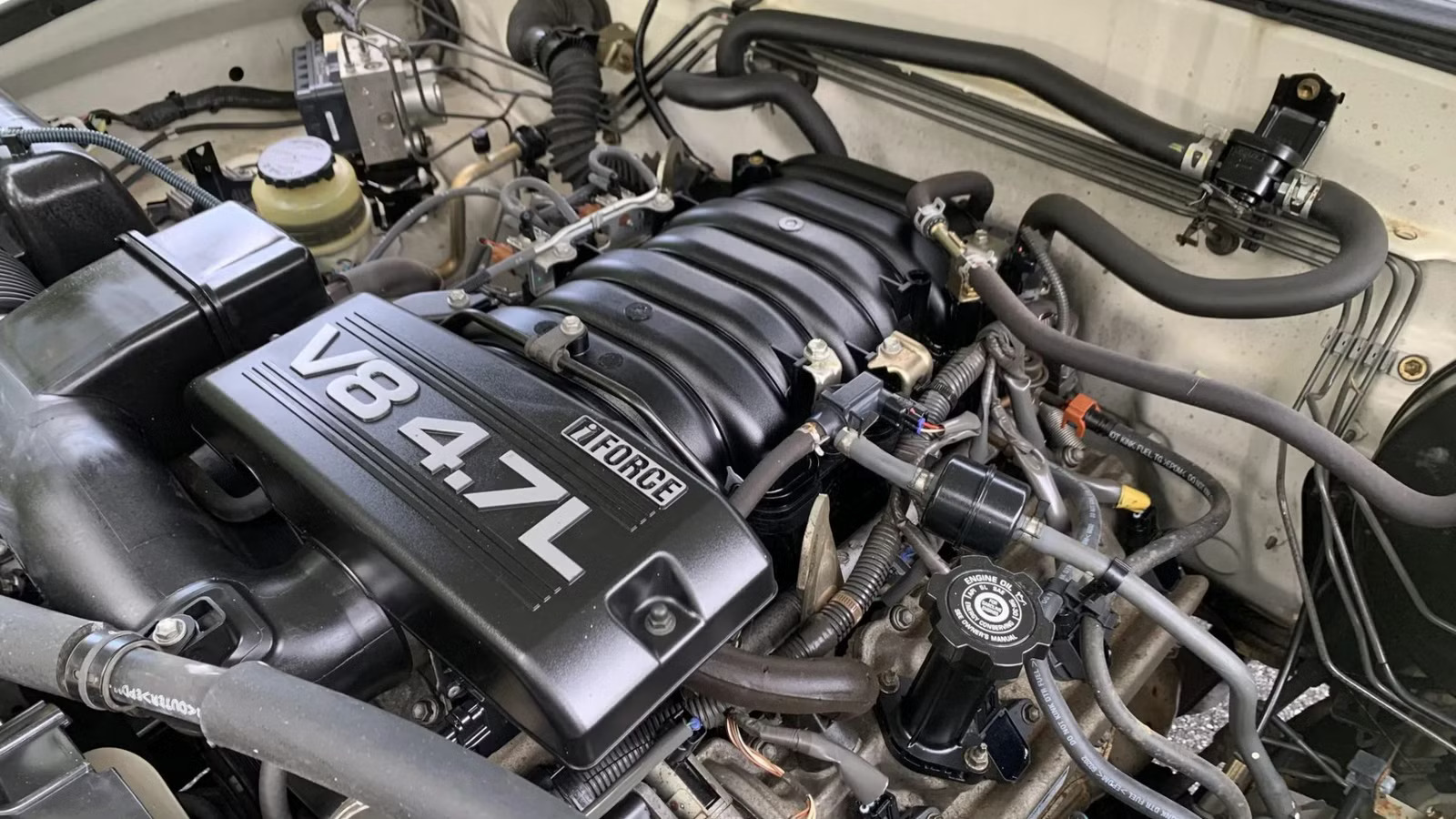
1. Toyota 2UZ FE 4.7L V8
The Toyota 2UZ FE 4.7L V8 is widely regarded as one of the most overbuilt and durable gasoline engines ever fitted into a mass production vehicle. It was designed during a period when Toyota prioritized long-term reliability over performance numbers, which is immediately reflected in its construction.
Unlike many modern aluminum heavy engines, the 2UZ FE uses a cast-iron block, giving it exceptional strength and resistance to thermal stress. This makes it especially tolerant of poor maintenance habits, such as irregular oil changes or extended service intervals, which would quickly destroy more delicate modern engines.
Because of this rugged foundation, it became the backbone of heavy-duty Toyota vehicles like the Land Cruiser, Tundra, Sequoia, and Lexus LX470, all of which are known for long service lives in harsh conditions around the world.
A major reason the 2UZ FE consistently reaches or exceeds 300,000 miles is its extremely low-stress operating design. Toyota tuned this engine conservatively, meaning it does not push high horsepower figures or extreme RPM limits. Instead, it delivers smooth and steady torque at lower engine speeds, which reduces internal wear significantly over time.
The crankshaft, connecting rods, and bearings were all engineered with heavy-duty use in mind, allowing the engine to handle towing, off-road driving, and long-distance travel without strain. Even when owners neglect ideal maintenance practices, the engine often continues to operate without catastrophic failure because it is rarely pushed near its mechanical limits.
Another important factor in its longevity is its exceptional cooling capacity. Overheating is one of the fastest ways to destroy an engine, but the 2UZ FE was specifically designed for large SUVs and trucks that operate in extreme climates.
Whether driving through desert heat, mountainous terrain, or heavy stop-and-go traffic, the cooling system is robust enough to maintain stable operating temperatures. This helps prevent head warping, gasket failure, and internal component breakdown, even in vehicles that have not been properly serviced for long periods. Many mechanics report that these engines often survive overheating incidents that would permanently damage other powertrains.
The engine also benefits from its mechanical simplicity compared to modern designs. It does not rely on turbocharging, direct injection complexity, or advanced cylinder deactivation systems that can introduce additional failure points.
While it does require timing belt maintenance at recommended intervals, many engines have still survived well beyond those intervals without immediate failure. This forgiving nature is one of the reasons it is so highly valued in used vehicles with missing or incomplete service records, especially in regions where maintenance history is unreliable or undocumented.
The 2UZ FE earned its legendary reputation through real-world abuse rather than controlled testing environments. It has been used in military-style conditions, commercial fleets, long-haul towing, and remote area travel across multiple continents.
Its ability to continue functioning under neglect, combined with its naturally durable construction, makes it one of the most trusted engines for buyers seeking long-term reliability without maintenance certainty.
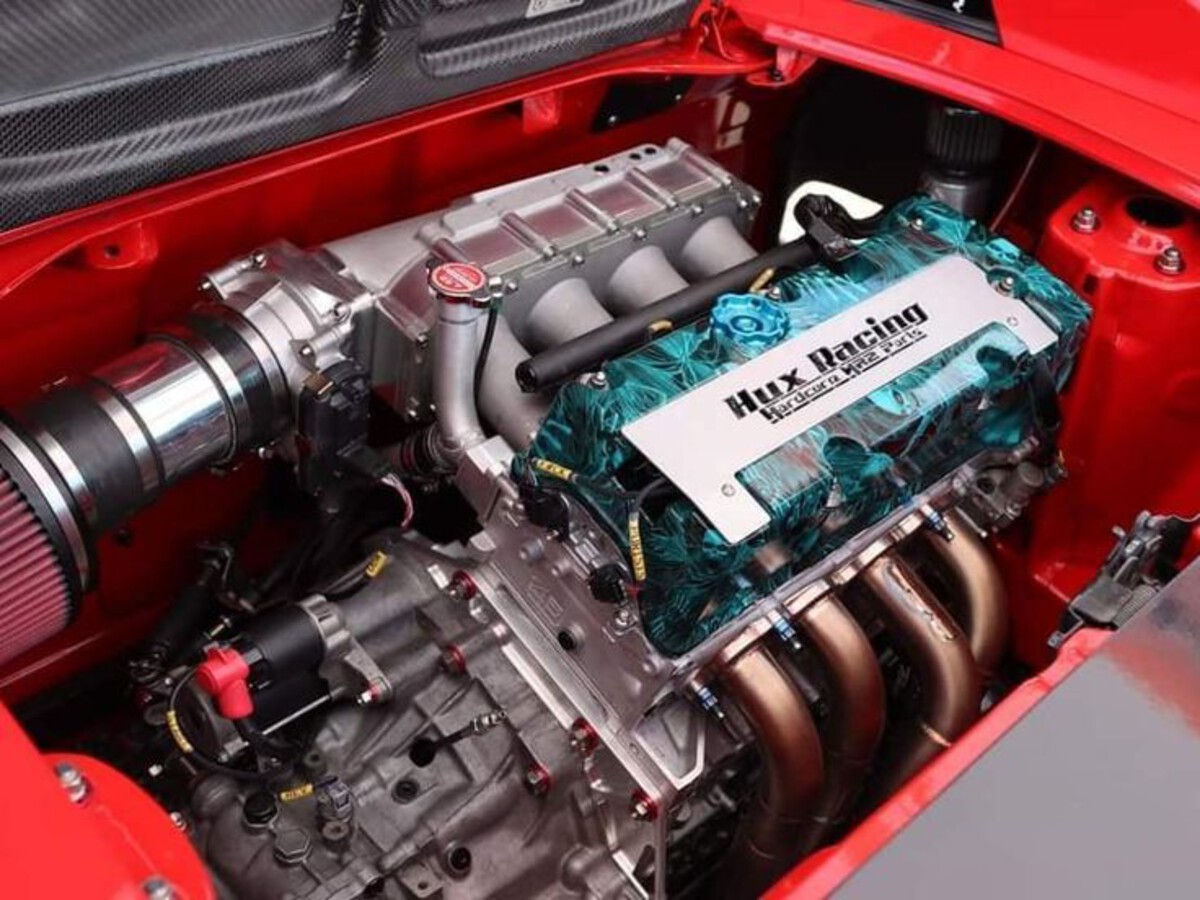
2. Honda K24 2.4L Inline Four
The Honda K24 2.4L inline four engine represents one of the most successful modern four-cylinder designs in terms of balancing efficiency, performance, and long-term reliability. Introduced in the early 2000s, it powered some of Honda’s most popular vehicles, including the Accord, CR V, Element, and Acura TSX.
Unlike many small engines that sacrifice durability for power output, the K24 was designed with a strong emphasis on mechanical longevity. Its widespread use across multiple vehicle types helped establish a massive real-world track record, with countless examples exceeding 300,000 miles even under inconsistent maintenance conditions.
One of the strongest contributors to the K24’s durability is its naturally aspirated design. By avoiding turbocharging in most variants, Honda reduced heat stress, pressure spikes, and long-term mechanical strain. This allows internal components such as pistons, rods, and valves to operate under more controlled conditions compared to modern turbocharged engines.
As a result, the engine experiences slower wear rates over time, which is especially beneficial when maintenance is irregular. Even vehicles that have missed oil changes or experienced delayed servicing often continue running with minimal immediate issues.
The engine’s construction also plays a critical role in its longevity. Honda used an aluminum block with iron cylinder liners, combining lightweight efficiency with durable wear surfaces. The forged steel crankshaft and high-quality bearings contribute to consistent performance even at high mileage.
Additionally, Honda’s precision manufacturing tolerances ensure that internal friction remains low, reducing heat buildup and mechanical degradation. These design choices collectively help the engine maintain compression and performance even after hundreds of thousands of miles.
Another major advantage of the K24 is its timing chain system, which eliminates the need for regular timing belt replacement. This reduces one of the most common failure points in high-mileage engines, especially in vehicles where maintenance records are unclear.
While other components, such as water pumps or valve cover gaskets, may require occasional attention, the core engine structure remains highly reliable. Many owners report that the engine continues running smoothly even when basic maintenance schedules are ignored for extended periods.
In real-world use, the K24 has proven itself across a wide range of driving conditions. It performs well in city commuting, highway cruising, and even light towing applications. Its ability to tolerate neglect while still maintaining smooth operation has made it a favorite among mechanics and used car buyers.
Among modern four-cylinder engines, it stands out as one of the most dependable options for long-term ownership without a complete service history.
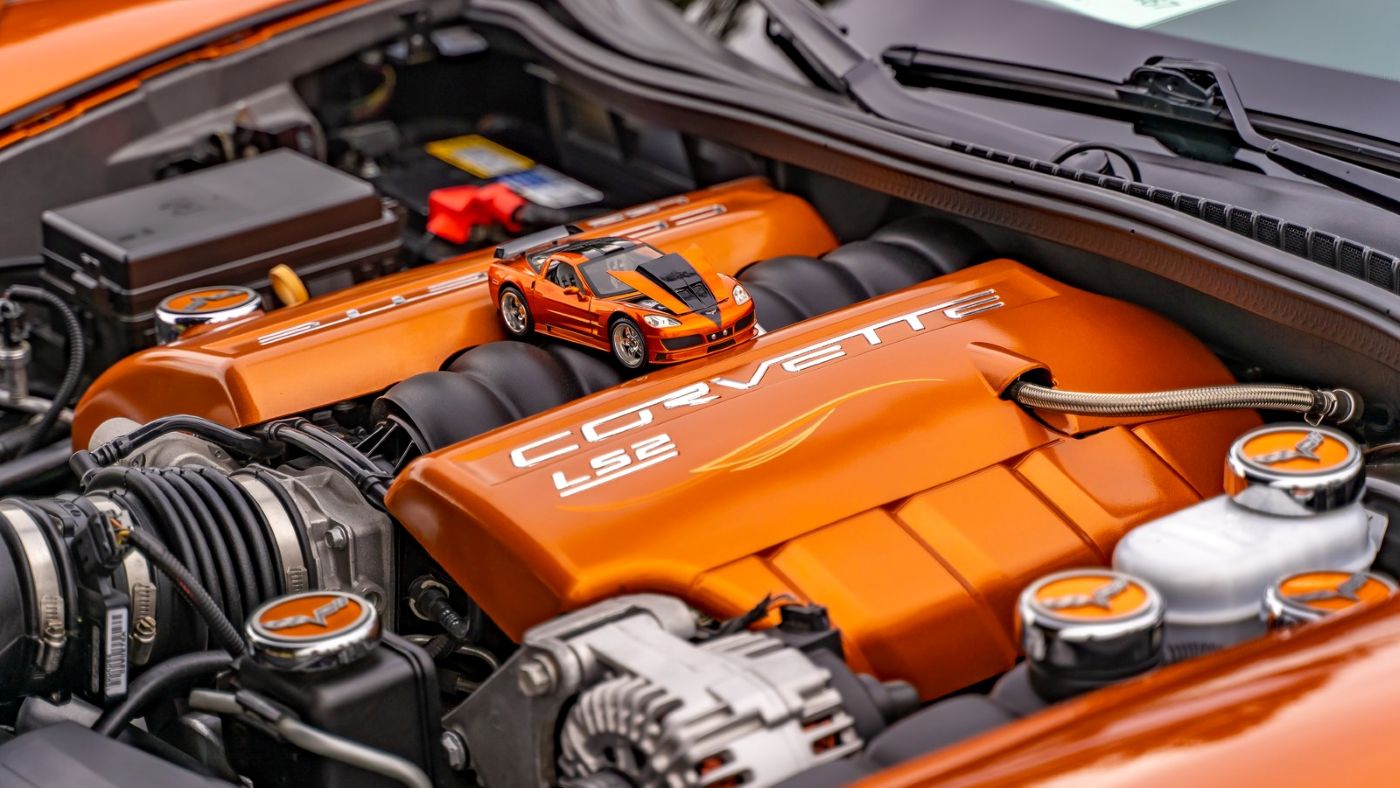
3. GM LS Series V8
The GM LS series V8 engines represent one of the most influential and widely used engine families in modern automotive history. Introduced in the late 1990s, the LS platform quickly became the foundation for countless Chevrolet, GMC, and Cadillac vehicles, ranging from trucks and SUVs to high-performance sports cars.
What made the LS engine especially remarkable was its combination of simplicity, affordability, and exceptional durability. Even under heavy use and inconsistent maintenance, many LS engines routinely surpass 300,000 miles while maintaining strong performance and reliability.
One of the key reasons for the LS engine’s longevity is its pushrod, overhead valve design. Unlike more complex overhead cam engines, the LS architecture uses fewer moving parts, which reduces the number of potential failure points.
This simpler mechanical layout also improves serviceability, making repairs easier and less expensive. Because the engine is relatively straightforward in construction, it can tolerate wear and neglect better than more complex modern designs that rely heavily on precise timing systems and advanced electronics.
The LS engine family also benefits from strong internal components designed to handle both performance and durability. The crankshaft, connecting rods, and block structure are engineered to withstand significant stress, especially in truck applications where towing and hauling are common.
The 5.3L and 6.0L variants used in trucks and SUVs are particularly known for their ability to endure long-term workload without internal failure. Even when maintenance is inconsistent, these engines often continue functioning due to their inherent strength and conservative tuning.
Cooling efficiency and oil capacity also contribute to the LS engine’s resilience. These engines are designed to manage heat effectively, even under demanding conditions such as towing heavy loads or driving in hot climates. Proper lubrication pathways ensure that critical components remain protected even during high mileage operation.
While oil leaks and minor sensor issues may appear over time, the core engine often remains mechanically sound long after many other systems in the vehicle have worn out.
The LS platform’s widespread popularity has also ensured strong aftermarket support and parts availability. This makes it economically practical to repair and maintain older LS-equipped vehicles rather than replace them entirely.
As a result, many LS-powered trucks remain in service for decades, accumulating extremely high mileage totals. Their reputation for reliability continues to make them one of the most trusted engine families for both work and performance applications.
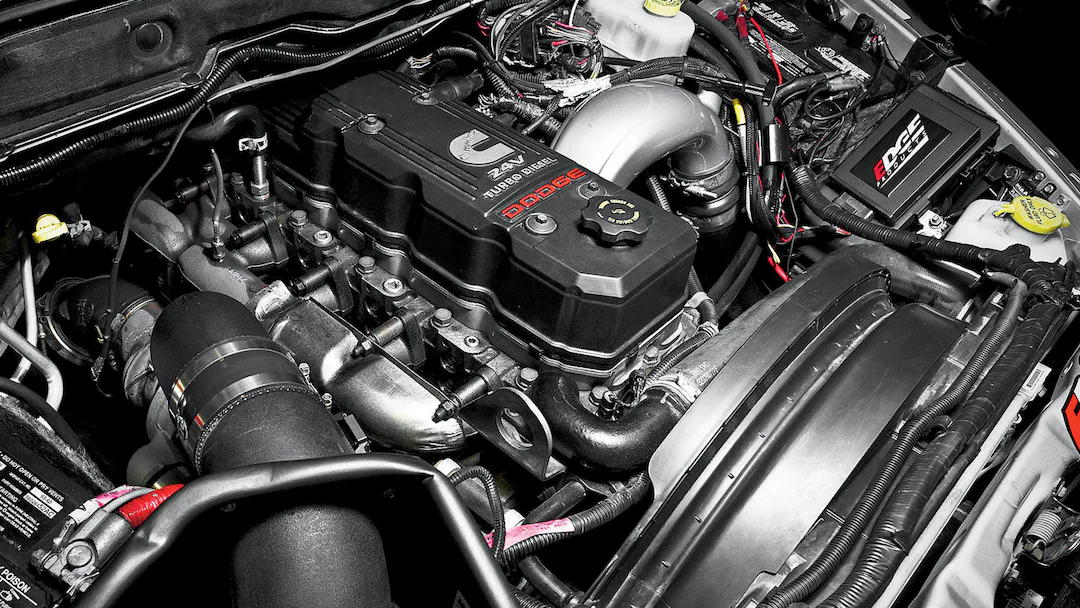
4. Cummins 5.9L Inline Six Diesel
The Cummins 5.9L inline six diesel engine is one of the most respected heavy-duty engines ever produced for pickup trucks and commercial applications. Originally designed for industrial use, it was later adapted for Dodge Ram heavy-duty trucks, where it quickly gained a reputation for extraordinary durability.
Unlike light-duty gasoline engines, the 5.9 Cummins was built with extreme workloads in mind, which is why it consistently reaches or exceeds 300,000 miles, and often far beyond that in properly maintained examples.
A major factor behind its legendary reliability is its industrial-grade construction. The engine features a cast iron block and cylinder head, along with oversized internal components designed to handle continuous stress. Because it operates as a low RPM diesel engine, internal wear occurs much more slowly compared to high-revving gasoline engines.
This allows the engine to maintain compression and performance even after extensive use in towing, hauling, and commercial driving environments.
The inline six configuration also contributes significantly to its longevity. This naturally balanced engine layout reduces vibration and mechanical stress, resulting in smoother operation and less wear on internal parts. Combined with a relatively simple fuel injection system in early versions, the engine avoids many of the complications found in modern diesel engines that rely heavily on electronic control systems and emissions equipment.
Another advantage is its ease of repair and rebuild potential. Because the engine was designed with serviceability in mind, many components can be repaired or replaced without high cost or complexity.
This makes it highly attractive for fleet operators and long-term owners who prefer maintaining vehicles rather than replacing them. Even engines with high mileage and incomplete maintenance histories can often be restored to reliable operation through basic mechanical work.
In real-world conditions, the 5.9 Cummins has proven itself across industries, including construction, agriculture, and long-distance hauling. Its ability to continue operating under neglect, heavy loads, and extreme environments has solidified its reputation as one of the most durable diesel engines ever built. It remains a benchmark for mechanical toughness in the automotive world.

5. Ford 4.9L Inline Six
The Ford 4.9L inline six, also known as the Ford 300, is one of the most legendary gasoline truck engines ever produced in North America. Introduced decades ago, it became the backbone of Ford’s work trucks and vans due to its unmatched durability and simplicity. It is widely recognized for its ability to survive extreme neglect, heavy workloads, and long-term commercial use while still exceeding 300,000 miles in many cases.
One of the most important reasons for its durability is its extremely simple and robust design. The engine uses a cast iron block and head, along with a long stroke configuration that prioritizes torque over high RPM power.
This allows the engine to operate at low stress levels even when carrying heavy loads or towing. Because it was not designed for performance, internal components experience minimal strain, which significantly extends service life.
The inline six layout also plays a major role in its reliability. This naturally balanced engine design reduces vibration and mechanical fatigue, helping key components last longer under continuous use. The engine’s low compression ratio further reduces internal stress, allowing it to tolerate poor maintenance practices better than many modern engines. Even when oil changes are delayed or neglected, the engine often continues to function reliably.
Another reason for its legendary status is its tolerance for abuse. The Ford 300 was widely used in farming, construction, and fleet applications, where maintenance was not always consistent. Despite this, it regularly delivered dependable performance over decades of service. Many owners report that the engine often outlasts the vehicle body and other mechanical systems, highlighting its exceptional durability.
Today, the Ford 4.9L inline six remains highly respected among mechanics and enthusiasts. It is often cited as one of the most reliable gasoline engines ever built, and its reputation continues to grow through real-world examples of extreme mileage and long-term survival under neglect.
Also Read: 10 Cars That Survive Being Used as Daily Uber Vehicles
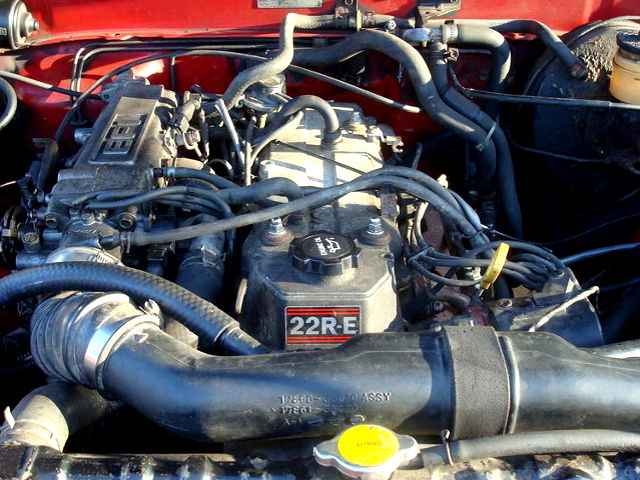
6. Toyota 22RE Inline Four
The Toyota 22RE inline four engine is one of the most iconic examples of long-term mechanical reliability in automotive history. Produced throughout the 1980s and early 1990s, it powered Toyota pickup trucks and the 4Runner, vehicles that became globally recognized for their toughness.
What made the 22RE so special was its ability to survive harsh environments, poor maintenance habits, and extreme mileage without catastrophic failure. Even today, it is common to find examples exceeding 300,000 miles while still running reliably, often with minimal internal repairs.
A key reason for the 22RE’s legendary durability is its extremely simple and conservative design. Toyota engineered this engine to prioritize reliability over performance, which means it produces modest power output and operates at low stress levels.
The cast iron block provides exceptional strength, while the aluminum cylinder head helps with heat dissipation. This combination allows the engine to tolerate neglect, such as infrequent oil changes or extended service intervals, far better than many modern engines with tighter tolerances and higher output demands.
Another important factor is the engine’s fuel injection system, which was advanced for its time but still mechanically simple compared to modern systems. The early electronic fuel injection setup reduces complexity while improving efficiency and reliability.
Unlike modern direct injection systems, the 22RE avoids carbon buildup issues and high-pressure fuel system failures. This simplicity contributes significantly to its ability to keep running even when maintenance history is incomplete or inconsistent.
The engine also became famous for its off-road durability. Toyota pickup trucks equipped with the 22RE were widely used in farming, construction, exploration, and remote travel across deserts, mountains, and rural regions.
In these environments, breakdowns are extremely difficult to manage, so reliability was essential. The 22RE consistently delivered dependable performance even in dusty, hot, or wet conditions, which helped build its reputation as nearly indestructible.
Even decades after production ended, the 22RE remains highly respected among enthusiasts and mechanics. It is often described as one of the best small-displacement engines ever built due to its ability to survive abuse and still deliver consistent performance. Many owners continue to restore and maintain vehicles equipped with this engine because of its proven long term durability and simple repairability.
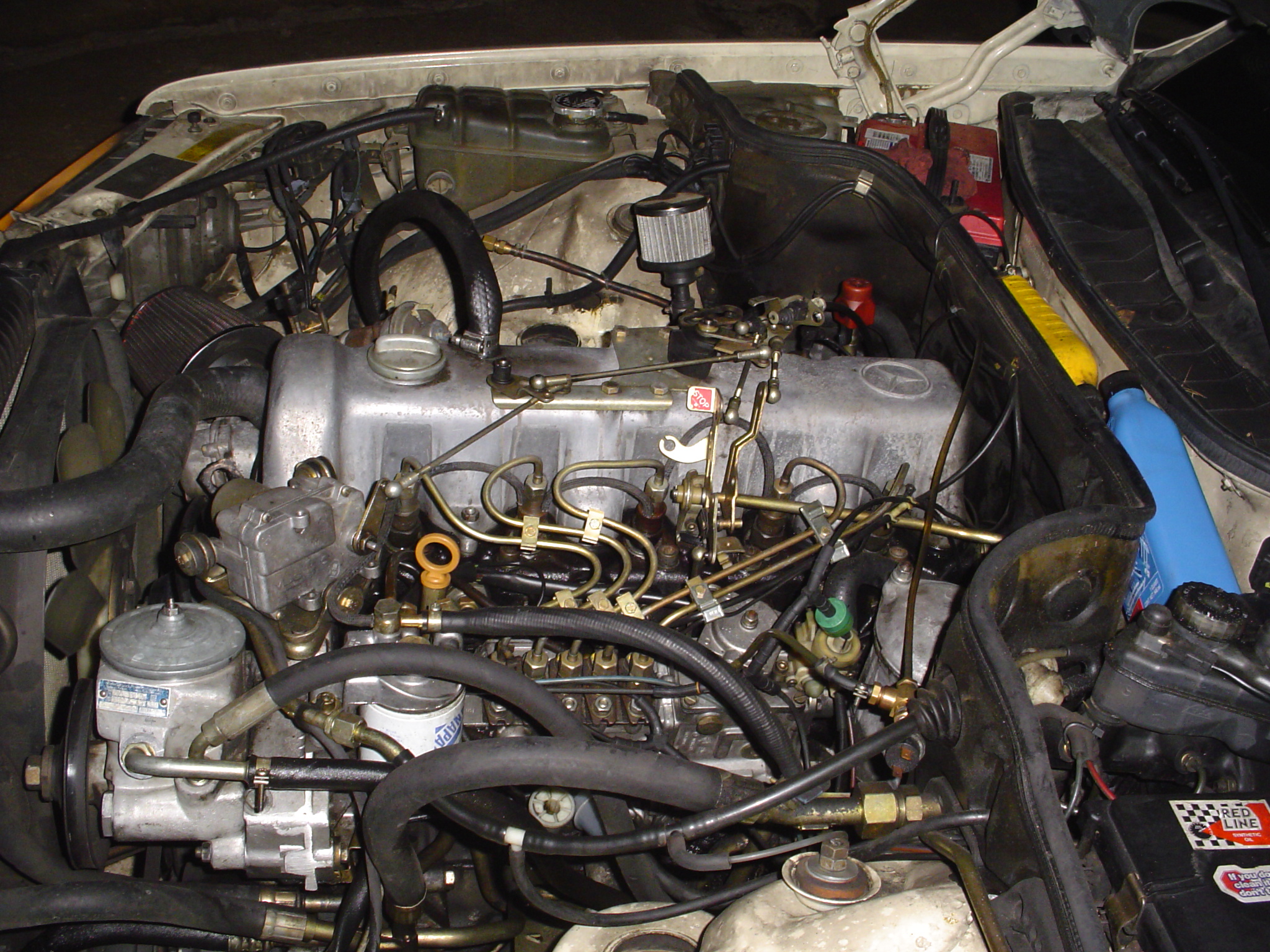
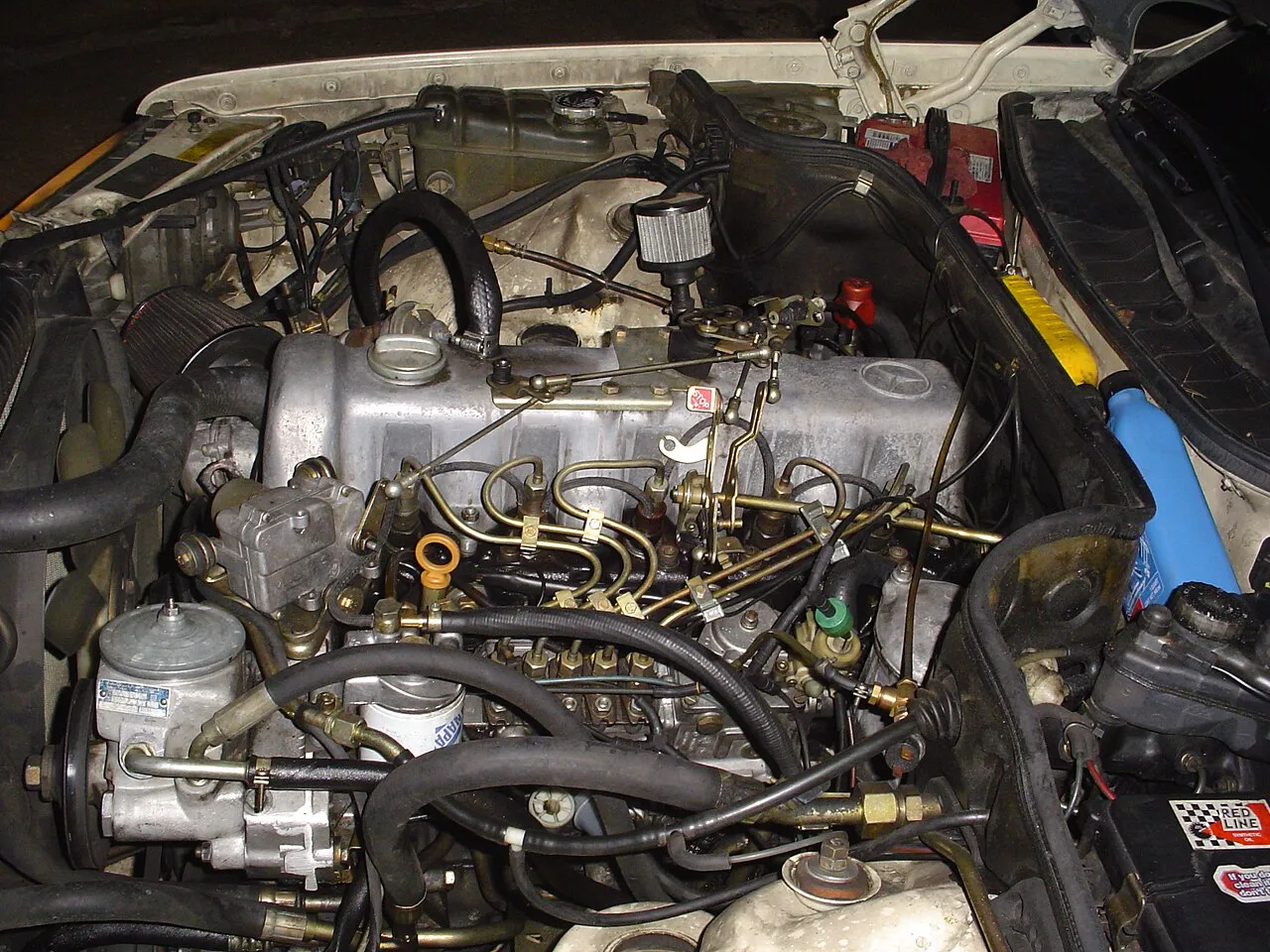
7. Mercedes-Benz OM617 Diesel
The Mercedes-Benz OM617 diesel engine is widely regarded as one of the most durable passenger car diesel engines ever produced. Introduced in the 1970s and used throughout the 1980s, it powered models such as the Mercedes 300D and became legendary for its ability to accumulate extremely high mileage.
Taxi fleets across the world relied heavily on this engine because it consistently delivered hundreds of thousands of miles of service, often exceeding 500,000 miles without major internal failure.
One of the primary reasons for its durability is its heavy-duty, industrial-inspired construction. The OM617 features a cast iron block and cylinder head, along with extremely strong internal components designed to withstand continuous operation.
Unlike modern lightweight engines, it was built during an era when Mercedes prioritized longevity and mechanical strength above all else. This results in an engine that is extremely resistant to wear, even under conditions of poor maintenance.
Another factor contributing to its longevity is its low RPM diesel operation. The engine produces modest horsepower but strong torque at low engine speeds, which significantly reduces internal stress.
Because it does not need to operate at high RPMs to perform effectively, wear on components such as pistons, valves, and crankshaft bearings is minimized over time. This makes it especially suitable for long-distance driving and constant daily use in commercial applications.
The OM617 also benefits from mechanical simplicity compared to modern diesel engines. It lacks complex electronic control systems, advanced emissions equipment, and high-pressure common rail injection systems. This simplicity makes it easier to diagnose, repair, and maintain, especially in regions where advanced automotive technology is less accessible. Even when maintenance is neglected, the engine often continues to operate, albeit with reduced efficiency.
Over time, the OM617 developed a global reputation for near indestructibility. It became especially popular in regions with harsh climates and poor road infrastructure, where vehicle reliability is critical. Many surviving examples today still operate as daily drivers, demonstrating the engine’s extraordinary ability to endure decades of continuous use and minimal maintenance.
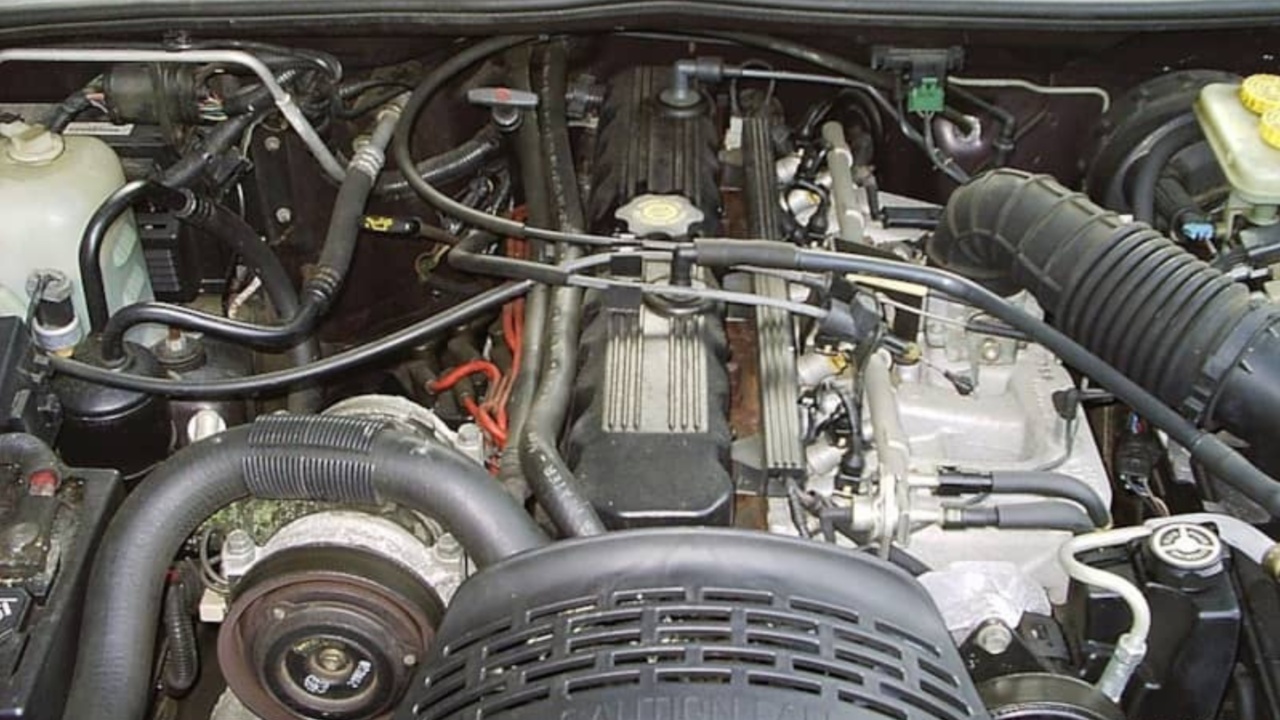
8. Jeep AMC 4.0L Inline Six
The Jeep AMC 4.0L inline six engine is one of the most respected American engines ever produced for off-road SUVs and light trucks. Introduced in the 1980s and widely used through the 1990s and early 2000s, it powered vehicles like the Jeep Cherokee, Wrangler, and Grand Cherokee.
Known for its durability and torque-rich performance, the 4.0L engine quickly earned a reputation for consistently surpassing 300,000 miles, even in vehicles subjected to severe off-road conditions and inconsistent maintenance.
A major reason for the engine’s reliability is its extremely robust cast iron construction. The block and head are both made of iron, which provides excellent resistance to heat and mechanical stress.
This heavy-duty design allows the engine to withstand abuse that would quickly damage lighter aluminum-based engines. It also helps maintain structural integrity over long periods of use, especially in demanding environments such as off-road trails, rocky terrain, and extreme weather conditions.
The engine’s inline six configuration also plays an important role in its longevity. Inline six engines are naturally balanced, which reduces vibration and internal stress during operation. This smooth-running characteristic helps minimize wear on internal components such as bearings, pistons, and crankshafts.
Combined with a relatively low compression ratio and conservative tuning, the engine operates in a stress-free environment that supports long service life.
Another important factor is the engine’s simplicity and serviceability. The AMC 4.0L was designed before modern automotive systems became overly complex, meaning it avoids many of the electronic and mechanical complications found in newer engines. Repairs are straightforward, parts are widely available, and many mechanics are familiar with the platform. This makes it easier to keep older Jeep vehicles running for decades, even when maintenance history is incomplete.
The engine became especially famous through its use in off-road and recreational driving. Jeep owners frequently pushed these vehicles through mud, water crossings, steep climbs, and remote trails where mechanical failure could be dangerous.
Despite this abuse, the 4.0L engine consistently proved reliable and resilient. Its ability to survive harsh conditions and still deliver dependable performance has cemented its place as one of the most durable engines in automotive history.
