
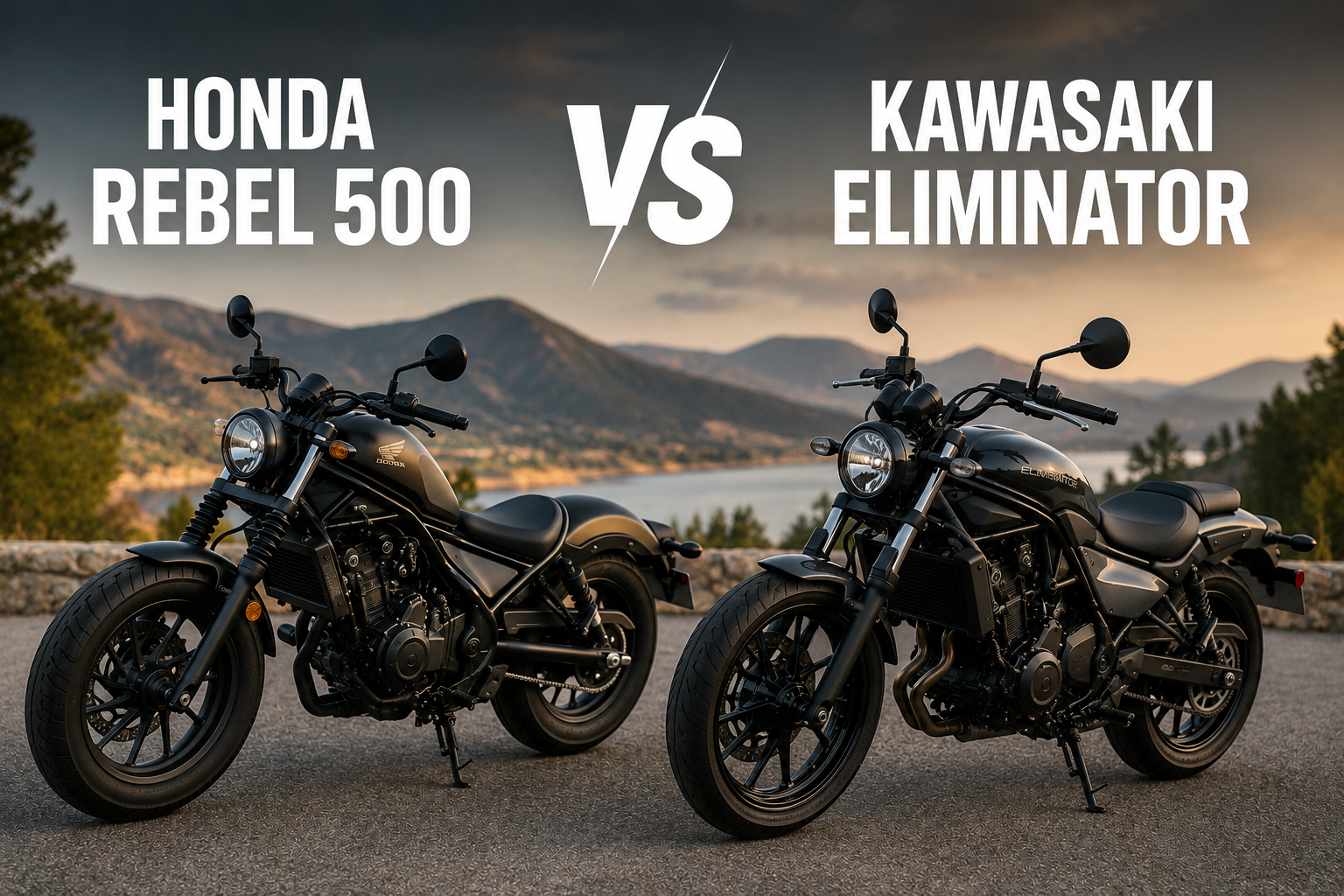
The middleweight cruiser segment has become increasingly competitive as manufacturers attempt to attract new riders while also appealing to experienced motorcyclists looking for lightweight, approachable machines.
Among the strongest contenders in this category are the Honda Rebel 500 and the Kawasaki Eliminator. Both motorcycles are designed to deliver cruiser styling, manageable performance, and everyday practicality without the size, weight, or cost associated with larger displacement cruisers.
The Honda Rebel 500 has established itself as one of the most successful beginner-friendly cruisers on the market. Since its introduction, it has gained a reputation for reliability, approachable ergonomics, low operating costs, and a customizable platform that appeals to riders of all experience levels.
Honda’s strategy has been simple: create a motorcycle that is easy to ride, easy to own, and capable of adapting to a wide variety of riding situations.
The Kawasaki Eliminator takes a slightly different path. Rather than focusing exclusively on traditional cruiser characteristics, Kawasaki has blended cruiser styling with a sportier personality.
Borrowing its engine architecture from the Ninja 500 platform, the Eliminator delivers a more energetic riding experience while maintaining the low seat height and relaxed appearance cruiser buyers expect.
On paper, these motorcycles share many similarities. Both use parallel-twin engines, both are aimed at entry-level and intermediate riders, and both emphasize versatility over outright performance. Yet the riding experiences they provide are noticeably different.
Some riders prioritize comfort, simplicity, and proven reliability. Others want stronger acceleration, sportier handling, and a more engaging riding character. Looking closely at six key categories helps determine which motorcycle stands out and which one may be the better choice depending on a rider’s priorities.
Also Read: Harley-Davidson Sportster S vs Triumph Rocket 3 – Which Is Better?
Styling, Design, And Road Presence
Cruiser motorcycles are often purchased as much for their appearance as their specifications, and both the Rebel 500 and Eliminator bring distinct personalities to the segment.
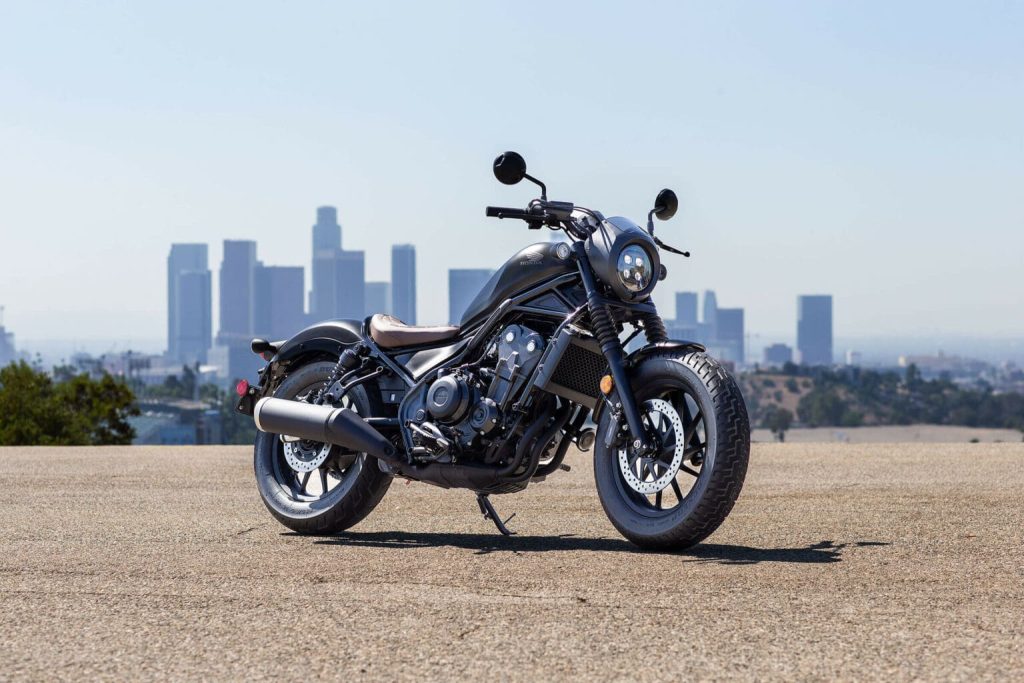
The Honda Rebel 500 embraces a modern minimalist approach. Its low-slung profile, compact fuel tank, blacked-out components, and bobber-inspired styling create a motorcycle that looks both contemporary and timeless.
Honda intentionally avoided excessive chrome and traditional cruiser ornamentation, resulting in a design that appeals to younger riders as well as experienced motorcyclists seeking something different.
The Rebel’s proportions contribute significantly to its appeal. The low seat height and compact dimensions create a clean silhouette that stands out from larger cruisers. It looks approachable without appearing small, and the simple design has aged remarkably well since its introduction.
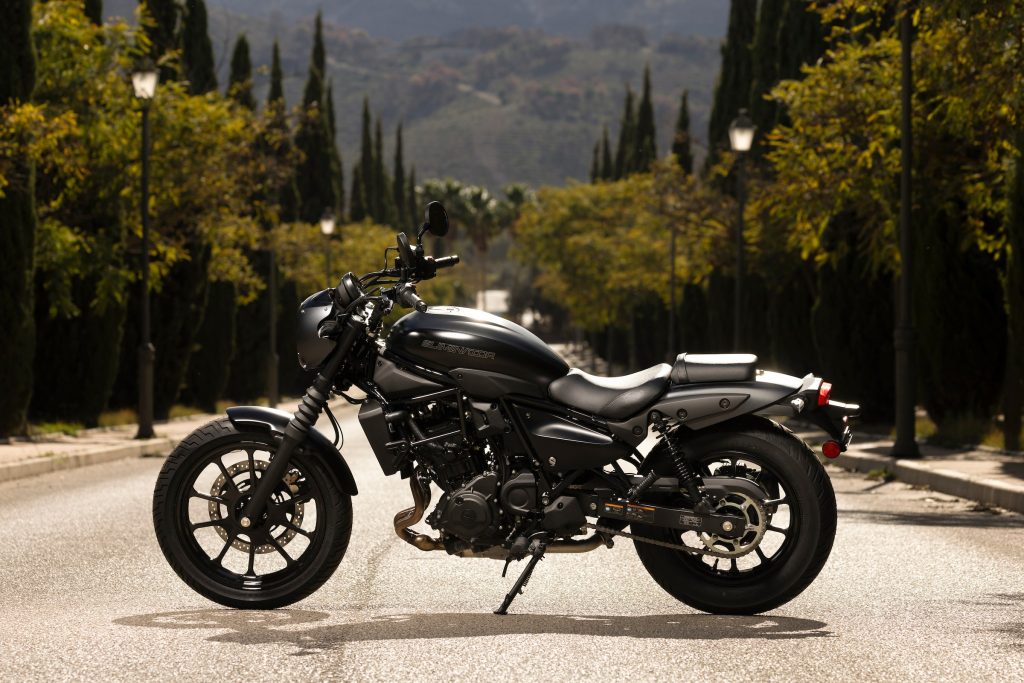
The Kawasaki Eliminator takes inspiration from the original Eliminator models while incorporating modern elements. It features a stretched profile, longer fuel tank, and more traditional cruiser proportions than the Honda. The motorcycle appears slightly larger and more muscular despite occupying a similar category.
The Eliminator also benefits from cleaner side profiles and a design language that bridges the gap between cruiser and sport motorcycles. The result is a bike that looks modern without abandoning its cruiser roots.
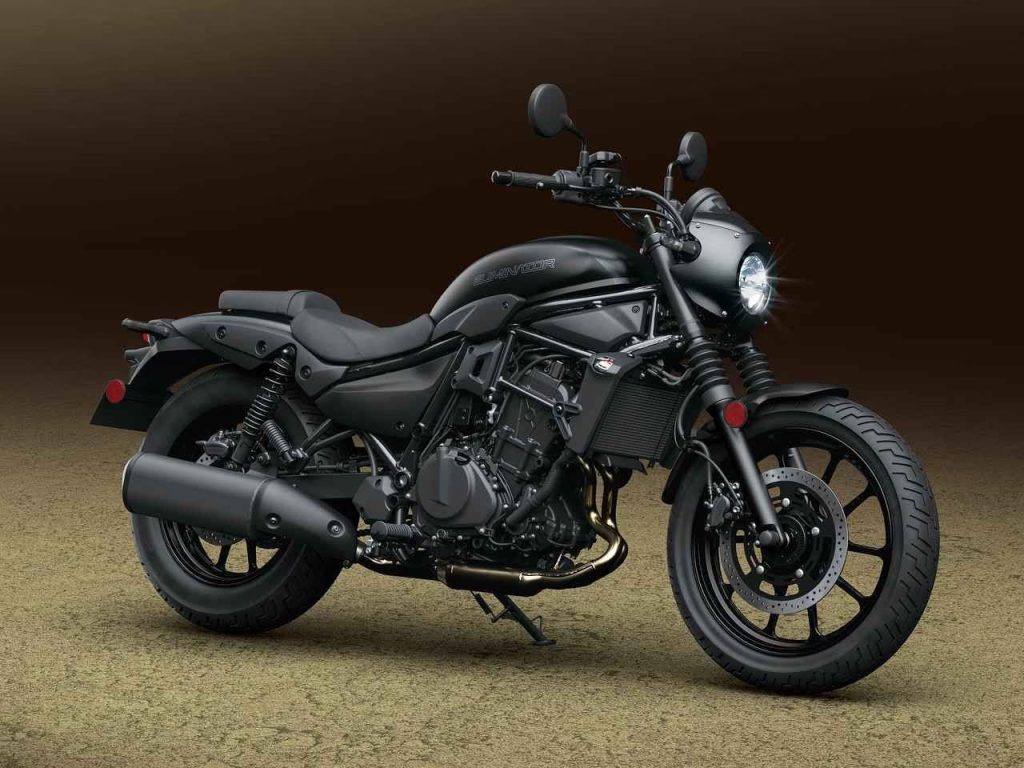
Both motorcycles are attractive, but the Eliminator creates a stronger visual impression. The longer wheelbase, larger appearance, and more substantial proportions give it greater road presence. Riders looking for a motorcycle that resembles a traditional cruiser while maintaining modern styling are likely to prefer the Kawasaki.
Winner: Kawasaki Eliminator
Why It Wins: Stronger cruiser proportions and greater visual presence create a more substantial appearance.
Engine Performance And Acceleration
Engine performance represents one of the most significant differences between these two motorcycles.
The Honda Rebel 500 uses a 471cc parallel-twin engine derived from Honda’s highly successful CB500 lineup. This engine has become known for its smooth operation, predictable power delivery, and excellent reliability.
The powerband is linear and forgiving, making the motorcycle exceptionally approachable for newer riders.
Acceleration is more than adequate for highway riding and urban commuting. The engine never feels intimidating, yet it provides enough performance to remain enjoyable even after a rider gains experience. The six-speed transmission shifts smoothly, and full refinement is excellent.
The Kawasaki Eliminator uses a 451cc parallel-twin engine based on the company’s latest Ninja 500 platform. While displacement is slightly smaller, the engine feels noticeably more energetic. Throttle response is sharper, revs build more quickly, and acceleration feels more immediate.
This sportier character gives the Eliminator an advantage when merging onto highways, passing slower traffic, or enjoying spirited rides on winding roads. The engine retains beginner-friendly manners while offering a level of excitement that the Honda cannot quite match.
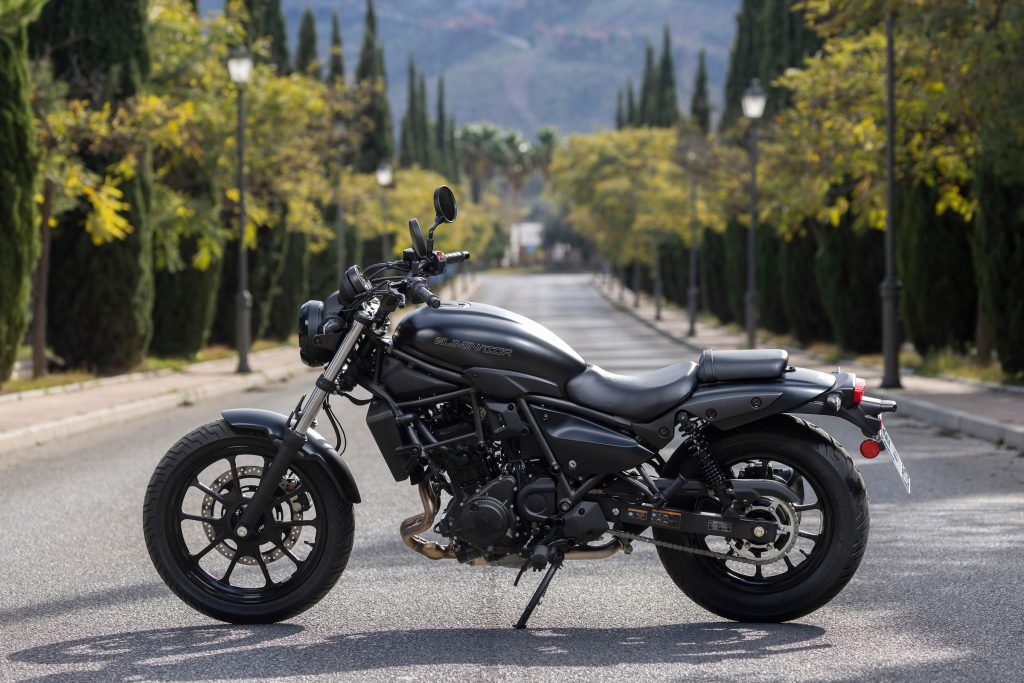
The Rebel’s engine is exceptionally polished and easy to manage, but riders seeking stronger performance are likely to appreciate Kawasaki’s approach. The Eliminator feels more responsive and more eager, creating a riding experience that remains engaging long after the novelty of motorcycle ownership fades.
Winner: Kawasaki Eliminator
Why It Wins: Sharper throttle response and stronger acceleration create a more engaging riding experience.
Comfort, Ergonomics, And Everyday Riding
Comfort is one of the most important considerations for cruiser buyers because these motorcycles are often used for commuting, weekend rides, and extended journeys.
The Honda Rebel 500 excels in this category. Its low seat height makes it welcoming for riders of various sizes, while the neutral riding position reduces fatigue during long rides. The handlebars fall naturally to hand, and the foot controls are positioned comfortably for most riders.
One of the Rebel’s greatest strengths is its accessibility. New riders immediately feel comfortable, and experienced riders appreciate how easy the motorcycle is to maneuver at low speeds. The seat is supportive enough for extended rides, and the suspension provides a reasonable balance between comfort and control.
The Kawasaki Eliminator also offers a low seat height and relaxed riding position, but it adopts a slightly sportier ergonomic setup. Riders sit a bit more upright, and the full posture encourages more active control of the motorcycle.
While this contributes to the Eliminator’s engaging character, it is not quite as relaxed as the Honda during long-distance cruising. The suspension tuning also prioritizes responsiveness slightly more than outright comfort.
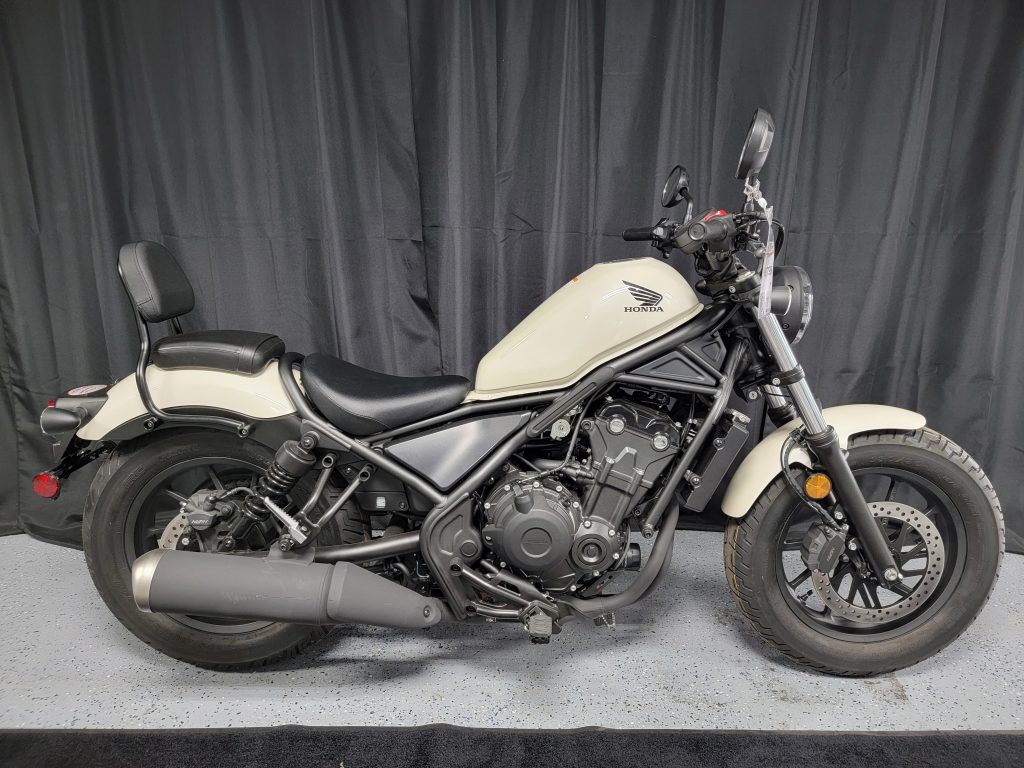
For riders who spend significant time commuting or taking leisurely rides, the Rebel’s comfort-focused design proves advantageous. The motorcycle feels natural, unintimidating, and accommodating regardless of experience level.
Comfort is a category where Honda’s years of refinement become particularly evident.
Winner: Honda Rebel 500
Why It Wins: Superior ergonomics and a more relaxed riding position enhance long-distance comfort.
Handling, Agility, And Rider Confidence
Although cruisers are not typically purchased for aggressive cornering, handling characteristics still play an important role in ownership satisfaction.
The Rebel 500 is remarkably easy to ride, with a low center of gravity, manageable weight, and predictable steering that make it highly confidence-inspiring for beginners. Moving through traffic, parking lots, and city streets requires minimal effort.
The motorcycle responds predictably to rider inputs and remains composed in a variety of situations. However, its cruiser-focused geometry limits its sporting potential when roads become more challenging.
The Kawasaki Eliminator feels noticeably more agile. The sportbike-derived engine and chassis influence create a motorcycle that changes direction more eagerly and feels more responsive through corners. Riders accustomed to standard motorcycles or sportbikes may find the Kawasaki particularly appealing.
The Eliminator’s suspension and steering characteristics encourage a more active riding style. While still approachable for newer riders, it rewards those who enjoy exploring the limits of the chassis on winding roads.
Honda’s ease of use is impressive, but the Kawasaki delivers greater versatility. It combines cruiser comfort with handling characteristics that exceed expectations for the category.
For riders seeking the most dynamic motorcycle in this comparison, the Eliminator clearly holds the advantage.
Winner: Kawasaki Eliminator
Why It Wins: Sharper handling and more responsive chassis dynamics improve riding enjoyment.
Technology, Features, And Modern Equipment
Technology expectations continue to rise, even among entry-level and middleweight motorcycles.
The Honda Rebel 500 adopts a straightforward approach. The LCD instrument display is simple and functional, providing all essential information clearly. LED lighting enhances visibility, and Honda’s emphasis remains on reliability and ease of use rather than feature overload.
This simplicity enhances the motorcycle’s appeal, allowing riders to spend less time on menu controls and more time focusing on the riding experience itself.
The Kawasaki Eliminator introduces a slightly more modern package. Depending on trim level, riders gain access to smartphone connectivity, additional display functionality, and more advanced instrumentation. The motorcycle feels more contemporary in terms of rider interfaces and connectivity options.
The technology additions are not transformative, but they align with the expectations of younger buyers who increasingly value smartphone integration and digital convenience.
Safety equipment is similar between the two motorcycles, with ABS available and braking performance remaining competitive throughout the segment.
Kawasaki’s technology package provides a more modern ownership experience while maintaining user-friendly operation.
Winner: Kawasaki Eliminator
Why It Wins: Better connectivity features and more modern rider technology improve convenience.
Pricing, Ownership Experience, And Long-Term Value
Ownership costs and long-term value often play a decisive role in this segment. The Honda Rebel 500 has earned an outstanding reputation for reliability. Maintenance requirements are straightforward, operating costs are low, and Honda’s dealer network provides extensive support. The motorcycle’s popularity also contributes to strong resale values.
Another advantage is aftermarket support. Owners have access to a vast selection of accessories, customization parts, and replacement components. Whether a rider wants to personalize the motorcycle or simply maintain it, options are plentiful.
The Kawasaki Eliminator also benefits from strong reliability expectations and reasonable ownership costs. The newer platform offers excellent performance and modern features, making it an attractive alternative to the Honda.
However, the Rebels’ established reputation provides a level of confidence that few competitors can match. Years of proven durability and strong demand in the used market strengthen its value proposition considerably.
While the Eliminator offers compelling performance and technology advantages, the Rebel remains one of the safest purchases in the entire motorcycle industry from a long-term ownership perspective.
Winner: Honda Rebel 500
Why It Wins: Proven reliability, strong resale value, and extensive aftermarket support enhance ownership confidence.
Comparison Scorecard
| Category | Winner | The Edge |
|---|---|---|
| Styling, Design, And Road Presence | Kawasaki Eliminator | Stronger cruiser stance and greater visual presence |
| Engine Performance And Acceleration | Kawasaki Eliminator | More responsive engine and stronger real-world acceleration |
| Comfort, Ergonomics, And Everyday Riding | Honda Rebel 500 | More relaxed ergonomics and better long-distance comfort |
| Handling, Agility, And Rider Confidence | Kawasaki Eliminator | Sharper steering and more engaging chassis dynamics |
| Technology, Features, And Modern Equipment | Kawasaki Eliminator | Better connectivity and more modern rider-focused technology |
| Pricing, Ownership Experience, And Long-Term Value | Honda Rebel 500 | Proven reliability and stronger long-term ownership appeal |
Also Read: Kawasaki Ninja 650 vs Yamaha YZF-R7 – Which Is Better?
