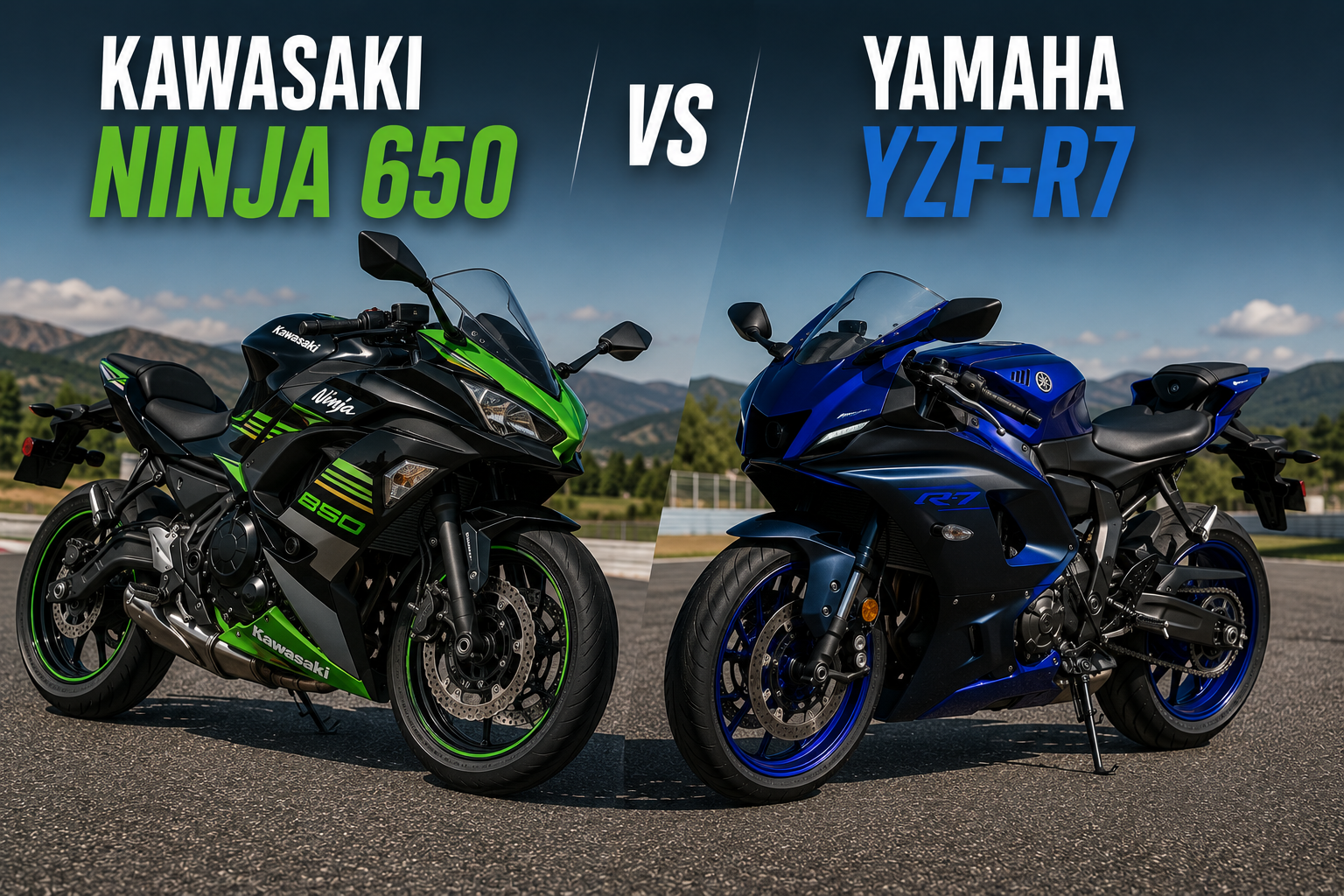
Middleweight sport motorcycles occupy one of the most important segments in the motorcycle industry. They offer enough performance to satisfy experienced riders while remaining approachable for those moving up from smaller-displacement machines.
Among the most popular choices in this category are the Kawasaki Ninja 650 and Yamaha YZF-R7, two motorcycles that share similar engine sizes but deliver dramatically different riding experiences.
The Kawasaki Ninja 650 has built a loyal following by combining sporty styling with comfort, practicality, and everyday usability. It is designed to serve as a versatile motorcycle capable of commuting, weekend touring, and spirited riding without demanding significant compromises from its owner.
Kawasaki has refined the Ninja 650 formula over several generations, creating a machine that appeals to a broad range of riders.
The Yamaha YZF-R7 approaches the segment from a more performance-oriented perspective. Inspired by Yamaha’s supersport heritage, the R7 places greater emphasis on handling precision, aggressive ergonomics, and track-ready characteristics.
While it shares its engine architecture with the popular MT-07, Yamaha has transformed the package into a focused sportbike that targets enthusiasts seeking a more engaging riding experience.
Both motorcycles use parallel-twin engines, offer modern technology, and remain relatively affordable compared to larger supersport models. Yet their personalities are completely different. The Ninja 650 prioritizes versatility and comfort, while the R7 focuses on delivering excitement and rider involvement.
For riders trying to decide between these two middleweight favorites, the answer depends largely on how the motorcycle will be used.
Looking closely at six key categories reveals which bike performs better in the areas that matter most and which one provides the stronger full package for different types of riders.
Also Read: 10 SUVs Ranked By Backseat Space
Styling, Design, And Road Presence
Motorcycles often create an emotional connection long before the engine starts, and styling plays a major role in that appeal.
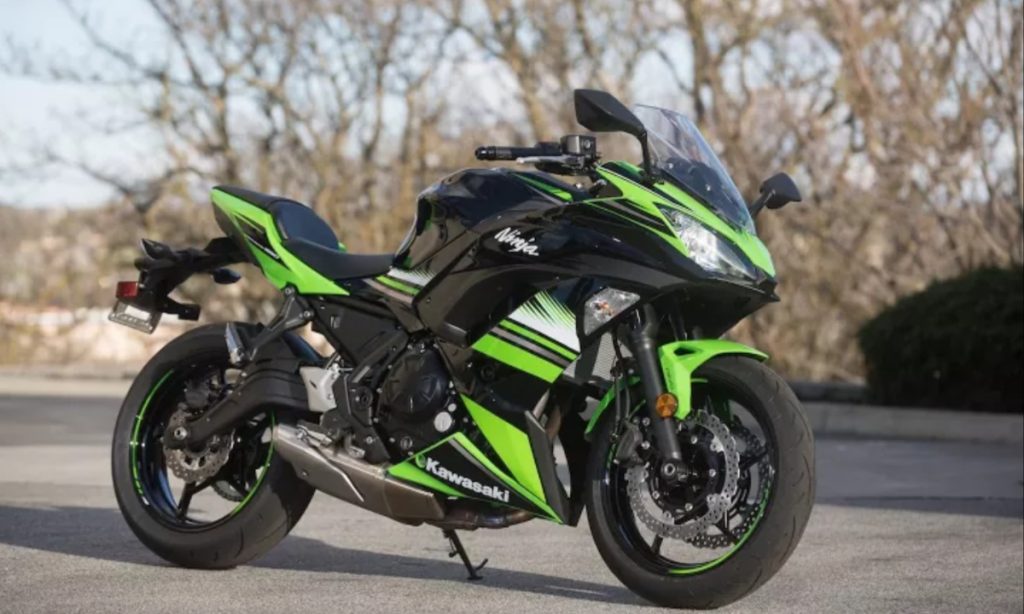
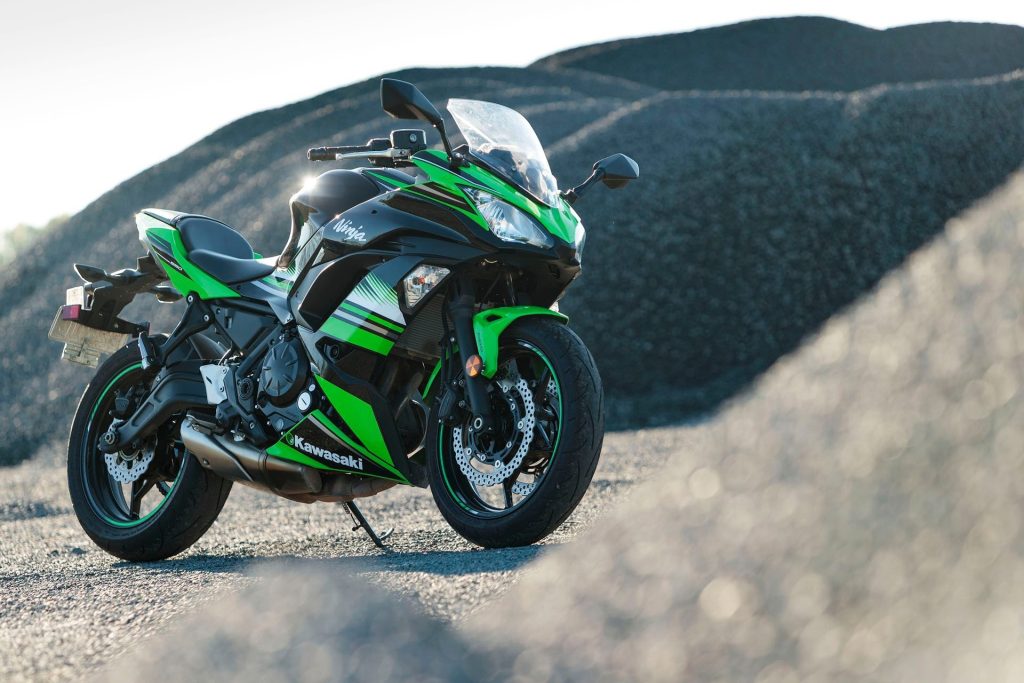
The Kawasaki Ninja 650 follows the modern Ninja design language, borrowing visual cues from larger motorcycles such as the Ninja ZX-6R and Ninja ZX-10R. Sharp bodywork, aggressive headlights, and aerodynamic fairings help create a sporty appearance.
The motorcycle looks modern and attractive without appearing overly intimidating, making it appealing to both newer and experienced riders.
Kawasaki has done an excellent job giving the Ninja 650 a premium appearance despite its approachable price point. The fairing design flows smoothly from front to rear, and the motorcycle looks more substantial than many competitors in the segment.
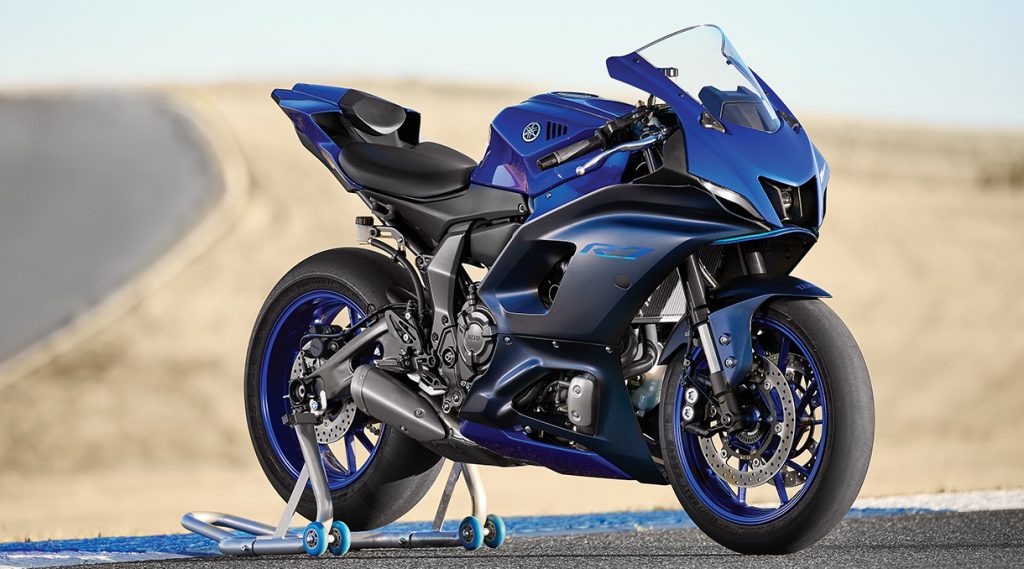
The Yamaha YZF-R7 adopts a more focused supersport aesthetic. Inspired by Yamaha’s racing motorcycles, the R7 features a central LED projector headlight surrounded by aggressive bodywork and sharp aerodynamic lines. The riding position, fuel tank shape, and compact tail section all communicate a clear performance-oriented mission.
From certain angles, the R7 resembles Yamaha’s larger supersport models, creating a more exotic appearance than its price might suggest. The narrow profile and aggressive stance make the motorcycle appear ready for a racetrack even when parked.
While the Ninja 650 is undeniably attractive, the R7 generates a stronger emotional response. It looks more purposeful, more athletic, and more aligned with the expectations many riders have when shopping for a sportbike.
Motorcycles in this category are often purchased with the heart as much as the head. In that regard, Yamaha’s design team has created a machine that stands out more effectively.
Winner: Yamaha YZF-R7
Why It Wins: More aggressive supersport styling and stronger visual excitement create greater road presence.
Engine Performance And Power Delivery
Although both motorcycles use parallel-twin engines, their power delivery characteristics differ significantly.
The Kawasaki Ninja 650 is powered by a 649cc parallel-twin engine designed to provide smooth, predictable performance across a broad range of riding conditions. Low-end and midrange torque are readily available, making the motorcycle easy to ride in traffic and enjoyable on winding roads.
The engine’s forgiving nature is one of its biggest strengths. Riders do not need to constantly chase high RPMs to access useful power. This flexibility contributes significantly to the Ninja’s reputation as an excellent everyday motorcycle.
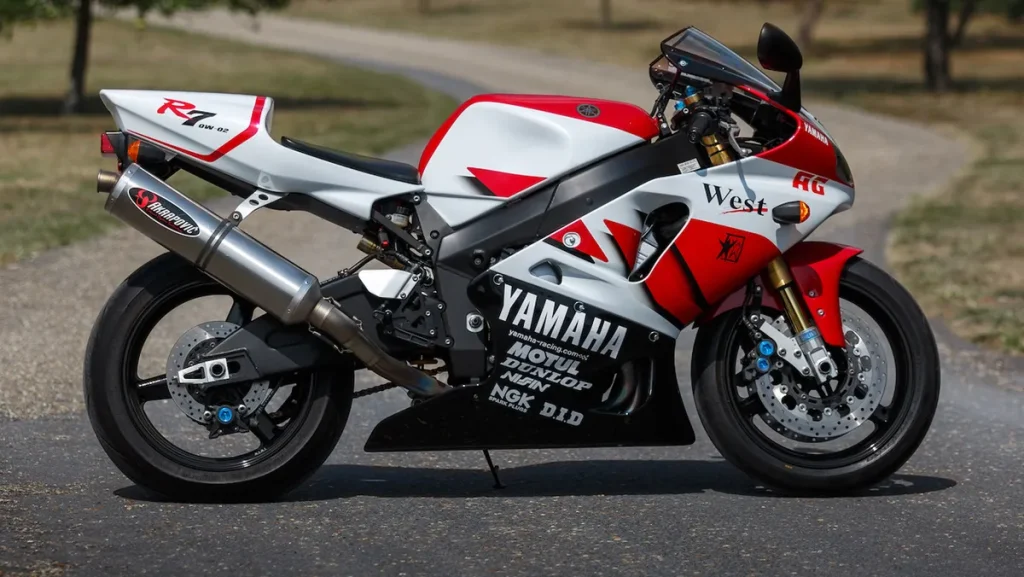
The Yamaha YZF-R7 uses Yamaha’s highly regarded 689cc CP2 engine. This powerplant has become famous for its strong torque delivery, engaging character, and excellent throttle response. The crossplane-inspired crankshaft design gives the engine a distinctive feel that many riders find highly addictive.
Acceleration feels more energetic than the Kawasaki’s, particularly when exiting corners or accelerating aggressively through the gears. The engine encourages spirited riding and rewards enthusiastic throttle inputs.
Neither motorcycle competes directly with high-revving supersport machines in terms of outright horsepower. Instead, both focus on usable real-world performance. However, the Yamaha’s engine feels more exciting and more responsive, creating a stronger emotional connection between rider and machine.
The Ninja’s smoothness and accessibility deserve recognition, but riders seeking performance often value character as much as numbers. The R7’s engine consistently delivers a more engaging experience.
Winner: Yamaha YZF-R7
Why It Wins: Stronger torque delivery and a more exciting engine character enhance performance enjoyment.
Handling, Suspension, And Cornering Ability
This category represents one of the biggest differences between the two motorcycles. The Ninja 650 is designed to balance comfort and sportiness. Its chassis provides stable handling, predictable responses, and confidence-inspiring behavior for riders of varying skill levels.
The suspension setup is tuned for road use, absorbing imperfections effectively while maintaining reasonable composure during spirited riding.
For commuting, touring, and everyday riding, the Ninja’s handling characteristics work extremely well. The motorcycle feels approachable and easy to manage, particularly for riders transitioning from smaller machines.
The Yamaha R7 takes a far more focused approach. The chassis is stiffer, the riding position is more aggressive, and the suspension components are designed with performance riding in mind. The motorcycle changes direction quickly and feels exceptionally precise when leaned into corners.
Track-day enthusiasts and aggressive canyon riders will immediately notice the difference. The R7 communicates more information through the chassis and provides greater confidence when pushing closer to its limits.
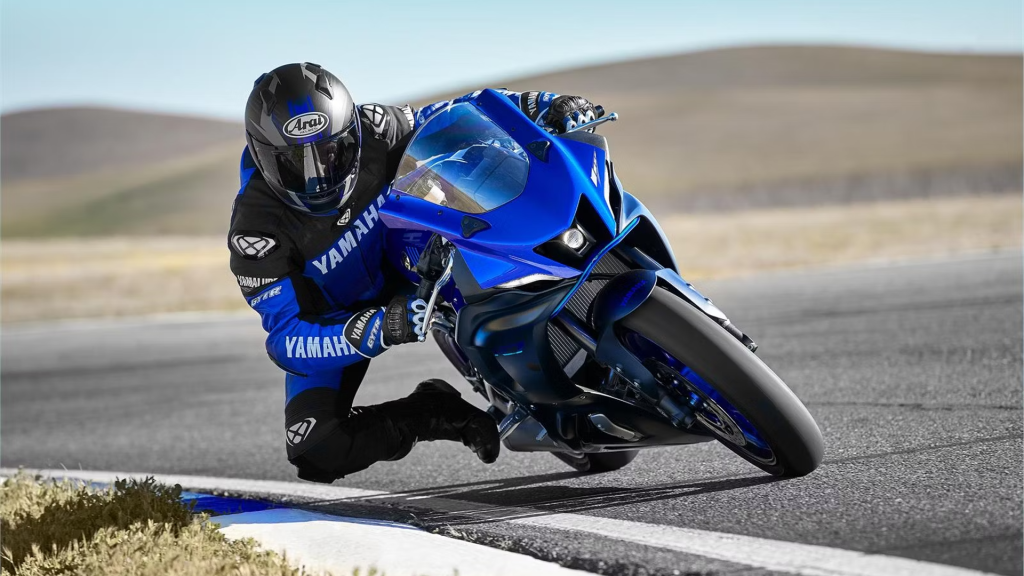
Cornering performance is where Yamaha’s priorities become clear. The motorcycle feels sharper, more responsive, and more eager to attack challenging roads. Riders seeking a machine capable of delivering genuine sportbike excitement will appreciate the additional focus.
The Kawasaki remains competent and enjoyable, but its broader mission requires compromises that the Yamaha does not make.
Winner: Yamaha YZF-R7
Why It Wins: Sharper handling and more focused chassis tuning create a superior sporting experience.
Comfort, Ergonomics, And Everyday Riding
Performance is important, but many owners spend far more time commuting and touring than attacking racetracks.
The Kawasaki Ninja 650 excels in this environment. Its upright riding position reduces strain on the wrists and lower back, making long rides significantly more comfortable. The seat is well-padded, and the handlebar placement encourages a natural riding posture.
Daily commuting is one of the Ninja’s strongest attributes. Traffic navigation is easy, low-speed maneuverability is excellent, and riders can spend hours in the saddle without excessive fatigue.
The Yamaha R7 adopts a much more aggressive ergonomic layout. Clip-on handlebars place the rider in a forward-leaning position, while rear-set foot pegs create a sportier stance. This setup enhances control during aggressive riding but becomes less comfortable during extended highway journeys.
For shorter rides and spirited outings, the R7’s ergonomics feel appropriate. However, riders covering significant mileage may begin to notice discomfort sooner than they would on the Kawasaki.
Wind protection is adequate on both motorcycles, but the Ninja’s relaxed ergonomics make it the more practical companion for everyday use. It successfully balances sporty styling with genuine real-world comfort.
For riders who use their motorcycle regularly for commuting, weekend trips, and daily transportation, the Kawasaki’s comfort advantage becomes difficult to ignore.
Winner: Kawasaki Ninja 650
Why It Wins: Superior ergonomics and long-distance comfort make it easier to live with daily.
Technology, Features, And Rider Convenience
Modern middleweight motorcycles increasingly include advanced technology, and both manufacturers have equipped their machines accordingly.
The Ninja 650 offers a modern TFT display, smartphone connectivity, LED lighting, and rider-friendly controls. The dashboard is easy to read, and Kawasaki’s integration of smartphone features adds convenience for everyday riders.
The motorcycle’s technology package aligns well with its practical character. Features are intuitive and designed to improve ownership rather than overwhelm the rider with complexity.
The Yamaha R7 includes modern instrumentation and LED lighting but focuses more heavily on the riding experience itself. The feature list is competitive but not significantly more extensive than Kawasaki’s.
Where the Yamaha gains an advantage is in component quality. The suspension, braking hardware, and chassis components are more performance-oriented, contributing directly to the riding experience.
However, when evaluating technology and convenience as a whole, the Kawasaki provides a slightly broader ownership package. The combination of connectivity features, user-friendly controls, and practical functionality makes daily operation easier.
This category is extremely close, but riders are likely to interact with convenience features every day, giving Kawasaki a small advantage.
Winner: Kawasaki Ninja 650
Why It Wins: Better everyday technology integration and rider-friendly features improve usability.
Pricing, Ownership Experience, And Long-Term Value
Value remains a critical consideration for buyers in the middleweight segment. The Ninja 650 has long been regarded as one of the best-value motorcycles available. It combines strong reliability, affordable maintenance, reasonable insurance costs, and excellent versatility. Kawasaki’s reputation for durability further enhances its appeal.
The motorcycle’s broad skill-level compatibility also helps maintain strong demand in the used market. New riders, returning riders, and experienced motorcyclists can all find reasons to consider the Ninja 650.
The Yamaha R7 offers impressive performance and premium sporting credentials, but buyers often pay slightly more for that focused experience. Ownership costs remain reasonable, though the aggressive nature of the motorcycle may not suit every rider over the long term.
Yamaha’s reliability reputation is also excellent, ensuring strong ownership confidence. Resale values are likely to remain competitive due to the motorcycle’s popularity among enthusiasts.
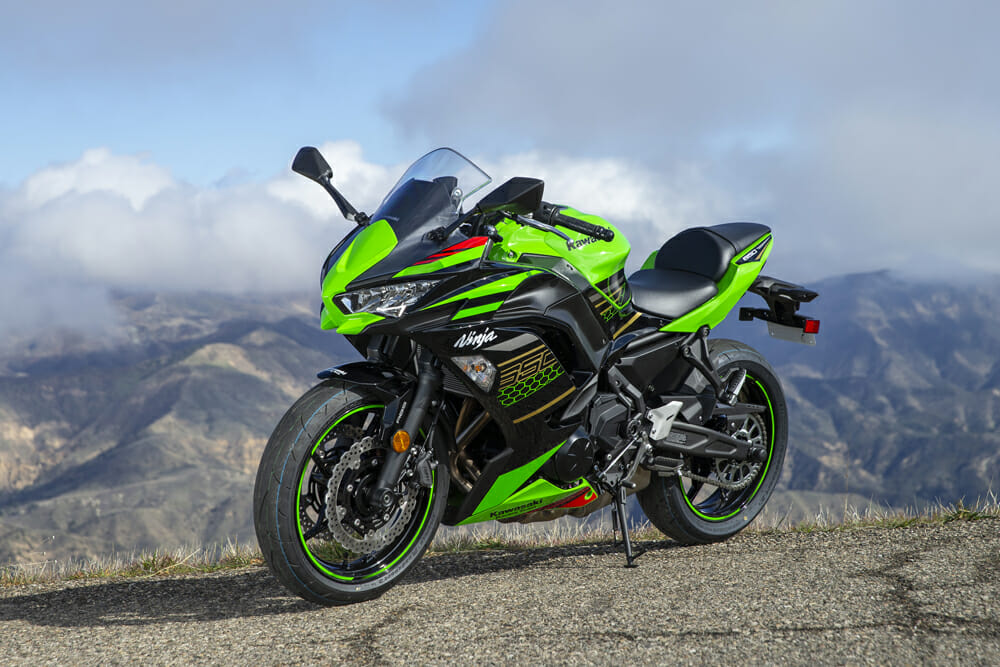
The deciding factor is versatility. The Ninja 650 delivers a broader range of capabilities while maintaining lower barriers to ownership. Riders receive a motorcycle that can handle commuting, touring, weekend rides, and occasional sporty outings without significant compromise.
The R7 is a fantastic machine, but it appeals to a narrower audience. Kawasaki’s ability to satisfy more riders in more situations strengthens its value proposition.
Winner: Kawasaki Ninja 650
Why It Wins: Better versatility, lower ownership barriers, and broader usability create stronger full value.
Comparison Scorecard
| Category | Winner | The Edge |
|---|---|---|
| Styling, Design, And Road Presence | Yamaha YZF-R7 | More aggressive supersport appearance and stronger visual appeal |
| Engine Performance And Power Delivery | Yamaha YZF-R7 | More characterful engine with a stronger sporting personality |
| Handling, Suspension, And Cornering Ability | Yamaha YZF-R7 | Sharper chassis and more track-focused dynamics |
| Comfort, Ergonomics, And Everyday Riding | Kawasaki Ninja 650 | More relaxed riding position and superior daily comfort |
| Technology, Features, And Rider Convenience | Kawasaki Ninja 650 | Better everyday usability and rider-focused convenience features |
| Pricing, Ownership Experience, And Long-Term Value | Kawasaki Ninja 650 | Greater versatility and stronger value for a wider range of riders |
Also Read: 10 Compact Sedans Ranked By Backseat Space