
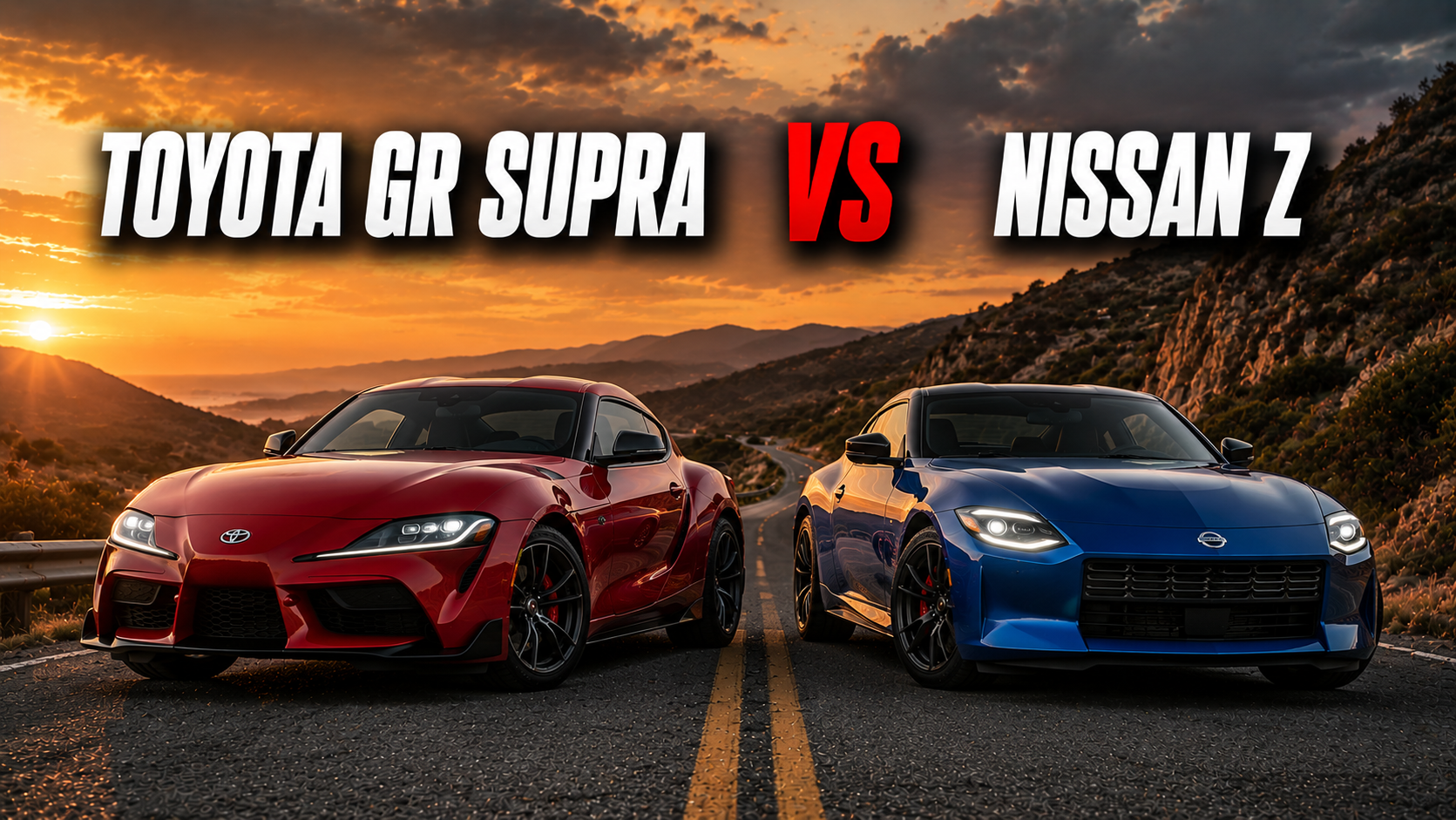
The Toyota GR Supra and Nissan Z represent the revival of two legendary Japanese sports car nameplates that have shaped automotive culture for decades. Both cars carry deep heritage, strong enthusiast followings, and a shared mission of delivering an accessible yet thrilling Rear Wheel Drive sports car experience.
While they are often compared directly, they actually approach performance, design, and driving character in noticeably different ways, making the choice between them more about personal driving preference than outright superiority.
The Toyota GR Supra, developed in collaboration with BMW, is built on a modern performance platform that emphasizes precision, balance, and advanced engineering. It is widely recognized for its sharp handling, strong turbocharged engines, and compact coupe proportions that make it feel highly focused and performance-oriented.
The Supra is designed to deliver a refined yet aggressive driving experience, blending Japanese design philosophy with German engineering influence.
The Nissan Z, on the other hand, is a more traditional sports car in spirit. It carries forward decades of Z car heritage, dating back to the original Datsun 240Z.
The modern Nissan Z combines retro-inspired styling with a powerful twin-turbo V6 engine and a strong emphasis on straight-line performance and accessible driving excitement. It is designed to feel familiar, emotional, and rooted in classic sports car values while still offering modern technology and performance upgrades.
Both cars compete in a similar price and performance segment, making them natural rivals. However, the Supra leans toward a more refined, track-capable personality, while the Nissan Z emphasizes heritage styling, engine power, and a more traditional sports car feel. This difference influences everything from driving dynamics to interior design and long-term ownership appeal.
In this detailed comparison, we will evaluate the Toyota GR Supra and Nissan Z across performance, engine capability, design, interior experience, handling, technology, practicality, and value. By the end, you will have a clear understanding of which sports car is better suited to your driving style and expectations.
Also Read: 10 Vintage Cars With More Features Than Modern Cars
Performance and Driving Dynamics
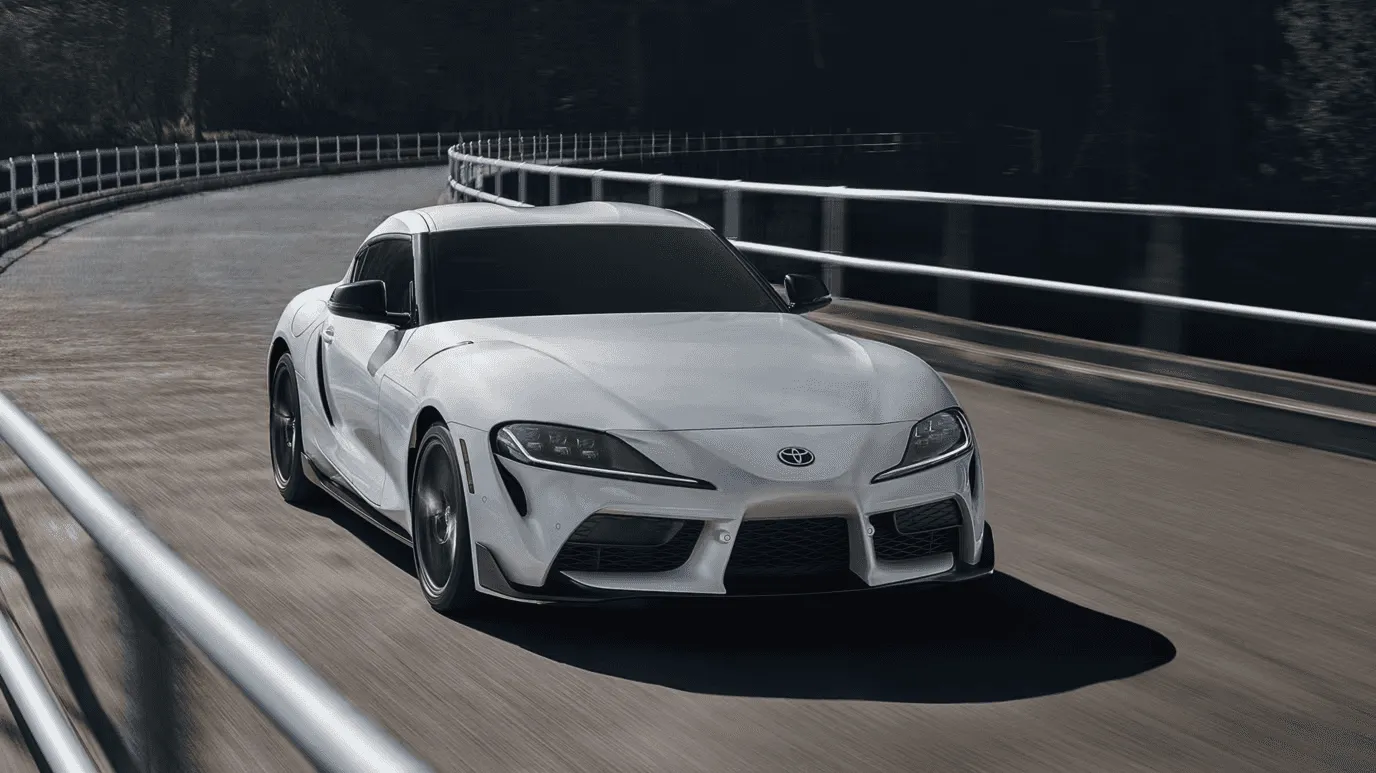
The Toyota GR Supra is engineered with a strong focus on handling precision and balance. Its low center of gravity and well-tuned suspension system allow it to feel extremely stable during cornering.
The chassis is designed to respond quickly to steering input, making it highly suitable for spirited driving on twisty roads and track environments. The Supra delivers a driving experience that feels tight, controlled, and highly responsive, which is why it is often praised as one of the most capable modern sports cars in its category.
The Nissan Z, while also Rear Wheel Drive and performance-oriented, is tuned differently. It prioritizes straight-line acceleration and accessible power delivery.
The steering is light and easy to manage, making it comfortable for everyday driving. However, compared to the Supra, it feels slightly less sharp in aggressive cornering situations. Instead, it offers a more relaxed and traditional sports car feel, where the emphasis is on enjoyment rather than precision driving dynamics.
Another key difference is suspension tuning. The Supra uses a more performance-focused setup that reduces body roll and improves corner stability. The Nissan Z offers a more forgiving suspension setup, which improves ride comfort but slightly reduces track-focused sharpness.
The Supra is better for drivers who prioritize handling and precision, while the Nissan Z is better suited for those who want a smoother, more relaxed sports car experience with strong straight-line performance.
Engine Performance and Power Delivery
The Toyota GR Supra comes with two main engine options, depending on the variant. The most popular is a turbocharged inline six engine known for its smooth power delivery and strong acceleration.
It provides excellent mid-range and high-end performance, making the Supra feel fast and refined at the same time. There is also a four-cylinder option in some markets, which is lighter and more fuel efficient while still offering sporty performance.
The Nissan Z is powered by a twin-turbocharged V6 engine that produces strong horsepower and torque figures. This engine is designed to deliver immediate acceleration and a muscular driving feel, especially in lower and mid-speed ranges. It gives the Z a more traditional muscle sports car character compared to the Supra’s more refined power delivery.
In terms of acceleration, both cars are very competitive, with the Nissan Z often feeling more aggressive off the line due to its torque-heavy setup. The Supra, however, delivers a more consistent and controlled acceleration curve, especially at higher speeds.
Fuel efficiency is generally slightly better in the Supra, particularly in the four-cylinder variant, while the Nissan Z prioritizes performance over economy.
From a tuning perspective, both engines have strong aftermarket potential, but the Supra’s inline six engine is especially popular among enthusiasts due to its tuning flexibility and smooth power characteristics.
Exterior Design and Styling
The Toyota GR Supra features a modern, aerodynamic design that emphasizes performance efficiency. Its long hood, compact cabin, and sculpted body lines give it a futuristic and aggressive appearance.
The design is heavily influenced by aerodynamic optimization, making it look fast even when stationary. It appeals to buyers who prefer a modern sports car aesthetic with a strong focus on performance engineering.
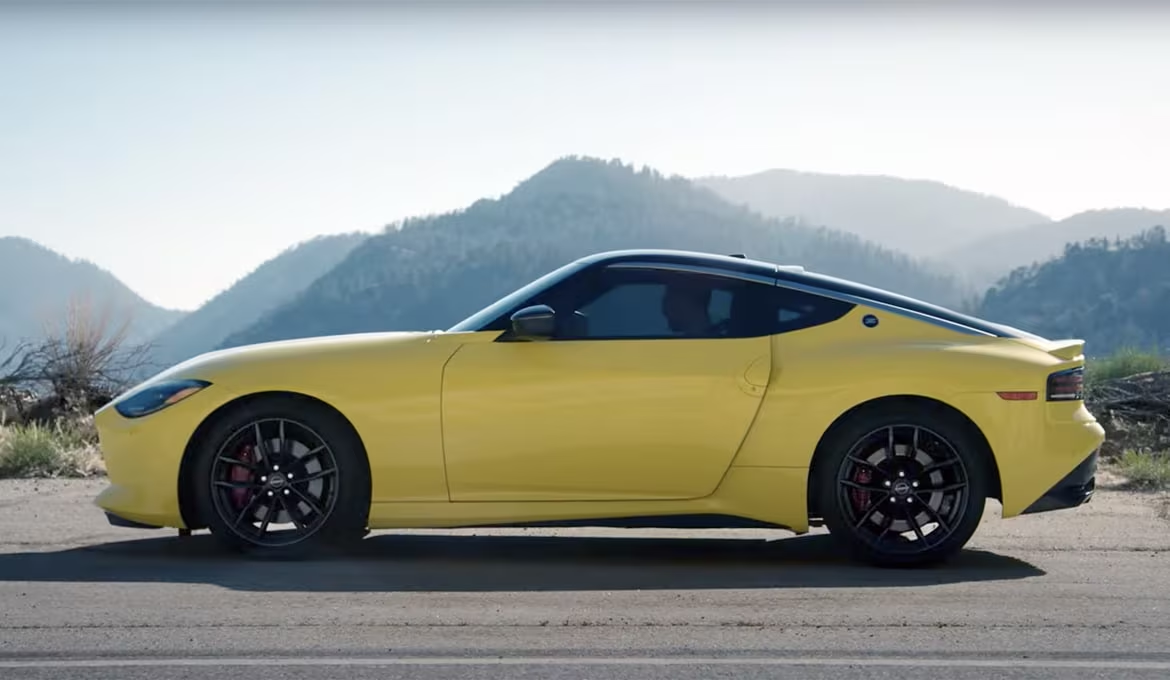
The Nissan Z takes a different approach by embracing retro-inspired design elements that pay homage to classic Z cars like the 240Z and 300ZX. It features a long hood, short rear deck, and a front fascia that references older generations while still incorporating modern LED lighting and sharp detailing. This makes the Z feel nostalgic and emotionally connected to its heritage.
In terms of road presence, the Nissan Z feels more classic and emotionally driven, while the Supra feels more modern and technical. Both designs are attractive, but they appeal to different tastes in automotive styling.
The Supra is more aerodynamic and performance-focused, while the Z is more expressive and heritage-driven.
Also Read: 10 Hidden Features in the Mercedes GLE
Interior Comfort, Technology, and Usability
Inside the Toyota GR Supra, the cabin is heavily driver-focused. The seating position is low and sporty, and the controls are oriented toward performance driving.
Because of its BMW-based engineering influence, the interior features modern infotainment systems, high-quality materials, and a clean, ergonomic layout. However, cabin space is limited, especially in terms of storage and passenger room.
The Nissan Z offers a slightly more traditional interior layout with a focus on simplicity and usability. It includes modern digital displays, including a customizable digital instrument cluster that references classic Z car designs. The cabin is more spacious compared to the Supra, especially in terms of headroom and comfort for daily driving.
Technology in both cars is strong, including smartphone integration, driver assistance features, and modern infotainment systems. The Supra feels more premium and European-inspired, while the Nissan Z feels more straightforward and driver-friendly.
In terms of practicality, neither car is designed for family use, but the Nissan Z offers slightly more comfort for everyday usability.
Pricing, Ownership Experience, and Final Verdict
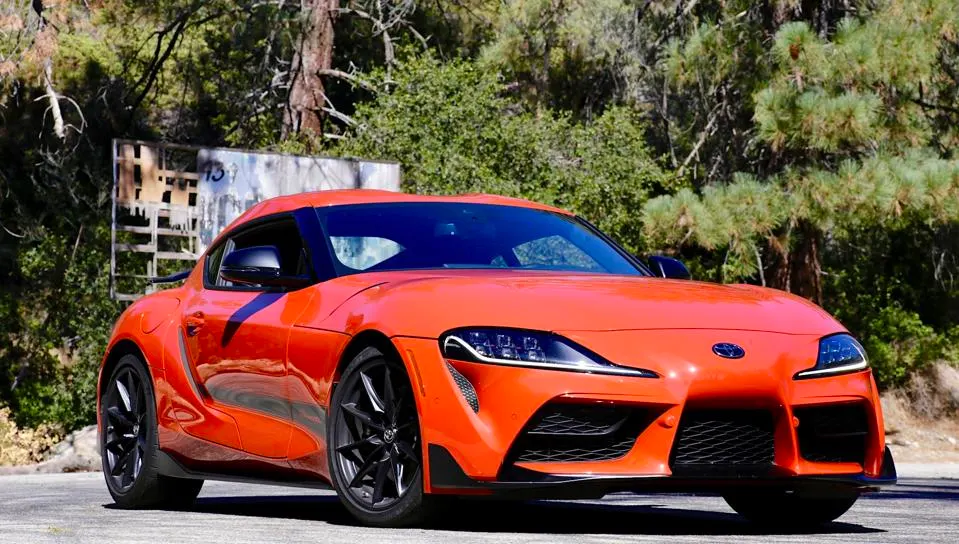
The Toyota GR Supra is generally priced higher due to its premium engineering and performance positioning. It offers strong resale value and is widely respected in enthusiast communities. Maintenance costs can be moderate depending on engine choice, but ownership is supported by Toyota’s reputation for reliability, combined with BMW-sourced performance components.
The Nissan Z is typically positioned as a slightly more accessible sports car in terms of pricing. It offers strong performance value for money and appeals to buyers who want a powerful engine and iconic styling without moving into higher price brackets. Its ownership costs are generally competitive within the segment.
In terms of driving experience, the Supra is more refined, precise, and track-capable. The Nissan Z is more emotional, comfortable, and focused on straight-line excitement and heritage appeal.
The Toyota GR Supra is better for drivers who prioritize handling, precision, and modern performance engineering. The Nissan Z is better for those who value classic sports car styling, strong acceleration, and everyday comfort.
| Category | Winner | The Edge |
|---|---|---|
| Performance & Handling | Toyota GR Supra | Sharper steering, better cornering balance, more track-focused setup |
| Straight-Line Acceleration | Nissan Z | Strong twin-turbo V6 torque, more aggressive low-end pull |
| Engine Refinement | Toyota GR Supra | Smoother inline-six (and efficient 4-cylinder option) with cleaner power delivery |
| Exterior Design | Tie | Supra is modern and aerodynamic, Z is retro-inspired and emotional |
| Interior Quality | Toyota GR Supra | More premium feel, BMW-based refinement, and materials |
| Cabin Space & Comfort | Nissan Z | Slightly more room and better daily usability |
| Technology | Toyota GR Supra | More polished infotainment and driver-focused tech integration |
| Driving Engagement | Toyota GR Supra | More precise handling and stronger feedback in corners |
| Practicality | Nissan Z | Easier daily use, slightly better comfort, and visibility |
| Fuel Efficiency | Toyota GR Supra | Lighter options and more efficient engine tuning |
| Modification Potential | Tie | Supra strong for tuning flexibility, Z strong for turbo V6 upgrades |
| Value for Money | Nissan Z | Strong performance at a lower entry price point |
