
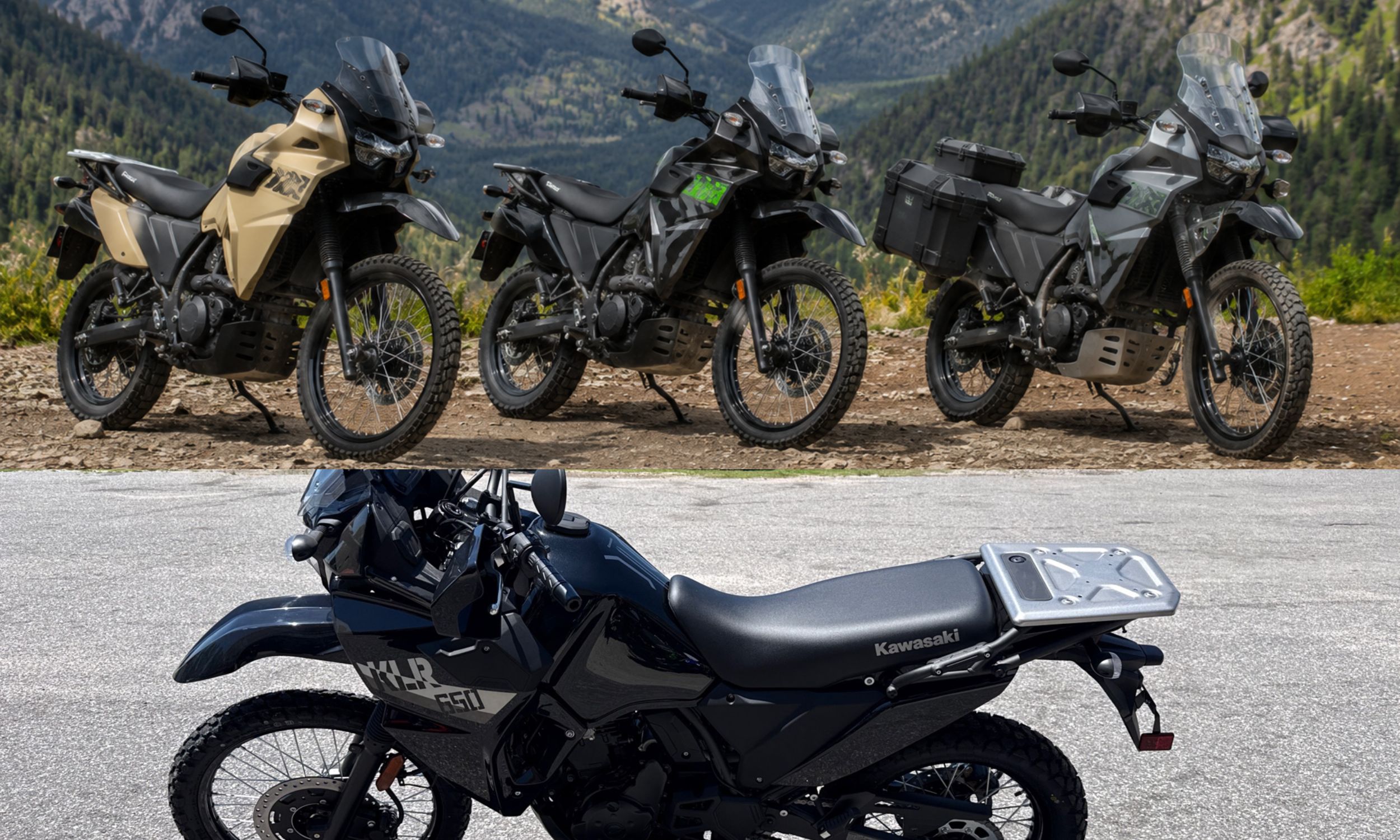
Choosing a Kawasaki KLR650 seems easy at first, but the decision becomes harder once you see the three available trims: Base, S, and Adventure. All three use the same proven single-cylinder engine and share the rugged design that made the KLR650 popular, but the differences in equipment, comfort, and purpose can make one version a better fit than another.
Many riders spend hours comparing these trims because each one serves a slightly different type of owner. Some want a simple motorcycle they can customize themselves, while others prefer factory-installed features that are ready for longer journeys from day one. The best choice depends on your riding style, experience, and the kind of trips you plan to take. Here is what each KLR650 trim offers and who it makes the most sense for.
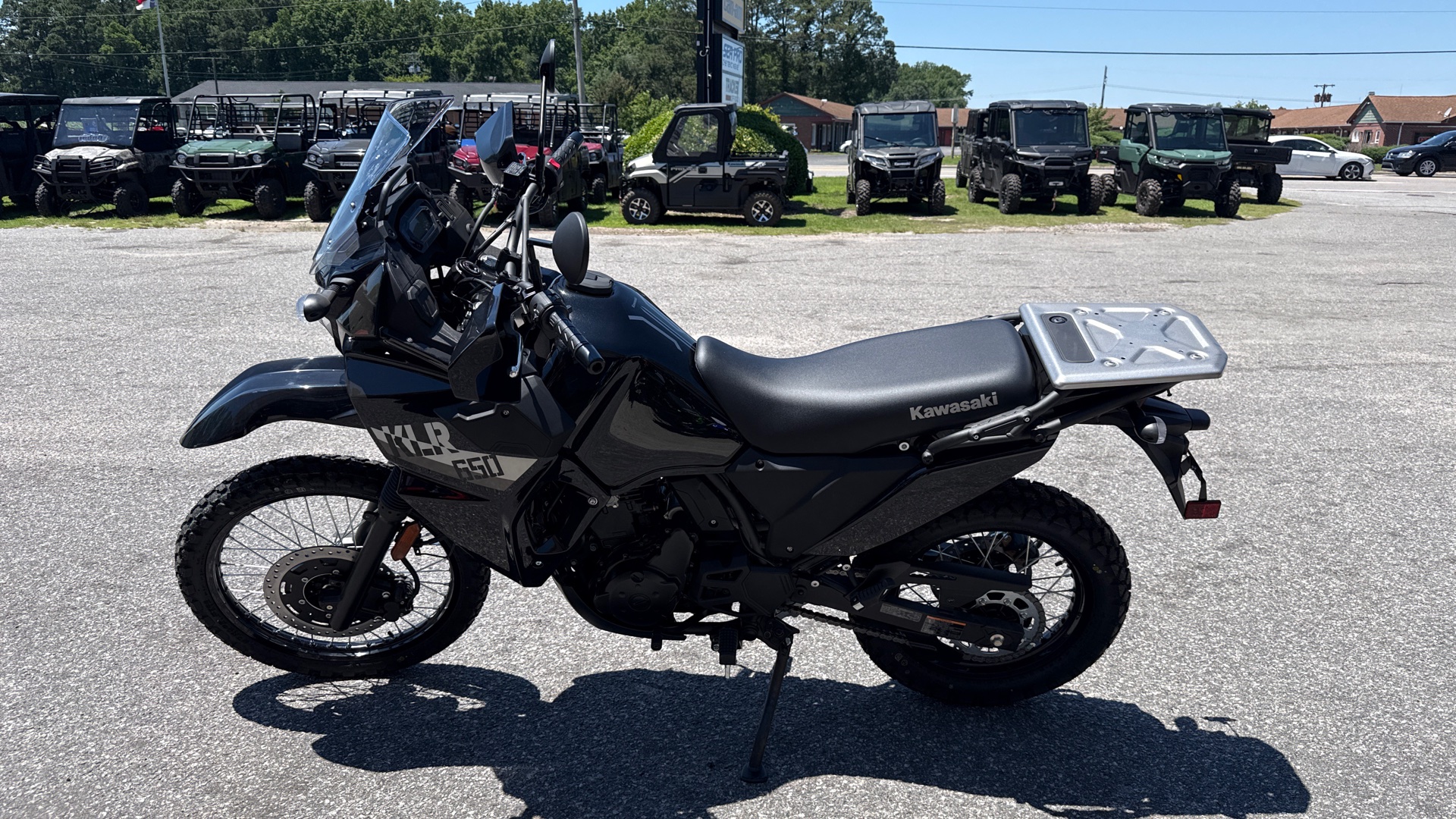
The Base KLR650 Explained
Start here, because everything else on this list gets compared back to it. The base KLR650 runs Kawasaki’s proven 652cc fuel-injected single-cylinder engine, the same heart that’s carried this bike’s reputation since fuel injection arrived in 2022. Nothing fancy sits bolted to this version.
No side cases, no fog lamps, no frame sliders, just the essential dual-sport motorcycle Kawasaki has built for decades with a well-earned reputation for surviving nearly anything thrown at it. That simplicity is precisely the appeal for a specific type of rider.
Forum discussions among long-term KLR owners repeatedly circle back to one theme: this bike gets used hard, dropped occasionally, and repaired roadside with basic tools, and the base model embraces that reality rather than fighting it. You’re not paying extra for accessories you might strip off anyway to build your own custom setup.
The massive 6.1-gallon fuel tank remains standard across every trim, so you’re not sacrificing range by choosing the cheapest option here. What you are sacrificing is convenience. No standard ABS on the base non-ABS version, no luggage mounting points ready to go, no cosmetic touches that make the bike photograph well for social media.
For riders who see a motorcycle as a blank canvas meant for personal modification, or who simply want the lowest possible entry price into KLR ownership, the base model delivers exactly what it promises without charging for anything extra.
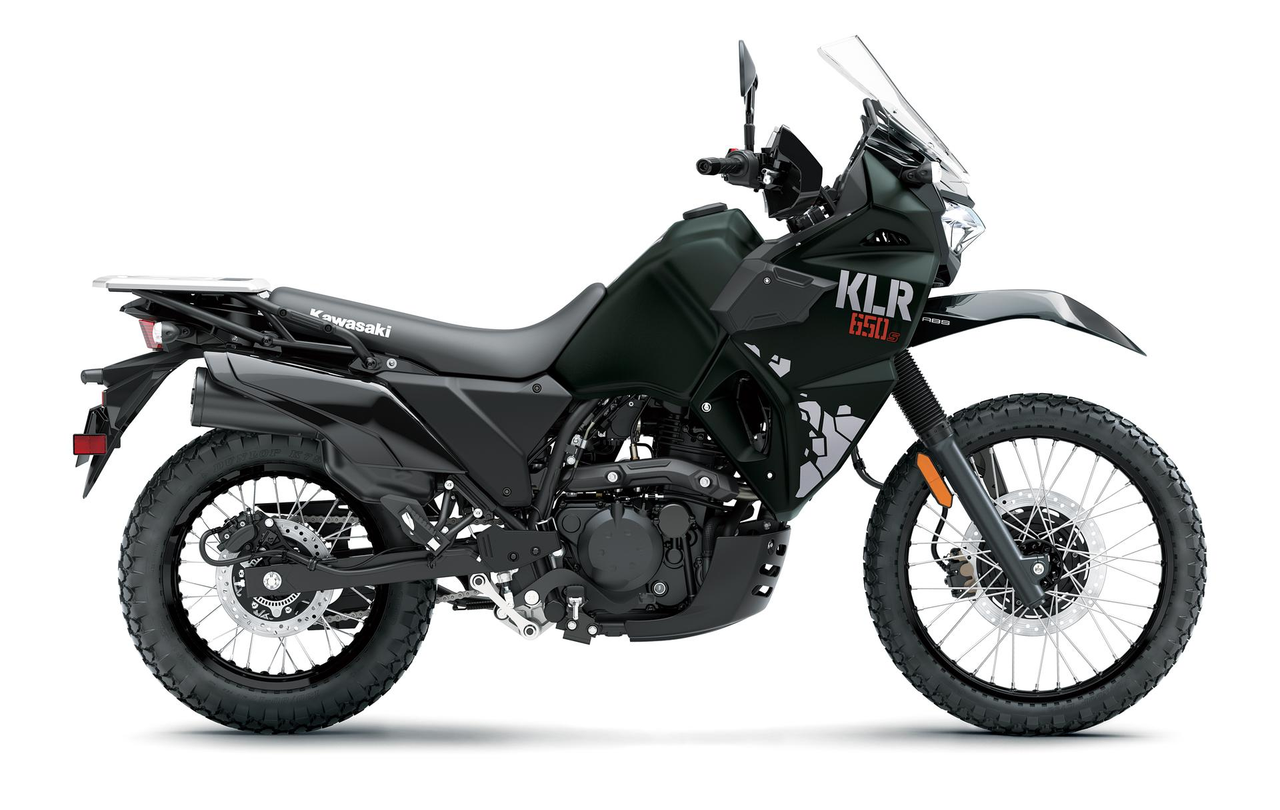
What the KLR650 S Actually Changes
Here’s where things get interesting, because the S trim isn’t really about adding gear the way Adventure does. It’s about changing who physically fits comfortably on the bike. Kawasaki built the S specifically with a lower seat height, making it noticeably easier for shorter riders to plant both feet firmly at stops, a detail that sounds minor until you’ve actually struggled to flat-foot a tall dual-sport at a red light.
That single change addresses one of the most common complaints leveled against the standard KLR platform for years, since the traditional seat height intimidated plenty of otherwise interested buyers away from the model entirely. Mechanically, the S carries the identical 652cc fuel-injected single found across the lineup, so you’re not losing any power or capability by choosing this configuration.
What you’re gaining is accessibility, particularly valuable for newer riders still building confidence, or anyone with a shorter inseam who’s been eyeing bigger adventure bikes but felt physically locked out of the segment. Pricing typically lands close to the base model, making this an easy recommendation for the specific rider it targets rather than a premium upsell.
Should taller, more experienced riders skip it? Generally yes, since the lower stance can mean slightly reduced ground clearance during aggressive off-road sections, a tradeoff worth understanding before you buy. But for the right person, the S solves a real, physical problem the base model simply doesn’t address, and that alone justifies its place in the lineup.
Also Read: Honda Rebel 500 vs Kawasaki Eliminator – Which Is Better?
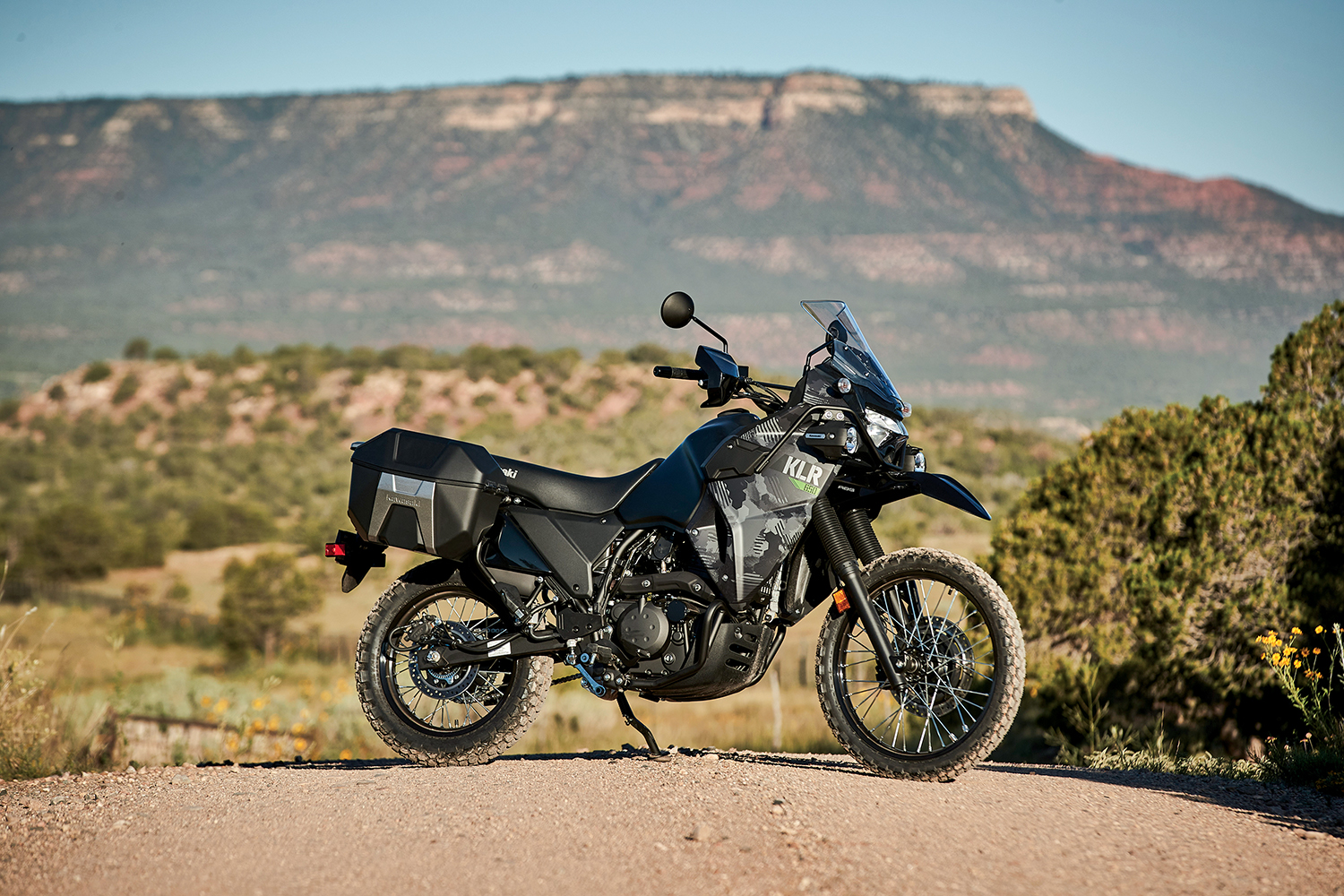
The Adventure Trim’s Real Value
Picture this scenario: you’ve decided the KLR650 is your bike, you’re planning genuine multi-day trips away from pavement, and you don’t want to spend your first month of ownership bolting on aftermarket gear before you can actually load up and leave. That’s exactly who the Adventure trim exists for.
ABS comes standard here, a meaningful safety addition for anyone covering serious mileage on mixed surfaces where sudden stops on gravel or wet pavement genuinely matter. Factory-installed side cases arrive ready to use immediately, eliminating the guesswork and expense of sourcing compatible luggage separately, a process that trips up plenty of first-time adventure riders who underestimate how much aftermarket parts actually cost once shipping and installation get added in.
Fog lamps and frame sliders round out the package, small additions individually but meaningful together for genuine touring use, especially the frame sliders, which protect your investment during the inevitable tip-over that happens to nearly every adventure rider eventually. Suspension travel stays identical to the base model, so you’re not gaining off-road capability here, just convenience and protection wrapped around the same capable platform.
Available in camo beige-metallic gray and dark green finishes, the Adventure trim also looks the part for buyers who care about that. Priced around $9,000, it commands a real premium over base pricing. Whether that premium makes sense depends entirely on whether you’d actually buy those accessories separately anyway.
Comparing Real-World Ownership Costs
Numbers matter here, and they tell a clearer story than trim descriptions alone. Base and S models generally start in the high $6,000s to low $7,000s depending on ABS inclusion, while Adventure trims push toward $9,000 once you factor in the added hardware. That gap, roughly $2,000 depending on configuration, represents genuine value if you were planning to buy side cases and auxiliary lighting regardless.
Aftermarket luggage systems alone frequently run $600 to $1,000 for quality options, and that’s before factoring in mounting hardware, installation time, and the trial-and-error process of finding gear that actually fits your riding style. Add auxiliary lighting, typically another $200 to $400 for a decent setup, and the Adventure trim’s premium starts looking less like an upsell and more like a bundled discount for buyers who know exactly what they need.
Riders planning to keep their KLR mostly stock for daily commuting or occasional weekend trail rides rarely recoup that premium, since they’ll never use half of what Adventure includes. Long-term maintenance costs stay remarkably consistent across all three trims, since the engine, drivetrain, and core mechanical components remain identical regardless of trim choice.
That consistency is part of the KLR’s enduring appeal: your ownership costs down the road depend far more on how you ride and maintain the bike than which trim badge sits on the tank.
What Long-Time Owners Actually Recommend
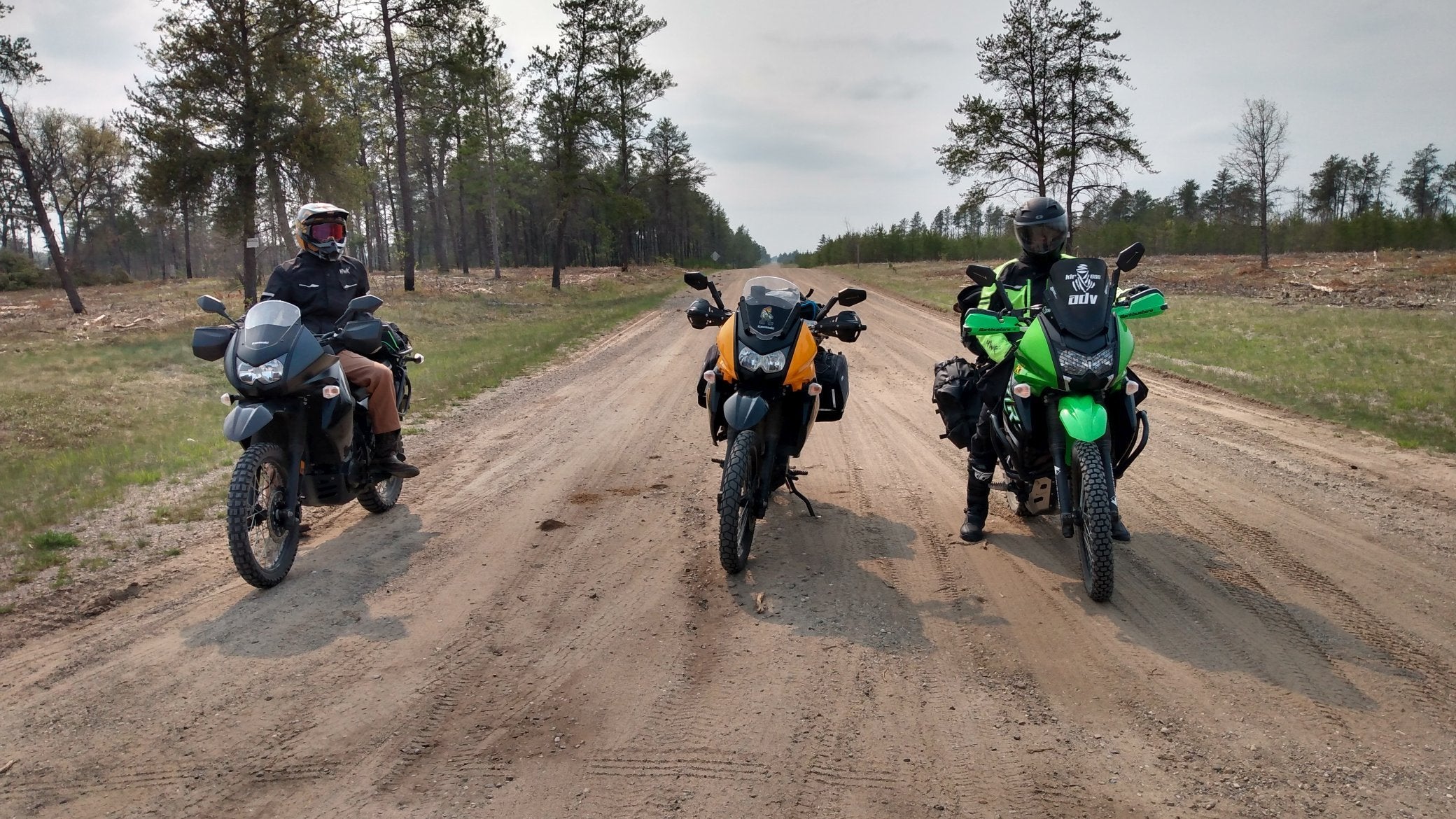
Spend a little time in KLR owner groups, and you’ll notice the same advice comes up again and again. Riders with years of experience usually recommend choosing a trim that matches how you’ll actually use the motorcycle instead of picking the one with the longest feature list.
For daily commuting and weekend rides, many owners suggest the base model. It gives you everything needed to get started, and you can add accessories later that fit your own riding style instead of paying for equipment you may never use. Shorter riders often recommend the KLR S because its lower seat height makes stopping and slow-speed riding much more comfortable. That extra confidence can make a big difference, especially for newer riders.
Those planning long-distance adventures or extended touring often lean toward the Adventure trim. Its factory-installed accessories and standard ABS make it better suited for unpredictable roads and longer journeys. The biggest lesson shared by experienced owners is simple: buy the bike for the rides you expect to take in the coming year, not the trips you hope to take someday.
Many riders admit they paid for features they rarely used, while others later wished they had chosen ABS after facing loose gravel or wet roads. Real ownership experience often provides the best buying advice.
Resale Value Across the Three Trims
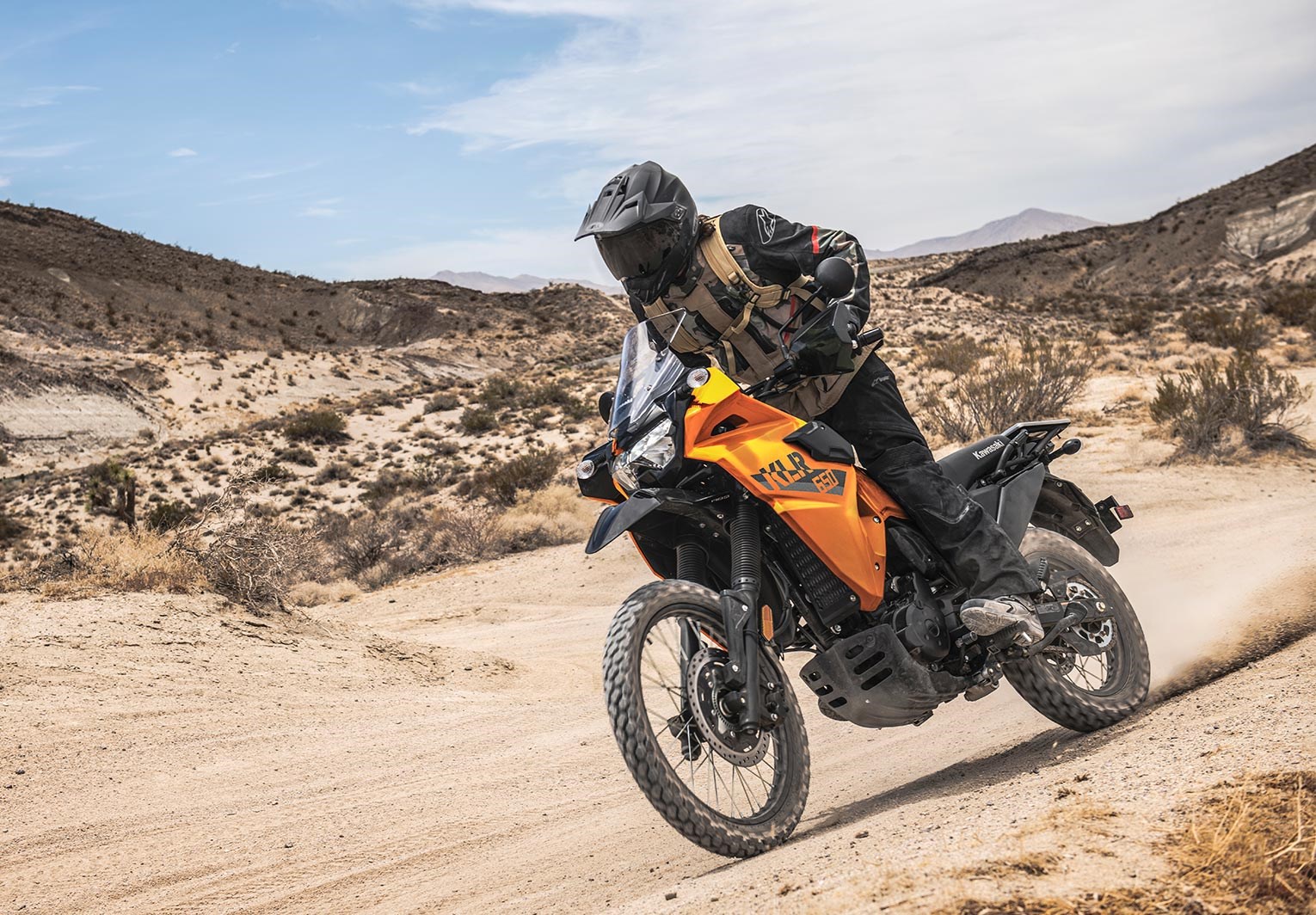
Before choosing a trim, it is worth thinking about how well it may hold its value when it is time to sell. Adventure models often have a slight advantage because many used buyers like getting factory-installed accessories without having to buy and fit them later. Those extras can make the bike more appealing and help it attract interest more quickly.
The base model also performs well in the used market. Many riders prefer starting with a simpler version so they can customize it to match their own riding style and needs. That keeps demand steady, especially among experienced KLR owners who enjoy personalizing their motorcycles.
The S trim appeals to a smaller group of buyers, mainly those looking for a lower seat height. While the market is smaller, riders who need that feature are often willing to pay a fair price because there are fewer alternatives. No matter which trim you choose, maintenance history and the overall condition usually have a bigger impact on resale value than the trim itself.
Buyers pay close attention to service records, mileage, and how well the motorcycle has been cared for. A well-maintained KLR is likely to attract more interest than a neglected one, regardless of the version.
Also Read: Top 10 Classic Kawasaki Motorcycles Whose Prices Have Exploded
Making the Final Call for Your Riding Style
So where does all this leave you? Honestly, the decision comes down to three straightforward questions worth asking yourself before you visit a dealership. First, how tall are you, and does seat height genuinely concern you at stops? If yes, the S deserves serious consideration regardless of anything else on this list.
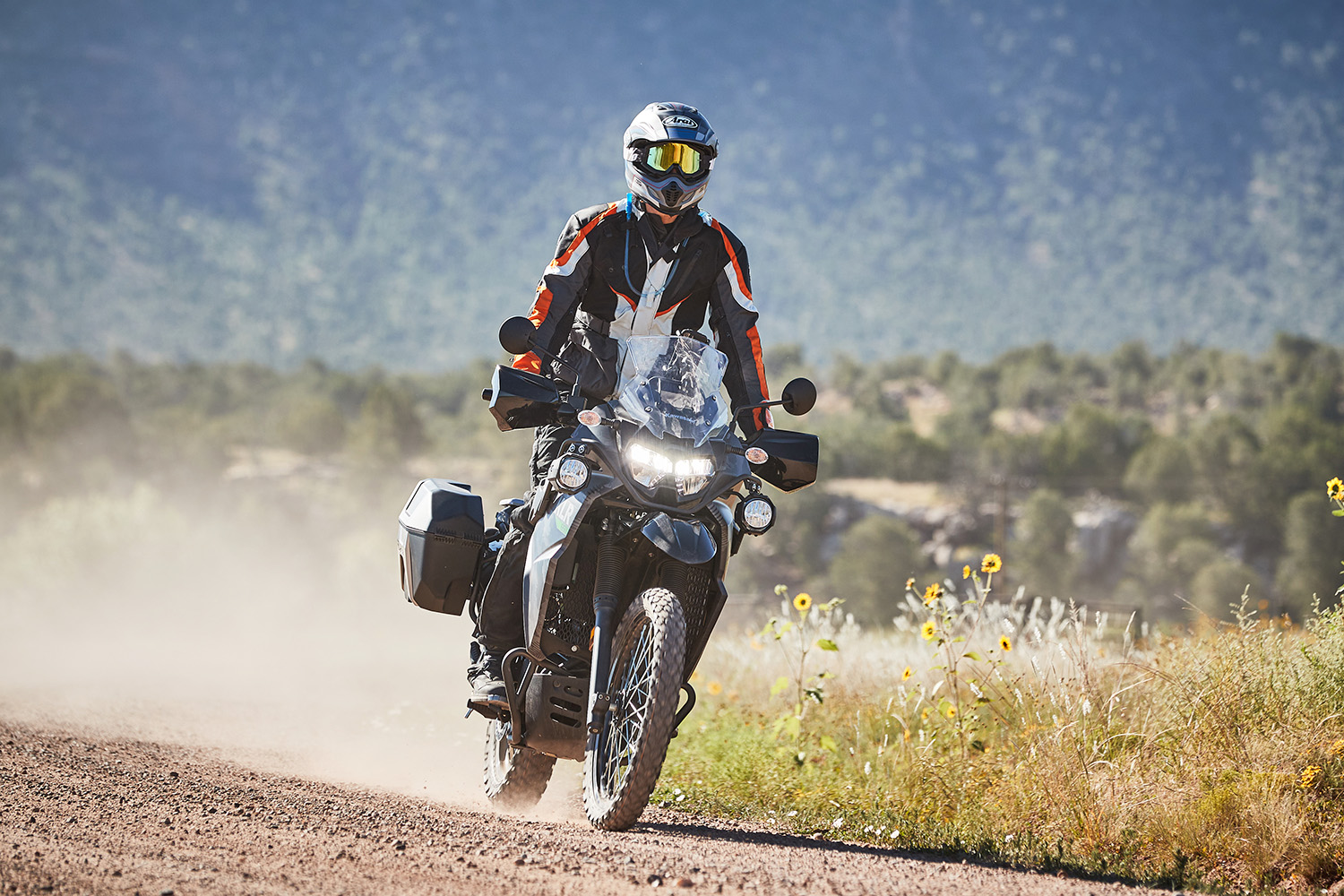
Second, are you planning genuine multi-day adventure travel away from established roads within the next year or two, not someday, but realistically soon? If that’s true, Adventure trim’s bundled hardware likely saves you money and hassle compared to building the same setup yourself piece by piece.
Third, do you already own touring gear, or do you specifically want full creative control over how your bike gets built out over a long period of time? If either applies, the base model remains the smarter, more budget-friendly starting point. None of these three trims represents a wrong choice mechanically, since they all share the same dependable engine and the same decades-proven reliability that’s made the KLR650 a cult favorite worldwide.
What separates them is entirely about matching configuration to your actual riding life rather than an idealized version of it. Buy honestly for who you are as a rider today, and whichever KLR you choose will serve you well for years of genuine use ahead.
