
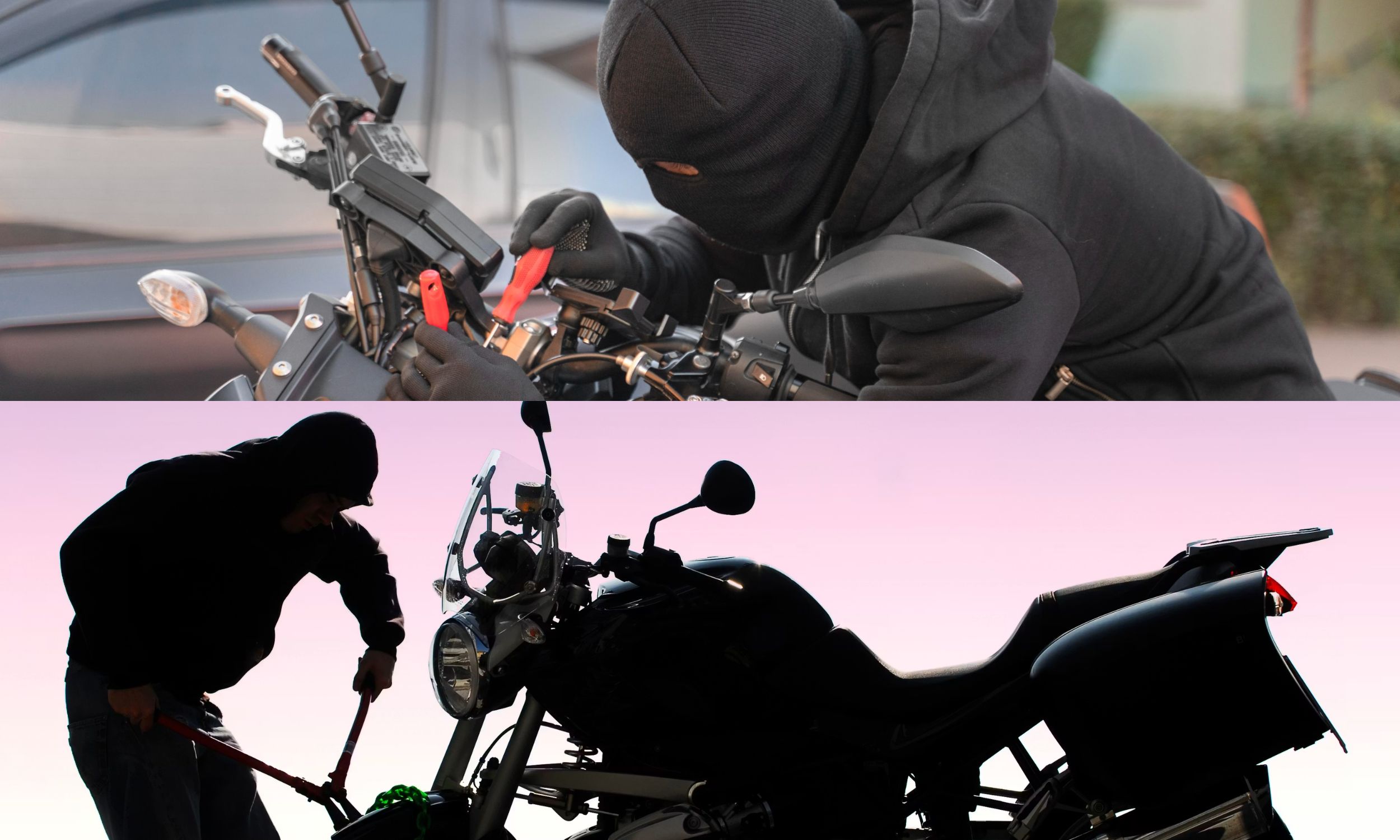
Ever wonder which state poses the biggest theft risk for your motorcycle, and which state barely registers a blip? The National Insurance Crime Bureau’s annual data answers that question with hard numbers. Some states report thousands of stolen bikes each year, while others count their losses in the single digits.
Below, all 50 states are ranked from the highest total thefts down to the lowest, based on 2019 NICB figures. Whether you’re relocating, shopping for a bike, or just curious how your home state compares, this breakdown gives you the real picture of where motorcycle theft hits hardest and where riders can relax a little more.
1. California
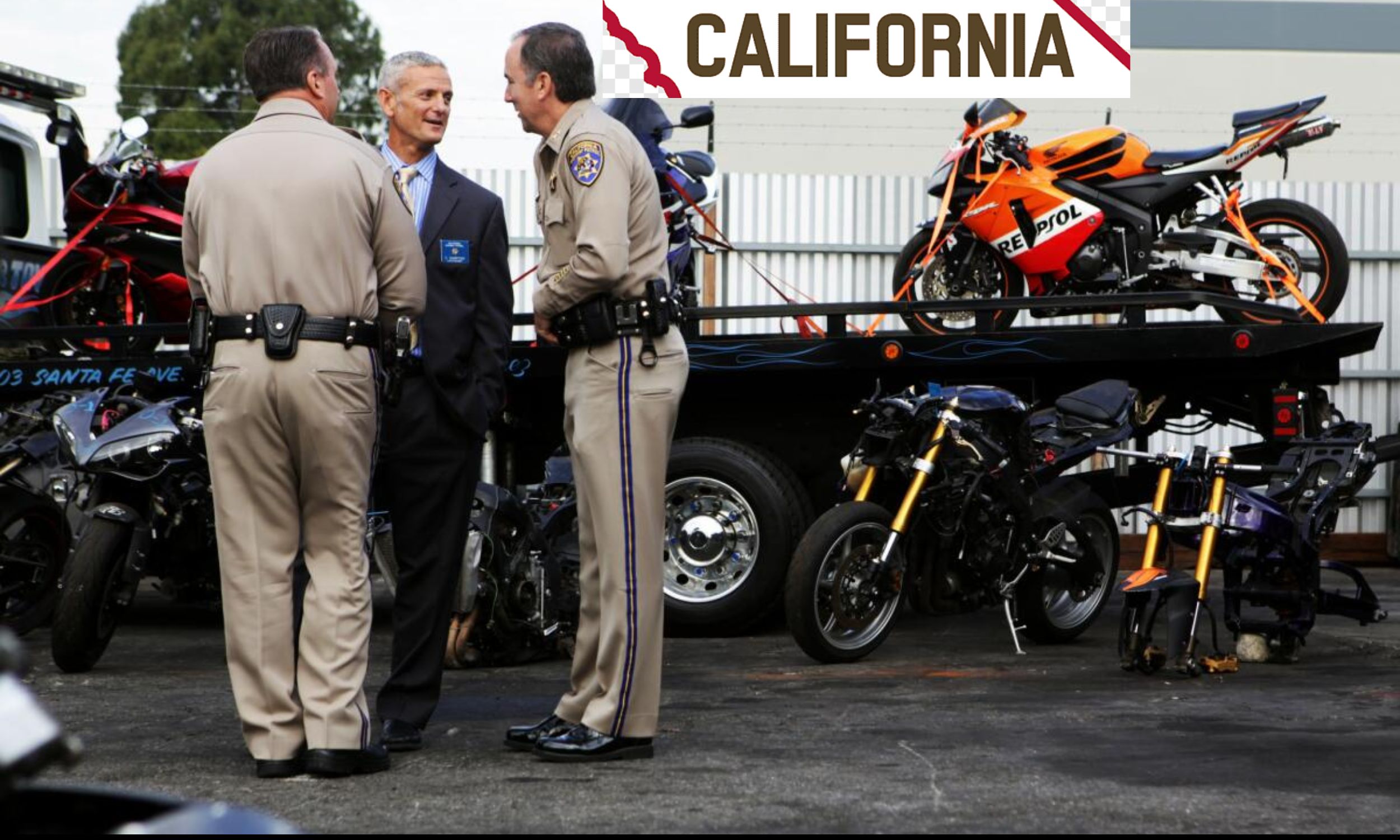
Total Thefts: 6,913
California tops the list by a wide margin, accounting for 17 percent of all U.S. cases. Los Angeles County alone reported over 1,400 thefts, while San Diego posted a sharp 46 percent jump. Riders statewide face the highest theft risk in the nation. Strong locks, secure parking, and tracking devices are well worth the investment here.
No other state comes close to matching this volume, and the gap between California and second place speaks for itself. Anyone parking a bike overnight in a major California city should assume theft rings are actively working the neighborhood and plan accordingly.

2. Florida
Total Thefts: 4,085
Florida holds the second spot with a hefty total. Miami, Orlando, and other tourist-heavy cities see steady activity year-round thanks to warm weather and constant rider traffic. The state’s popularity with visitors means rental bikes and unfamiliar riders sometimes become easy targets. Security precautions here are especially worthwhile, particularly in dense coastal cities.
Riders should avoid leaving motorcycles in poorly lit lots overnight. Given how much of Florida’s tourism revolves around outdoor activity, it makes sense that theft numbers stay elevated throughout the calendar year rather than spiking only during peak season.

3. Texas
Total Thefts: 3,165
Texas ranks third nationally with a large statewide count. Houston, Dallas, and Austin all report meaningful numbers, reflecting the state’s massive population and sprawling urban footprint. Riders across these metro areas face consistently elevated risk simply due to sheer city size and traffic volume.
Rural stretches between major cities see far less activity, so location within the state matters quite a bit. Anyone parking near downtown Houston or Dallas should treat security as a top priority, while riders in smaller Texas towns can breathe a bit easier about overnight parking.
Also Read: 7 Anti-Theft Features That Actually Lower Your Insurance Premium

4. South Carolina
Total Thefts: 1,601
South Carolina lands in fourth place with a total that’s climbed in recent years. Coastal tourist areas and growing inland cities both contribute to the number. Riders visiting popular beach destinations should be especially careful with overnight parking, since seasonal crowds create easy cover for thieves.
Charleston and Myrtle Beach see much of the reported activity. Inland counties report considerably fewer cases, so risk varies sharply depending on proximity to the coast. This state’s steady rise over recent years makes it one to watch for future reports.

5. New York
Total Thefts: 1,573
New York posts a substantial total, though New York City itself actually saw a 9 percent decrease. Even with that improvement, the city still posts the highest single-city theft count in the country at nearly 1,200 cases. Buffalo and Albany add modestly to the statewide figure.
Riders in the five boroughs should stay especially alert despite the recent downward trend, since the raw numbers remain far above nearly every other city nationwide. Upstate regions report considerably lower activity, making location within New York a major factor in theft risk.

6. North Carolina
Total Thefts: 1,506
North Carolina posts a total driven largely by Charlotte and Raleigh. Rapid population increases across the state’s major cities have coincided with climbing theft numbers, a trend riders should watch closely going forward. Smaller cities and rural counties report far fewer cases, keeping the statewide average moderate despite urban hotspots.
Riders commuting through busy metro corridors should invest in secondary locks or disc brake locks. As both Charlotte and Raleigh continue growing, expect this state’s ranking to climb rather than fall in coming years.

7. Missouri
Total Thefts: 1,349
Missouri recorded the largest year-over-year increase among the top ten states, adding 155 cases compared to the prior year. Kansas City and St. Louis both contribute heavily to this rising total, making extra security a smart investment for local riders. The sharp uptick sets Missouri apart from most states on this list, many of which saw declines.
Riders here should not assume past safety trends will hold. Given the pace of increase, Missouri could easily climb several spots in next year’s rankings if the trend continues.

8. Colorado
Total Thefts: 1,219
Colorado’s total reflects a 22 percent increase in Denver alone. A booming population and strong outdoor riding culture have combined to push numbers higher across the state. Riders should stay alert, especially in downtown neighborhoods and near popular trailhead parking areas.
Mountain towns report far fewer incidents, so the bulk of Colorado’s theft problem concentrates in its largest metro area. As more people relocate to Denver and its suburbs, expect continued upward pressure on this number in future reporting periods.
9. Georgia
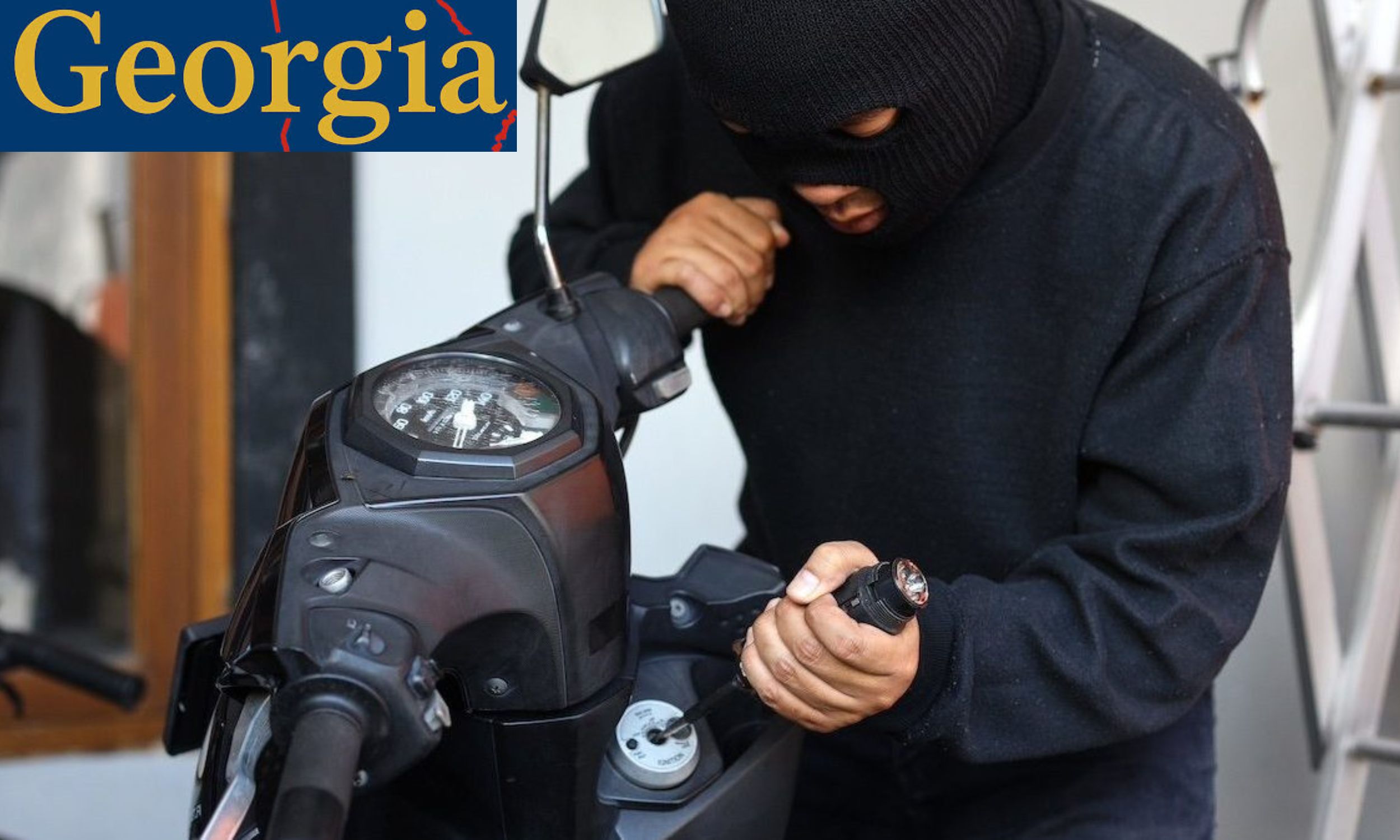
Total Thefts: 1,076
Georgia’s total is driven mainly by Atlanta, which accounts for the bulk of reported cases statewide. Sprawling suburbs and heavy commuter traffic create numerous opportunities for theft, particularly around apartment complexes and shared parking structures. Riders throughout metro Atlanta should invest in additional locking hardware and consider covered parking where available.
Areas outside the metro region report considerably less activity. Georgia’s ranking here places it squarely in the middle of the pack, neither among the safest nor the riskiest states for bike owners.
10. Washington
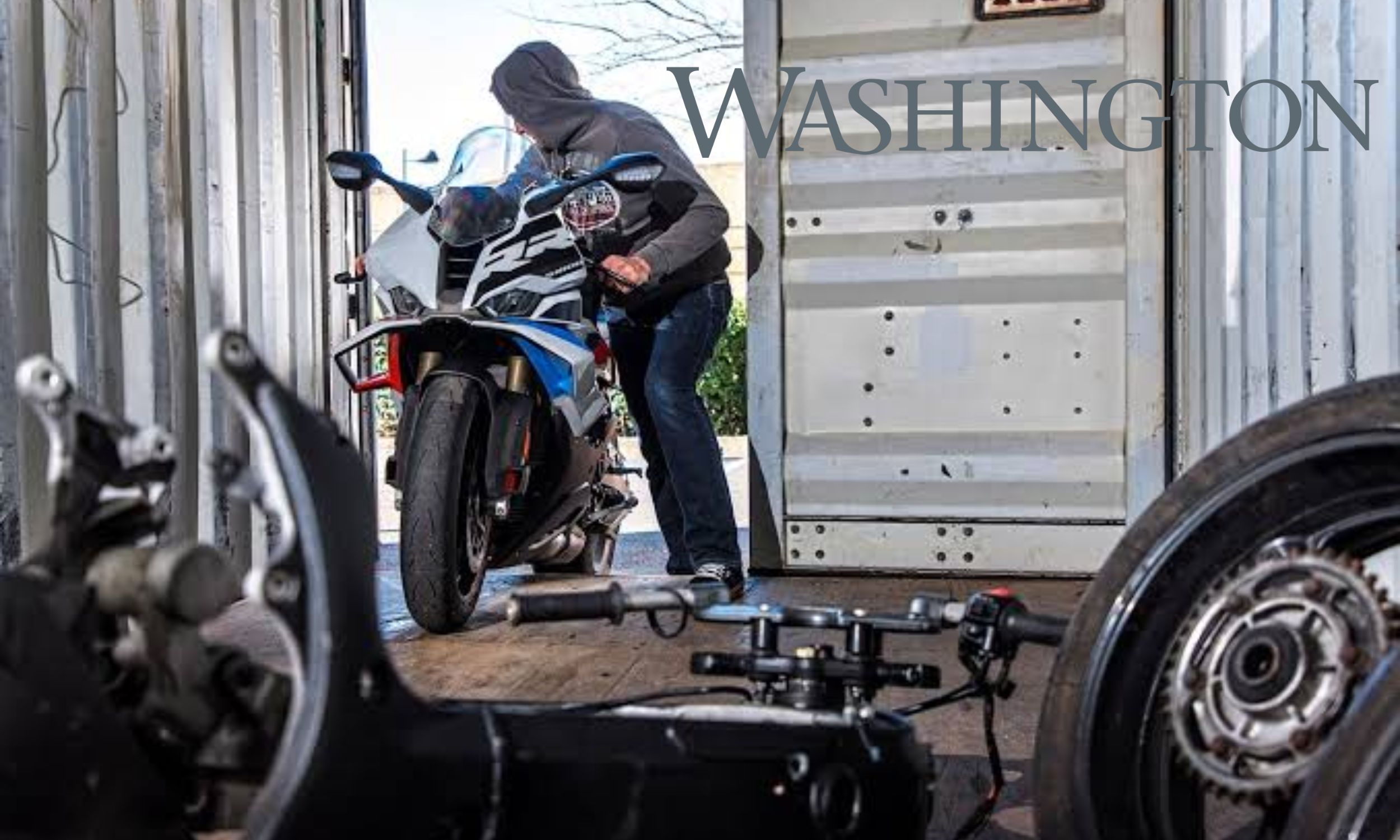
Total Thefts: 1,064
Washington rounds out the top ten, and Seattle saw the steepest jump of any major U.S. city, climbing 50 percent in a single year. Rapid urban growth and limited parking infrastructure appear to be driving this sharp upward trend. Riders in Seattle proper should treat security as non-negotiable given how quickly numbers have risen.
Areas east of the Cascades report far less activity. This dramatic single-year spike makes Washington one of the more surprising entries in the upper half of this ranking.
11. Maryland
Total Thefts: 1,012
Maryland’s total includes a sharp increase in Baltimore, which posted a 36 percent jump. Dense urban blocks and limited secure parking contribute heavily to the city’s rising numbers. Riders there should prioritize covered or monitored parking whenever possible.
Suburban Maryland, closer to the D.C. border, reports moderate activity as well. Rural counties on the Eastern Shore see comparatively little theft. Baltimore’s climbing numbers are the clear driver behind Maryland’s position in the upper-middle portion of this national ranking.
12. Indiana
Total Thefts: 974
Indiana’s total is shaped by Indianapolis and its surrounding suburbs. Growing population centers throughout the state have pushed numbers upward in recent years, and riders should factor this trend into where they choose to park overnight. Smaller cities like Fort Wayne and Evansville report far fewer incidents.
Rural counties remain relatively theft-free by comparison. Indiana sits comfortably in the middle of this ranking, reflecting a state with one dominant metro hotspot surrounded by much quieter territory.
13. Virginia
Total Thefts: 871
Virginia ties for this spot, with activity spread across Richmond, Virginia Beach, and the D.C. suburbs. Military bases and dense commuter corridors add extra traffic and, with it, extra risk for parked bikes near transit hubs. Northern Virginia sees the heaviest concentration due to its proximity to the nation’s capital.
Riders commuting into D.C. from Virginia should take extra precautions with locks and parking location. Southern and western parts of the state report considerably lower theft activity.
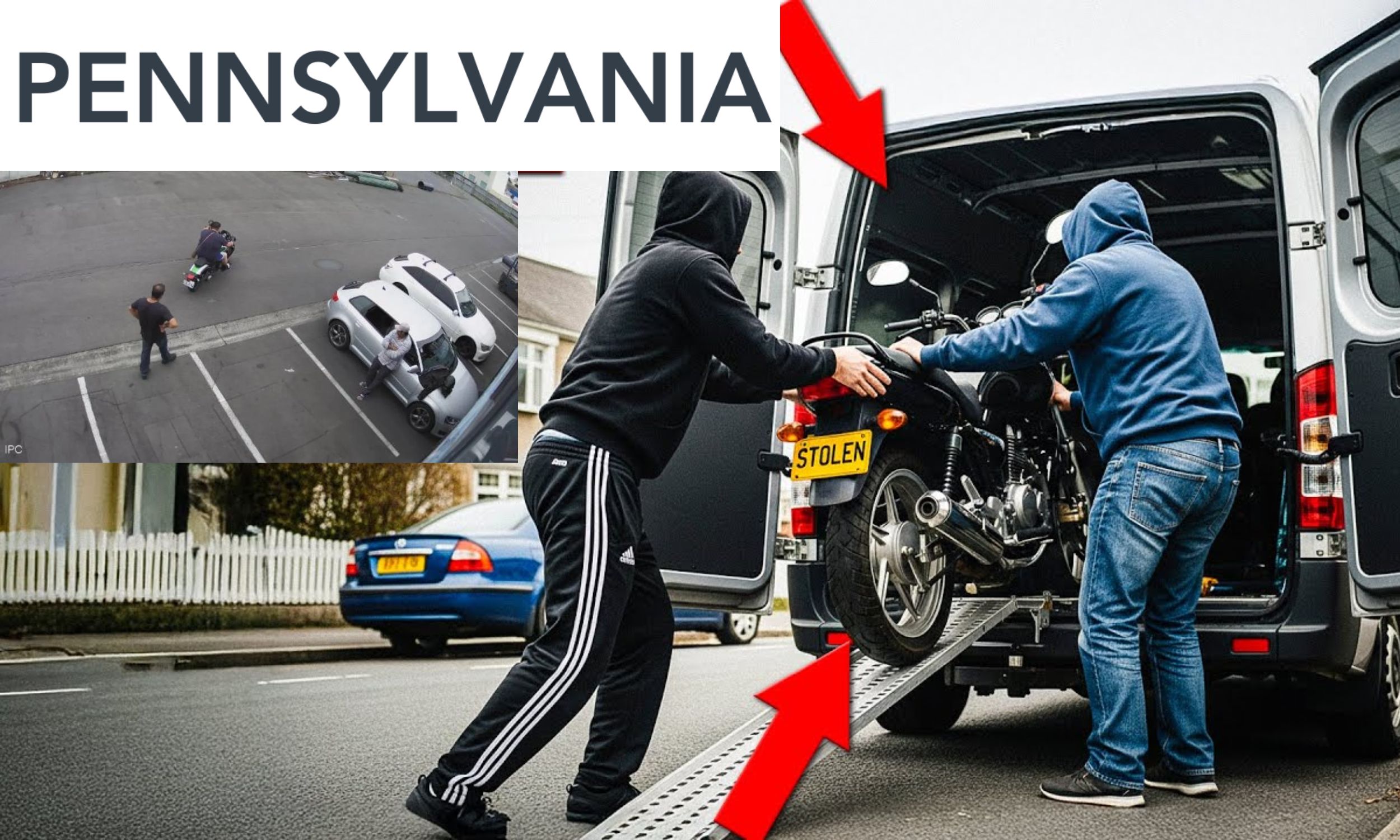
14. Pennsylvania
Total Thefts: 871
Pennsylvania shares the same position as Virginia, with Philadelphia accounting for a large portion of the state’s reported vehicle theft cases despite recording a 21 percent drop in incidents. Pittsburgh also contributes to the statewide total. Vehicle owners in both cities should continue taking practical security measures, as Pennsylvania still sits within the upper-middle tier of the national rankings.
Many rural counties across Pennsylvania record very few theft reports. As a result, the likelihood of vehicle theft varies greatly depending on whether you are in or near Philadelphia or Pittsburgh.
15. Ohio
Total Thefts: 855
Ohio’s count is spread across Columbus, Cleveland, and Cincinnati, three mid-sized metro areas that each contribute a meaningful share of the statewide total. No single city dominates the number the way Los Angeles or Chicago does elsewhere, which spreads risk more evenly across the state.
Bike owners in any of these three cities should take added precautions with parking. Rural Ohio remains a considerably safer bet for overnight storage, keeping the statewide average in check.
16. Arizona
Total Thefts: 838
Arizona’s total is driven mostly by Phoenix, which represents the lion’s share of reported cases. Year-round riding weather keeps bikes on the road constantly, widening the window of opportunity for theft throughout every season rather than just summer. Riders should be especially careful in dense suburban parking lots and apartment complexes.
Tucson contributes a smaller portion of the total. Because Arizona’s climate supports riding all twelve months, its theft numbers don’t taper off the way colder states typically see.
17. Massachusetts
Total Thefts: 788
Massachusetts logs a total driven heavily by the Boston metro area. Dense city blocks with street parking create easy targets for quick theft, especially in neighborhoods without dedicated motorcycle parking. Riders throughout the rest of the state report far fewer incidents by comparison.
Western Massachusetts and Cape Cod see minimal activity. Boston’s tight urban layout, combined with high bike ownership among commuters, keeps this state firmly in the middle tier of the national ranking.
18. Tennessee
Total Thefts: 736
Tennessee’s total splits mainly between Nashville and Memphis. Both cities have seen population growth that tracks closely with rising theft numbers in recent years. Riders in these metro areas should invest in stronger security measures given the upward trend. Smaller cities like Knoxville and Chattanooga report considerably less activity.
As Nashville continues attracting new residents at a rapid pace, expect its share of the statewide total to keep climbing in future reporting periods.
19. Michigan
Total Thefts: 710
Michigan’s total includes a substantial portion from Detroit. Older urban neighborhoods with limited secure parking see the highest concentration of incidents, often tied to a general pattern of vehicle theft in the city. Suburban and rural riders across the rest of the state face considerably less exposure.
Grand Rapids and Lansing report modest numbers by comparison. Michigan’s position here reflects a state where one city’s challenges heavily influence the statewide figure.
20. Arkansas
Total Thefts: 669
Arkansas posts a total reflecting its mix of rural land and a few growing metro areas. Little Rock accounts for the largest concentration of reported cases within the state. Riders elsewhere in Arkansas see comparatively low activity, particularly in the state’s more agricultural regions.
This middling ranking places Arkansas ahead of several larger states, a reminder that population size alone doesn’t fully predict theft totals. Local policing and community awareness likely play a role too.

21. New Jersey
Total Thefts: 646
New Jersey’s dense population contributes to its total, with proximity to New York City influencing theft patterns in northern counties especially. Riders throughout the state’s suburban sprawl face a moderately elevated risk compared to more rural regions. Central and southern New Jersey report lower activity levels.
Given how tightly packed much of the state is, and how many commuters cross into New York daily, this ranking reflects a fairly typical Northeast corridor pattern.
Also Read: 10 Motorcycles With the Lowest Theft Rates
22. Kentucky
Total Thefts: 629
Kentucky’s total is shaped by Louisville’s urban core, which accounts for a disproportionate share of statewide cases. Rural counties throughout the rest of the state report minimal activity by comparison. Bike owners near major highways should remain cautious, especially during warmer riding months when bike traffic naturally increases.
Lexington adds a smaller contribution to the total. Kentucky’s ranking here places it just below the national midpoint, a fairly average showing.
23. Nevada
Total Thefts: 625
Nevada’s total is driven largely by Las Vegas and its constant flow of tourists and rental bikes. High foot traffic and crowded parking areas create prime opportunities for quick theft near entertainment districts. Riders should never leave bikes unlocked near the Strip or nearby casino lots.
Reno contributes a smaller share of the statewide count. Nevada’s tourism-heavy economy directly shapes its theft pattern, concentrating almost all activity into one metro corridor.
24. Oregon
Total Thefts: 614
Oregon’s total climbed with Portland accounting for a hefty share of statewide cases. A strong riding culture in the Pacific Northwest means more bikes on the road and, consequently, more targets for thieves working urban neighborhoods. Riders outside the Portland metro area report considerably fewer incidents.
Eugene and Salem contribute modestly. Oregon’s ranking reflects a state where enthusiasm for riding somewhat ironically correlates with a higher theft count in its largest city.
25. Oklahoma
Total Thefts: 548
Oklahoma’s reported cases are concentrated mainly in Oklahoma City and Tulsa, the state’s two largest metropolitan areas. Rural communities between these cities record far fewer incidents by comparison. Vehicle owners should give extra attention to theft prevention when parking in these urban centres rather than treating the entire state as a high-risk area.
The state’s position falls near the middle of the national rankings, matching a pattern commonly seen in places with two medium-sized cities surrounded by large rural areas where reported theft cases remain relatively low.

26. Illinois
Total Thefts: 535
Illinois posts a total heavily influenced by Chicago’s massive metro population. Urban density creates more targets and more theft rings actively working the area’s neighborhoods and parking structures. Riders downstate face far lower risk than those near the city itself.
This number might seem modest for a state with Chicago’s reputation, but it reflects a broader statewide average pulled down by vast rural stretches outside the metro core.
27. Alabama
Total Thefts: 533
Alabama ranks slightly below the national midpoint for reported vehicle theft cases. Birmingham and Mobile account for the largest share of incidents across the state. Many suburban communities and rural counties record far fewer reports each year, helping keep the statewide figure at a relatively modest level.
Montgomery contributes a smaller share of reported cases. Vehicle owners in Birmingham and Mobile should continue using common anti-theft measures, even though Alabama records fewer theft incidents than many nearby states.
28. Louisiana
Total Thefts: 498
Louisiana’s total is driven heavily by New Orleans, a city known for its year-round riding season and busy tourist calendar. Warmer weather extends the riding season, which in turn extends the window for opportunistic theft near the French Quarter and surrounding neighborhoods.
Riders in the state’s larger cities should stay alert throughout the year rather than just during festival season, given how consistently active theft numbers remain.
29. Kansas
Total Thefts: 458
Kansas logs a moderate total for a state with a largely rural footprint. Wichita and other regional hubs see the highest concentration of cases within state lines. Bike owners outside major cities face considerably lower risk, reflecting Kansas’s low population density.
This ranking places Kansas comfortably in the safer half of the country, with theft activity concentrated almost entirely around its handful of larger population centers.

30. Minnesota
Total Thefts: 443
Minnesota’s total reflects its sizable population and active riding season despite a shorter riding window than southern states. The Twin Cities metro area accounts for a large share of statewide incidents. Riders should be mindful of theft rates in urban neighborhoods around Minneapolis and St. Paul specifically.
Greater Minnesota reports far less activity. This ranking places the state solidly in the middle, balanced between strong ridership numbers and a relatively short season.
31. New Mexico
Total Thefts: 419
New Mexico sits near the middle of the national rankings for vehicle theft. Its location along the border, together with routes used to move stolen vehicles across state lines, can influence certain theft trends. Albuquerque and Santa Fe account for most reported incidents across the state, while many rural counties record very few cases.
The state’s position reflects theft activity that is concentrated mainly in Albuquerque and Santa Fe instead of being spread across its large rural areas, where communities are widely separated, and reports remain relatively low.
32. Connecticut
Total Thefts: 412
Connecticut’s total reflects a jump driven partly by its dense population and proximity to larger East Coast cities like New York. Suburban theft rings sometimes target parked motorcycles in commuter towns throughout the state. Riders should avoid leaving bikes unattended in high-traffic commuter parking areas, particularly near train stations.
This ranking places Connecticut in the middle tier, consistent with other small, densely populated Northeast states.
33. Iowa
Total Thefts: 333
Iowa’s theft total reflects a steady pattern driven by its combination of rural counties and modest-sized cities such as Des Moines and Cedar Rapids. Incidents are spread across the state rather than concentrated in a single hotspot. Bike owners face moderate risk near larger population centers, while Iowa remains one of the safest states in the nation. Rural areas continue to report very few thefts from year to year.
34. Utah
Total Thefts: 316
Utah’s tally reflects growing metro areas like Salt Lake City contributing to rising numbers in recent years. Riders in fast-growing suburbs should take extra precautions with security as population growth continues pushing this figure upward. Southern Utah and rural counties report minimal activity by comparison. This ranking places Utah in the safer half nationally, though its upward trend is worth watching in coming years.
35. Hawaii
Total Thefts: 221
Hawaii’s total is shaped by its island geography and dense tourist traffic throughout the year. Scooters and smaller bikes common in island transportation add to the total count here. Limited escape routes for stolen vehicles make recovery efforts somewhat easier on the islands compared to mainland states. This relatively low ranking reflects Hawaii’s unique geography working in favor of bike owners despite heavy tourism.
36. Wisconsin
Total Thefts: 198
Wisconsin ties for this spot, with a strong motorcycle culture, especially around Milwaukee, bringing more bikes onto the road and, by extension, more potential targets for thieves. Riders here should factor that cultural popularity into parking choices, particularly during peak riding season and around major rally events.
Rural Wisconsin reports far less activity, keeping the statewide total relatively contained despite the state’s strong riding tradition.
37. West Virginia
Total Thefts: 198
West Virginia ties closely with its regional neighbor here. Mountainous roads and smaller population centers help limit the total count throughout the state. Riders touring its winding roads face moderate but manageable exposure to theft, mostly concentrated around Charleston and a handful of other small cities. This low ranking reflects West Virginia’s rural character working in favor of motorcycle owners statewide.
38. Mississippi
Total Thefts: 197
Mississippi recorded a small rise in reported cases compared with previous years. The state combines many rural counties with a few larger cities, including Jackson, leading to isolated areas where theft is more common instead of a single area accounting for most incidents.
Motorcycle owners remain among those facing lower theft rates across the country. With much of Mississippi made up of rural communities, the current figure is in line with those conditions, although the recent increase should continue to be watched in the coming years.
39. Rhode Island
Total Thefts: 135
Despite being the smallest state by area, Rhode Island’s total suggests its dense population packed into a tiny footprint creates more opportunity than its size might otherwise suggest. Riders in and around Providence should stay especially cautious with locks given how compact the state’s urban areas are. This ranking demonstrates that geographic size doesn’t always predict theft levels the way population density does.
40. Nebraska
Total Thefts: 113
Nebraska’s figures reflect its largely rural and agricultural character across much of the state. With fewer major metropolitan areas, vehicle thieves have far fewer opportunities to target large groups of cars in one place. As a result, the state continues to rank among those with relatively low vehicle theft rates across the country.
Most reported incidents are recorded in Omaha, while many other parts of Nebraska continue to report very few vehicle theft cases based on the available data.
41. Idaho
Total Thefts: 105
Idaho rounds out the states with fewer than 150 cases reported statewide. Growing cities like Boise contribute a bit more activity than neighboring rural areas, but numbers remain modest. Riders still enjoy relatively low theft exposure across most of the state. This ranking places Idaho comfortably among the safer states for motorcycle owners nationwide, with only mild upward pressure from urban growth.
42. Montana
Total Thefts: 95
Montana’s low total reflects its rugged roads and rural character throughout the state. Big Sky Country offers plenty of open road but comparatively few urban theft hotspots for criminals to exploit. Bike owners here rank among the safest in the nation according to this data. Riders touring Montana’s highways can generally feel confident about overnight parking, even in the state’s larger towns.
43. Delaware
Total Thefts: 93
Delaware’s small footprint produced this modest total, keeping it near the bottom of the national ranking. Being one of the smallest states by area limits the number of hot zones where theft tends to cluster geographically. Riders here benefit directly from that compact size and a lower population. This low number places Delaware firmly among the safest states for motorcycle ownership in the country.
44. Alaska
Total Thefts: 75
Alaska’s total is low despite its massive geographic size, largely because harsh weather limits the riding season considerably. This naturally reduces the window thieves have to strike throughout much of the year. Isolated communities and limited road networks also work in favor of motorcycle owners here. Riders in Anchorage and Fairbanks still see the bulk of what little activity exists statewide.
Also Read: 5 Anti Theft Features That Actually Work vs 5 Ones That Don’t

45. New Hampshire
Total Thefts: 74
New Hampshire’s small figure is known for scenic mountain routes and strong seasonal tourism. Riders touring its back roads face little exposure to theft throughout the year. Compact population centers help keep opportunistic crime rates down across the board. This ranking places New Hampshire solidly among the safest states in the entire country for bike owners.
46. South Dakota
Total Thefts: 69
South Dakota posted this low figure even with major rallies drawing thousands of riders each year to events like Sturgis. Statewide numbers stay low despite that massive seasonal influx of motorcycles and visitors. Most of the state’s land area sees little to no reported motorcycle crime outside of rally week, making it one of the safer states.
47. North Dakota
Total Thefts: 65
North Dakota’s modest number reflects its sparse population spread across a large geographic area. Long stretches of open highway and small city centers give thieves very little cover to operate. This remains one of the lowest-risk states for motorcycle owners across the entire country, with activity concentrated in just a few small urban centers like Fargo and Bismarck.
48. Maine
Total Thefts: 33
Maine’s total keeps it firmly among the safest states in the nation. Small towns and limited urban sprawl reduce the chances of opportunistic theft occurring throughout the state. Riders cruising the coastline here rarely need to worry about their bikes disappearing from a parking spot, even in busier tourist towns like Bar Harbor during peak summer months.
49. Wyoming
Total Thefts: 23
Wyoming’s total barely edges above the lowest-ranked state in the country. Wide open spaces and low population density mean fewer opportunities for thieves to target parked motorcycles anywhere in the state. Bike owners here face minimal risk compared to nearly everywhere else, reflecting the benefits of Wyoming’s remarkably low population count statewide.
50. Vermont
Total Thefts: 17
Vermont sits at the very bottom of the entire list with the fewest reported cases in the country. Rural roads, a small population, and fewer urban hotspots keep numbers low year after year without exception. Riders here enjoy the lowest theft exposure anywhere in the nation, making Vermont the single safest state to park a motorcycle overnight.
