
Vehicle theft has evolved dramatically over the last two decades. Modern thieves no longer rely solely on breaking windows or forcing ignition cylinders with crude tools. Today, many criminals use relay attacks, signal amplification devices, key cloning technology, diagnostic port hacking tools, and digital exploits to steal vehicles within minutes.
As vehicles become more connected and technologically advanced, car owners often assume manufacturers have solved the theft problem completely. Unfortunately, that assumption is not always correct. Many factory-installed anti-theft systems provide only a thin layer of protection, while some aftermarket solutions create more inconvenience than actual security.
Understanding which security features genuinely reduce theft risk and which merely create an illusion of safety is essential for every driver.
The automotive security market is flooded with products claiming military-grade protection, smart tracking capabilities, and instant theft prevention. Some systems are incredibly effective because they attack the exact methods thieves use today. Others rely on outdated technology that criminals already know how to bypass.
A steering wheel lock, for example, may look old-fashioned compared to smartphone-connected vehicle monitoring systems, yet in many cases it creates a stronger visual deterrent than expensive electronic gadgets. Likewise, advanced GPS tracking systems can help recover stolen vehicles after the fact, but they may not stop the theft from happening in the first place.
The difference between prevention and recovery matters greatly because recovering a stolen vehicle often still means dealing with insurance claims, damage repairs, identity exposure, and emotional stress.
Another major issue is consumer misunderstanding. Many buyers assume all anti-theft technology works equally well because marketing materials use aggressive language and impressive-sounding specifications. In reality, effectiveness depends on how difficult a feature makes the theft process. Professional thieves usually want speed, low visibility, and minimal risk.
If a security feature significantly increases the time required to steal a car, creates loud attention, or introduces uncertainty, thieves frequently abandon the attempt and move to an easier target. This is why even simple physical barriers can outperform expensive electronic systems that fail silently. Criminals target convenience just as much as opportunity.
While convenient for drivers, these systems opened the door to relay attacks where thieves amplify the signal from a smart key inside a home and trick the vehicle into believing the key is nearby.
Many drivers remain unaware that their expensive luxury vehicle can be stolen without physical damage or visible forced entry. This shift has made layered security more important than ever. No single feature provides perfect protection. Instead, the most effective strategy combines physical deterrents, electronic immobilization, smart parking habits, and modern monitoring systems.
Insurance companies and law enforcement agencies increasingly emphasize practical anti-theft measures over flashy technology. Studies consistently show that visible deterrents, ignition disabling systems, and owner awareness reduce theft rates more effectively than gimmicky products designed mainly for marketing appeal.
Consumers who invest wisely can dramatically decrease the likelihood of becoming a theft victim. Meanwhile, drivers who rely on ineffective features may unknowingly leave their vehicles vulnerable despite spending significant amounts of money.
This article examines five anti-theft features that genuinely work in real-world conditions and five that often fail to provide meaningful protection.
Each section explores how the technology functions, why it succeeds or fails, and what modern thieves think about it. By understanding the strengths and weaknesses of common vehicle security systems, drivers can make informed decisions that improve protection without wasting money on ineffective solutions.
Also Read: 10 Fastest Hennessey-Tuned Models & Ranked by Top Speed
Anti-Theft Features That Actually Work

1. Engine Immobilizers
Engine immobilizers remain one of the most effective anti-theft technologies ever introduced into modern vehicles. Unlike traditional alarms that simply make noise, immobilizers prevent the engine from starting unless the correct electronic key or transponder is present.
This feature attacks the most critical step in vehicle theft: actually driving the car away. Even if a thief gains physical access to the vehicle, bypassing an immobilizer requires specialized tools, technical knowledge, and additional time, all of which increase risk.
Modern immobilizer systems operate using encrypted communication between the key transponder and the vehicle’s onboard computer. When the driver inserts the key or presses the start button, the system verifies whether the encrypted code matches the one stored in the vehicle. If authentication fails, the fuel system, ignition system, or starter motor remains disabled.
This process happens almost instantly and is invisible to most users, making it both convenient and highly effective. Unlike visible deterrents that only discourage opportunistic criminals, immobilizers directly interfere with theft mechanics.
Statistics from multiple countries show dramatic reductions in vehicle theft rates after immobilizers became mandatory in many new cars. In regions where immobilizers are standard equipment, theft rates for newer vehicles tend to be substantially lower than for older models lacking the technology.
Professional thieves often avoid vehicles with robust immobilizer systems because defeating them requires sophisticated hacking equipment or expensive key programming tools. Criminals generally prefer easier targets that can be stolen quickly.
Another advantage of immobilizers is that they work silently. Traditional alarms may attract attention, but many people ignore car alarms because false activations are so common.
Immobilizers do not depend on public reaction or environmental factors. They simply stop the vehicle from functioning. This reliability makes them particularly valuable in crowded urban environments where alarm noise blends into background activity.
2. Steering Wheel Locks
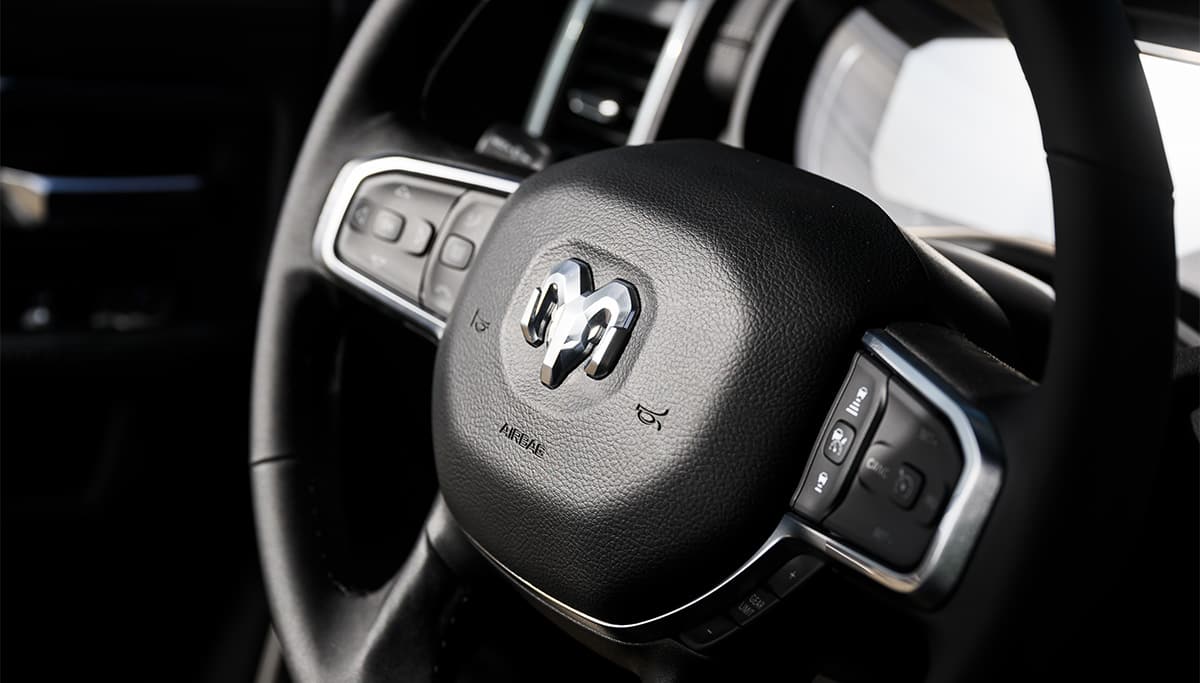
Steering wheel locks may appear outdated compared to app-controlled security systems, but they continue to be highly effective because they create an immediate and visible obstacle.
Most thieves seek fast, low-risk theft opportunities. When they see a steering wheel lock attached to a vehicle, they instantly know stealing that car will require more time, more effort, and more noise. In many cases, that alone is enough to convince them to move on.
The effectiveness of steering wheel locks comes from psychology as much as physical security. Thieves often scout parking lots looking for easy targets. A visible lock sends a clear signal that the owner has taken additional security measures. Criminals understand that owners who use physical deterrents may also use immobilizers, GPS tracking systems, or surveillance cameras. The uncertainty created by the lock becomes part of the deterrent.
Physically removing a high-quality steering wheel lock is difficult without power tools. Cutting through hardened steel can generate noise and sparks, increasing visibility and risk. Even if a thief manages to break the steering wheel itself to remove the lock, the process takes valuable time.
Most criminals do not want prolonged exposure in public areas, especially under security cameras or near pedestrian traffic. Every additional minute spent on a theft increases the chance of being caught.
Another important advantage is universal compatibility. Unlike software-based systems that vary between manufacturers, steering wheel locks work on almost every vehicle. They do not rely on batteries, wireless signals, or internet connectivity. This simplicity makes them reliable under nearly all conditions. They cannot be hacked remotely or disabled through software vulnerabilities.
Critics sometimes argue that experienced thieves can bypass steering wheel locks with enough tools and determination. While technically true, this criticism misunderstands how deterrence works. No anti-theft feature is completely invulnerable.
The goal is not absolute impossibility but rather making theft inconvenient enough that criminals abandon the attempt. In real-world scenarios, steering wheel locks consistently achieve that objective. For a relatively low-cost investment, they provide one of the highest practical security returns available to ordinary drivers.
3. GPS Tracking Systems with Real-Time Monitoring
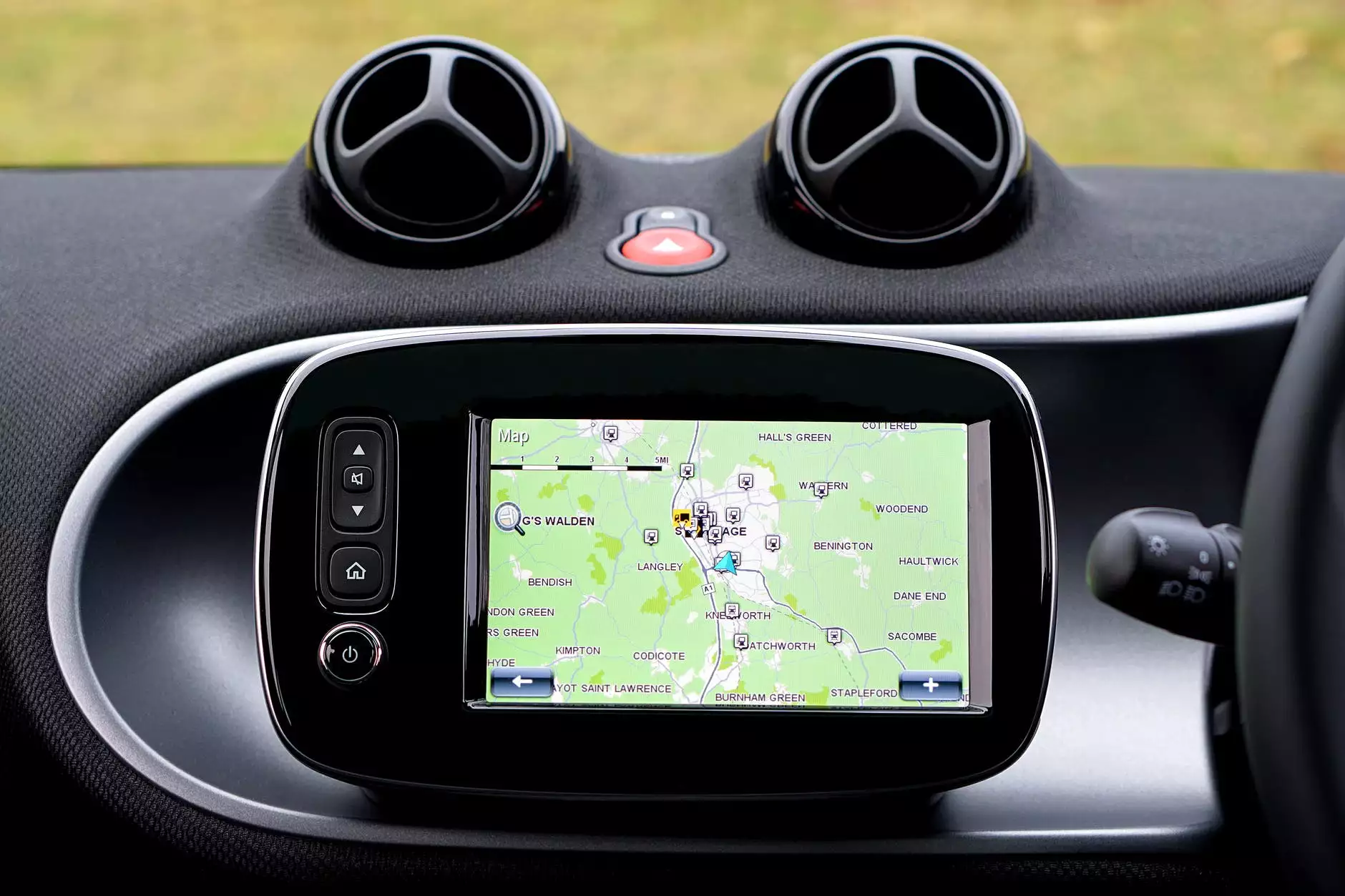
GPS tracking systems have become increasingly valuable in modern vehicle security, especially when paired with real-time monitoring and smartphone alerts. Unlike traditional anti-theft devices focused solely on prevention, GPS trackers improve the chances of rapid vehicle recovery after theft occurs. Fast recovery reduces financial losses, limits damage, and increases the likelihood of identifying criminals.
Modern GPS systems use satellite positioning combined with cellular communication to provide continuous vehicle location updates.
Many advanced trackers notify owners immediately if unauthorized movement occurs, if the vehicle leaves a designated geographic area, or if tampering is detected. Some systems even allow remote engine disabling once the vehicle comes to a stop, preventing extended escape attempts.
One reason GPS tracking works so well is that thieves increasingly target vehicles for export, parts stripping, or organized criminal operations. In these situations, quick recovery becomes essential.
Law enforcement agencies can use precise location data to locate stolen vehicles before they disappear into chop shops or shipping containers. Time matters enormously in vehicle recovery, and GPS systems dramatically shorten response windows.
Real-time monitoring also empowers owners to react quickly. Instead of discovering theft hours later, drivers receive immediate notifications that allow them to contact police rapidly. Some insurance companies even offer lower premiums for vehicles equipped with certified tracking systems because recovery rates improve substantially.
Another strength is flexibility. GPS trackers can be hidden almost anywhere inside a vehicle, making them difficult for thieves to locate quickly. High-quality units often include backup batteries, tamper alerts, and redundant communication methods. Even if thieves disconnect the main vehicle battery, certain trackers continue operating long enough to transmit location data.
Of course, GPS systems are not perfect. Sophisticated criminals sometimes use signal jammers or search for trackers manually. However, advanced hidden trackers with anti-tampering features remain highly effective against most theft scenarios. Their greatest value lies in layered protection.
While immobilizers and steering wheel locks help prevent theft, GPS trackers increase the likelihood of recovery if prevention fails. Together, they create a much stronger security strategy.

4. Faraday Pouches for Keyless Entry Vehicles
Keyless entry systems introduced significant convenience for drivers but also created new vulnerabilities through relay attacks. In a relay attack, thieves use signal boosting devices to capture and extend the wireless communication between a smart key and the vehicle.
This allows criminals to unlock and start the car even when the key remains inside the owner’s house. Faraday pouches directly counter this threat and have become one of the simplest yet most effective anti theft tools available for modern vehicles.
A Faraday pouch blocks electromagnetic signals from leaving or entering the smart key. When the key is stored inside the pouch, relay devices cannot detect or amplify the signal. This completely disrupts the relay theft process. Unlike complex electronic security systems requiring installation or maintenance, Faraday pouches work passively through conductive shielding materials.
One major reason these pouches are effective is their simplicity. They do not depend on batteries, software updates, internet connectivity, or user accounts. If the key remains inside the pouch when not in use, relay attacks become virtually impossible. This straightforward functionality eliminates many common technology-related failure points.
The rapid increase in keyless vehicle thefts has made Faraday pouches especially important in urban and suburban areas. Luxury vehicles are particularly vulnerable because thieves often target high-value cars equipped with advanced keyless systems.
Many owners remain unaware that their vehicle can be stolen silently from outside their home within minutes. Faraday protection directly addresses this specific attack method.
Another benefit is affordability. Compared to expensive aftermarket alarm systems or advanced immobilizers, Faraday pouches cost very little while providing substantial protection. This makes them accessible to nearly every keyless vehicle owner. Even drivers who already use other anti-theft measures can benefit from adding signal-blocking storage as an additional layer.
The key to effectiveness is consistency. Owners must remember to store keys inside properly designed pouches whenever they are not actively driving. Cheap or poorly constructed pouches may degrade over time, so periodic testing is important. Nonetheless, high-quality Faraday pouches remain one of the most practical solutions for preventing relay-based vehicle theft.
5. Hidden Kill Switches
Hidden kill switches are among the most underrated anti-theft tools available today. A kill switch interrupts a critical electrical circuit required for the vehicle to start or operate. Unless the switch is activated correctly, the car remains disabled even if a thief possesses the key or bypasses other systems. Because kill switches are typically custom-installed and hidden, they create uncertainty that criminals hate.
The effectiveness of kill switches comes from unpredictability. Factory-installed systems follow standardized designs that experienced thieves often understand. Hidden kill switches vary widely depending on installation choices. A thief may spend valuable minutes trying to diagnose why a vehicle will not start without realizing a hidden switch is preventing ignition or fuel delivery.
Kill switches can interrupt different vehicle systems, including the fuel pump, starter motor, ignition system, or electronic control unit. Some are mechanical switches hidden in discreet locations, while others use wireless activation methods or coded sequences. The diversity of designs makes universal bypass methods difficult.
Another advantage is cost-effectiveness. Compared to expensive tracking systems or high-end alarms, many kill switches are relatively affordable to install. Yet their impact on theft prevention can be substantial. Even sophisticated thieves equipped with electronic hacking tools may struggle against a well-hidden manual interruption point that they cannot quickly identify.
Kill switches also complement modern immobilizers effectively. If a criminal somehow clones a key or bypasses factory security, the hidden switch still prevents vehicle operation. This layered approach dramatically increases theft complexity. Most thieves operate under time pressure and prefer predictable targets. A vehicle behaving unexpectedly often becomes too risky to pursue.
The main drawback is user responsibility. Owners must remember how to activate and deactivate the switch properly. Poorly installed systems can also create reliability issues if electrical work is done incorrectly. Professional installation is highly recommended to avoid operational problems. When properly implemented, however, hidden kill switches provide one of the strongest custom defenses against modern vehicle theft.
Also Read: 10 Honda Cars Cheaper In Japan Than in the USA
Anti-Theft Features That Often Don’t Work

1. Loud Car Alarms
For decades, loud car alarms were marketed as a theft deterrent. The idea seemed logical: if someone tries to steal the vehicle, the alarm sounds loudly, attracts attention, and scares the thief away. Unfortunately, real-world experience has shown that traditional car alarms are often far less effective than people assume.
One major reason alarms fail is public desensitization. In many cities and parking lots, car alarms activate frequently due to accidental triggers, weather conditions, or minor impacts. As a result, most people ignore alarm sounds completely. Instead of investigating, bystanders usually assume the activation is another false alarm. This drastically reduces the intended social pressure on thieves.
Professional criminals also understand alarm systems well. Many know how to disable alarms quickly by disconnecting batteries, accessing siren wiring, or using electronic bypass tools. Some thieves simply ignore the noise because they know few people will intervene. In crowded urban environments filled with traffic and ambient noise, alarms often blend into the background.
Another issue is response time. Even if an owner receives a notification that their alarm has activated, they may be too far away to react immediately. By the time police are contacted, the vehicle may already be gone. Alarms create awareness but often fail to stop determined criminals during the critical early moments of theft.
False alarms also create owner fatigue. Many drivers eventually stop taking alarm activations seriously because so many alerts prove meaningless. This weakens the practical value of the system over time. In some cases, neighbors become annoyed rather than concerned, further reducing the chance of helpful intervention.
This does not mean alarms are completely useless. When combined with immobilizers, steering wheel locks, and tracking systems, they can contribute to layered security. However, relying solely on a loud siren for theft prevention is a mistake. Modern thieves have adapted to alarm systems, and public reaction no longer provides the deterrent effect it once did.

2. Fake Security Lights and Dummy Cameras
Fake security lights and dummy cameras are popular because they are cheap and easy to install. Many consumers believe the appearance of surveillance alone will scare criminals away. While visual deterrence can influence opportunistic thieves, fake security devices often fail against experienced criminals who know how to identify them.
Professional thieves frequently recognize dummy cameras by their unrealistic blinking lights, poor placement, lack of wiring, or cheap construction. Real security cameras rarely use obvious flashing indicators because they are designed for discreet monitoring. Ironically, exaggerated fake devices often signal weak security rather than strong protection.
Another problem is the lack of evidence collection. If a theft actually occurs, dummy cameras provide no footage for investigators. Owners may falsely assume they are protected until they discover there is no usable recording. Real surveillance systems not only deter some criminals but also assist law enforcement after incidents occur.
Fake security lighting faces similar limitations. While motion-activated lights can be effective in certain situations, nonfunctional decorative lights provide little practical value. Experienced thieves often scout properties beforehand and learn which systems are genuine. Once they identify fake security measures, confidence increases rather than decreases.
There is also a psychological risk for owners. People who install dummy security products may become overconfident and neglect more effective measures such as immobilizers, secure parking, or real surveillance systems. This false sense of security can actually increase vulnerability over time.
Real cameras connected to cloud storage and monitored alerts are far more effective because they provide actual accountability and evidence. Likewise, genuine motion-activated lighting can increase visibility during suspicious activity. Fake substitutes, however, rarely deliver meaningful protection against modern vehicle theft operations.

3. Steering Wheel Covers Marketed as Security Devices
Some aftermarket products claim that heavy-duty steering wheel covers improve vehicle security by making steering manipulation more difficult. In reality, these products are primarily cosmetic or comfort-oriented and provide almost no meaningful theft protection. Marketing language often exaggerates its effectiveness despite minimal practical value.
Unlike true steering wheel locks that physically block wheel rotation, ordinary covers do not prevent vehicle operation. A thief can still steer, start, and drive the car normally. Even thick or textured covers marketed as anti-theft solutions fail to create any substantial obstacle. At best, they may slightly alter grip feel, which has no serious impact on theft difficulty.
The problem is that consumers sometimes confuse appearance with security. Products featuring aggressive designs, metal accents, or tactical branding may look protective despite offering no actual resistance. Criminals recognize immediately that these accessories do not interfere with theft procedures.
Another issue is distraction from effective security investments. Drivers who spend money on cosmetic anti-theft products may delay purchasing genuinely useful systems such as immobilizers, tracking devices, or steering wheel locks. This misallocation of resources leaves vehicles more vulnerable.
Some steering wheel covers can even create unintended safety concerns if poorly fitted. Loose covers may slip during driving, reducing steering control. This transforms a useless security product into a potential hazard without delivering any meaningful anti-theft benefit.
Real security requires either preventing vehicle operation, increasing theft time, or improving recovery chances. Decorative steering wheel covers accomplish none of these goals. Consumers should avoid confusing marketing language with genuine theft prevention capability.
4. Window Etching Alone
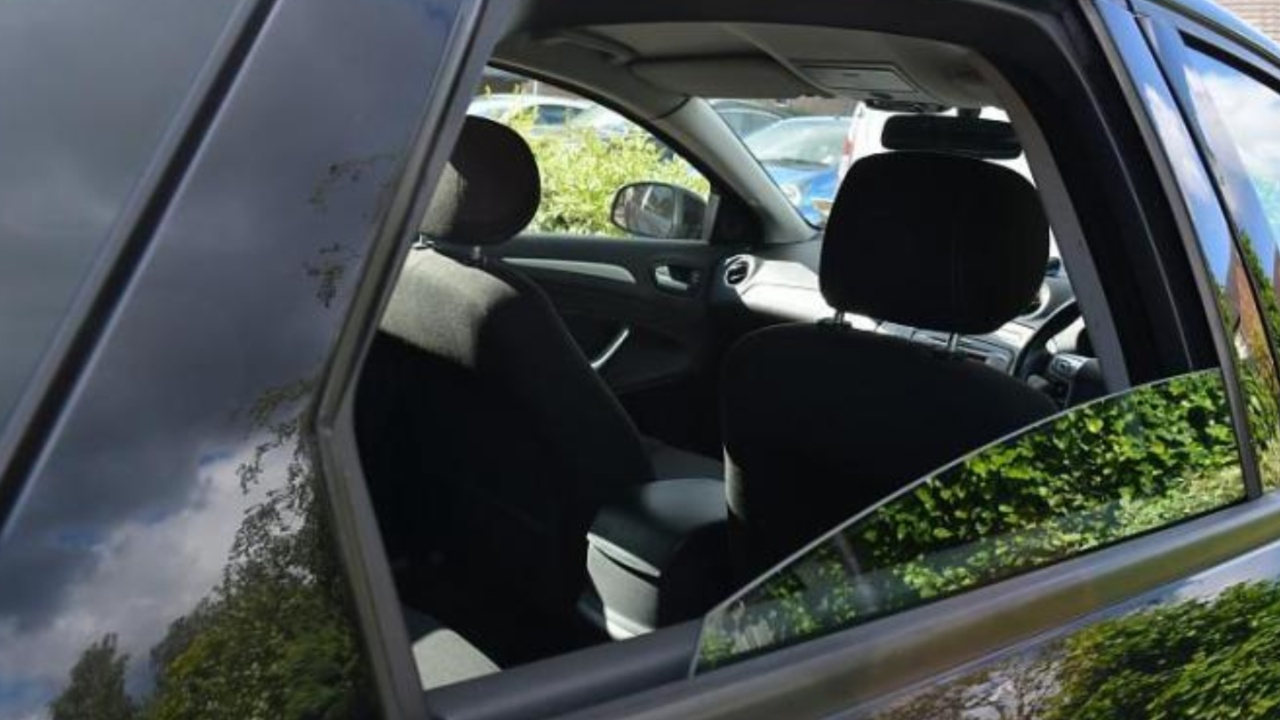
Window etching involves engraving a vehicle identification number onto glass surfaces to discourage theft and improve traceability. While this technique has some limited benefits, it is often oversold as a major anti-theft solution despite offering minimal direct prevention.
The theory behind window etching is that marked glass makes stolen vehicles harder to resell or dismantle because parts become traceable. However, professional theft operations rarely depend on intact glass resale value. Many stolen vehicles are stripped for parts, exported, or given false identities regardless of etched markings.
Another weakness is visibility. Most thieves do not carefully inspect vehicle windows for etching before attempting theft. Unlike steering wheel locks or visible immobilizer warnings, etched numbers do not create an immediate psychological deterrent during target selection.
Law enforcement agencies may occasionally benefit from etched identification during recovery investigations, but this occurs after theft has already happened. The feature does little to stop criminals during the actual theft attempt. Prevention and post-theft identification are very different objectives.
Some dealerships aggressively market window etching packages at inflated prices during vehicle purchases, implying substantial security improvements. In reality, the practical anti-theft value often fails to justify the cost. Consumers may believe they are receiving advanced protection when they are mainly paying for a traceability feature with limited preventive impact.
Window etching works best as a supplemental identification measure rather than a standalone anti-theft strategy. When combined with stronger systems such as immobilizers and GPS tracking, it can contribute marginally to recovery efforts. By itself, however, it provides very little meaningful defense against determined thieves.
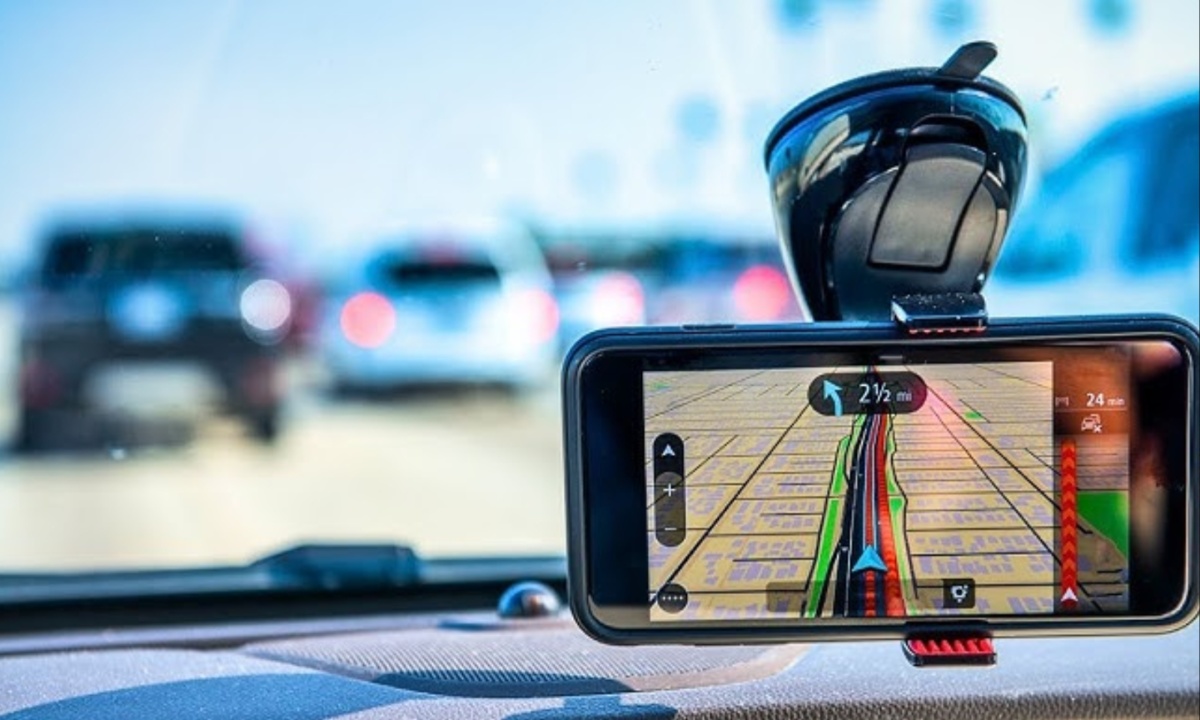
5. Cheap GPS Stickers Without Actual Tracking
Many drivers place fake GPS tracking stickers on windows, hoping thieves will assume the vehicle is monitored. While the concept relies on deterrence psychology, these stickers alone rarely provide substantial protection because experienced criminals know many vehicles display fake warnings.
Professional thieves increasingly test assumptions rather than trusting decals. Some simply proceed with theft attempts regardless of warning stickers because they understand many owners use fake branding without actual tracking hardware. Others use signal scanners to check for active trackers before moving stolen vehicles.
The biggest flaw is obvious: there is no real tracking capability. If the vehicle is stolen, the owner gains no location data, no movement alerts, and no recovery assistance. The sticker only creates an illusion of security without delivering any functional benefit during an actual incident.
Another issue is overexposure. Fake tracking stickers became so common that their deterrent value diminished significantly. Criminals adapt quickly to widespread tactics. Once thieves realize many warnings are empty threats, the psychological advantage weakens dramatically.
Owners may also neglect real tracking investments because they believe visible warnings are sufficient. This creates dangerous complacency. Genuine GPS systems provide actionable intelligence that helps law enforcement recover vehicles quickly. Fake stickers contribute nothing once theft begins.
Visible warnings can still support layered deterrence when attached to vehicles that truly contain hidden trackers. In those situations, the decal complements a real security system. However, stickers without actual technology behind them offer little more than cosmetic reassurance. Serious vehicle protection requires real functionality, not symbolic messaging.
