
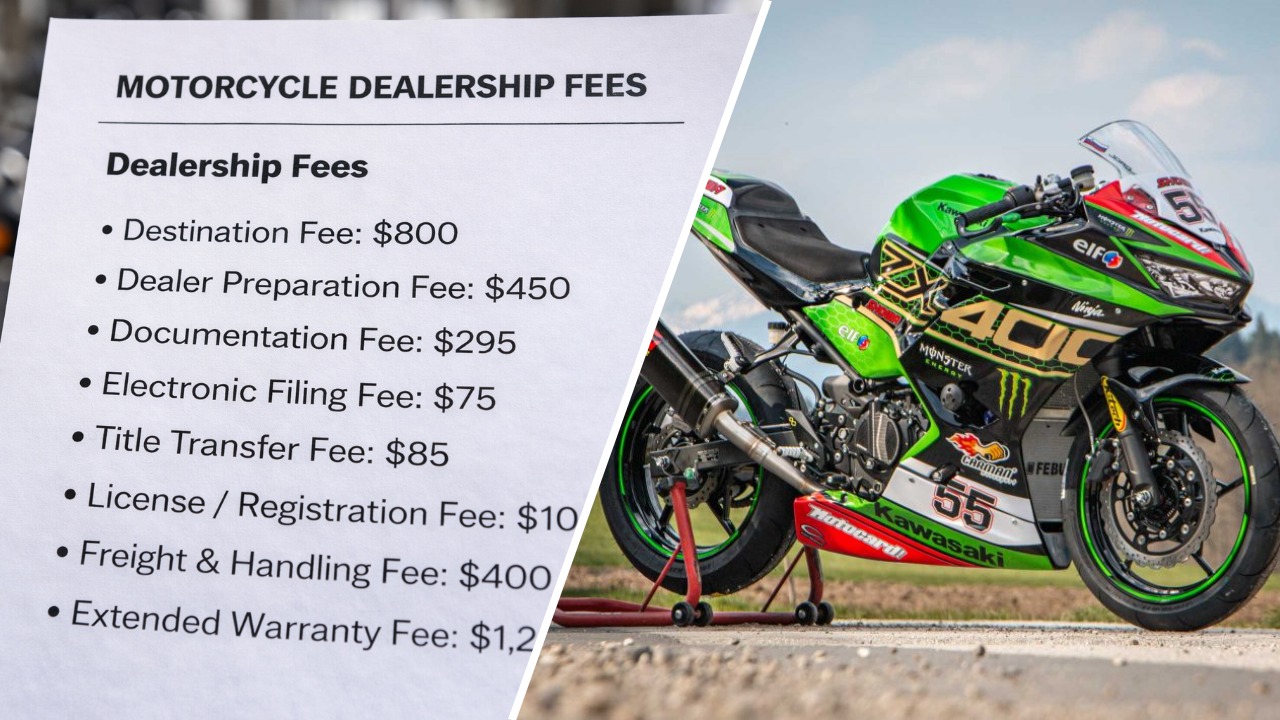
Buying your first motorcycle is exciting, but the purchase price is only part of the financial picture. Many new riders focus on monthly payments or the sticker price and forget about expenses that continue long after bringing the bike home.
A Kawasaki Ninja 400 has earned a strong reputation for reliability, approachable performance, and beginner-friendly handling, making it a common choice for first-time owners.
Understanding the full five-year ownership cost helps you create a realistic budget and avoid unexpected financial stress. Careful planning also makes it easier to enjoy riding without worrying about surprise bills that could have been anticipated.
Also Read: 10 Toyota Models That Tell the Brand & Story
Purchase Price and Financing Expenses
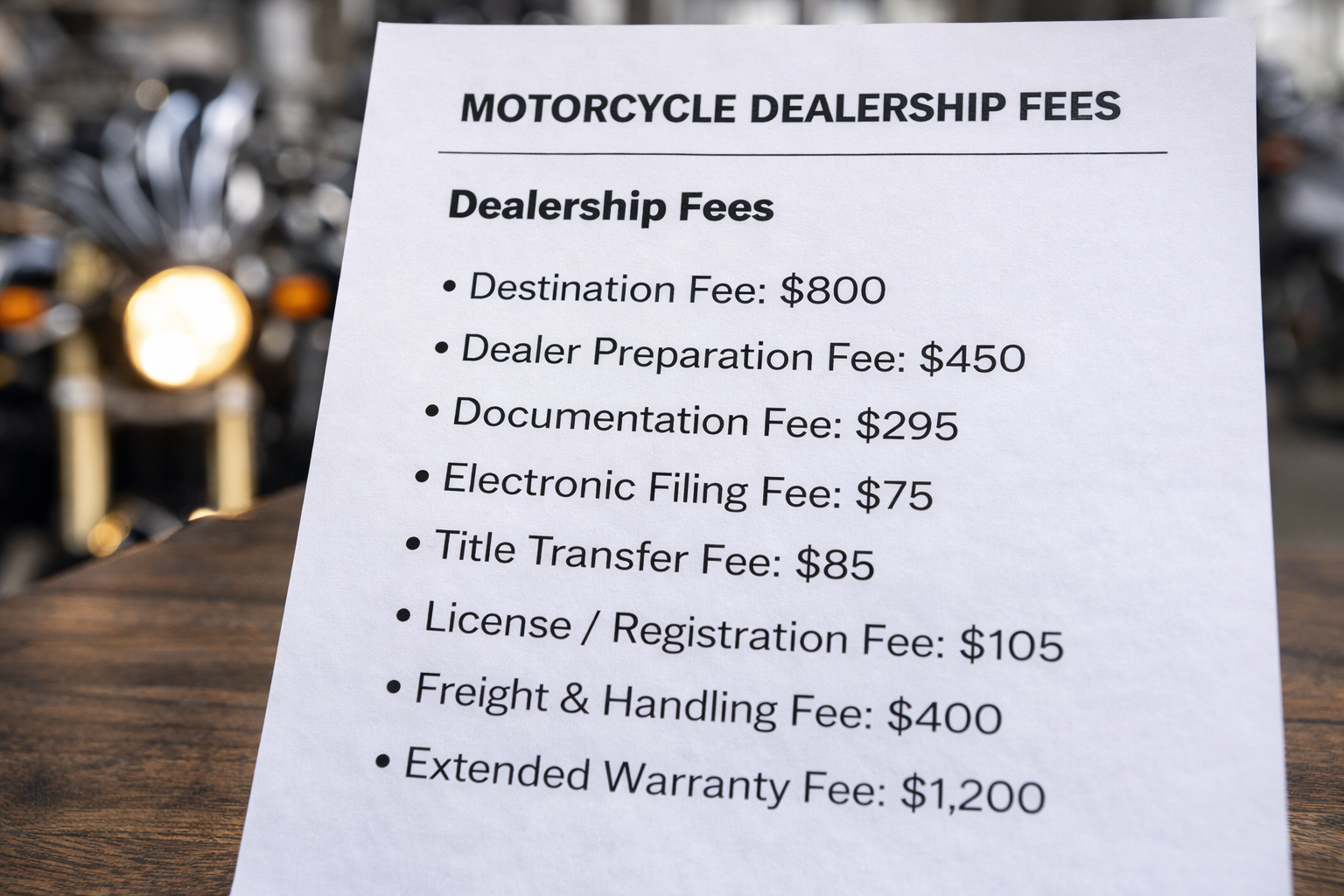
The first major expense is buying the motorcycle itself. A brand new Kawasaki Ninja 400 usually costs several thousand dollars before taxes, registration fees, dealer charges, and optional accessories are included.
Depending on your location and dealership, these extra costs can add a meaningful amount to the final bill. Buyers who choose a used Ninja 400 can often save a substantial amount, especially if the motorcycle has been maintained properly and has reasonable mileage.
Financing changes the total ownership cost more than many first-time buyers expect. Monthly payments may appear affordable, yet interest adds to the amount paid over the life of the loan.
A lower interest rate and a larger down payment reduce this expense significantly. Buyers with strong credit often qualify for better financing terms, helping them save hundreds of dollars over several years.
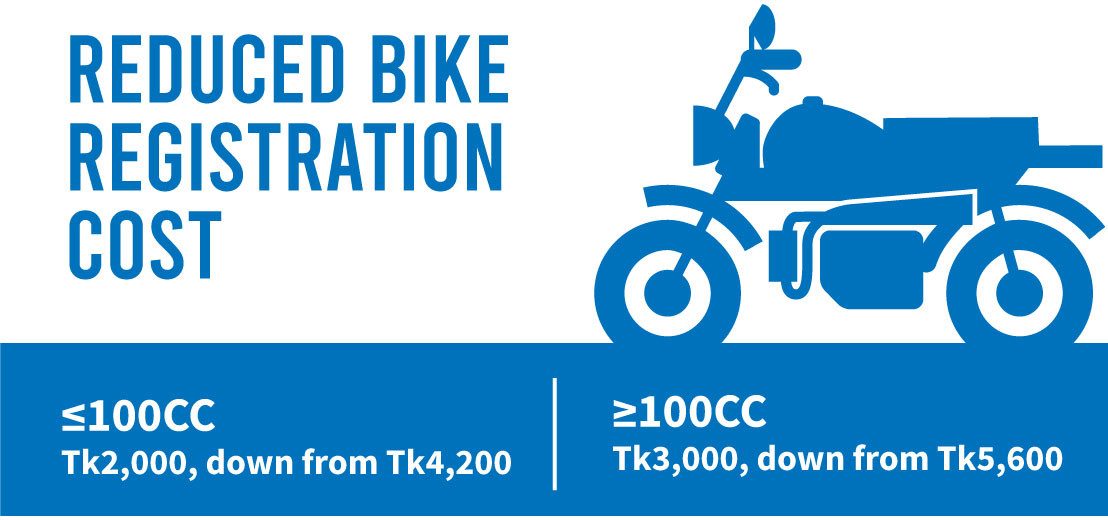
Taxes and registration fees should never be overlooked. Every state or country has its own requirements, and annual registration renewals become part of the ownership budget. While these expenses are not as large as the purchase price, they still contribute to the cost across five years.
Many riders also spend money on accessories shortly after purchasing the bike. Frame sliders, tank pads, phone mounts, luggage options, USB charging ports, and upgraded windscreens are common additions.
Each purchase may seem small on its own, yet several upgrades together can easily reach several hundred dollars.
For many first bike owners, the purchase-related expenses during the first year often become the highest financial hurdle. Taking time to compare dealerships, financing offers, and used motorcycle listings can reduce the total amount spent while leaving room in the budget for maintenance and riding gear.
Insurance, Registration, and Riding Gear
Insurance is a recurring cost that varies widely depending on age, riding history, location, and coverage level. Younger riders generally pay more, while experienced riders with clean records often receive lower premiums. Comprehensive coverage costs more than liability insurance, yet it provides valuable protection against theft, weather damage, and accidents.
Registration renewals continue every year. Some regions also require inspections or emissions testing before registration can be renewed. These recurring government fees should be included in any long-term ownership estimate instead of being treated as occasional expenses.
Protective riding gear deserves its own place in the budget because it directly contributes to rider safety. A quality helmet is the first purchase every rider should make.
Jackets with armor, riding gloves, motorcycle pants, and protective boots complete the basic equipment needed for regular riding. Good gear costs more initially but typically lasts for several years when cared for properly.
Many beginners underestimate how quickly riding gear expenses grow. Instead of purchasing everything at once, some riders buy additional protective equipment over several months. This spreads out the financial impact while allowing time to research products that fit properly and meet recognized safety standards.
Across five years, insurance often becomes one of the largest recurring expenses after fuel. Riders who maintain clean driving records and complete approved motorcycle safety courses may qualify for discounts that reduce annual premiums. Small savings each year add up over the full ownership period.
Fuel, Maintenance, and Consumable Parts
The Ninja 400 is known for efficient fuel consumption, making it an attractive motorcycle for commuting and weekend rides. Fuel expenses depend heavily on riding habits, annual mileage, and local gasoline prices. Riders covering long highway distances naturally spend more than those who ride only on weekends.
Routine maintenance keeps the motorcycle reliable and protects its long-term value. Oil changes, oil filters, chain cleaning, chain lubrication, coolant replacement, brake fluid changes, and scheduled inspections all contribute to ownership costs.
Following the manufacturer’s maintenance schedule helps prevent expensive mechanical problems later.
Tires are a significant recurring expense. Their lifespan depends on riding style, road conditions, and tire compound. Aggressive riding usually wears tires more quickly, while smoother riding habits extend their usable life. Replacing tires at the proper time improves both safety and performance.
Chains and sprockets eventually wear out and require replacement. Regular cleaning and lubrication can extend their lifespan considerably. Brake pads also wear gradually, especially for riders who spend time in heavy traffic or frequently ride in urban environments.
Owners who perform simple maintenance tasks themselves can save a noticeable amount over five years. Learning to change oil, adjust chain tension, clean the chain, and inspect basic components reduces labor costs while helping riders become more familiar with their motorcycle. More complex repairs should still be handled by qualified technicians when necessary.
Unexpected Expenses and Long-Term Ownership
Every motorcycle owner should set aside money for unexpected repairs. Even reliable motorcycles can experience battery failures, damaged tires from road hazards, broken mirrors, or accidental scratches after a parking lot tipover.
Having an emergency maintenance fund prevents these situations from becoming financial setbacks.
Weather exposure also affects ownership costs. Riders without covered parking may need protective covers or additional cleaning supplies to reduce the effects of rain, sunlight, and dust. Proper storage helps preserve paint, plastics, and metal components over many years.
Some owners decide to personalize their motorcycle after gaining riding experience. Exhaust systems, cosmetic upgrades, adjustable levers, aftermarket seats, and lighting improvements are popular modifications.
These upgrades are optional, yet they often become part of the real ownership cost because many riders choose to personalize their motorcycles over time.
Motorcycle training courses represent another worthwhile investment. Advanced riding classes improve confidence, braking technique, cornering skills, and hazard awareness. Better riding habits can reduce accident risk while making daily riding more enjoyable.
Keeping maintenance records and service receipts also provides long-term value. Buyers often feel more confident purchasing a used motorcycle with documented maintenance history. Organized records demonstrate responsible ownership and may support a stronger resale price when it is time to sell.
Five-Year Cost Estimate and Smart Budget Planning
A realistic five-year ownership budget combines purchase expenses, insurance, registration, maintenance, fuel, riding gear, and occasional repairs.
While exact numbers vary based on location and riding habits, many owners find that operating costs over five years represent a significant portion of the total investment, sometimes approaching the original purchase price when every expense is included.
For riders purchasing a used Ninja 400 with cash, the total ownership cost can remain relatively manageable because there are no financing charges.
Buyers choosing a new motorcycle with a loan generally spend more over the same period due to interest and higher insurance premiums. Understanding these differences helps first-time buyers choose the option that best fits their financial situation.
Planning ahead also reduces stress throughout ownership. Setting aside a small amount each month for maintenance and future tire replacements prevents large repair bills from becoming unexpected surprises. A dedicated motorcycle savings fund gives owners confidence that routine servicing can be completed on schedule.
Resale value plays an important role in long-term cost calculations. The Ninja 400 has maintained strong popularity among beginner riders, helping it retain value when properly maintained. A clean motorcycle with service records, original parts, and reasonable mileage often attracts more buyers and better offers than a neglected example.
Owning a Ninja 400 for five years can be both enjoyable and financially reasonable when approached with realistic expectations.
Looking beyond the purchase price provides a complete understanding of what motorcycle ownership truly involves. Riders who budget carefully, maintain the bike consistently, and invest in quality safety gear are more likely to enjoy thousands of dependable miles while keeping long-term expenses under control.
Also Read: 10 States Where Owners Keep Their Cars the Longest
