
Triumph motorcycles have built a legendary reputation through racing success, engineering achievements, and decades of British motorcycle history. Collectors value rare Triumph machines because many models represent important moments in speed records, competition history, and motorcycle design.
Auction houses have brought some remarkable Triumph examples to international attention, with prices influenced by rarity, condition, originality, and historical importance. From factory race machines to limited production Bonnevilles, these motorcycles show why classic Triumphs continue to attract serious collectors.
This article examines six of the most valuable Triumph motorcycles sold through auctions and the stories behind their impressive market appeal.
Also Read: 5 Cars With the Highest Theft Rates in New York & 5 With Lowest
- Engine: 649 cc parallel-twin, air-cooled, four-stroke
- Horsepower: Approximately 46 hp
- Torque: Approximately 52 Nm
- Length: Around 2,100 mm (82.7 inches)
- Width: Around 700 mm (27.5 inches)
6. Triumph Bonneville TT Special Collection
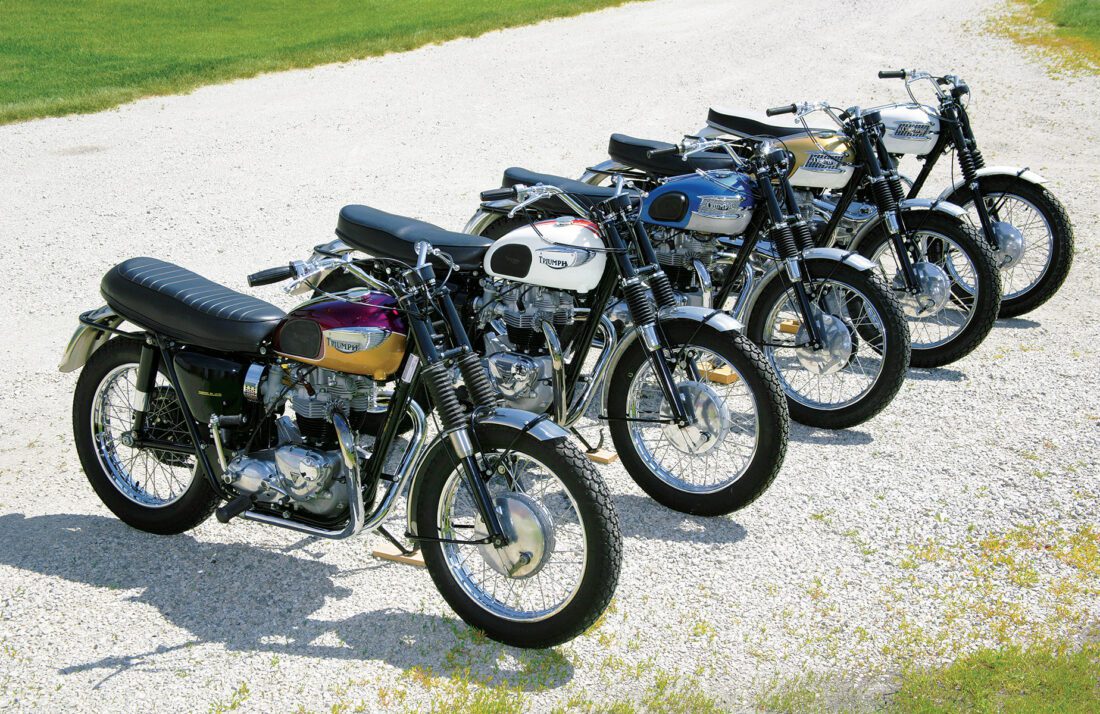
The Triumph Bonneville TT Special represents a fascinating chapter in Triumph’s performance history. Built primarily for the American market during the 1960s, the TT Special was created as a competition-oriented version of the Bonneville platform.
It featured performance upgrades and removed unnecessary street equipment to reduce weight and improve racing capability. These changes made it attractive to riders involved in desert racing, flat track events, and other forms of competition.
The TT Special gained importance because it reflected Triumph’s connection with American motorcycle racing culture. During this period, British manufacturers faced strong competition from American and Japanese brands, making performance-focused models essential for maintaining a reputation among enthusiasts.
The TT Special demonstrated Triumph’s ability to create motorcycles that could be adapted for serious racing environments.
A collection of six Triumph Bonneville TT Special motorcycles sold at auction for $84,000, showing the continued interest in these historically significant machines.
While the price represented a group of motorcycles rather than a single example, it demonstrated collector appreciation for the TT Special name and its place in Triumph history.
The value of TT Special motorcycles depends heavily on authenticity. Many classic motorcycles from the 1960s were modified during their active racing years, making original examples more desirable.
Collectors often examine engine numbers, frame details, period equipment, and historical documentation before placing bids. A genuine competition-related Triumph can attract attention from buyers who appreciate both mechanical design and racing heritage.
Today, the Bonneville TT Special remains among the most respected classic Triumph motorcycles. Its combination of lightweight construction, racing purpose, and connection with a major period in motorcycle development gives it lasting appeal.
Auction sales involving TT Specials demonstrate that collectors continue to recognize the importance of Triumph’s competition-focused machines.
- Engine: Triumph parallel-twin racing engine, approximately 650 cc
- Horsepower: Estimated 50+ hp depending on racing setup
- Torque: Approximately 55 Nm
- Length: Varies by streamliner design, approximately 3,800 mm+
- Width: Approximately 600 mm to 700 mm depending on body configuration
5. Triumph Bonneville Land Speed Legacy Models
Triumph’s connection with land speed records has played a major role in shaping the company’s image. The Bonneville name itself was inspired by the famous Bonneville Salt Flats in Utah, where motorcycle manufacturers tested the limits of speed and engineering.
Triumph-powered streamliners achieved impressive results during the 1950s, creating a lasting connection between the brand and high-speed achievement.
The most famous example connected with this history involved Johnny Allen and the Triumph-powered streamliner known as the Texas Ceegar.
In the 1950s, this machine achieved remarkable speeds at Bonneville, helping establish Triumph as a serious performance manufacturer. While the streamliner itself is not commonly traded like standard motorcycles, its influence continues through special editions and collector interest.
Motorcycles connected with speed record history gain value because they represent innovation beyond normal production models. Collectors often look for machines that tell a larger story about technological progress.
Triumph’s land speed activities showed how engine development, lightweight construction, and aerodynamic thinking could combine to achieve extraordinary results.
Limited editions inspired by Triumph’s speed record heritage have also attracted buyers. The Bonneville T214, for example, was created as a tribute to Johnny Allen’s achievements and featured design details connected with the historic streamliner.
Auction examples of such limited motorcycles show how Triumph uses its heritage to create machines with emotional and historical appeal.
The continued interest in these motorcycles proves that racing history has a powerful effect on collector markets. A motorcycle representing an important achievement can become valuable because owners are purchasing a connection to history rather than only a mechanical object.
- Engine: 865 cc parallel-twin, air-cooled, fuel-injected
- Horsepower: 68 hp at 7,500 rpm
- Torque: 68 Nm at 5,800 rpm
- Length: 2,230 mm (87.8 inches)
- Width: 900 mm (35.4 inches)
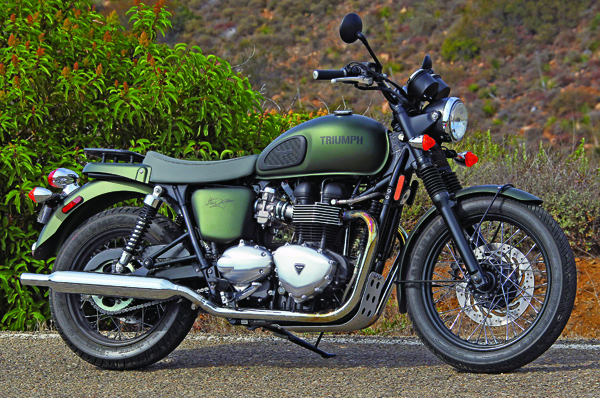
4. Triumph Bonneville T214 Limited Edition
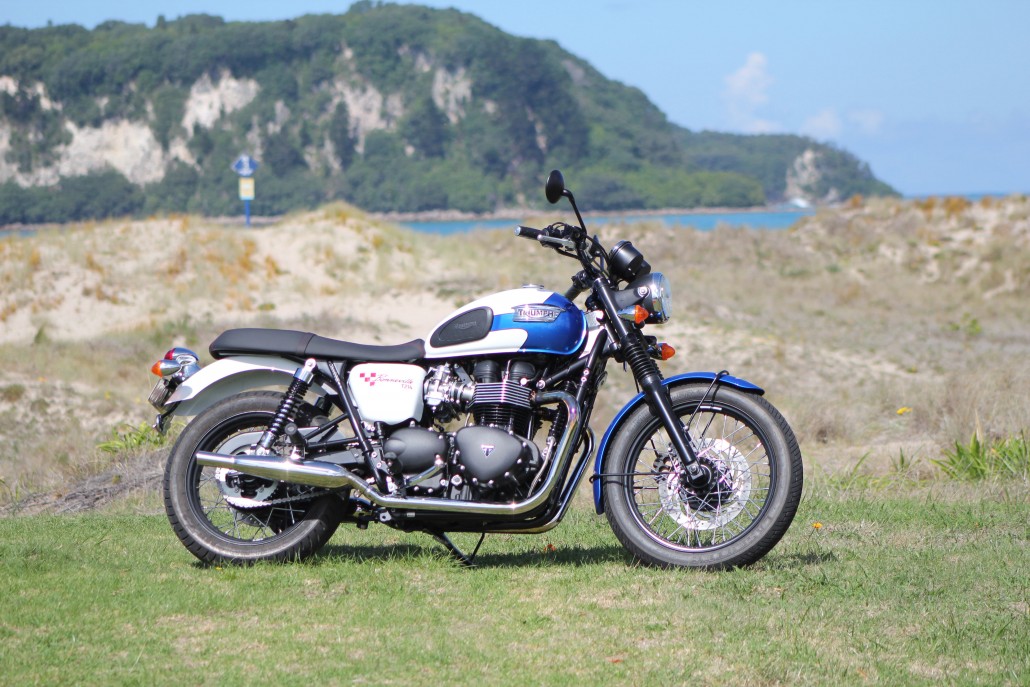
The Triumph Bonneville T214 holds a special position among modern classic Triumph motorcycles because it celebrates an important moment in the company’s history.
The motorcycle was created to honor Johnny Allen’s famous speed achievements at the Bonneville Salt Flats. The name T214 refers to the recorded speed figure of 214 mph achieved by the Triumph-powered streamliner during a historic speed run.
Unlike ordinary production motorcycles, limited editions such as the T214 attract collectors because they combine modern reliability with traditional styling.
Triumph designed the motorcycle with special paintwork inspired by the Texas Ceegar streamliner, along with unique badges and details that separate it from regular Bonneville models. These features helped create a stronger connection between the modern machine and Triumph’s racing heritage.
Auction interest in limited production motorcycles often depends on how well a model preserves its original identity. The T214 benefits from having a clear historical connection and a restricted production run. Owners who keep these motorcycles in excellent condition often maintain stronger collector interest because originality plays a major role in classic motorcycle values.
The motorcycle market has shown that not every expensive Triumph needs to be an extremely old machine. Modern classics with historical importance can also attract buyers.
Collectors increasingly appreciate motorcycles that represent important stories, and the T214 delivers that connection through its link with Triumph’s speed record achievements.
The value of a Triumph Bonneville T214 depends on mileage, condition, documentation, and market demand at the time of sale. While it may not reach the values of famous factory racing motorcycles, it remains an important example of how Triumph’s heritage influences collector markets.
- Engine: 649 cc parallel-twin, air-cooled
- Horsepower: Approximately 46 hp
- Torque: Approximately 52 Nm
- Length: Around 2,100 mm (82.7 inches)
- Width: Around 700 mm (27.5 inches)
3. Steve McQueen Associated Triumph Motorcycles
Few names connected with motorcycles carry as much recognition as Steve McQueen. The actor and racing enthusiast helped create a strong cultural connection between Triumph motorcycles and adventure riding.
His involvement with off-road competition and ownership of Triumph machines increased public interest in several models associated with his name.
A Triumph motorcycle linked with Steve McQueen can attract serious collector attention because buyers are often interested in the story behind the machine. Celebrity ownership adds a historical layer that separates a motorcycle from standard examples.
When documentation confirms ownership, competition use, or personal history, auction values can rise significantly.
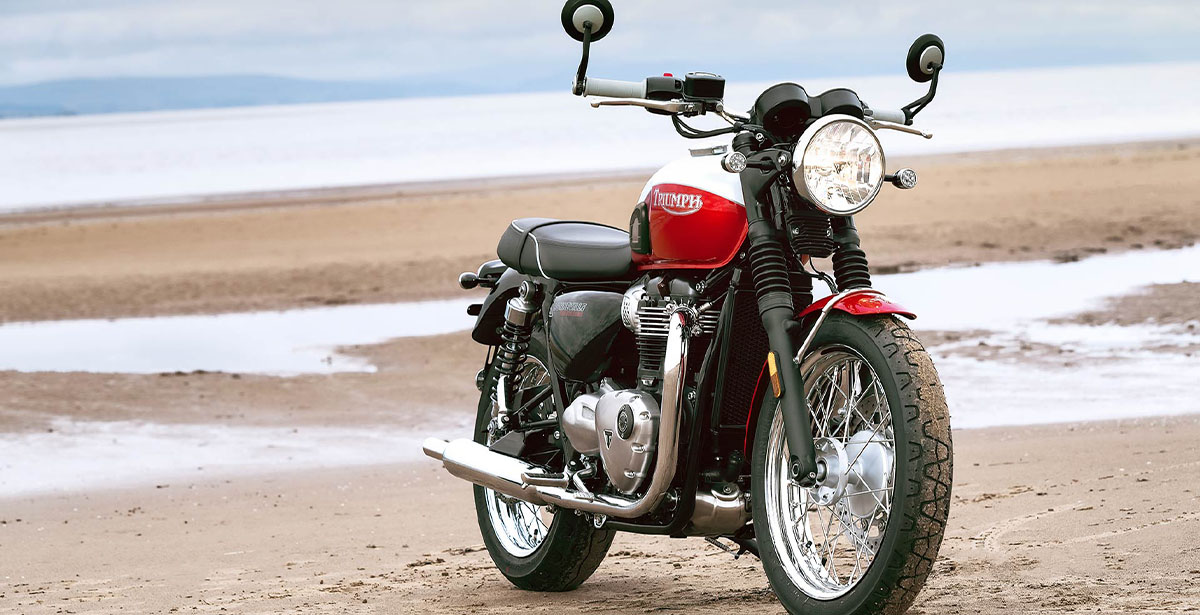
One notable example is the 1938 Triumph 500cc 5T Speed Twin associated with Steve McQueen, which sold for $175,500. Another McQueen-related Triumph, a 1963 Bonneville Desert Sled modified by Bud Ekins and painted by Von Dutch, achieved $103,500 at auction. These sales demonstrate how famous ownership and motorcycle history can influence collector value.
The importance of McQueen’s connection with Triumph comes from his image as a rider rather than simply a celebrity. He competed in motorcycle events and represented the adventurous spirit many enthusiasts associate with classic Triumph machines. His connection helped introduce these motorcycles to wider audiences.
Collectors looking for McQueen-related motorcycles usually examine provenance carefully. Auction houses provide detailed histories because ownership records, photographs, and supporting documents can have a major impact on buyer confidence. A motorcycle without strong documentation may not receive the same attention as a verified example.
- Engine: 649 cc Triumph parallel-twin, modified competition engine
- Horsepower: Approximately 45 to 50 hp depending on tuning
- Torque: Approximately 55 Nm
- Length: Around 2,150 mm (84.6 inches)
- Width: Around 750 mm (29.5 inches)
2. Bud Ekins Triumph Racing Machines
Bud Ekins was a legendary motorcycle rider, stuntman, and mechanic who played an important role in motorcycle culture. His connection with Triumph motorcycles added another layer of importance to certain machines associated with his career.
Ekins worked closely with Steve McQueen and became known for his skill in off-road competition.
Triumph motorcycles used in racing environments gained collector attention because they represent a period when British manufacturers dominated many forms of competition.
The machines were admired for their handling, durability, and performance. Factory-supported racing efforts helped build Triumph’s reputation among riders seeking competitive motorcycles.
A famous example connected with Bud Ekins is the 1962 Triumph TR6SS Trophy that won an International Six Days Trial gold medal. This historically significant motorcycle sold for £97,750 at auction. Its value came from a combination of competition success, famous association, and rarity.
Competition motorcycles often become valuable because their history cannot easily be recreated. A normal production motorcycle can sometimes be restored to look similar, but a machine with documented racing achievements carries authenticity that collectors highly value. The motorcycle becomes a record of past events rather than only a vehicle.
Triumph racing motorcycles from this era continue to attract enthusiasts because they represent a time when riders, manufacturers, and racing events were closely connected.
Auction results for Ekins-related Triumphs show how historical importance can transform a motorcycle into a collectible artifact.
- Engine: 740 cc three-cylinder, air-cooled
- Horsepower: Approximately 58 hp (road version), higher for race builds
- Torque: Approximately 65 Nm
- Length: Around 2,140 mm (84.2 inches)
- Width: Around 760 mm (29.9 inches)
1. Triumph Trident Racing Motorcycles
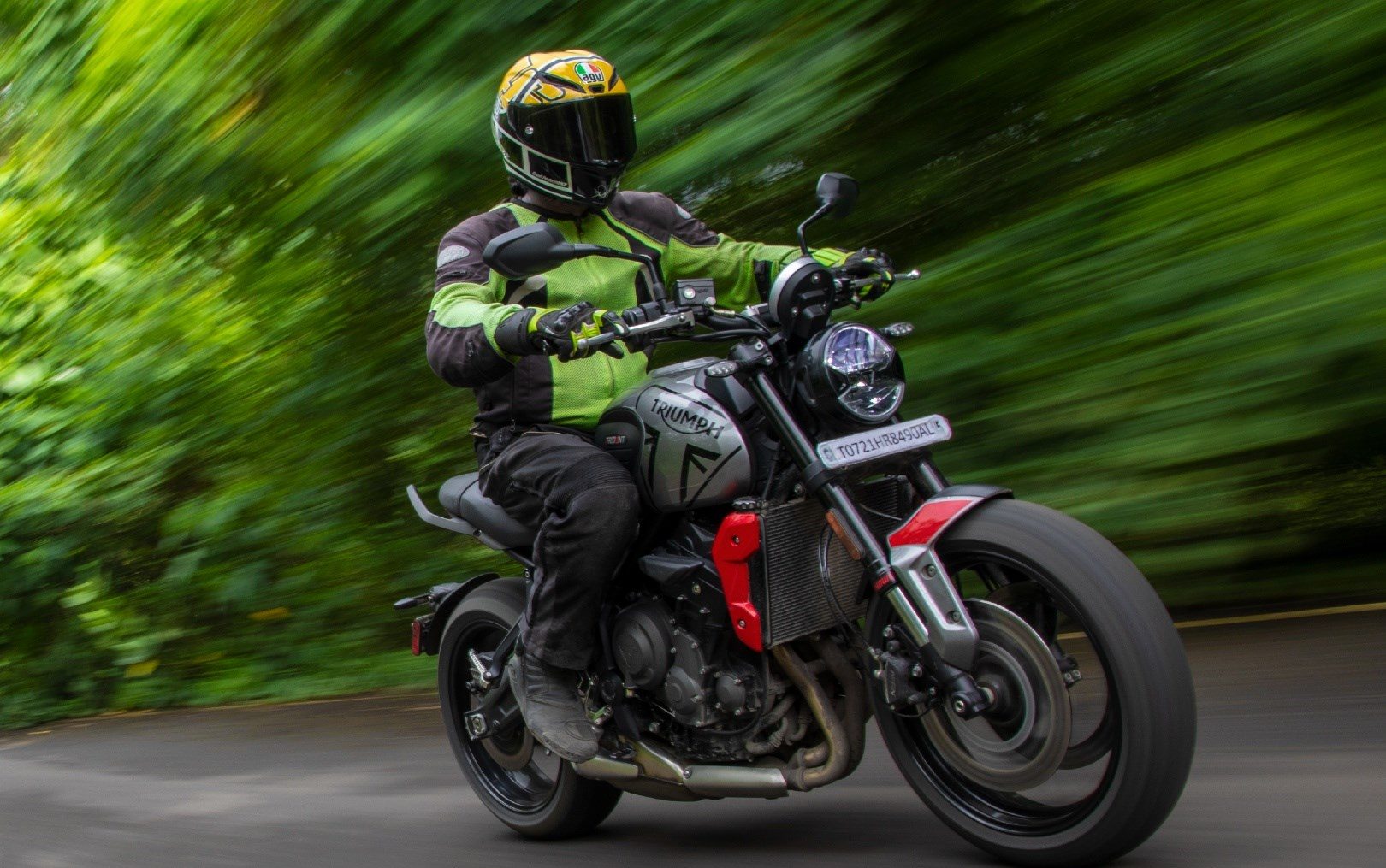
The Triumph Trident represents a different chapter in the company’s history. Introduced in the late 1960s, the Trident featured a three-cylinder engine designed to compete with emerging performance motorcycles from Japan and other manufacturers. Its engineering approach made it an important model during a period of rapid change in the motorcycle industry.
Competition versions of the Trident became especially interesting to collectors. Racing motorcycles often have limited production numbers because they were built for specific events rather than mass-market sales. Their rarity and connection with professional competition increase their appeal among enthusiasts.
The Rob North-framed Triumph Trident racing motorcycles are among the most respected competition Triumphs. These machines were created for serious racing and featured specialized chassis designs that improved handling and performance. A 1973 Triumph 750cc Trident Rob North Formula 750 racing motorcycle connected with championship history sold for £31,050 at auction.
The Formula 750 racing era was highly competitive, and motorcycles from this period represent important engineering developments. Collectors appreciate these machines because they show Triumph attempting to compete at the highest levels of motorcycle racing.
The value of racing Tridents depends heavily on authenticity and documented history. A genuine competition motorcycle with known race participation can command much greater attention than a standard road-going model converted for racing use.
Also Read: 5 Cars With the Highest Theft Rates in California & 5 With Lowest
