
When it comes to owning a vehicle, maintenance is a critical aspect that every car owner faces. Whether it is routine oil changes, brake inspections, tire rotations, or more complex repairs, how a car is maintained significantly impacts its performance, longevity, and ownership experience.
However, not all vehicles are created equal in terms of maintenance ease and accessibility. Some cars are designed with simplicity and user-friendliness in mind, allowing owners to handle most of the upkeep at home with just basic tools and some mechanical know-how.
Others, especially modern luxury or highly technological vehicles, require frequent dealer visits and professional intervention for even routine tasks. Understanding the differences between these types of vehicles can help prospective and current car owners make more informed decisions about what they buy and how they care for it.
Choosing a vehicle that can be maintained at home offers many advantages. For one, it can lead to significant savings. Labor costs at dealerships or independent garages can add up quickly, especially for frequent maintenance items like oil changes or brake pad replacements.
If the vehicle’s design allows owners to perform these tasks themselves, it reduces the dependency on professionals and cuts ongoing expenses. Moreover, doing your own maintenance provides a sense of control and connection with your vehicle.
Many car enthusiasts and practical owners enjoy learning about how their vehicles work and take pride in performing their own repairs and upkeep. It also allows for immediate attention to minor issues before they become serious problems, potentially avoiding costly repairs down the line.
Cars that are easy to maintain at home often share certain characteristics. They usually have accessible engine bays, straightforward mechanical designs, and use common parts that are readily available in the aftermarket. They also tend to have extensive documentation and community support, including detailed repair manuals and online tutorials.
Models like the Toyota Corolla, Honda Civic, older Ford F-150 trucks, Subaru Outback, and Jeep Wrangler fit this category well. These vehicles combine reliability with practical engineering that empowers owners to keep them in good working order without needing specialized tools or dealer intervention.
On the other end of the spectrum are vehicles that demand dealer visits for most maintenance and repairs. These are often luxury models or high-tech electric cars packed with sophisticated electronics, proprietary components, and complex systems.
While these cars offer advanced features, enhanced performance, and cutting-edge technology, they can be prohibitively complicated for DIY maintenance.
The Tesla Model 3, BMW 7 Series, Mercedes-Benz S-Class, Audi A8, and Land Rover Range Rover exemplify this group. Their intricate electronic systems require specialized diagnostic tools only available at dealerships or authorized service centers, and many repairs involve software updates, calibrations, or proprietary parts that cannot be sourced independently.
For owners of such vehicles, regular dealer visits are not just about convenience but often about necessity. Attempting to maintain or repair these cars without dealer support can void warranties, cause malfunctions, or result in expensive mistakes.
Additionally, the cost of dealership labor and parts tends to be higher, which adds to the cost of ownership. Understanding these factors before purchasing a vehicle can help buyers anticipate ongoing costs and maintenance logistics.
Also Read: 5 Cars With Timing Chains You Can Forget About and 5 That Snap in Silence
5 Cars You Can Maintain at Home
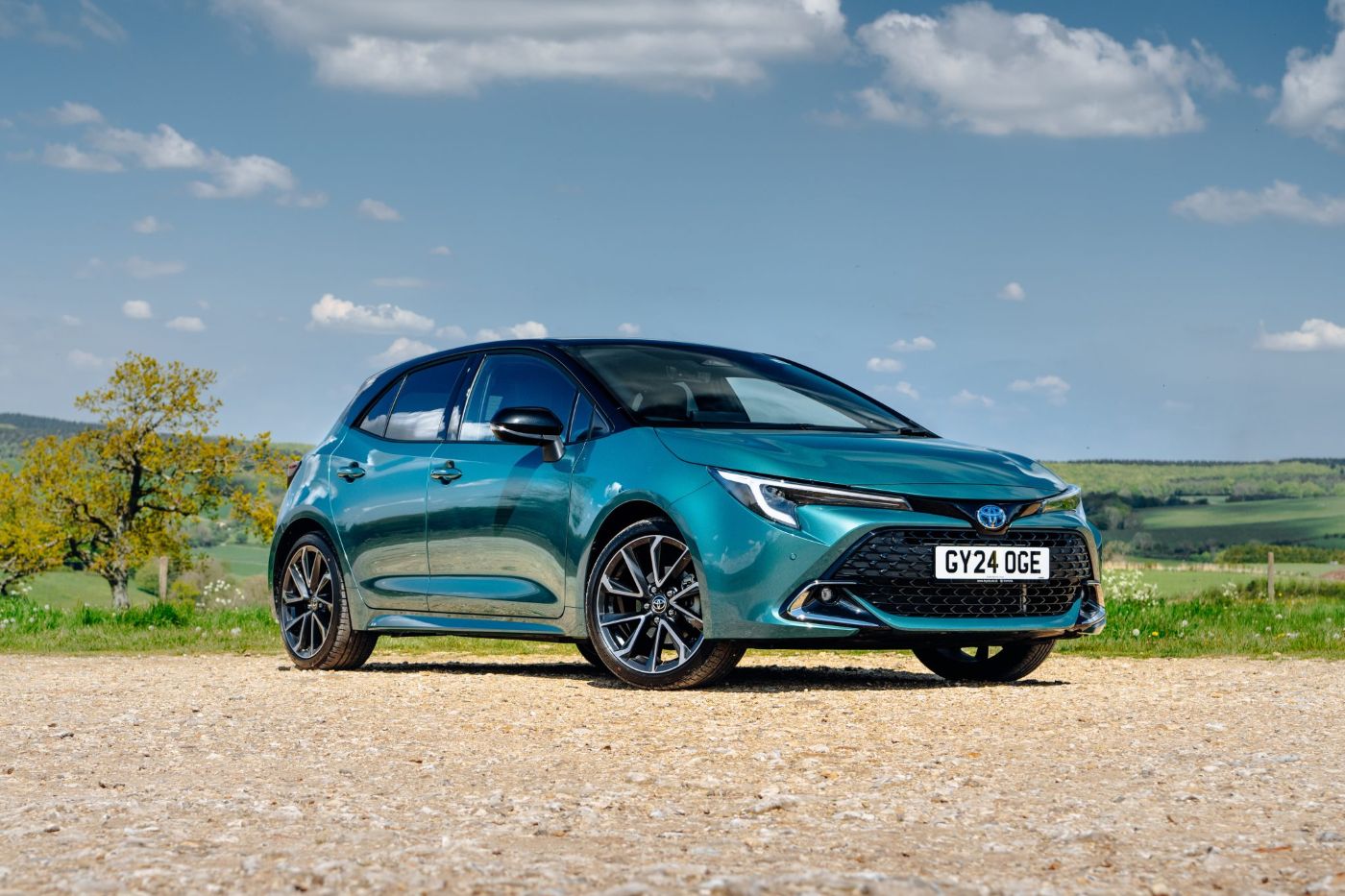
1. Toyota Corolla
The Toyota Corolla has earned a solid reputation for being one of the most reliable and user-friendly vehicles on the road, especially when it comes to maintenance. Its design prioritizes simplicity and accessibility, which means that most routine upkeep tasks do not require complicated tools or specialized knowledge.
For instance, changing the oil a basic maintenance task that needs to be done regularly can be accomplished easily with minimal effort. The oil filter is accessible, and the drain plug is positioned in a way that doesn’t demand removal of other components.
This straightforward setup extends to other maintenance needs such as replacing the air filter or swapping out spark plugs, both of which can be done with common hand tools that many car owners already have in their garages.
Additionally, the Corolla’s components are not overly packed, so owners don’t need to dismantle multiple parts just to reach a single element.
Another factor that makes the Corolla a favorite among DIY mechanics is the wide availability of affordable parts. Because it is such a popular model worldwide, aftermarket parts suppliers produce replacement filters, brake pads, belts, and other wear-and-tear components in large quantities.
This abundance keeps prices down and reduces wait times for parts, making maintenance faster and less expensive. Alongside affordability and accessibility, Toyota’s engineering focuses on durability, meaning the parts last longer and the car requires less frequent intervention.
For example, the timing chain used in many Corolla engines typically lasts the life of the vehicle, removing the need for costly replacements that can intimidate home mechanics.
Moreover, the Corolla benefits from a vast network of resources for owners who want to take on their own maintenance. There are numerous online forums, YouTube tutorials, and repair manuals that provide detailed instructions, tips, and troubleshooting advice.
This support helps new DIYers feel confident when performing maintenance and repairs. For someone who prefers to take control of their vehicle upkeep, the Toyota Corolla presents a blend of simplicity, reliability, and community support that makes it an excellent choice.

2. Honda Civic
The Honda Civic is another compact car that has earned a loyal following not only for its fuel efficiency and performance but also for its ease of maintenance at home. This model strikes a balance between efficient engineering and user-friendly design, allowing owners to perform many common maintenance tasks without having to visit a mechanic or dealer.
For example, oil changes on the Civic are straightforward because the oil filter and drain plug are positioned conveniently and do not require removal of other parts. In addition, replacing air filters and cabin filters is a hassle-free process that can be completed quickly with just a screwdriver or similar basic tool.
The Civic’s engine bay is laid out in a logical manner, with enough space around key components to make inspection and replacement manageable. This is not the case with many modern vehicles, where compact engine designs and added electronics make access difficult and repairs more time-consuming.
In contrast, the Civic provides a clear view and reach of essential parts, enabling owners to check belts, hoses, and fluid levels easily during routine maintenance. The spark plugs and brake pads can also be replaced with standard tools without specialized knowledge or equipment, which is particularly beneficial for those who want to save money by doing their own work.
Parts for the Honda Civic are widely available and relatively inexpensive, thanks to the car’s immense popularity. There is a robust aftermarket industry producing replacement components, and many local auto parts stores stock what is needed for routine servicing.
The Civic’s widespread use means that the market is flooded with repair guides, video tutorials, and community forums where experienced owners share tips on home maintenance.
These resources make it easier for even novice mechanics to learn how to perform tasks properly and safely. The Honda Civic combines reliability, user-friendly design, and extensive support, making it an ideal vehicle for at-home maintenance.
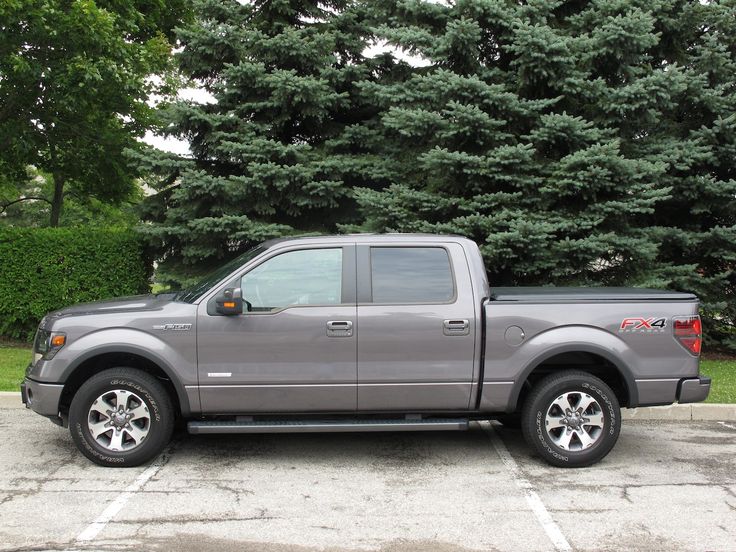
3. Ford F-150 (Older Models)
The Ford F-150 pickup truck, especially models from the early 2000s and earlier, is an excellent candidate for home maintenance due to its mechanical simplicity and accessibility. These trucks were built with durability and ease of repair in mind, partly because they were designed for heavy-duty use and frequent upkeep.
Unlike modern vehicles that cram technology and components into tight spaces, older F-150s offer spacious engine compartments that allow owners to work without contorting into uncomfortable positions or removing multiple parts just to reach a single bolt.
Routine maintenance on an older F-150 is quite manageable, even for owners with basic mechanical skills. Oil changes, transmission fluid replacements, air and fuel filter swaps, and brake pad replacements can be done in a home garage with standard tools.
The design of these trucks avoids excessive use of electronics or computerized diagnostic systems, which means owners don’t need specialized equipment to diagnose or fix problems. This straightforwardness empowers owners to troubleshoot issues on their own and perform repairs efficiently.
Parts availability further supports at-home maintenance for the F-150. Because it has been one of the best-selling vehicles in the United States for decades, aftermarket parts suppliers produce a large quantity of components, making parts affordable and easy to find.
Additionally, there are many repair manuals and online resources dedicated specifically to the F-150, which detail step-by-step maintenance and repair procedures. This support network ensures that owners can access the information and parts they need to keep their trucks running smoothly without relying on a dealer.
One of the biggest benefits of being able to maintain an older F-150 at home is cost savings. Truck owners often use their vehicles for work or heavy-duty tasks, which can mean more wear and tear.
Performing repairs and routine maintenance without dealership markups or labor fees reduces expenses and extends the vehicle’s useful life. This makes the F-150 a practical choice for those who want a tough truck and the ability to maintain it themselves.
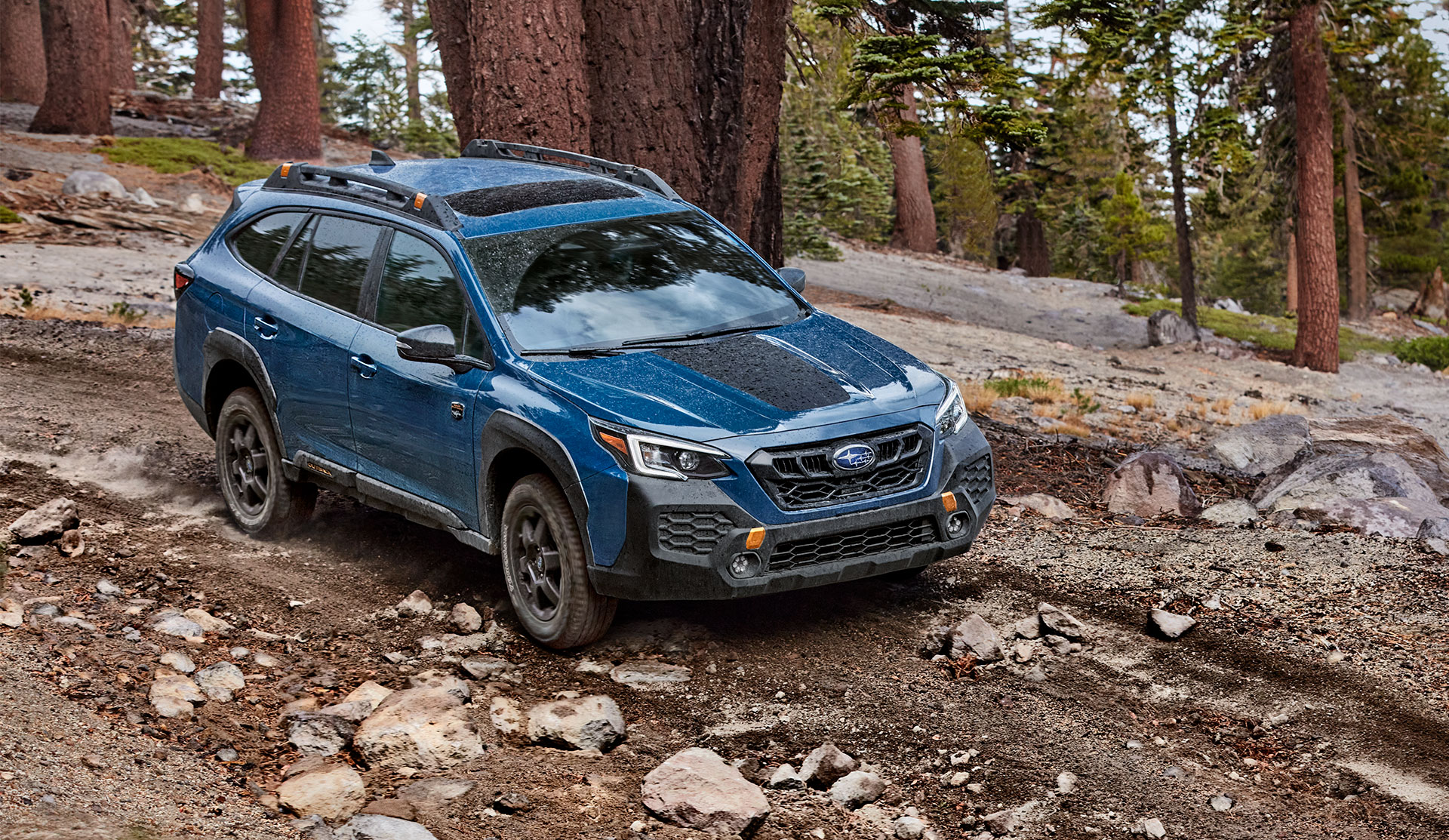
4. Subaru Outback
The Subaru Outback is widely admired not only for its capability in varying road conditions but also for its design that accommodates home maintenance. Despite the reputation of Subaru’s boxer engine as a somewhat unusual layout, the Outback’s design prioritizes accessibility and durability.
This means owners can perform many regular maintenance tasks themselves with proper guidance and standard tools. Oil changes, filter replacements, brake servicing, and even battery checks can be managed in a typical home garage without the need for expensive equipment.
The boxer engine configuration, which has cylinders arranged horizontally, allows for a low center of gravity but does not compromise access to vital components.
Although some components are positioned differently than in traditional inline engines, Subaru engineered these engines to be relatively easy to service. For example, replacing spark plugs or air filters on an Outback can be performed without removing major parts, and fluid checks are simple due to clear reservoirs and fill points.
Subaru owners benefit from a strong enthusiast community and comprehensive documentation. There are many repair manuals and online forums dedicated to Subaru maintenance, offering detailed instructions and troubleshooting help for home mechanics.
This is especially helpful for owners unfamiliar with boxer engines, as it reduces confusion and increases confidence when performing maintenance. Additionally, Subaru parts are generally affordable and widely available, further facilitating DIY care.
Many Outback owners appreciate the combination of ruggedness and simplicity that enables them to maintain their vehicles at home.
The car’s reliability and ease of service contribute to its longevity and reputation as a dependable daily driver or adventure vehicle. For those who value both performance and the ability to handle maintenance personally, the Subaru Outback offers a compelling choice.
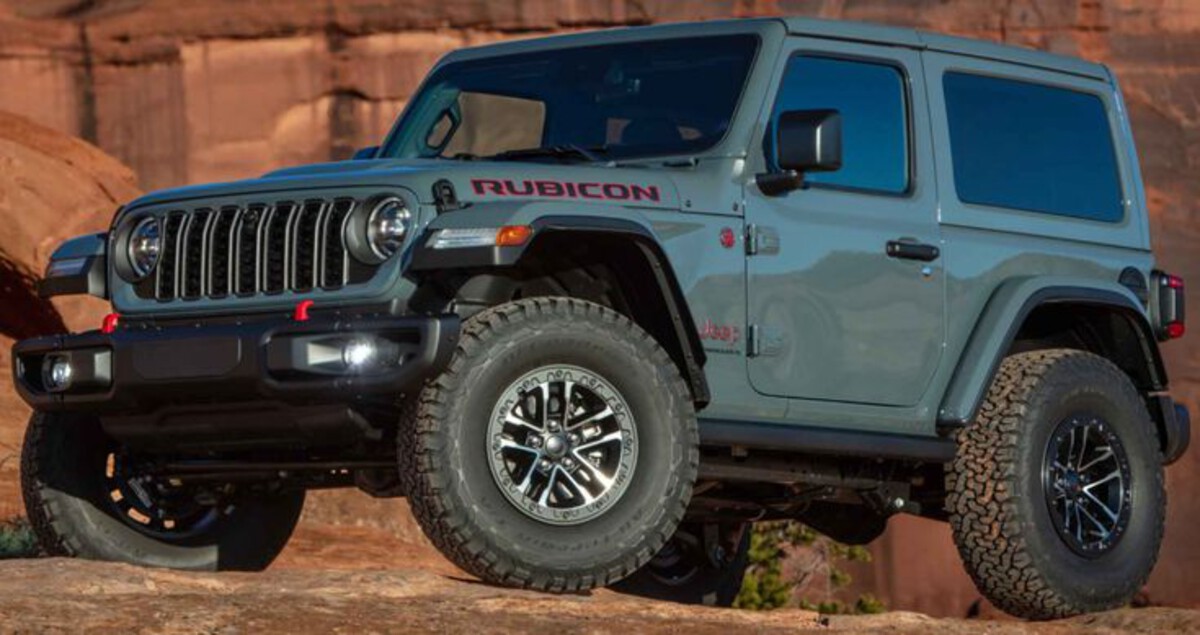
5. Jeep Wrangler
The Jeep Wrangler is often cited as one of the most serviceable vehicles in the off-road and SUV category, making it a top pick for owners who prefer hands-on maintenance. The Wrangler’s design emphasizes mechanical simplicity, ruggedness, and user-friendliness.
Routine maintenance tasks such as oil changes, brake pad replacements, and suspension work are approachable for DIYers, as the vehicle’s components are accessible and do not require dealer-specific tools or equipment.
One of the reasons the Wrangler is so easy to maintain is its modular construction. Many parts, including the doors and roof, are designed to be removable, making certain repairs or inspections easier to conduct. The engine bay is spacious relative to modern standards, providing enough room for owners to inspect belts, hoses, and fluids without hassle.
The vehicle’s relatively simple electrical system further supports home maintenance by reducing the chance of electronic faults that require dealer diagnostics.
The Wrangler also benefits from a vast aftermarket parts ecosystem and strong enthusiast community. Parts are widely available, affordable, and often designed to improve or customize the vehicle without compromising ease of maintenance.
Owners share detailed guides, videos, and advice that help newcomers and seasoned mechanics alike feel confident in performing routine upkeep or repairs.
As the Wrangler has evolved, some newer models have added more electronics and features, but the core mechanical systems remain serviceable at home. This combination of rugged design, accessible engineering, and community support makes the Jeep Wrangler an ideal vehicle for those who want to maintain their cars themselves while enjoying off-road capability.
Also Read: 5 Affordable Cars That Survive Anything and 5 That Don’t Survive the First Owner
5 Cars That Require Dealer Visits for Everything

1. Tesla Model 3
The Tesla Model 3 represents a new era in automotive technology, offering an electric powertrain and sophisticated onboard systems that drastically reduce the need for traditional maintenance like oil changes and spark plug replacements.
However, this high-tech approach comes with its own set of challenges that essentially make the Model 3 a vehicle that requires dealer or authorized service center visits for nearly all maintenance and repairs.
Tesla’s engineering philosophy revolves around proprietary hardware and software systems that are deeply integrated, often inaccessible to the average owner or independent mechanic.
Many components, including the battery management system, electric motors, and even suspension adjustments, require specialized diagnostic tools that only Tesla technicians possess.
In addition to hardware complexity, Tesla vehicles rely heavily on over-the-air software updates, which can improve performance or fix bugs remotely but also control many aspects of the car’s functionality.
If an issue arises that cannot be solved via software, the car usually needs to be brought to a Tesla service center, as independent repair shops lack access to Tesla’s proprietary systems. Moreover, Tesla does not widely publish repair manuals or service procedures for consumers, which further discourages DIY attempts.
This lack of transparency extends to physical parts as well replacement components such as battery modules or drive units are not generally sold outside of Tesla’s network.
Tesla’s approach also places a premium on warranty and software integrity. Any unauthorized repair or use of non-certified parts can potentially void warranties or disable vehicle functions. This creates a strong incentive for owners to rely on Tesla’s official service infrastructure for everything from tire rotations to complex electrical repairs.
While electric vehicles often have fewer mechanical parts to maintain, the Model 3’s reliance on proprietary technology, limited part availability, and strict service protocols mean that most owners will find dealer visits unavoidable for routine service and unexpected repairs alike.
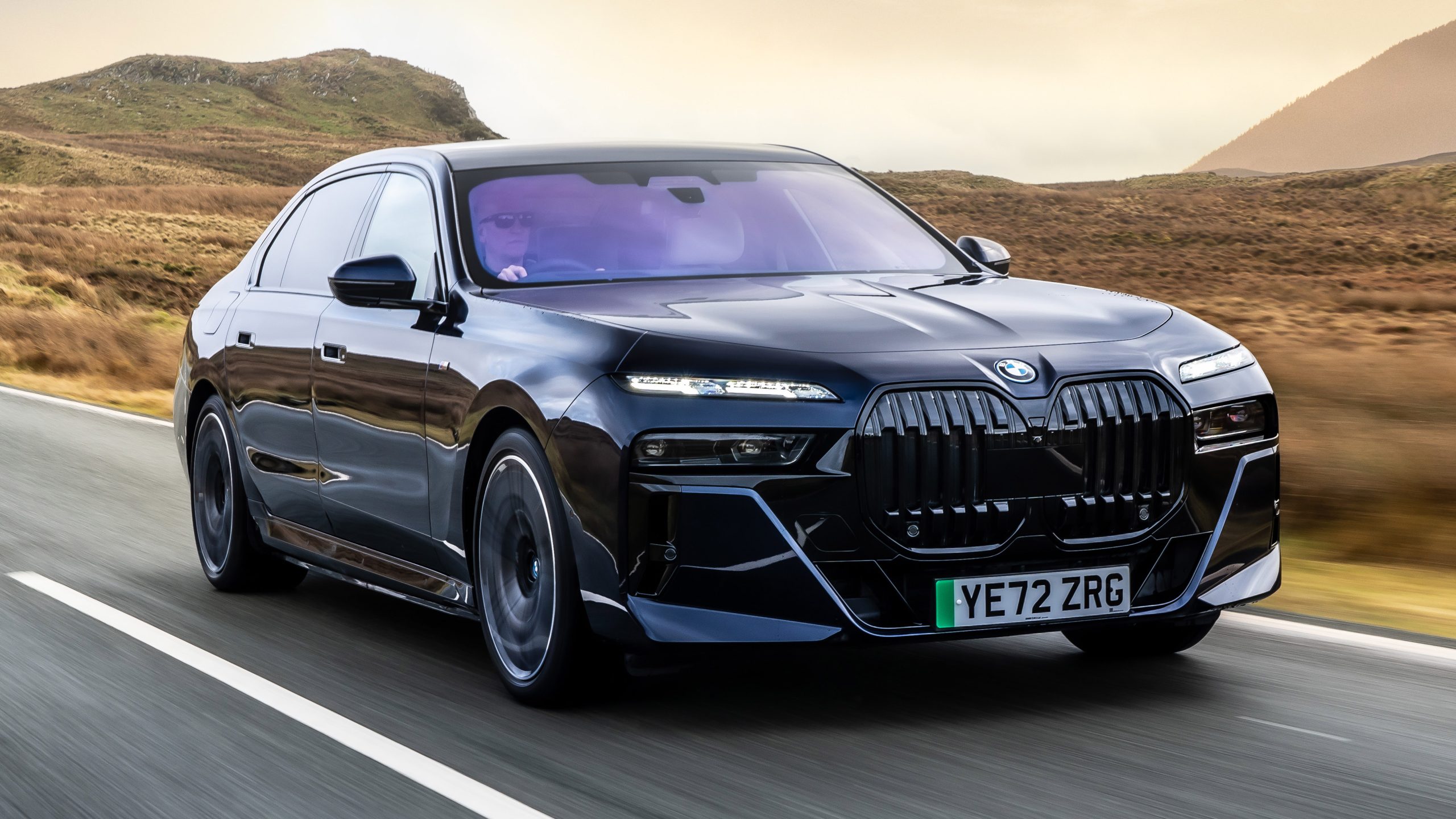
2. BMW 7 Series
The BMW 7 Series is a flagship luxury sedan that embodies high levels of technology, performance, and refinement. Unfortunately, this combination translates into a vehicle that is notoriously difficult to maintain outside of authorized dealerships or certified mechanics.
The 7 Series is packed with advanced electronic systems, including adaptive air suspensions, dynamic driving modes, complex engine management systems, and an extensive array of driver assistance features.
These systems are controlled and monitored by sophisticated software that requires dealer-grade diagnostic equipment for calibration, troubleshooting, and repair.
Routine maintenance tasks, which might be straightforward on simpler vehicles, become complicated with the 7 Series. Even something as seemingly simple as an oil change often involves accessing the car’s onboard computer to reset service indicators and calibrate engine settings.
Brake system maintenance, tire pressure sensor recalibrations, and even battery replacement often require electronic resets or software updates that cannot be done without BMW’s proprietary tools. The engine bay itself is tightly packed, limiting access to many components and increasing the labor required for maintenance, which further discourages DIY efforts.
BMW’s warranty and maintenance plans often stipulate that servicing be performed at authorized dealerships to maintain coverage. This, combined with the high cost of parts and specialized fluids used in the 7 Series, means that owner-performed maintenance is not just difficult but often financially impractical.
The car’s complexity and reliance on dealership diagnostics ensure that most owners default to dealer visits for all service needs, from routine oil changes to major repairs.

3. Mercedes-Benz S-Class
The Mercedes-Benz S-Class is widely regarded as the pinnacle of luxury sedans, incorporating the latest technology, comfort features, and performance enhancements. This level of sophistication, however, comes with a steep price in terms of maintenance accessibility.
The S-Class includes an array of advanced systems such as multi-chamber air suspensions, cutting-edge driver assistance technology, and complex electronic control units managing everything from the engine to the infotainment system. Due to this intricate network of electronics and mechanical systems, dealer-level tools and expertise are essential for proper maintenance.
Maintenance tasks on the S-Class often require specialized knowledge and diagnostic equipment to ensure that all systems remain calibrated and functioning correctly after service.
Simple operations like brake servicing, fluid replacements, or battery swaps often involve resetting electronic components or reprogramming modules, which cannot be done without dealer software.
The vehicle’s engine bays and suspension setups are tightly engineered and packed with components, making access challenging for home mechanics and increasing labor times.
Mercedes-Benz also mandates the use of proprietary parts and fluids to maintain the vehicle’s performance and warranty. These items are usually only available through dealer channels, further limiting the feasibility of owner-performed maintenance.
Additionally, the S-Class has a scheduled maintenance program that often requires inspections and services at authorized dealerships.
This ensures that the car’s advanced systems remain finely tuned but also means owners have little choice but to visit the dealer for regular maintenance, reinforcing the vehicle’s position as one that depends heavily on professional servicing.

4. Audi A8
The Audi A8 is a sophisticated luxury sedan that combines performance, technology, and refinement in a package that demands specialized dealer attention for maintenance and repairs.
The vehicle’s advanced all-wheel-drive system, intricate electronic control units, and cutting-edge infotainment systems contribute to its complexity.
Maintaining the Audi A8 requires a dealer’s diagnostic tools to properly reset service indicators, calibrate sensors, and conduct software updates, making DIY or independent garage maintenance challenging.
The engine compartment of the A8 is dense and tightly packed, with many components requiring the removal of surrounding parts for access. This layout complicates even routine maintenance tasks such as oil changes, spark plug replacements, or brake work.
Furthermore, many of these tasks require electronic calibration or system resets that are beyond the scope of typical home maintenance tools. The car’s adaptive air suspension and advanced driver assistance features also rely on dealer-grade diagnostics for any adjustments or repairs.
Audi owners typically follow a strict maintenance schedule that often includes inspections and services at authorized dealers. Warranty conditions frequently mandate dealer servicing to keep coverage intact.
Parts and fluids for the A8 tend to be specialized and expensive, and they are generally distributed through dealer networks, adding another layer of dependence on professional service centers. This means that the average Audi A8 owner will find it difficult or impossible to handle most maintenance tasks without dealer involvement.

5. Land Rover Range Rover
The Land Rover Range Rover is a luxury SUV that balances off-road capability with opulent features and advanced technology. Unfortunately, this blend of ruggedness and sophistication comes at the cost of complicated maintenance that typically requires dealer intervention.
The Range Rover incorporates complex systems like electronic air suspension, terrain response, and sophisticated engine management, all of which rely on dealer-grade diagnostic and calibration tools.
Routine maintenance on a Range Rover is often complicated by tight engine compartments and the integration of many components in a compact space. Accessing essential parts for oil changes, brake servicing, or fluid replacements is usually more labor-intensive than on simpler vehicles.
Additionally, many maintenance procedures require software calibrations or resets after parts are replaced, making dealer service essential. The complexity of the vehicle’s electronics and systems means that DIY owners or independent mechanics are often unable to perform even minor repairs without risking damage or warranty voidance.
The Range Rover’s maintenance schedule frequently includes dealer inspections, which are necessary to maintain warranty coverage and ensure the sophisticated systems operate correctly. Furthermore, the SUV uses proprietary parts and specialized fluids that are generally available only through Land Rover’s dealer network.
This limits the ability of owners to source parts independently and reinforces the need for professional servicing. For owners who prioritize luxury and advanced features, the trade-off is reliance on dealer visits for nearly all maintenance and repair needs.
Maintenance accessibility is a crucial but often overlooked aspect of vehicle ownership that can have a profound impact on the experience, costs, and satisfaction a car owner derives from their investment.
The contrast between vehicles that can be maintained comfortably at home and those that require frequent dealer visits for even routine tasks highlights the importance of considering maintenance ease before purchasing a car.
While modern advancements in automotive technology have brought incredible features and performance improvements, they have also introduced complexity that can limit owner involvement in maintenance.
Cars like the Toyota Corolla, Honda Civic, older Ford F-150s, Subaru Outback, and Jeep Wrangler demonstrate that reliability and straightforward engineering remain valuable attributes. These vehicles empower owners to perform much of their own maintenance using basic tools and common parts, backed by a wealth of community knowledge and repair documentation.
This not only helps reduce the cost of ownership but also fosters a deeper connection between driver and machine. For many owners, the ability to maintain their vehicle personally is a source of pride and a practical way to ensure the vehicle stays in top condition without unnecessary delays or expenses.
Understanding these distinctions allows prospective buyers to weigh their priorities carefully. If independence, affordability, and hands-on involvement appeal to a driver, choosing a vehicle that supports at-home maintenance is likely the better path.
However, if cutting-edge technology, luxury, or performance features take precedence, then dealer-dependent vehicles may be worth the trade-offs. It’s also important to consider the owner’s skill level, willingness to learn, and comfort with tools and mechanical work.
