
When it comes to buying and selling cars, dealerships tend to focus on models that bring in steady profits and maintain a reputation for reliability. But some vehicles are simply avoided by dealers because of the complexities and costs tied to their repairs.
These are cars that, despite perhaps having a dedicated fan base or unique appeal, come with repair histories or mechanical issues that make them unattractive for dealers.
The reasons vary from parts scarcity and high labor costs to frequent breakdowns and expensive components. Dealers often steer clear to avoid the financial risks and the potential damage to their business reputation caused by customers unhappy with costly repair bills.
This phenomenon is not about a car’s popularity or how it looks on the showroom floor. Instead, it is deeply rooted in the practical realities of vehicle maintenance and repair economics.
When a dealership acquires a trade-in or tries to buy used cars, the costs and likelihood of necessary repairs weigh heavily on their decisions.
Some cars are notorious for having delicate electronics, specialized parts that are hard to find, or engines that require constant attention. Even well-known brands can have models that fall into this category, especially if they are older or were produced during problematic years.
Buyers should be cautious when considering such vehicles because dealers’ reluctance to handle these cars often signals potential headaches down the road. The dealer’s avoidance serves as a warning: the repairs could be more extensive and expensive than expected, and finding trustworthy mechanics who specialize in those models might be difficult.
In this article, we will look at ten cars that many dealers avoid due to repair issues, providing insight into the problems that make these models risky investments. Understanding these challenges can help buyers make informed decisions and avoid cars that might turn out to be more trouble than they are worth.
Also Read: 5 Cars With Reliable Sunroofs and 5 That Leak Water
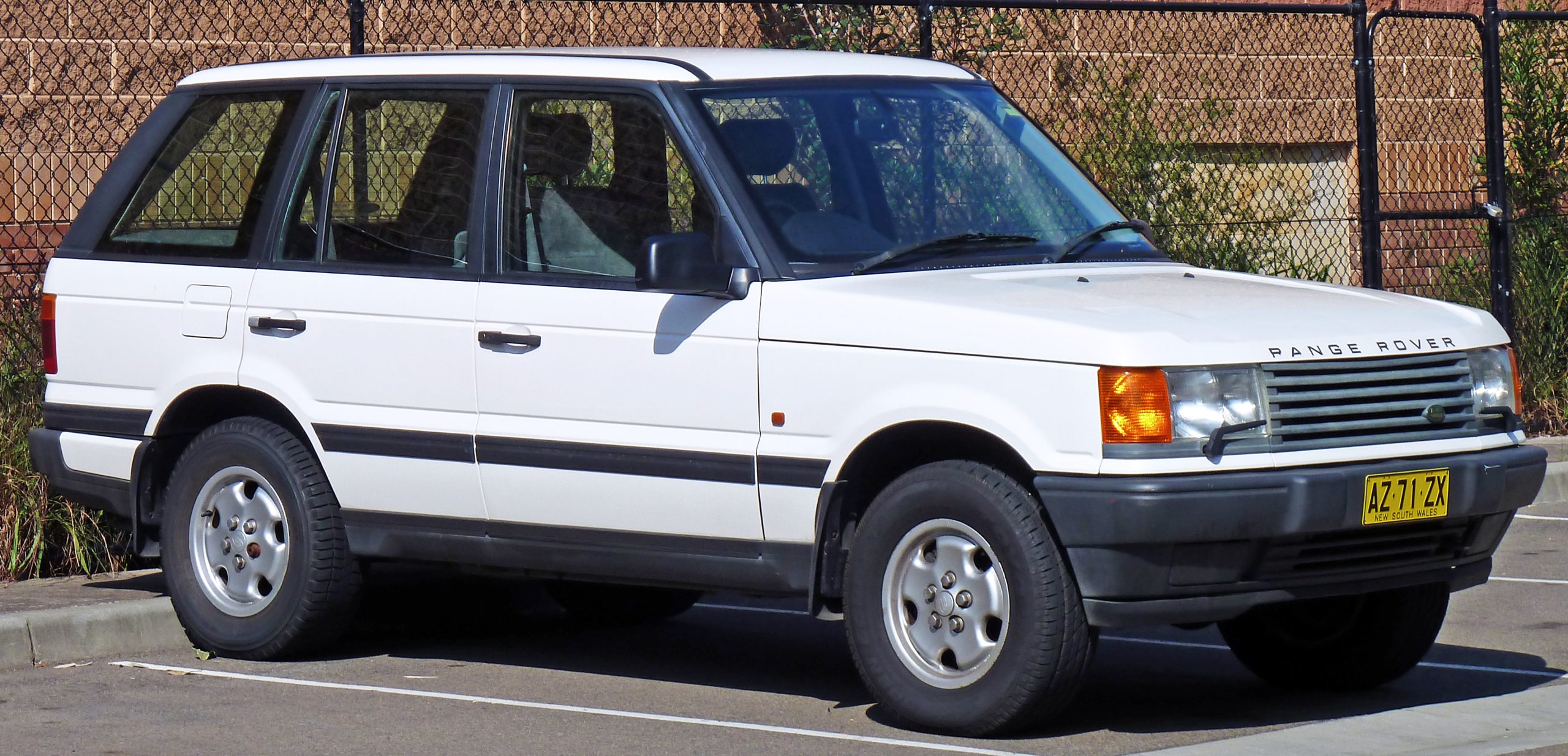
1. Land Rover Range Rover (Early 2000s Models)
The Land Rover Range Rover from the early 2000s has a reputation that is less than stellar when it comes to repairs and maintenance. While Range Rovers have long been associated with luxury and off-road prowess, models from this era are often viewed with caution by dealers.
These vehicles tend to have electrical issues, transmission failures, and air suspension problems, all of which can lead to expensive repairs. Many dealerships prefer not to take on these cars because their repair costs can quickly exceed the vehicle’s value, especially as they age.
One of the most significant problems is the air suspension system, which can fail abruptly, causing the car to sag or become undrivable. Fixing or replacing the entire air suspension can cost thousands of dollars, something many dealers would rather avoid.
Additionally, the electrical system in these Range Rovers is prone to malfunctions. Faulty wiring, sensor failures, and computer glitches are common complaints. These issues often lead to the car throwing warning lights or entering “limp mode,” which severely limits its performance until repaired.
Transmission issues are another frequent concern. The automatic transmissions in these models are complex and can be expensive to rebuild or replace. Fluid leaks and solenoid failures contribute to rough shifting or complete transmission failure, which can be a major expense for any owner.
Parts availability can also be challenging due to the vehicle’s age and the complexity of its components, further deterring dealers who want to avoid prolonged repair timelines.
Because of the combination of electrical, suspension, and transmission problems, many dealers see these early 2000s Range Rovers as a liability. The cars might have luxury appeal, but the cost of bringing them up to a reliable standard often outweighs any potential profit. This is why they are frequently passed over or sold at very low prices, typically to buyers who are ready to handle the repairs themselves.
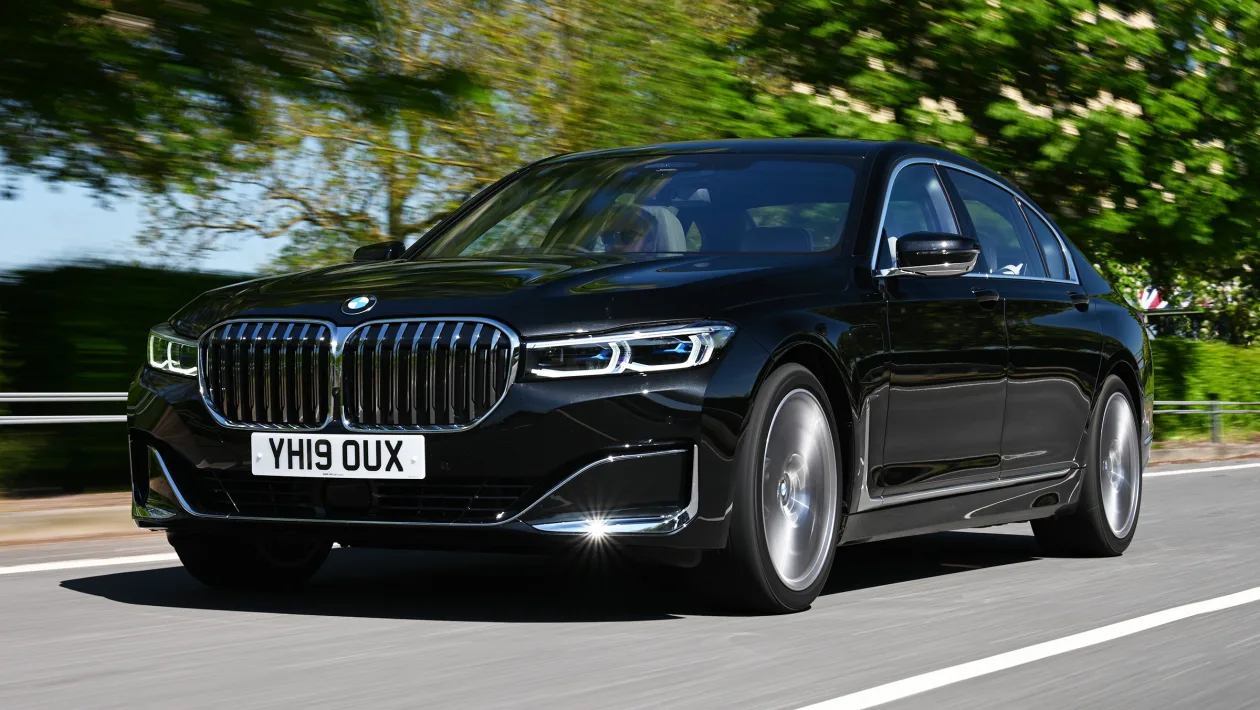
2. BMW 7 Series (E65/E66 Models)
The BMW 7 Series from the mid-2000s, specifically the E65 and E66 models, is another vehicle many dealers avoid. Known for introducing advanced technology and luxury features, these models unfortunately brought along some mechanical and electrical headaches. Dealers tend to shy away from these cars due to their complicated systems that can lead to costly repairs and frequent service visits.
One of the biggest issues with these BMWs lies in their electronics. The iDrive system, which was revolutionary at the time, was also prone to glitches, freezing, or complete failures.
Repairing or replacing the iDrive unit can be expensive, and this is just one example of the electronic challenges in these cars. Additionally, problems with the instrument cluster and sensor malfunctions are common, adding to the potential repair bills.
The cooling system is another point of failure. Radiator leaks, water pump failures, and thermostat issues can lead to overheating, which can cause more severe engine damage if not addressed quickly. Dealers are wary of cars with potential overheating problems because the costs to fix the engine can be very high. On top of that, the air suspension system on some models is prone to failure, similar to the Range Rover, leading to expensive repair jobs.
The 7 Series is known for its smooth ride and luxurious amenities, but these benefits come with a price in maintenance. The car’s complexity means that even minor repairs often require specialized knowledge and tools, which translates to higher labor costs. As a result, dealers tend to avoid these vehicles because their repair expenses can quickly reduce the resale value and deter buyers.
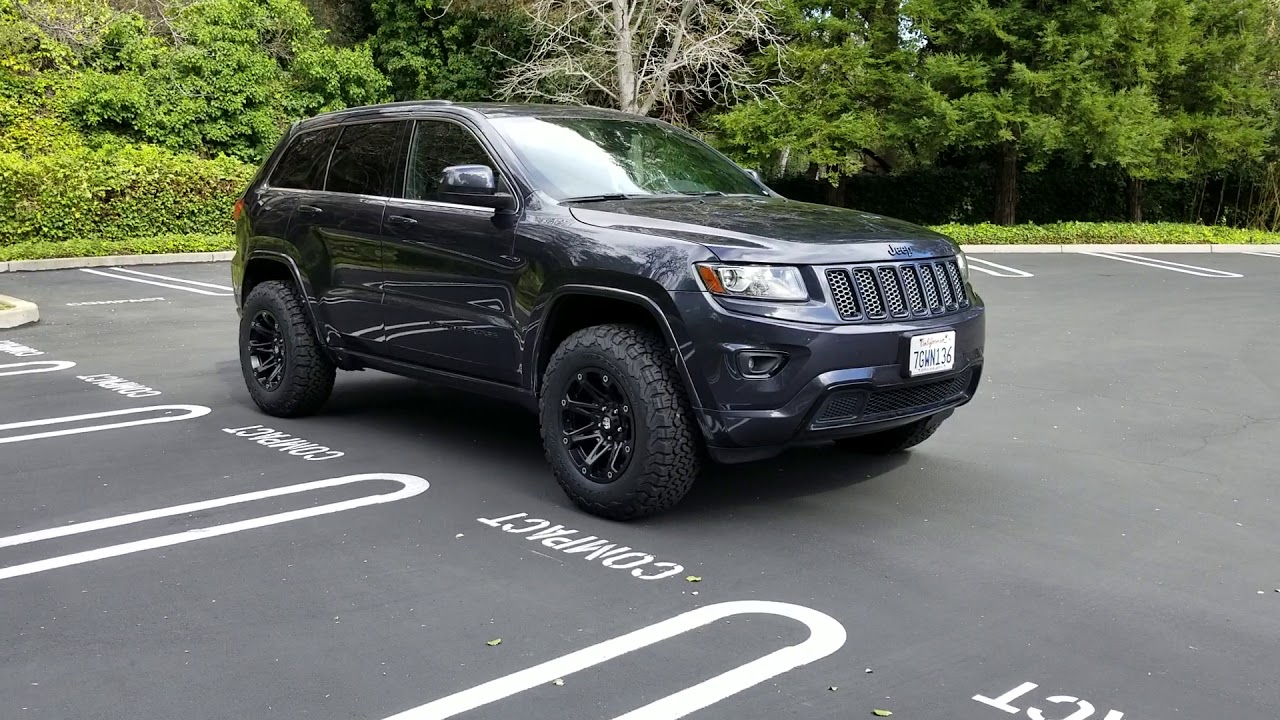
3. Jeep Grand Cherokee (Early 2010s)
The Jeep Grand Cherokee models from the early 2010s present their own set of challenges for dealers. Known for their rugged image and off-road capabilities, these vehicles sometimes hide underlying repair concerns that make them less attractive to dealerships. Several mechanical and electrical problems that are expensive to fix contribute to dealer reluctance.
One common issue involves the transmission system. The Grand Cherokee’s transmissions from this period are known to have shifting problems, including hesitation, hard shifts, or complete failure. Transmission repairs or replacements can be very costly, which leads dealers to avoid these vehicles. The complexity of the transmissions also means that fixing them often requires time and specialized expertise.
Electrical issues also plague these models. Problems with the wiring harness, faulty sensors, and issues with the onboard computer systems can cause a range of troubles, from warning lights on the dashboard to starting problems. Repairing these electrical faults can be tricky, and parts are sometimes hard to source or expensive, especially for specialized Jeep components.
Additionally, some Grand Cherokees suffer from suspension wear and failures, especially in models that have been used for off-roading. Suspension repairs can be costly and labor-intensive, further discouraging dealers. With these factors combined, many dealers prefer not to accept trade-ins or buy these vehicles outright, knowing that repair costs may outstrip any profits.
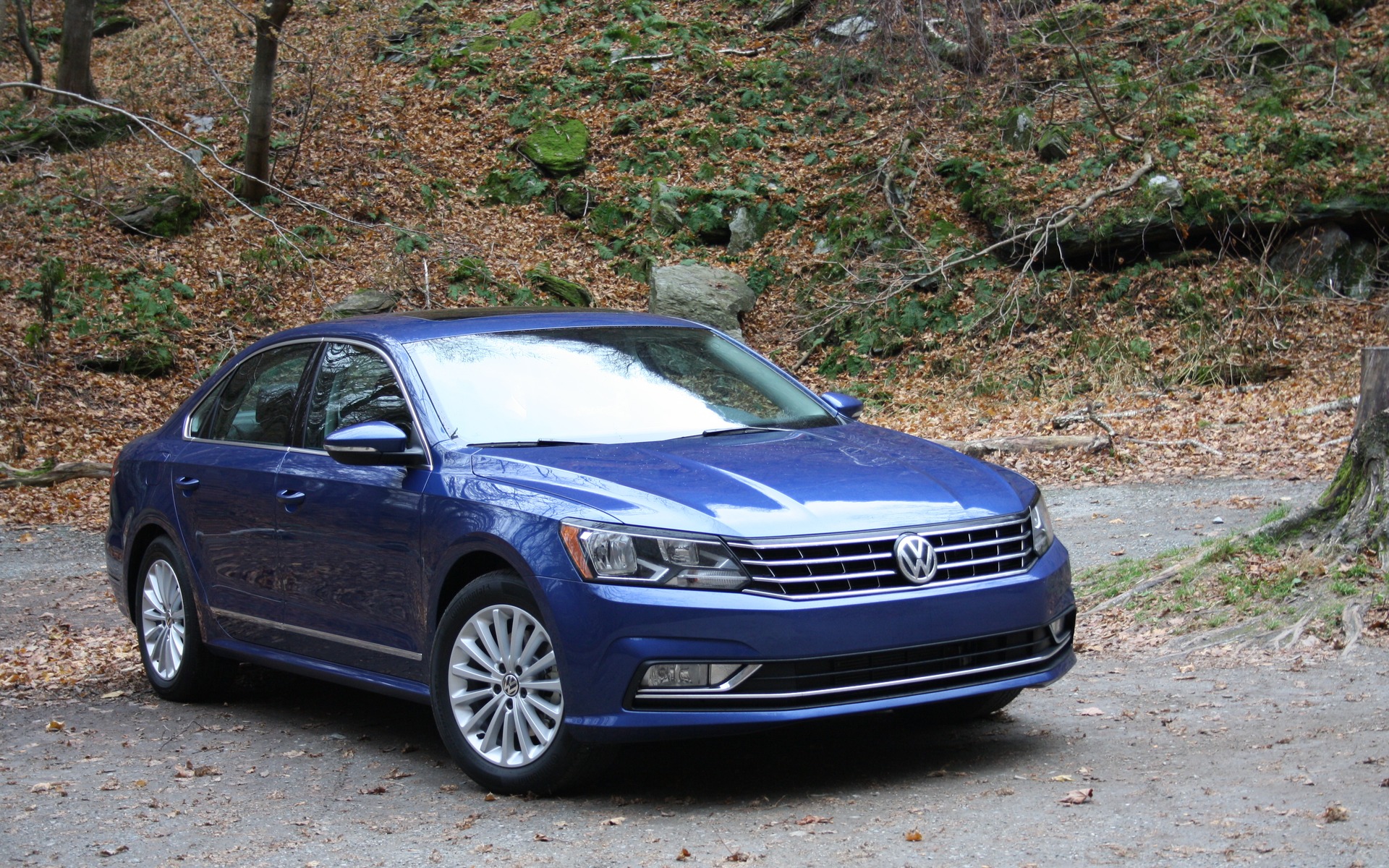
4. Volkswagen Passat (B6 Generation)
The Volkswagen Passat B6 generation, produced in the mid-2000s, is often seen as problematic from a repair standpoint. Dealers often hesitate to take on these cars due to their reputation for engine and electrical issues. While the Passat offers a comfortable ride and German engineering, some models within this generation have proven to be costly to maintain.
One major problem is the timing chain tensioner failure. If this component breaks or malfunctions, it can cause severe engine damage that requires an expensive rebuild or replacement. Because this issue can develop suddenly, dealers are cautious when considering Passats from this generation. The risk of inheriting a major engine repair scares many away.
Fuel system problems are also common. Issues with the fuel pump, injectors, or sensors can lead to poor engine performance, stalling, or difficulty starting the vehicle. Diagnosing and fixing these problems can be time-consuming and costly, especially if multiple components need attention.
Electrical troubles add to the complexity of maintaining the Passat B6. Faulty wiring and malfunctioning control modules can cause various warning lights and affect systems like the ABS, airbags, or even the climate control. These repairs require detailed diagnostics and often specialized knowledge, which increases the repair bills and reduces dealer interest.
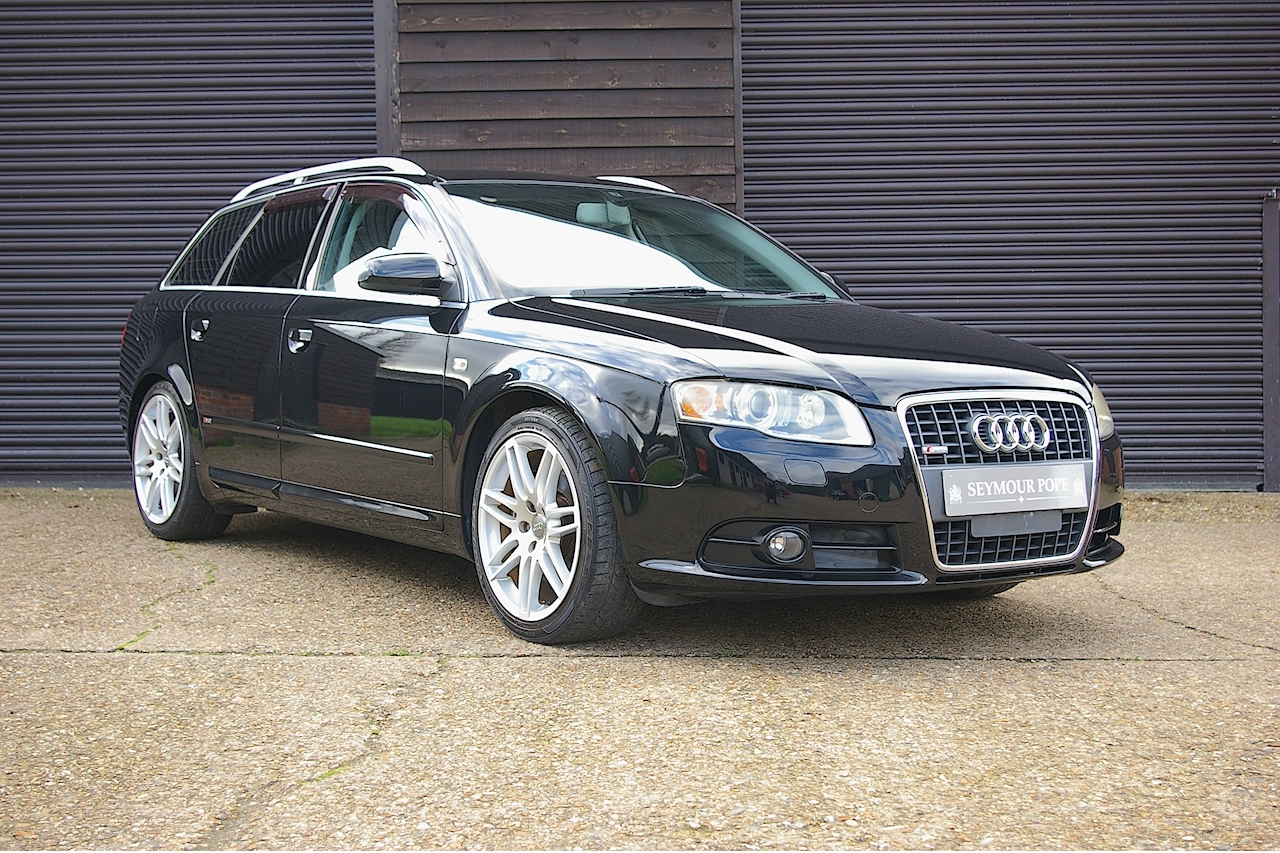
5. Audi A4 (B7 Generation)
The Audi A4 B7 generation, made in the mid-2000s, is another vehicle dealers often hesitate to handle because of repair concerns. While Audi’s reputation for luxury and performance is strong, this model has some weak points that can lead to expensive maintenance and repairs.
One of the most problems is with the camshaft adjusters. These components can fail prematurely, leading to rough engine running, loss of power, and eventual engine damage if not addressed. Repairing or replacing camshaft adjusters can be expensive and time-consuming, which deters many dealers from taking on these cars.
Oil leaks are also common in the B7 A4. Valve cover gasket and oil pan leaks can lead to messy repairs and engine damage if left untreated. Fixing these leaks often requires disassembling parts of the engine, adding to labor costs.
Electrical issues such as faulty sensors and wiring problems can cause warning lights and intermittent failures in various systems. These electrical faults can be difficult to diagnose and require specialized tools, making the repair process expensive.
Because of these issues, dealers often price these cars lower or refuse to take them as trade-ins, especially if the service history is unclear. The risk of costly repairs can deter buyers, which in turn makes dealers cautious about stocking these vehicles.
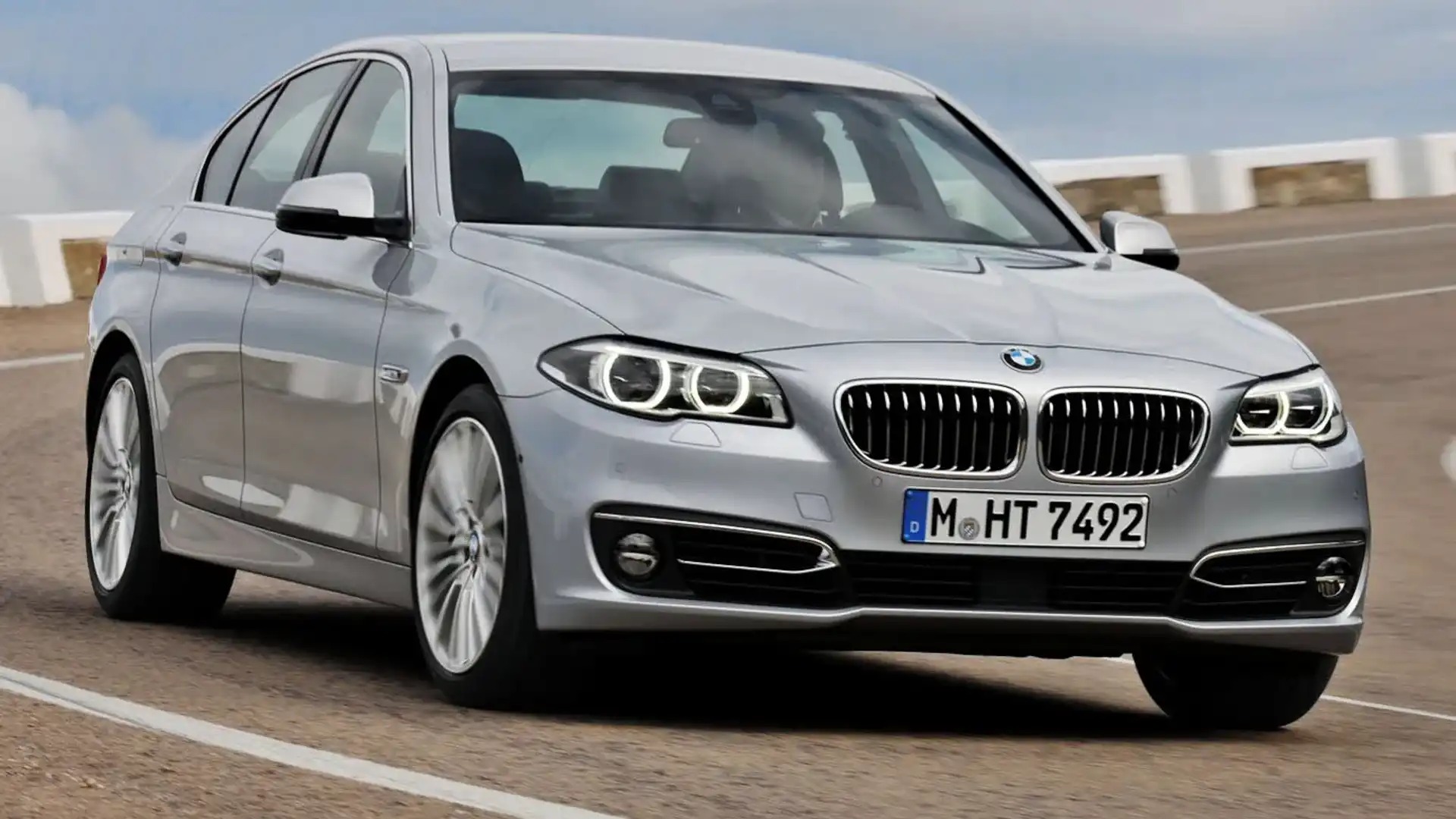
5. BMW 3 Series (E46 and Early E90 Models)
The BMW 3 Series, particularly the E46 (1998–2006) and early E90 (2005–2011) generations, are prized for their driving dynamics and premium feel, but they come with repair challenges that make dealers cautious. One of the most common issues involves the cooling system.
The E46 models, in particular, suffer from frequent water pump failures, thermostat issues, and radiator leaks. Because these components are crucial to engine health, any failure can lead to overheating and severe engine damage. Replacing these parts can be labor-intensive and expensive.
Oil leaks are another typical problem on these models. Valve cover gaskets and oil filter housing gaskets tend to degrade and cause leaks. While this may seem minor, oil leaks can lead to more serious engine issues if ignored. The labor to fix these leaks is considerable because of the engine layout, making repairs costly.
The suspension system on these BMWs is also prone to wear, especially bushings, control arms, and shocks. The sporty suspension design offers excellent handling but results in faster wear of components compared to more comfort-oriented cars. Replacing suspension parts in a 3 Series can be expensive, especially if multiple components require replacement simultaneously.
Another issue that dealers watch for is the electrical system. Problems with sensors, such as the crankshaft or camshaft position sensors, can cause engine misfires or stalling. The complex electronic systems in these BMWs also include various modules that can fail or act erratically, leading to warning lights and diagnostic headaches.
The cooling system issues, oil leaks, suspension wear, and electrical problems combined make the repair costs for these BMWs relatively high. Dealers often prefer to avoid them unless they come with a complete service history showing recent major repairs or rebuilds. Without this proof, the risk of costly repairs deters many dealers.
Timing chain problems can also occur, particularly in early E90 models with the N52 engine. Timing chain guides can wear prematurely, leading to rattling noises and eventual chain failure if not replaced. The labor to replace a timing chain is significant, and this issue often leads to expensive repairs.
Rust can be another hidden concern. While generally well-built, older 3 Series models can develop rust around wheel wells, undercarriage, and suspension mounting points, particularly in regions with harsh winters and road salt. Repairing rust damage adds complexity and cost to maintenance.
Oil consumption is reported in some E90 engines, especially higher-mileage ones. This requires frequent topping up of oil and may lead to more serious internal engine wear. Dealers prefer cars with stable oil consumption records.
Transmission issues, while less common, can appear especially in automatic models with high mileage. Rough shifting or delayed engagement can signal transmission wear or failure. Repair or replacement of transmissions is costly and a red flag for dealers.
The combination of frequent repairs, high labor costs, and potential hidden issues leads dealers to approach BMW 3 Series E46 and early E90 models with caution. Without full maintenance records, they’re often seen as a financial risk.
Also Read: 5 Cars That Last With Minimal Maintenance vs 5 That Demand Constant Care
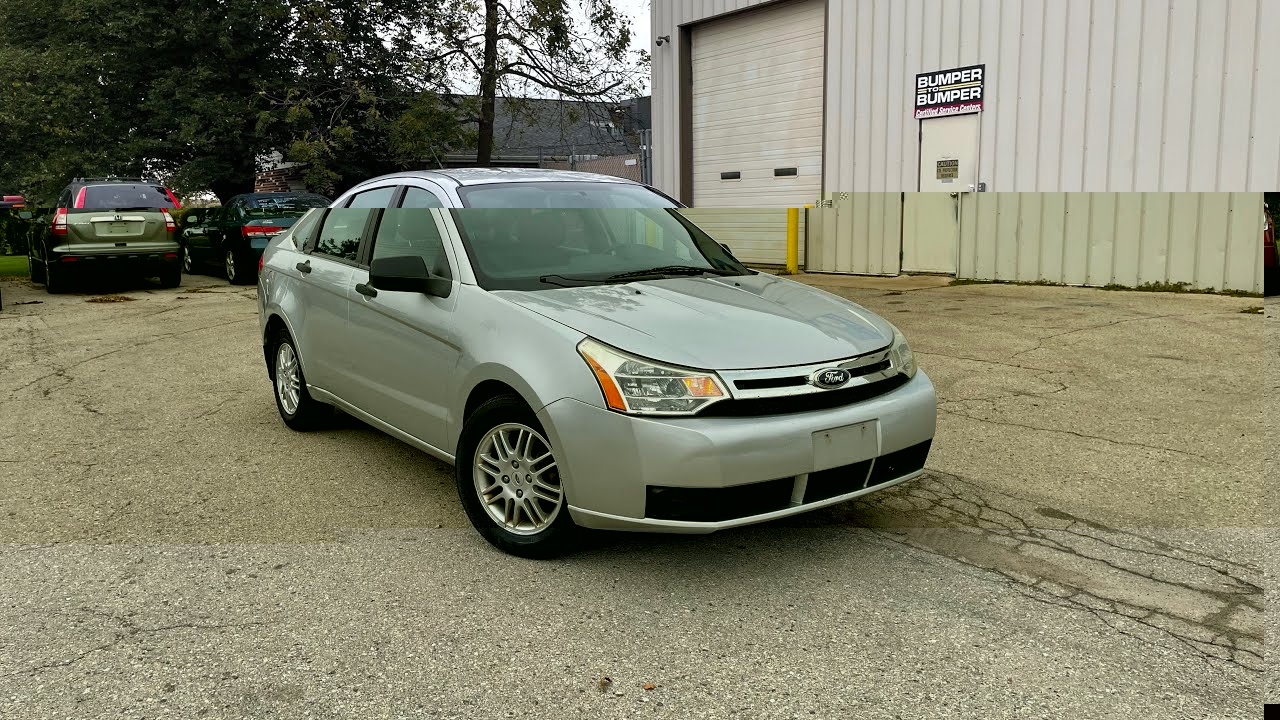
6. Ford Focus (Second Generation, 2008-2011)
The second-generation Ford Focus, especially models from 2008 to 2011, has a reputation for certain mechanical and electrical issues that make dealers wary. One of the most significant problems is related to the transmission, particularly the dual-clutch automatic transmissions. These transmissions have been known to experience shifting issues, hesitation, and premature failure, which require costly repairs or replacements.
Engine issues also crop up in this generation of Focus. Some models have experienced timing chain problems, which can lead to engine damage if not addressed early. Oil leaks, often from the valve cover gasket or oil pan, are common and can cause engine damage if ignored.
Electrical system failures are another concern. Owners have reported issues with dashboard electronics, faulty sensors, and wiring problems. These electrical faults can cause warning lights to activate intermittently, which complicates diagnostics and increases repair times.
Suspension wear, especially on control arms and bushings, tends to be accelerated on this model. Worn suspension components can cause uneven tire wear, noise, and poor handling, requiring costly replacements. Dealers often factor in suspension repairs when considering these vehicles.
Another red flag is the power steering system. Some Focus models suffer from power steering fluid leaks and failing steering pumps. Repairing the power steering system can be expensive, particularly if fluid contamination leads to damage elsewhere.
Cooling system problems, such as radiator leaks or thermostat failures, have been reported. Cooling system repairs are important but can add to maintenance costs, which dealers consider when evaluating these cars.
Fuel system issues, including failing fuel pumps or clogged fuel injectors, can cause rough idling and stalling. Diagnosing and repairing these problems is time-consuming and costly.
Rust is a hidden problem in some Focus models, especially in regions with harsh winters. Rust around wheel arches and underbody components adds repair costs and affects structural integrity.
Interior wear and tear, particularly premature failure of window regulators and door lock actuators, are common. These repairs are labor-intensive and add to the cost of ownership.
Finally, poor resale value on some Focus models combined with these repair risks makes dealers reluctant to stock them unless they have been recently serviced or come with warranties.
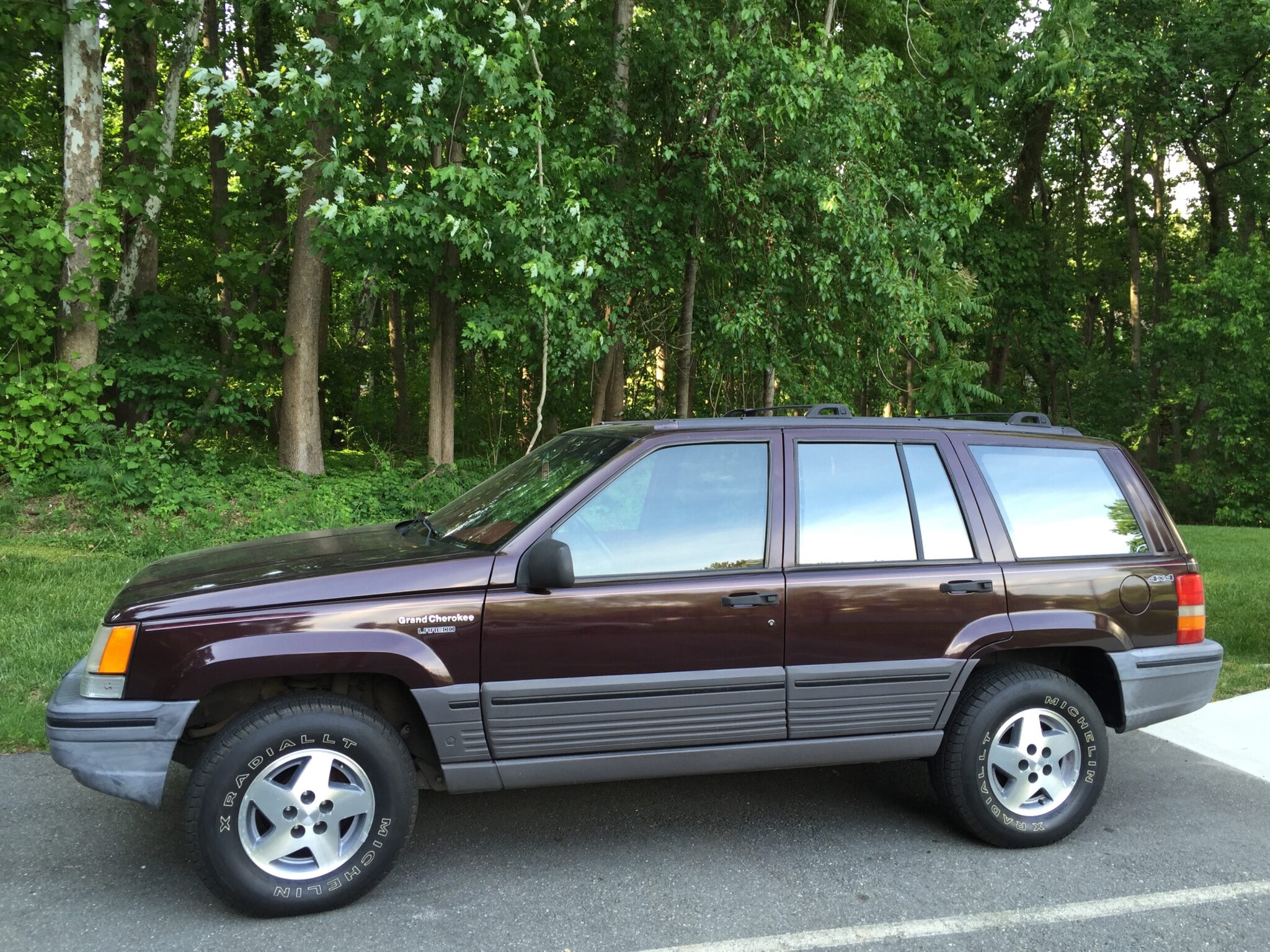
7. Jeep Grand Cherokee (Early 2000s Models)
The early 2000s Jeep Grand Cherokee is a popular SUV but comes with repair challenges that many dealers prefer to avoid. One of the most common problems is related to the electrical system. Faulty wiring harnesses and failing sensors can cause intermittent electrical issues, affecting everything from the dashboard to the power windows and 4WD system.
The transmission, especially automatic versions, is another major concern. Some models experience harsh shifting, slipping, or complete failure of the transmission. Repairing or replacing a transmission can be very expensive, and dealers often shy away from these vehicles because of this risk.
Engine problems, including oil leaks and cooling system failures, are frequent. Oil pan gasket leaks and valve cover gasket leaks are common and can be costly to repair due to labor-intensive access.
The suspension system tends to wear quickly, especially components like control arms, bushings, and ball joints. Suspension repairs on a Grand Cherokee can be expensive because of the vehicle’s size and design.
The 4WD system, a key feature of the Grand Cherokee, can be problematic. Transfer case failures, actuator problems, and differential issues are costly to diagnose and fix. Dealers see these problems as potential deal-breakers because repairs often exceed resale value.
Rust is a significant problem for older Jeep models, especially in areas with salty roads. Structural rust around the frame, suspension mounts, and undercarriage can compromise safety and is costly to repair.
Fuel economy is another issue that can deter buyers and dealers alike. The early 2000s Grand Cherokee is known for poor fuel efficiency, which reduces its appeal as a trade-in or resale vehicle.
Air conditioning system failures are common in these models. Repairing or replacing compressors and condensers can be expensive, especially if leaks have caused further damage.
Brake system issues, including worn rotors and calipers, add to maintenance costs. Because these are heavy SUVs, brake components wear faster than on smaller cars.
Finally, some Grand Cherokees suffer from steering issues, such as worn tie rods or power steering leaks, which are costly to repair and affect drivability. Dealers factor all these issues into their reluctance to accept these SUVs.
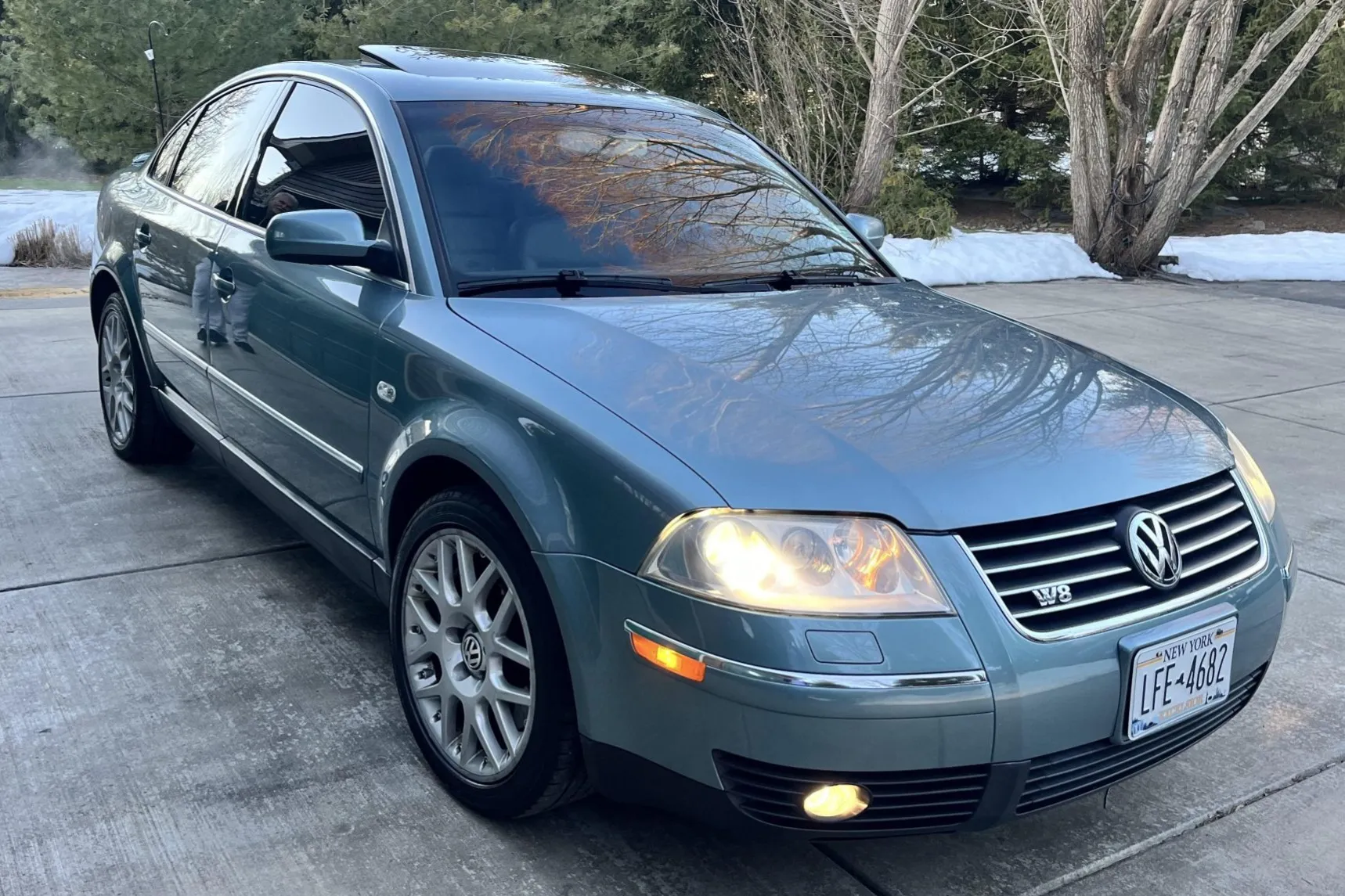
8. Volkswagen Passat (B5 and Early B6 Models)
The Volkswagen Passat from the B5 (1996–2005) and early B6 (2006–2010) generations is often avoided by dealers because of its complex German engineering and associated repair costs. One of the most prominent issues is with the timing belt and water pump. If the timing belt fails, it can cause catastrophic engine damage. Water pumps on these models are also prone to failure and often need to be replaced at the same time as the timing belt.
Oil leaks are common, especially from valve cover gaskets and camshaft seals. These leaks can lead to more serious engine problems if not repaired promptly. The labor involved in fixing these leaks can be high due to the engine layout.
The electrical system on these Passats can be troublesome. Problems with sensors, control modules, and wiring are frequent. Electrical gremlins cause intermittent faults that are difficult to diagnose, increasing repair times and costs.
Suspension issues are another weak point. Control arms, bushings, and shock absorbers wear prematurely. Repairs often involve replacing multiple suspension components, leading to high labor costs.
Transmission problems, especially in automatic models, are well-documented. Rough shifting, slipping, and transmission failure have been reported, requiring expensive repairs or replacements.
The cooling system is a source of frequent problems. Radiators, thermostat housings, and coolant hoses may leak or fail, which can lead to engine overheating.
Interior components, such as window regulators, door locks, and dashboard instruments, are known to fail or malfunction. These repairs are labor-intensive and add to maintenance expenses.
Rust can be a problem, especially in older models or those exposed to road salt. Wheel wells and undercarriage areas are particularly vulnerable.
Some models also suffer from poor fuel economy and emissions system issues, including faulty catalytic converters and oxygen sensors, which increase repair costs.
Finally, parts for these Passats can be expensive, and some repairs require specialized tools or expertise, leading dealers to avoid them unless they come with a documented maintenance history.
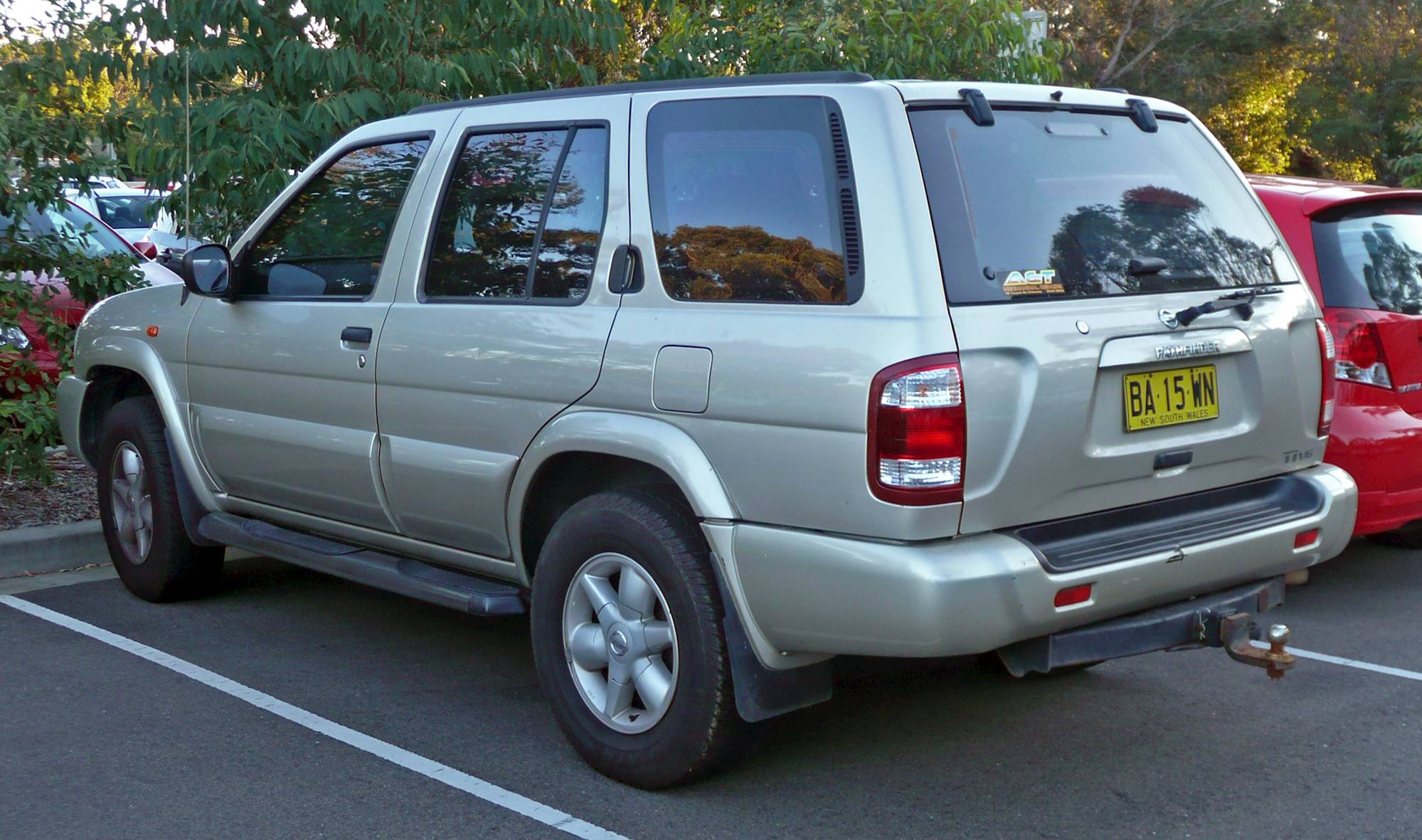
9. Nissan Pathfinder (Early 2000s Models)
The early 2000s Nissan Pathfinder is a rugged SUV with off-road capability but is often avoided by dealers due to a range of repair concerns. One major problem is transmission failure. Many Pathfinders from this era are equipped with automatic transmissions that can suffer from slipping, hard shifting, or complete failure. Transmission repairs or replacements are costly and often exceed the vehicle’s trade-in value.
Engine issues include oil leaks and timing chain problems. Valve cover gasket leaks are common and can lead to low oil levels and engine damage if ignored. Timing chain tensioners may also fail, causing engine noise and potential failure.
The cooling system can be problematic. Radiator leaks and water pump failures can lead to overheating, which can cause severe engine damage.
Suspension wear is accelerated in Pathfinders used off-road or on rough roads. Control arms, bushings, and shocks frequently need replacement, adding to maintenance costs.
Electrical problems, including faulty sensors, dashboard warning lights, and wiring issues, are frequent. These can cause drivability problems and complicate diagnostics.
Rust is a concern in older Pathfinders, especially in areas where road salt is used. Rust can affect structural components and suspension mounting points.
Fuel economy is generally poor, which affects the vehicle’s appeal in the resale market. This is a factor dealers consider when accepting trade-ins.
Brake system repairs, including worn rotors and calipers, are common on these heavy vehicles and can be expensive. Air conditioning system failures, including compressor and condenser problems, add to repair costs.
Finally, steering system problems, such as worn tie rods and power steering leaks, can affect safety and drivability, making dealers cautious about accepting these vehicles.
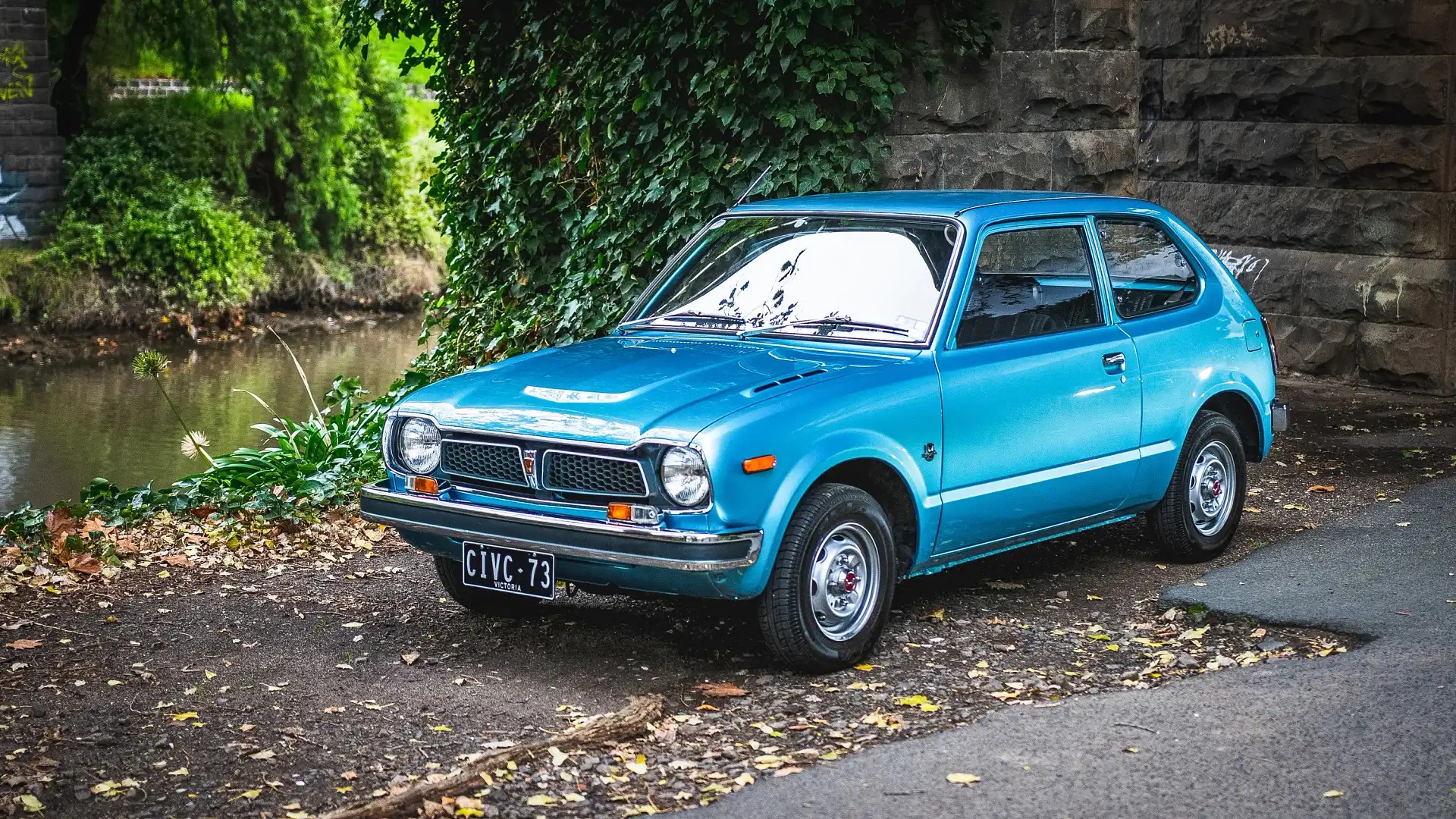
10. Honda Civic (Seventh Generation, 2001-2005)
The seventh-generation Honda Civic, produced from 2001 to 2005, is generally reliable but has some known repair issues that make dealers cautious. One common problem is the failure of the ignition coil packs. These components can cause misfires and poor engine performance, requiring replacement.
Transmission problems, especially in automatic models, are reported. Some Civics have issues with slipping or rough shifting transmissions, which can be expensive to repair.
Engine oil leaks, particularly from the valve cover gasket and oil pan gasket, are common and can lead to engine damage if not addressed.
Suspension wear, especially in the front struts and control arm bushings, is typical for vehicles of this age. Replacing worn suspension components is necessary for safe handling.
Electrical problems, such as faulty sensors and dashboard warning lights, occur frequently and can complicate diagnostics. The cooling system may suffer from radiator leaks and thermostat failures, which can lead to overheating.
Fuel system issues, including failing fuel pumps and clogged injectors, cause drivability problems. Rust, especially in regions with winter salt use, can affect the undercarriage and wheel wells.
Interior components like power window motors and door lock actuators tend to fail and require replacement.
Finally, while Honda parts are generally affordable and widely available, the cumulative cost of repairs on older Civics can add up, making dealers cautious about accepting them without a full service history.
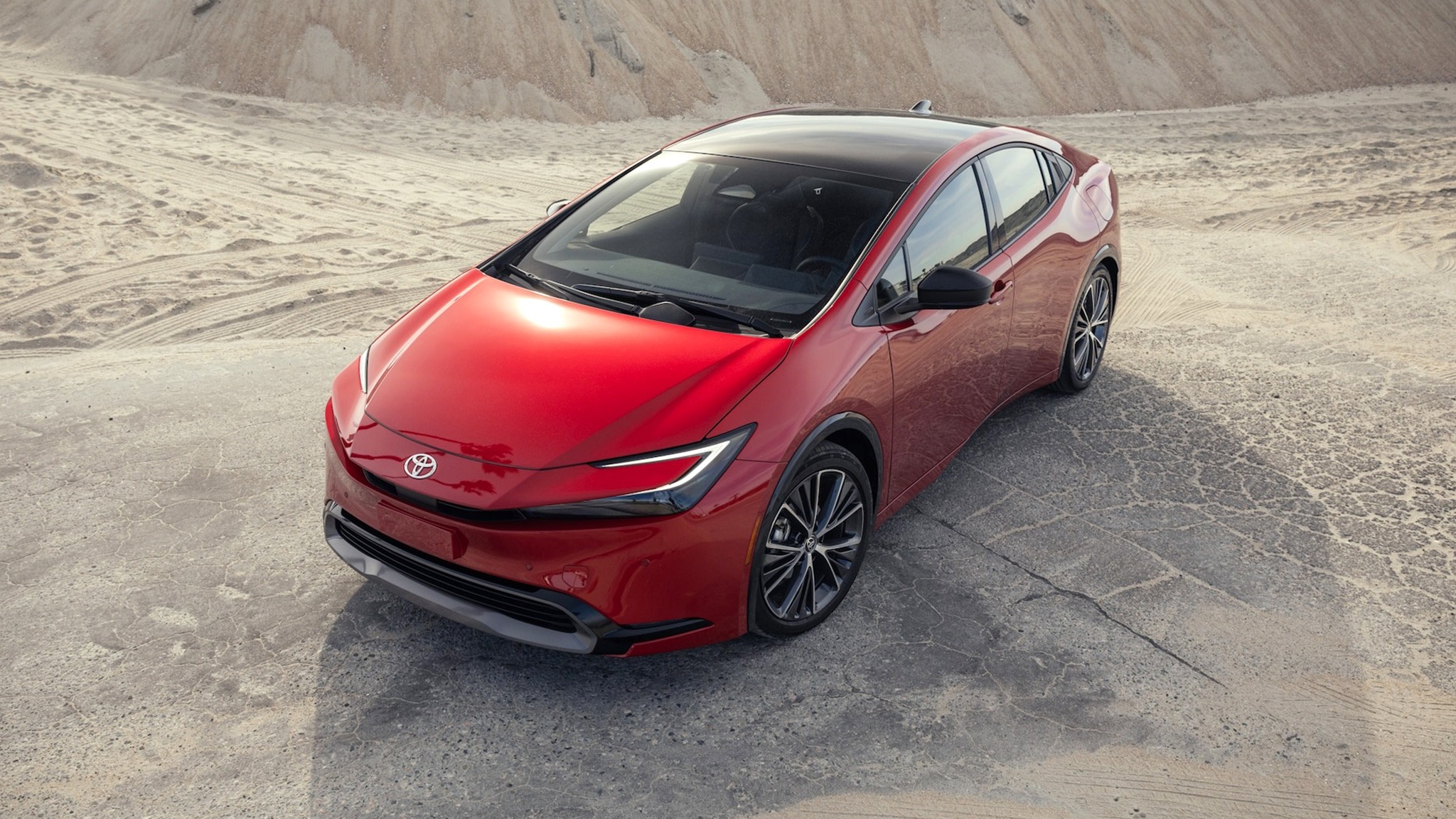
11. Toyota Prius (Second Generation)
The second-generation Toyota Prius, produced between 2004 and 2009, is widely recognized as a pioneer in hybrid technology, offering excellent fuel efficiency and reduced emissions. However, despite its popularity, many dealers are cautious when it comes to accepting these models because of their complex hybrid systems and the potential high costs of repairs.
The hybrid battery pack, a critical component of the vehicle, is one of the most significant sources of concern. Though Toyota’s batteries generally have a good lifespan, their degradation over time means replacement becomes inevitable, and this can be prohibitively expensive. Dealers hesitate to take on these cars unless they have documented proof of battery health or recent replacement.
The hybrid battery pack isn’t the only tricky component. The inverter and converter units, which regulate electrical flow between the battery and the motor, are also prone to failure.
These components are costly to replace and require specialized diagnostic equipment to identify problems accurately. This need for specialized knowledge limits the number of repair shops capable of servicing the Prius effectively, increasing repair wait times and costs, which dealers want to avoid.
Coolant leaks and cooling system failures specific to the hybrid components add another layer of complexity. The inverter requires a dedicated cooling system, and if this system malfunctions, it can cause overheating and further damage expensive electronic components. Dealers often find these repair jobs labor-intensive and expensive, reducing the resale value and profit margin.
