
The SUV market has grown tremendously over the past two decades, becoming one of the most popular vehicle segments worldwide. Their versatility, higher seating position, spacious interiors, and the sense of safety they provide appeal to a wide range of drivers.
However, not all SUVs are created equal when it comes to reliability and maintenance requirements. Some models seem to run almost trouble-free for years on end, rarely requiring a visit to the dealer except for routine maintenance.
Others, however, are more demanding and tend to require frequent repairs or service visits, whether due to mechanical issues, electrical quirks, or general wear and tear.
The difference between these two groups of SUVs can significantly affect the ownership experience, impacting everything from the cost of ownership to convenience and peace of mind. Many factors contribute to how often an SUV requires dealer service.
These can include the vehicle’s engineering, quality of parts used, complexity of systems, and even the brand’s approach to design and manufacturing. Beyond that, certain SUVs are designed for rugged use and off-road conditions, which can affect how often they need professional attention.
Understanding which SUVs rarely see dealer service and which ones constantly require it is valuable information for potential buyers and current owners alike. It can guide decisions on which models to consider for long-term ownership and help set realistic expectations.
The SUVs that tend to have fewer dealer visits are often praised for their build quality, reliability, and simplicity in design. On the other hand, SUVs with frequent service needs might be burdened by advanced technology that isn’t fully refined or designs prone to mechanical issues.
This article will outline five SUVs that generally have a reputation for being low-maintenance and reliable, and contrast them with five models that often find themselves back at the dealership for repairs or servicing more frequently.
The goal is to offer a balanced view based on commonly reported owner experiences, known reliability trends, and the general reputation of these vehicles in the automotive community. Whether you’re shopping for your next SUV or just curious about what to expect from your current model, this breakdown will provide useful insights.
Also Read: 10 SUVs With Rare Transmission Issues and Long Lifespan
5 SUVs That Rarely See Dealer Service
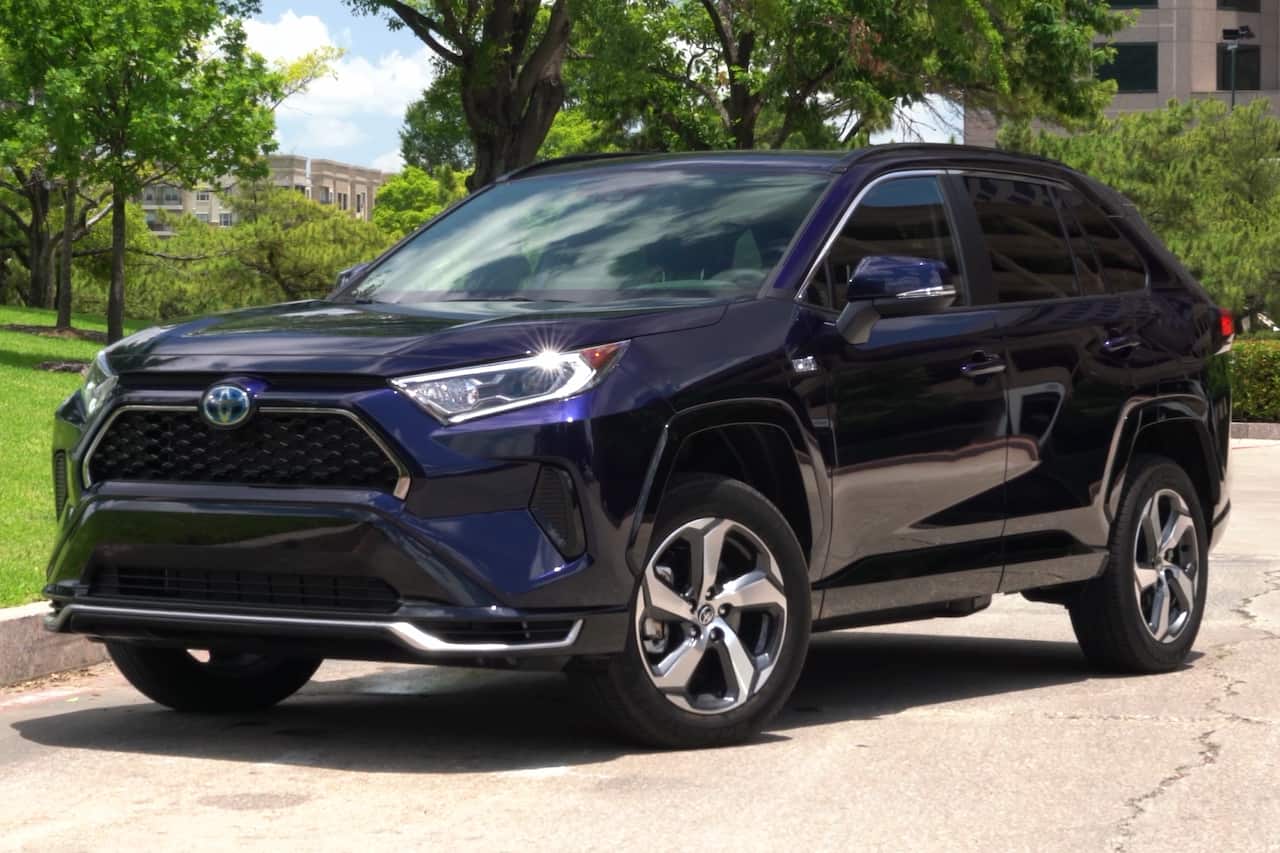
Toyota RAV4
The Toyota RAV4 has established itself as a model synonymous with reliability and durability, traits that have earned it a loyal following worldwide. What sets the RAV4 apart is the consistency with which it delivers dependable performance over the years, often going well beyond 200,000 miles with only routine maintenance needed.
This longevity is largely thanks to Toyota’s methodical approach to engineering, which emphasizes tried-and-true mechanical designs over experimental or cutting-edge technology that may introduce unforeseen issues.
The RAV4’s engines, whether the gasoline-powered variants or the increasingly popular hybrid options, are built on proven architectures that have been refined for decades, resulting in robust and fuel-efficient powertrains.
These engines are complemented by transmissions that have shown a remarkable resistance to failure, and a chassis built to withstand the stresses of everyday driving.
Unlike some competitors that introduce complex turbocharged engines or exotic materials, Toyota’s conservative engineering philosophy here pays off in reduced repair needs and a quieter ownership experience.
Aside from the powertrain, the RAV4’s design contributes to its low frequency of dealer visits. The vehicle incorporates modern safety technologies and comfort features but avoids overly complicated electronics that tend to cause problems in other models.
Toyota’s engineers balance innovation with reliability, selecting components and systems that have a proven track record or are relatively simple to maintain. This approach means owners rarely encounter electrical glitches or software bugs that could necessitate unexpected service trips.
Moreover, Toyota’s commitment to quality control during manufacturing ensures that the vehicles leave the factory with tight tolerances and well-matched parts, reducing early-life failures. For buyers, this translates into a SUV that can be driven confidently without the constant worry of mechanical or electronic surprises.
Maintenance of the RAV4 is straightforward and supported by Toyota’s expansive service network. Scheduled services such as oil changes, filter replacements, brake inspections, and tire rotations are clearly outlined and affordable, contributing to lower maintenance costs.
Owners benefit from the wide availability of parts and experienced technicians who understand the model’s common service needs, making each visit efficient and effective. Even in cases where repairs become necessary, the relative simplicity of the RAV4’s systems tends to keep costs manageable and turnaround times short.
Additionally, Toyota’s reputation for longevity and low ownership costs boosts the resale value of the RAV4, reflecting its standing as a smart investment in reliable transportation.
Data from consumer reports and independent reliability ratings consistently highlight the RAV4 as one of the best in its segment for durability. This strong reputation is reinforced by owner testimonials that describe vehicles performing without significant problems for many years.
For families, commuters, and even light off-road enthusiasts, the RAV4 offers a balance of capability, comfort, and minimal downtime. It is a vehicle that rarely demands attention beyond the routine and remains a staple in the minds of those who prioritize a hassle-free ownership experience.
Whether purchased new or used, the RAV4’s reliability makes it a solid choice for drivers who want peace of mind and a dependable daily companion.
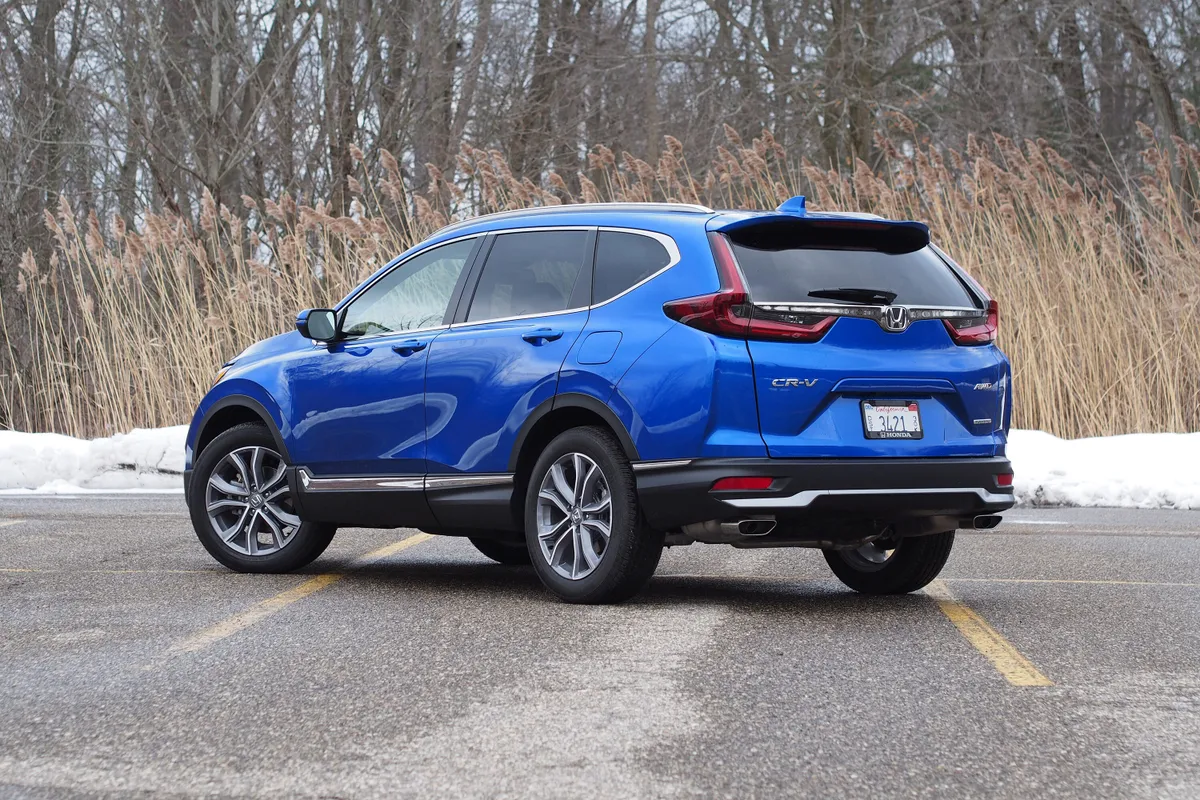
Honda CR-V
The Honda CR-V is another vehicle that has built a legacy rooted firmly in reliability and owner satisfaction. Honda’s engineering ethos prioritizes creating engines and mechanical components that are not only efficient but also incredibly durable.
The CR-V’s powertrains, ranging from naturally aspirated four-cylinders to turbocharged options in newer models, are designed with simplicity and longevity in mind.
These engines have been tested in various markets and driving conditions, leading to continuous improvements that reduce the likelihood of mechanical failure.
This focus on reliability has made the CR-V a favorite among those seeking an SUV that can handle years of daily commuting, family errands, and road trips without frequent service interruptions.
The transmissions paired with these engines have similarly strong reputations, with many owners reporting smooth and consistent shifting that rarely requires adjustment or repair.
Honda’s meticulous attention to build quality also plays a crucial role in the CR-V’s low dealer service frequency. The company implements strict quality control measures throughout the manufacturing process, which reduces early defects and ensures each vehicle meets high standards before it reaches customers.
Over successive model years, Honda has responded to owner feedback and reliability data by fine-tuning mechanical systems and updating electronic components to improve durability. This iterative process has helped to eliminate many issues that might have caused inconvenience or service visits in earlier generations.
The CR-V’s chassis, suspension, and braking systems are engineered to deliver comfort without sacrificing durability, meaning that wear and tear on these critical parts tends to be gradual rather than sudden, allowing owners to anticipate and plan maintenance rather than reacting to unexpected failures.
In addition to mechanical reliability, the CR-V’s electronics and infotainment systems are designed for ease of use and durability. Honda avoids overcomplicating the vehicle with unproven technologies or excessive digital interfaces, which can become sources of frustration or technical problems.
Instead, features such as adaptive cruise control, lane-keeping assist, and basic touchscreen systems are integrated with reliability in mind.
This reduces the chances of software glitches, sensor failures, or warning light errors that could send an owner back to the dealership prematurely. The interior build quality, including durable materials and precise assembly, contributes to the CR-V’s reputation as a well-made vehicle that ages gracefully.
Finally, the strong dealer network supporting Honda vehicles ensures that when maintenance or repairs are necessary, they can be performed efficiently and effectively. Routine service costs remain reasonable, encouraging owners to keep up with preventative care that extends the vehicle’s lifespan.
The CR-V’s consistent performance in reliability surveys and positive word-of-mouth reinforce its standing as one of the segment’s best choices for drivers who want minimal hassle and maximum dependability. Its blend of comfort, fuel efficiency, and long-term reliability makes it an ideal option for a wide range of drivers.
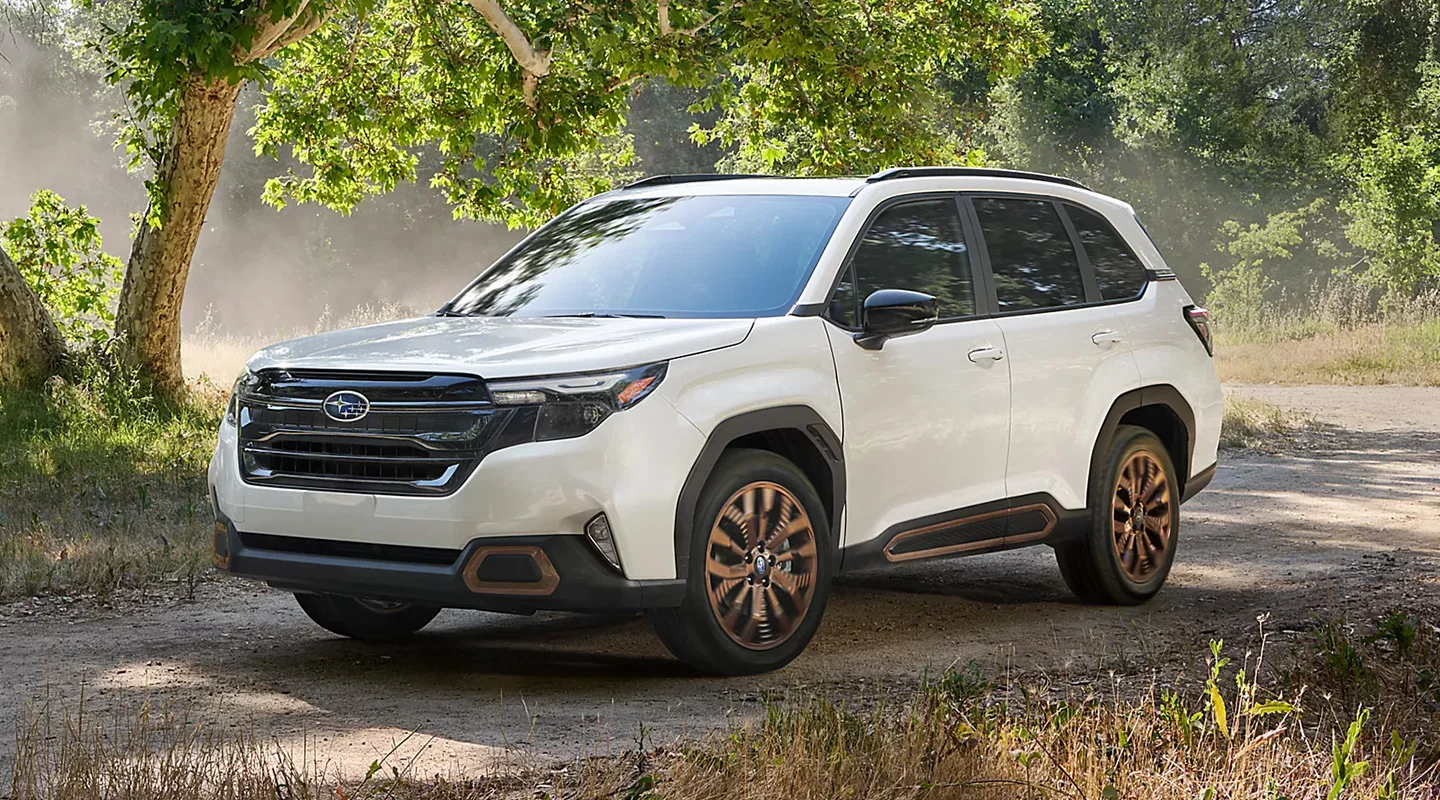
Subaru Forester
Subaru’s Forester is recognized for its combination of rugged capability and reliable performance, making it a favorite in regions with harsh weather or challenging road conditions. What helps the Forester avoid frequent dealer visits is its durable all-wheel-drive system, which is a core part of Subaru’s brand identity.
This drivetrain is engineered to deliver traction and control in difficult environments, but it is also built for reliability, with fewer reported issues than comparable AWD systems from other manufacturers.
The boxer engine, unique in its layout, contributes to the vehicle’s stability and low center of gravity, improving handling while also demonstrating long-term durability when properly maintained.
Subaru’s focus on simplicity and robustness in these fundamental systems means the Forester is less prone to catastrophic failures or unexpected breakdowns that would require dealer intervention.
The vehicle’s powertrain components, including the engine, transmission, and drivetrain, have been refined over many years. Subaru’s commitment to addressing issues quickly through design changes and recalls has helped improve the Forester’s reliability over successive generations.
Many owners note that their vehicles can handle tens of thousands of miles with only routine maintenance needed, such as oil changes, brake service, and tire rotations. Unlike some SUVs that suffer from frequent mechanical gremlins, the Forester’s core systems remain dependable under normal use.
This reliability is particularly valued by owners in climates where winter driving or off-road use is common, as it translates to fewer worries about being stranded or needing emergency repairs.
Subaru also tends to take a conservative approach when it comes to adding new technology and electronic systems. The Forester features safety and convenience technologies like EyeSight driver assist, but the implementation avoids overcomplexity that could introduce failure points.
This practical design philosophy helps minimize issues with sensors, cameras, and other electronics that might otherwise lead to dealer visits. Moreover, the interior materials and assembly quality contribute to a vehicle that holds up well over time, with fewer reports of rattles, loose trim, or malfunctions in electronic controls.
Finally, Subaru’s emphasis on preventative maintenance through dealer recommendations and owner education helps keep the Forester in good condition. Routine service is straightforward and accessible, and Subaru dealerships are familiar with the model’s typical care needs.
This proactive approach combined with the vehicle’s inherent reliability contributes to the Forester’s reputation as an SUV that rarely needs unscheduled dealer visits. It is a practical, dependable choice for drivers who want an all-weather vehicle without constant trips to the shop.
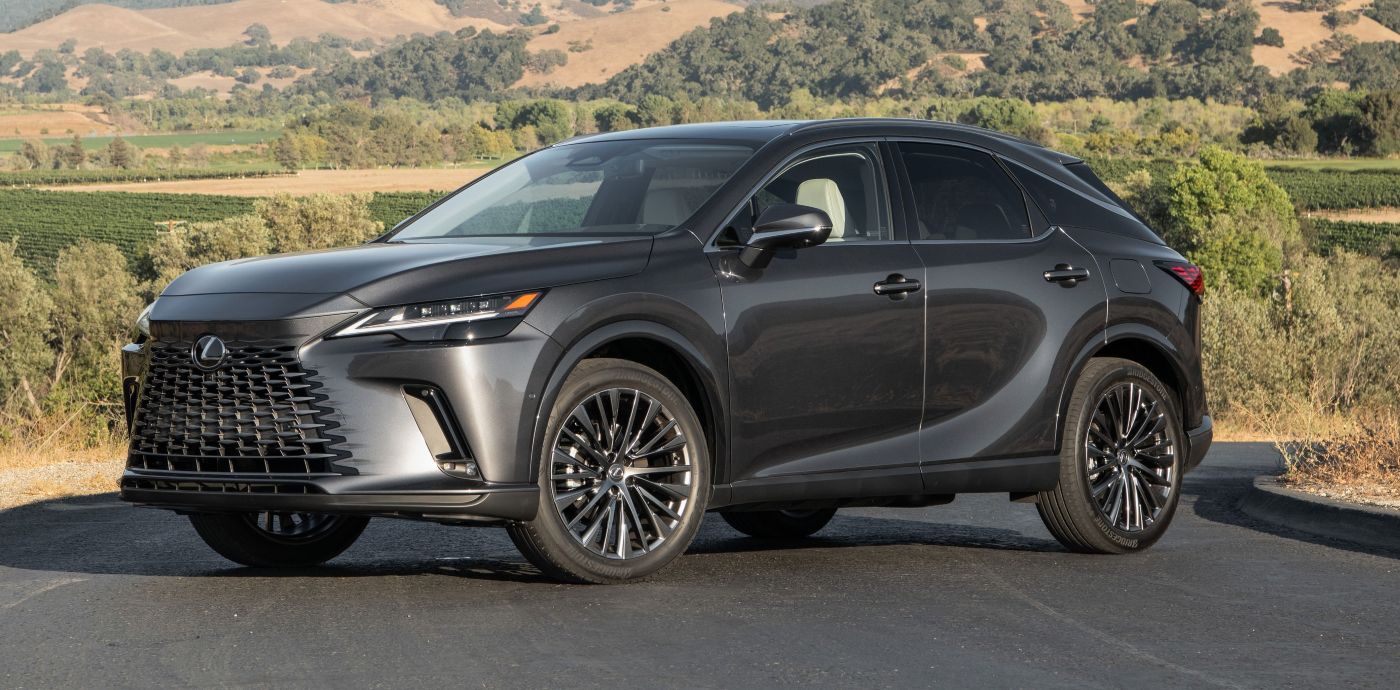
Lexus RX
The Lexus RX represents the premium end of the SUV market while maintaining a reputation for reliability that rivals many mainstream vehicles. This balance is largely due to Lexus’ meticulous engineering and quality control processes, which emphasize durability alongside luxury.
The RX often uses powertrains shared with Toyota models, benefiting from the proven reliability of these engines and transmissions but with added refinements to enhance smoothness and quietness.
The V6 engines, in particular, are known for their longevity and resistance to mechanical wear, while the hybrid variants offer an additional layer of efficiency without sacrificing reliability.
Lexus’ attention to detail in the assembly process ensures that components fit and function perfectly, reducing the likelihood of early failures or service needs.
In addition to mechanical reliability, the RX excels in its build quality and interior craftsmanship. High-quality materials are used throughout the cabin, and Lexus’ fit and finish standards ensure that trim pieces, electronics, and mechanical switches operate flawlessly for many years.
This level of quality means fewer problems such as malfunctioning controls, infotainment glitches, or interior wear that might lead to dealer visits. Lexus also implements sophisticated diagnostic systems that monitor vehicle health and alert owners to potential issues before they become serious, allowing for proactive maintenance.
The RX’s electronics, including navigation, safety systems, and entertainment features, are well integrated and extensively tested. Lexus avoids overly complicated or experimental technology that could introduce reliability risks. Instead, the brand focuses on refining existing systems to deliver seamless operation and long-term durability.
This results in fewer complaints about software bugs, sensor errors, or electronic component failures compared to some other luxury SUVs, which often push the envelope with untested features.
Additionally, Lexus offers a comprehensive warranty and maintenance program that encourages owners to follow scheduled service intervals. These services help maintain the vehicle’s peak condition and prevent small problems from escalating into major repairs.
Combined with the RX’s inherent reliability, this approach results in owners visiting dealers primarily for routine maintenance rather than unexpected issues. This makes the Lexus RX an excellent choice for buyers seeking a luxury SUV with a reputation for hassle-free ownership and enduring quality.
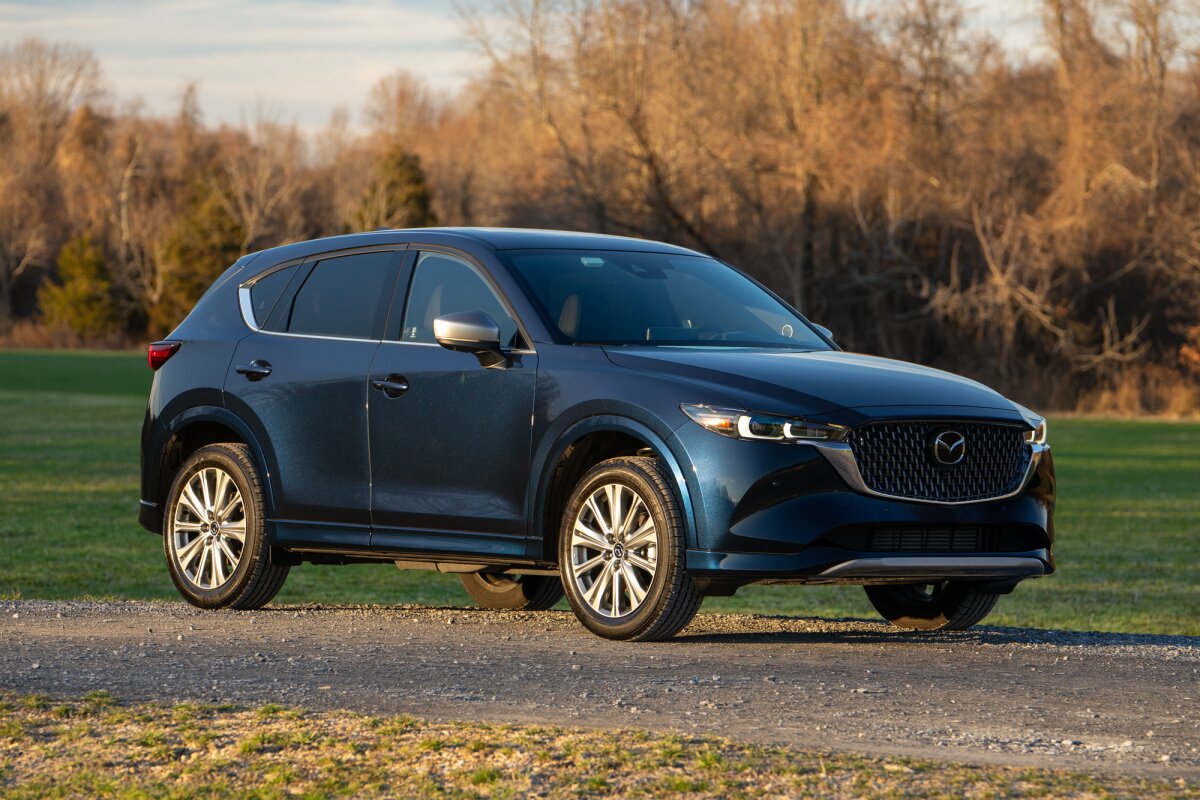
Mazda CX-5
Mazda’s CX-5 stands out in the compact SUV segment for its combination of engaging driving dynamics, fuel efficiency, and impressive reliability. Mazda has developed the CX-5 with a focus on simplicity and engineering excellence, which helps minimize the frequency of dealer service visits.
At the heart of this reliability is Mazda’s Skyactiv technology, which integrates engine, transmission, and chassis improvements designed to optimize efficiency and durability.
The Skyactiv engines are naturally aspirated or turbocharged four-cylinder units that deliver solid performance without introducing unnecessary mechanical complexity.
This focus on refined, yet straightforward engineering means fewer breakdowns and repairs compared to SUVs that rely on more complex turbocharged powertrains or hybrid systems with numerous additional components.
The CX-5 also benefits from Mazda’s reputation for producing well-built interiors with high-quality materials and thoughtful design. Unlike some competitors who opt for cheaper plastics or complicated electronic interfaces, Mazda takes care to ensure that the interior controls and infotainment systems are intuitive and reliable.
The infotainment system uses a rotary dial interface, which reduces driver distraction and avoids some of the touchscreen responsiveness issues found in other vehicles. This user-friendly approach decreases the likelihood of owner frustration or dealer visits related to electronic glitches.
Mazda’s approach to continuous improvement means that each new model year tends to build upon the successes of the last, with minor issues addressed promptly through engineering tweaks and software updates.
This commitment to refinement helps the CX-5 maintain a low rate of mechanical and electrical problems, further reducing the need for dealer service.
Owners frequently report that their vehicles require only scheduled maintenance such as oil changes, brake servicing, and tire rotations, with minimal unexpected repairs.
Finally, Mazda’s warranty coverage and dealer network provide an accessible and affordable maintenance framework. Regular maintenance visits help prevent larger issues from developing and keep the CX-5 running smoothly for many years.
The combination of thoughtful engineering, durable materials, and owner-focused maintenance recommendations cements the CX-5’s position as a compact SUV that rarely demands dealer attention, making it a smart choice for drivers who want reliability without compromising driving enjoyment.
Also Read: 10 SUVs That Stay Quiet on Rough Roads
5 SUVs That Constantly See Dealer Service
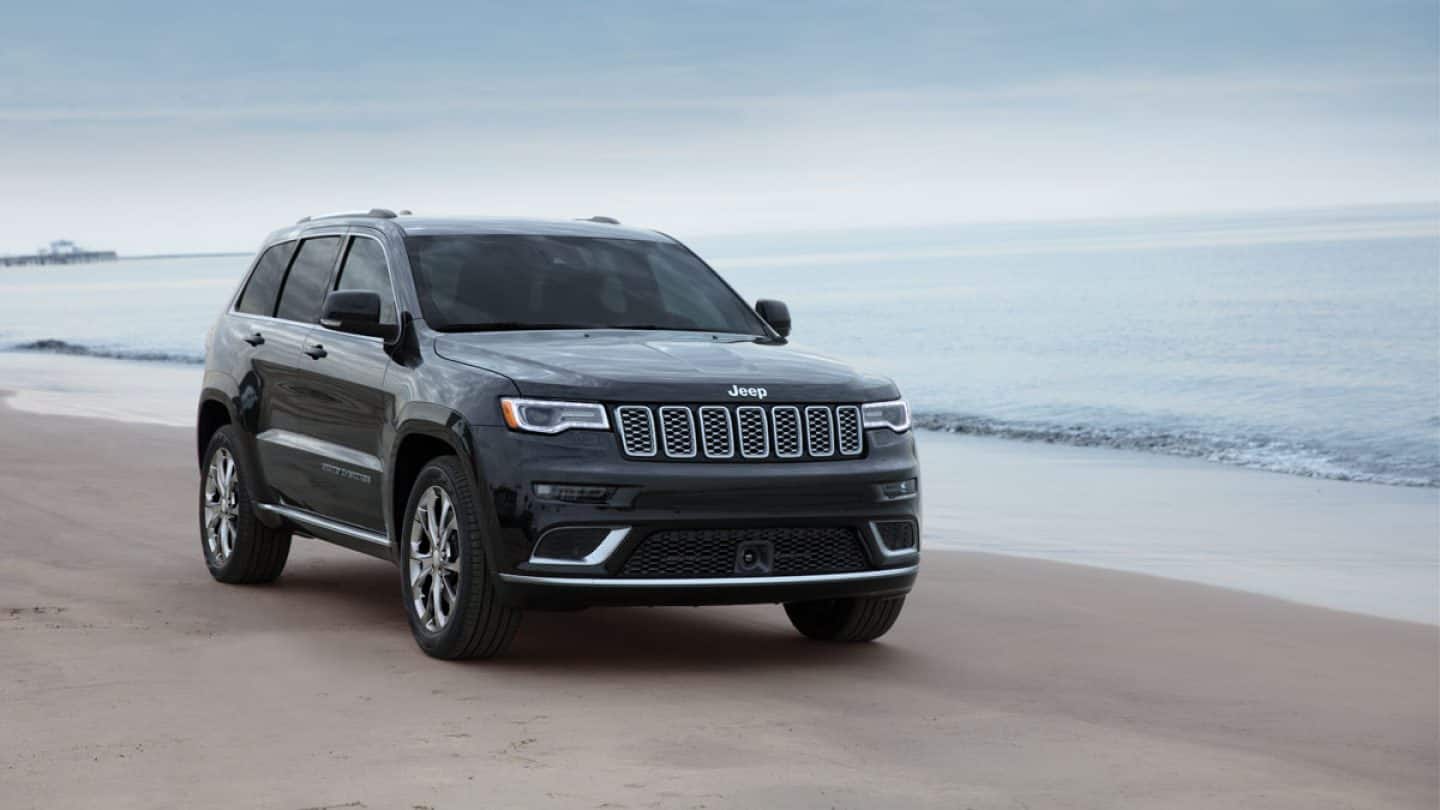
Jeep Grand Cherokee
The Jeep Grand Cherokee has long been celebrated for its off-road prowess and rugged styling, but alongside these strengths, it has developed a reputation for frequent visits to the dealer. One of the main reasons the Grand Cherokee often ends up in the service bay is its complex mechanical and electronic systems.
Over recent generations, Jeep has packed this SUV with a wide array of advanced features and technologies intended to enhance performance, comfort, and safety.
However, many of these components have proven to be less reliable than expected, leading to issues with the air suspension system, transmission, and various sensors.
Owners commonly report problems such as rough shifting, warning lights, and suspension failures that not only affect drivability but also require specialized knowledge and expensive repairs at authorized dealerships.
The Grand Cherokee’s powertrain options include a variety of V6 and V8 engines, some equipped with turbocharging or diesel technology. While these engines can offer impressive power, their complexity has introduced maintenance challenges.
Turbocharged and diesel engines require precise servicing and can be more sensitive to maintenance neglect, increasing the likelihood of engine and emission system failures.
Transmission problems have also been widely documented, with some owners experiencing frequent rough gear changes, hesitation, or total failure that demands costly repairs or replacements.
Additionally, Jeep’s use of electronic control modules and integrated software to manage these systems has led to numerous glitches, often necessitating dealer diagnostics and software updates.
Another factor contributing to the Grand Cherokee’s frequent dealer visits is its air suspension system. Designed to improve ride comfort and off-road capability by adjusting the vehicle’s height, this system is notorious for leaks, compressor failures, and sensor malfunctions.
When the air suspension fails, the vehicle’s handling and ride quality suffer dramatically, often leaving owners with no choice but to visit the dealer for repairs.
Replacing or fixing the suspension components can be expensive and time-consuming, further adding to the cost of ownership. The complexity of the air suspension system also makes DIY repairs impractical, pushing owners toward dealer service centers.
The electronics package in the Grand Cherokee, including infotainment and driver assistance features, adds another layer of potential reliability concerns. Owners frequently report glitches with touchscreens freezing, Bluetooth connectivity dropping, and adaptive cruise control malfunctioning.
These electronic nuisances, while not always critical to vehicle operation, can be frustrating and often require dealer intervention to recalibrate or repair.
While the Jeep Grand Cherokee offers a combination of capability and luxury, its complex systems and mechanical components contribute to a higher likelihood of dealer visits for repairs and maintenance compared to more reliable SUVs in the same class.
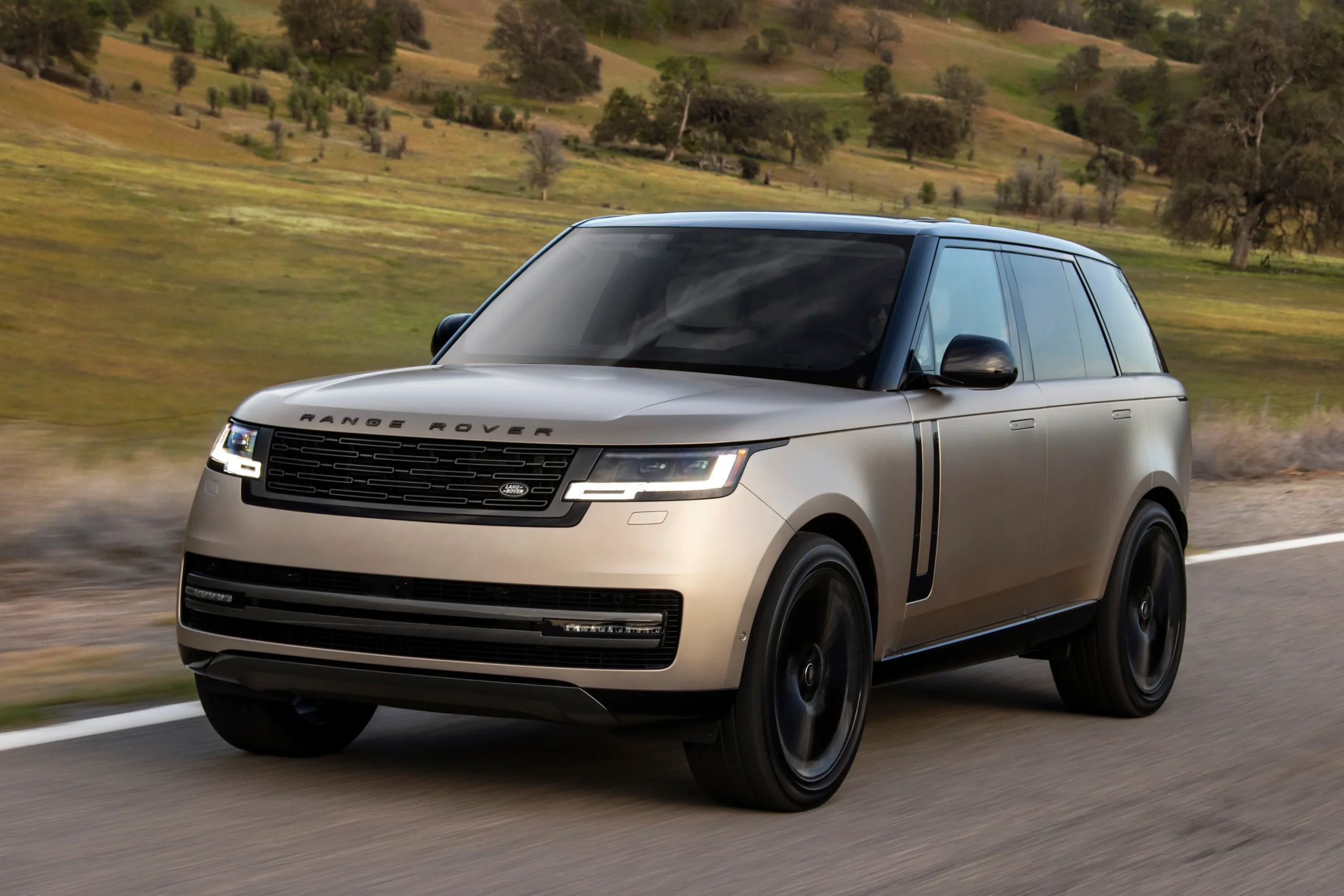
Land Rover Range Rover
The Land Rover Range Rover is synonymous with luxury and off-road ability, but it has struggled with reliability for years, leading to a reputation for frequent dealer visits.
This SUV is packed with cutting-edge technology, premium materials, and powerful engines, but the complexity of these systems has often resulted in maintenance headaches for owners.
The Range Rover’s advanced air suspension and adaptive dynamics systems, intended to provide a smooth and controlled ride in all conditions, are among the most common sources of problems.
These systems involve numerous sensors, compressors, and electronic control units that can fail prematurely or develop leaks, causing the vehicle to sag or ride unevenly.
Repairs tend to be expensive and require dealer-level diagnostics, which pushes owners back to the service center regularly.
Engine issues also contribute significantly to the Range Rover’s need for frequent dealer service. The SUV is available with a range of gasoline and diesel engines, including supercharged V8s, which offer strong performance but have been known to suffer from problems like coolant leaks, turbocharger failures, and fuel system malfunctions.
These mechanical failures not only reduce reliability but also can result in costly repairs that are difficult to avoid even with diligent maintenance.
The vehicle’s complex emission control systems, necessary to meet stringent environmental regulations, add to the maintenance burden and have been a common source of check-engine lights and dealer visits.
Electrical gremlins are a hallmark of the Range Rover’s reputation for unreliability. The vehicle’s advanced infotainment system, driver assistance features, and convenience electronics often experience glitches or outright failures.
Issues such as malfunctioning touchscreens, faulty cameras, and erratic sensor behavior are frequently reported by owners, making regular visits to the dealer unavoidable.
Moreover, the Range Rover’s sophisticated security and vehicle monitoring systems can sometimes interfere with normal operation or prevent the vehicle from starting, further increasing the frequency of service appointments. Even routine software updates can require dealer intervention due to the complexity of the systems involved.
Despite these reliability challenges, the Range Rover remains a desirable SUV because it combines luxury, capability, and prestige. However, owners should be prepared for a higher cost of ownership and more frequent trips to the dealer for repairs and maintenance compared to less complex SUVs.
This is a tradeoff many buyers accept for the unique blend of features and performance the Range Rover delivers, but it’s important to acknowledge that this SUV’s advanced systems come with inherent reliability risks.
Ford Explorer
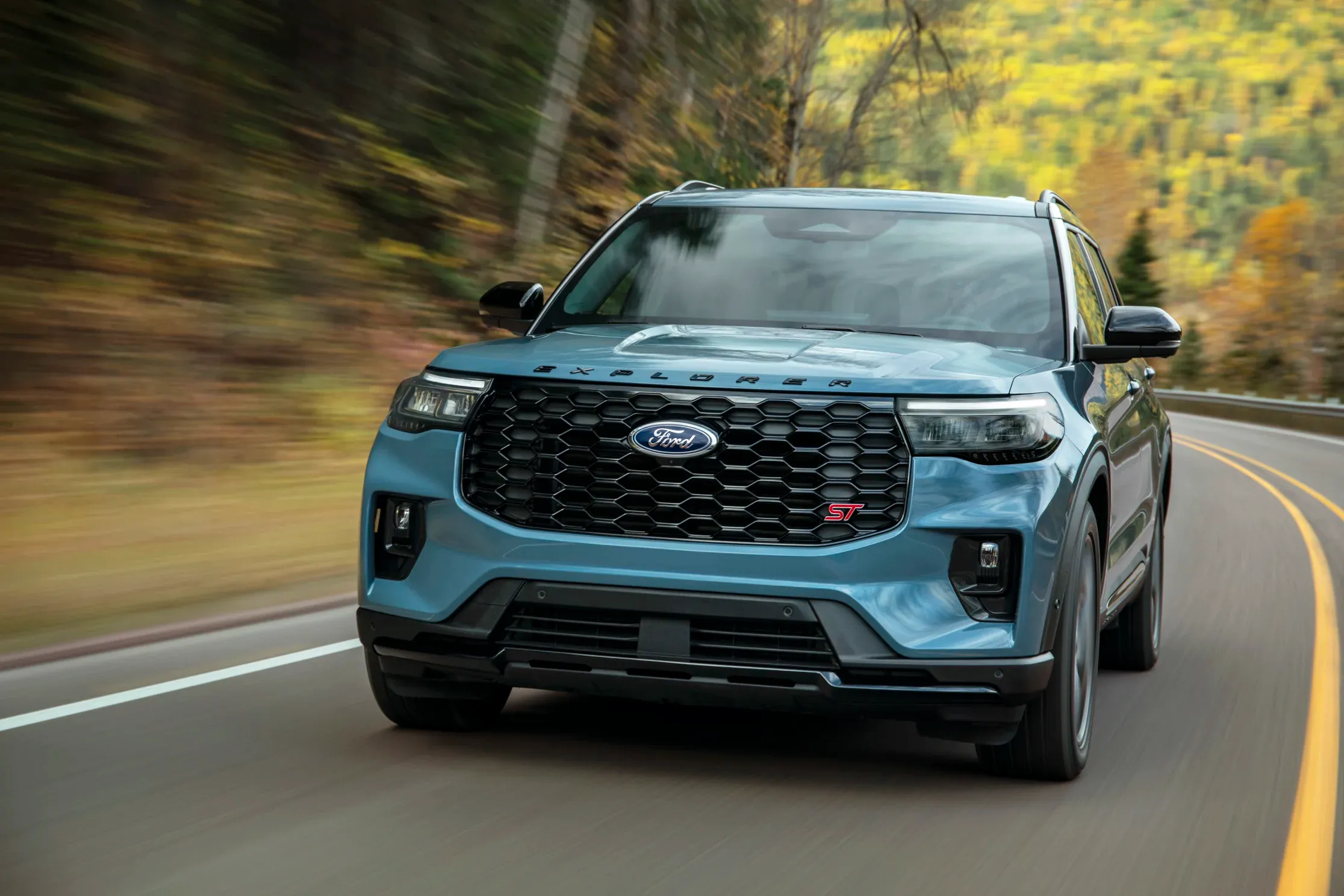
The Ford Explorer is a mainstream SUV that has enjoyed popularity for decades, yet certain model years, especially recent ones, have experienced reliability issues that lead to frequent dealer visits. Problems with the transmission and engine have been commonly reported, often requiring repairs that can be both costly and time-consuming.
The Explorer’s shift to more modern powertrains, including turbocharged engines and complex transmission systems, introduced mechanical challenges not as prevalent in earlier models.
Owners often face symptoms like rough shifting, hesitation, or sudden loss of power, which force them to seek dealer diagnostics and repairs. These issues are often compounded by software glitches in the vehicle’s electronic control systems, requiring updates or replacements of control modules.
The Explorer’s turbocharged four-cylinder EcoBoost engines, designed to provide better fuel economy and performance, can sometimes suffer from overheating, carbon buildup, and turbocharger failures. These engine problems may not be immediately obvious but tend to worsen over time, causing decreased performance and reliability.
Transmission troubles, including the well-documented 10-speed automatic, have manifested as slipping gears, delayed engagement, or total failure in some cases, resulting in costly dealer service visits.
Ford has issued recalls and extended warranties for some Explorer models to address these problems, but many owners still experience persistent issues.
Electronics and infotainment systems also contribute to the Explorer’s higher dealer visit rate. Owners frequently report problems with touchscreen responsiveness, connectivity issues with Bluetooth and smartphone integration, and malfunctions in driver assistance features like lane-keeping assist and adaptive cruise control.
While these issues may seem minor compared to mechanical failures, they impact the driving experience and often require dealer intervention to reset or repair.
Additionally, the Explorer’s complex electrical architecture has sometimes led to problems with battery drainage, sensor errors, and warning lights that prompt unscheduled trips to the dealership.
Another factor adding to the Explorer’s frequent service needs is its extensive feature set, which, while attractive to buyers, increases the number of components that can potentially fail.
This includes advanced safety systems, climate control, and power-operated features that require regular software maintenance and occasional hardware repairs.
Taken together, these mechanical and electronic challenges mean that the Ford Explorer tends to visit the dealer more often than many competitors, which can be a significant consideration for prospective buyers looking for long-term reliability.
Chevrolet Traverse
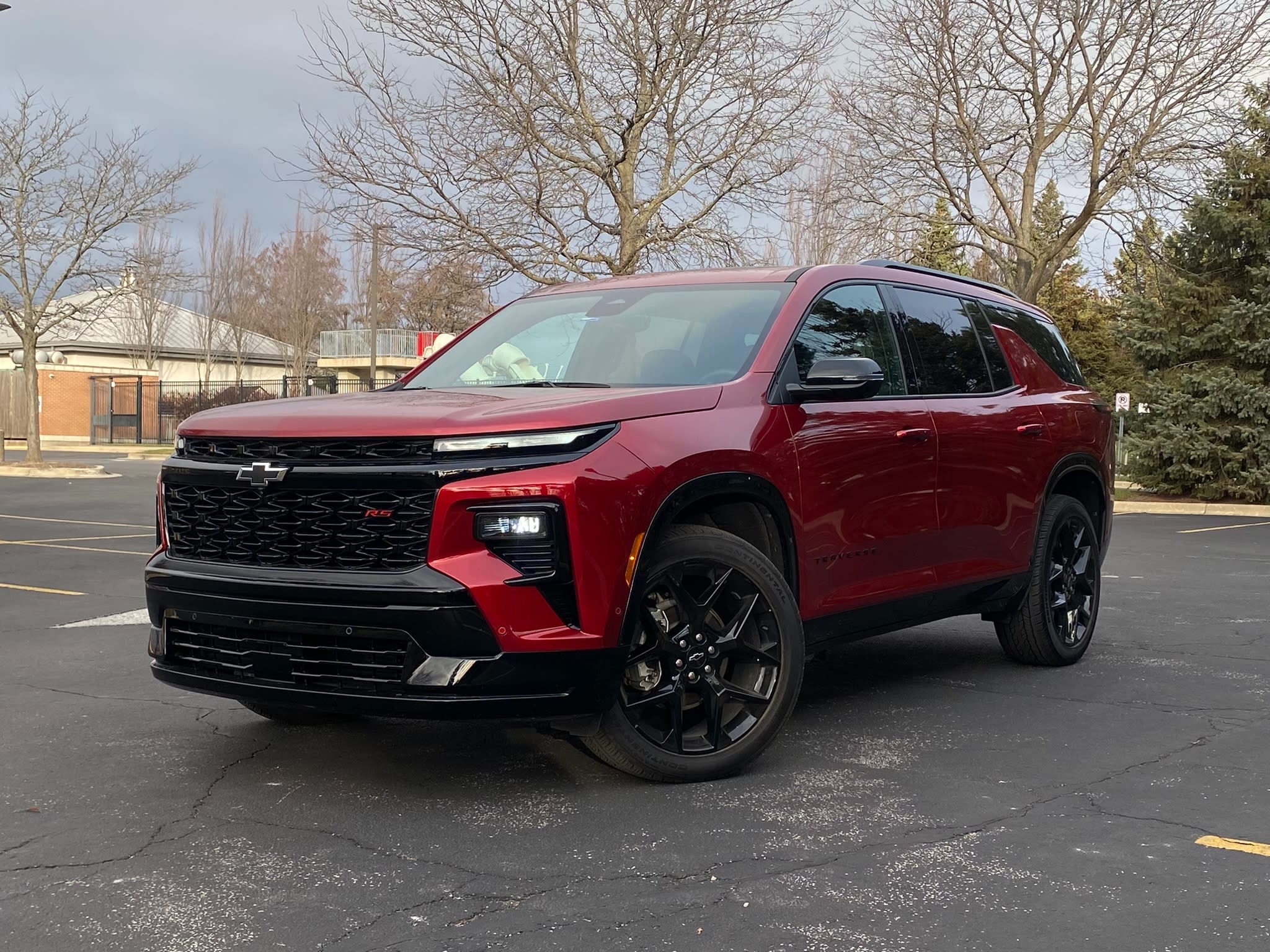
The Chevrolet Traverse is a midsize SUV that offers spacious interiors and strong performance, but it is also known for a range of reliability issues that lead to frequent dealer service visits.
One of the most commonly reported problems is related to the Traverse’s transmission system, particularly in older model years. Many owners have experienced harsh shifting, delayed engagement, or complete transmission failure, often necessitating expensive repairs or replacements at the dealership.
These issues stem from both mechanical wear and software glitches within the transmission control module, which can be difficult to diagnose and fix without specialized dealer tools. The cost and inconvenience of transmission repairs have tarnished the Traverse’s reputation for reliability.
Engine problems also contribute to the Traverse’s higher frequency of dealer visits. While the SUV’s V6 engine delivers solid performance, some owners report issues with oil consumption, overheating, and coolant leaks.
These problems can result from design flaws or manufacturing defects and often require dealer intervention to resolve.
In addition, the Traverse’s emission control systems, including the catalytic converters and oxygen sensors, have been known to cause check-engine lights and performance issues that necessitate dealer diagnostics and repairs. Failure to address these issues promptly can lead to more severe engine damage.
The Traverse’s electronics and infotainment systems have also caused frustration among owners. Common complaints include unresponsive touchscreens, Bluetooth connectivity problems, and malfunctioning backup cameras.
These electronic glitches may seem minor but can impair the vehicle’s usability and safety, prompting dealer visits to perform software updates or hardware replacements.
Additionally, the vehicle’s advanced safety features, such as lane departure warning and forward collision alert, sometimes malfunction or provide false alerts, which require calibration or repair by authorized technicians.
Maintenance costs for the Chevrolet Traverse tend to be higher than average due to the frequency of these mechanical and electronic issues. The dealership service centers often become the go-to destination for owners experiencing persistent problems that cannot be resolved with routine maintenance.
This elevated service frequency and associated expenses may deter some potential buyers who prioritize a worry-free ownership experience.
Despite these challenges, the Traverse remains popular for its roomy cabin and family-friendly features, though prospective owners should be aware of its tendency toward more frequent dealer visits.
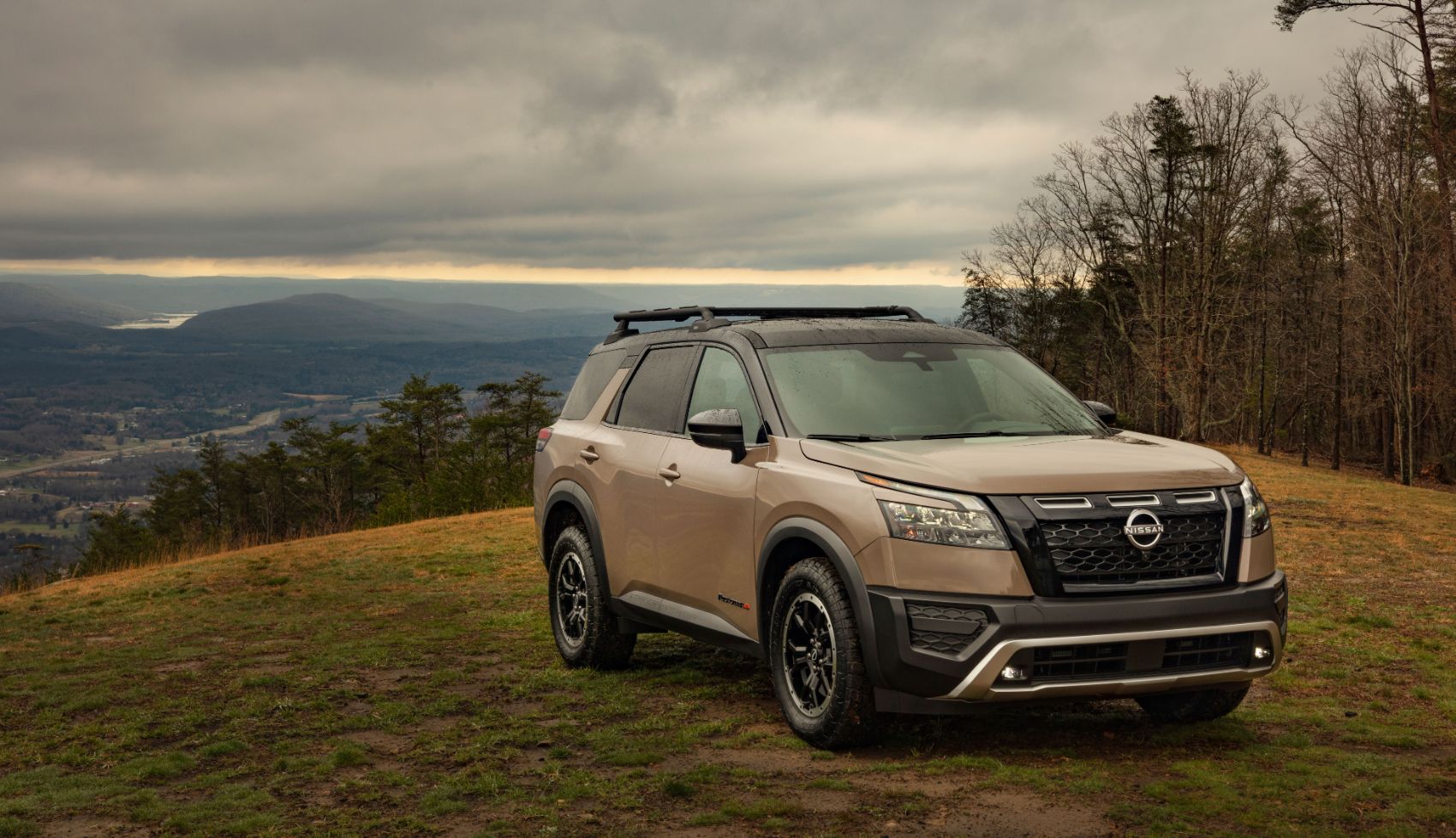
Nissan Pathfinder
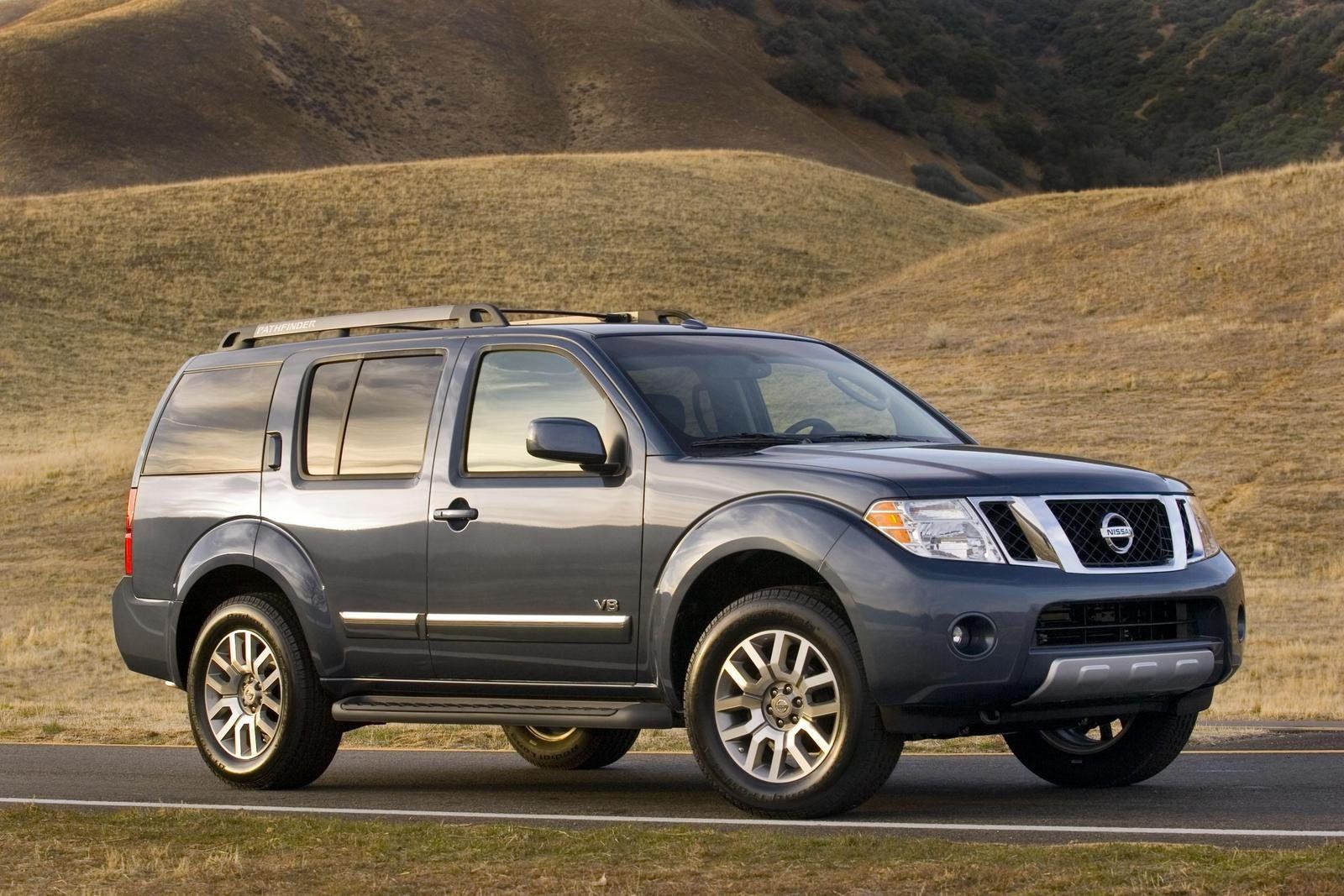
The Nissan Pathfinder is a versatile SUV with a history of mixed reliability reports, particularly in more recent generations, where it has faced several mechanical and electronic challenges. One of the most frequently cited issues with the Pathfinder involves its continuously variable transmission (CVT).
While CVTs offer smooth and efficient operation under normal circumstances, Nissan’s implementation has sometimes been prone to overheating, shuddering, and premature failure.
Many owners have experienced transmission slipping or hesitation, resulting in frequent trips to the dealer for diagnostics, repairs, or even full transmission replacements. The cost and complexity of CVT repairs make these visits particularly frustrating for owners who expect long-term reliability.
Beyond the transmission, the Pathfinder’s engine and cooling systems have also caused reliability concerns. Reports of overheating, coolant leaks, and sensor malfunctions are common, often triggering warning lights and reduced engine performance.
These issues typically require dealer service to diagnose and fix, involving both mechanical repairs and software recalibrations.
The V6 engine, while generally robust, can be sensitive to maintenance lapses, and failures related to timing chains, fuel injectors, and ignition systems have been reported. Such problems increase the likelihood of unexpected service appointments.
Electronics in the Pathfinder, including infotainment and driver assistance systems, contribute further to its reputation for frequent dealer visits. Owners often complain about touchscreens freezing, audio system failures, and inconsistent performance of safety features such as blind-spot monitoring and automatic emergency braking.
These issues tend to require dealer software updates or hardware replacements, which can be time-consuming and inconvenient. Additionally, the vehicle’s interior build quality sometimes shows signs of premature wear, with switches, knobs, and trim pieces needing repair or replacement.
The combination of mechanical, electronic, and transmission challenges means that the Nissan Pathfinder frequently sees the inside of a dealer’s service bay more often than many of its competitors.
While it remains a practical SUV with capable towing and off-road abilities, prospective buyers should weigh the potential maintenance and repair costs associated with this model.
Regular maintenance and careful attention to early warning signs can mitigate some of these issues, but the Pathfinder’s tendency toward frequent dealer visits is an important consideration for those seeking reliability and low ownership costs.
