
When it comes to driving enjoyment, weight and handling are two of the most important factors that contribute to a car’s agility and fun factor. Lightweight cars have a special charm because they allow drivers to feel more connected to the road, offering sharp responses and nimble maneuvers that heavier vehicles simply cannot match.
While many modern cars focus on power and luxury, some models emphasize driving purity through minimal weight and precise handling. The comparison to go-karts is often used because go-karts are known for their quick steering, low center of gravity, and excellent responsiveness. Lightweight cars that handle like go-karts bring that same thrilling feeling to the street or track.
In this article, we will explore ten such cars that have earned reputations for their ability to transform everyday driving into an engaging experience. These vehicles often feature compact dimensions, a low curb weight, and finely tuned suspension systems.
They allow drivers to carve corners with confidence, feel the road texture, and react almost instinctively to inputs. Whether you are navigating tight city streets or pushing the limits on a winding backroad, these cars offer a level of precision and fun that is hard to find elsewhere.
Although these cars may not always boast the highest horsepower numbers, their lightness means every bit of power is more effectively translated into performance. Additionally, they tend to be more balanced, requiring less effort from the driver to initiate and maintain turns.
This combination of characteristics often results in vehicles that feel more alive and rewarding to drive. Some of these cars are modern masterpieces, others are classic legends, but all share the core trait of being light and exceptionally agile.
The following twelve cars are examples that stand out for their go-kart-like handling. They each bring unique features and engineering approaches to lightweight performance, whether through minimalist design, innovative materials, or carefully tuned chassis dynamics.
If you value sharp handling and an engaging driving experience above all else, these cars offer a glimpse into what makes driving truly exciting.
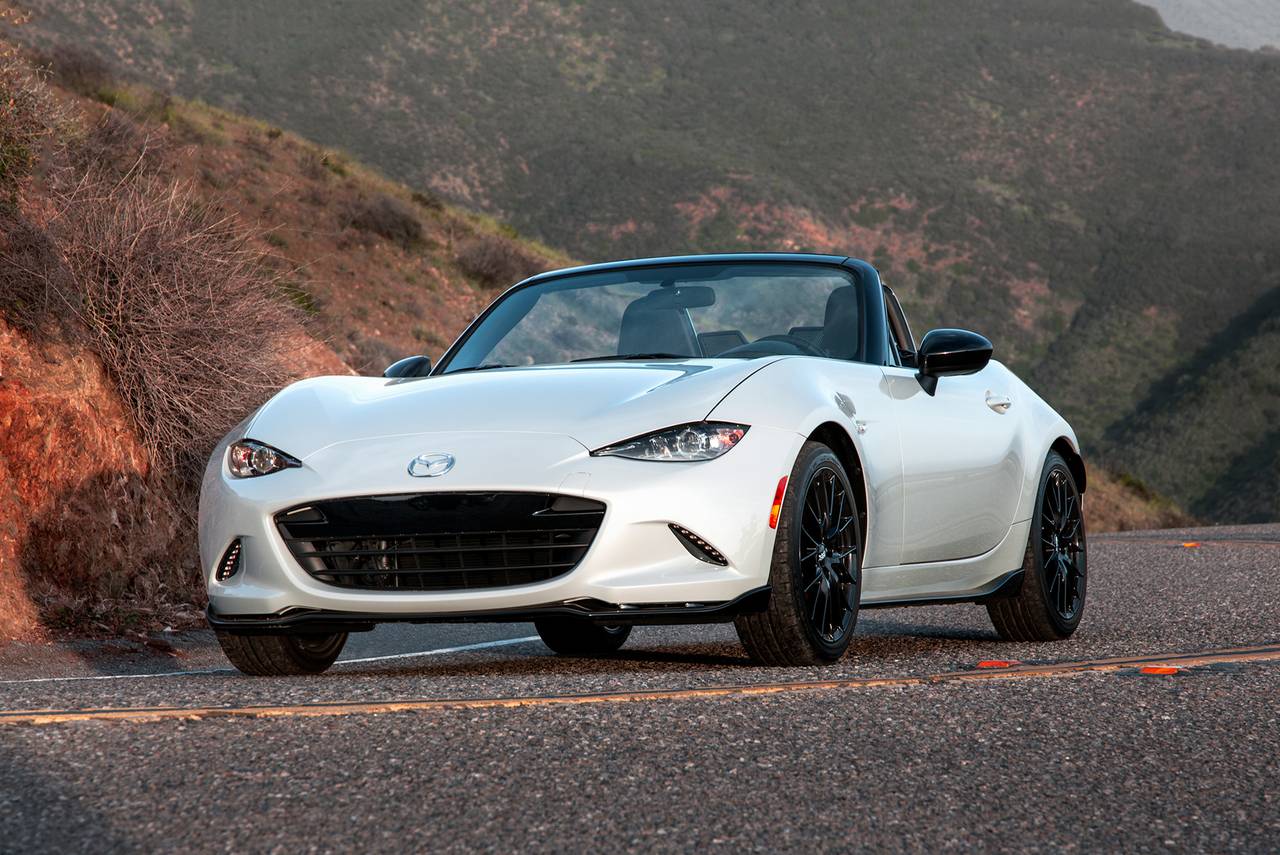
1. Mazda MX-5 Miata
The Mazda MX-5 Miata has long been synonymous with lightweight sports cars that offer exceptional handling. Since its introduction in 1989, the MX-5 has maintained a philosophy centered around simplicity, lightness, and driver engagement.
Weighing just over 2,300 pounds in most trims, it’s one of the lightest modern sports cars available. The Miata’s rear-wheel-drive layout and balanced weight distribution contribute to its nimble and responsive nature. Its compact size and low center of gravity allow for quick changes in direction, making the car feel almost like an extension of the driver’s body.
Under the hood, the MX-5 typically features a naturally aspirated four-cylinder engine that emphasizes rev-happy character rather than outright power. While it may only produce around 181 horsepower in recent versions, the low weight and tight chassis geometry mean that this power is delivered efficiently to the rear wheels.
The car’s manual transmission option further enhances the connection between driver and machine. Shifting through the gears is precise and satisfying, giving the driver complete control over the power delivery.
The suspension setup of the Miata is finely tuned to balance comfort with sporty dynamics. Independent suspension all around, coupled with well-chosen spring and damper rates, allows the car to absorb bumps while remaining flat and controlled in corners. The steering is direct and communicative, providing excellent feedback that helps drivers place the car accurately on the road. This combination creates a go-kart feel that is hard to match in a production car at this price point.
What really sets the MX-5 apart is the way it encourages drivers to push their limits without intimidation. The chassis is forgiving enough to prevent harsh snap oversteer but still agile enough to reward skillful inputs.
Its lightness means that the tires work efficiently, and the car responds immediately to throttle and steering changes. This makes the Miata a favorite among driving enthusiasts who want a car that feels alive and fun every time they get behind the wheel.
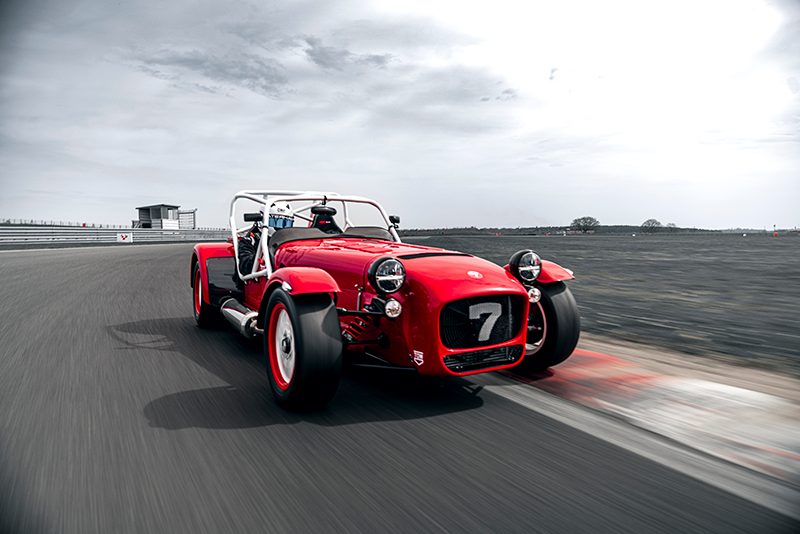
2. Caterham Seven 420
The Caterham Seven is often considered the purest expression of lightweight, minimalist sports cars on the market. Derived from the original Lotus Seven, Caterham has taken this design and refined it into a vehicle that offers one of the most direct and exhilarating driving experiences possible.
The Seven 420, in particular, weighs just over 1,200 pounds, making it incredibly light even by go-kart standards. This near-featherweight combined with a potent 2.0-liter four-cylinder engine delivers a thrilling blend of speed and agility.
The design philosophy behind the Caterham Seven is centered on stripping away anything unnecessary. There are no luxury features, no airbags, and only the bare essentials to keep weight down. This means every part of the car is optimized for performance, and the driver feels completely connected to the road. The exposed chassis and minimal bodywork contribute not only to the low weight but also to the raw mechanical feel of the vehicle.
The handling of the Caterham Seven 420 is razor sharp. Its lightweight frame and precise steering mean that the car changes direction instantly. Drivers can feel the nuances of the road surface, which translates to excellent feedback and control.
The suspension is designed to be firm and responsive, allowing for aggressive cornering and quick transitions without excessive body roll. On twisty roads or track days, the Seven is capable of phenomenal lap times because of its ability to put power down and maintain grip through corners.
Despite its minimalist approach, the Seven 420 still delivers impressive acceleration thanks to a power-to-weight ratio that few cars can match. The combination of a lightweight chassis and a punchy engine makes it quick off the line and capable of exhilarating bursts of speed.
The driving experience is visceral and immediate, often described as addictive by those who have driven it. For enthusiasts seeking a car that handles like a go-kart but with real road-legal usability, the Caterham Seven remains an iconic choice.
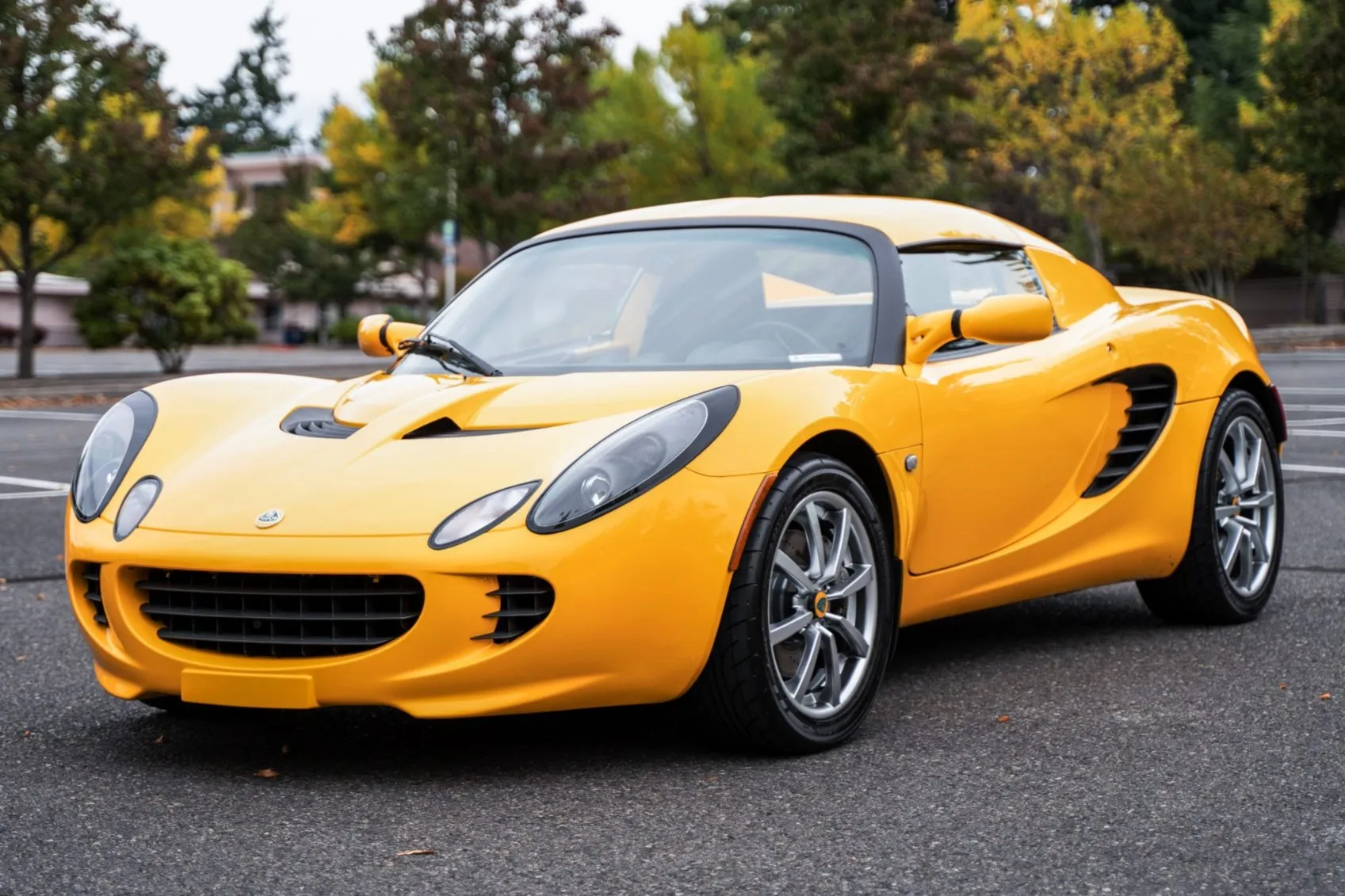
3. Lotus Elise
The Lotus Elise has been a benchmark for lightweight sports cars since its debut in the mid-1990s. Lotus has built a reputation for engineering vehicles that prioritize weight reduction and handling precision, and the Elise is perhaps the clearest example of this philosophy.
With a curb weight hovering around 1,900 pounds depending on the model year and trim, it is significantly lighter than many sports cars in its class. The Elise achieves this through a bonded aluminum chassis and minimalistic design that avoid excess mass.
The engine options in the Elise usually consist of small, high-revving four-cylinder units that provide enough power to make the car lively without overpowering its light chassis.
The result is a car that feels balanced and highly responsive to driver inputs. The power-to-weight ratio is excellent, meaning the Elise can accelerate quickly and maintain strong momentum through corners. The lightness of the car reduces inertia, allowing it to change direction quickly and confidently.
Lotus’s suspension engineering shines through in the Elise. It features a double wishbone setup front and rear, carefully tuned to maximize grip and maintain composure under heavy cornering loads.
The car feels planted and stable, yet playful enough to allow skilled drivers to explore its limits. The steering is direct and informative, providing constant feedback about road conditions and tire grip. This combination makes the Elise feel more like a racing car than a street vehicle.
Many drivers appreciate how the Elise makes them feel in control without any electronic aids getting in the way. The chassis rewards precision and smooth inputs, creating a pure driving experience.
It’s the kind of car that inspires confidence and encourages drivers to explore every twist and turn in a spirited manner. For those who prioritize handling above all else, the Lotus Elise remains a timeless icon in the world of lightweight sports cars.
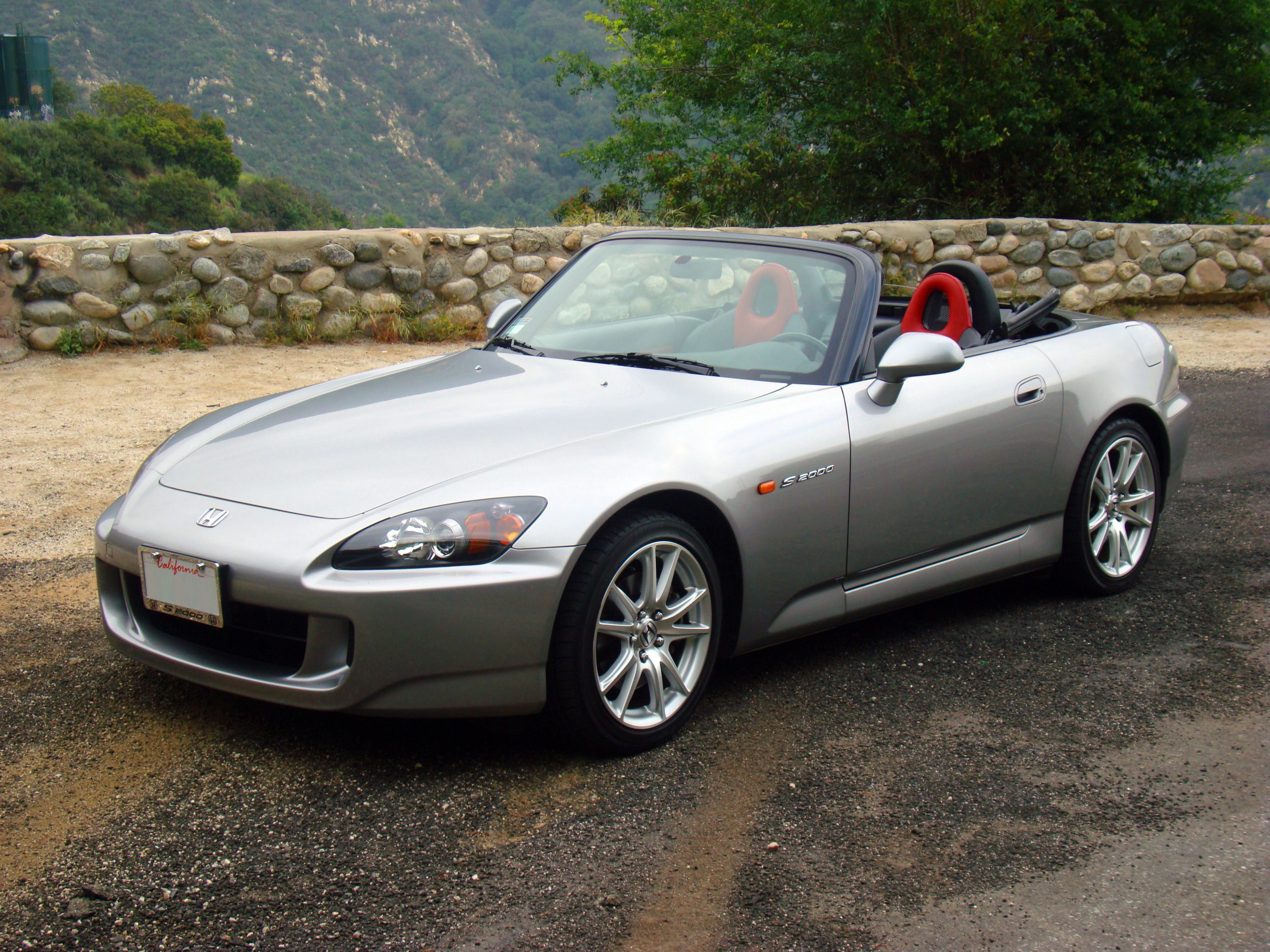
4. Honda S2000
The Honda S2000 is another excellent example of a lightweight sports car designed with driver enjoyment as a priority. Introduced in 1999, the S2000 gained fame for its high-revving 2.0-liter four-cylinder engine, which produced around 240 horsepower.
Despite its power, the car maintains a relatively low curb weight, typically under 2,800 pounds, which helps preserve agility and responsiveness. Its front-engine, rear-wheel-drive layout contributes to balanced handling characteristics.
What makes the S2000 special is its combination of a potent engine with precise chassis dynamics. The engine revs smoothly up to a redline above 8,000 rpm, delivering a thrilling power band that encourages drivers to keep the engine spinning.
The manual transmission is known for its crisp and accurate shifts, enhancing the feeling of control. The lightweight chassis, combined with a well-tuned suspension, gives the S2000 excellent cornering capabilities and composure.
The suspension setup includes double wishbones front and rear, which is a feature not often found in cars at this price point. This allows for precise control of wheel movement and helps keep the tires in optimal contact with the road.
The steering is quick and responsive, providing immediate feedback that helps drivers feel connected to the surface. This makes the S2000 capable of quick direction changes and confident handling on tight corners.
Inside, the S2000 is relatively spartan but driver-focused. The minimalist interior keeps weight down while ensuring that controls are intuitive and easy to reach.
The S2000 offers a balance of raw driving excitement and everyday usability that few cars can match. For enthusiasts looking for a lightweight car that delivers exhilarating handling with the added bonus of a lively engine, the Honda S2000 remains a standout choice.
5. Alpine A110
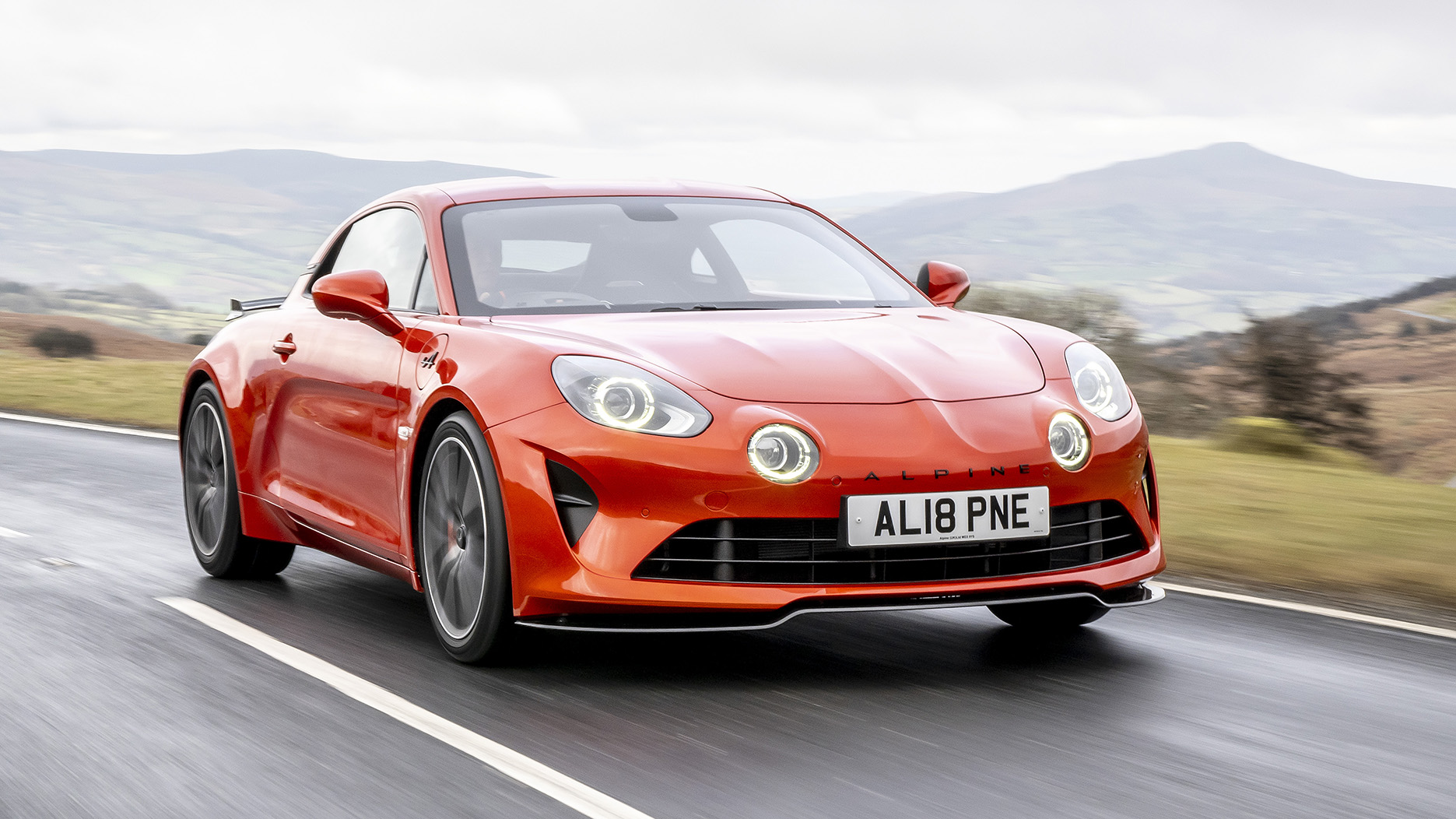
The Alpine A110 is a modern homage to the lightweight sports cars of the past, combining cutting-edge engineering with a strict focus on agility and driving pleasure.
This French sports car revives the legendary Alpine name with a compact and featherlight design, weighing in at around 2,400 pounds. Unlike many contemporary sports cars that have ballooned in size and weight due to added technology and luxury features, the A110 sticks to its lightweight roots, offering nimble handling that feels reminiscent of a go-kart.
Underneath its sculpted aluminum body lies a mid-engine layout paired with a turbocharged 1.8-liter four-cylinder engine producing around 250 horsepower.
This combination results in a car that feels balanced and lively on its feet. The mid-engine placement lowers the car’s center of gravity and ensures near-perfect weight distribution, allowing drivers to attack corners with confidence and precision. The power delivery is smooth and immediate, with the chassis eagerly responding to every input.
The suspension setup in the Alpine A110 is a key contributor to its exceptional handling characteristics. Using a double wishbone arrangement in the front and a multi-link design in the rear, the car maintains excellent grip and composure through turns.
The suspension is designed to absorb bumps without sacrificing responsiveness, making it comfortable enough for everyday driving but also capable on more spirited drives. The steering is light but communicative, giving the driver excellent feedback about what the front tires are doing.
Inside, the Alpine is minimal but well-appointed, focusing on the essentials that matter for driving. The light weight and compact dimensions create an environment that fosters focus and concentration.
Drivers often praise the way the car rewards smooth and precise inputs, making it feel like an extension of their own body. The A110 is a clear example of how modern technology can enhance the go-kart-like handling ethos without sacrificing comfort or style.
6. BMW Z3 M Coupe
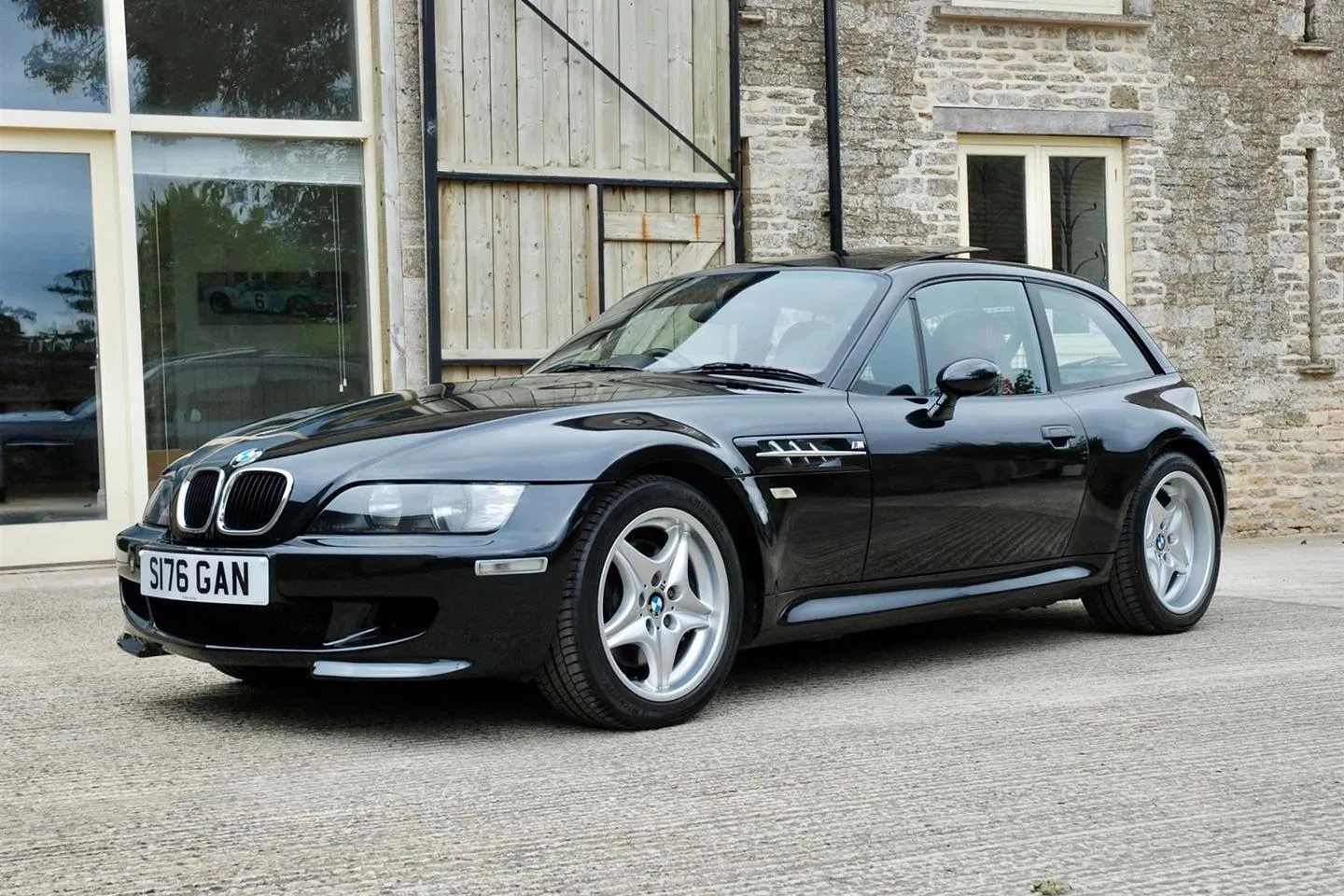
The BMW Z3 M Coupe is a unique blend of compact size, lightweight engineering, and powerful performance. Although it might not look like a typical go-kart on wheels due to its hatchback-like shape, it handles with surprising agility and precision.
Weighing around 3,000 pounds, the Z3 M Coupe is heavier than some of the other cars on this list, but its excellent chassis balance and rear-wheel-drive layout help it feel lighter than its weight would suggest.
The Z3 M Coupe comes equipped with a lively inline-six engine, offering between 240 to 321 horsepower depending on the model year.
This engine provides strong, linear power delivery with plenty of torque, which complements the car’s sharp handling. The manual transmission options available in the M Coupe are praised for their crisp and engaging shifts, helping to maintain a close connection between the driver and the machine.
The chassis dynamics of the Z3 M Coupe are enhanced by a well-tuned suspension system that features double wishbones in the front and a multi-link setup in the rear. This setup provides excellent grip and stability through corners while still maintaining a comfortable ride.
The relatively short wheelbase combined with the car’s weight distribution results in quick turn-in and minimal body roll. The steering is precise, with a balanced amount of feedback that helps drivers judge cornering limits accurately.
Though the Z3 M Coupe might not be the lightest car on this list, its solid construction and thoughtful engineering give it the feel of a smaller, more nimble vehicle. It offers a rare combination of performance, comfort, and practicality that makes it a versatile choice for enthusiasts who want a car that can handle like a go-kart while still being usable on a daily basis.
7. Ariel Atom
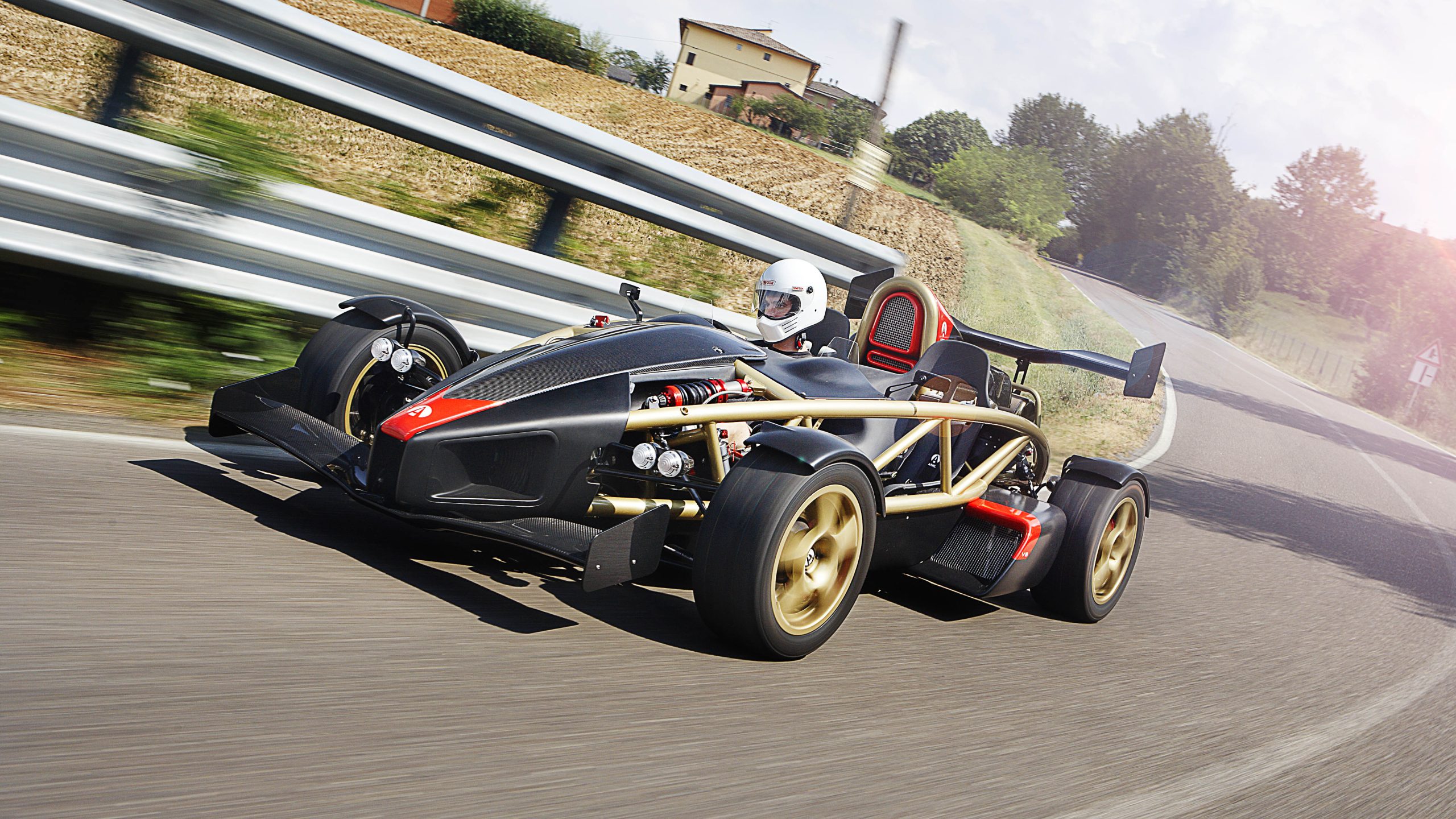
The Ariel Atom is one of the most extreme examples of a car that handles like a go-kart. Designed without any unnecessary body panels or comfort features, the Atom is essentially a race car for the street. It weighs around 1,350 pounds, which is incredibly light for a car with significant horsepower.
The minimalist design strips away everything except the essential components needed for performance, resulting in an unmatched connection between driver and machine.
Powered by a range of engines over the years, the Ariel Atom typically features a high-revving four-cylinder engine that delivers impressive horsepower relative to its weight.
The result is a car that accelerates explosively and corners with precision that few other vehicles can match. The chassis is a tubular steel space frame that provides excellent rigidity and minimal flex, helping the car maintain composure even under aggressive driving conditions.
The suspension setup on the Ariel Atom is designed to provide the utmost in responsiveness. With double wishbone suspension and coil-over dampers at each corner, the car reacts instantly to every input.
The lack of bodywork means that the driver feels every bump, texture, and ripple on the road, adding to the immersive driving experience. Steering is direct and razor-sharp, offering almost instantaneous feedback that allows for incredible precision.
Due to its lightweight nature and design focused purely on performance, the Ariel Atom is often described as more of a go-kart than a car. It’s a vehicle that rewards skill and concentration, and its raw driving experience is unlike anything else on the road. For those who want to feel the road at its most fundamental level, the Ariel Atom is an unforgettable choice.
8. Ford Fiesta ST
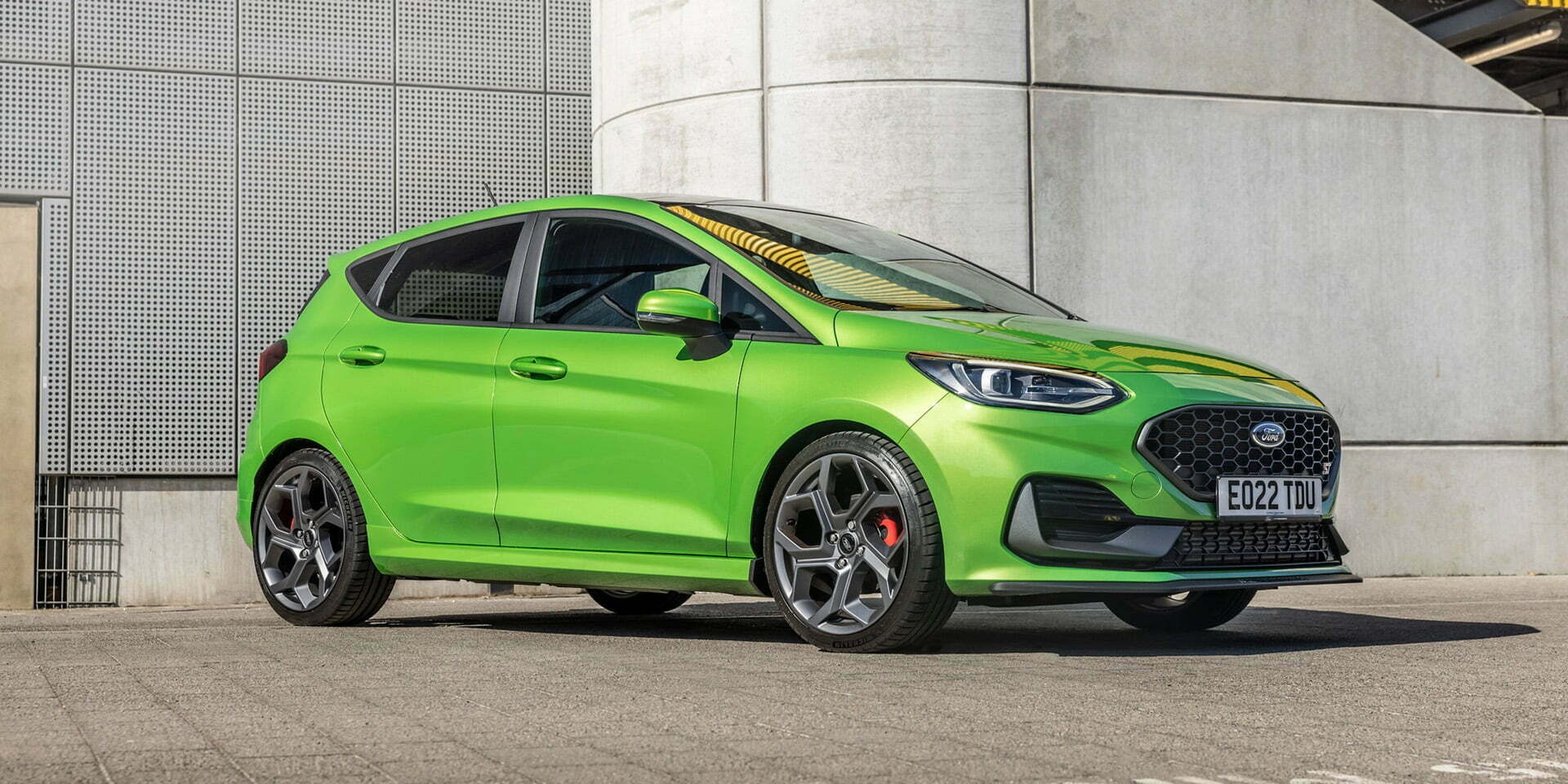
The Ford Fiesta ST is a small, front-wheel-drive hatchback that has gained a loyal following thanks to its lively character and surprisingly sharp handling.
Although it is heavier than many of the rear-wheel-drive sports cars on this list, the Fiesta ST’s lightweight chassis and nimble dynamics make it feel much smaller and more responsive than its size might suggest. It weighs around 2,700 pounds, which is light for a modern performance car, especially in the hot hatch category.
Under the hood, the Fiesta ST features a turbocharged 1.6-liter or 1.5-liter engine, depending on the model year, producing around 197 horsepower.
While these numbers may not seem extraordinary, the car’s low weight and efficient chassis allow it to punch well above its weight class. The turbocharged engine delivers strong mid-range torque, which, when combined with a quick-shifting manual transmission, provides lively and engaging acceleration.
The handling of the Fiesta ST is characterized by a tight and responsive steering system that provides excellent feedback. The suspension is tuned for sporty driving, with firm springs and dampers that help keep body roll in check while maintaining composure on rough surfaces.
Although front-wheel-drive cars can sometimes suffer from understeer, the Fiesta ST’s chassis is balanced in a way that minimizes this tendency, allowing for confident cornering and quick changes of direction.
Inside, the Fiesta ST focuses on driver engagement, with sport seats and a cockpit layout designed for quick access to controls. The combination of lightweight, turbocharged power, and sharp handling make it feel like a go-kart for the road. It offers an affordable, practical, and fun option for drivers seeking a lightweight car that is easy to drive daily but exciting when pushed.
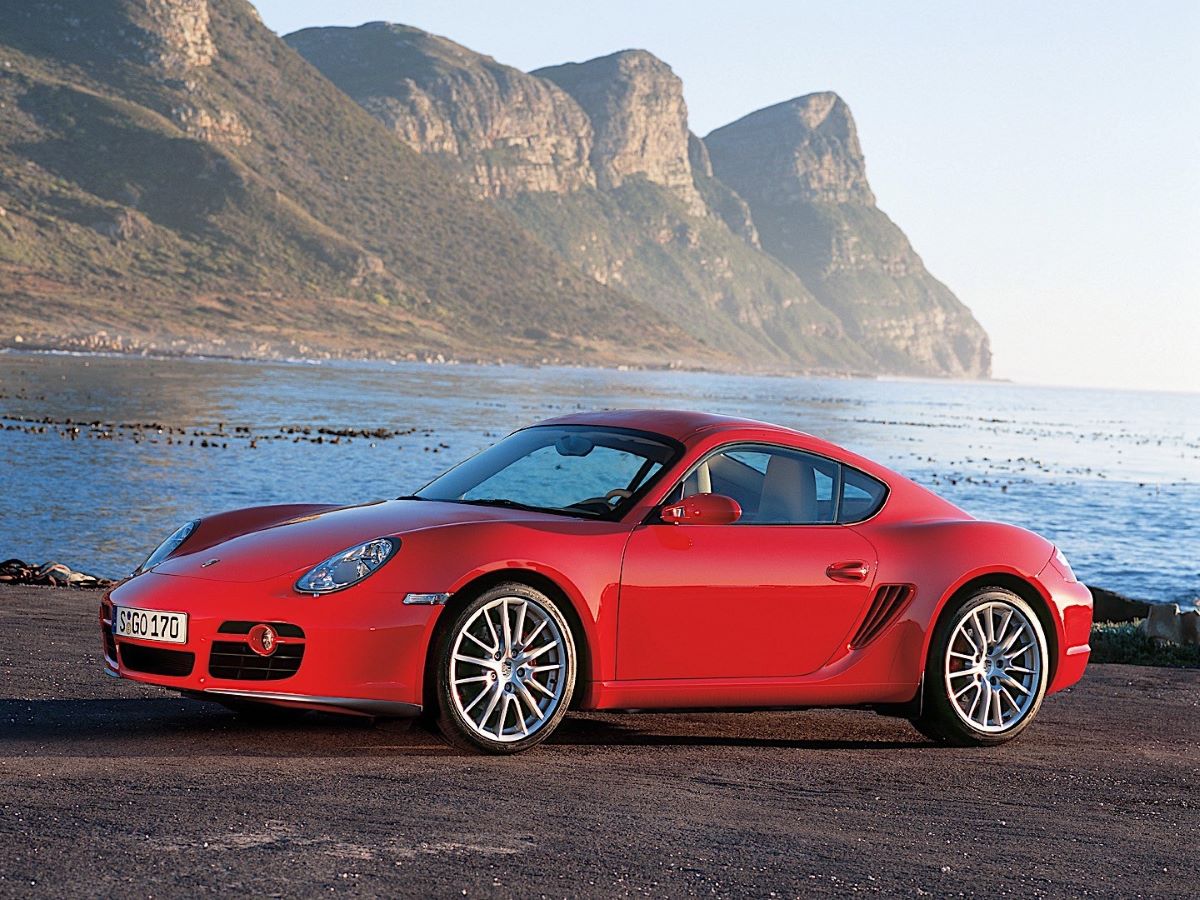
9. Porsche Cayman (987)
The Porsche Cayman 987 generation is widely praised for its balanced chassis and lightweight design that delivers a pure sports car experience.
Weighing approximately 2,900 pounds, it sits in a sweet spot where the car is light enough to be agile but substantial enough to feel planted and stable. The mid-engine layout is a defining characteristic, giving the Cayman excellent balance and allowing it to handle with precision reminiscent of a go-kart.
The Cayman comes with flat-six engines producing between 245 and 320 horsepower depending on the variant. These engines deliver smooth, linear power with plenty of torque, and when combined with the car’s balanced chassis, make for a thrilling driving experience. The manual transmission is renowned for its accuracy and smooth shifts, enhancing the driver’s control over the car’s dynamic behavior.
The suspension setup is a key part of the Cayman’s handling prowess. Featuring double wishbones front and rear, the chassis provides excellent control of wheel movement, enabling the car to maintain grip and composure even in high-speed corners.
The steering is precise, weighted perfectly to offer feedback without being overly heavy, and allows for confident placement of the car through technical sections of road or track.
Porsche’s attention to detail and engineering excellence make the Cayman a benchmark for lightweight sports cars that handle like go-karts. It is refined yet raw enough to reward skilled driving, with a chassis that feels connected and alive. For enthusiasts seeking a sports car that blends performance, refinement, and agility, the 987 Cayman remains a compelling choice.
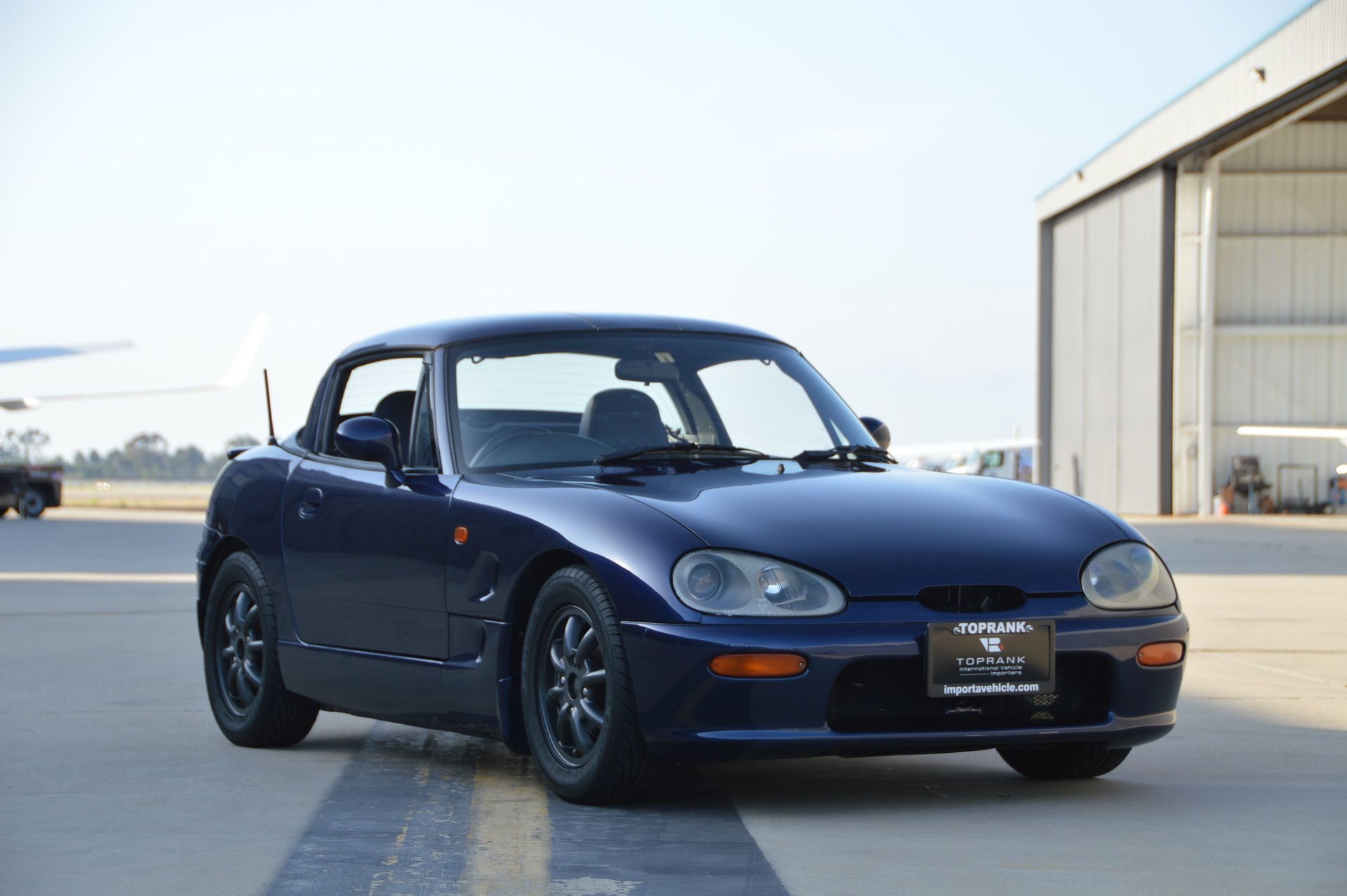
10. Suzuki Cappuccino
The Suzuki Cappuccino is a small, kei-class sports car that has developed a cult following due to its light weight and fun handling characteristics.
Designed primarily for the Japanese market, the Cappuccino weighs just under 1,700 pounds, making it incredibly light for a car with a roof and full interior. Its compact size and low curb weight contribute to its go-kart-like handling, especially on tight and twisty roads.
The car features a tiny turbocharged 660cc engine that produces around 63 horsepower. While this power figure is modest, the Cappuccino’s featherweight chassis allows it to feel lively and responsive.
The small engine revs freely, and the car’s low mass means it can accelerate and change direction quickly. The rear-wheel-drive layout also adds to the fun, providing a playful handling dynamic that invites drivers to push the limits in corners.
Suspension-wise, the Cappuccino utilizes independent suspension with MacPherson struts up front and a multi-link setup in the rear. The tuning prioritizes sharp handling and minimal body roll, creating a stable yet agile platform. Steering is quick and direct, offering excellent feedback despite the car’s small size. This combination makes the Cappuccino feel like an oversized go-kart on the road.
While the Suzuki Cappuccino may lack the power and modern amenities of other cars on this list, its charm lies in its simplicity and lightweight design. It offers a pure, unfiltered driving experience that reminds enthusiasts of what driving should be: fun, engaging, and connected to the road.
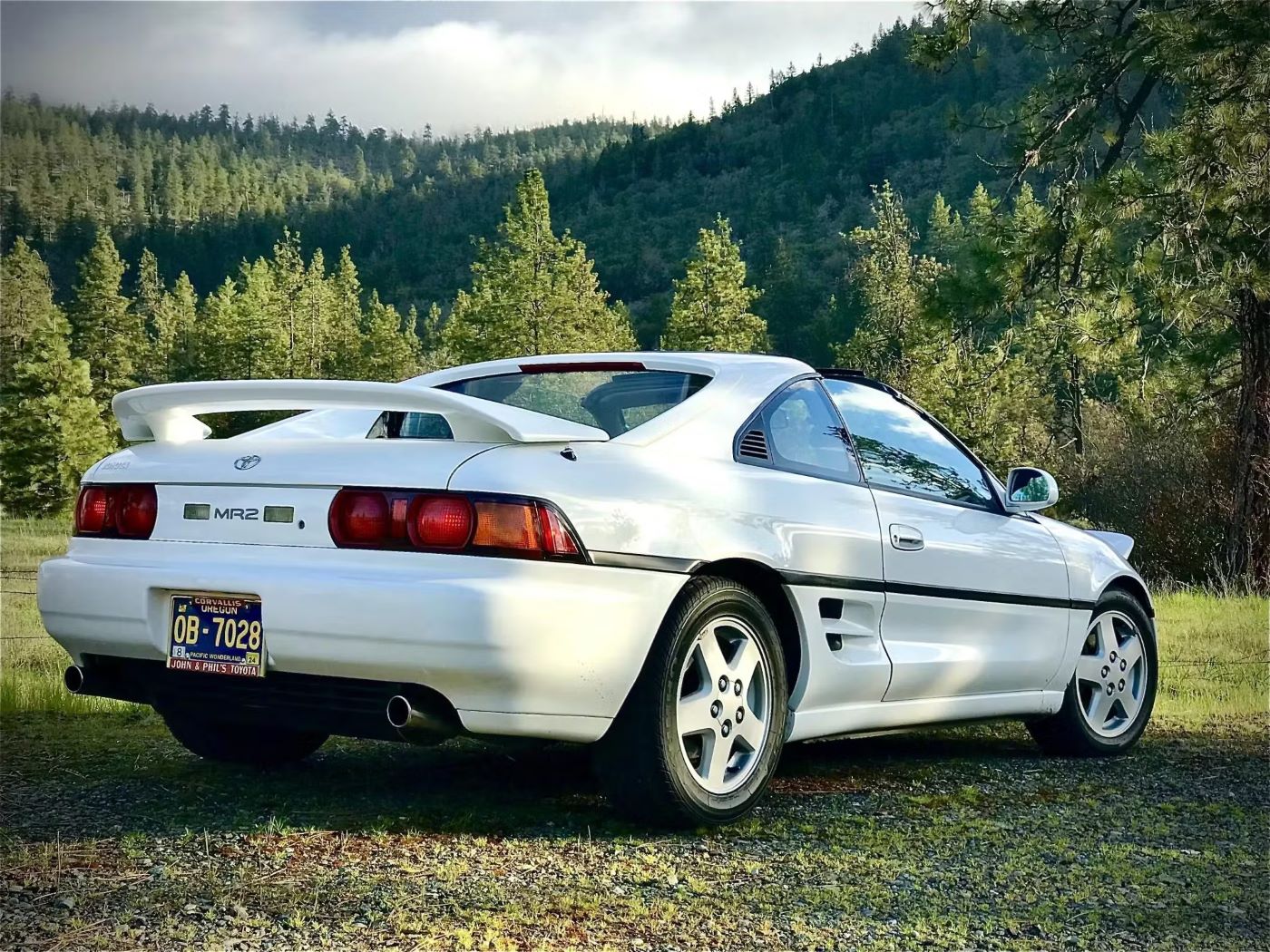
11. Toyota MR2 (AW11)
The first-generation Toyota MR2, known by its chassis code AW11, is one of the most underrated lightweight sports cars that delivers a genuine go-kart-like driving experience. Produced during the 1980s, the AW11 stood out with its mid-engine layout, low weight, and sharp handling characteristics.
Weighing just around 2,200 pounds, it brought performance and precision driving to a price range previously dominated by front-wheel-drive economy cars. Its compact size and balanced layout made it an instant hit among enthusiasts who valued driver involvement over raw speed.
The heart of the MR2 was a high-revving 1.6-liter inline-four engine sourced from Toyota’s 4A-GE family, producing around 112 horsepower. While that figure might sound modest today, the car’s light weight made it quick enough to feel exciting on twisty roads.
More importantly, the engine’s eager nature and smooth power delivery encouraged drivers to work through the gears and stay in the powerband. Paired with a slick five-speed manual transmission, the MR2 became a car that rewarded precision and smooth technique.
What really set the AW11 apart was its chassis balance and handling feedback. With the engine mounted just behind the driver and power going to the rear wheels, the MR2 offered excellent weight distribution and a low polar moment of inertia. This allowed for quick directional changes and minimal understeer.
The suspension, which used MacPherson struts at all four corners, was tuned to provide confidence-inspiring grip while still communicating road conditions clearly through the seat and steering wheel. Steering was quick and direct, with no power assistance in early models, which further increased driver engagement.
The MR2’s playful yet forgiving nature made it approachable for less experienced drivers while still being entertaining for skilled enthusiasts. It responded eagerly to steering and throttle inputs, and its small footprint allowed it to dance through tight corners with little effort.
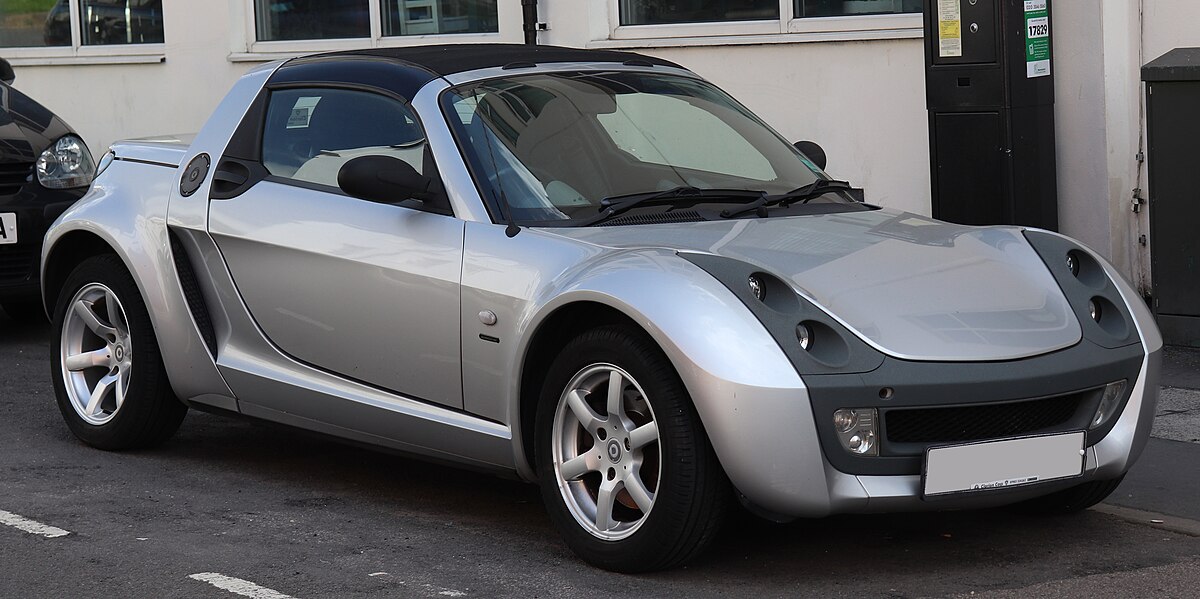
12. Smart Roadster
The Smart Roadster is one of the most unusual entries on this list, but it deserves recognition for its quirky charm and genuine go-kart-like driving dynamics. Produced by Smart between 2003 and 2006, the Roadster was a compact, two-seater sports car designed with European city driving in mind.
Despite its unusual looks and underwhelming reputation in some circles, the Roadster’s curb weight of just around 1,800 pounds allowed it to deliver engaging handling and surprising agility, especially on narrow, twisty roads where bigger cars would struggle.
The Smart Roadster came equipped with a tiny 698cc three-cylinder turbocharged engine, producing just 60 to 80 horsepower depending on the version. While these numbers are certainly low, the featherweight body meant that performance was still lively.
Acceleration was more than adequate for urban and backroad use, and the small displacement engine contributed to the car’s character, buzzing eagerly as it climbed through the revs. What made the Smart Roadster entertaining wasn’t straight-line speed but the way it handled corners and responded to steering inputs.
One of the Roadster’s defining characteristics was its chassis, which was tuned for quick direction changes and flat cornering. The car featured a rear-engine, rear-wheel-drive layout, giving it balance and a low center of gravity that helped it feel planted and nimble.
The suspension, though soft enough for daily use, still kept the car composed during spirited driving. The compact wheelbase and low stance made it feel more like a four-wheeled toy than a conventional vehicle, reinforcing its go-kart comparison.
The interior was minimal and quirky, in keeping with the Smart brand’s philosophy, but the driving position and visibility were excellent. While the automated manual transmission was a frequent complaint among owners, many found ways to work around its quirks, and the car’s personality often made up for it.
For those who want a car that breaks from the norm and delivers fun, lightweight handling without breaking the bank or demanding huge power, the Smart Roadster offers a uniquely enjoyable experience. It’s a reminder that driving pleasure can come in unexpected packages.
