
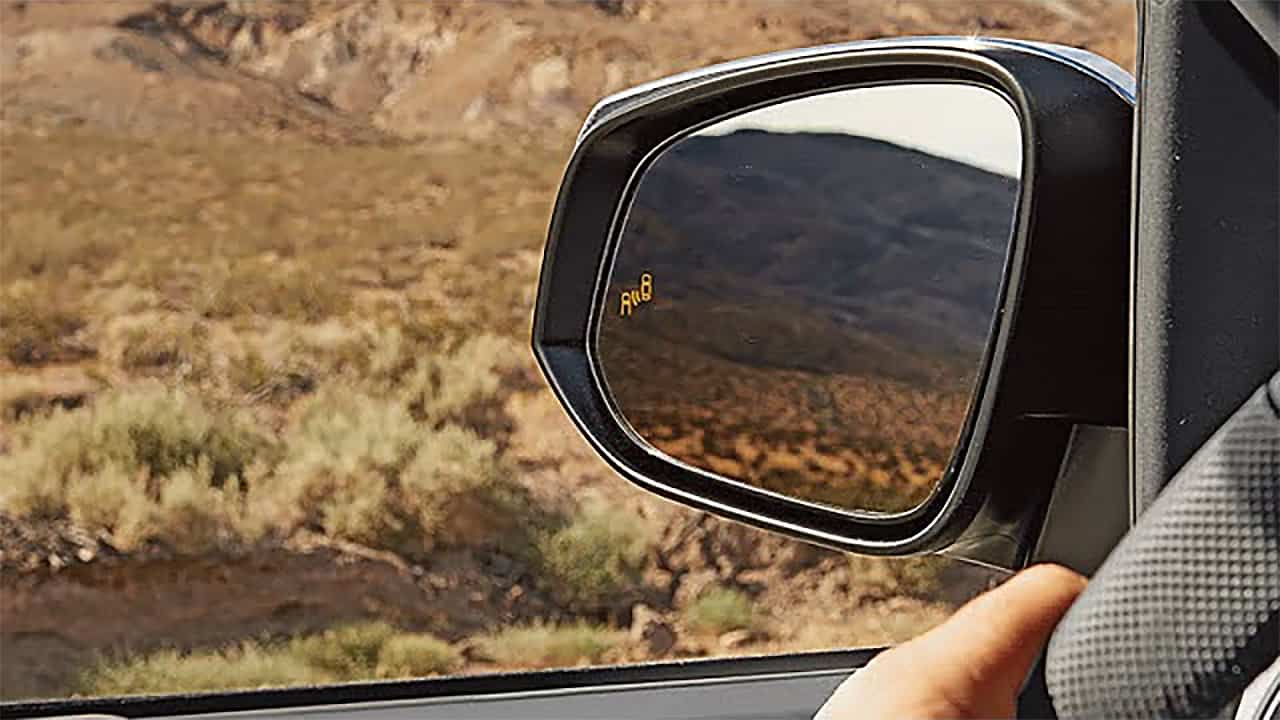
Confidence behind the wheel often comes down to what you cannot see. Blind spots remain one of the most common challenges drivers face, especially on busy highways where vehicles move quickly and space feels limited. Modern technology has stepped in to solve this problem, transforming the way drivers stay aware of their surroundings.
Blind spot monitoring systems have evolved far beyond simple warning lights. Today’s versions combine radar sensors, cameras, and intelligent alerts to deliver real-time information with impressive accuracy. These systems do more than notify you of nearby vehicles. They actively support safer lane changes, reduce driver stress, and create a smoother driving experience.
Choosing a vehicle with an advanced blind spot monitoring system can make a noticeable difference during daily commutes or long-distance trips. Some models stand out by offering faster detection, clearer alerts, and smarter integration with other safety features.
This guide highlights ten modern cars that excel in blind spot monitoring performance. Each one brings a unique approach to safety, combining innovation with practical design. Whether you value subtle alerts or more interactive assistance, these vehicles represent some of the most refined systems available today.
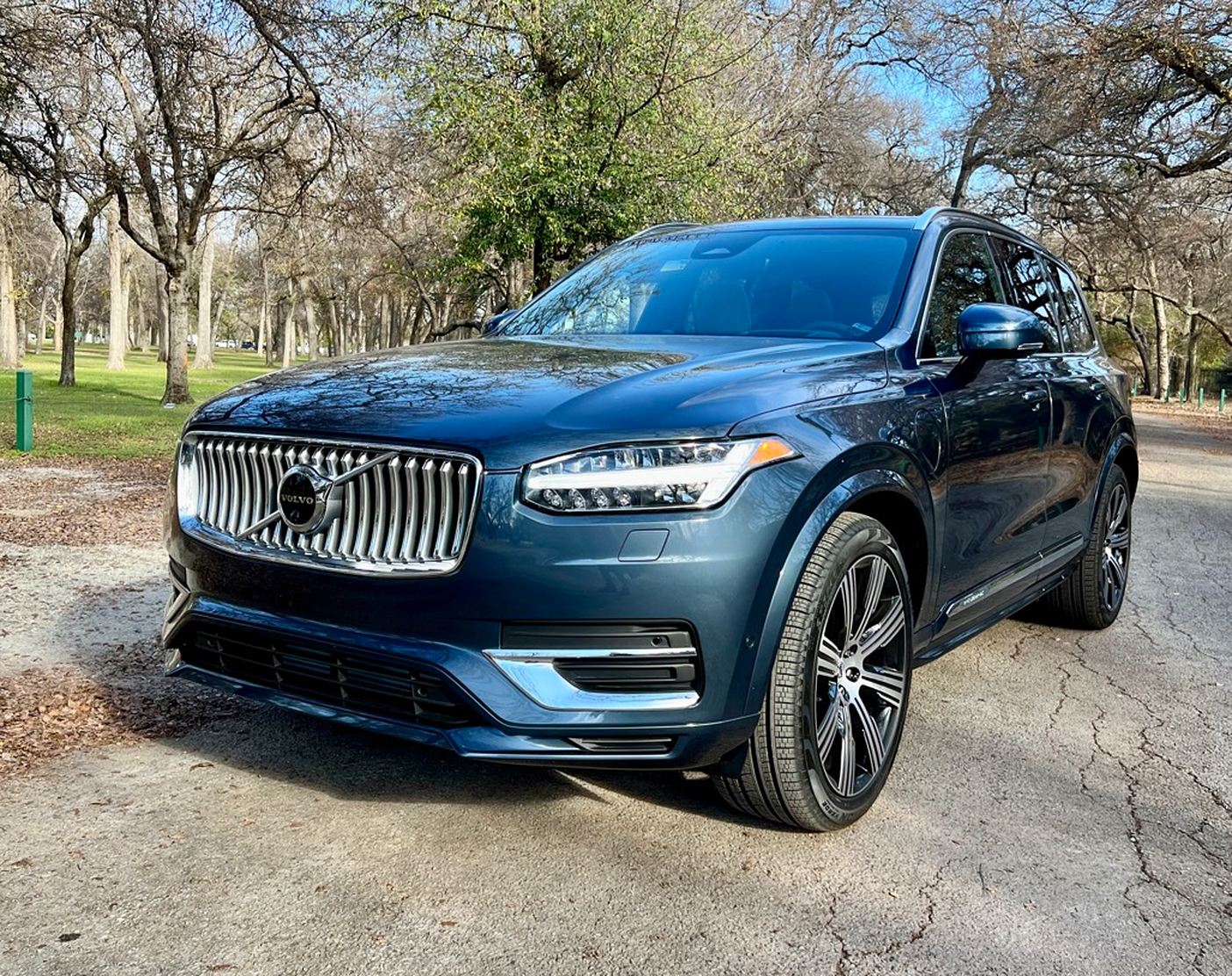
1. Smart Sensor Precision in the 2023 Volvo XC90 Recharge
Safety has always been a central focus for Volvo, and the 2023 Volvo XC90 Recharge reflects that commitment through its advanced blind spot monitoring system. Known as Blind Spot Information System with Steer Assist, this setup goes beyond basic alerts by actively helping the driver maintain a safe position on the road.
Rather than relying on a single sensor, the system uses a network of radar units positioned strategically around the vehicle. These sensors continuously scan adjacent lanes, detecting vehicles that may not be visible through mirrors. When another car enters a blind spot, a subtle indicator appears on the side mirror, providing a clear visual cue without causing distraction.
What sets this system apart is its ability to intervene when necessary. If a driver attempts to change lanes while another vehicle is present, the system gently adjusts steering input to guide the car back into its lane. This feature adds an extra layer of reassurance, especially in heavy traffic conditions where quick decisions are required.
Inside the cabin, the experience feels seamless. Alerts are designed to remain noticeable without becoming intrusive. Drivers receive the information they need without being overwhelmed by constant warnings. This balance makes the system effective during both short drives and extended trips.
Integration with other safety technologies enhances the overall performance. Lane keeping assistance and collision avoidance systems work alongside blind spot monitoring, creating a unified approach to driver support. Each component communicates with the others, ensuring consistent and reliable operation.
Driving the XC90 Recharge highlights how refined this technology has become. Lane changes feel more controlled, and awareness of surrounding vehicles improves naturally. The system supports the driver without taking away the sense of control.
Volvo’s approach demonstrates how thoughtful engineering can transform a common safety feature into something far more capable. The result is a driving experience that feels both secure and intuitive.
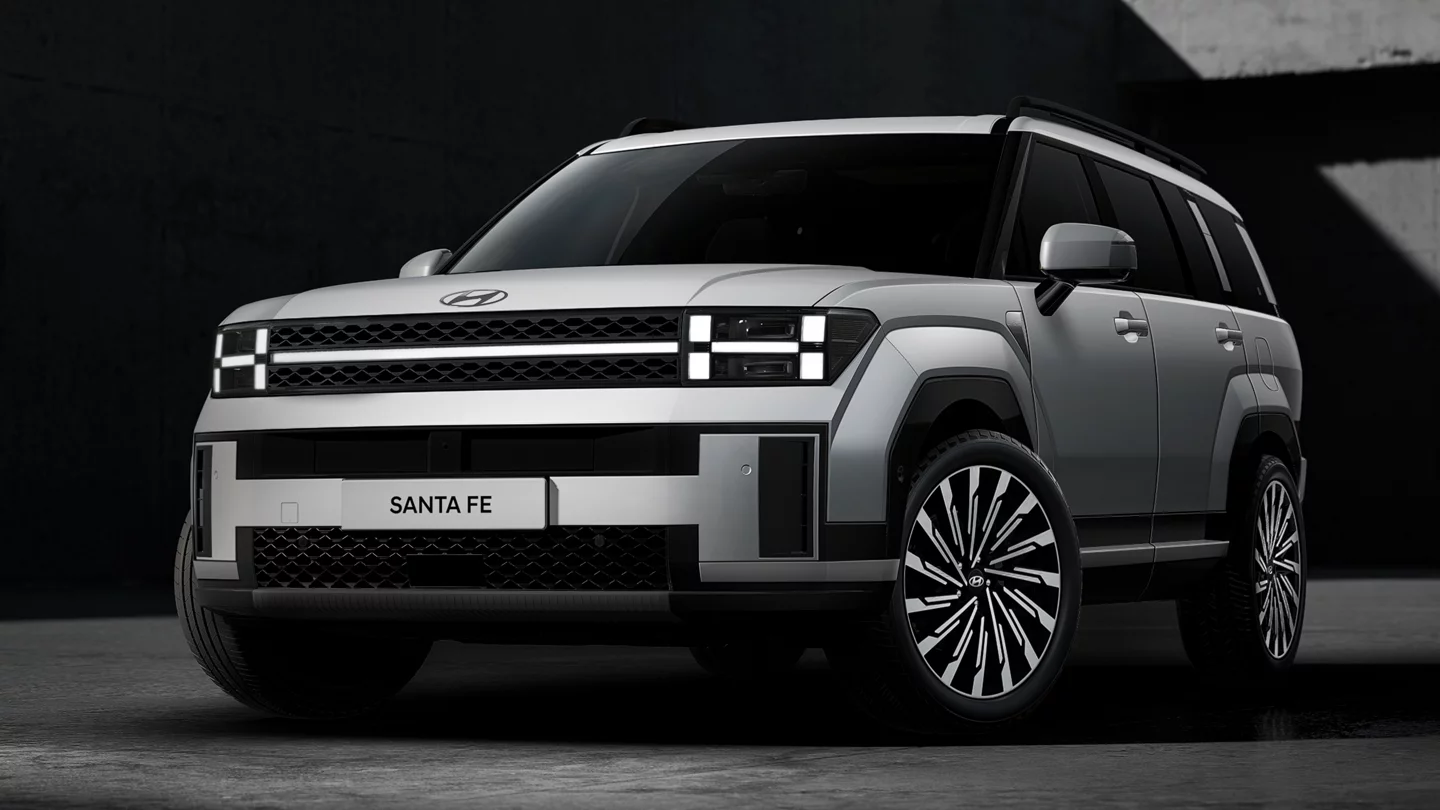
2. Camera-Based Clarity in the 2024 Hyundai Santa Fe Hybrid
Visual awareness takes center stage in the 2024 Hyundai Santa Fe Hybrid, where blind spot monitoring relies heavily on camera technology. Instead of limiting alerts to mirror indicators, this system provides a live video feed directly within the instrument cluster, offering a clear view of areas that are typically hidden.
Activate the turn signal, and the display changes instantly. A real-time image appears, showing the lane beside the vehicle with impressive clarity. This approach removes guesswork, allowing drivers to confirm whether it is safe to proceed. The system feels direct and informative, reducing reliance on indirect signals.
Cameras positioned along the sides of the vehicle capture high-resolution footage, even in less-than-ideal lighting conditions. This ensures consistent performance during both daytime and nighttime driving. The clarity of the display contributes to faster decision-making, which can be especially valuable in busy traffic environments.
Traditional blind spot indicators still play a role, providing quick visual alerts when another vehicle enters the monitored area. Combining these alerts with live video creates a layered system that supports multiple forms of awareness. Drivers can rely on whichever method feels most comfortable.
Comfort and usability remain priorities within the cabin. The transition between standard displays and camera feeds happens smoothly, avoiding sudden distractions. Information appears exactly when needed, then disappears once the maneuver is complete.
Practical use reveals how effective this system can be. Drivers gain a stronger sense of confidence during lane changes, supported by both visual confirmation and sensor-based alerts. This combination reduces uncertainty and enhances overall safety.
Hyundai’s approach focuses on clarity and accessibility. By presenting real-time visuals, the Santa Fe Hybrid offers a modern solution that aligns with the expectations of today’s drivers.
Also Read: 10 Cars With Intuitive Physical Controls That Reduce Modern Driver Distraction
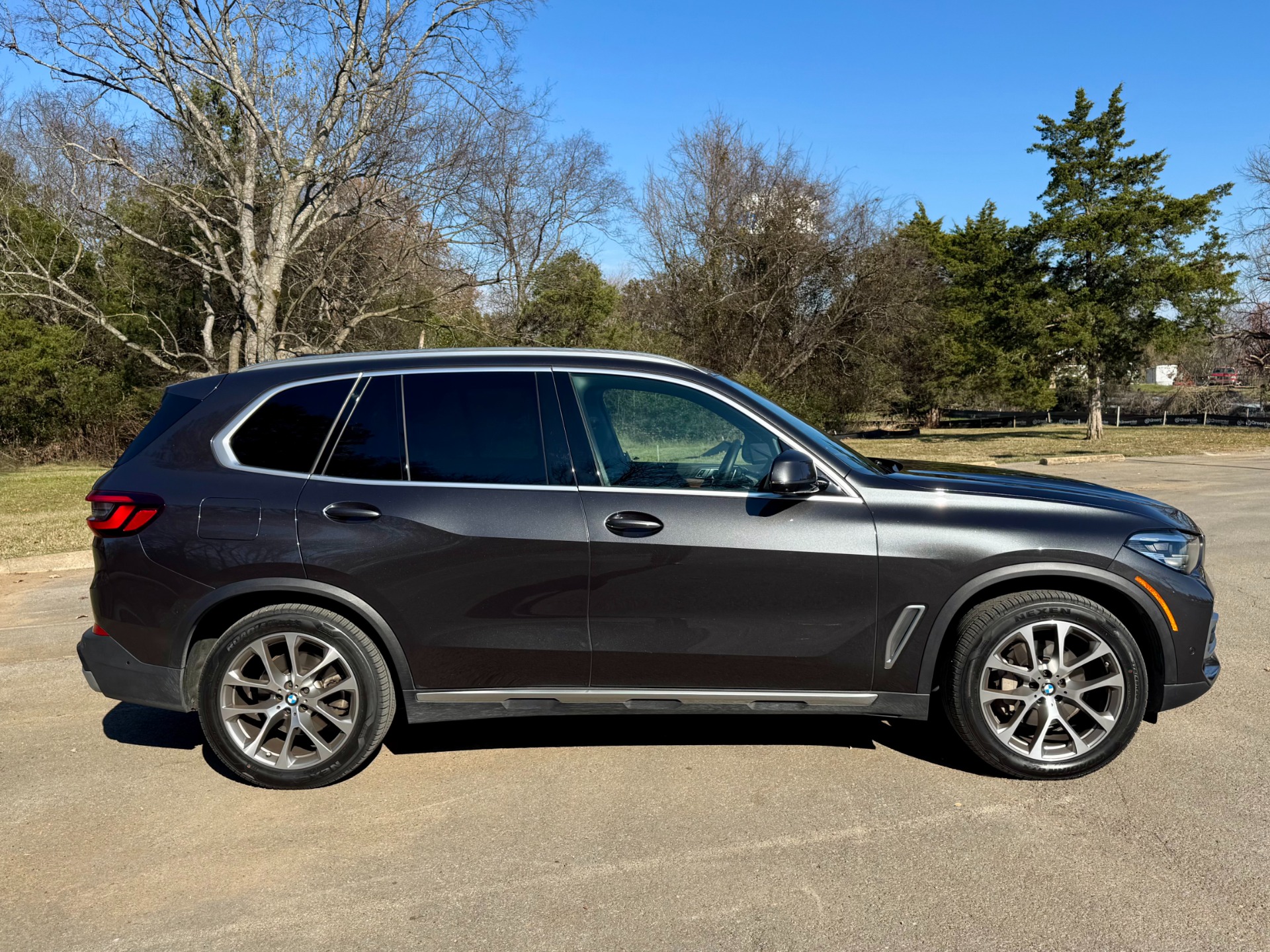
3. Active Intervention in the 2023 BMW X5 xDrive40i
Precision and control define the driving experience of the 2023 BMW X5 xDrive40i, and its blind spot monitoring system reflects that same philosophy. Designed to support driver awareness while maintaining performance, this system introduces active intervention when needed.
Sensors positioned along the vehicle continuously monitor surrounding traffic. When another car enters a blind spot, a warning light appears on the side mirror. This alert remains simple and effective, ensuring that drivers receive immediate feedback without distraction.
A more advanced feature activates when a lane change is attempted under unsafe conditions. The steering system applies gentle resistance, discouraging the maneuver while maintaining stability. This subtle intervention feels natural, guiding the driver without causing abrupt reactions.
Integration with BMW’s driver assistance suite enhances the system’s effectiveness. Adaptive cruise control and lane departure warning work together with blind spot monitoring, creating a cohesive network of safety features. Each component contributes to a broader sense of awareness.
Inside the cabin, the system operates quietly in the background. Alerts appear only when necessary, allowing drivers to focus on the road ahead. This restraint ensures that the technology supports rather than interrupts the driving experience.
Real-world use highlights the benefits of this approach. Drivers gain confidence when changing lanes, supported by timely alerts and responsive steering feedback. The system feels like an extension of the driver’s instincts rather than a separate entity.
BMW’s implementation demonstrates how performance-oriented vehicles can still prioritize safety. The X5 xDrive40i delivers a balanced experience that combines responsiveness with thoughtful driver assistance.
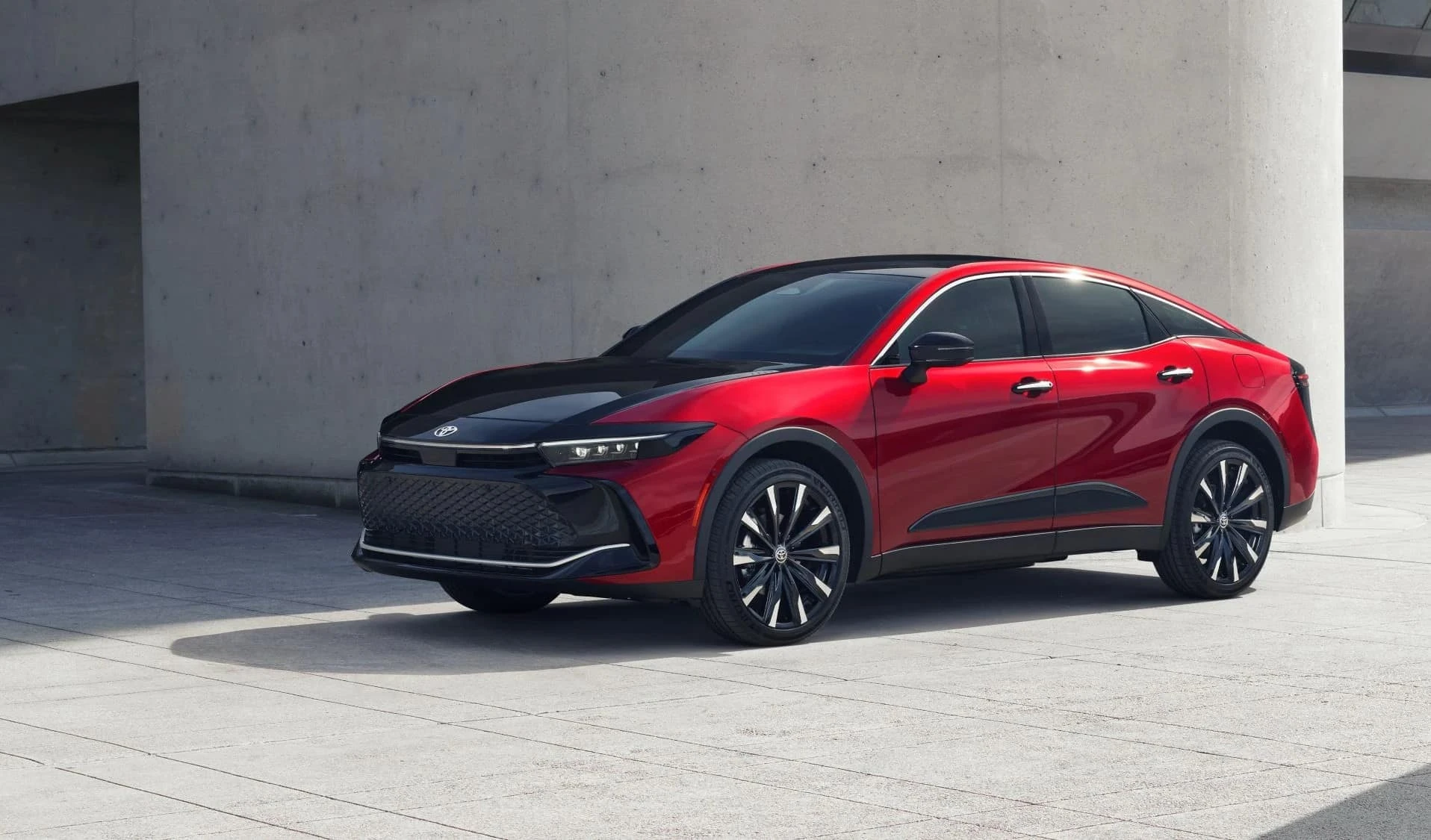
4. Multi-Angle Radar Awareness in the 2024 Toyota Crown Platinum
The 2024 Toyota Crown Platinum introduces a carefully developed approach to blind spot monitoring through the use of a multi-angle radar awareness system. This system is designed to extend the driver’s field of perception beyond conventional limits, providing a wider and more dependable view of surrounding traffic. By improving visibility around the vehicle, it supports more informed decision-making and enhances confidence during daily driving.
Radar sensors are positioned at strategic points around the vehicle to ensure broad and consistent coverage. These sensors operate continuously, tracking movement in adjacent lanes and areas slightly beyond the standard blind spot range.
This expanded detection capability allows the system to identify vehicles approaching at speed from behind, giving the driver sufficient notice to respond appropriately and avoid unsafe manoeuvres. Information is communicated through clearly defined channels, including indicators mounted on the side mirrors and notifications displayed on the dashboard.
These alerts are presented in a direct and straightforward manner, ensuring that the driver receives timely warnings without confusion. Care has been taken to prevent excessive or unnecessary signals, allowing the system to remain effective without becoming distracting during use.
Lane change assistance forms an important part of this arrangement. Once the driver indicates an intention to move into another lane, the system evaluates surrounding traffic conditions in real time. Based on this assessment, it provides immediate feedback to guide the driver’s action.
This feature reduces uncertainty and encourages smoother and safer lane transitions, especially in busy traffic conditions. The interior design of the Crown Platinum complements the radar system by ensuring that all information is presented in an organised and accessible format.
Displays are clear and easy to interpret, while alerts are positioned within the driver’s natural line of sight. This thoughtful arrangement minimises the need for unnecessary movement, allowing the driver to maintain proper attention on the road.
In practical driving situations, the value of the multi-angle radar system becomes evident. Drivers are able to maintain a broader awareness of surrounding vehicles, including those that may not be immediately visible through mirrors alone.
This improved perception contributes to a more composed and controlled driving experience, particularly on highways and in densely populated traffic areas. Toyota places strong emphasis on reliability and clarity in its safety systems, and this commitment is evident in the Crown Platinum.
The integration of extended radar coverage with intuitive alert mechanisms creates a dependable support structure for modern driving conditions. It improves situational awareness while maintaining ease of use, ensuring that drivers can rely on the system without unnecessary difficulty.
Through the effective combination of advanced sensing technology and user-centred design, the 2024 Toyota Crown Platinum provides a practical solution for enhancing driver awareness. It supports safer driving behaviour in a manner that feels natural, consistent, and unobtrusive.
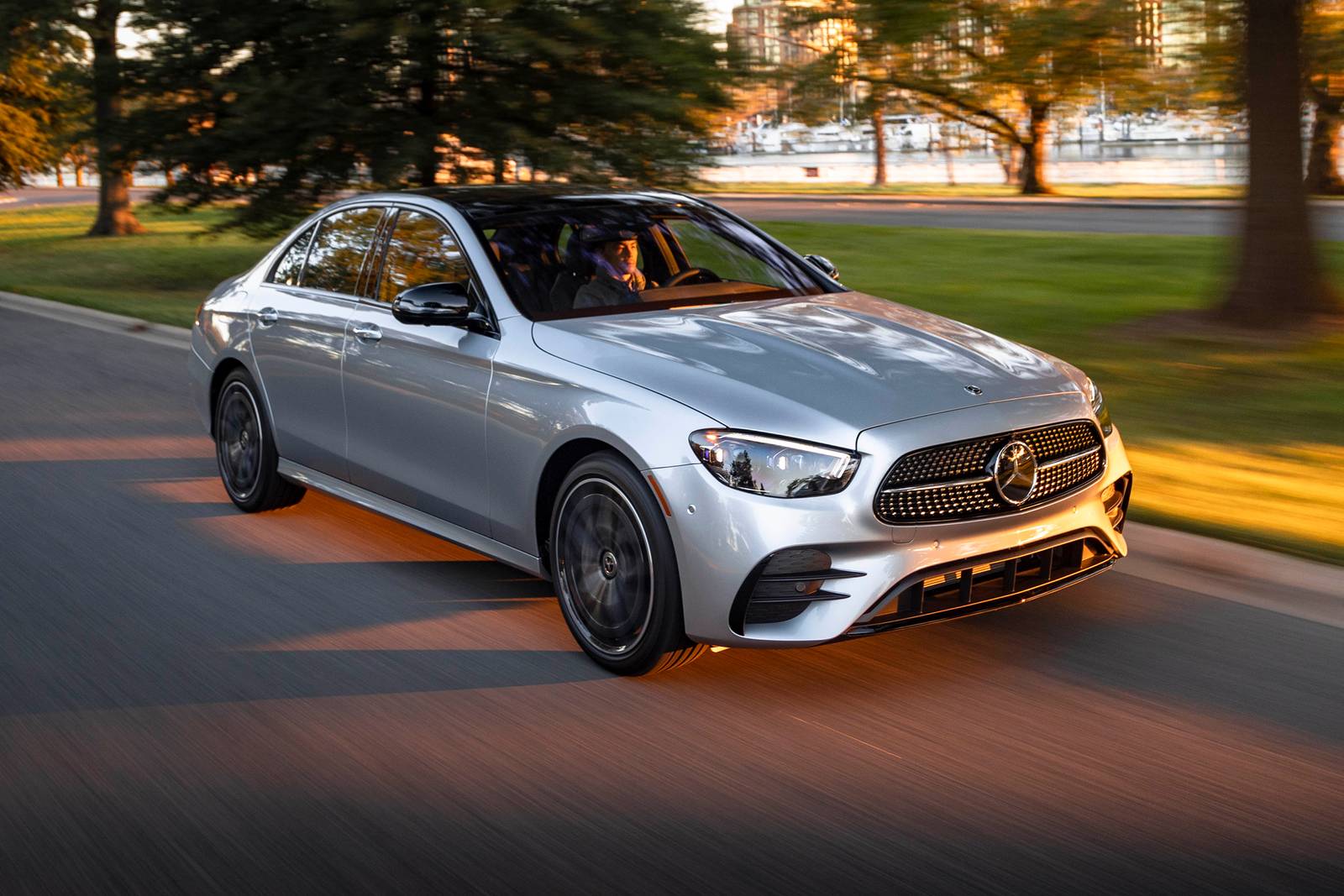
5. Intelligent Warning System in the 2023 Mercedes-Benz E-Class E 350
The 2023 Mercedes-Benz E-Class E 350 offers a well-developed approach to driver safety through its intelligent warning system, which operates as part of a broader network of assistance features. This system focuses on delivering precise and timely information, ensuring that drivers remain properly informed of potential hazards while maintaining concentration on the road.
At its foundation are sensors that continuously observe the vehicle’s surroundings, particularly areas alongside the car that may not be fully visible through standard mirrors. When another vehicle enters these monitored zones, illuminated indicators appear on the side mirrors to alert the driver. This immediate response helps to prevent unsafe lane changes and supports better judgment in traffic.
A distinctive feature of this system is its ability to protect in situations beyond normal driving conditions. When the vehicle is stationary, and a door is about to be opened, the system checks for approaching vehicles or cyclists from behind.
If a risk is detected, a warning is issued to prevent a possible collision. This function reflects a broader commitment to safety by addressing everyday situations that are often overlooked. Within the cabin, alerts are delivered in a calm and controlled manner.
Visual indicators are supported by subtle audio signals, ensuring that the driver is properly informed without unnecessary disturbance. This balanced method of communication allows the system to remain effective while preserving comfort within the vehicle.
The intelligent warning system operates in coordination with other safety features present in the E-Class E 350. Systems such as active lane keeping assist and collision prevention assist work alongside blind spot monitoring to provide a comprehensive safety arrangement.
This coordinated operation improves performance and ensures that each feature contributes effectively to driver support. During regular driving, the advantages of this integrated system are clearly observed. The driver benefits from improved awareness and a greater sense of control, allowing for confident responses to changing road conditions. The smooth interaction between systems reduces uncertainty and supports stable vehicle handling.
Mercedes-Benz demonstrates careful attention to detail through the design and operation of this system. From the accuracy of its sensors to the clarity of its alerts, each component is developed to meet high standards. The result is a safety feature that is both dependable and refined, reflecting the brand’s established reputation.
By combining advanced detection technology with clear and structured communication, the intelligent warning system in the 2023 E-Class E 350 provides effective support for drivers. It enhances awareness, reduces potential risks, and maintains a high level of comfort, making it an important part of the vehicle’s design.
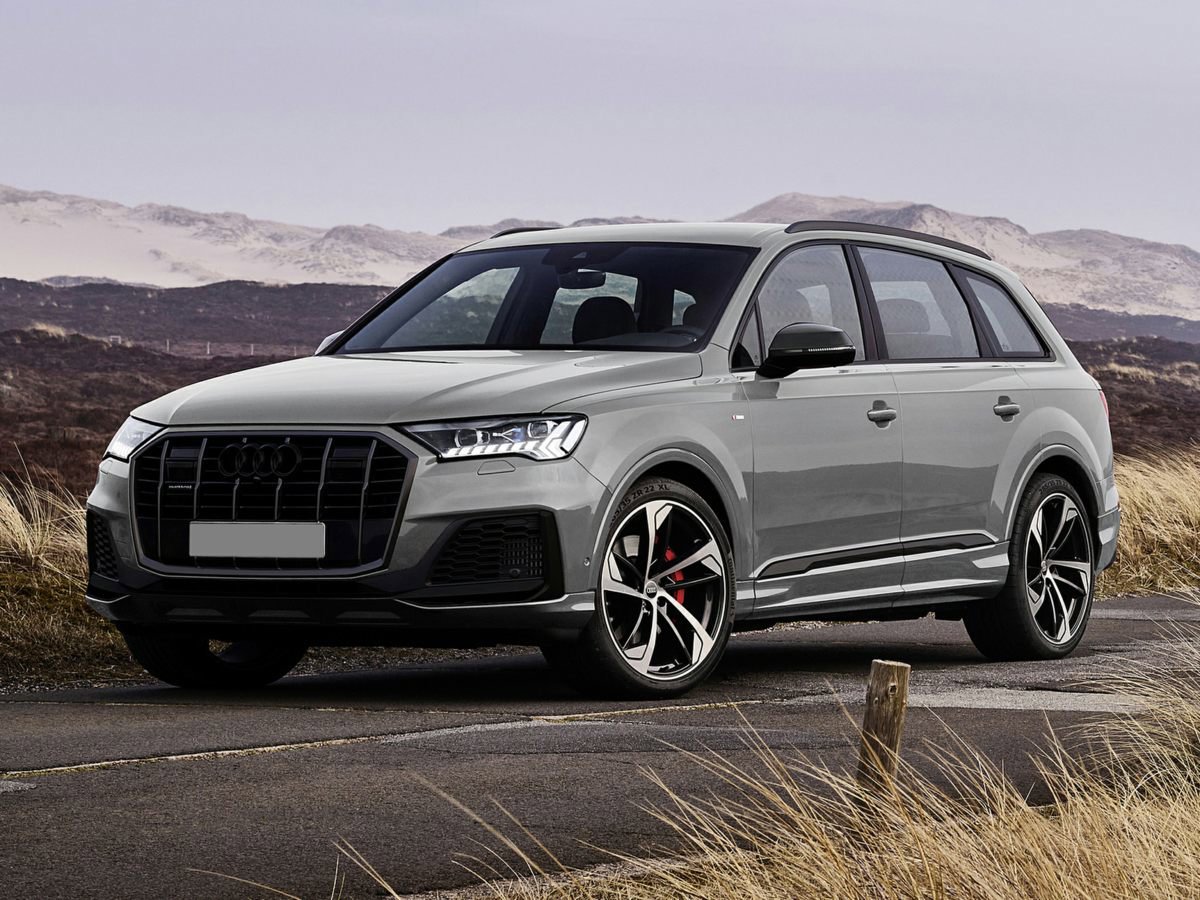
6. Surround View Intelligence in the 2024 Audi Q7 Premium Plus
Precision takes a visual turn in the 2024 Audi Q7 Premium Plus, where blind spot monitoring works alongside a highly refined surround view system. Rather than limiting awareness to side mirrors and warning lights, this setup builds a complete picture of the vehicle’s surroundings, giving drivers a broader sense of spatial awareness.
Audi integrates radar sensors with multiple cameras placed around the vehicle. These cameras feed into a central display, creating a live composite image that highlights nearby vehicles and objects. When a car enters a blind spot, visual cues appear both on the display and on the side mirrors, reinforcing awareness through multiple channels.
Lane change assistance adds another dimension to the system. Once the driver activates a turn signal, the system evaluates the speed and position of approaching vehicles. If conditions are unsafe, alerts appear immediately, allowing the driver to pause and reassess. This process happens quickly, supporting confident decision-making.
Interior presentation remains clean and focused. The digital interface organizes information in a way that feels natural, avoiding clutter while still delivering essential details. Drivers can glance at the display without losing focus on the road, which strengthens usability during active driving.
Practical use reveals how effective this integration can be. Instead of relying solely on instinct or mirror checks, drivers gain access to a visual confirmation that enhances confidence. This proves especially useful in dense traffic, where quick decisions are often required.
Audi’s approach emphasizes awareness through clarity. By combining camera feeds with radar detection, the Q7 Premium Plus delivers a system that feels both advanced and accessible. The result is a driving experience supported by consistent, well-presented information.
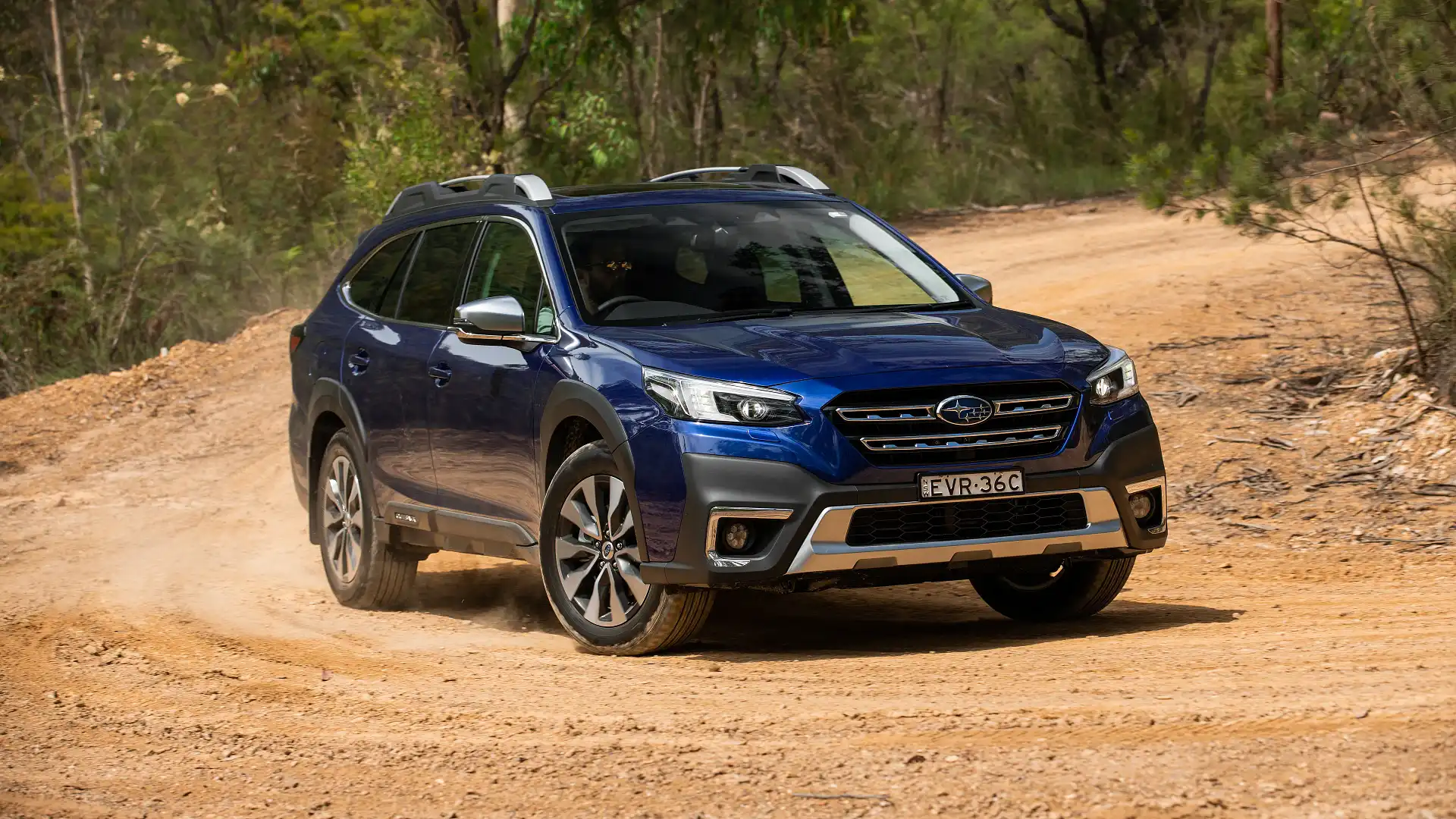
7. Highway Confidence Boost in the 2023 Subaru Outback Touring XT
Confidence on long highway drives becomes more attainable in the 2023 Subaru Outback Touring XT, where blind spot monitoring focuses on consistency and reliability. Subaru’s approach leans toward simplicity, ensuring that drivers receive clear alerts without unnecessary complication.
Sensors positioned along the rear sides of the vehicle monitor adjacent lanes continuously. When another vehicle enters the monitored area, an indicator lights up on the side mirror, providing immediate visual feedback. This straightforward system allows drivers to respond quickly without second-guessing.
Lane change assistance enhances the experience by adding audible alerts when a driver signals while a vehicle is present in the blind spot. This dual-warning approach ensures that the message is received even if the visual indicator is missed momentarily.
Driving conditions on highways often involve steady speeds and frequent lane changes. In such scenarios, consistency matters. The Outback Touring XT delivers alerts with dependable timing, helping drivers maintain awareness throughout extended journeys.
Cabin design supports this functionality by keeping distractions to a minimum. Alerts are noticeable but not intrusive, allowing drivers to remain focused. This balance contributes to a relaxed driving experience, even during long trips.
Integration with Subaru’s EyeSight driver assistance system further strengthens performance. Adaptive cruise control and lane centering work alongside blind spot monitoring, creating a cohesive support system that enhances safety.
Experience behind the wheel highlights the value of this approach. Drivers gain confidence in their surroundings, supported by a system that communicates clearly and reliably. Subaru prioritizes practicality, ensuring that the technology serves its purpose without unnecessary complexity.
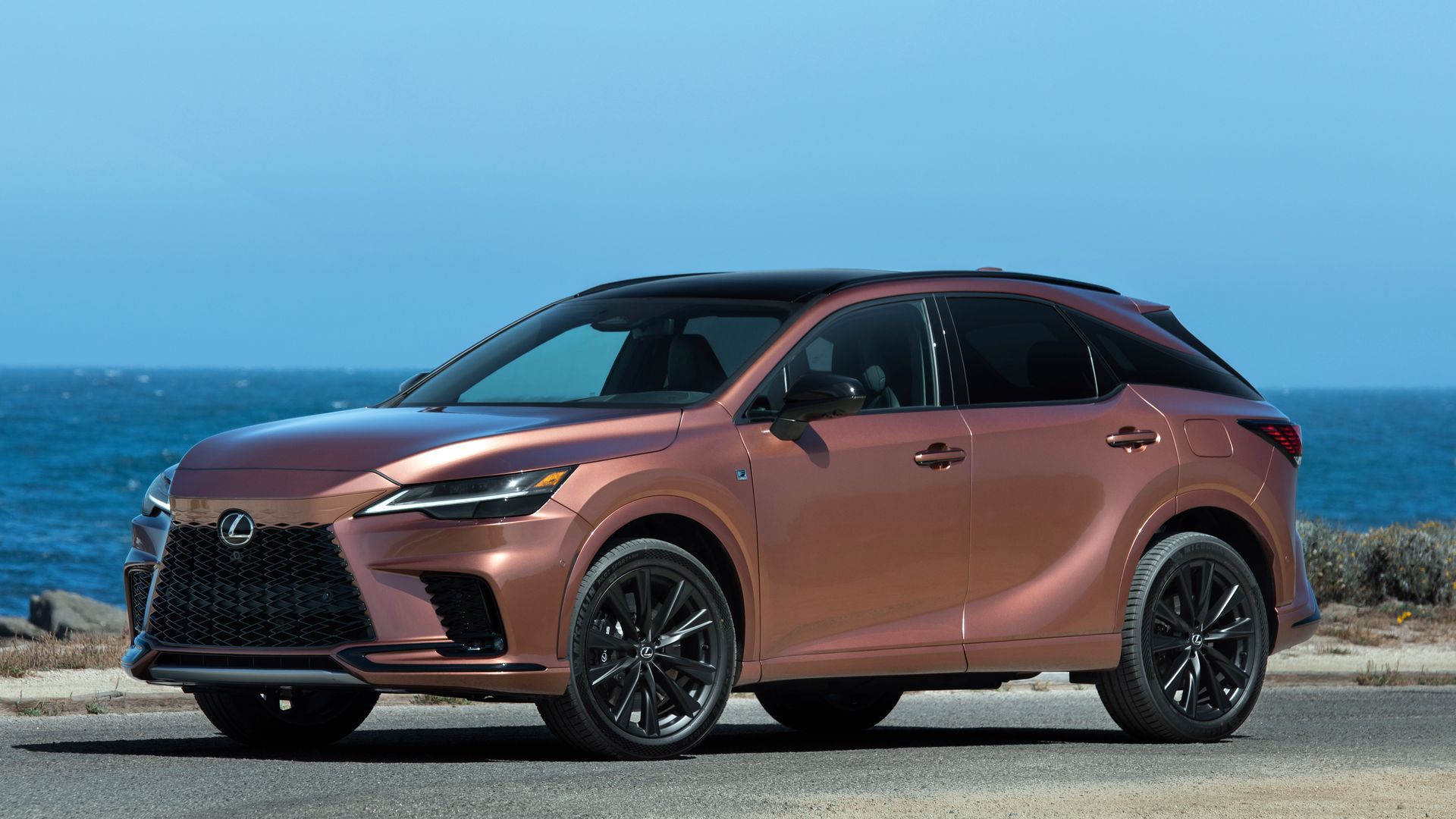
8. Advanced Radar Mapping in the 2024 Lexus RX 500h F Sport Performance
Refinement and precision define the blind spot monitoring system in the 2024 Lexus RX 500h F Sport Performance. Lexus takes a sophisticated approach by incorporating advanced radar mapping, allowing the system to track surrounding vehicles with impressive accuracy.
Radar units continuously scan adjacent lanes, building a real-time map of nearby traffic. This mapping process enables the system to detect not only the presence of vehicles but also their speed and trajectory. As a result, alerts are delivered with a higher level of accuracy.
Visual indicators appear on the side mirrors, accompanied by dashboard notifications when necessary. These alerts remain clear and concise, ensuring that drivers can respond quickly without distraction. Timing plays a crucial role, and Lexus calibrates the system to provide warnings at the right moment.
Lane change assistance enhances safety by evaluating conditions before a maneuver is completed. If another vehicle approaches rapidly, the system issues a warning that encourages the driver to wait. This proactive approach reduces the likelihood of unsafe lane changes.
Interior design complements the technology through a clean and organized layout. Displays present information in a way that feels intuitive, allowing drivers to interpret alerts without hesitation. This clarity supports confident driving.
Real-world performance highlights the system’s strengths. Drivers benefit from accurate detection and timely feedback, which improves awareness during both city and highway driving. The system adapts to varying traffic conditions, maintaining consistent performance.
Lexus combines advanced engineering with thoughtful presentation, delivering a blind spot monitoring system that emphasizes precision and ease of use. The RX 500h F Sport Performance reflects a commitment to safety that enhances the driving experience.
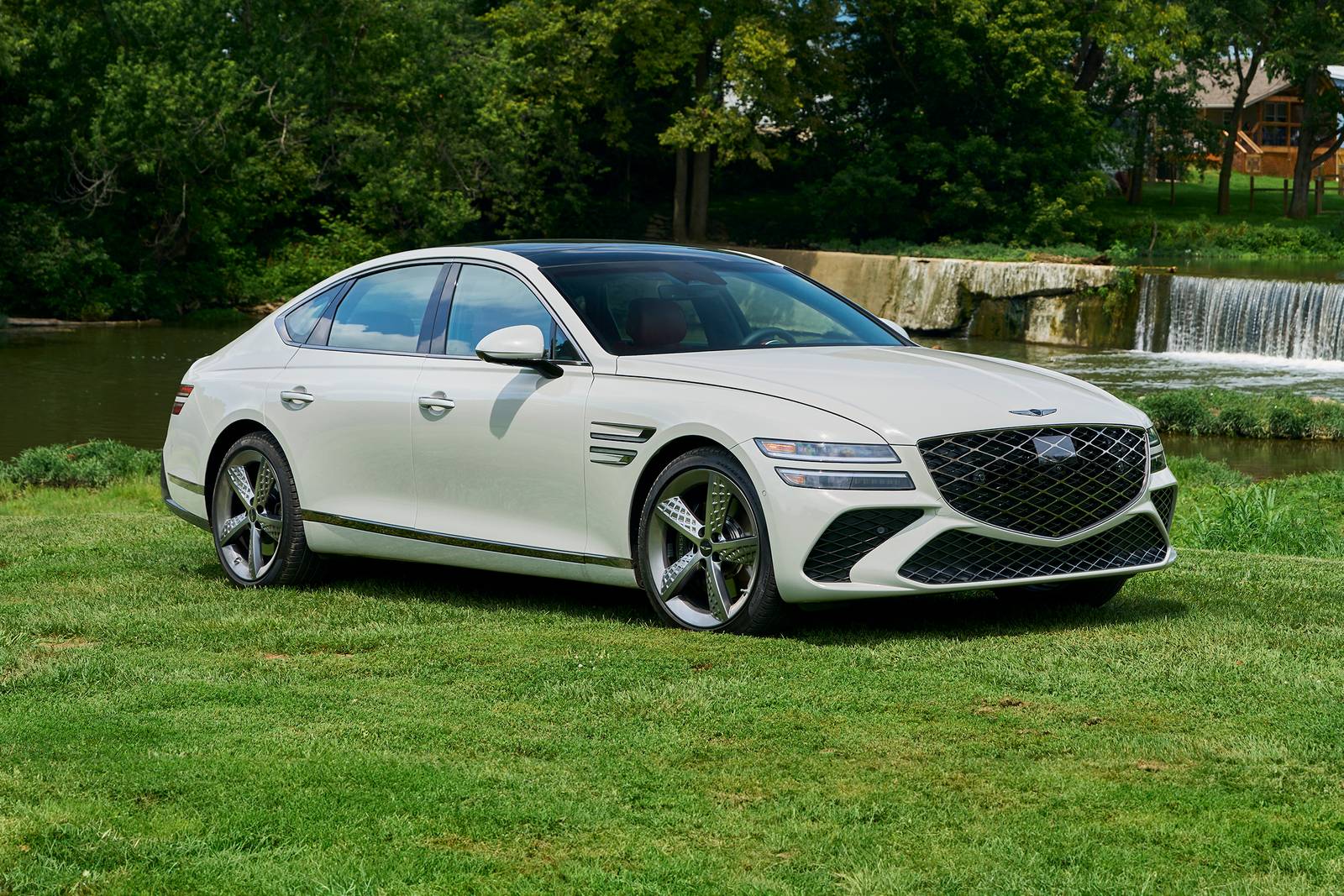
9. Digital Mirror Integration in the 2023 Genesis G80 3.5T Sport
Innovation takes a distinctive form in the 2023 Genesis G80 3.5T Sport, where blind spot monitoring integrates directly with digital display technology. This system replaces traditional reliance on mirrors alone, offering a more detailed view of surrounding traffic.
Activate the turn signal, and the instrument cluster displays a live camera feed of the corresponding blind spot. This immediate visual confirmation allows drivers to assess conditions with greater accuracy. The display appears seamlessly, then disappears once the maneuver is complete.
Cameras positioned strategically around the vehicle capture high-quality images, ensuring clarity under various lighting conditions. This reliability supports consistent performance during both daytime and nighttime driving.
Traditional indicators remain in place, providing an additional layer of awareness. When combined with the camera feed, these alerts create a comprehensive system that addresses different driver preferences. Some may rely on visual signals, while others benefit from real-time video.
Interior design enhances usability by placing the display within the driver’s natural line of sight. This positioning allows for quick glances without diverting attention from the road. The transition between standard gauges and camera feed feels smooth and intentional.
Driving the G80 3.5T Sport highlights how effective this system can be. Lane changes feel more controlled, supported by clear and immediate information. The technology reduces uncertainty, allowing drivers to act with confidence.
Genesis presents a modern interpretation of blind spot monitoring, combining digital innovation with practical application. The result is a system that enhances awareness while maintaining a refined driving experience.
Also Read: 10 Best Modern Trucks That Use Traditional Classic Styling Cues for 2026
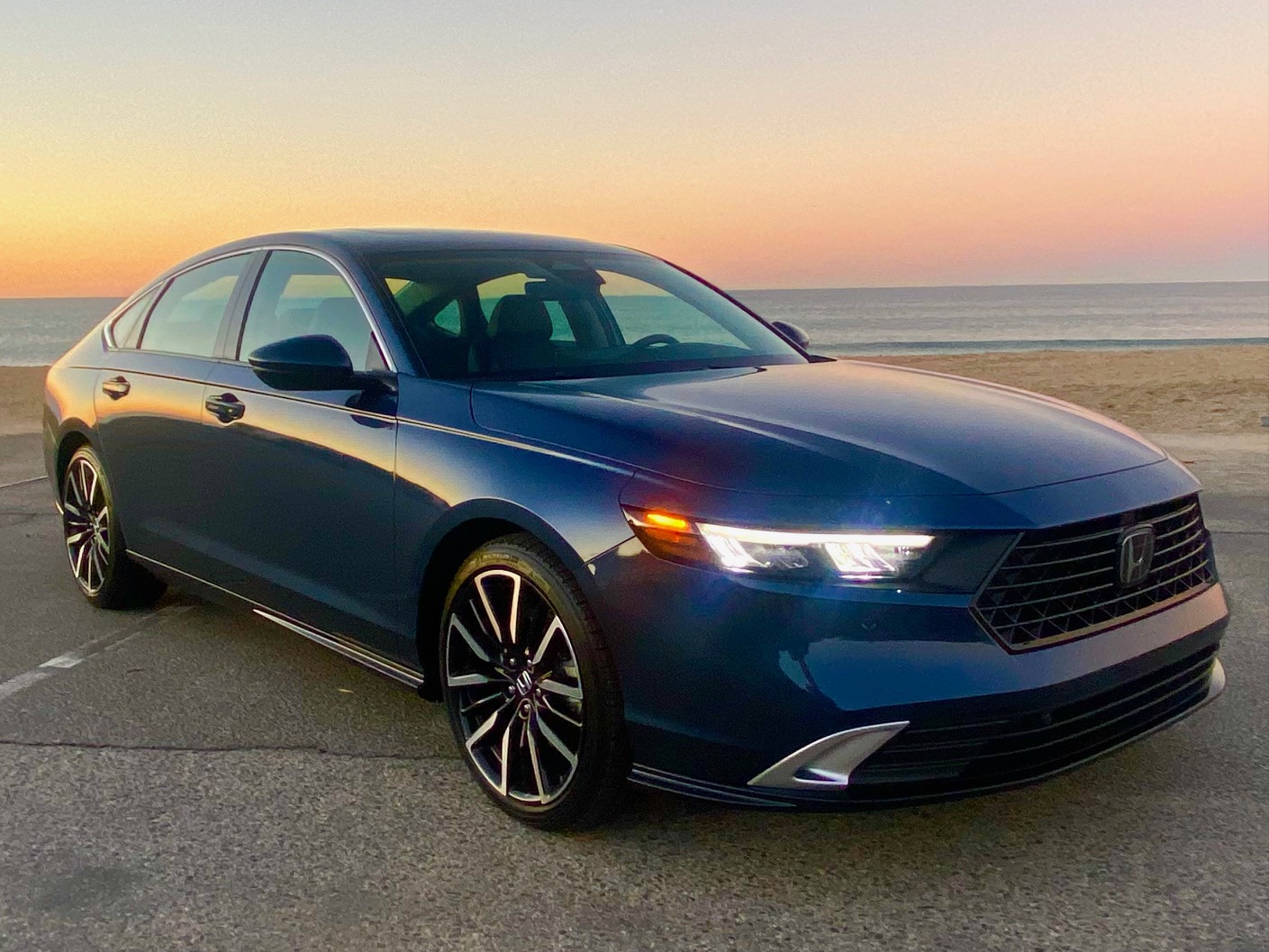
10. Predictive Alert System in the 2024 Honda Accord Touring Hybrid
Forward-thinking design defines the blind spot monitoring system in the 2024 Honda Accord Touring Hybrid. Honda introduces a predictive approach that focuses on anticipating potential hazards rather than simply reacting to them.
Sensors monitor adjacent lanes continuously, tracking the position and speed of nearby vehicles. This data allows the system to identify situations where a vehicle may enter the blind spot shortly. Alerts are delivered in advance, giving drivers additional time to respond.
Visual indicators appear on the side mirrors, supported by dashboard notifications when necessary. These alerts remain clear and easy to interpret, ensuring that drivers receive information without confusion. Timing remains a crucial factor, and the system delivers warnings with precision.
Lane change assistance evaluates conditions before the maneuver is completed. If the system detects a potential conflict, it issues a warning that encourages caution. This proactive approach enhances safety by reducing the likelihood of sudden reactions.
Cabin layout supports the system through clear displays and intuitive controls. Information appears in a way that feels natural, allowing drivers to remain focused. This simplicity contributes to a comfortable driving experience.
Performance on the road confirms the effectiveness of this design. Drivers benefit from early warnings and consistent feedback, which improves awareness in both urban and highway settings. The system adapts to changing conditions, maintaining reliability.
Honda’s predictive approach demonstrates how blind spot monitoring continues to evolve. By focusing on anticipation, the Accord Touring Hybrid delivers a system that supports safer and more confident driving.
