
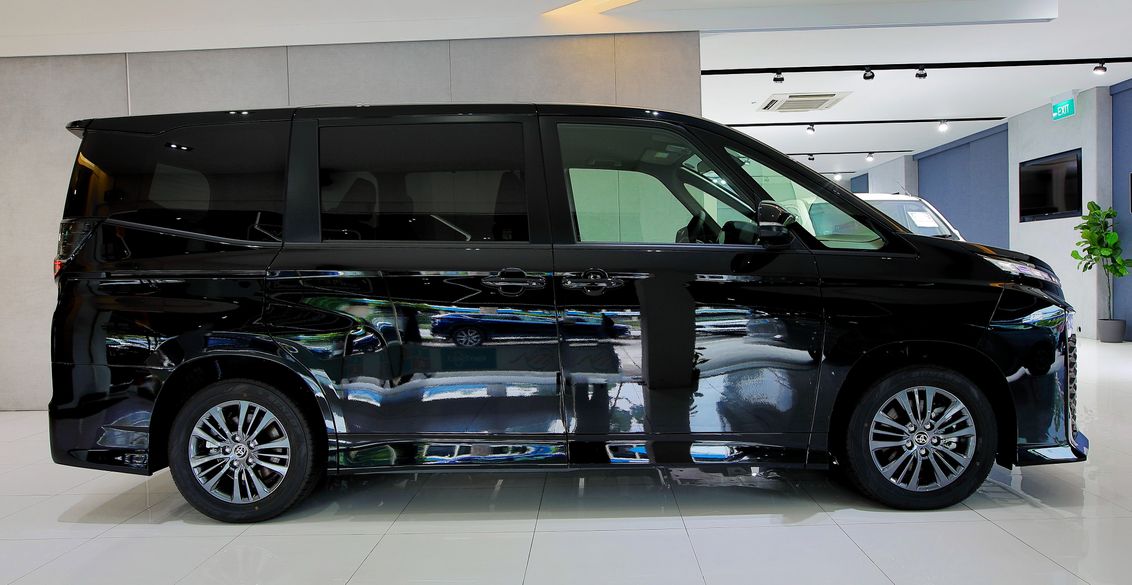
The shift toward hybrid vehicles has changed how people think about practicality, efficiency, and daily usability. While SUVs have dominated the market for years, hybrid minivans are quietly redefining what a family-focused vehicle can deliver.
They combine the spaciousness people want with fuel efficiency that traditional gas-powered SUVs struggle to match.
For many buyers, the default choice has long been an SUV. It feels rugged, versatile, and capable. However, when you look closely at real-world needs such as commuting, family transport, road trips, and cargo handling, the advantages of a hybrid minivan become much clearer.
These vehicles are designed with purpose, not just image, and that difference shows in everyday use.
Fuel efficiency is one of the biggest factors driving this shift. Rising fuel costs and increased environmental awareness have made hybrid systems far more appealing. A hybrid minivan allows you to carry more people and cargo while consuming less fuel, which directly impacts long-term ownership costs.
Beyond efficiency, interior space plays a crucial role. Minivans are built from the ground up to maximize passenger comfort and cargo flexibility.
Unlike SUVs that often compromise third-row space or cargo access, minivans prioritize usability in every row. This makes them especially valuable for families or anyone who frequently travels with multiple passengers.
Technology and convenience features also contribute to their appeal. Modern hybrid minivans are packed with practical innovations that make daily driving easier. From sliding doors to configurable seating, every element is designed to reduce effort and improve accessibility.
Another important aspect is driving comfort. Hybrid systems tend to deliver smoother acceleration and quieter operation, which enhances the overall experience, especially in urban environments. This is something many traditional gas SUVs cannot replicate as effectively.
Choosing between a hybrid minivan and a gas SUV is no longer just about preference. It is about understanding which vehicle aligns better with your actual needs. The following reasons highlight why a 2026 hybrid minivan stands out as a smarter and more practical choice for modern drivers.
Also Read: 8 Reasons to Take a Professional Driving Course Even as an Experienced Driver
1. Superior Fuel Efficiency for Daily Driving Needs
One of the most compelling reasons to choose a hybrid minivan is the clear advantage in fuel efficiency. Unlike traditional gas SUVs that rely entirely on internal combustion engines, hybrid systems combine electric power with gasoline to reduce fuel consumption significantly. This difference becomes noticeable almost immediately in daily driving.
In city conditions, where stop-and-go traffic is common, hybrid minivans truly shine. The electric motor takes over during low-speed driving, reducing the need for fuel. Every time you slow down or stop, energy is recovered and reused, making the system far more efficient than a standard engine that simply wastes that energy.
For families or individuals with long commutes, this efficiency translates into real savings. Fewer trips to the fuel station not only reduce expenses but also save time. Over months and years, the difference in fuel costs between a hybrid minivan and a gas SUV can become substantial.
Highway driving also benefits from hybrid assistance. While the gasoline engine handles most of the load at higher speeds, the electric motor still contributes when needed, ensuring smoother transitions and optimized fuel usage. This balance allows hybrid minivans to maintain consistent efficiency across different driving conditions.
Another important factor is reduced dependency on fuel price fluctuations. When fuel prices rise, gas SUV owners feel the impact immediately. Hybrid minivan owners, on the other hand, experience a smaller increase in operating costs due to their improved efficiency.
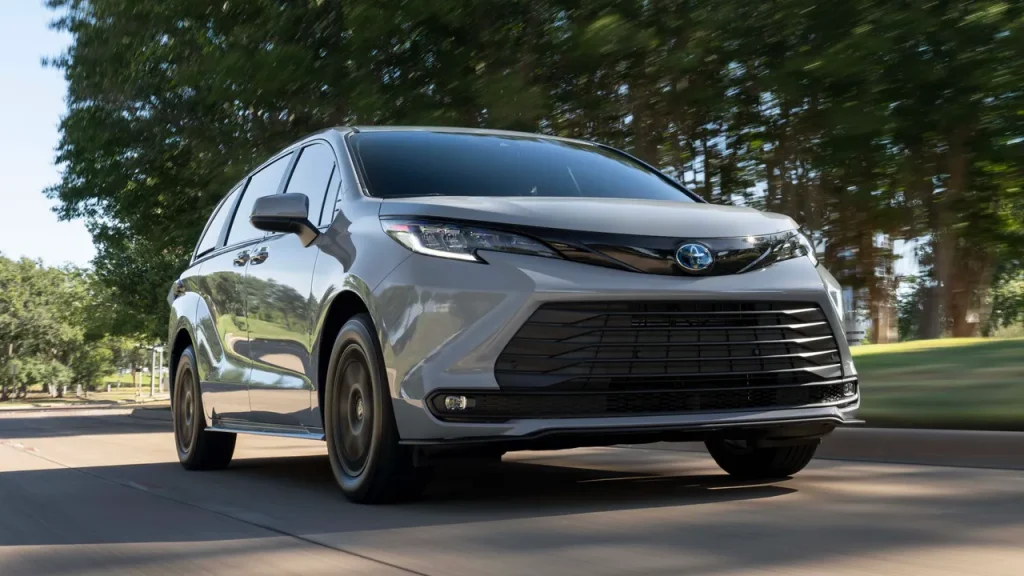
The environmental impact is also worth considering. Lower fuel consumption means fewer emissions, making hybrid minivans a more responsible choice for those who want to reduce their carbon footprint without sacrificing practicality.
In real-world usage, the benefits of fuel efficiency extend beyond numbers. It changes how you interact with your vehicle. You drive with less concern about consumption, take longer trips without hesitation, and enjoy a more economical ownership experience.
By prioritizing efficiency without compromising space or comfort, hybrid minivans offer a balanced solution that traditional gas SUVs struggle to match.
2. Better Interior Space and Practical Passenger Comfort
Space is one area where hybrid minivans consistently outperform traditional gas SUVs. While SUVs often market themselves as spacious, their design limitations become apparent when all seats are occupied or when cargo needs increase. Hybrid minivans are built with a different philosophy, focusing on maximizing usable interior volume.
The first noticeable advantage is seating comfort. In a minivan, all three rows are designed to accommodate passengers comfortably. Legroom, headroom, and ease of access are prioritized, ensuring that even adults can sit in the third row without feeling cramped. In contrast, many SUVs offer a third row that feels more like an afterthought.
Sliding doors play a significant role in improving accessibility. They make entering and exiting the vehicle easier, especially in tight parking spaces. This is particularly helpful for families with children or elderly passengers who need extra room to move comfortably.
Cargo flexibility is another major benefit. Hybrid minivans often feature configurable seating that can be folded, removed, or adjusted to create different storage layouts. Whether you need to carry groceries, luggage, or larger items, the transition between passenger and cargo space is smooth and efficient.
The low floor height of a minivan also makes a difference. Loading heavy items becomes easier, and passengers do not have to climb up as they would in a taller SUV. This adds to the overall convenience and reduces physical strain during everyday use.
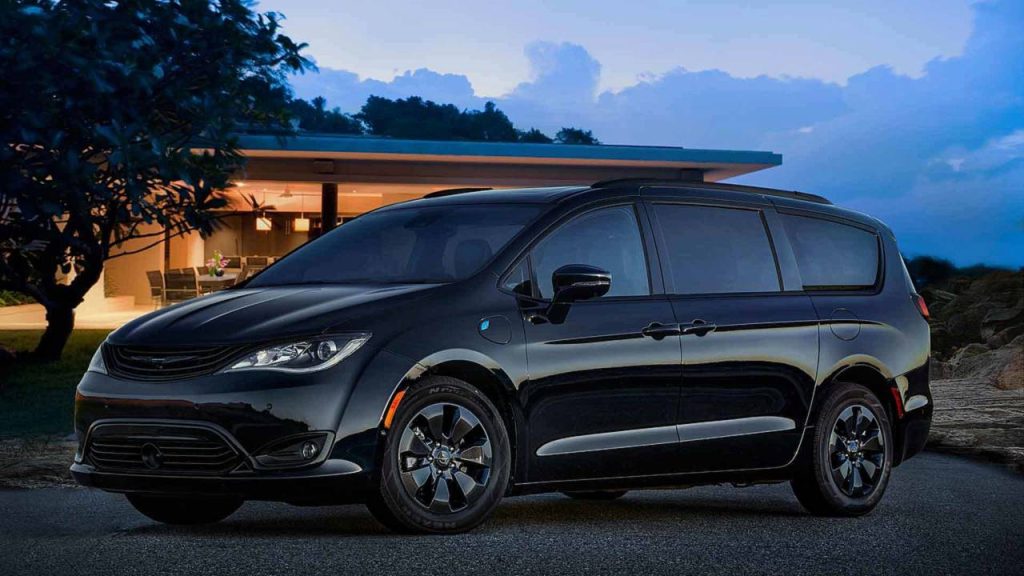
Interior organization is typically more thoughtful as well. Storage compartments, cup holders, and practical features are placed where they are actually needed. This attention to detail enhances the user experience and keeps the cabin organized during long trips.
Another aspect is ride comfort. The design of a minivan allows for a more stable and balanced ride, which is especially noticeable when the vehicle is fully loaded. Passengers experience less movement and more consistent comfort compared to many SUVs.
By focusing on real-world usability rather than just appearance, hybrid minivans deliver a level of interior practicality that makes daily driving, family travel, and cargo handling far more convenient and enjoyable.
3. Lower Long-Term Ownership Costs Beyond Fuel Savings
Choosing a hybrid minivan is not just about saving fuel in the short term, it also creates a noticeable difference in long-term ownership costs. While the initial price may sometimes be slightly higher than a traditional gas SUV, the financial advantages begin to balance out quickly when you consider the bigger picture.
Maintenance is one area where hybrid systems offer a unique benefit. Because the electric motor assists the gasoline engine, the engine itself experiences less strain over time.
This can lead to reduced wear on key components, which helps extend the lifespan of the powertrain. In contrast, a gas SUV relies entirely on its engine, often leading to more frequent servicing under similar driving conditions.
Brake wear is another factor that many people overlook. Hybrid vehicles use regenerative braking, which slows the vehicle using the electric motor while capturing energy.
This reduces the reliance on traditional brake components, meaning brake pads and rotors tend to last longer. Over years of ownership, this can translate into fewer replacements and lower maintenance expenses.
Insurance costs can also become more favorable depending on the model and usage patterns. Vehicles designed with family safety and efficiency in mind often benefit from lower risk profiles, which can influence premiums positively. While this varies, it is still an advantage worth considering.
Resale value plays a crucial role as well. As demand for fuel-efficient and environmentally conscious vehicles continues to grow, hybrid minivans are becoming more attractive in the used market.
Buyers are increasingly looking for vehicles that offer both practicality and efficiency, which helps maintain stronger resale values compared to some gas SUVs.
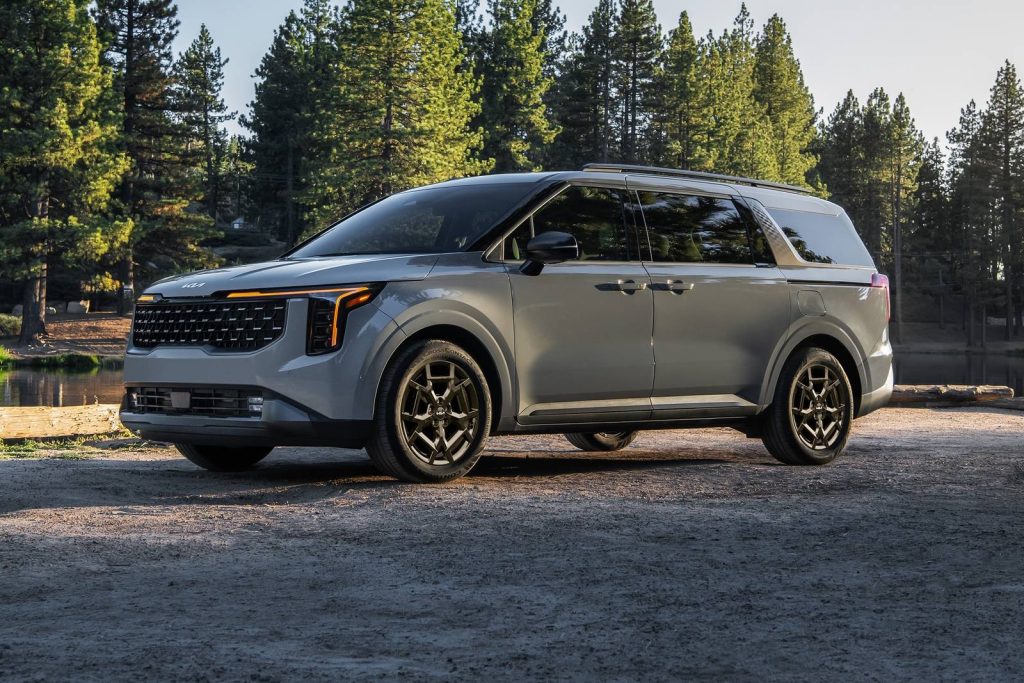
There is also the aspect of reliability in daily usage. Hybrid systems are engineered to operate smoothly across different conditions, and many modern designs have proven to be durable over time. Fewer mechanical stresses and optimized energy usage contribute to consistent performance without excessive repair needs.
When all these factors are combined, the total cost of ownership becomes more manageable. Instead of focusing only on the purchase price, hybrid minivans reward owners with reduced expenses across multiple areas, making them a financially sensible choice for long-term use.
4. Smoother and Quieter Driving Experience in Urban Environments
Driving comfort is often underestimated when comparing vehicle types, but it becomes a defining factor in daily use. Hybrid minivans deliver a noticeably smoother and quieter experience, especially in city environments where stop-and-go traffic is common.
The electric motor plays a key role in this refinement. At low speeds, the vehicle can operate primarily on electric power, eliminating engine noise and vibration. This creates a calm driving atmosphere that is difficult to achieve in a traditional gas SUV, where the engine is constantly active.
Acceleration in a hybrid minivan tends to feel more linear and controlled. Instead of sudden bursts of power or gear shifts, the transition between electric and gasoline power is seamless. This results in a more predictable driving experience, which is particularly useful in crowded urban areas.
Noise reduction is another important benefit. Without the constant sound of an engine running at low speeds, the cabin remains quieter. This enhances conversations, improves focus, and makes long drives less tiring for both the driver and passengers.
Traffic conditions highlight these advantages even further. Frequent stopping and starting can feel tiring in a conventional SUV due to engine noise and gear changes. In a hybrid minivan, these transitions are smoother and less noticeable, reducing driver fatigue over time.
The design of minivans also contributes to ride quality. Their structure often prioritizes stability and comfort, absorbing road imperfections more effectively. Combined with the hybrid system, this creates a driving experience that feels composed and relaxed rather than rigid or aggressive.
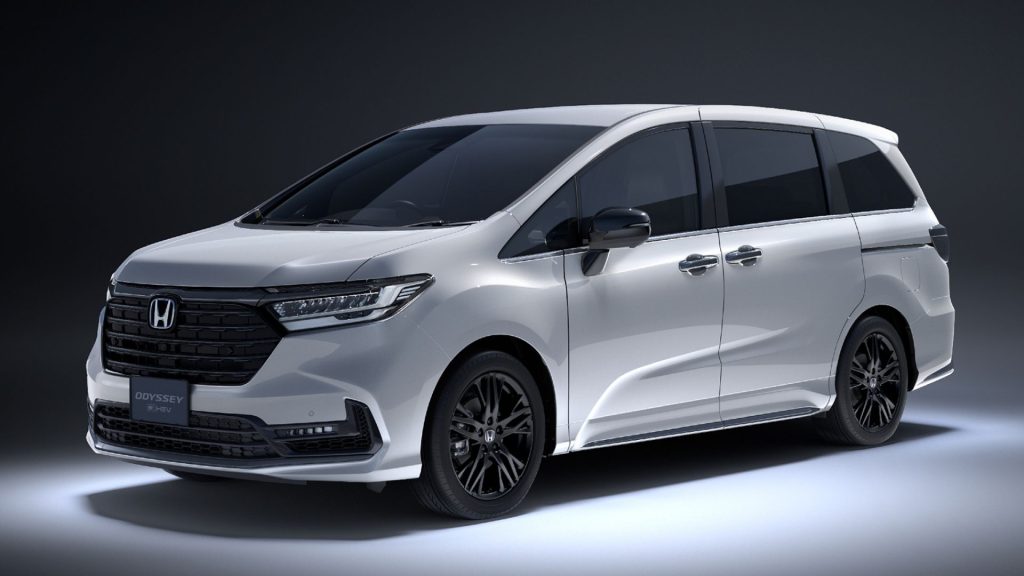
Another subtle advantage is reduced vibration. Electric operation eliminates many of the small vibrations associated with internal combustion engines. This adds to the sense of refinement and makes the vehicle feel more premium during everyday use.
For families, this quieter and smoother environment improves the overall travel experience. Children can rest more comfortably, conversations are easier, and the journey feels less stressful.
By focusing on comfort and refinement, hybrid minivans offer a driving experience that aligns better with daily routines. Instead of constant noise and mechanical interruptions, you get a calm, controlled, and efficient ride that enhances every trip.
5. Easier Access and Convenience for Everyday Family Use
A hybrid minivan stands out immediately when it comes to ease of use in daily life. It is designed around practicality, which becomes obvious the moment you start using it in real situations like school drop-offs, grocery runs, or crowded parking lots. Every detail is focused on reducing effort and making routine tasks smoother.
Sliding doors are one of the most useful features in this context. Unlike traditional doors that require space to swing open, sliding doors operate within the vehicle’s footprint. This makes a huge difference in tight parking spaces where opening a standard SUV door can be difficult. Passengers can enter and exit without worrying about hitting nearby cars.
For families with children, this feature becomes even more valuable. Kids can get in and out without struggling with heavy doors, and parents can easily assist them without awkward positioning. It simplifies everyday situations that would otherwise require extra care and attention.
The lower step-in height of a minivan also improves accessibility. Passengers do not have to climb up into the vehicle, which is often the case with SUVs. This is especially beneficial for elderly family members or anyone who prefers a more natural and comfortable entry.
Loading and unloading cargo is another area where convenience shines. Groceries, bags, and equipment can be placed inside without lifting them too high. This reduces strain and makes quick tasks feel effortless. Over time, these small advantages add up and significantly improve daily usability.
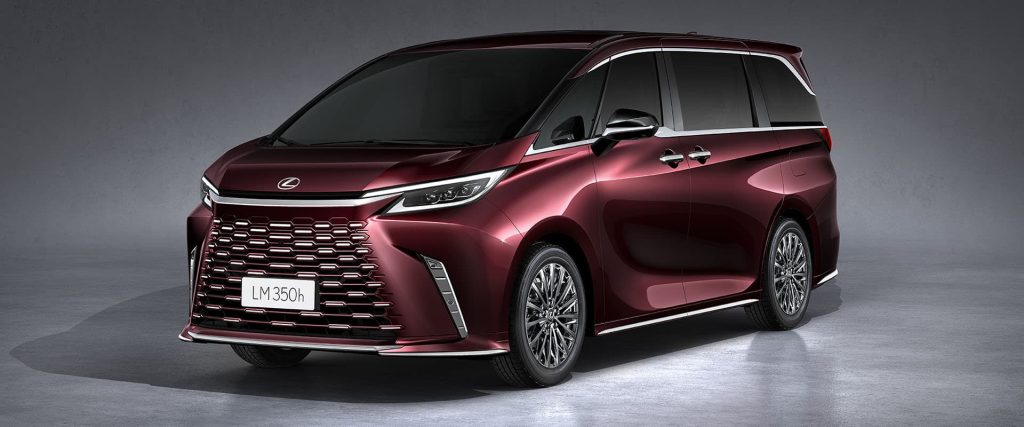
Interior movement is also easier. The flat floor and spacious cabin allow passengers to shift positions or access different areas without difficulty. This is particularly helpful during long trips or when managing multiple passengers with different needs.
Modern hybrid minivans often include hands-free features such as power sliding doors and automatic tailgates. These additions further enhance convenience, allowing you to access the vehicle even when your hands are full.
By focusing on accessibility and ease of use, hybrid minivans remove many of the small frustrations associated with daily driving. They turn routine tasks into simple actions, making them a more practical choice for families and busy individuals alike.
6. Advanced Safety Features Designed for Passenger Protection
Safety is a priority for any vehicle, but hybrid minivans take a more focused approach by designing features around passenger protection and real-world family needs. Instead of relying solely on structural strength, they combine advanced technology with thoughtful design to create a safer environment.
One of the key advantages is visibility. Minivans are typically designed with larger windows and a more open cabin layout, which improves the driver’s field of view. Better visibility reduces blind spots and makes it easier to navigate through traffic, park in tight spaces, and monitor surroundings.
Driver-assistance systems play a major role as well. Modern hybrid minivans are equipped with features such as adaptive cruise control, lane-keeping assistance, and automatic emergency braking. These systems work together to support the driver and reduce the likelihood of accidents.
Parking assistance is another useful feature, especially for larger vehicles. Sensors and cameras provide clear feedback, helping drivers maneuver confidently in crowded areas. This reduces stress and minimizes the risk of minor collisions.
Passenger protection is enhanced through thoughtful interior design. Seating arrangements are structured to provide better spacing and support, while safety features like multiple airbags are strategically placed to protect occupants in different scenarios.
Child safety is also a strong focus. Easy access to rear seats makes it simpler to install and manage child seats. Secure anchor points and clear layouts ensure that everything is positioned correctly, which is essential for effective protection.
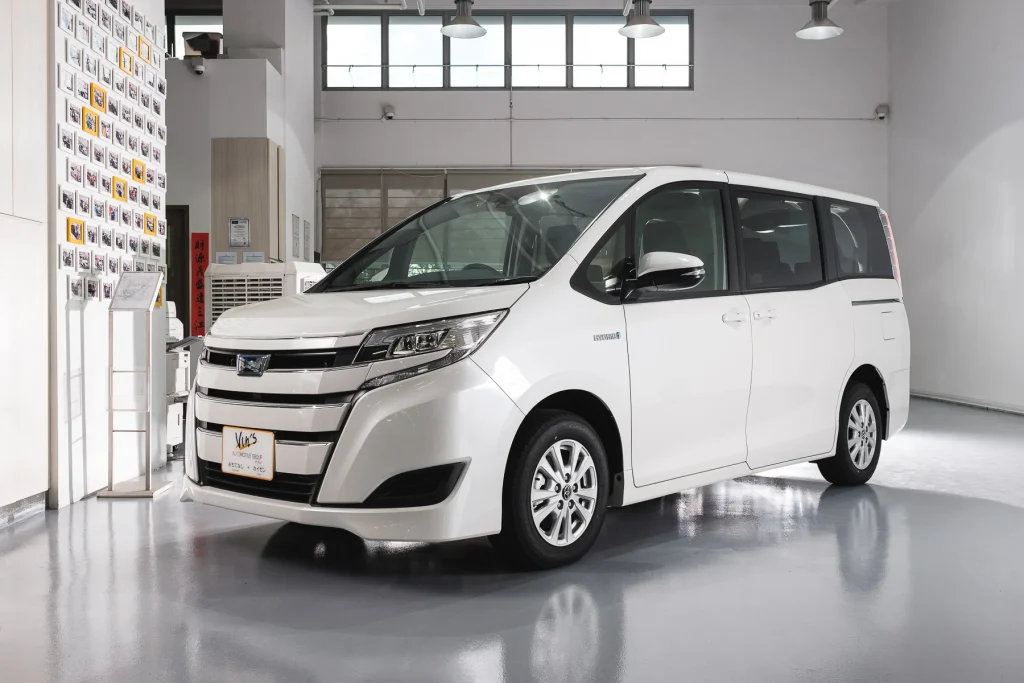
The stability of a minivan contributes to safety as well. Its lower center of gravity compared to many SUVs helps maintain better balance during turns and sudden maneuvers. This reduces the risk of rollovers and improves overall handling.
Another important aspect is consistency. Hybrid systems deliver smooth and predictable power, which helps drivers maintain better control in various conditions. Sudden acceleration or jerky movements are minimized, creating a more stable driving experience.
By combining technology, design, and practicality, hybrid minivans create a safety-focused environment that supports both drivers and passengers. This makes them a dependable choice for those who prioritize protection without sacrificing comfort or convenience.
7. Greater Cargo Flexibility Without Sacrificing Passenger Space
Cargo management is where hybrid minivans clearly separate themselves from traditional gas SUVs. Instead of forcing a compromise between passenger seating and storage capacity, they are engineered to handle both at the same time.
This makes a noticeable difference in everyday usability, especially for families or individuals who regularly carry a mix of people and cargo.
In many SUVs, using all three rows often means giving up most of the cargo area. Once the rear seats are occupied, storage becomes limited and awkward. Hybrid minivans avoid this limitation by offering deeper cargo wells and smarter layouts that preserve usable space even when every seat is filled.
One of the standout features is the flexibility of seating configurations. Seats can be folded flat, adjusted, or in some cases partially repositioned to create a customized balance between passengers and cargo. This allows you to adapt the interior quickly depending on the situation, whether it is a grocery run or a longer trip with luggage.
The shape of the cargo area also contributes to its practicality. A minivan typically provides a wider and more rectangular space, which makes it easier to load bulky or oddly shaped items. In contrast, SUVs often have uneven or sloped areas that reduce usable volume and complicate packing.
Another advantage is the ease of transitioning between configurations. You do not need to struggle with heavy seats or complicated mechanisms. Most adjustments can be done quickly, allowing you to switch from passenger mode to cargo mode without wasting time.
This flexibility becomes especially valuable during unpredictable situations. Plans change, and having a vehicle that can adapt instantly makes a big difference. You can carry passengers comfortably while still having enough room for bags, equipment, or other essentials.
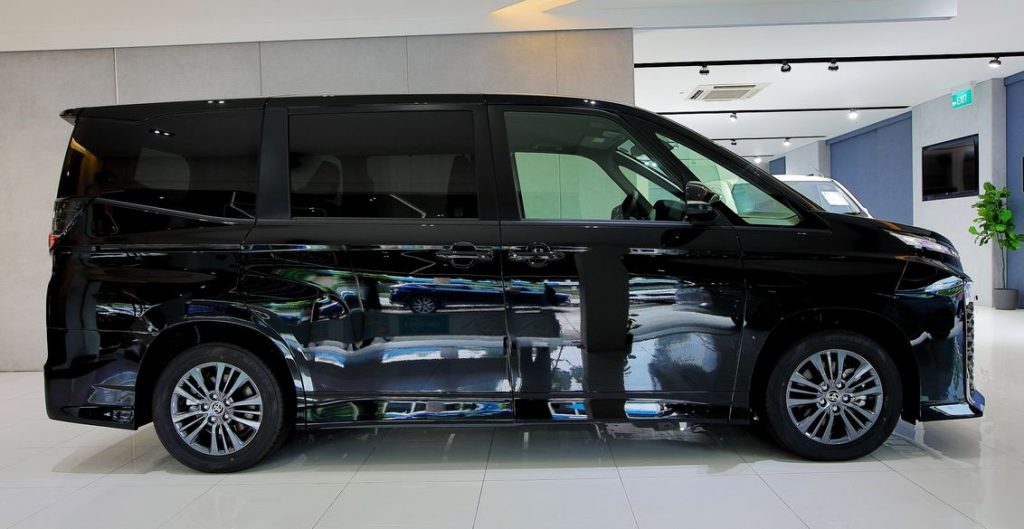
Organization also improves with this design. A well-structured cargo area allows you to arrange items more efficiently, reducing clutter and making it easier to access what you need. It supports better planning and helps maintain order even during busy schedules.
By offering a balance between space and adaptability, hybrid minivans provide a level of cargo flexibility that traditional SUVs often struggle to match. It ensures that you never have to choose between carrying people and carrying what you need.
8. More Practical Design Focused on Real-World Needs
The biggest strength of a hybrid minivan lies in its purpose-driven design. Every element is built with real-world usage in mind, rather than focusing purely on style or image. This approach creates a vehicle that fits naturally into daily life and supports a wide range of needs without unnecessary complications.
From the layout of the interior to the placement of controls, everything is designed to be intuitive. You do not need to adjust your habits to suit the vehicle. Instead, the vehicle adapts to how you live and move through your day. This makes it easier to build routines and rely on your setup without constant adjustments.
Storage solutions are a clear example of this philosophy. Small compartments, accessible cup holders, and practical trays are placed exactly where they are needed. These features may seem minor at first, but they significantly improve convenience during regular use.
The driving experience also reflects this practical focus. Hybrid minivans prioritize smoothness, predictability, and ease of control. This makes them suitable for a wide range of drivers, from experienced commuters to those who simply want a stress-free ride.
Exterior design choices contribute to usability as well. Features like wide-opening doors, lower loading heights, and better visibility are not just aesthetic decisions. They directly impact how easy the vehicle is to use in everyday situations.
Another important factor is adaptability over time. As needs change, whether due to family growth, lifestyle shifts, or new routines, a hybrid minivan continues to remain useful. Its design supports different stages of life without requiring major compromises.
This practicality also reduces frustration. When a vehicle works the way you expect it to, tasks feel simpler and more manageable. You spend less time dealing with limitations and more time focusing on what matters.
By emphasizing function over form, hybrid minivans deliver a driving and ownership experience that aligns closely with real-world demands. They are not just vehicles for specific situations but reliable tools that support daily life in a consistent and meaningful way.
Hybrid minivans have emerged as a highly practical alternative to traditional gas-powered SUVs, offering a combination of efficiency, comfort, and real-world usability that aligns closely with modern driving needs.
Instead of focusing on appearance or perceived capability, they prioritize everyday functionality, which makes a meaningful difference over time.
Fuel efficiency is one of the strongest advantages. By combining electric and gasoline power, hybrid minivans reduce fuel consumption significantly, especially in city driving conditions. This leads to lower running costs and fewer visits to the fuel station, making them more economical for long-term use.
Interior space is another area where they excel. Unlike many SUVs that compromise third-row comfort or cargo capacity, hybrid minivans provide usable space in every row.
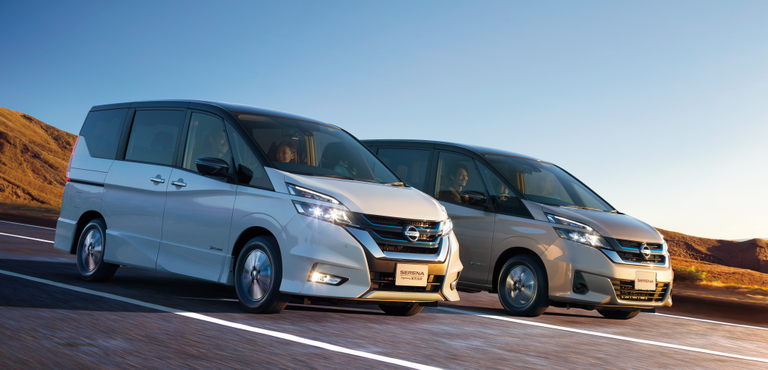
Passengers enjoy better legroom and easier access, while the flexible seating layout allows quick adjustments to accommodate both people and cargo without difficulty.
Cost benefits extend beyond fuel savings. Reduced engine strain, longer-lasting brake components, and strong resale value all contribute to lower ownership expenses over time. These financial advantages make hybrid minivans a sensible choice for those thinking beyond the initial purchase price.
Driving experience also plays a key role. Hybrid systems deliver smoother acceleration and quieter operation, especially in urban environments. This creates a more relaxed and comfortable atmosphere, reducing fatigue during daily commutes and long trips alike.
Convenience features further enhance usability. Sliding doors, lower step-in height, and hands-free access simplify everyday tasks such as loading passengers or cargo. These practical elements remove common frustrations associated with larger vehicles.
Safety is another important factor. Improved visibility, advanced driver-assistance systems, and stable handling characteristics contribute to a more secure driving experience. These features are designed with real-world scenarios in mind, offering added confidence on the road.
Cargo flexibility ensures that space is never wasted. With adaptable seating and well-designed storage areas, hybrid minivans can handle changing needs without requiring compromises. This makes them suitable for a wide range of situations, from daily errands to extended travel.
By focusing on efficiency, practicality, and comfort, hybrid minivans provide a balanced solution that meets the demands of everyday life more effectively than traditional gas SUVs.
Also Read: 8 Luxury Features That Cost a Fortune to Fix Once the Warranty Expires
