
Truck door hinges are a small component that carry a very large responsibility. Every time a door opens or closes, the hinges support the full weight of the door panel, which can be surprisingly heavy in modern pickup trucks due to added insulation, safety reinforcements, wiring for power windows, speakers, and electronic locks.
Over time, this repeated stress can lead to wear, misalignment, squeaking noises, or in some cases a noticeable door sag. For buyers who keep their trucks for many years or use them in demanding environments, hinge durability becomes an important factor in long term ownership satisfaction.
In the pickup truck market, differences in hinge durability are influenced by engineering design, material quality, lubrication practices, door weight distribution, and even how the vehicle is used. Work trucks that frequently operate in dusty, muddy, or high-load environments may experience faster hinge wear if maintenance is neglected.
On the other hand, trucks built with reinforced hinge assemblies, thicker pins, and corrosion resistant coatings tend to maintain tighter door alignment even after high mileage use. This difference is often noticed not just in driving comfort, but also in how solid the door feels when it closes.
Many modern trucks are designed to balance luxury and utility, which means door assemblies are more complex than in older generations. Power door systems, additional soundproofing layers, and safety reinforcements can increase door weight.
While this improves cabin comfort and crash protection, it also places greater stress on hinges over time. This is why some trucks develop squeaking sounds or require periodic hinge lubrication, while others remain solid even after years of heavy use.
When discussing hinge durability, it is important to focus on long term patterns rather than isolated experiences. Most major pickup brands produce reliable vehicles, but real world usage conditions can reveal differences in how well components hold up.
Fleet usage, off road driving, towing frequency, and climate conditions all influence how door hinges perform over time. Trucks that are frequently exposed to salt, moisture, or heavy vibration may show earlier signs of hinge wear compared to those used in mild conditions.
This article compares five trucks widely regarded for strong and long lasting door hinge performance with five trucks that have had more frequent reports of hinge related issues such as squeaking or door sag over time. The goal is to provide a clear, balanced view based on common ownership feedback patterns, engineering reputation, and long term durability expectations in the pickup truck segment.
5 Trucks Known for Door Sagging and Squeaking Concerns Over Time
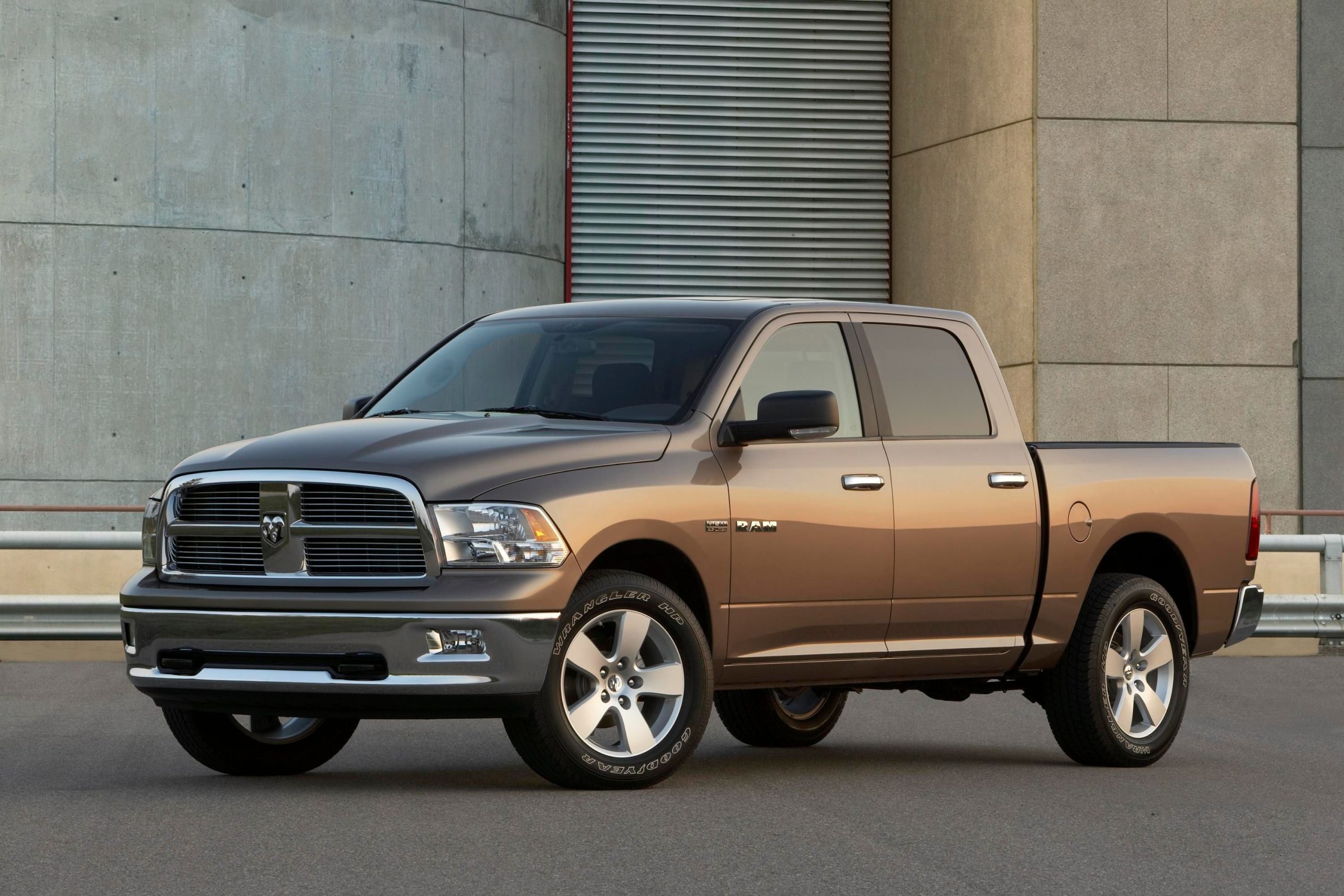
Ram 1500
Certain older generations of the Ram 1500 have been widely discussed among long term owners for developing door hinge wear after extended service life, particularly in vehicles that have accumulated high mileage or have been used in demanding work environments.
The issue usually begins subtly, with small changes in how the door feels during opening and closing. Instead of the original tight and smooth motion, drivers may start noticing a slightly heavier swing or a minor drop in alignment when the door is partially open. These early signs are often linked to gradual wear in the hinge pins and bushings, which slowly lose their original tolerance due to repeated stress cycles over many years of daily use.
As the wear progresses, squeaking noises may begin to appear, especially in dry conditions or after exposure to dust and debris. This is typically caused by friction developing between aging hinge surfaces that are no longer adequately lubricated or have begun to lose their protective coating.
In work trucks, where doors are opened and closed frequently throughout the day, this friction can build up more quickly. Environmental exposure such as construction dust, mud, and temperature changes can also accelerate the breakdown of lubrication, making the hinge movement less smooth over time.
Door sag in these models is usually gradual rather than sudden. Owners often report that the door begins to require a slight lift when closing or that the latch alignment feels less precise than it once did. This happens because the hinge gradually loses its ability to fully support the door’s weight in its original position.
While the structural integrity of the door itself remains intact, the shift in alignment can create long term usability concerns if not addressed. Regular lubrication and occasional hinge adjustment can slow this process, but trucks that have seen heavy commercial use tend to show these symptoms more frequently.
Despite these concerns, many of these trucks continue to operate for years even after hinge wear becomes noticeable. The issues are generally repairable through replacement of hinge pins or bushings, which can restore proper alignment. However, compared to more heavy duty focused platforms, older Ram 1500 models tend to require more attention in this area once they reach higher mileage stages.
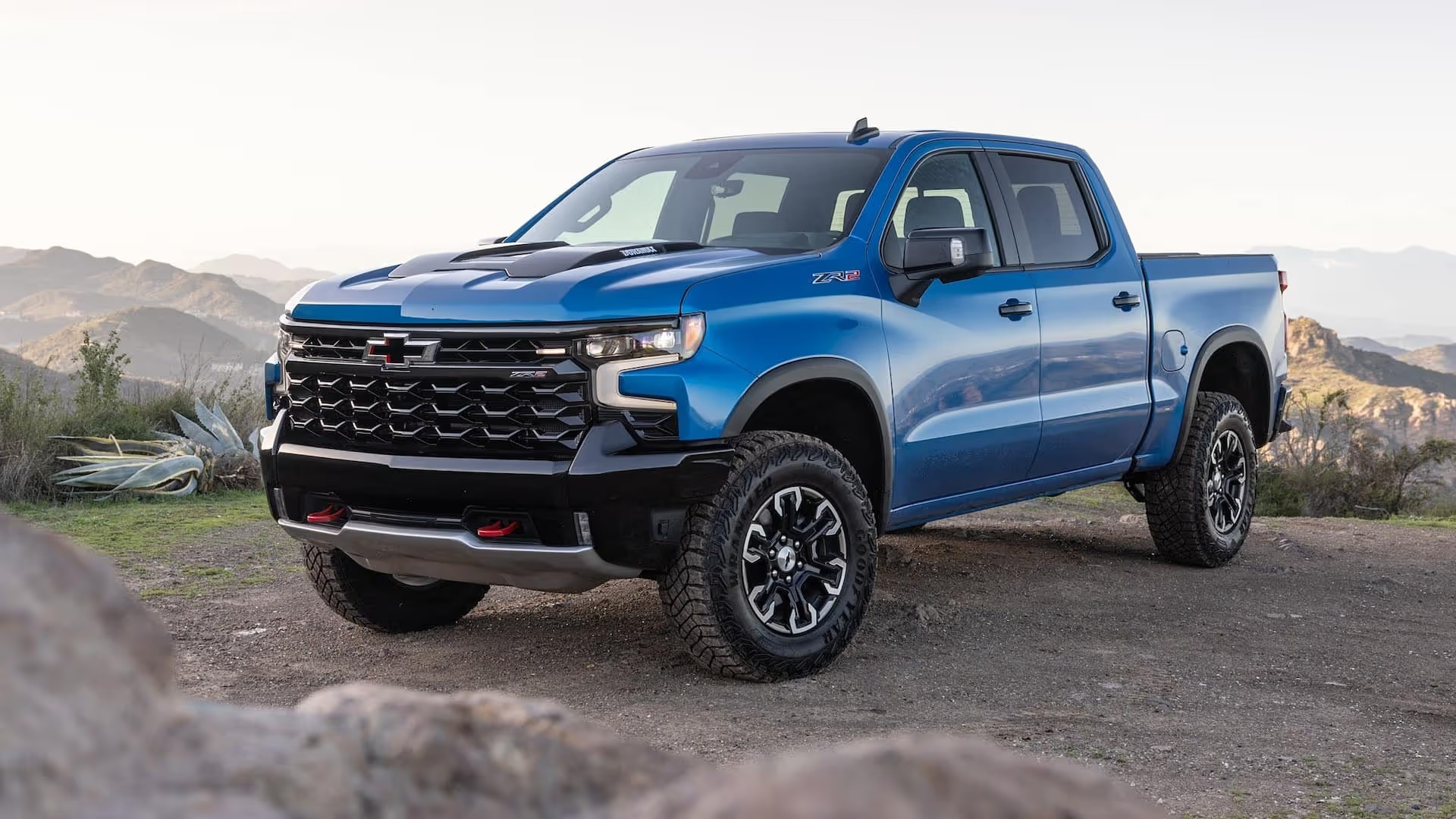
Chevrolet Silverado 1500
Some older Chevrolet Silverado 1500 models have shown patterns of hinge wear that become more noticeable after long term use, particularly in vehicles that have served in work fleets or experienced frequent door cycling.
The earliest signs are often subtle, such as a faint squeaking sound when the door is opened in dry weather or a slight change in resistance during movement. These symptoms are typically associated with gradual wear in the hinge bushings and a reduction in lubrication effectiveness over time.
As mileage increases, the frequency of hinge related noise tends to grow, especially if the vehicle has not received consistent maintenance. Dust, moisture, and road grime can accumulate around the hinge pivot points, increasing friction and contributing to the development of squeaking sounds.
In regions with winter road treatments or coastal air, corrosion can also begin to form on exposed hinge surfaces, which further accelerates wear and makes the door movement feel less refined compared to earlier life stages of the vehicle.
Door sag may develop slowly in higher mileage units, particularly those used in environments where doors are frequently opened and closed throughout the day. This repeated stress places continuous load on the hinge assembly, gradually affecting its ability to hold the door in perfect alignment.
Owners may notice that the door no longer closes with the same precision and may require a slightly firmer push to latch properly. While the issue does not usually affect safety, it can impact comfort and cabin sealing, sometimes leading to minor wind noise at highway speeds.
Even with these concerns, the Silverado 1500 remains a widely used and mechanically strong platform. Hinge related issues are typically not structural failures but wear based conditions that can be corrected with maintenance.
Replacement of hinge components and proper lubrication routines often restore normal operation, but compared to some heavy duty oriented trucks, these models can show earlier sensitivity to hinge upkeep when subjected to continuous heavy use.
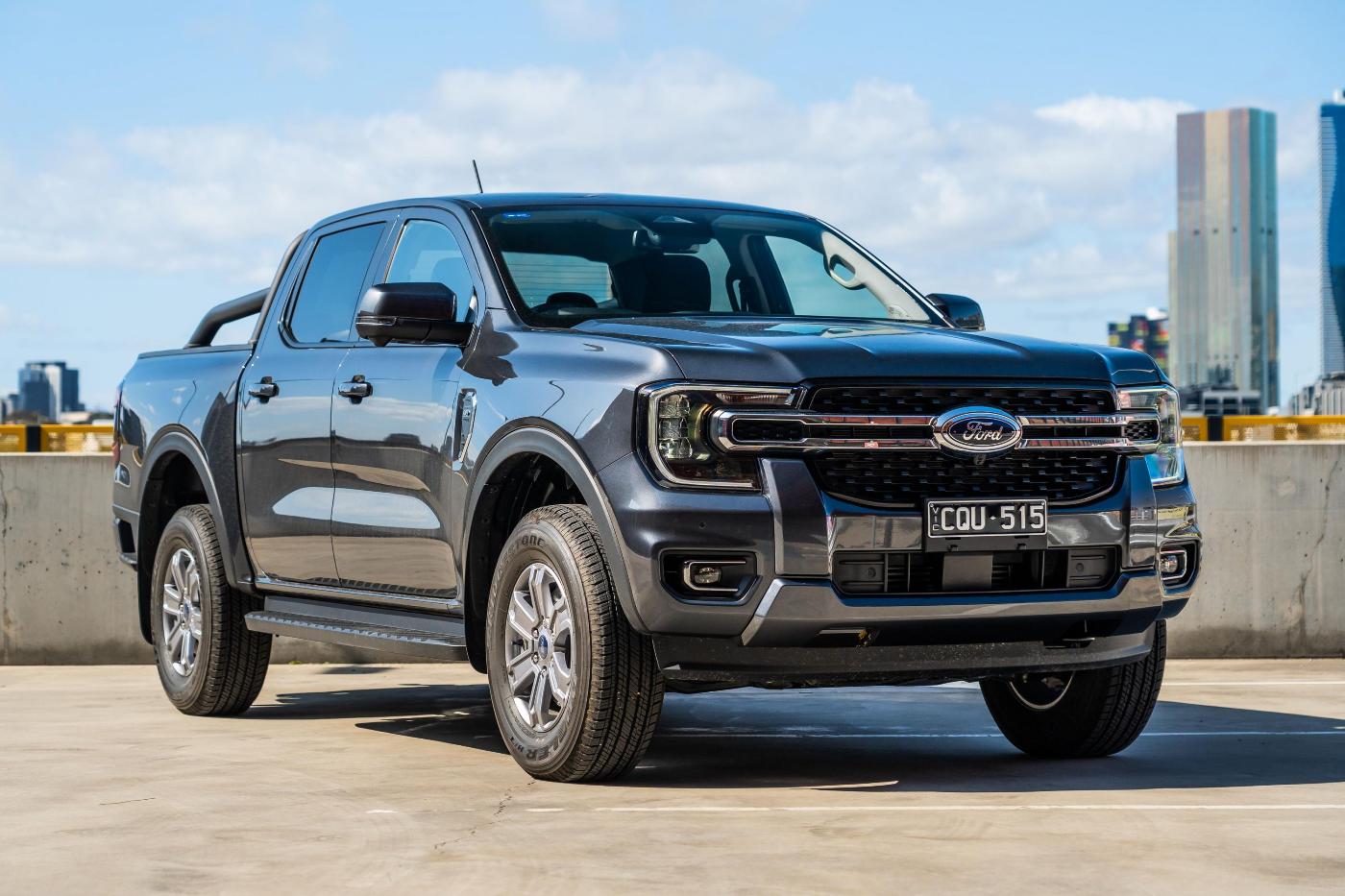
Ford Ranger
Older Ford Ranger models have occasionally been associated with hinge wear issues that become more apparent as the vehicle ages and accumulates higher mileage. One of the earliest indicators is often a change in door feel, where the smooth swing of the door begins to feel less consistent.
Drivers may notice a slight stiffness during certain points of movement or a minor creaking sound when the door is opened in dry or dusty conditions. These early symptoms are usually linked to wear in the hinge pivot points combined with reduced lubrication effectiveness over time.
As the vehicle continues to age, repeated vibration from rough roads or off road driving can contribute to gradual loosening of hinge components. This can lead to small alignment changes that affect how the door sits within the frame.
While the changes are not typically dramatic, they may become noticeable in the way the door closes, sometimes requiring a firmer push or a slight lift to achieve a clean latch. In vehicles used for commercial purposes or in rural environments, these effects may appear sooner due to more frequent door usage and harsher operating conditions.
Corrosion buildup can also play a role in hinge wear in older Ranger models. In climates with high humidity, frequent rain, or road salt exposure, moisture can settle around hinge joints and gradually increase friction. This not only contributes to squeaking but can also make the hinge movement feel less fluid over time.
If left unaddressed, the combination of friction and wear can slowly impact door alignment, leading to a mild sagging effect that becomes more noticeable over extended ownership.
Despite these issues, the majority of hinge related concerns in older Rangers are maintenance related rather than structural. Regular lubrication and periodic inspection can significantly extend hinge life. While newer generations have improved in this area, older models tend to show wear patterns more clearly when subjected to long term heavy or off road use.
Nissan Titan
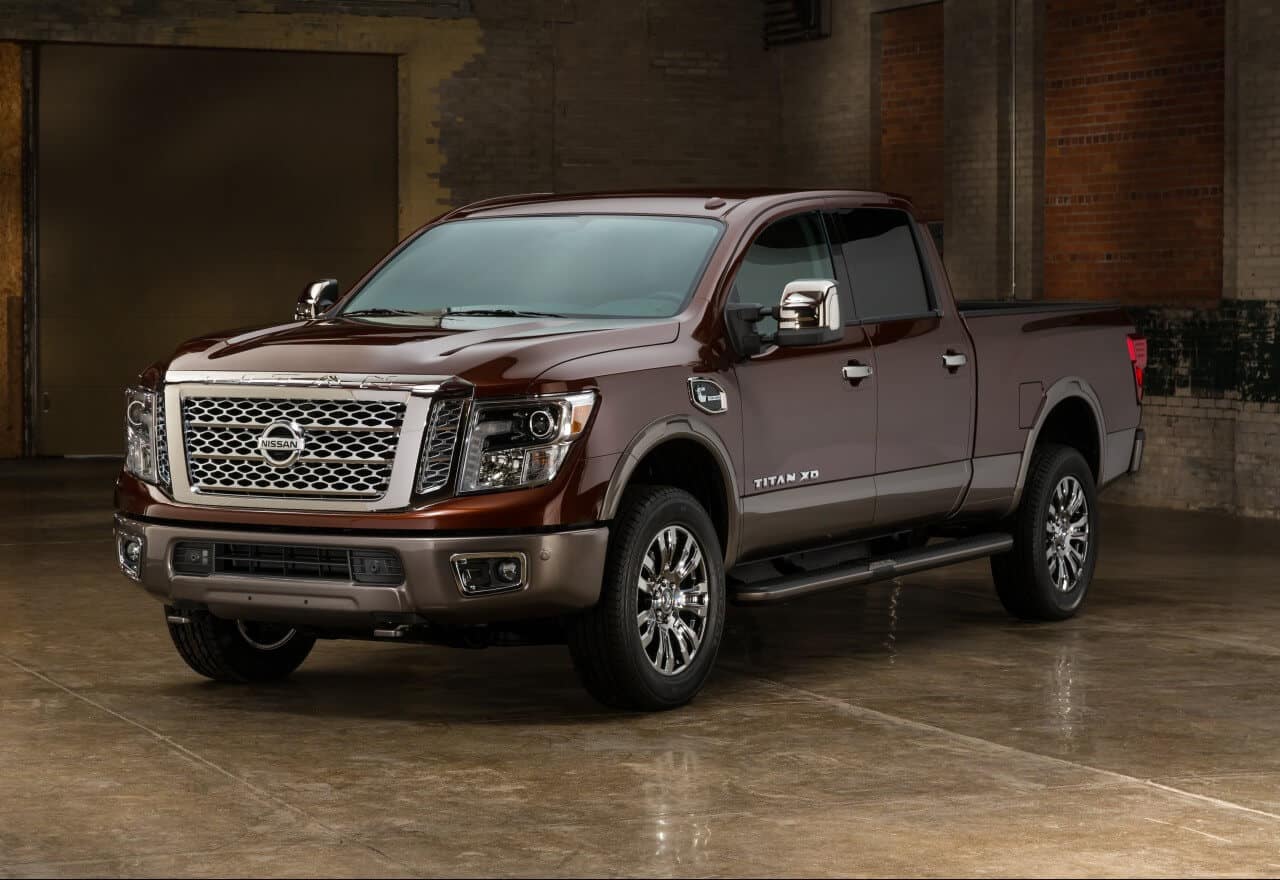
The first generation Nissan Titan has been mentioned in long term ownership discussions for occasional hinge related wear that appears after extended use. In many cases, the early signs begin with subtle squeaking noises when opening or closing the doors, particularly in dry conditions or after exposure to dust and heat.
These sounds are often caused by gradual loss of lubrication at the hinge pivot points combined with natural wear of the internal bushings.
As the vehicle accumulates higher mileage, hinge components may begin to show signs of loosening. This can lead to slight changes in door alignment, where the door no longer feels as tightly seated within the frame as it did when new.
Drivers may notice that the door requires a more deliberate closing motion to achieve a secure latch. In some cases, the movement may feel less controlled, especially when parked on uneven ground where additional stress is placed on the hinge assembly.
Environmental factors can also contribute to hinge wear in these models. Exposure to dust, moisture, and temperature fluctuations can gradually affect the lubrication quality inside the hinge mechanism.
When lubrication dries out or becomes contaminated, friction increases, which accelerates wear and contributes to both noise and stiffness. In trucks used for towing or frequent heavy load transport, the additional stress can make these symptoms appear more quickly.
Although these issues are not considered widespread mechanical failures, they are more noticeable in older units compared to newer truck designs with updated hinge materials and improved sealing. Regular maintenance, including lubrication and occasional hinge adjustment, can help maintain proper function. However, long term durability in this area is more dependent on upkeep compared to some competing heavy duty platforms.
Chevrolet Colorado
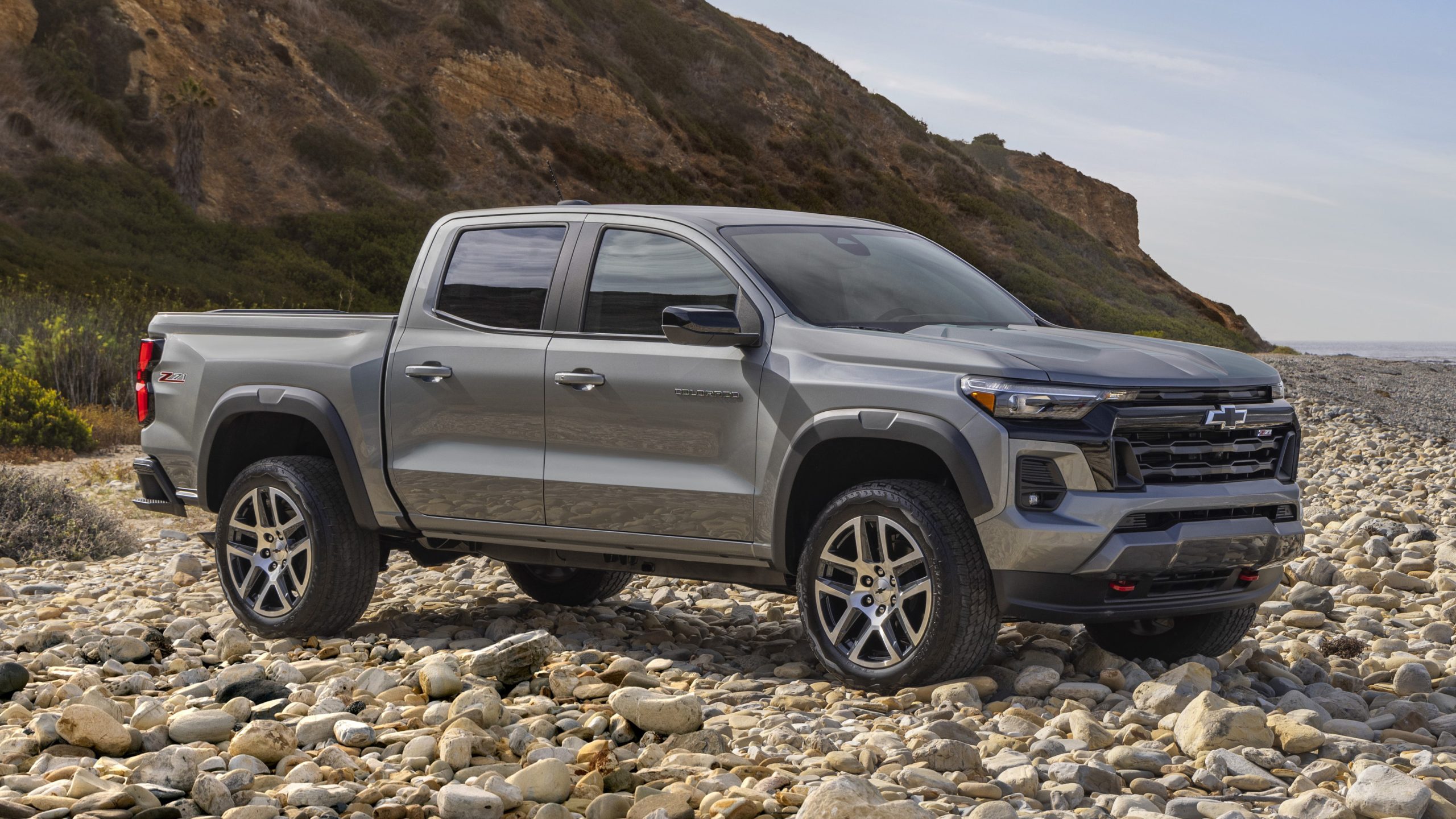
Earlier Chevrolet Colorado models have shown some reports of hinge related wear that becomes more apparent as the vehicle ages and experiences extended use. One of the most common early signs is squeaking during door movement, especially when the vehicle has been exposed to dry weather conditions or when lubrication has not been applied regularly.
This noise is typically the result of friction building up at the hinge pivot points as protective lubrication diminishes over time.
With continued use, especially in work environments where doors are frequently opened and closed, hinge components can gradually wear down. This repeated mechanical stress can lead to slight changes in door alignment.
In some cases, drivers may notice that the door no longer closes with the same precision and may require a firmer motion to ensure proper sealing. While these changes are usually minor at first, they can become more noticeable over long term ownership.
Another contributing factor in earlier Colorado models is body flex experienced during off road driving or uneven terrain use. This flex can place additional stress on hinge points over time, which may accelerate wear compared to vehicles used primarily on smooth roads. Combined with environmental exposure such as rain, mud, or road salt, hinge components may experience increased friction and reduced smoothness in operation.
Despite these concerns, most hinge related issues in these models remain manageable through routine maintenance. Lubrication, cleaning of hinge areas, and occasional adjustment can significantly reduce noise and improve alignment. While later versions have shown improvements in build refinement, earlier models tend to display hinge wear more clearly under long term and heavy use conditions.
5 Trucks With Durable Door Hinges and Strong Long Term Door Stability
Toyota Hilux
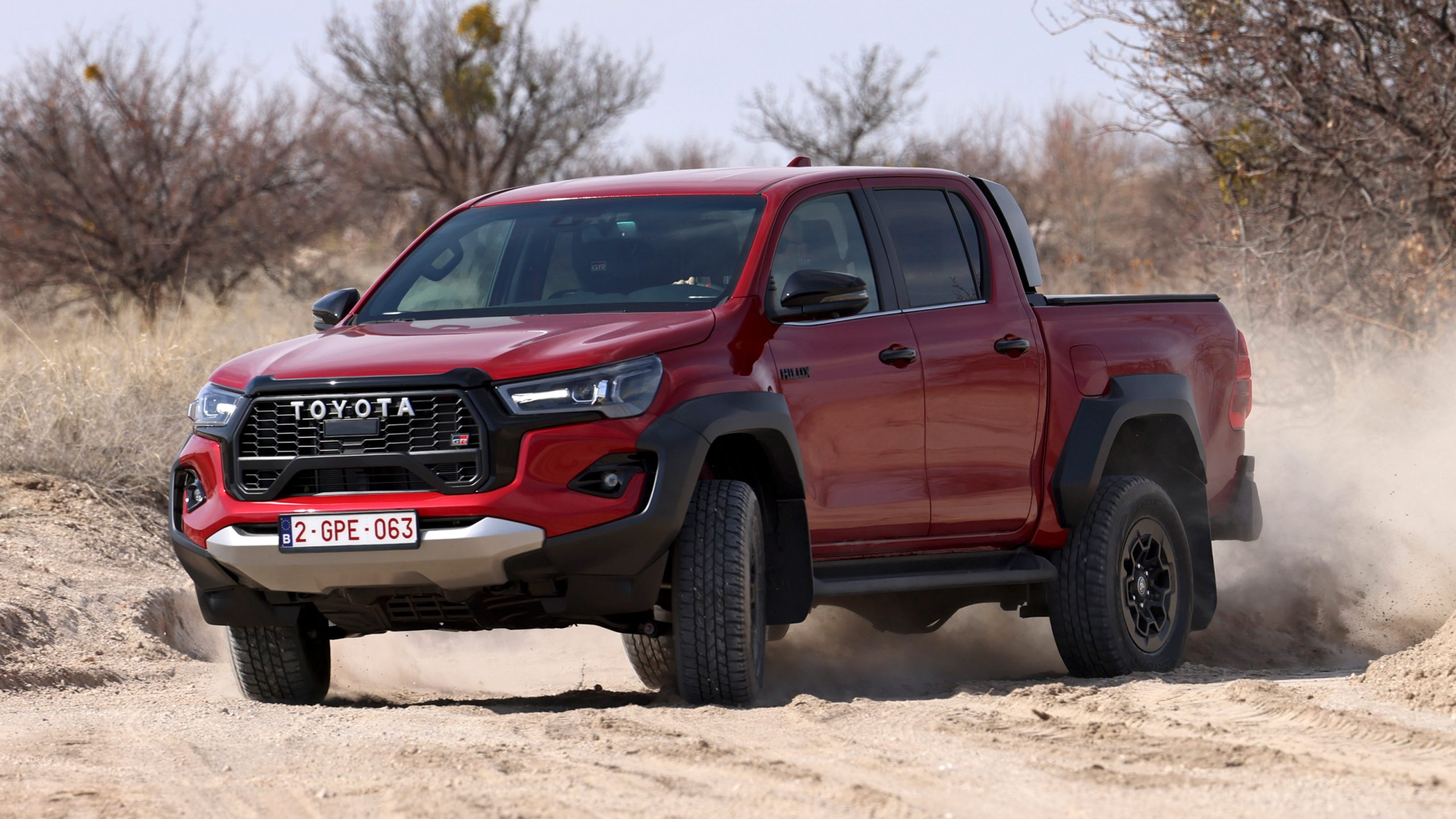
The Toyota Hilux has built a global reputation for long term durability, and its door hinge system follows the same engineering philosophy focused on strength, simplicity, and reliability. The hinges are constructed using thick gauge steel components with reinforced mounting points that are designed to withstand repeated stress cycles over many years of heavy use.
This is especially important in real world conditions where the vehicle is not just used for commuting, but also for agricultural work, construction support, and off road travel where doors are constantly exposed to vibration and uneven terrain. The hinge design prioritizes mechanical stability, ensuring that even after thousands of open and close cycles, the door continues to feel firm and well supported.
Another major advantage of the Hilux hinge system is its resistance to environmental damage. In many regions where this truck is commonly used, conditions such as humidity, dust, mud, and road salt can significantly accelerate hinge wear in less robust systems.
The Hilux uses protective coatings and corrosion resistant materials that reduce the likelihood of rust forming at the hinge pivot points. This is important because corrosion is one of the main causes of squeaking and stiffness in door systems over time. By minimizing rust formation, the hinges maintain smoother movement and reduce the need for frequent repairs or adjustments.
The door weight distribution also plays an important role in long term hinge stability. Even though Hilux doors are solidly built for safety and durability, the hinge geometry is engineered to distribute load evenly across both upper and lower hinge points.
This prevents excessive stress from concentrating on a single hinge, which is a common cause of sagging in weaker designs. As a result, the door remains properly aligned with the frame for extended periods, even under frequent use in challenging environments.
Owners often report that even high mileage Hilux vehicles maintain a consistent, solid door feel that does not significantly change over time. The closure sound remains tight and mechanical, which is often associated with strong structural integrity.
While basic maintenance such as periodic lubrication is still recommended, the frequency of hinge related issues remains low compared to many other pickup trucks in the same category.
In fleet operations and remote work environments, the Hilux continues to demonstrate reliable hinge performance. Whether used in agriculture, mining support, or rural transportation, the door systems tend to maintain stability even when the vehicle is not serviced as frequently as ideal. This consistency is one of the key reasons the Hilux is widely considered one of the most durable pickup trucks globally.
Ford Super Duty Series
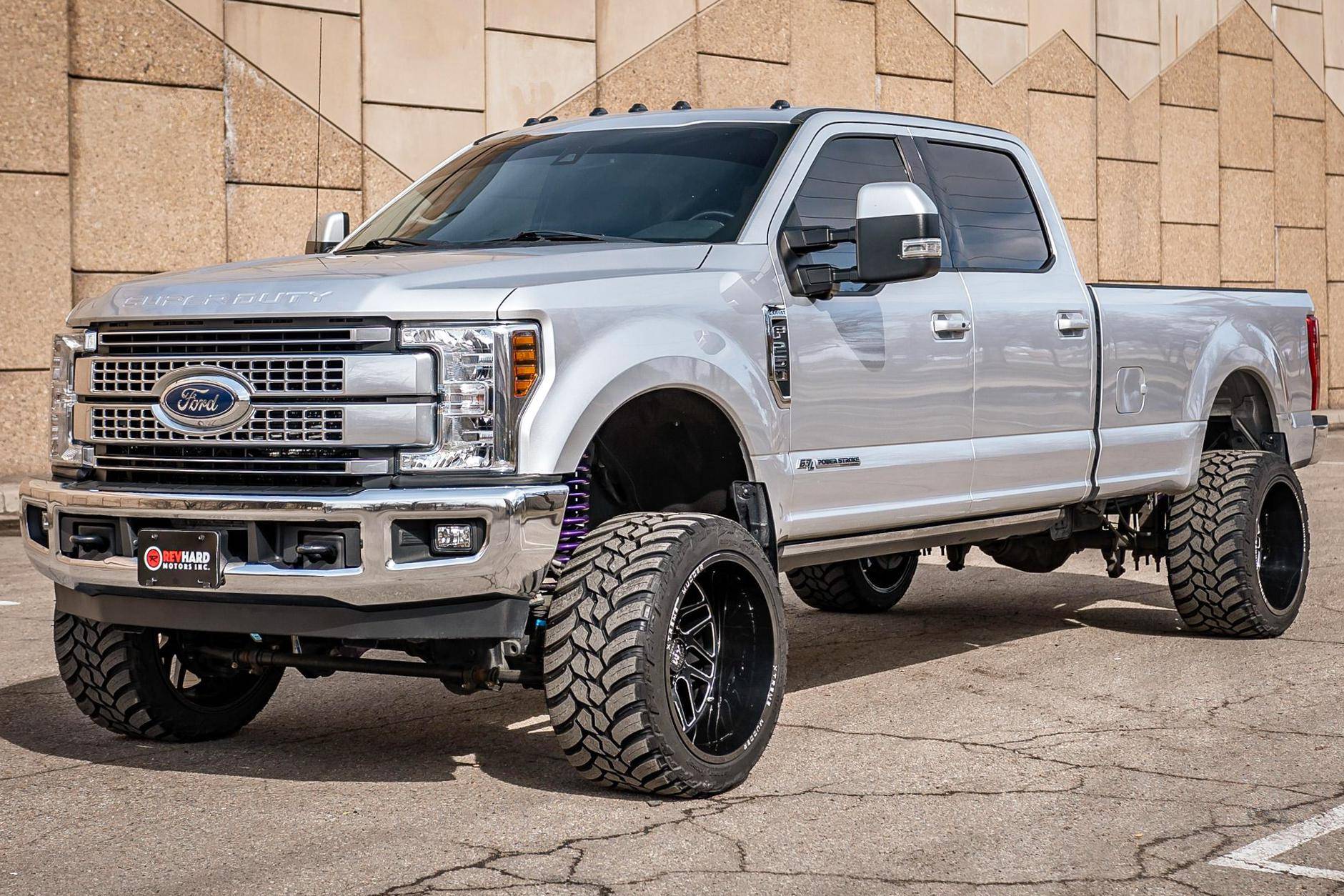
The Ford Super Duty lineup, including models such as the F250 and F350, is engineered specifically for heavy duty applications, and the door hinge system is designed to match the demands of commercial and industrial use.
These trucks feature large and heavy doors that include additional insulation, reinforced panels, and integrated electronic systems, all of which increase the weight. To support this, the hinge assemblies are built with reinforced steel structures and heavy duty hinge pins that are capable of handling repeated stress without early deformation.
A key factor contributing to long term durability is the robust construction of the hinge mounting points. These are reinforced directly into the vehicle’s body structure, allowing the load of the door to be distributed more effectively into the frame.
This reduces the likelihood of hinge loosening over time, even in vehicles that are frequently used for towing, hauling, or repeated entry and exit in commercial environments. The design ensures that the hinge remains stable even when the vehicle is subjected to continuous operational stress.
The Super Duty hinge system also benefits from careful alignment engineering. The geometry of the hinges is designed to maintain consistent door positioning over long periods of use. This helps prevent issues such as door sag or misalignment that can lead to wind noise or improper sealing. Even after extended mileage, many units continue to maintain precise door closure behavior, which is important for both comfort and structural integrity.
Corrosion resistance is another important aspect of durability in these trucks. The hinge components are treated with protective coatings that help reduce the impact of moisture and environmental exposure. In work environments where trucks are exposed to rain, snow, or industrial dust, this protection helps maintain smooth hinge movement and reduces the likelihood of squeaking caused by rust buildup.
Owners and fleet operators often note that with proper maintenance, including periodic lubrication and inspection, the hinge system remains highly reliable over long service periods. Even in demanding usage conditions, the Super Duty series tends to maintain a strong, solid door feel that reflects its heavy duty design focus.

Toyota Land Cruiser Pickup Variant
The Toyota Land Cruiser pickup variants are designed with extreme durability in mind, and the door hinge system reflects the same engineering principles used throughout the Land Cruiser family.
These vehicles are often deployed in some of the harshest environments on earth, including deserts, mountainous regions, and remote rural areas where maintenance opportunities may be limited. As a result, the hinge system is built with a strong emphasis on mechanical resilience and long term stability.
The hinge structure uses reinforced steel components and heavy duty mounting points that are designed to handle continuous vibration and uneven terrain stress. This is particularly important in off road conditions where the vehicle frame is constantly subjected to twisting forces.
The hinge design ensures that door alignment is maintained even when the body experiences flex during rough terrain driving. This helps prevent long term sagging and keeps the door operation consistent over time.
Corrosion resistance is another major strength of this system. In many regions where these trucks operate, exposure to sand, salt air, and moisture is unavoidable. The hinge components are treated with protective coatings that help reduce rust formation and maintain smooth pivot movement. This significantly reduces the likelihood of squeaking or stiffness developing over time, even in environments where regular maintenance is difficult to perform.
Another important feature is the balanced mechanical tolerance used in the hinge assembly. The system is neither overly tight nor overly loose, which helps maintain smooth movement while preventing early wear. This balance allows the doors to open and close with consistent resistance, which contributes to long term user comfort and structural reliability.
In field operations such as humanitarian aid, agriculture, and remote transport, these vehicles often remain in service for many years under demanding conditions. Despite this, the door systems continue to function reliably, with minimal alignment issues reported compared to less rugged platforms.
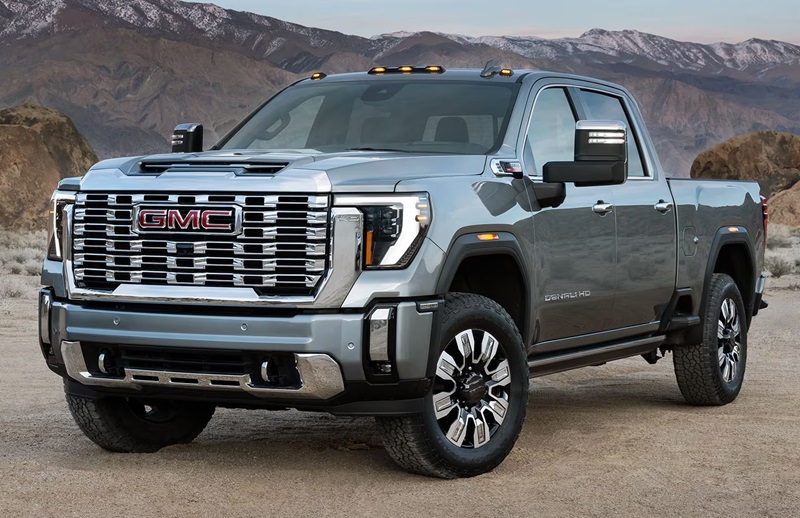
GMC Sierra HD
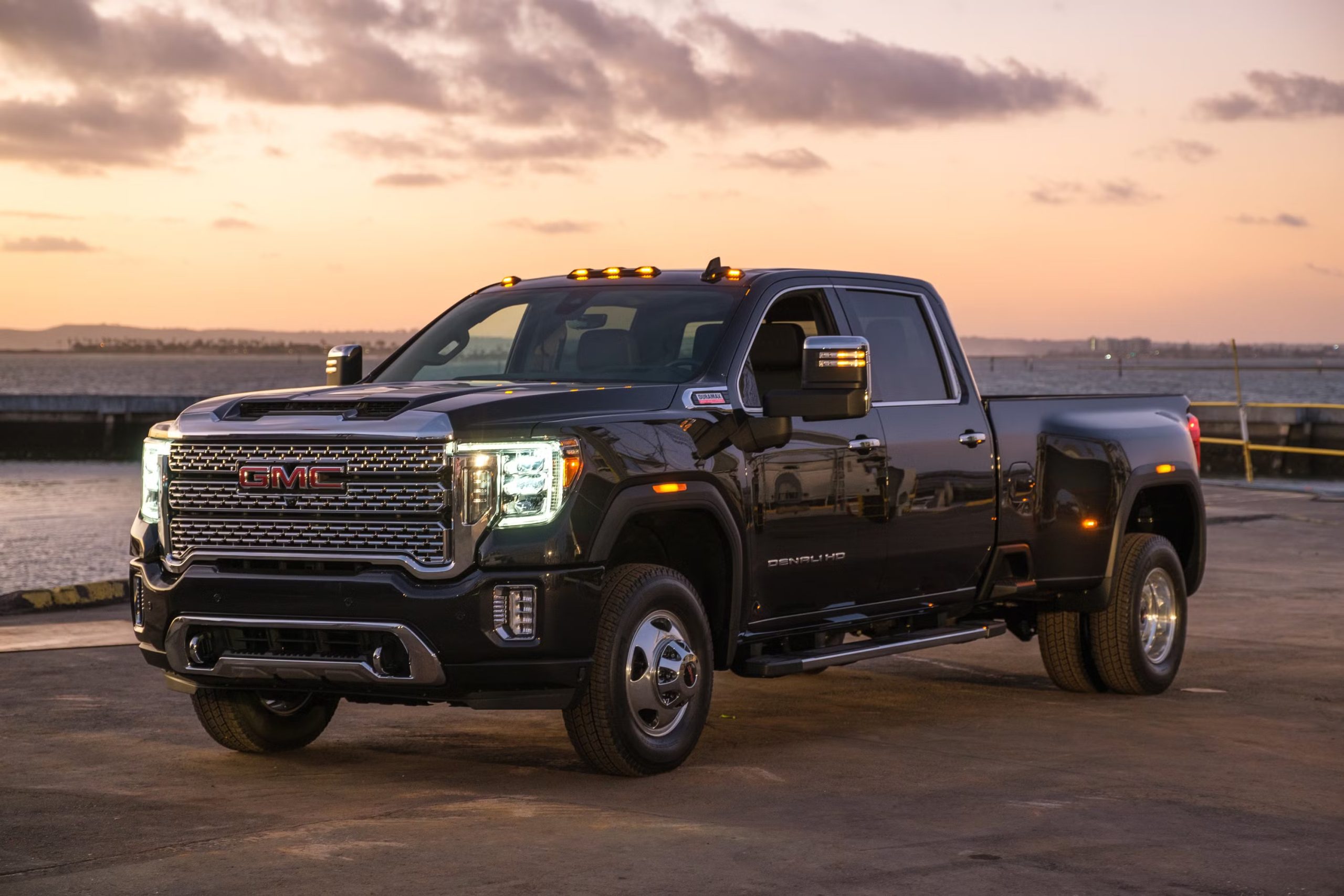
The GMC Sierra HD series is designed for heavy duty performance and long term durability, and its door hinge system is built to support large, well insulated doors that include advanced electronic features. These doors are heavier than those found in standard pickup trucks, which requires a hinge system capable of managing increased load without compromising alignment stability over time.
The hinge assemblies are constructed using reinforced materials that are engineered to withstand repeated stress cycles in both commercial and personal use. The mounting points are integrated into the vehicle’s body structure in a way that helps distribute weight evenly, reducing the risk of localized stress buildup that can lead to hinge wear or sagging over time.
One of the strengths of the Sierra HD hinge system is its ability to maintain consistent door alignment even under demanding towing or hauling conditions.
When a truck is under load, frame stress can sometimes affect body alignment in weaker designs, but the reinforced hinge structure in the Sierra HD helps reduce this impact. This ensures that the doors continue to close properly and maintain a solid seal even after extended heavy use.
Corrosion resistance also plays an important role in long term performance. The hinge components are treated to resist rust and environmental degradation, which helps maintain smooth operation and reduces the likelihood of squeaking noises developing over time. This is particularly beneficial for vehicles operating in regions with frequent rain, snow, or road salt exposure.
Owners often describe the door feel as heavy, solid, and precise, which contributes to a perception of strong build quality. Even in older, high mileage units, the hinge system tends to remain stable when basic maintenance practices such as lubrication and inspection are followed consistently.
Nissan Frontier
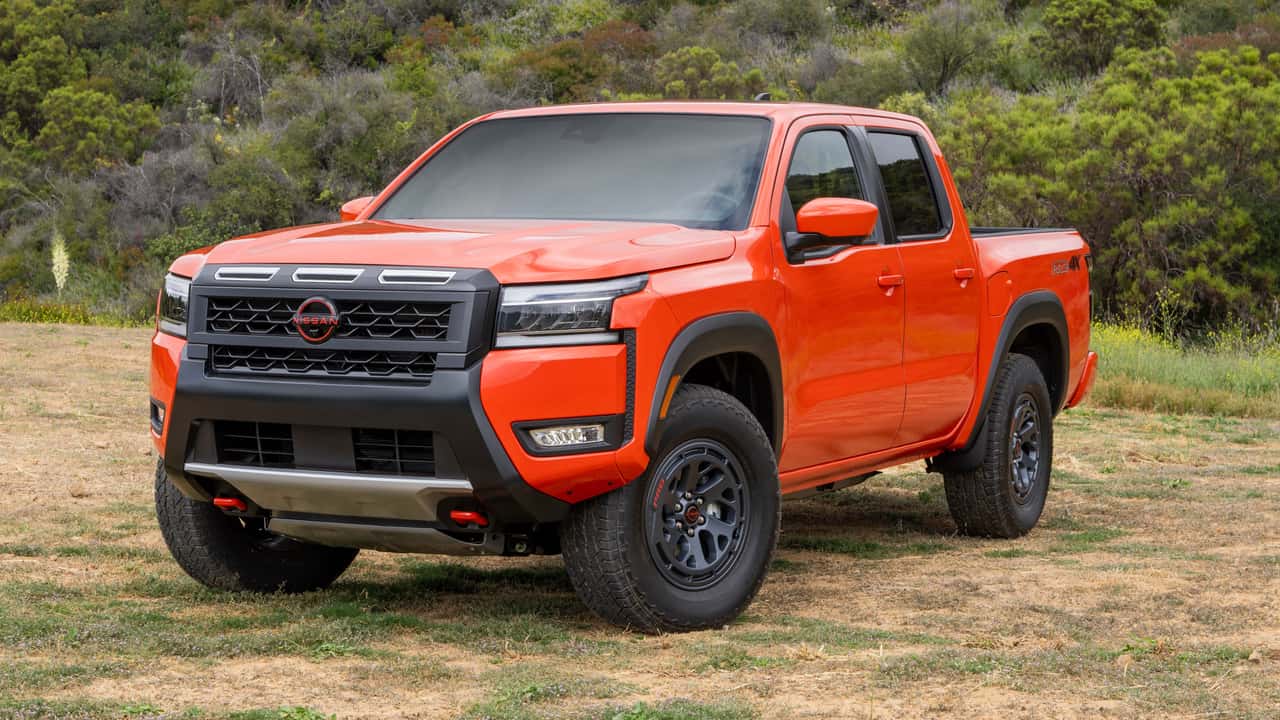
Newer generations of the Nissan Frontier have shown significant improvements in structural refinement, including enhancements to door hinge durability and long term alignment stability.
The hinge system has been upgraded with stronger materials and improved pivot designs that reduce friction and wear during repeated door cycles. This helps maintain smoother operation over extended periods of use, even in vehicles that experience frequent daily entry and exit.
A key improvement is the use of upgraded hinge bushings that are designed to reduce metal to metal contact. This significantly lowers the likelihood of squeaking developing over time and helps maintain a quieter, more refined door operation. These bushings also help absorb minor vibrations, which contributes to reduced wear on the hinge assembly as a whole.
The door structure and weight distribution have also been optimized in newer models. By balancing the load more effectively between hinge points, the system reduces stress concentration that can lead to sagging in long term use. This results in more stable door alignment, even after extended mileage or light off road use.
In real world driving conditions, many owners report that the doors continue to feel solid and consistent even after years of ownership. The closing action remains controlled, and there is less variation in door alignment compared to older generations or lighter duty designs. This is particularly noticeable in trucks used for both urban commuting and occasional off road travel.
With routine maintenance such as lubrication and periodic inspection, the Frontier’s hinge system is capable of delivering reliable long term performance. While it is not a heavy industrial platform like some larger trucks, it offers a strong balance of durability, refinement, and ease of maintenance that makes it dependable for everyday use.
