
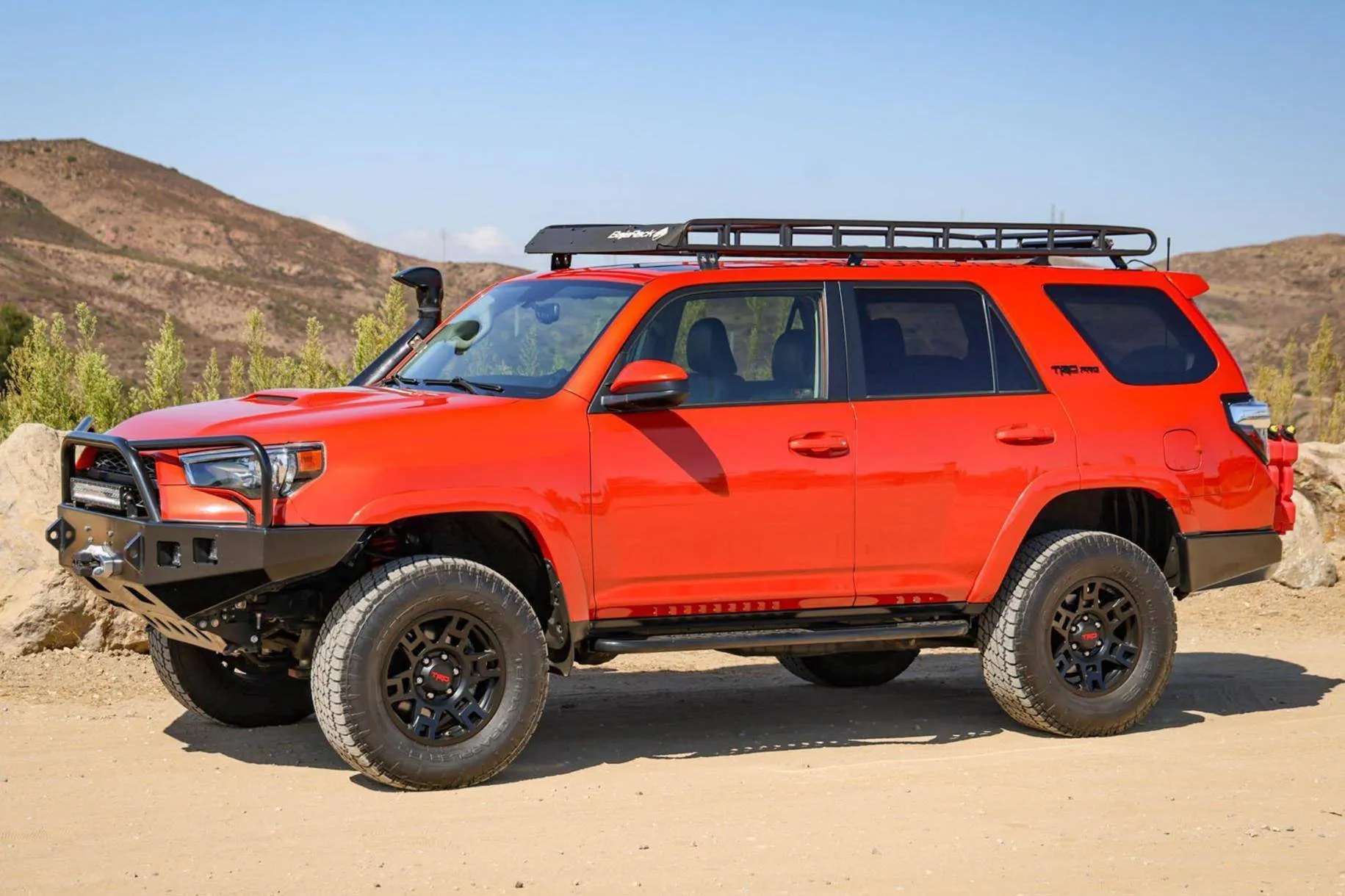
America has always had a deep love affair with trucks and off-road vehicles. From rugged mountain trails to muddy backcountry roads, the 4×4 culture runs deep in the American spirit. Every year, millions of buyers walk into dealerships looking for something that can truly handle the wild. The problem is that not every four-wheel-drive vehicle lives up to its promise.
Some trucks and SUVs are genuine off-road warriors right off the factory floor. They come loaded with locking differentials, serious ground clearance, and hardware built to survive punishment. These are the machines that earn their stripes on real terrain, not just parking lots.
But the automotive market is also flooded with something far less impressive. Appearance packages have exploded in popularity over the last decade. Manufacturers slap blacked-out badges, aggressive body kits, and rugged-sounding names onto otherwise ordinary vehicles. The result looks tough but performs like a standard commuter.
This article breaks down the six best stock 4x4s you can buy in America today. It also exposes six of the most overhyped appearance packages that deceive buyers with style over substance. Whether you are shopping for a real off-roader or just trying to avoid a marketing trap, this guide will set the record straight. Knowledge is your best tool before signing on the dotted line.
6 Best Stock 4x4s In the USA
These vehicles are built with true off-road capability straight from the factory, offering robust 4×4 systems, strong suspension setups, and reliable drivetrains without needing aftermarket upgrades.
Designed to handle mud, snow, rocky trails, and steep inclines, they come equipped with features like locking differentials, skid plates, and terrain management systems. Their durability and engineering make them dependable choices for both everyday driving and serious off-road use, delivering confidence and performance right off the showroom floor.
1. Ford Bronco (2021–Present)
The Ford Bronco made one of the most anticipated comebacks in automotive history. After a 25-year absence, it returned with serious off-road credentials that matched the hype completely.
The base Bronco comes standard with a twin-speed transfer case and a proper four-wheel-drive system. It is not a marketing gimmick it is a mechanically capable machine from the ground up.
Ford offers the Bronco with a HOSS suspension system that includes Bilstein position-sensitive dampers. This setup handles trail obstacles with a level of composure that most stock vehicles simply cannot match.
The Sasquatch Package adds 35-inch tires, locking front and rear differentials, and wider fender flares. All of this comes straight from the factory, requiring zero aftermarket modifications.
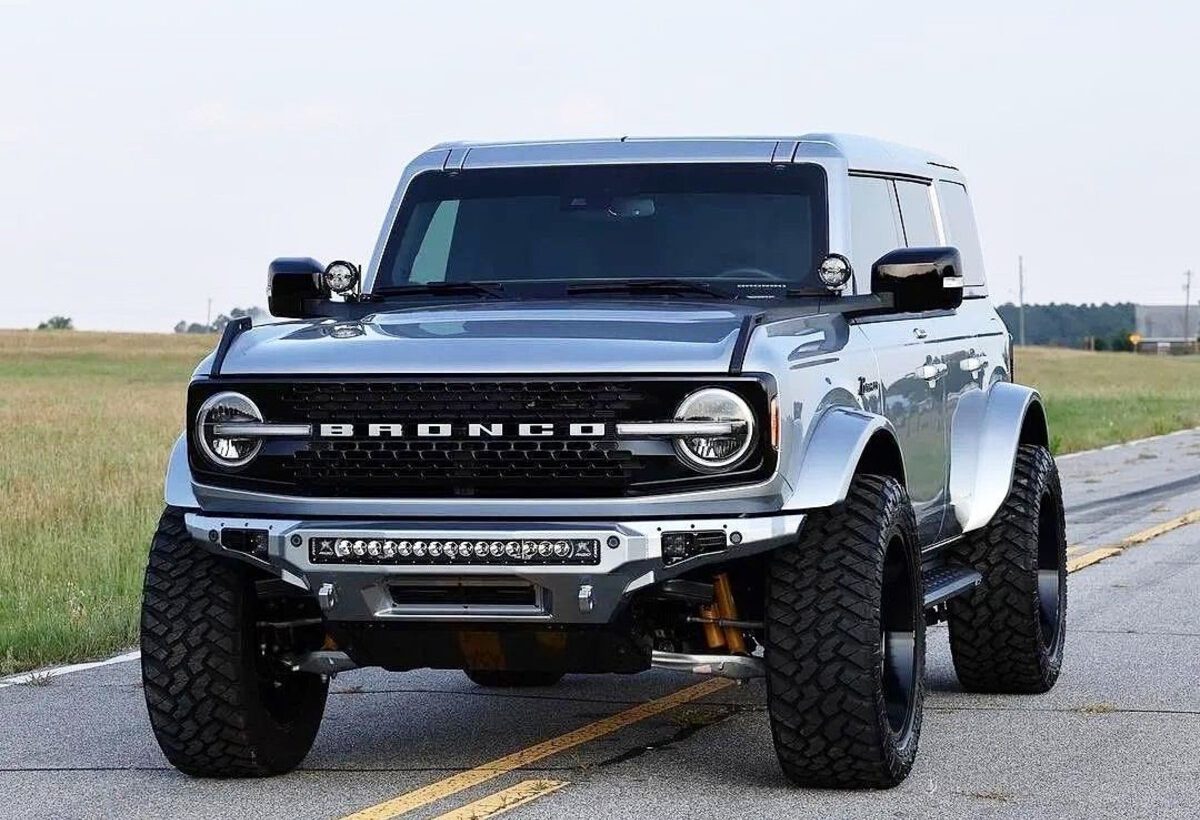
Ground clearance sits at an impressive 11.6 inches in its highest configuration. That number puts it ahead of many competitors that cost significantly more money.
The Bronco also features removable doors and roof panels, adding a raw open-air experience. This design philosophy connects the driver directly to the environment they are exploring.
Its Go Over All Terrain (GOAT) modes allow the driver to optimize the vehicle for mud, sand, rock, and more. Each setting adjusts throttle response, traction control, and stability systems accordingly.
The Bronco’s body-on-frame construction gives it structural rigidity under extreme flex. Competing crossover-based SUVs simply cannot replicate this kind of foundational toughness.
Ford also designed the Bronco with trail-specific features like a front sway bar disconnect. This feature dramatically increases wheel articulation on uneven rocky terrain.
Resale values on the Bronco have remained strong since its relaunch. That alone speaks to how seriously the market takes its off-road reputation. The Bronco is proof that legacy can be rebuilt with engineering, not nostalgia. It earns every inch of its reputation on and off the road.
2. Toyota 4Runner TRD Pro
The Toyota 4Runner TRD Pro is one of the most consistently respected off-road SUVs in America. It has maintained its reputation for decades without relying on gimmicks or flashy redesigns.
The TRD Pro rides on a fully boxed ladder frame that provides exceptional durability. This construction method is increasingly rare in the modern SUV market.
Fox Internal Bypass shocks come standard on the TRD Pro trim level. These are premium dampers that many off-road enthusiasts install as expensive upgrades on other vehicles.
The rear locking differential is included from the factory on this model. It provides confident traction on loose surfaces where other SUVs would struggle or stall completely.
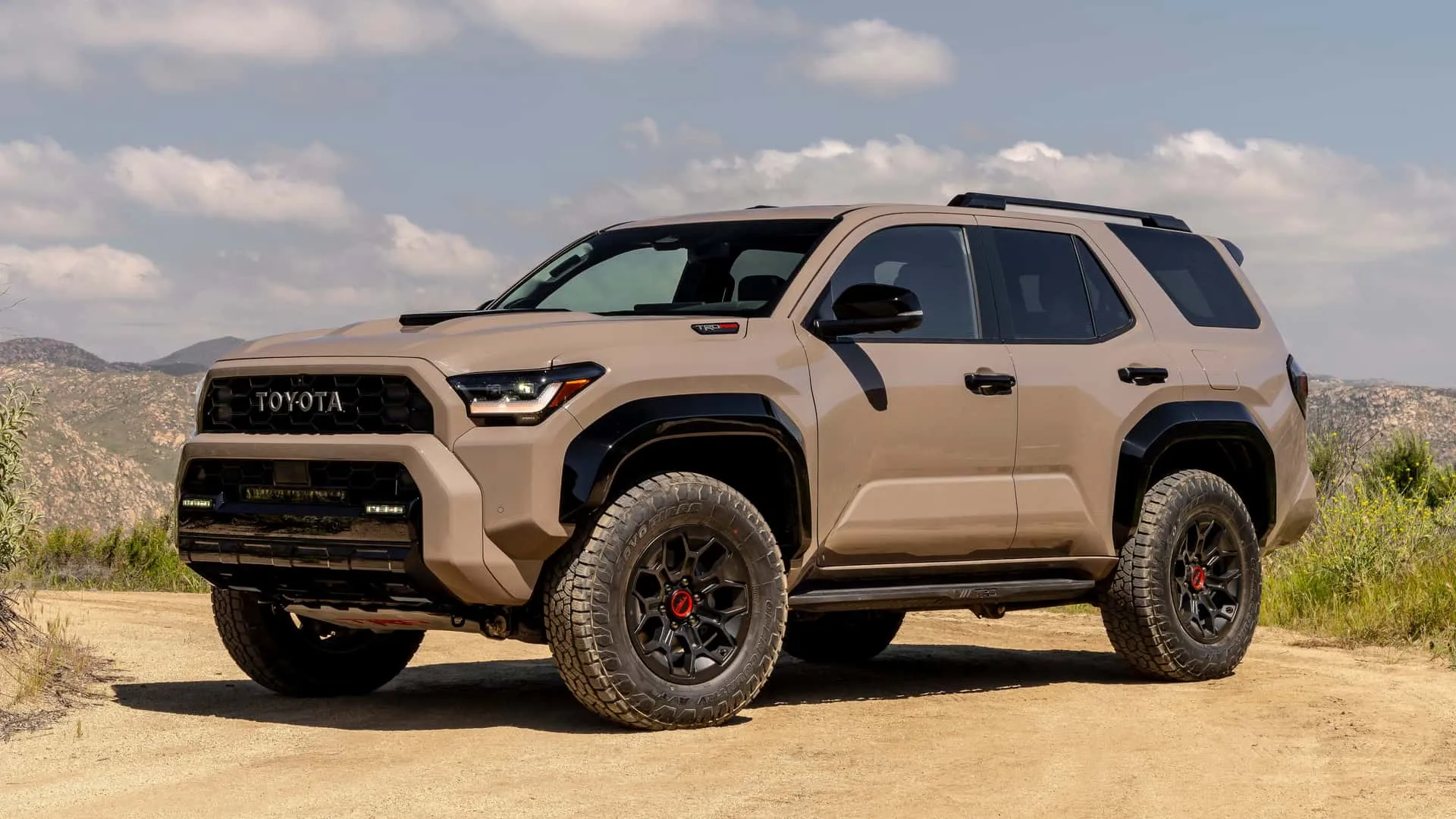
Crawl Control acts like an off-road cruise control system on the 4Runner. It manages throttle and braking automatically across five low-speed settings on challenging terrain.
Multi-terrain Select allows the driver to adjust traction behavior for mud, sand, loose rock, and moguls. This system gives the 4Runner a level of adaptability that benefits both novice and experienced drivers.
The TRD Pro also includes a front skid plate and underbody protection. These components guard critical mechanical components when going through the rocky off-road environments.
Ground clearance reaches 9.6 inches, which is respectable but not class-leading. The trade-off is exceptional highway stability and comfortable long-distance cruising capability.
Toyota’s legendary reliability is perhaps the 4Runner’s greatest off-road asset. A vehicle that never breaks down in remote terrain is worth more than any single technical specification.
The 4Runner TRD Pro has been used by overlanders, park rangers, and expedition teams worldwide. Its track record in the real world backs up everything the spec sheet promises. This is a vehicle that ages gracefully because it was built correctly from the beginning. It represents everything that a true stock 4×4 should be.
3. Ram 1500 TRX
The Ram 1500 TRX is the most powerful factory-built off-road truck ever sold in America. It does not just compete with the Ford Raptor it was designed specifically to dominate it.
Under the hood sits a supercharged 6.2-liter Hellcat V8 producing 702 horsepower. That figure makes it the undisputed king of performance-oriented production trucks globally.
The TRX rides on 35-inch Goodyear Wrangler Territory tires straight from the factory. No aftermarket work is required to achieve this level of all-terrain capability.
Bilstein Black Hawk e2 adaptive dampers adjust automatically based on terrain conditions. This system processes data hundreds of times per second to optimize suspension response continuously.
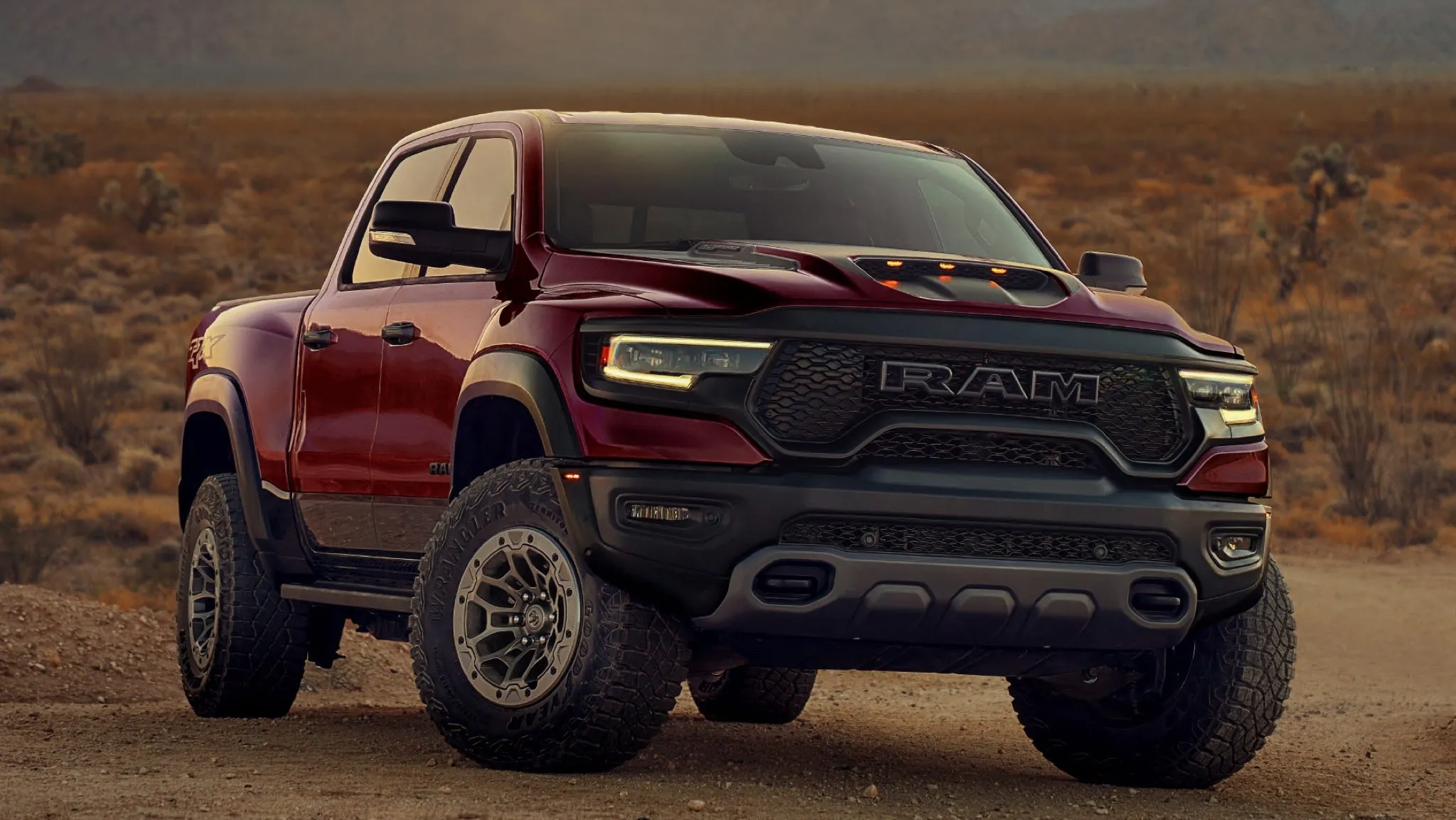
The TRX features 13 inches of suspension travel front and rear. That number rivals purpose-built desert racing trucks that cost several times more money.
Ground clearance stands at 11.8 inches, allowing the TRX to clear serious obstacles. Combined with its skid plates and underbody armor, it handles punishment without hesitation.
Launch Control allows drivers to maximize acceleration off-road without wheel spin damage. This is a feature borrowed directly from performance sports car engineering.
The TRX’s water fording depth reaches 32 inches at slow speeds. River crossings and flooded trails that would disable ordinary trucks are manageable obstacles for this machine.
Its frame is 98 percent high-strength steel, reinforced specifically for off-road stress loading. Ram did not simply tune the suspension they reinforced the entire structural foundation.
The TRX sells at a premium price, but every dollar is justified by engineering substance. This is not an appearance package this is a purpose-built performance machine. When Ram built the TRX, they were not chasing trends. They were setting a benchmark that competitors are still struggling to reach.
4. Jeep Wrangler Rubicon
No list of the best stock 4x4s in America is complete without the Jeep Wrangler Rubicon. It has defined off-road capability for generations of American drivers.
The Rubicon comes with electronic locking front and rear Dana axles straight from the factory. These are the same components that serious off-road builders pay thousands to install aftermarket.
A front sway bar disconnect allows the front wheels to articulate dramatically on uneven terrain. This feature alone gives the Rubicon an off-road advantage that few production vehicles can match.
Rock-Trac four-wheel-drive offers a 4:1 low-range crawl ratio. This is one of the most capable low-range setups available in any production vehicle currently on sale.
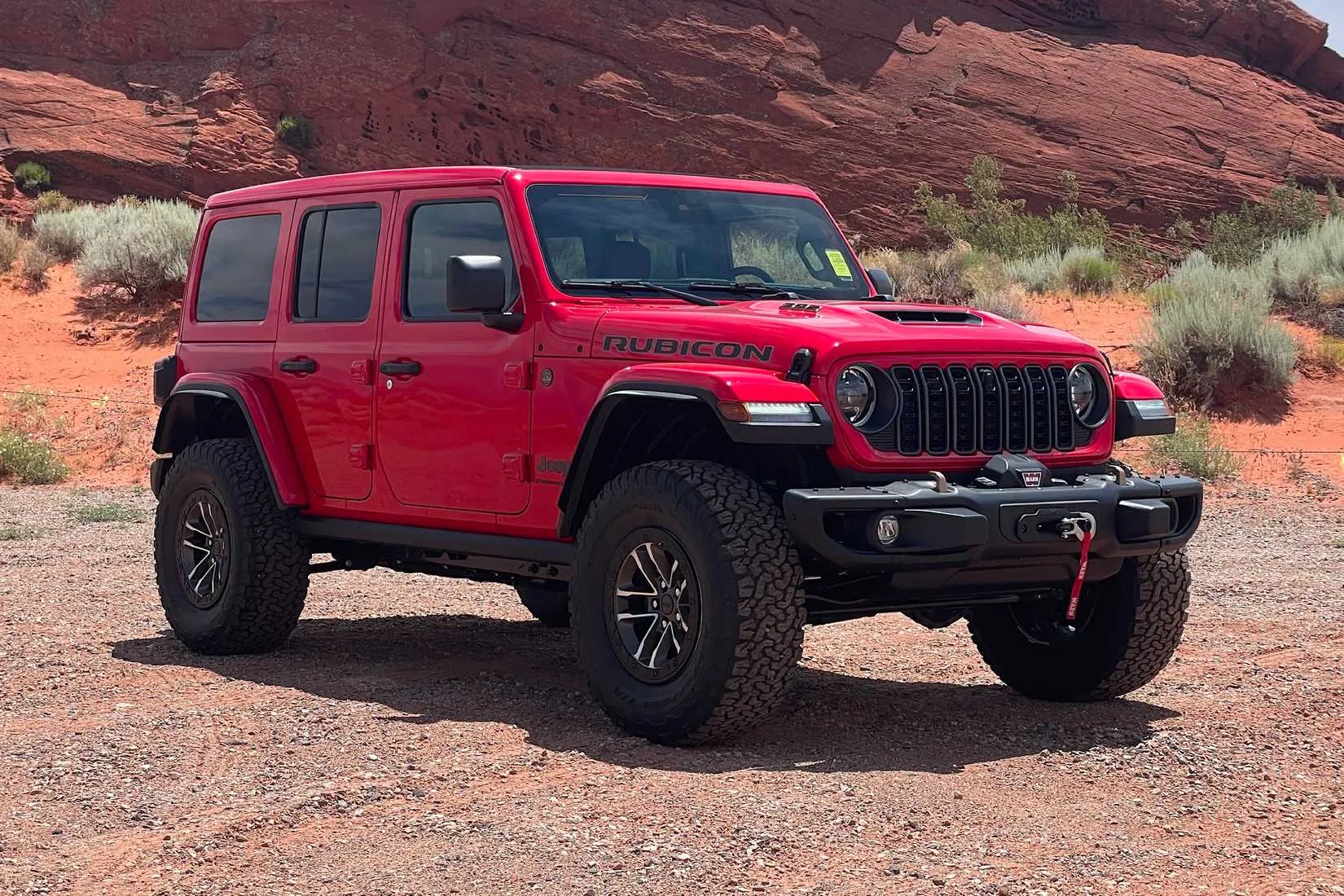
The Rubicon rides on 33-inch tires from the factory, with easy fender clearance for 35-inch upgrades. Most competitors require significant suspension and body modifications to achieve the same fitment.
Ground clearance reaches 10.8 inches in standard configuration. The Rubicon’s short wheelbase and breakover angle make it exceptionally capable on technical rocky trails.
Skid plates protect the fuel tank, transfer case, and differential covers underneath. Jeep engineers designed this protection with serious trail use in mind, not just aesthetic appeal.
The Rubicon’s removable doors, roof, and fold-down windshield create a pure connection to the outdoors. No other mainstream production SUV offers this level of open-air freedom at any price.
Jeep’s Trail Rated badge on the Rubicon is earned through actual off-road testing. The certification covers traction, water fording, maneuverability, articulation, and ground clearance benchmarks.
The Wrangler Rubicon has one of the most passionate and knowledgeable ownership communities in America. This means parts, advice, and trail guidance are always available when needed.
Decades of iteration have made the Rubicon formula nearly perfect. It remains the gold standard against which all other stock 4x4s are measured.
Also Read: 5 Hybrid Systems With Proven Transmission Longevity vs 5 Still Facing Recalls
5. Ford F-150 Raptor R
The Ford F-150 Raptor has been the benchmark for high-performance off-road trucks since 2010. The Raptor R took that legacy and pushed it to a completely new level of capability.
The Raptor R uses a supercharged 5.2-liter V8 producing 700 horsepower. Ford developed this powertrain specifically to challenge the Ram TRX on desert terrain.
Fox Live Valve electronic shocks come standard and adjust 500 times per second. This processing speed ensures the suspension always responds optimally regardless of terrain changes.
The Raptor R features 13.1 inches of front wheel travel and 14.1 inches in the rear. These numbers translate directly into the ability to absorb large hits at high speed.
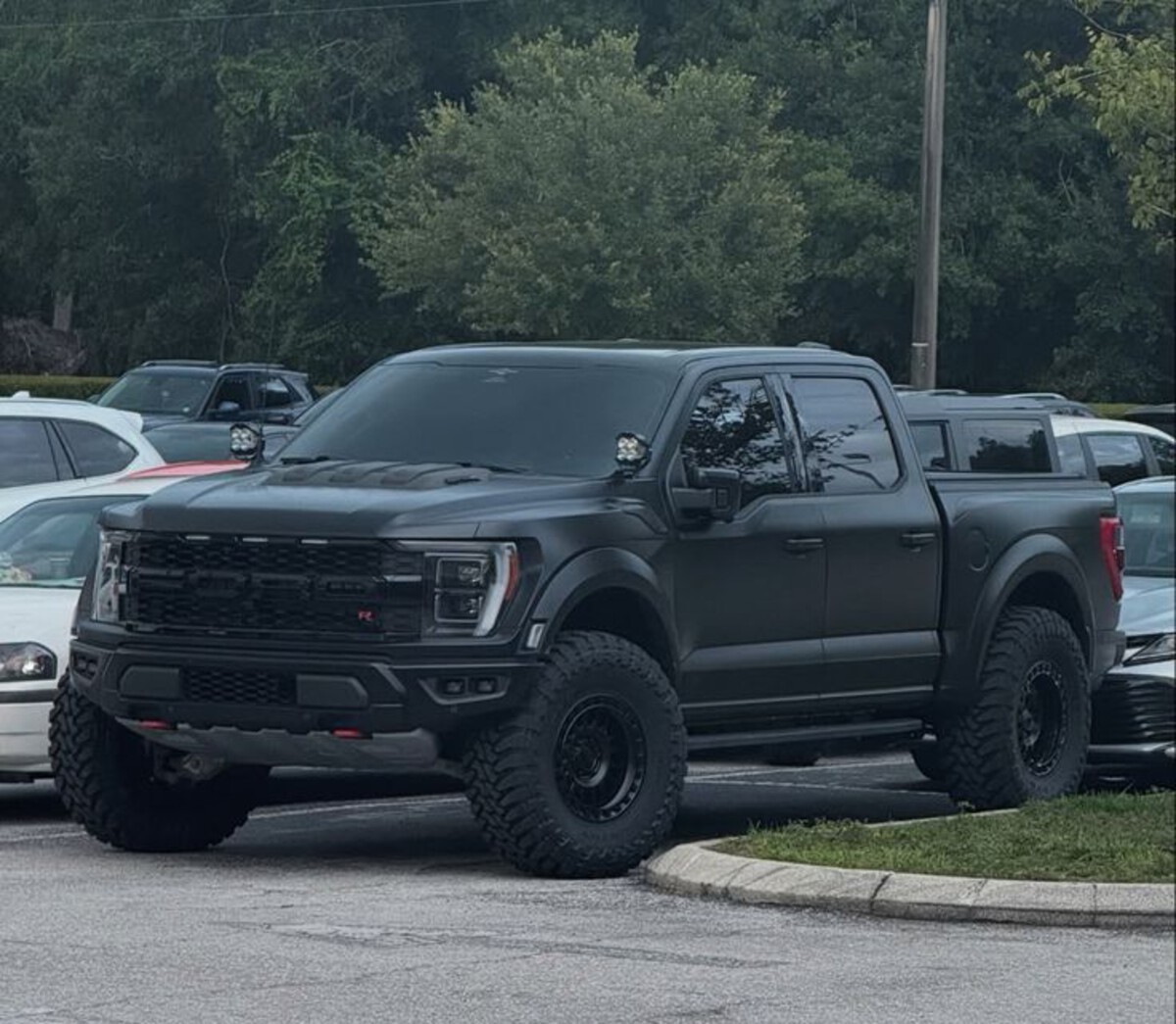
37-inch BFGoodrich All-Terrain tires ship directly from the factory floor. No additional investment is needed to achieve serious trail performance immediately after purchase.
Ground clearance sits at 13.1 inches, making it among the highest of any production truck. This clearance enables the Raptor R to tackle terrain that would beach conventional pickups.
The transfer case offers Baja mode, which optimizes the truck for high-speed desert running. This setting allows the stability control system to permit controlled slides for maximum momentum.
Terrain Management System offers six drive modes including Rock Crawl and Mud and Sand. Each mode adjusts multiple vehicle systems simultaneously for optimized performance in that environment.
The Raptor R’s bedsides flare dramatically to accommodate the wide track and massive tires. This functional design is born from engineering necessity, not styling department decisions.
Ford tests every Raptor R at the Raptor Assault Course before it leaves the factory. This real-world validation process ensures every truck meets performance standards before reaching customers.
The Raptor R represents the pinnacle of American factory off-road truck engineering. It is expensive, dramatic, and completely justified in every claim it makes.
6. Chevrolet Colorado ZR2 Bison
The Chevrolet Colorado ZR2 Bison is a collaboration between GM and American Expedition Vehicles. It is one of the most purpose-built factory off-road mid-size trucks available today.
AEV-designed stamped steel skid plates protect every vulnerable underbody component. These plates are thicker and more comprehensive than what any competitor offers at the stock level.
Multimatic DSSV spool-valve dampers come standard on the ZR2 Bison. These are the same dampers used in motorsport applications and high-end performance vehicles.
The ZR2 Bison features a wider track than the standard Colorado by 3.5 inches. This additional width provides greater stability on off-camber terrain and loose side slopes.
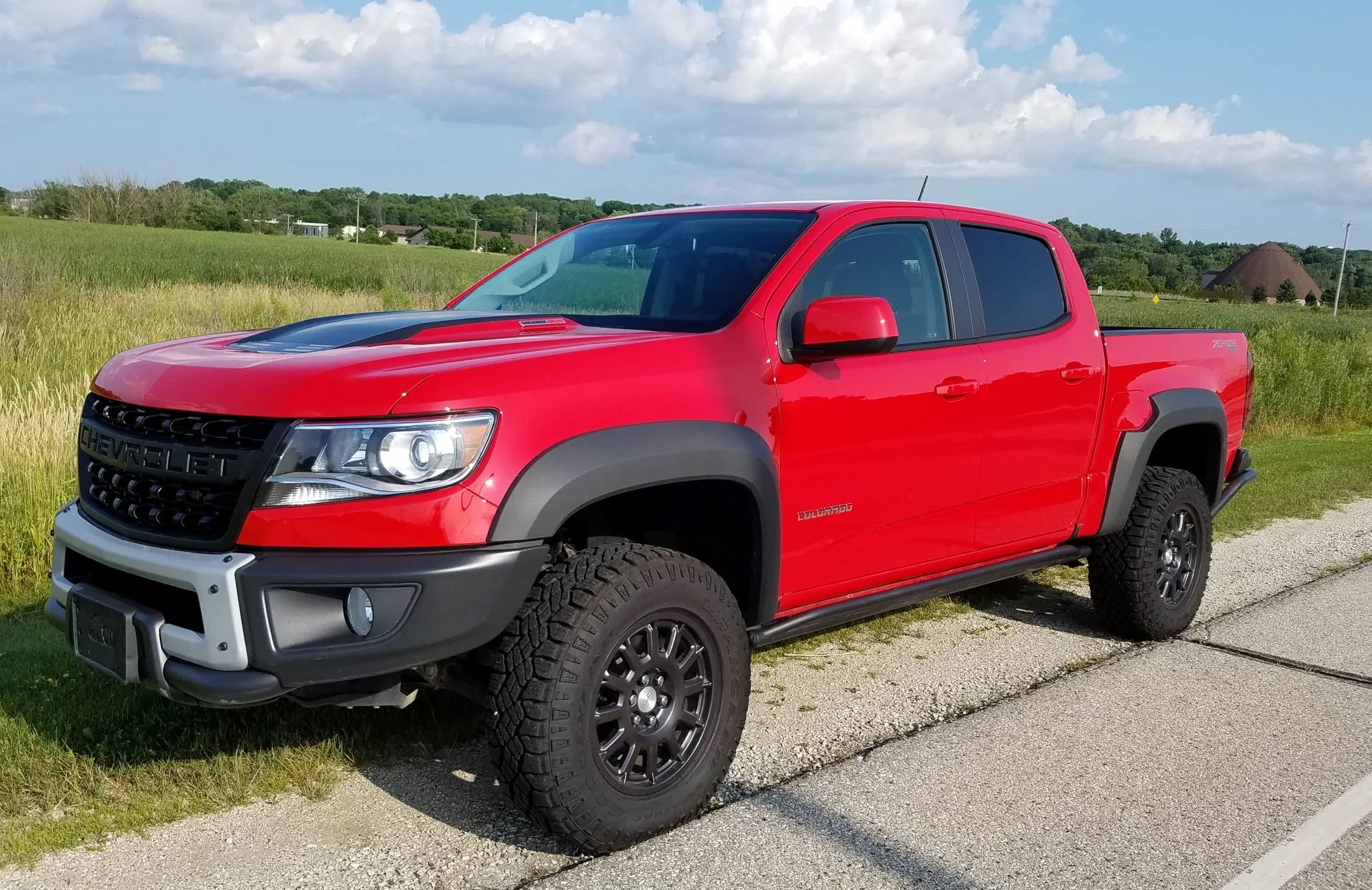
Front and rear electronic locking differentials are included as standard equipment. Combined with an auto-locking rear differential, traction control on the Bison is exceptional.
Ground clearance reaches 8.9 inches in the Bison configuration. The short front and rear overhangs further improve approach and departure angles on steep obstacles.
Rock rails come standard on the Bison to protect the rocker panels from boulder damage. These are beefy steel structures that genuinely absorb trail punishment in real off-road use.
The ZR2 Bison’s suspension lift adds 2 inches over the standard Colorado ride height. This lift comes fully engineered and warranted by General Motors, unlike aftermarket alternatives.
Its 31-inch Goodyear Wrangler Duratrac tires are aggressive and capable across multiple terrain types. Snow, mud, and loose rock are all within the ZR2 Bison’s comfort zone.
The Colorado ZR2 Bison proves that mid-size trucks can offer serious capability without full-size bulk. It is a thoughtful, well-executed machine that punches well above its weight class.
GM and AEV built this truck for people who actually go off-road regularly. Every specification reflects a genuine understanding of what trail driving demands.
6 Overhyped Appearance Packages
These vehicles focus more on visual upgrades than real off-road capability, often featuring aggressive styling, larger wheels, decals, and cosmetic enhancements that suggest ruggedness without delivering true performance.
While they may look trail-ready, many lack essential off-road components like proper suspension tuning, skid protection, or advanced 4×4 systems. As a result, they can struggle in demanding conditions, making them more about appearance than actual capability.
1. Ram 1500 Night Edition
The Ram 1500 Night Edition is one of the most visually aggressive trucks on American roads today. It looks like a serious performance machine but the substance underneath tells a very different story.
The Night Edition is purely a cosmetic package applied to the standard Ram 1500. It does not include any mechanical upgrades, suspension changes, or off-road hardware whatsoever.
Black 20-inch wheels, blacked-out badges, and a dark grille create an intimidating visual presence. Buyers pay thousands of dollars extra for these changes that have zero functional benefit.
The Night Edition does not include any traction upgrades over the base Ram 1500. In real off-road conditions, it performs identically to a standard truck that costs far less.
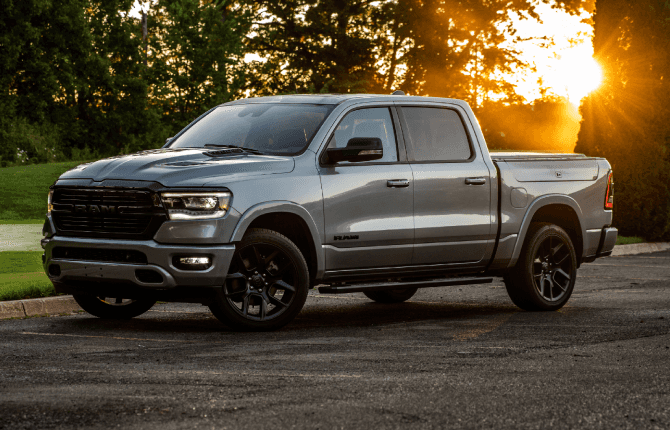
Ground clearance remains unchanged from the base model at around 8 inches. This measurement is insufficient for serious trail work without additional aftermarket modifications.
There are no skid plates, locking differentials, or off-road tires included in this package. The aggressive look suggests capability that the engineering simply does not support.
Ram markets this package toward buyers who want the rugged truck aesthetic for urban use. There is nothing wrong with that preference but the premium pricing feels difficult to justify.
The Night Edition costs between $2,000 and $4,000 more than the equivalent standard model. That money purchases blacked-out trim pieces and nothing that improves real-world performance.
Consumer satisfaction reviews frequently note disappointment when buyers attempt light off-road use. The truck does not respond the way its aggressive appearance suggests it should.
The Night Edition is a product of marketing psychology, not engineering ambition. It sells the fantasy of a capable truck without delivering the mechanical reality behind it.
Ram makes genuinely excellent vehicles, including the TRX covered earlier in this article. The Night Edition, however, represents the opposite end of that capability spectrum entirely.
2. Toyota Tacoma TRD Sport
The Toyota Tacoma TRD Sport sounds impressive when spoken aloud in a dealership. The TRD name carries decades of performance heritage, but this particular trim dilutes that legacy considerably.
The TRD Sport is primarily a road-focused appearance package layered onto the Tacoma platform. It features sport-tuned suspension that is actually firmer and lower than the off-road-focused TRD Off-Road trim.
Hood scoops, 17-inch alloy wheels, and sport badging give the TRD Sport a muscular visual profile. But the lower ride height actively reduces off-road capability compared to cheaper Tacoma variants.
There is no locking rear differential included with the TRD Sport package. This single omission disqualifies it from serious off-road consideration immediately.
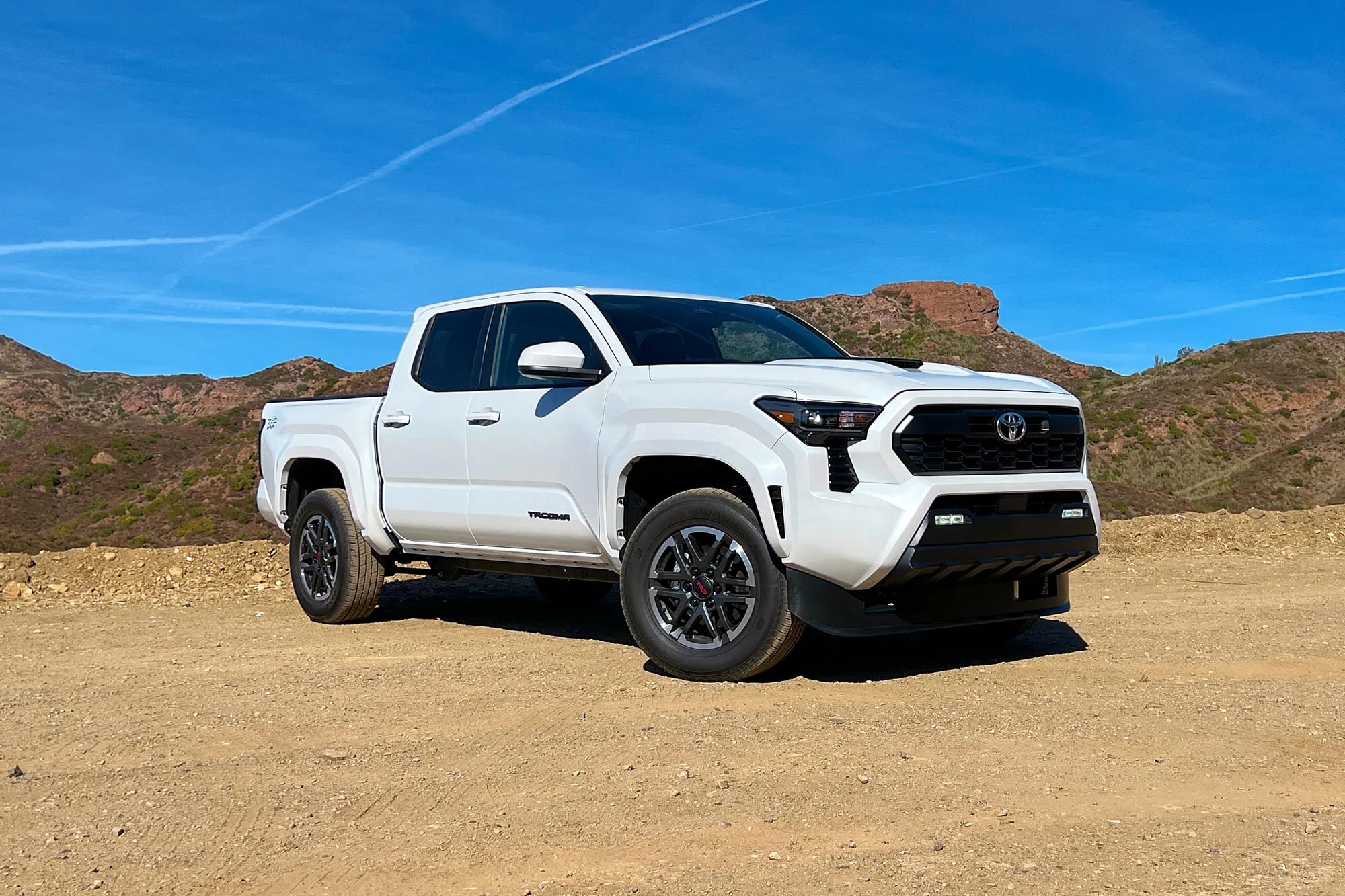
The sport-tuned suspension prioritizes on-road handling over articulation and obstacle clearance. This is the correct priority for a pavement truck, but it contradicts the rugged image being sold.
Toyota charges a significant premium over the base Tacoma for this package. Much of that premium pays for interior leather accents and exterior visual upgrades.
Buyers who intend to use their Tacoma off-road should step up to the TRD Off-Road or TRD Pro. The TRD Sport is genuinely the wrong tool for that purpose despite how it looks.
The Tacoma name and the TRD badge carry enormous trust in the truck community. The Sport trim exploits that trust to sell a boulevard package at an off-road premium price.
Consumer forums are filled with TRD Sport owners who regret not choosing the Off-Road variant. The on-road ride quality is marginally better, but the capability trade-off is severe.
Toyota could argue that the TRD Sport serves a legitimate market of style-focused buyers. That argument holds up as long as those buyers understand exactly what they are and are not purchasing. The TRD Sport is not a bad truck. It is simply an overhyped one that trades substance for style at every turn.
3. Chevrolet Silverado Midnight Edition
The Chevrolet Silverado Midnight Edition follows the same formula as Ram’s Night Edition almost exactly. It is a blacked-out cosmetic package presented as something meaningfully different from the standard Silverado.
Dark tinted windows, black exterior badges, black aluminum wheels, and a black grille define the Midnight Edition visually. These changes cost buyers approximately $2,500 to $3,500 above the base price.
No mechanical changes accompany these aesthetic updates whatsoever. The powertrain, suspension geometry, ground clearance, and traction systems remain completely stock.
Chevrolet does not include any additional off-road hardware with the Midnight Edition package. Buyers receive cosmetics exclusively, wrapped in aggressive marketing language.
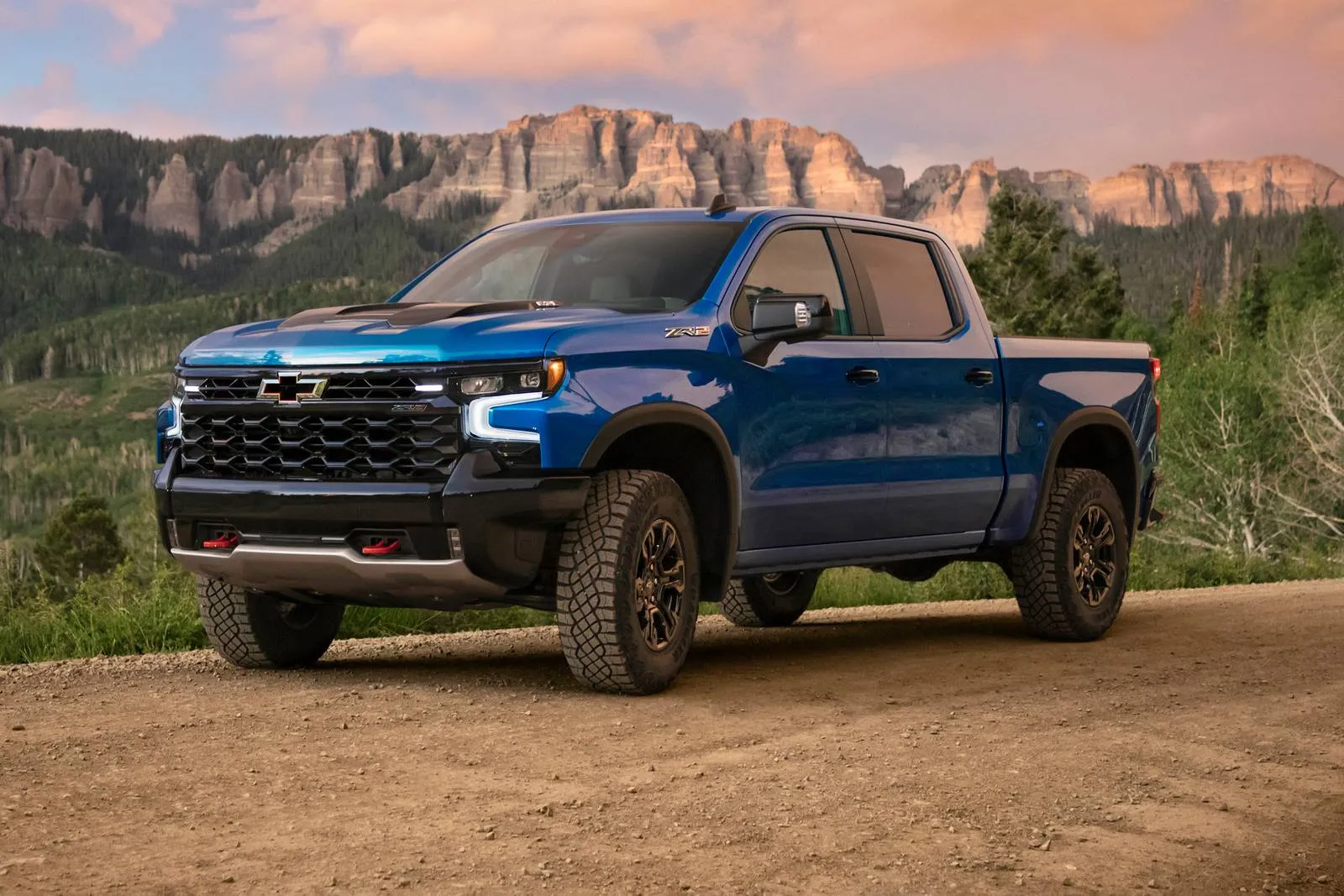
The truck’s approach angle, departure angle, and breakover angle remain identical to the base model. These measurements are the true indicators of off-road capability, and they are unimproved.
Many Midnight Edition buyers use the truck exclusively for urban commuting and light hauling. For that use case, the package delivers exactly what they want aesthetically.
The problem arises when the appearance package creates false confidence for buyers who attempt trail use. The Silverado Midnight Edition will not perform differently than a standard Z71 in challenging terrain.
Chevrolet is transparent in its marketing materials that this is a visual package. However, the aggressive presentation still creates impressions that exceed mechanical reality.
The Silverado platform is genuinely capable when equipped with proper off-road hardware. The Midnight Edition simply channels that platform’s budget toward appearance rather than performance.
Blacked-out trucks have become a cultural phenomenon in American truck culture. The Midnight Edition feeds that appetite effectively, but buyers should understand the product they are purchasing.
Style and substance are not mutually exclusive, but in this case they exist at opposite ends of the options sheet. The Midnight Edition chooses style emphatically and completely.
4. Ford F-150 Sport Appearance Package
The Ford F-150 Sport Appearance Package is one of the most widely purchased cosmetic upgrades in America. Ford moves enormous volume of this package, and the reasons are entirely understandable.
Lowered sport suspension, 20-inch chrome or machined wheels, and sport badging define this package. The lowered ride height gives the F-150 a sleek, aggressive stance on pavement.
However, the lowered suspension is the exact opposite of what off-road capability requires. Every inch of lowering reduces ground clearance and limits wheel articulation significantly.
Ford markets this package toward buyers who primarily drive on highways and city roads. For that specific use case, the Sport package delivers a genuinely improved driving experience.
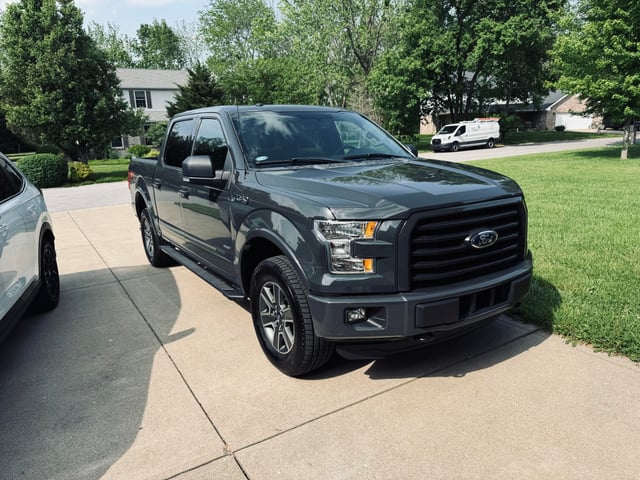
The problem is that many buyers assume the aggressive styling indicates some level of off-road improvement. The reality is that this package actively moves the F-150 further from trail capability.
Chrome wheels are particularly impractical for off-road use as they are prone to curb damage and corrosion from mud exposure. They are an aesthetic feature specifically designed for asphalt environments.
The Sport package commands a price premium of several thousand dollars over comparable non-Sport F-150 configurations. That premium pays for styling changes that most wear out or depreciate quickly.
Ford’s Tremor and Raptor packages represent genuine engineering investment in capability. The Sport package borrows the same marketing energy without delivering any comparable performance improvements.
F-150 buyers have an enormous range of capable trim levels available to them. Choosing the Sport package is choosing appearance over every meaningful performance metric. The F-150 Sport looks aggressive parked in a suburban driveway or office parking lot. It fulfills that specific social purpose exceptionally well.
But it is important to recognize that parking lot presence and trail capability are fundamentally different things. The Sport Appearance Package delivers one and sacrifices the other completely.
5. GMC Sierra AT4 Carbon Pro (Appearance-Focused Trim)
The GMC Sierra AT4 occupies an interesting position in the marketplace. Its name and marketing suggest serious off-road intent, but closer examination reveals that several AT4 configurations are more appearance than substance.
The Carbon Pro edition focuses heavily on carbon fiber exterior accents and premium interior materials. These additions look extraordinarily expensive and sophisticated in person.
However, carbon fiber hood inserts and bed caps add zero capability to an off-road truck. They add weight savings in theory but nothing that translates to meaningful trail performance.
The AT4’s standard suspension is a moderate improvement over the base Sierra. But it falls well short of the Chevy Colorado ZR2 Bison’s purpose-built off-road hardware discussed earlier.
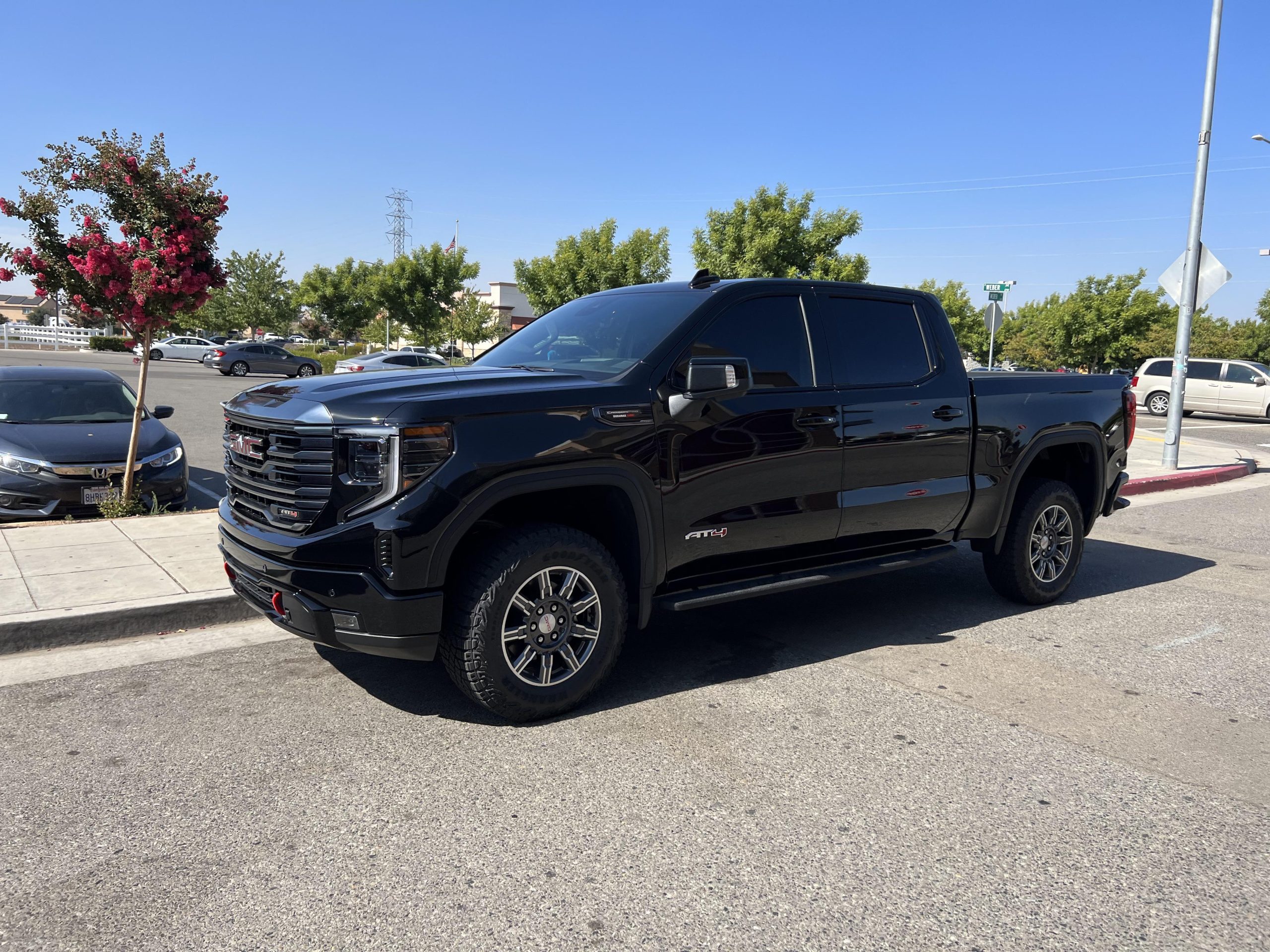
GMC positions the AT4 as a premium lifestyle truck that bridges luxury and off-road identity. This positioning is commercially brilliant but technically misleading for buyers expecting serious capability.
The AT4 does include some genuine off-road features like off-road suspension tuning and skid plates. But the Carbon Pro premium pushes buyers toward interior and exterior upgrades that serve no trail purpose.
Buyers who step into a Carbon Pro AT4 are paying heavily for aesthetics, materials, and brand positioning. The actual off-road engineering content does not justify the significant price premium over a standard AT4.
GMC’s marketing for the AT4 line is extraordinarily sophisticated and visually compelling. Mountain imagery, dramatic lighting, and adventure-themed campaigns create powerful aspirational associations.
Those associations are only partially earned by the engineering underneath the Carbon Pro trim. The standard AT4 offers genuine value, but the Carbon Pro charges a luxury premium for aesthetic upgrades.
The Sierra AT4 Carbon Pro is a beautiful truck that many buyers will love for highway use. It simply does not match the off-road promise that its appearance and marketing imply.
GMC makes the Sierra AT4X for buyers who genuinely need serious off-road performance. The Carbon Pro, by contrast, is designed for buyers who want the look of that capability.
6. Honda Ridgeline Black Edition
The Honda Ridgeline is an excellent, practical, and well-engineered vehicle for everyday use. But the Black Edition appearance package wraps it in false promises that it fundamentally cannot keep.
The Ridgeline is a unibody truck built on a car platform, not a body-on-frame construction. This fundamental architecture limits its off-road capability regardless of what appearance package is applied.
The Black Edition adds blacked-out 18-inch wheels, black badging, and a sport appearance kit. Honda charges a notable premium over the standard Ridgeline for these purely cosmetic additions.
No suspension upgrades, skid plates, locking differentials, or all-terrain tires are included. The Black Edition is a trim level designed for urban buyers who want a rugged-looking daily driver.
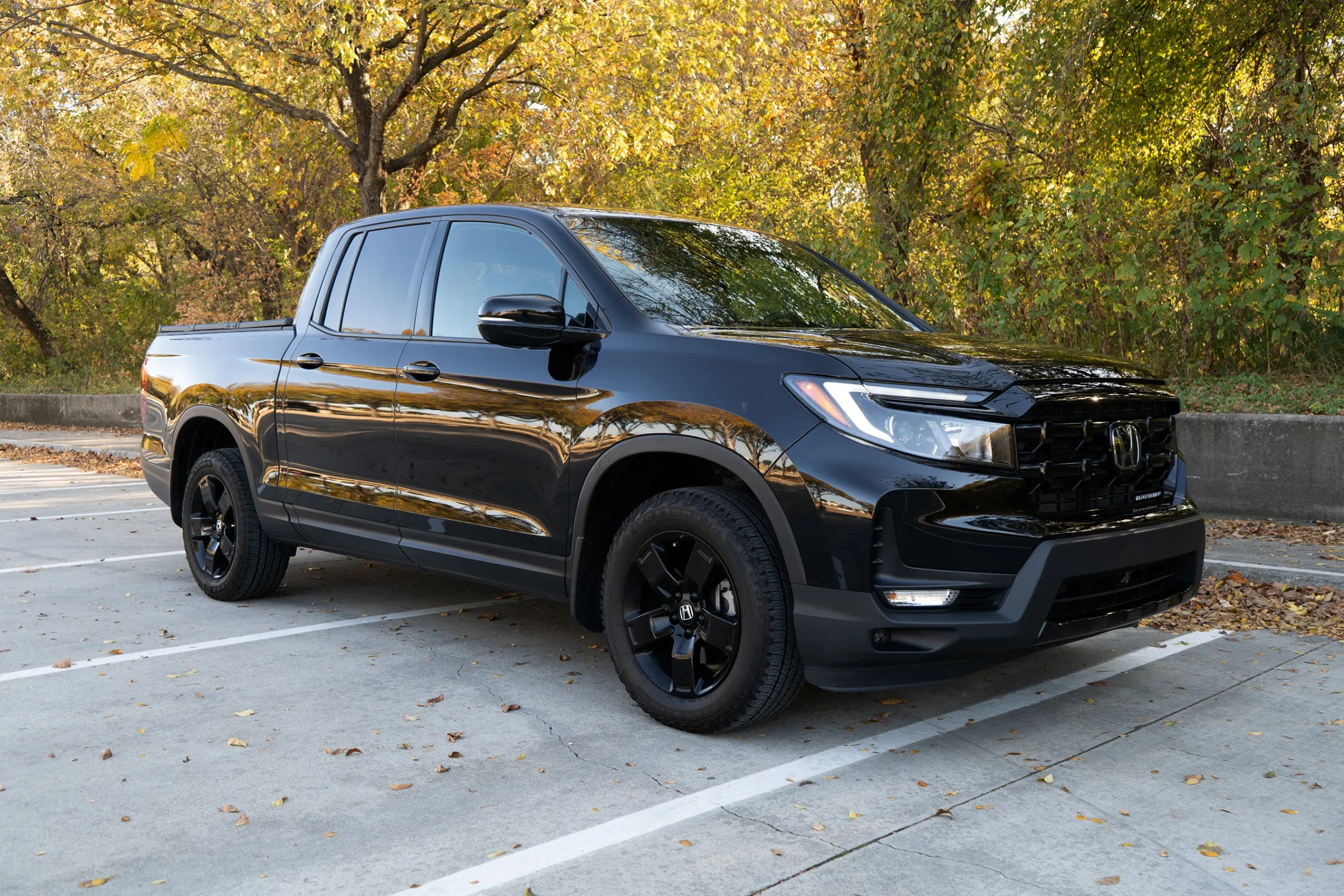
Honda’s AWD system on the Ridgeline is sophisticated and handles light off-road use competently. But the Black Edition’s visual aggression far outpaces what that AWD system can actually manage on serious terrain.
Ground clearance on the Ridgeline Black Edition sits at approximately 7.9 inches. For comparison, most genuine off-road vehicles start their serious configurations above 10 inches.
The Ridgeline’s dual-action tailgate and in-bed trunk are genuinely innovative and useful features. These engineering highlights are the truck’s real strengths, not any implied off-road capability.
Honda markets the Ridgeline toward buyers who want truck versatility with car-like comfort. The Black Edition leans into a visual toughness that contradicts that honest and accurate value proposition.
Ridgeline owners frequently report high satisfaction for road use, camping, and light gravel exploration. Problems emerge when buyers expect it to perform like the aggressive imagery suggests it can.
The Ridgeline Black Edition is a classic example of an appearance package that misrepresents a fundamentally capable but niche product. Honda would serve buyers better by leaning into what the Ridgeline genuinely does well.
Honesty in marketing builds long-term brand loyalty. The Black Edition sacrifices that honesty for short-term visual appeal and premium pricing that the engineering does not support.
Also Read: 5 Vehicles With High Quality Weather Stripping vs 5 With Wind Whistle Issues
