Modern vehicles are no longer defined solely by engine performance or exterior styling. Today, dashboard technology plays a critical role in shaping the driving experience, particularly when it comes to visibility and safety.
High-contrast displays have become essential, allowing drivers to quickly read important information without straining their eyes or losing focus on the road. Whether driving under harsh sunlight or in low-light conditions, clear and legible screens can significantly reduce distraction and improve reaction time.
This list of 12 vehicles with high-contrast dashboard displays highlights models that excel in delivering crisp visuals, smart layouts, and driver-focused interfaces. From luxury sedans to practical SUVs and cutting-edge electric vehicles, each model demonstrates how thoughtful design and advanced display technology can enhance everyday driving.
Leading the list is the Mercedes-Benz S-Class, a vehicle that sets the standard with its immersive digital cockpit and refined engineering. Together, these vehicles showcase how innovation in display systems is redefining clarity, comfort, and confidence behind the wheel.
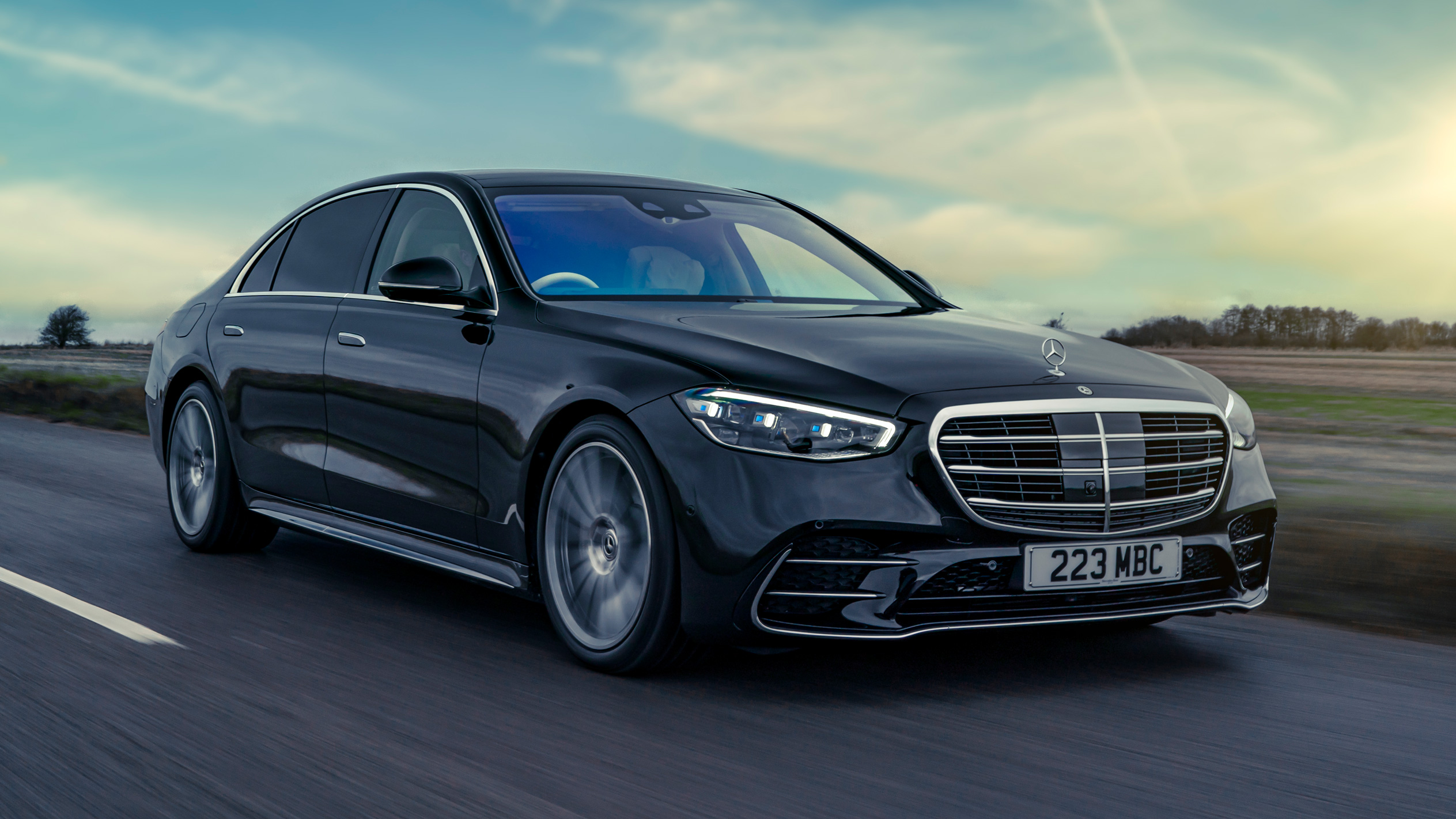
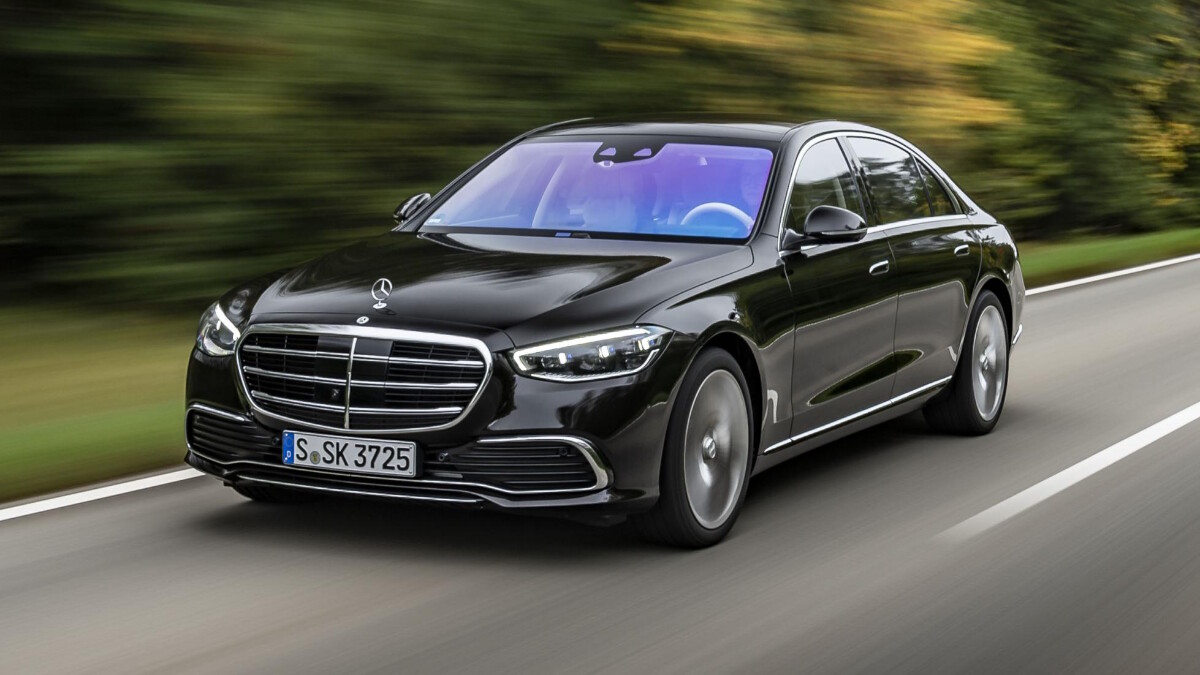
1. Mercedes-Benz S-Class: Advanced Technology and Luxury Performance
The Mercedes-Benz S-Class stands as a benchmark in luxury sedans, combining cutting-edge digital technology with refined performance and comfort. At the heart of its interior is the MBUX Hyperscreen, a striking 56-inch curved glass panel that integrates three displays into one seamless unit.
This includes a 12.3-inch 3D driver instrument cluster and OLED-powered central and passenger screens. The use of self-luminous OLED pixels ensures deep blacks, vivid colors, and exceptional contrast, maintaining clarity regardless of lighting conditions or viewing angle. Anti-reflective coatings further enhance visibility while reducing glare and simplifying maintenance.
The second-generation MBUX system enhances usability with features like eye-tracking for the 3D display and an augmented reality head-up display that projects navigation directly onto the road. Drivers can customize display styles, Classic, Sporty, or Progressive, to suit their visibility preferences. Ambient lighting also plays a functional role by reinforcing safety alerts visually.
Under the hood, the S-Class offers multiple powertrains, including a 442-hp turbocharged inline-six (S500), a 496-hp twin-turbo V8 (S580), and a 510-hp plug-in hybrid (S580e).
All models feature a 9-speed automatic transmission and all-wheel drive, delivering smooth acceleration and a quiet, composed ride. Advanced systems like air suspension, E-Active Body Control, and all-wheel steering improve handling and comfort, even in tight spaces.
Inside, the cabin prioritizes luxury with premium materials, optional Nappa leather, and advanced rear-seat packages featuring reclining massage seats and entertainment screens. A 12.8-inch OLED touchscreen anchors the infotainment system, supported by voice controls, smartphone integration, and premium audio options.
Safety is comprehensive, with standard driver-assistance features such as adaptive cruise control, lane-keeping assist, and automated emergency braking, alongside innovations like rear-seat airbags.
The S-Class blends innovation, performance, and opulence, reinforcing its status as a leader in automotive excellence.
2. Cadillac Escalade: Cutting-Edge Display and Full-Size Luxury Performance
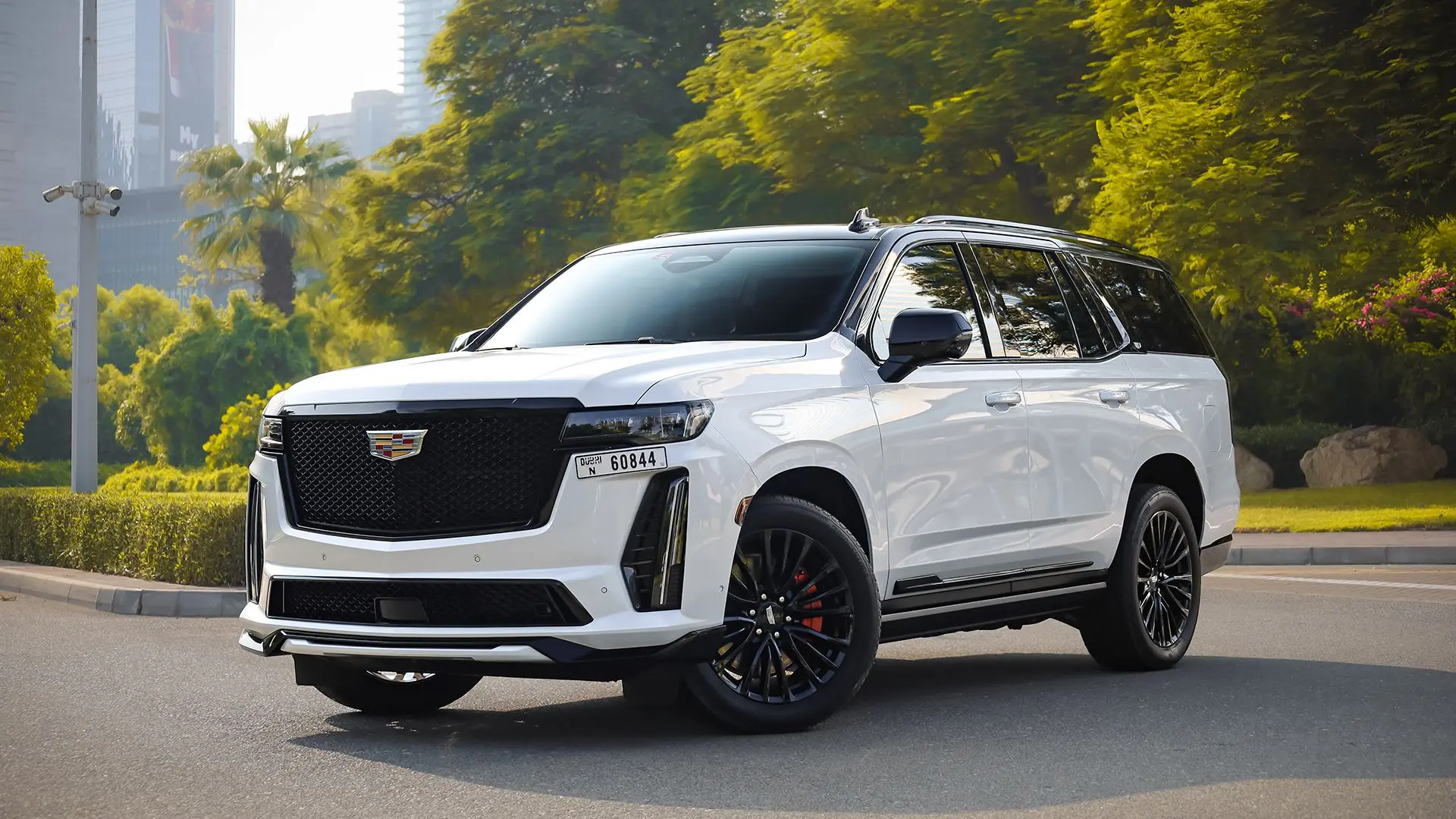
The Cadillac Escalade redefines modern luxury SUVs by combining bold design, advanced technology, and powerful performance. At the center of its innovation is the industry-first 38-inch curved OLED display, a groundbreaking feature that delivers twice the pixel density of a 4K television.
This expansive digital interface is divided into three sections: a 7.2-inch driver information center, a 14.2-inch instrument cluster, and a 16.9-inch infotainment screen.
Thanks to OLED technology, each pixel emits its own light, producing perfect blacks, vibrant colors, and exceptional contrast. The curved layout places critical information directly within the driver’s natural line of sight, improving visibility while minimizing distraction.
The Escalade’s display system enhances usability with seamless integration of navigation, diagnostics, and camera feeds. Augmented reality navigation overlays directions onto a live road view, while available night vision detects pedestrians and animals in low-light conditions, significantly improving safety. The large digital interface also allows for a lower dashboard design, contributing to better outward visibility.
Performance-wise, the Escalade offers a standard 420-horsepower 6.2-liter V8 engine, as well as a high-performance Escalade-V variant with a supercharged 682-horsepower V8. Both pair with a 10-speed automatic transmission and offer rear- or all-wheel drive.
While not the most agile in its class, the Escalade benefits from an independent rear suspension and available adaptive air suspension, enhancing ride comfort and interior space.
Inside, the cabin emphasizes luxury with premium materials, ambient lighting, and advanced seating options, including massaging second-row captain’s chairs. Cargo space is generous, especially in the extended ESV model.
Additional highlights include a large infotainment system, AKG premium audio, and advanced driver-assistance features such as Super Cruise hands-free driving. The Escalade blends high-tech innovation with comfort and commanding performance.
3. Tesla Model S: Minimalist Design and High-Contrast Digital Innovation
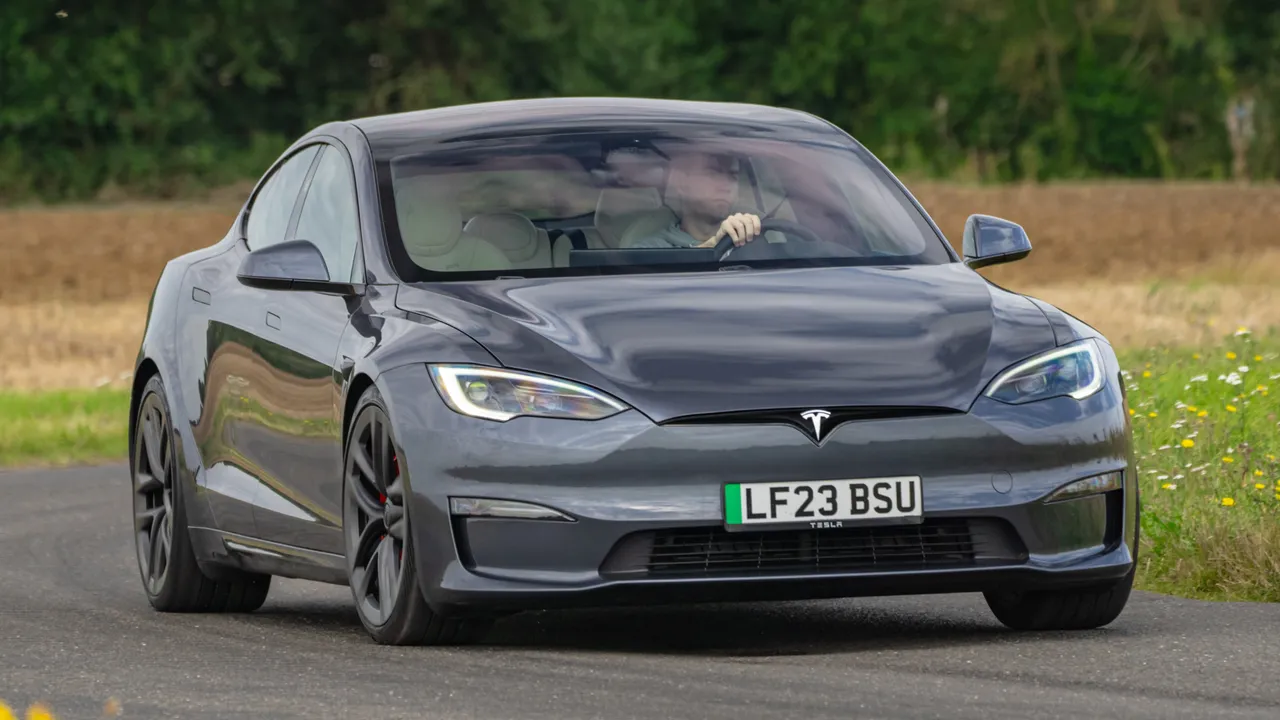
The Tesla Model S stands out in the luxury electric sedan segment for its minimalist interior and highly advanced digital interface. At the center of its design is a large 17-inch horizontal touchscreen that functions as the primary control hub for nearly all vehicle operations.
This high-resolution display delivers sharp graphics, fast response times, and high-contrast visuals, ensuring excellent readability in both bright daylight and nighttime driving. Complementing it is a 12.3-inch digital instrument cluster positioned directly in front of the driver, providing essential data such as speed, range, and navigation with clear, professional-grade precision.
A key strength of the Model S is its focus on simplicity and usability. The interface uses large fonts, uncluttered layouts, and automatic brightness adjustments with dedicated day and night modes to reduce glare and eye strain.
High-contrast themes, including dark mode, further enhance visibility in varying lighting conditions. Additionally, the system features intuitive 3D visualizations of surrounding vehicles and lanes, improving driver awareness and safety, particularly in complex or low-visibility situations.
Beyond its display technology, the Model S is renowned for its performance and efficiency. Equipped with a 100-kWh battery and dual-motor all-wheel drive, it offers over 400 miles of estimated range and exceptional acceleration, especially in the high-performance Plaid variant. The vehicle also benefits from access to Tesla’s extensive Supercharger network, making long-distance travel more convenient.
Inside, the cabin emphasizes a clean, futuristic aesthetic with minimal physical controls, creating a “tablet-like” experience. Practicality is also a highlight, with generous cargo space provided by both a rear hatch and a front trunk.
However, the Model S is not without drawbacks. Some critics note that its interior materials lack the refinement of traditional luxury rivals, and features like the yoke steering wheel and absence of Apple CarPlay or Android Auto may not appeal to all drivers. The Model S excels in technology, range, and performance.
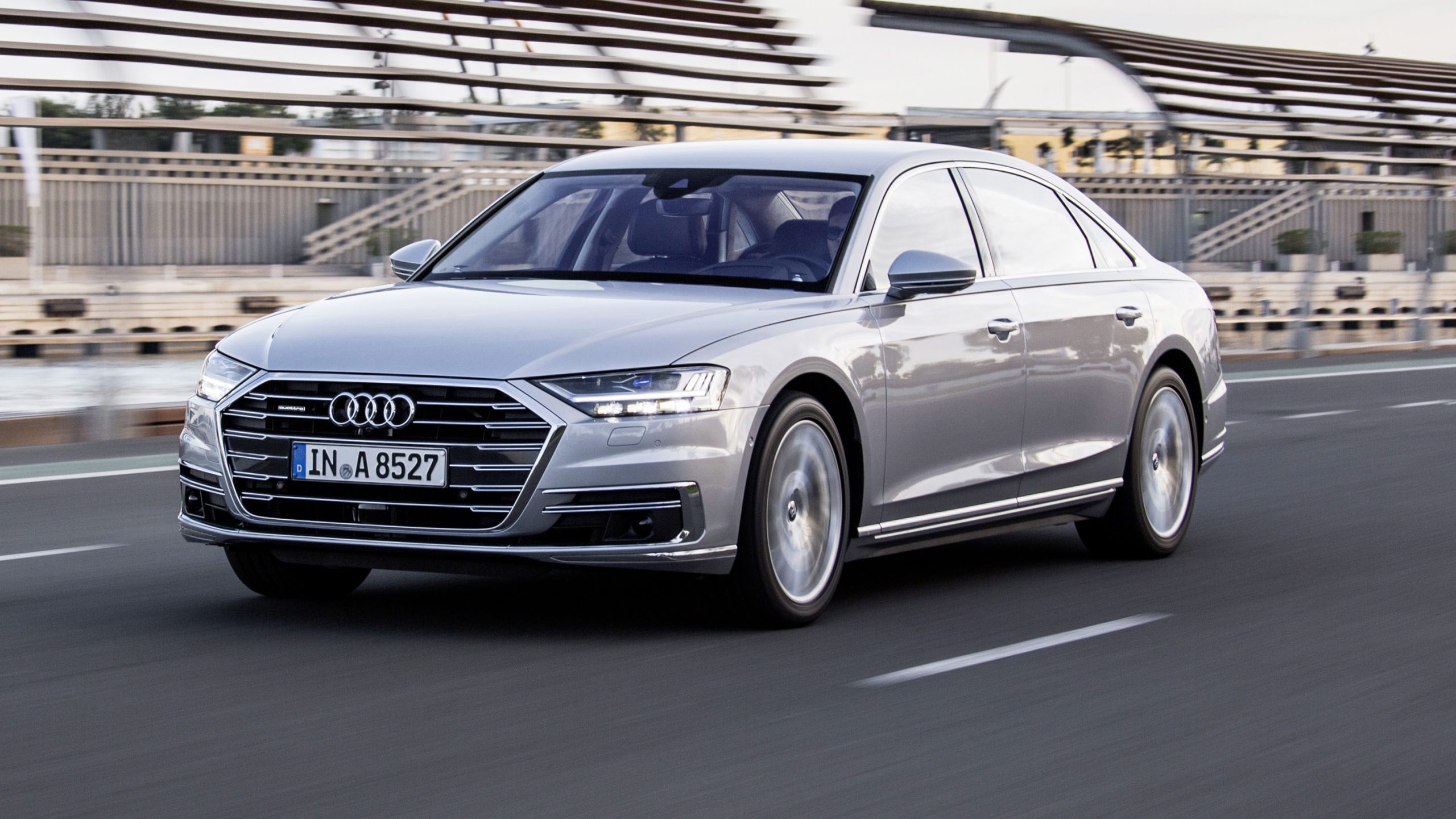
4. Audi A8: Advanced Digital Clarity and Refined Luxury
The Audi A8 delivers a strong combination of advanced display technology, refined comfort, and smooth performance. At the center of its interior is the Audi Virtual Cockpit, a 12.3-inch full-HD digital instrument cluster that replaces traditional analog gauges.
This display runs at a smooth 60 frames per second and offers a resolution of up to 1920 by 720 pixels, ensuring sharp graphics and clear text. Anti-glare layers reduce reflections and prevent sunlight from washing out the screen, maintaining excellent visibility in all lighting conditions.
Drivers can switch between different display modes depending on their preference. The Classic mode highlights traditional speedometer and tachometer views, while the Infotainment mode enlarges navigation maps and media information. This flexibility allows drivers to prioritize the most important information.
Supporting the main display is Audi’s dual screen MMI Touch Response system, which includes a 10.1-inch upper touchscreen and an 8.6-inch lower screen for climate and secondary controls.
Both screens use high-contrast icons and provide haptic feedback, allowing users to interact with confidence without constantly looking away from the road. An optional head-up display projects essential data directly onto the windshield for added convenience.
Performance in the Audi A8 is powered by a 335-horsepower turbocharged 3.0-liter V6 engine supported by a 48-volt hybrid system. It uses an eight-speed automatic transmission and All Wheel Drive, delivering smooth and responsive acceleration. The driving experience is quiet and comfortable, enhanced by strong sound insulation and adaptive air suspension.
Inside, the cabin emphasizes space and premium materials, with optional rear seat features such as massage and ventilation. The Audi A8 combines clarity, technology, and comfort in a sophisticated package.
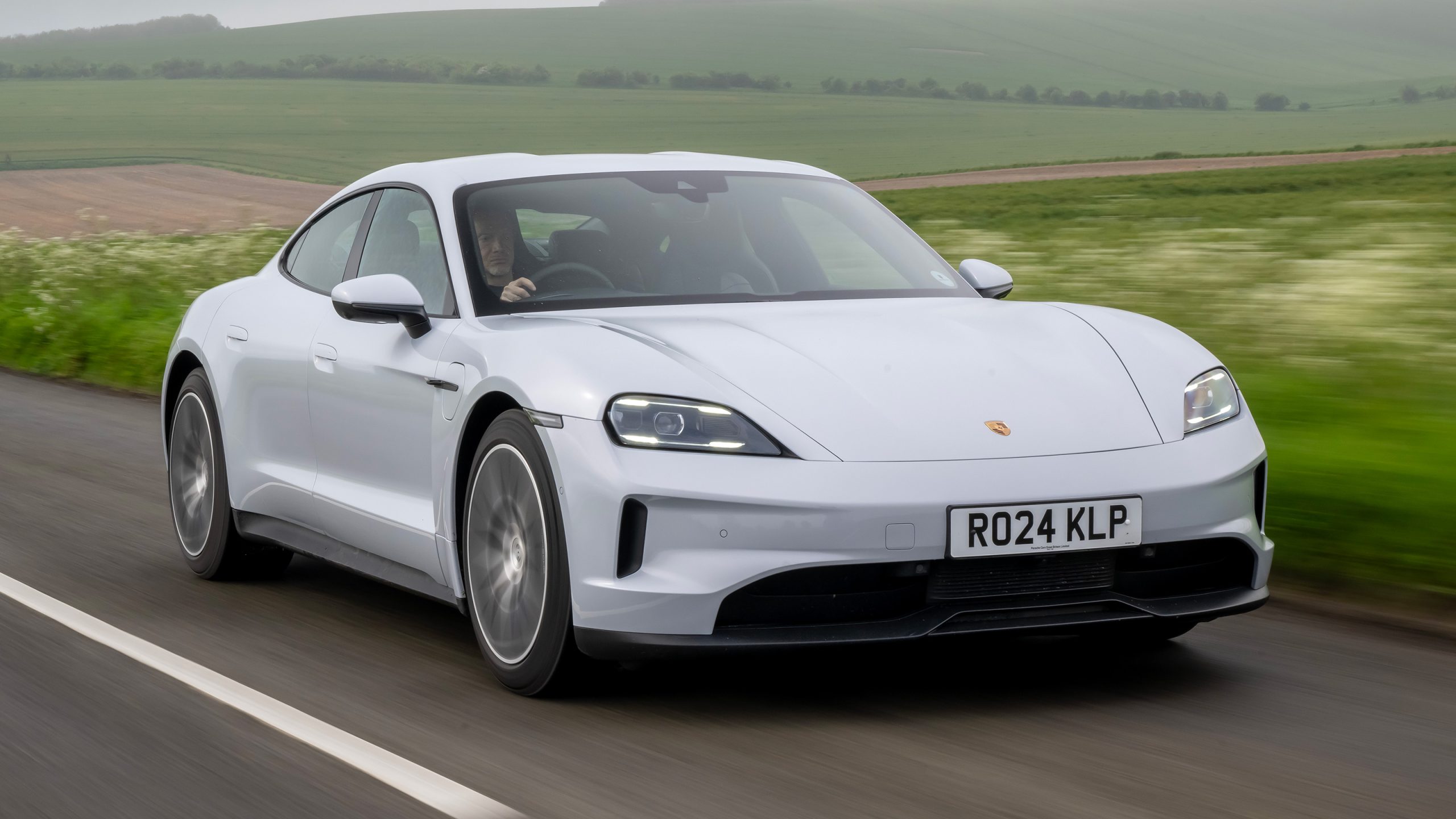
5. Porsche Taycan: High-Contrast Digital Cockpit and Performance Excellence
The Porsche Taycan combines advanced electric performance with a driver-focused digital cockpit designed for clarity and precision. At the center of its interior is a curved 16.8-inch digital instrument cluster with a distinctive glass-like appearance inspired by traditional Porsche design.
This display emphasizes high-contrast visuals, crisp graphics, and fast response times, ensuring that key driving information remains clear and easy to read in all lighting conditions. Its curved shape is ergonomically designed to face the driver, reducing glare and keeping essential data within natural sightlines.
The instrument cluster offers multiple display modes, including Classic, Map, Full Map, and Reduced. These options allow drivers to customize the interface to highlight navigation, power usage, or simplified driving data. The layout maintains a dark, high-contrast background to improve readability and minimize distractions.
Complementing this is a central 10.9-inch infotainment screen, along with optional additional displays, all treated with special coatings to reduce reflections. This ensures that critical information such as battery status, navigation, and performance metrics remains visible even in bright ambient light.
Beyond its display technology, the Taycan is known for exceptional performance. High-end variants like the Turbo S produce up to 750 horsepower and can accelerate from 0 to 60 mph in as little as 2.5 seconds.
The vehicle offers precise handling, responsive steering, and a composed ride, especially when equipped with adaptive air suspension. Improved range and faster charging capabilities in newer models make it more practical for everyday use.
Inside, the cabin features premium materials and a clean, modern design that prioritizes functionality. However, the Taycan does have some drawbacks, including high pricing, limited rear headroom, and modest cargo space compared to rivals.
The Porsche Taycan delivers a blend of high-performance engineering and high-contrast digital innovation, making it a compelling choice for drivers seeking both excitement and advanced technology.
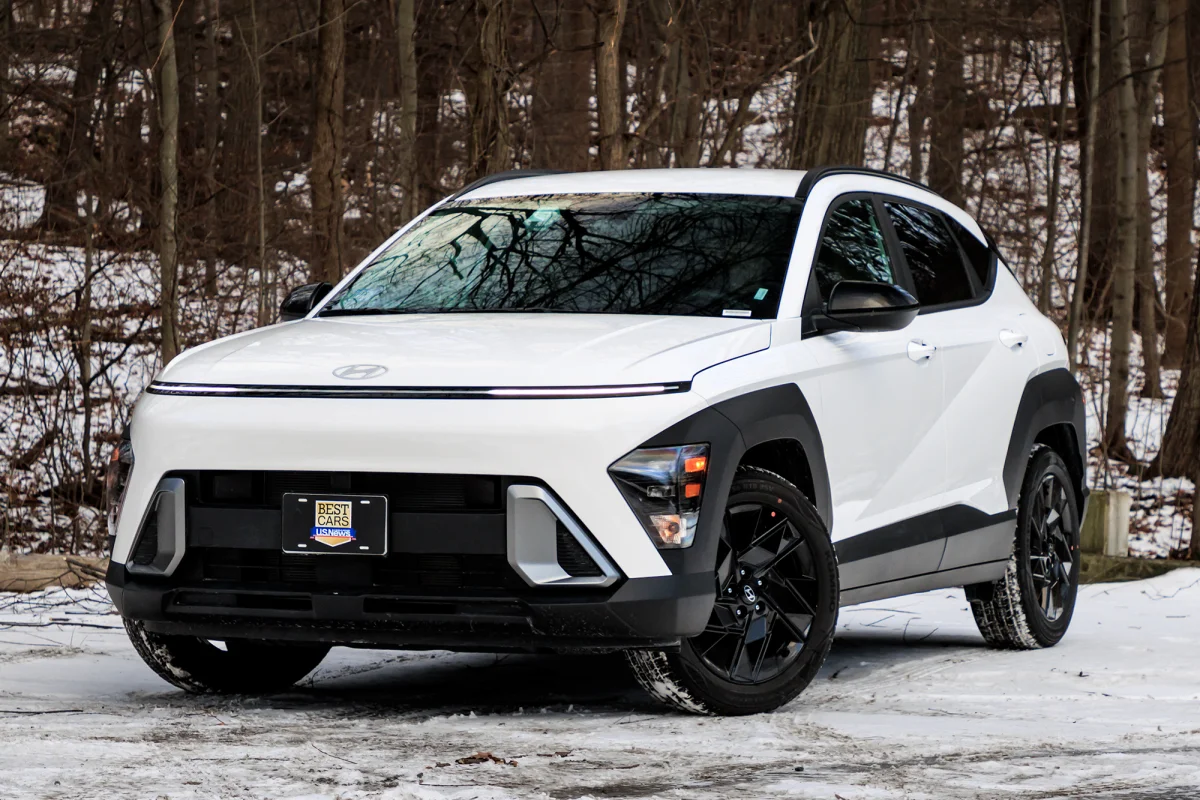
6. Hyundai Kona: High-Contrast Displays and Practical Modern Design
The Hyundai Kona stands out in the compact SUV segment for its advanced digital displays and user-friendly design. At the center of its interior is a dual 12.3-inch panoramic display setup that seamlessly integrates the digital instrument cluster and infotainment system into one continuous panel.
These high-resolution screens deliver vivid colors, strong brightness, and excellent contrast, making them easy to read even under direct sunlight. The interface uses clean typography with white text on dark backgrounds, ensuring that key information such as speed and navigation remains highly visible at a glance.
A major strength of the Kona’s system is its balance between digital innovation and practicality. While the displays offer modern graphics through Hyundai’s Connected Car Navigation Cockpit system, the vehicle also retains physical buttons for essential controls like climate settings and audio volume.
This reduces the need to navigate through menus and minimizes driver distraction. An available head-up display further enhances visibility by projecting important data such as speed and directions directly into the driver’s line of sight, even in bright daylight conditions.
In terms of performance, the Kona offers two engine choices. The base model uses a 147-horsepower 2.0-liter engine paired with a continuously variable transmission, while a more powerful 190-horsepower turbocharged 1.6-liter engine with an eight-speed automatic is available. All Wheel Drive is optional, and while the Kona is not the sharpest in handling compared to earlier versions, it remains responsive and comfortable for daily driving.
Inside, the cabin is spacious for its class and features a modern layout with available upgrades such as wireless charging and ventilated seats. Cargo capacity is also competitive, making it practical for everyday use.
The Hyundai Kona combines high-contrast display technology, ease of use, and everyday practicality in a well-rounded package.
Also read: 10 Cars With Intuitive Physical Controls That Reduce Modern Driver Distraction
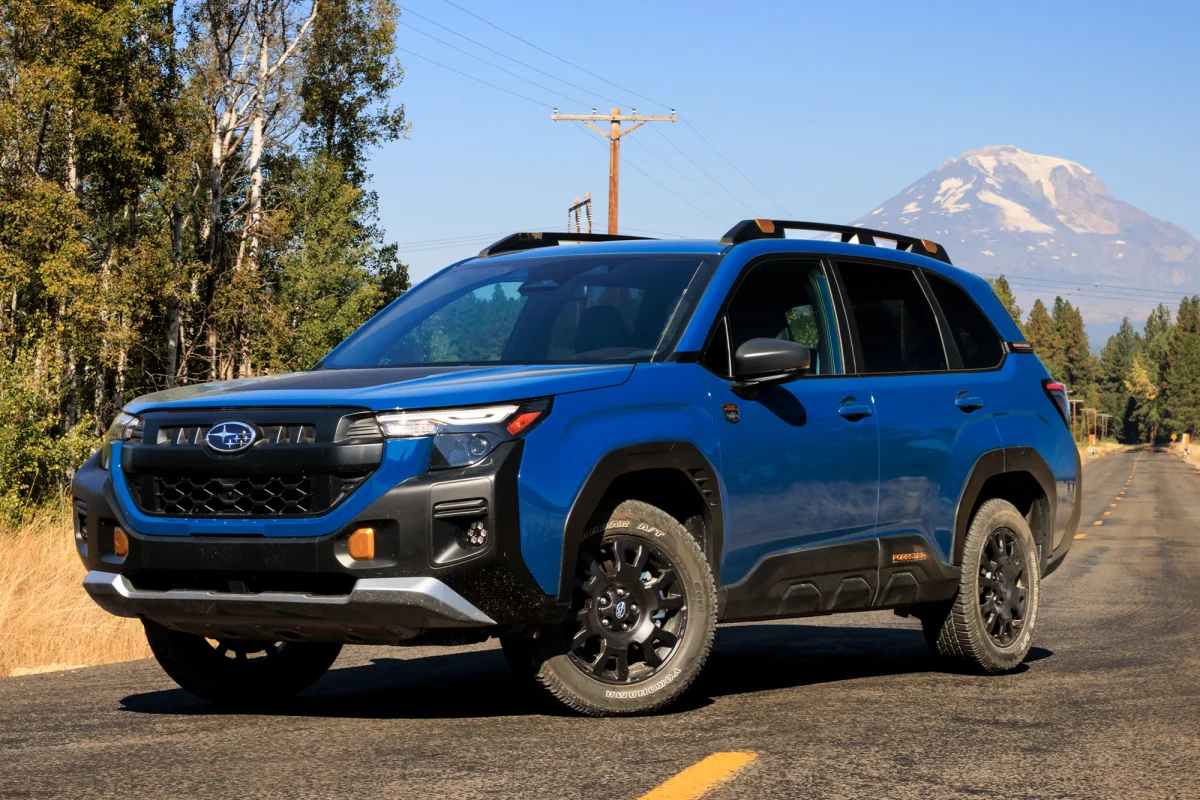
7. Subaru Forester: Visibility-Focused Design and Practical Technology
The Subaru Forester is widely recognized for its exceptional visibility and driver-focused design, combining clear digital displays with an open and spacious cabin layout. For 2026, the Forester introduces a 12.3-inch digital instrument cluster designed to deliver high-contrast graphics that remain easy to read in all lighting conditions.
Positioned clearly within the driver’s line of sight, the display provides essential information such as navigation and safety alerts without distraction. Its clarity is especially important given the Forester’s large windows, which allow significant natural light into the cabin.
Complementing the instrument cluster is an available 11.6-inch STARLINK multimedia system. This portrait-oriented touchscreen uses large, colorful icons and a high-definition interface to ensure that media, weather, and vehicle settings are easy to access.
The layout is designed for quick recognition, reducing the time drivers need to look away from the road. Together, these displays create a balanced digital environment that prioritizes readability and usability.
A defining feature of the Forester is its “greenhouse” design, characterized by large windows, thin pillars, and a low dashboard. This design minimizes blind spots and provides excellent outward visibility, enhancing safety and reducing driver fatigue.
The elevated seating position further improves road awareness, making it easier to spot pedestrians and obstacles. Subaru’s EyeSight driver assistance system adds another layer of safety by providing visual alerts and support features such as adaptive cruise control and lane keeping assist.
Under the hood, the Forester uses a 2.5-liter flat four engine producing 180 horsepower, paired with a continuously variable transmission and standard All Wheel Drive. While performance is modest, the vehicle prioritizes comfort and stability, offering a smooth ride both on and off the road. The Subaru Forester excels in visibility, practicality, and user-friendly technology.
8. BMW iX: High-Contrast Curved Display and Advanced Electric Capability
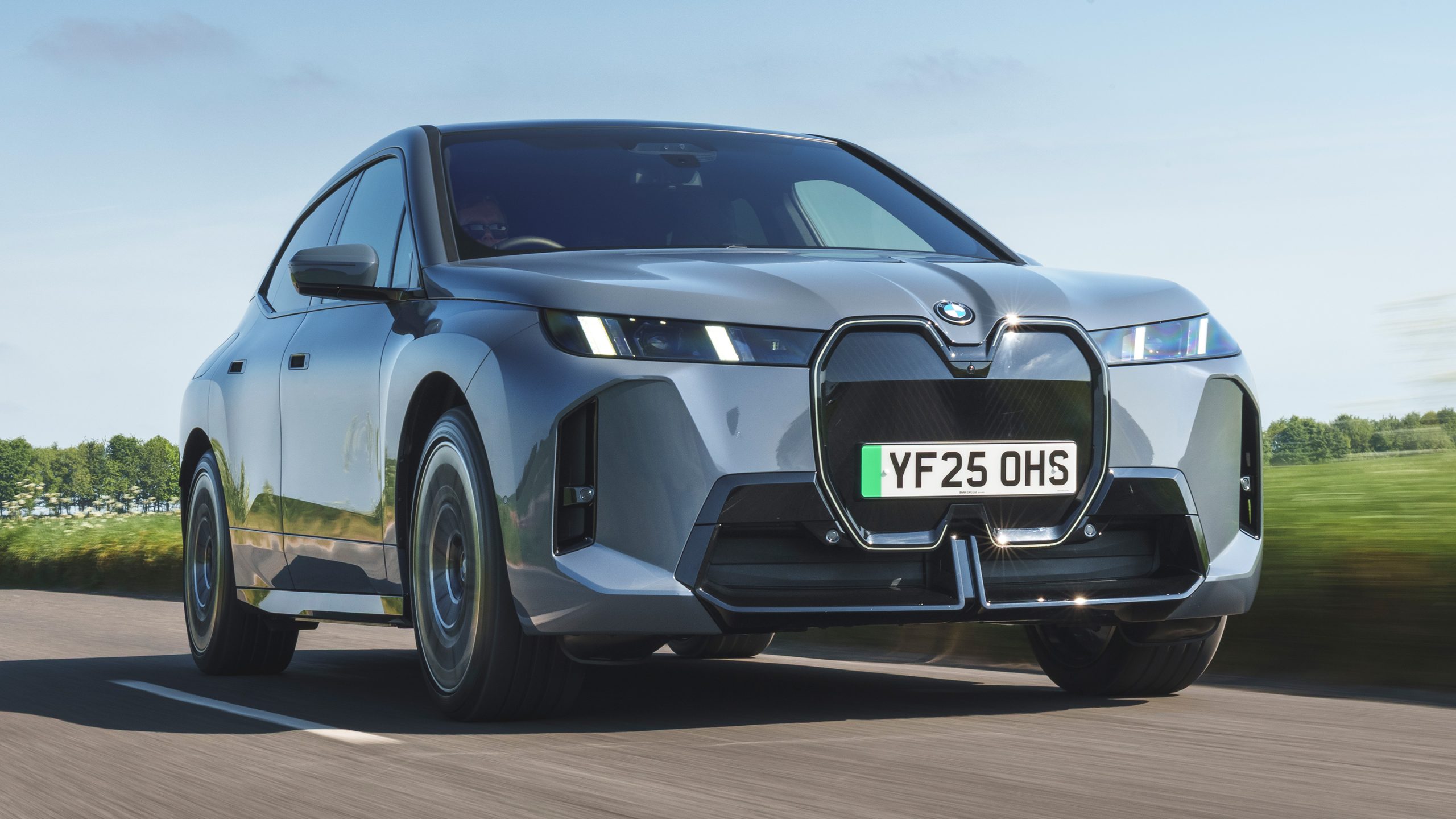
The BMW iX showcases a blend of futuristic design, advanced digital technology, and strong electric performance. At the heart of its interior is the BMW Curved Display, which combines a 12.3-inch digital instrument cluster and a 14.9-inch infotainment screen into one seamless glass surface.
This display is angled toward the driver to improve visibility and ergonomics, while its high-definition resolution delivers sharp visuals that reduce eye strain.
A defining feature of the iX is its high-contrast interface. Powered by BMW’s latest operating system, the system presents vibrant colors, deep blacks, and clean graphics that make information easy to read in any lighting condition. Anti-reflective coatings help minimize glare, ensuring that navigation, augmented reality visuals, and vehicle data remain clear in both bright sunlight and darkness.
Drivers can also choose between different display layouts such as Drive, Focus, and Gallery, allowing them to prioritize essential information and reduce distractions. An advanced head-up display projects key details like speed and directions into the driver’s line of sight, enhancing safety.
Performance is another highlight of the BMW iX. The lineup includes the xDrive45 with 402 horsepower, the xDrive60 with 536 horsepower, and the high-performance M70 xDrive with up to 650 horsepower. All variants come with All Wheel Drive and deliver smooth, quiet acceleration. Optional features such as air suspension and rear wheel steering improve ride comfort and agility.
The iX also offers strong range capabilities, with some models exceeding 300 miles per charge, along with fast charging support for convenient long-distance travel.
Inside, the cabin features a modern layout with premium materials, spacious seating, and advanced connectivity options, making the BMW iX a compelling choice for drivers seeking innovation and refinement.
9. Honda Accord: Clear Digital Displays and Driver-Focused Visibility
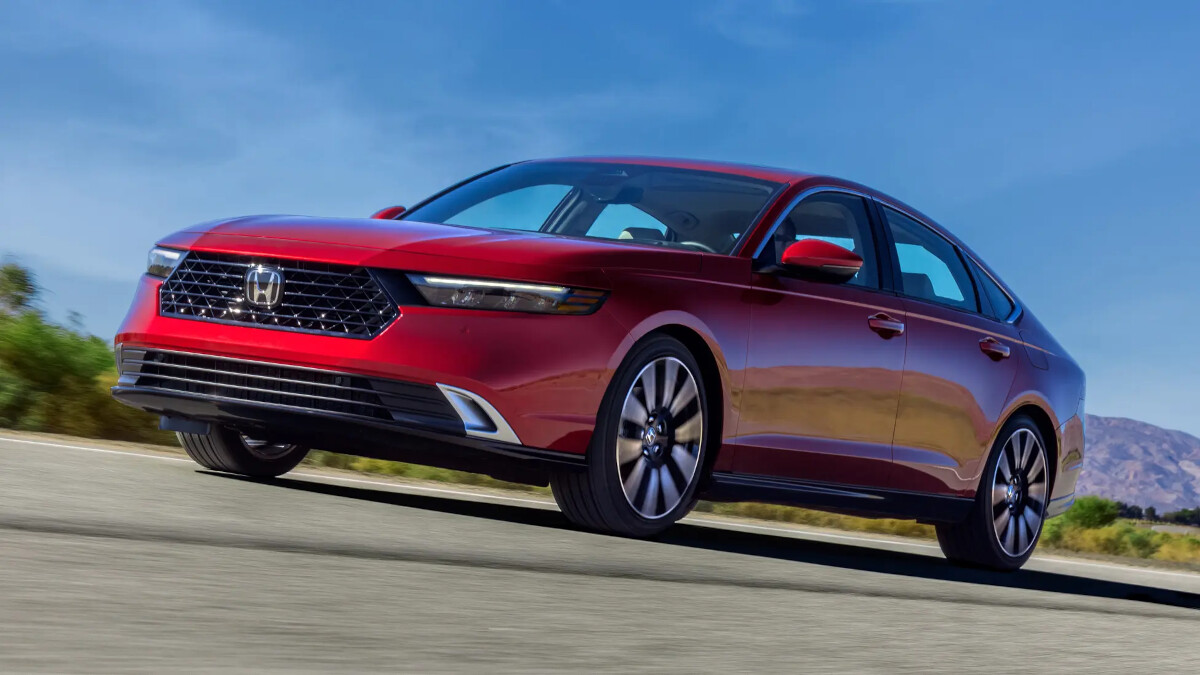
The Honda Accord stands out for its high-contrast dashboard design and strong emphasis on driver visibility. At the center of its interior technology is a standard 10.2-inch digital instrument cluster that uses a clean, white-on-black display scheme.
This layout ensures that essential information, such as speed, engine data, and navigation, remains easy to read in both bright sunlight and low light conditions. The graphics are crisp and customizable, allowing drivers to select different display themes that prioritize clarity and quick recognition.
Complementing the instrument cluster is an available 12.3-inch infotainment screen, the largest ever offered in the Accord. This high-resolution display features intuitive, phone-style widgets and bright, high-contrast visuals that make navigation, media, and vehicle settings simple to access.
Google built-in integration enhances usability by providing detailed, easy-to-read maps and real-time navigation directly on the screen, while also allowing turn-by-turn directions to appear in the driver display.
Higher trims add a 6-inch head-up display that projects key data such as speed and navigation onto the windshield. This feature helps drivers keep their eyes on the road, reducing distraction and improving safety. The dashboard itself is designed with a slim profile and thin pillars, creating an open, airy cabin that improves outward visibility.
In terms of performance, the Accord offers two powertrains. Base models use a 192-horsepower turbocharged engine, while higher trims feature a hybrid system producing 204 horsepower. Both deliver smooth acceleration, composed handling, and a quiet ride.
The interior provides generous passenger space and practical cargo capacity, along with modern connectivity features. These elements combine to create a sedan that balances comfort, efficiency, and highly legible technology for everyday driving.
10. Kia EV6: Panoramic Displays and High-Contrast Digital Innovation
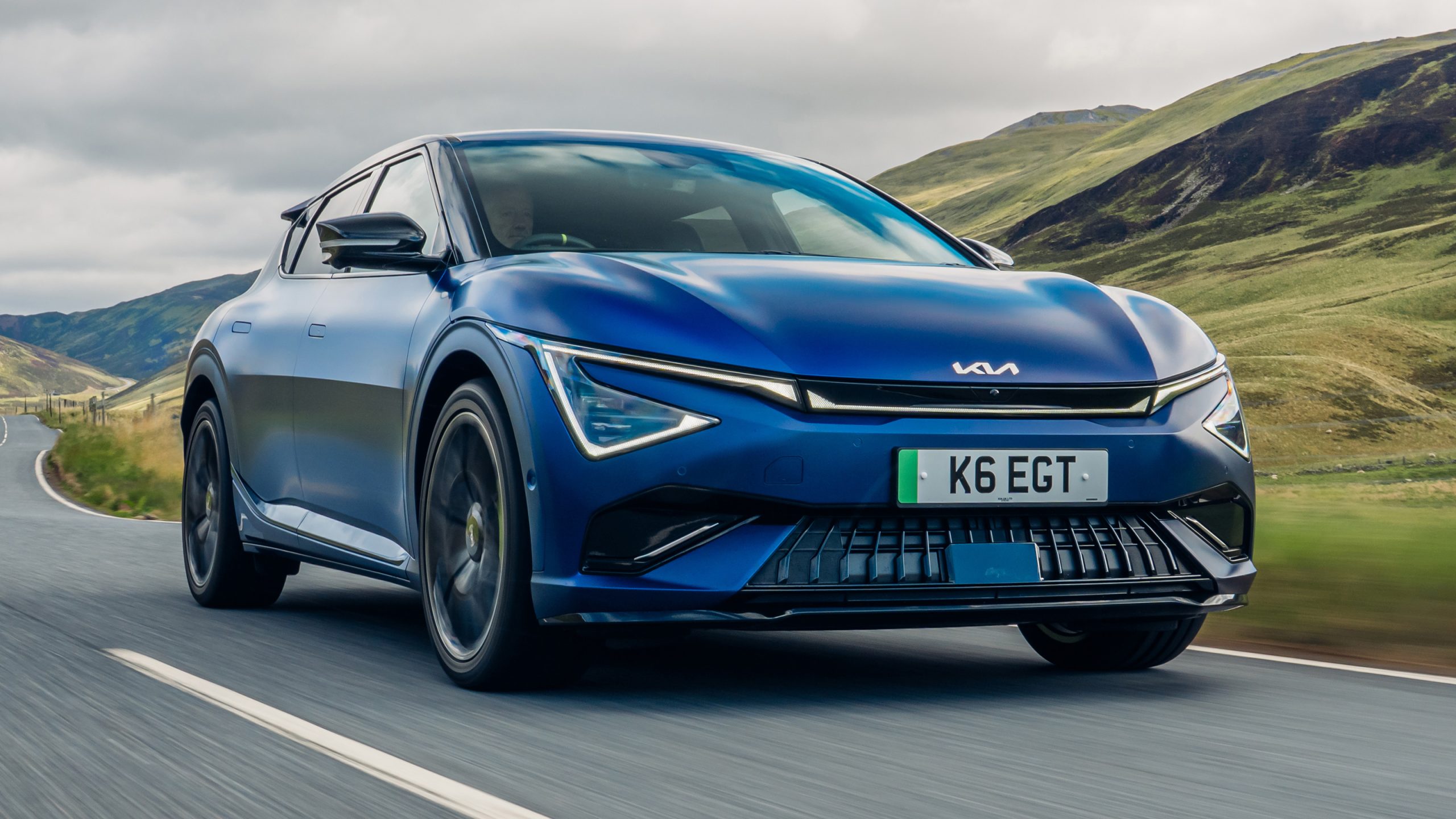
The Kia EV6 stands out for its advanced dashboard technology, combining modern design with a strong focus on visibility and ease of use. At the core of its interior is a dual 12.3-inch curved panoramic display that merges the digital instrument cluster and infotainment system into one seamless unit. This curved layout wraps around the driver, positioning key information within a natural line of sight and improving accessibility while driving.
These high-definition screens deliver sharp text, vibrant colors, and clear graphics, making essential data such as speed, navigation, and energy usage easy to read at a glance. The interface emphasizes high contrast design, often using dark mode themes with bright icons and text to ensure visibility even in bright daylight. This approach helps reduce glare and minimizes the time drivers need to look away from the road.
The EV6 also uses Kia’s Connected Car Navigation Cockpit system, which enhances performance with faster processing and improved graphical fidelity. This ensures smooth transitions, responsive controls, and consistently crisp visuals across the display. Drivers can personalize the interface with different themes, allowing them to prioritize readability and tailor the layout to their preferences.
A standout feature in select trims is the augmented reality head-up display. This system projects critical information such as speed and turn-by-turn directions, directly onto the windshield in high-contrast graphics. By placing this data within the driver’s forward view, it enhances safety and reduces distraction.
Altogether, the Kia EV6 delivers a highly immersive digital experience that prioritizes clarity and functionality. Its combination of curved displays, high-resolution visuals, and advanced software creates a dashboard environment that supports confident driving in a wide range of lighting conditions while maintaining a sleek and futuristic interior design.
11. Lucid Air: Ultra-High-Resolution Glass Cockpit and Advanced EV Performance
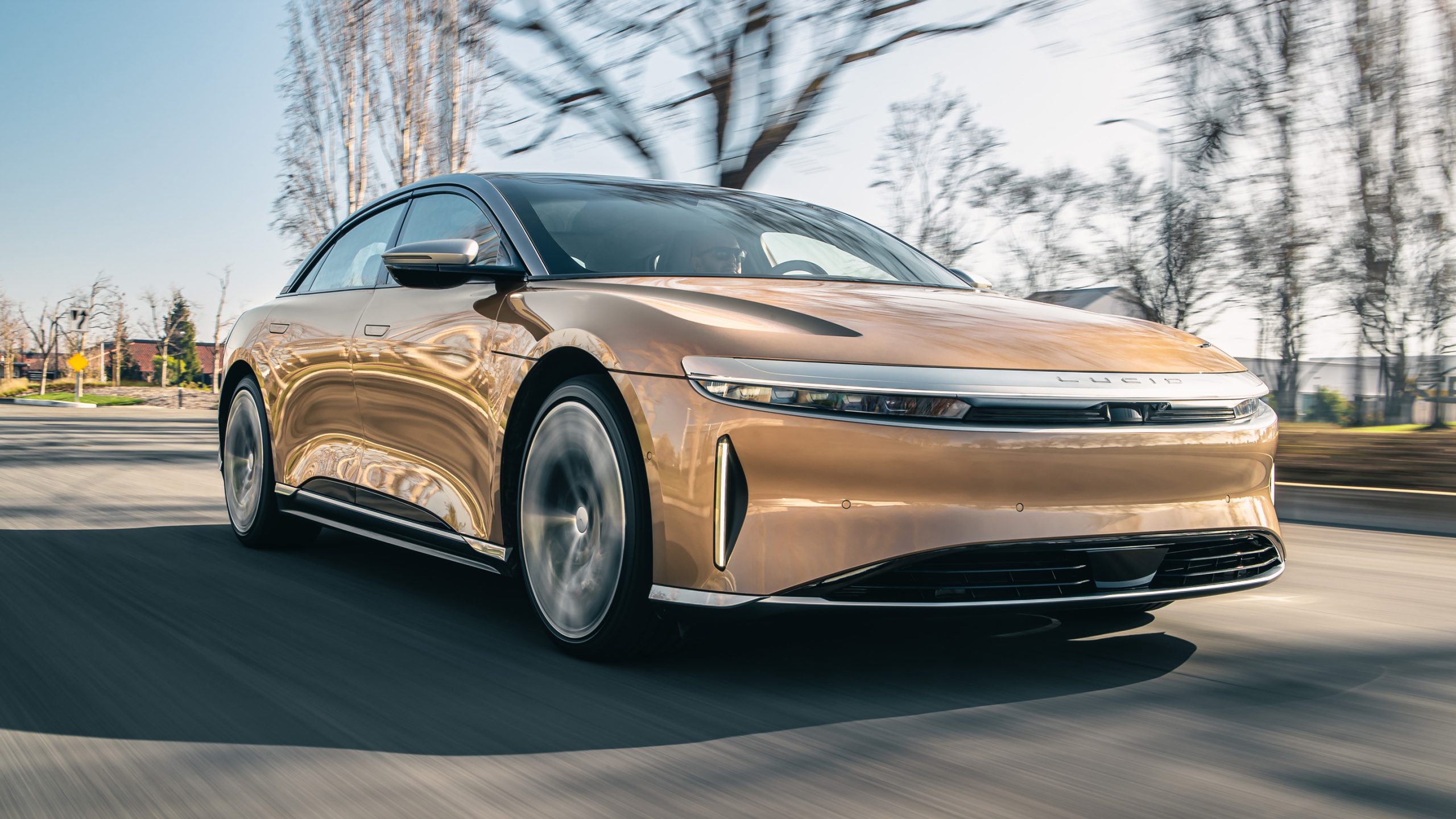
The Lucid Air sets a high standard for digital dashboard visibility and luxury through its innovative 34-inch 5K Glass Cockpit. This curved, floating display wraps around the driver and is divided into three functional sections: a left panel for vehicle controls, a central instrument cluster, and a right section for navigation and media.
Its ultra-high resolution ensures extremely sharp graphics, while the high contrast interface uses deep blacks and bright elements to make information easy to read in all lighting conditions.
The system is designed with anti-reflective coatings and high brightness levels, allowing the display to remain clear even under direct sunlight entering through the car’s large glass canopy. The interface, known as Lucid UX, uses a clean layout with minimal clutter, ensuring that essential driving information is always front and center.
A separate retractable lower screen, called the Pilot Panel, handles additional controls and infotainment functions. This separation helps keep the main display focused on critical driving data, reducing distraction.
Beyond its display technology, the Lucid Air delivers impressive electric performance. It offers multiple configurations, ranging from a 430-horsepower single motor setup to a powerful tri motor variant producing over 1200 horsepower. Acceleration is extremely quick, with top models reaching 60 miles per hour in just over two seconds. Despite this performance, the vehicle maintains a smooth and quiet ride.
The Lucid Air also excels in driving range, with some versions capable of exceeding 500 miles on a single charge, making it one of the longest-range electric vehicles available. Fast charging capability allows a significant range to be added in a short time.
Inside, the cabin emphasizes luxury and space, featuring premium materials, advanced connectivity, and generous cargo capacity. These elements combine to create a refined electric sedan that blends cutting-edge display technology with comfort and performance.
12. Mazda CX-5: Driver-Focused Design and High-Contrast Display Clarity
The Mazda CX-5 combines refined interior design with a strong focus on driver visibility and ease of use. Its dashboard setup balances digital displays with physical controls, creating a practical and distraction-free driving environment.
At the center is a 10.25-inch infotainment display, supported by a 7-inch LCD multi-information screen within the gauge cluster. Both displays are engineered for high contrast and accurate color reproduction, ensuring that text and graphics remain sharp and easy to read in different lighting conditions.
A key highlight is the available Active Driving Display, which projects important driving information such as speed, navigation, and safety alerts directly onto the windshield.
This head-up display uses enhanced brightness and contrast to remain clearly visible even in direct sunlight, allowing drivers to keep their eyes on the road. Additional features, such as traffic sign recognition, further improve awareness by displaying road signs within the driver’s line of sight.
Mazda emphasizes a minimalist, driver-centric layout that reduces clutter and cognitive load. Clear fonts, simple graphics, and logical organization make it easy to interpret information quickly. Unlike many modern vehicles that rely heavily on touchscreens, the CX-5 retains physical knobs for climate and audio controls.
This approach improves usability by allowing drivers to make adjustments without diverting attention from driving. A 360-degree view monitor also enhances visibility when parking or maneuvering in tight spaces.
Beyond its technology, the CX-5 is praised for its engaging driving dynamics and premium interior quality. It offers responsive engines, with the turbocharged option delivering stronger performance. The ride is comfortable and composed, though rear passenger space is slightly limited compared to some competitors.
These elements combine to create a compact SUV that prioritizes clarity, control, and driving enjoyment.
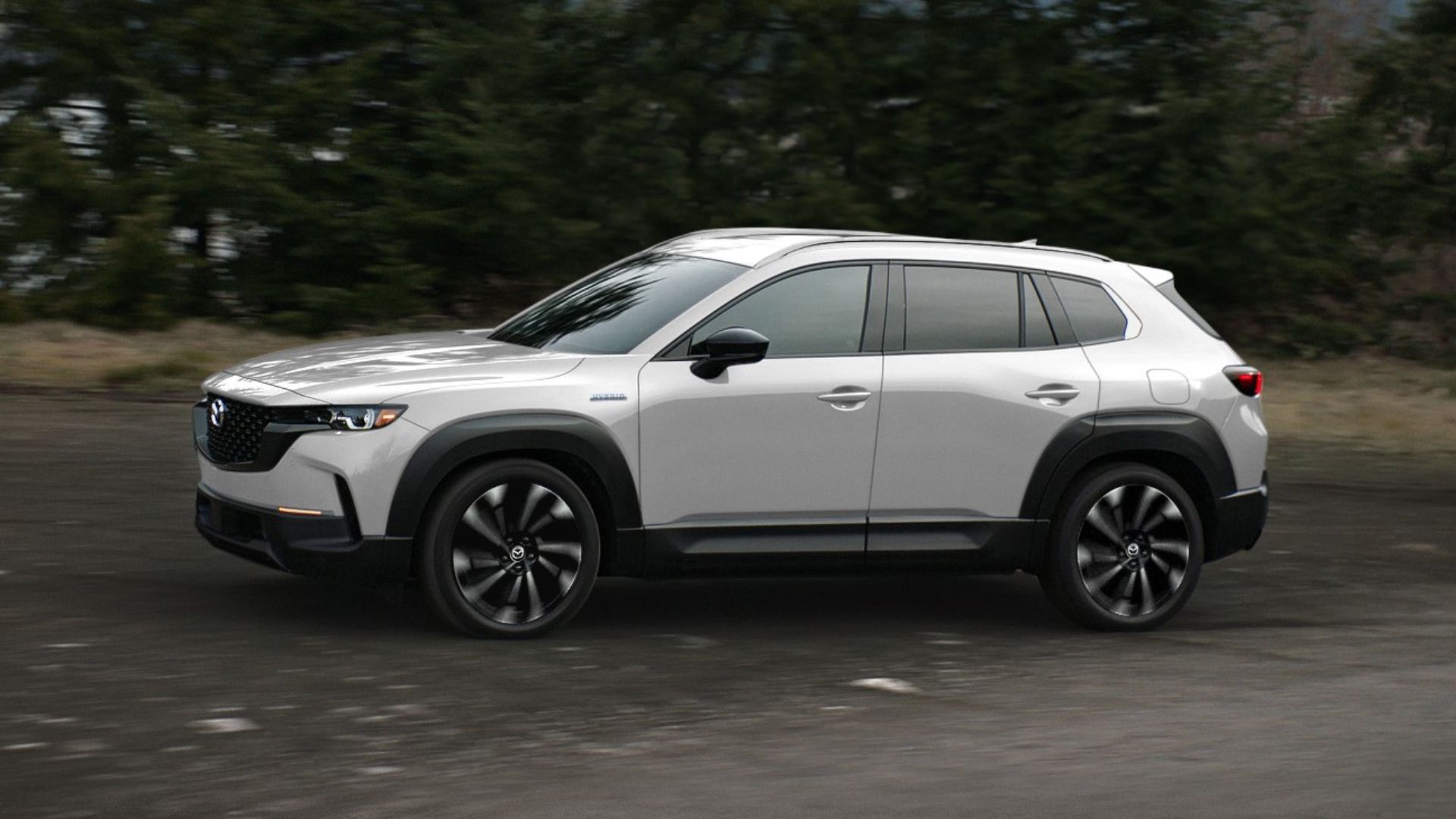
High-contrast dashboard displays are quickly becoming a defining feature of modern vehicles, blending technology with practicality to improve both safety and comfort. The 12 vehicles featured in this list demonstrate how manufacturers are prioritizing readability, reducing glare, and creating intuitive interfaces that keep drivers informed without overwhelming them.
From the advanced digital environment of the Mercedes-Benz S-Class to the practical clarity of models like the Mazda CX-5, each vehicle offers a unique approach to visibility and usability.
As automotive technology continues to evolve, the importance of clear, distraction-free displays will only grow. Buyers are no longer just looking for performance or luxury, but also for systems that make driving easier and more intuitive. These vehicles represent the direction of the industry, where smart design and high-contrast visuals work together to create a safer and more enjoyable driving experience for all.