
A truck’s driveshaft is one of the most important parts of its drivetrain system. It is responsible for transferring rotational power from the transmission to the differential, which turns the wheels. In pickup trucks, especially those used for towing, hauling, off-road driving, or long highway commutes, the driveshaft is constantly under stress. That stress comes from torque loads, suspension movement, road impacts, and changes in driveline angles during acceleration and braking.
Durability in a driveshaft is not just about the steel tube itself. It depends on the quality of universal joints, balance accuracy, alignment precision, and how well the entire driveline is engineered. Trucks designed with stronger driveline geometry and better balancing techniques tend to experience fewer issues over time. On the other hand, trucks with weak joint design, inconsistent balancing, or sensitive suspension geometry can develop vibration problems even when relatively new.
Driveshaft vibration is one of the most common complaints in pickup trucks. It is usually felt as a rhythmic shaking under the floor, often increasing with speed. This can happen due to worn U-joints, improper alignment, manufacturing imbalance, or incorrect driveline angles after suspension modifications. Even small imperfections in rotation can become noticeable at highway speeds, making the driving experience uncomfortable and sometimes affecting long-term reliability.
Manufacturers design trucks for different priorities. Some focus on heavy-duty towing stability and long-term durability under load, while others prioritize ride comfort or fuel efficiency. These engineering decisions directly influence how the driveshaft performs over time. Trucks built on stronger frames with well-calculated driveline angles tend to maintain balance better under stress, while lighter-duty designs may develop vibrations sooner when pushed beyond normal use.
In this article, we will look at two sides of the spectrum. First, we will examine five trucks known for having highly durable and well-balanced driveshaft systems that perform reliably under heavy use. Then, we will look at five trucks that are more commonly associated with driveline vibration complaints. The goal is not to criticize specific models unfairly, but to understand how engineering choices influence real-world performance and long-term driveline behavior.
5 Trucks With the Most Durable Drive Shafts
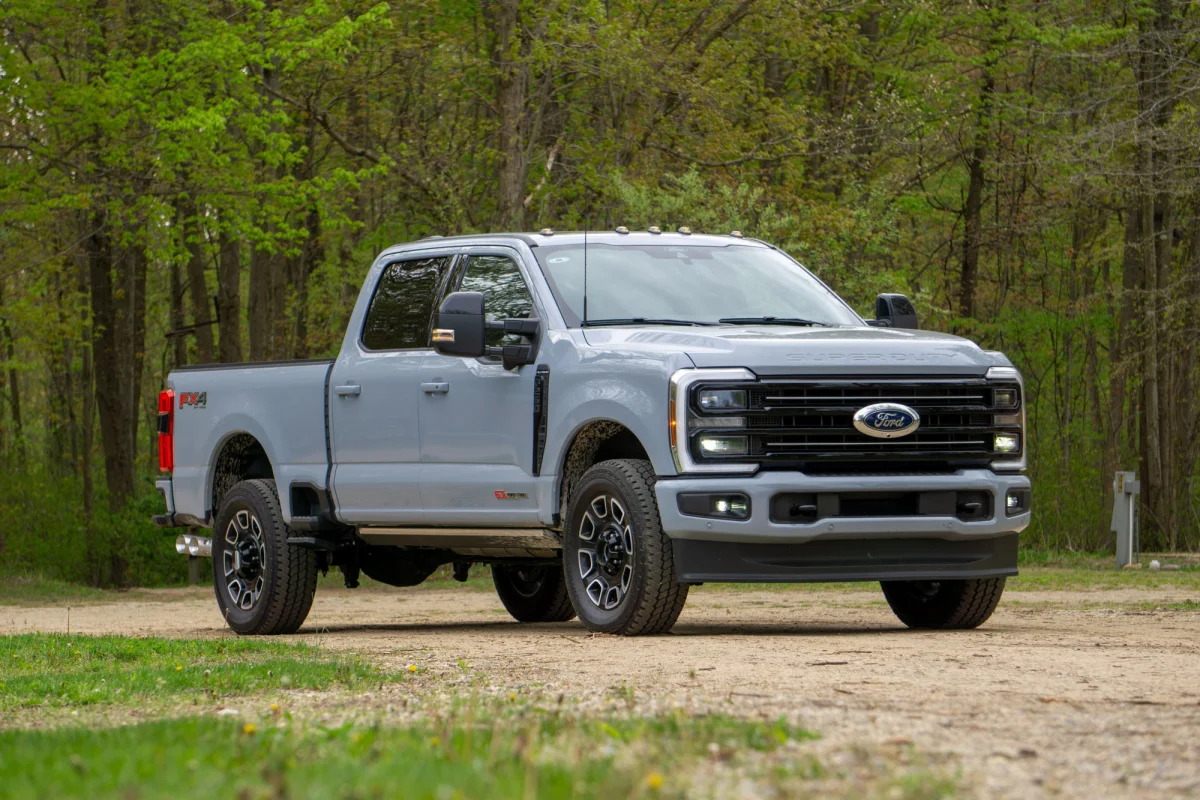
Ford Super Duty F-250
The Ford Super Duty F-250 is widely regarded as one of the strongest heavy-duty trucks when it comes to drivetrain robustness, and a major reason for that reputation is the way its driveshaft system is engineered for sustained high torque loads.
The truck is designed to handle repeated stress from towing, hauling, and off-road use, which means the driveshaft is built with a strong margin of safety beyond typical consumer requirements. Instead of focusing only on lightweight efficiency, Ford prioritizes structural strength and long-term resistance to torsional fatigue, which is what allows the shaft to remain stable even after years of heavy use.
A major factor in its durability is the use of reinforced steel tubing with optimized wall thickness. This reduces the risk of twisting under sudden torque spikes, especially when towing heavy trailers up steep gradients or accelerating under load.
The driveshaft is also carefully balanced at the factory using precision equipment to minimize harmonic vibrations. This balancing is not just a one-time calibration; it is designed to account for real-world operating conditions such as axle movement under load and drivetrain flex during suspension articulation.
The U-joint design in the F-250 is another key strength. These joints are engineered to withstand extreme angular movement while maintaining smooth rotational transfer. In heavy-duty applications, U-joints are often the first components to wear out, but in the F-250 they are oversized and built with high-grade materials that extend service life significantly. This reduces the likelihood of premature vibration issues, especially in trucks that are regularly used for towing or commercial purposes.
Another important factor is the rigidity of the truck’s ladder frame. A stiffer frame reduces unwanted drivetrain misalignment, which helps maintain consistent driveshaft geometry under load. When the frame flex is minimized, the driveshaft does not experience sudden angle changes, which in turn reduces stress on the joints and bearings.
This structural stability is one of the reasons why the F-250 is commonly used in demanding industries such as construction, agriculture, and long-haul towing.
The F-250’s driveshaft durability comes from a combination of strong materials, precise balancing, oversized joint components, and a rigid chassis structure. These elements work together to create a drivetrain system that remains stable under extreme and repeated stress conditions.
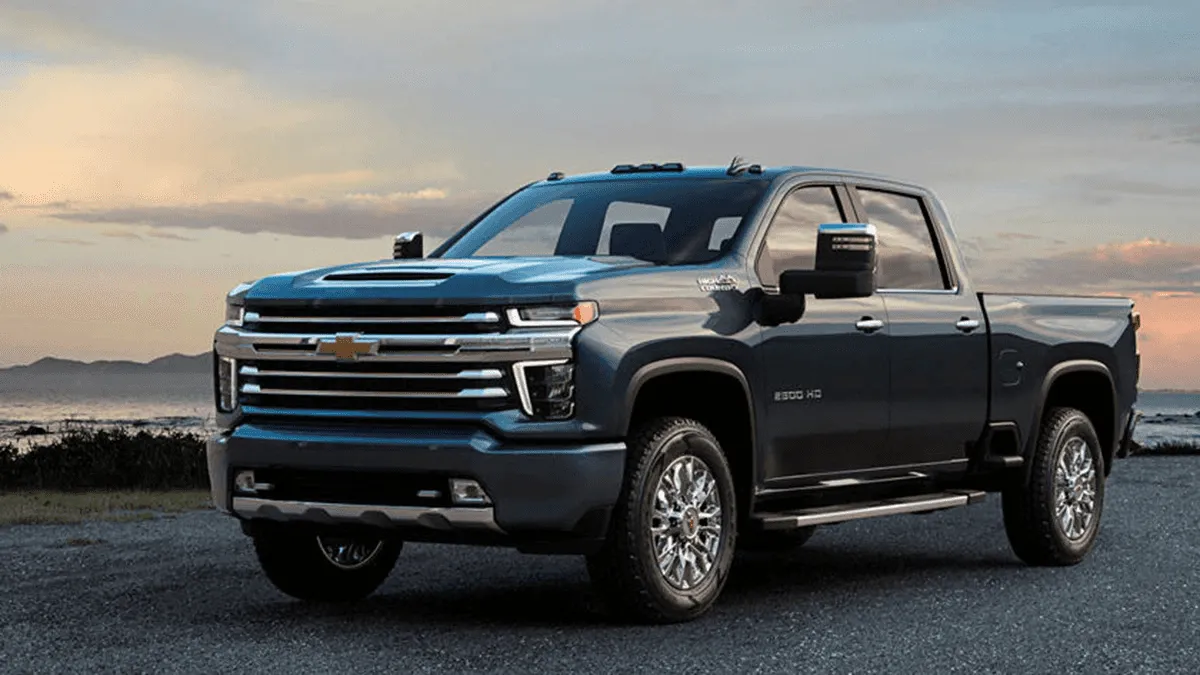
Chevrolet Silverado 2500HD
The Chevrolet Silverado 2500HD is built with a similar heavy-duty philosophy, and its driveshaft system reflects a strong focus on endurance, load stability, and long-term reliability under demanding use.
The truck is engineered to handle continuous towing loads without significant degradation in drivetrain smoothness, which makes the driveshaft one of its most dependable components. Unlike lighter pickups that prioritize fuel efficiency, the 2500HD emphasizes mechanical strength and resistance to fatigue over extended mileage.
The driveshaft itself is constructed with thick-walled steel tubing designed to resist torsional stress. This is especially important when towing heavy trailers, as the torque fluctuations from diesel engines can create repeated stress cycles on the shaft. The reinforced design ensures that the shaft maintains structural integrity even under prolonged strain, reducing the likelihood of bending or imbalance over time.
Chevrolet also places significant emphasis on factory balancing precision. Each driveshaft assembly is calibrated to minimize vibration across a wide RPM range, which is essential for highway towing stability.
This balancing process helps reduce harmonic resonance, which can otherwise cause discomfort in the cabin or accelerated wear on drivetrain components. In heavy-duty trucks like the Silverado 2500HD, this level of refinement is critical because even minor imbalance can become amplified under load.
The universal joints and carrier bearings used in this model are designed for extended service life and high load tolerance. These components are often exposed to continuous stress, especially during towing or when driving on uneven terrain. By using reinforced materials and optimized lubrication retention, Chevrolet improves their resistance to wear and reduces the likelihood of early failure that could lead to vibration issues.
Another contributing factor is the suspension design, particularly the rear leaf spring system, which maintains relatively stable driveline angles even when the truck is fully loaded. Stable geometry means the driveshaft does not experience excessive angular variation, which helps preserve smooth rotation. This is especially important when carrying heavy payloads, as uneven suspension behavior can quickly introduce vibration problems.
In practical use, the Silverado 2500HD is known for maintaining consistent driveshaft performance across long distances and heavy workloads. Its design prioritizes stability and durability, making it suitable for commercial applications where reliability is more important than refinement alone.
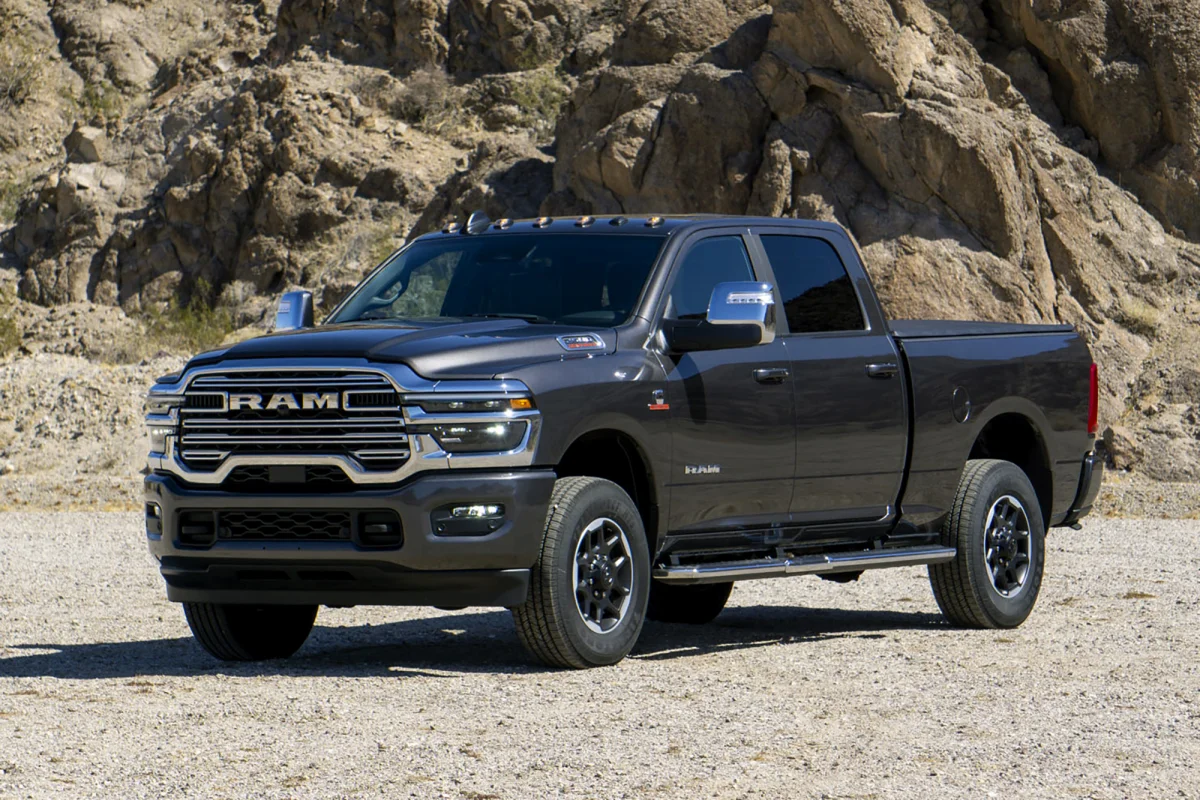
Ram 2500 Heavy Duty
The Ram 2500 Heavy Duty is engineered for high torque applications, and its driveshaft system reflects a strong emphasis on load distribution, rotational stability, and long-term endurance under demanding towing conditions.
One of the key strengths of this truck is how its drivetrain is designed to handle both diesel torque output and long-wheelbase stress without excessive vibration development. This is achieved through a combination of structural reinforcement and thoughtful driveline layout.
Many configurations of the Ram 2500 use a two-piece driveshaft system. This design reduces stress on individual shaft sections by distributing torque across a center support bearing.
The advantage of this setup is that it minimizes deflection in the driveshaft at high speeds or under heavy load, which helps maintain balance and reduces the risk of harmonic vibration. The center bearing itself is mounted with vibration-damping materials that absorb minor oscillations before they propagate through the drivetrain.
The universal joints in the Ram 2500 are designed for heavy-duty applications and are typically larger and stronger than those found in half-ton trucks. These joints are built to handle higher angular displacement without premature wear, which is important in situations where the suspension is under constant load variation. This is particularly relevant for towing scenarios where the rear suspension compresses and alters driveline angles repeatedly.
Another strength of the Ram 2500 is its focus on driveline geometry optimization. Engineers design the system so that the transmission output shaft and rear differential remain aligned within tight tolerances, even under load. This reduces angular stress on the driveshaft and helps maintain smooth torque transfer. Proper geometry alignment is one of the most important factors in preventing vibration issues in heavy-duty trucks.
The frame structure also plays a role in driveshaft durability. Ram uses a rigid chassis design that reduces flex under load, which helps maintain consistent alignment between drivetrain components. When the frame remains stable, the driveshaft does not experience sudden shifts in operating angle, which reduces long-term wear on U-joints and bearings.
Ram 2500’s driveshaft system is built for sustained heavy use, combining a two-piece shaft design, reinforced joints, and carefully engineered geometry to deliver reliable performance under demanding towing and hauling conditions.
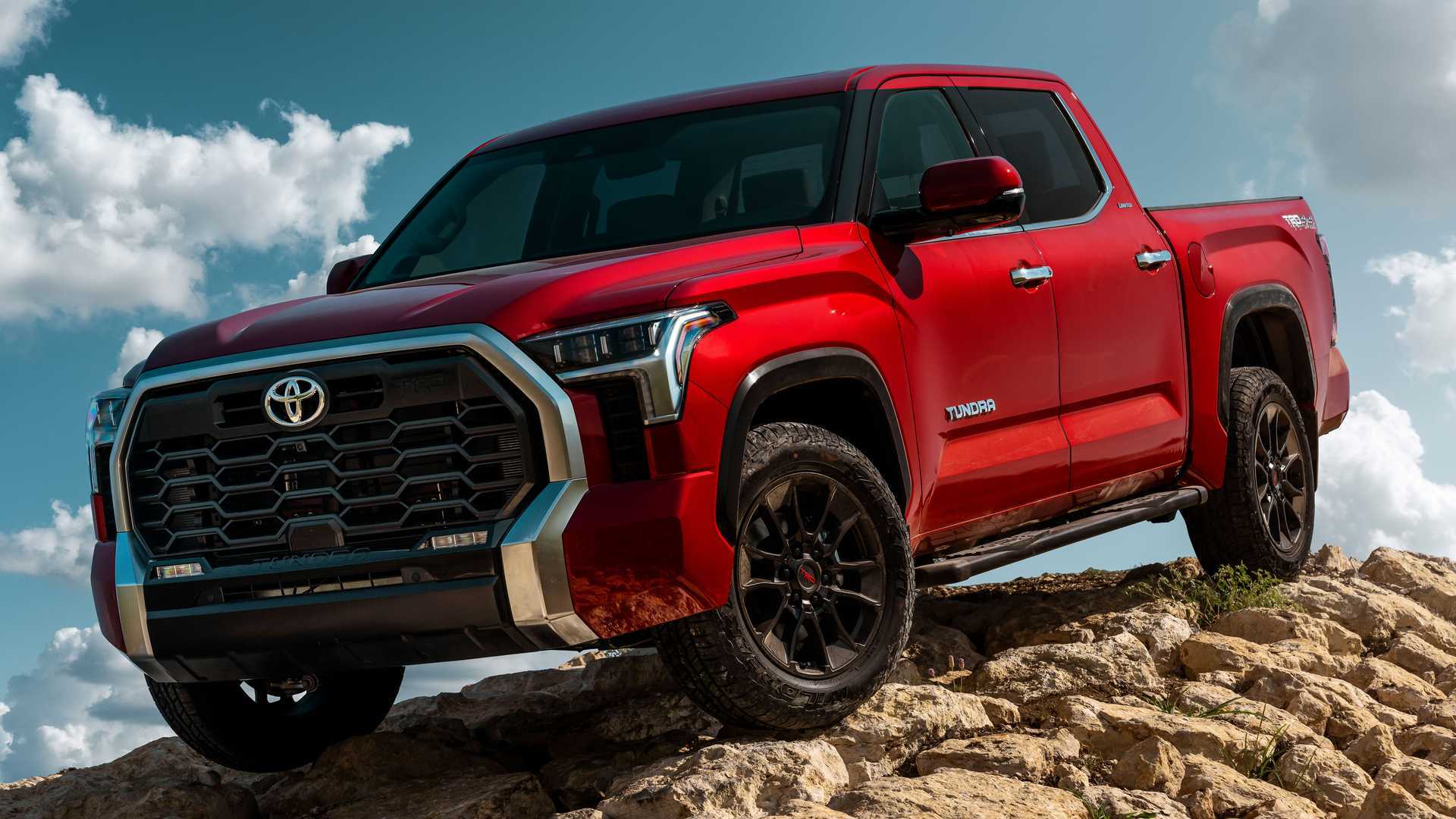
Toyota Tundra
The Toyota Tundra is designed with long-term reliability as a core principle, and its driveshaft system reflects that approach through simplicity, precision manufacturing, and consistent material quality. Rather than relying on complex multi-component driveline setups, the Tundra uses a straightforward design that reduces potential points of failure. This simplicity is one of the main reasons it tends to maintain smooth operation over extended mileage.
The driveshaft is carefully balanced at the factory with a focus on minimizing vibration across typical driving conditions. Toyota’s manufacturing standards emphasize tight tolerances, which means each shaft is produced with very consistent weight distribution and alignment. This reduces the likelihood of early-life vibration issues, which can sometimes appear in less precisely balanced systems.
The U-joints used in the Tundra are engineered for durability under moderate towing loads. While not as oversized as those in heavy-duty trucks, they are designed to operate reliably within the truck’s intended usage range. In normal conditions, these joints tend to last a long time before requiring service, contributing to the truck’s reputation for low-maintenance driveline performance.
Another important factor is Toyota’s conservative power delivery tuning. The engine and transmission are calibrated to avoid excessive torque spikes, which reduces sudden stress on the driveshaft. Instead of harsh load changes, the drivetrain experiences smoother torque transitions, which helps extend the life of rotational components and reduces fatigue over time.
The suspension geometry in the Tundra also contributes to its driveline stability. The rear suspension is designed to maintain consistent axle alignment under varying load conditions, which helps keep the driveshaft operating within optimal angles. This reduces stress on joints and prevents unnecessary vibration during highway driving or towing moderate loads.
In real-world use, the Tundra’s driveshaft system is valued for its predictability and long-term consistency. It is not the most extreme in terms of load capacity, but it is engineered to remain stable and smooth over many years of regular use.
Nissan Titan XD
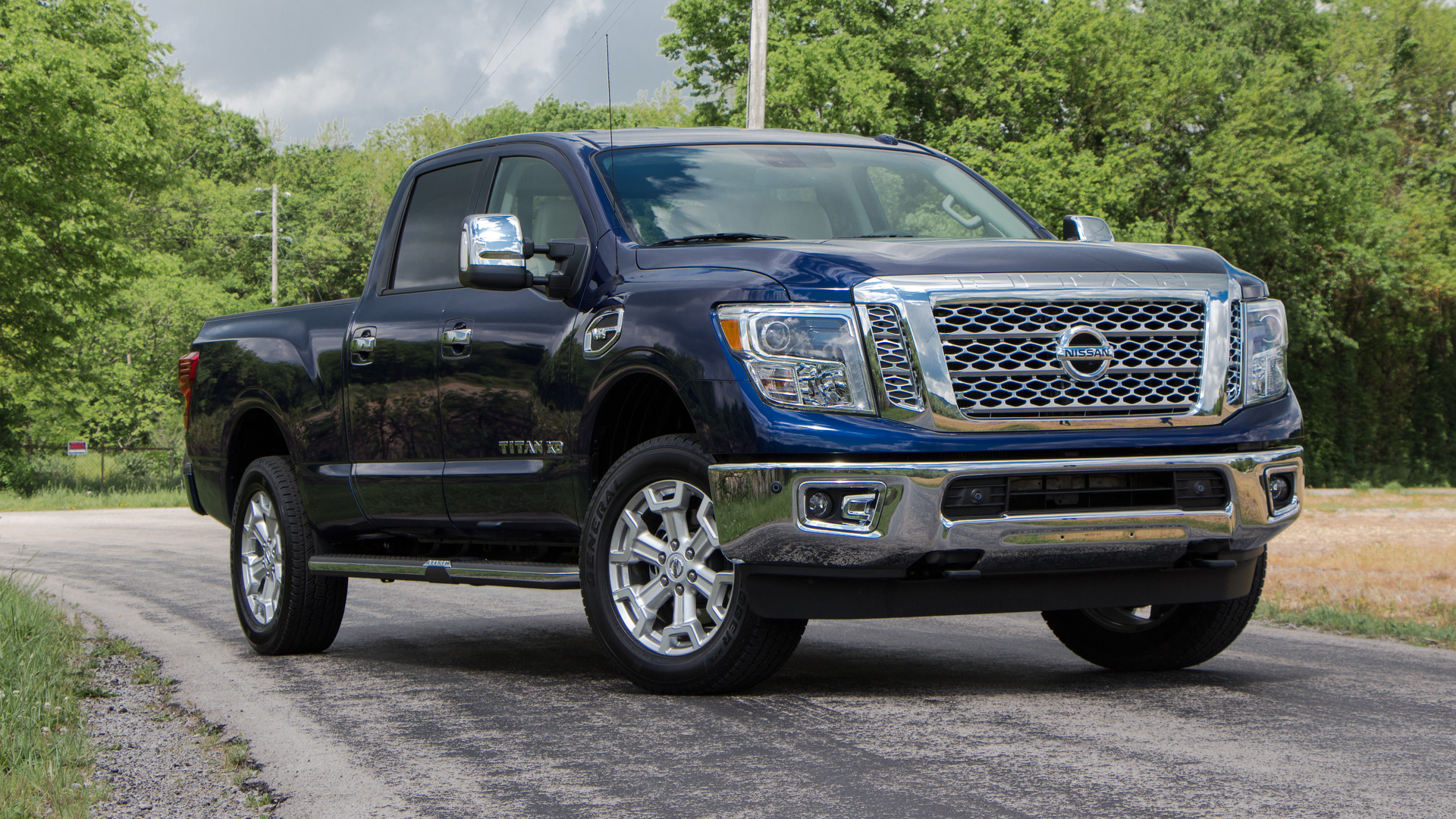
The Nissan Titan XD occupies a middle ground between half-ton and heavy-duty trucks, and its driveshaft system reflects that positioning through reinforced construction and moderate-duty durability enhancements. It is designed to handle workloads that exceed standard light-duty pickups while still maintaining everyday drivability and comfort.
The driveshaft in the Titan XD uses reinforced tubing that is stronger than typical half-ton configurations. This added strength helps reduce flex under towing loads and improves rotational stability when the vehicle is operating near its upper capacity range. The design aims to prevent deformation under stress, which is a key factor in maintaining long-term balance.
Carrier bearings and U-joints are also upgraded compared to standard light-duty trucks. These components are built to handle higher torque loads and more frequent stress cycles. The carrier bearing, in particular, plays a crucial role in stabilizing the driveshaft on longer wheelbase versions, helping prevent sagging or misalignment that could lead to vibration issues.
Another strength of the Titan XD is its relatively stable suspension system. The rear axle is designed to maintain consistent geometry under load, which helps preserve driveline alignment. This reduces the likelihood of vibration development during towing or when carrying heavy payloads.
While it does not reach the extreme durability levels of full heavy-duty diesel trucks, the Titan XD’s driveshaft system is generally considered reliable within its intended operating range. It is engineered to handle moderate commercial or recreational towing use without significant degradation in smoothness or structural integrity.
5 Trucks Known for Driveshaft Vibrations
Chevrolet Silverado 1500 (Certain Model Years)
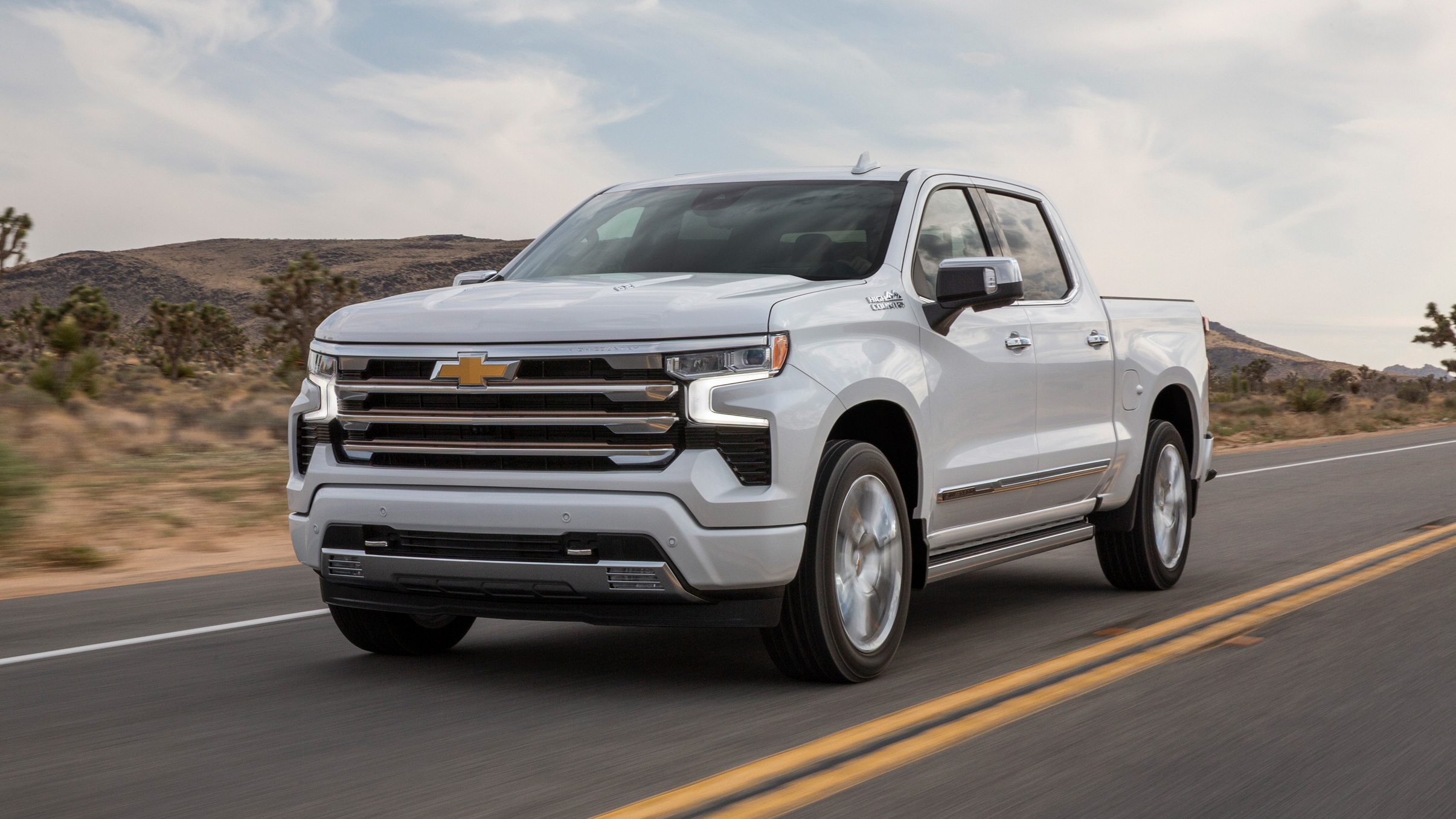
Some Chevrolet Silverado 1500 model years have developed a reputation among owners for driveline vibration issues, especially during steady highway driving at moderate to high speeds. The concern is not that every unit is defective, but that the platform in certain configurations can be sensitive to small imbalances in the driveline system.
When everything is perfectly aligned, the truck runs smoothly, but even minor wear or slight manufacturing variation can sometimes become noticeable as vibration through the cabin floor or steering column.
A common contributing factor is driveshaft balance sensitivity. The Silverado 1500 uses a relatively light-duty driveline compared to heavy-duty trucks, which improves efficiency and ride comfort but also makes the system more reactive to small imperfections.
If a driveshaft weight shifts slightly, or if dirt buildup occurs unevenly, it can create a rotational imbalance that becomes more pronounced at highway speeds. This is why some owners report vibrations that seem to come and go depending on speed range.
Another issue often linked to vibration is carrier bearing wear in extended cab or long-wheelbase versions. The carrier bearing supports the two-piece driveshaft, and over time, the rubber isolator around the bearing can degrade.
When this happens, the driveshaft alignment can shift slightly under load, causing a rhythmic vibration that increases with acceleration or load changes. This type of wear is gradual, which makes it harder to detect until symptoms become noticeable during driving.
Suspension modifications also play a significant role. When owners install lift kits or larger tires without correcting driveline angles, the geometry between the transmission output shaft and rear differential can move outside optimal limits.
Even a small change in angle can increase stress on U-joints, causing uneven rotation and vibration at certain speeds. This is especially common in trucks that are modified for off-road appearance but still used for highway driving.
Despite these issues, the Silverado 1500 is not inherently poorly engineered. Most vibration complaints are linked to wear, modification, or specific driveline sensitivity rather than catastrophic design flaws. However, compared to heavy-duty platforms, it does require more attention to maintenance and alignment to maintain long-term smoothness.
Ford F-150 (Certain Generations)
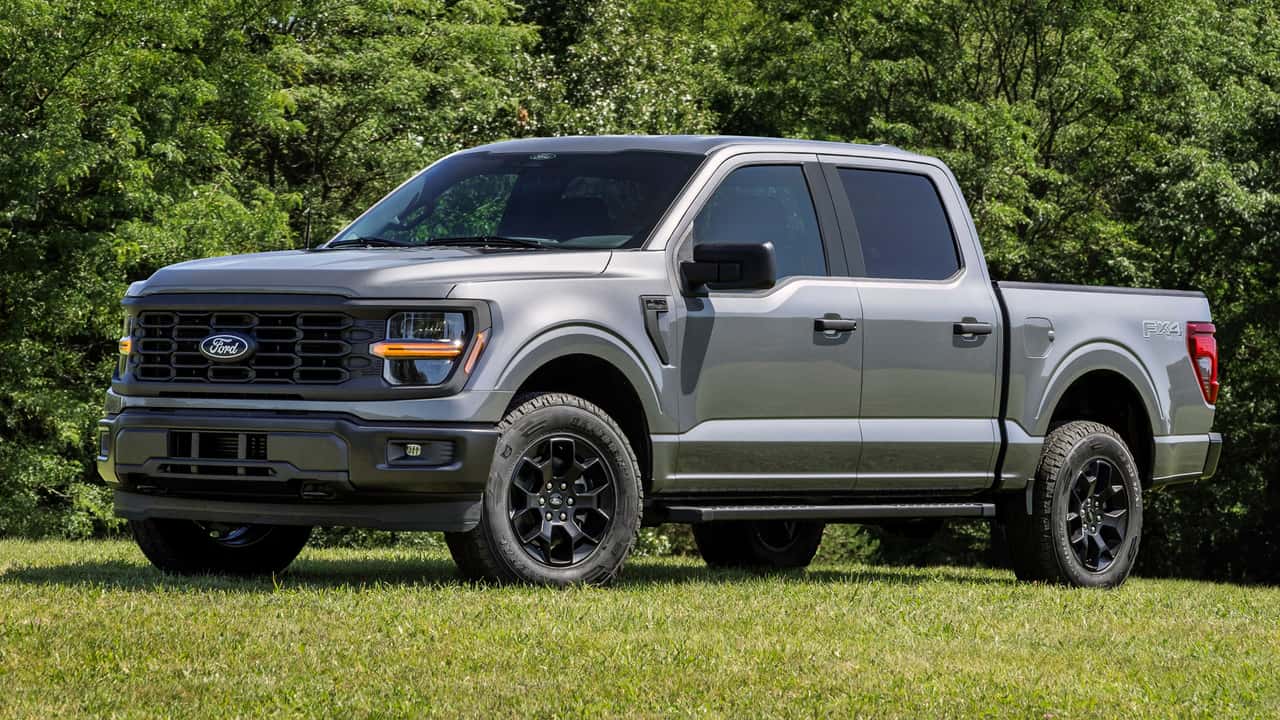
The Ford F-150 is one of the most widely used pickup trucks in the world, and while it is generally reliable, certain generations have been associated with driveline vibration complaints. These issues often appear at highway speeds and are typically linked to driveshaft balance, material sensitivity, or U-joint wear over time.
Because the F-150 is designed for a balance of performance, comfort, and efficiency, its driveline components are lighter and more optimized than heavy-duty trucks, which can sometimes make them more sensitive to imbalance.
One major factor is the use of aluminum driveshafts in many configurations. Aluminum reduces rotational mass, improves fuel efficiency, and enhances throttle response, but it is also more sensitive to impact damage or minor deformation.
Even a small dent or uneven weight distribution along the shaft can lead to vibration at certain speeds. This type of vibration often becomes more noticeable during steady cruising rather than during acceleration or low-speed driving.
U-joint wear is another common source of driveline vibration in higher-mileage F-150 trucks. As these joints age, small amounts of play can develop, which affects rotational smoothness.
This play may not be noticeable at low speeds, but at highway speeds it can create a subtle but consistent vibration that travels through the frame. If left unaddressed, it can gradually worsen and affect other driveline components.
Some vibration complaints also appear after suspension modifications. Lift kits, leveling kits, or oversized tires can change driveline angles enough to introduce harmonic imbalance. Because the F-150’s driveline is tuned for factory geometry, even small deviations can impact smoothness. In some cases, adding corrective components like shims or adjustable control arms resolves the issue, but without correction the vibration may persist.
It is important to note that many F-150 units operate without any driveline issues at all. The vibration reports are typically concentrated in specific configurations or usage conditions. Still, compared to heavy-duty trucks, the system is more sensitive to changes in balance and geometry, which explains why complaints are more commonly reported.
Dodge Ram 1500
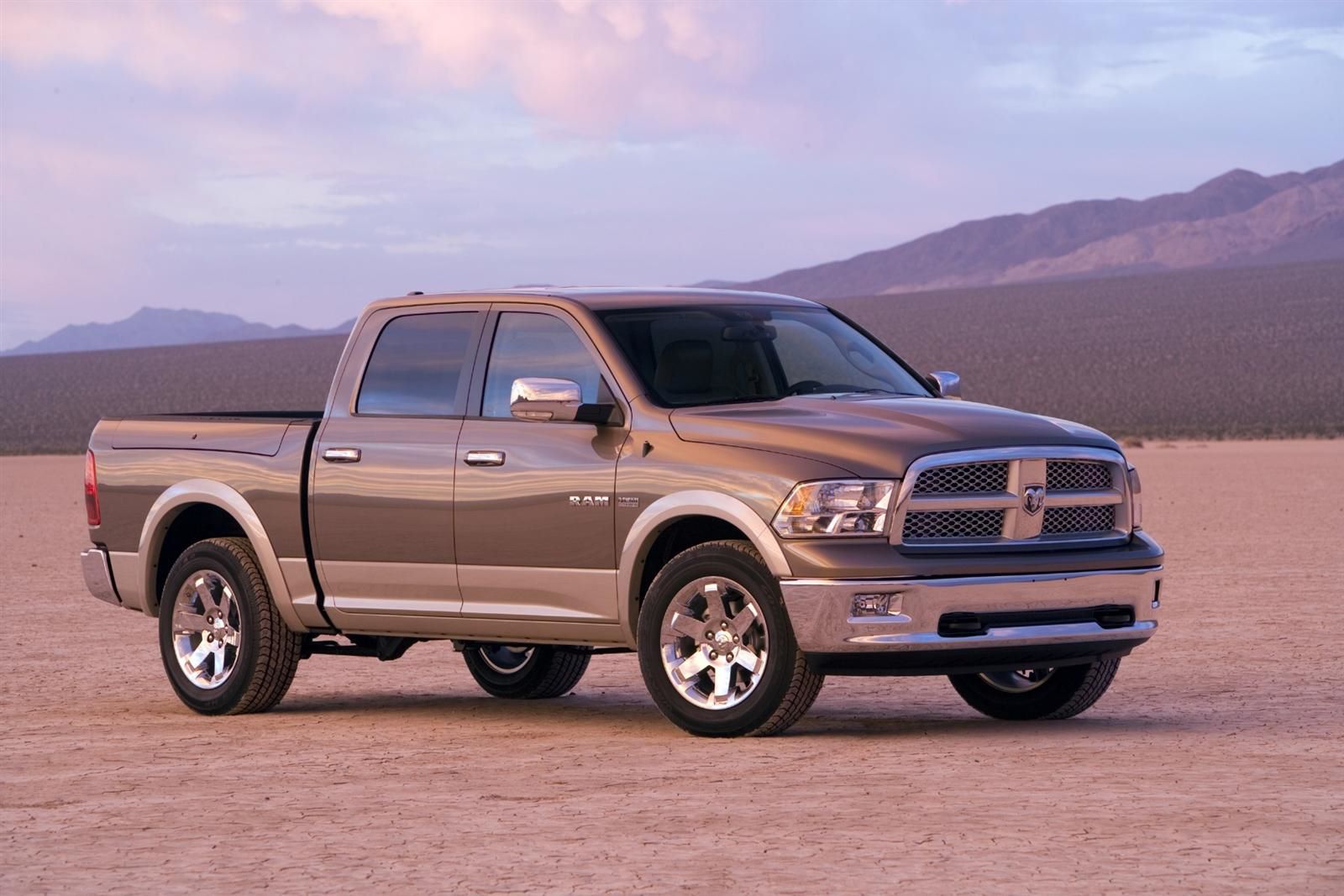
Older Dodge Ram 1500 models have been frequently mentioned in driveline vibration discussions, particularly those from earlier production generations. These trucks were built with a strong focus on durability and simplicity, but some driveline configurations, especially in longer wheelbase versions, were more prone to vibration issues as mileage increased.
The main challenge in these cases is usually not a single failure point, but a combination of wear-related changes across multiple drivetrain components.
One of the most common causes is carrier bearing degradation in two-piece driveshaft systems. As the rubber isolator in the carrier bearing ages, it loses elasticity and begins to allow slight movement under load. This movement disrupts the alignment of the driveshaft, creating imbalance during rotation. The result is often a low-frequency vibration that becomes noticeable during acceleration or when maintaining highway speeds for extended periods.
U-joint wear is another significant contributor. In older Ram 1500 trucks, U-joints can gradually develop looseness due to high torque loads, towing, or simply age. Once this wear begins, the smooth transfer of rotational energy is affected, and small inconsistencies in movement can translate into vibration felt inside the cabin. This is especially noticeable when the vehicle transitions between throttle and coasting conditions.
Driveshaft imbalance caused by external factors is also common. Road impacts, rust buildup, or previous repair work can all slightly alter the balance of the shaft. Even a small deviation in weight distribution can create vibration at specific speeds. Unlike heavy-duty trucks with more rigid driveline systems, the Ram 1500’s lighter-duty setup is more sensitive to these small changes.
Despite these issues, many owners report that the vibration problems are repairable and not permanent design flaws. Replacing worn components and restoring proper alignment often resolves the issue. However, compared to newer or heavier-duty trucks, older Ram 1500 models generally require more attention to driveline maintenance to maintain smooth operation over time.
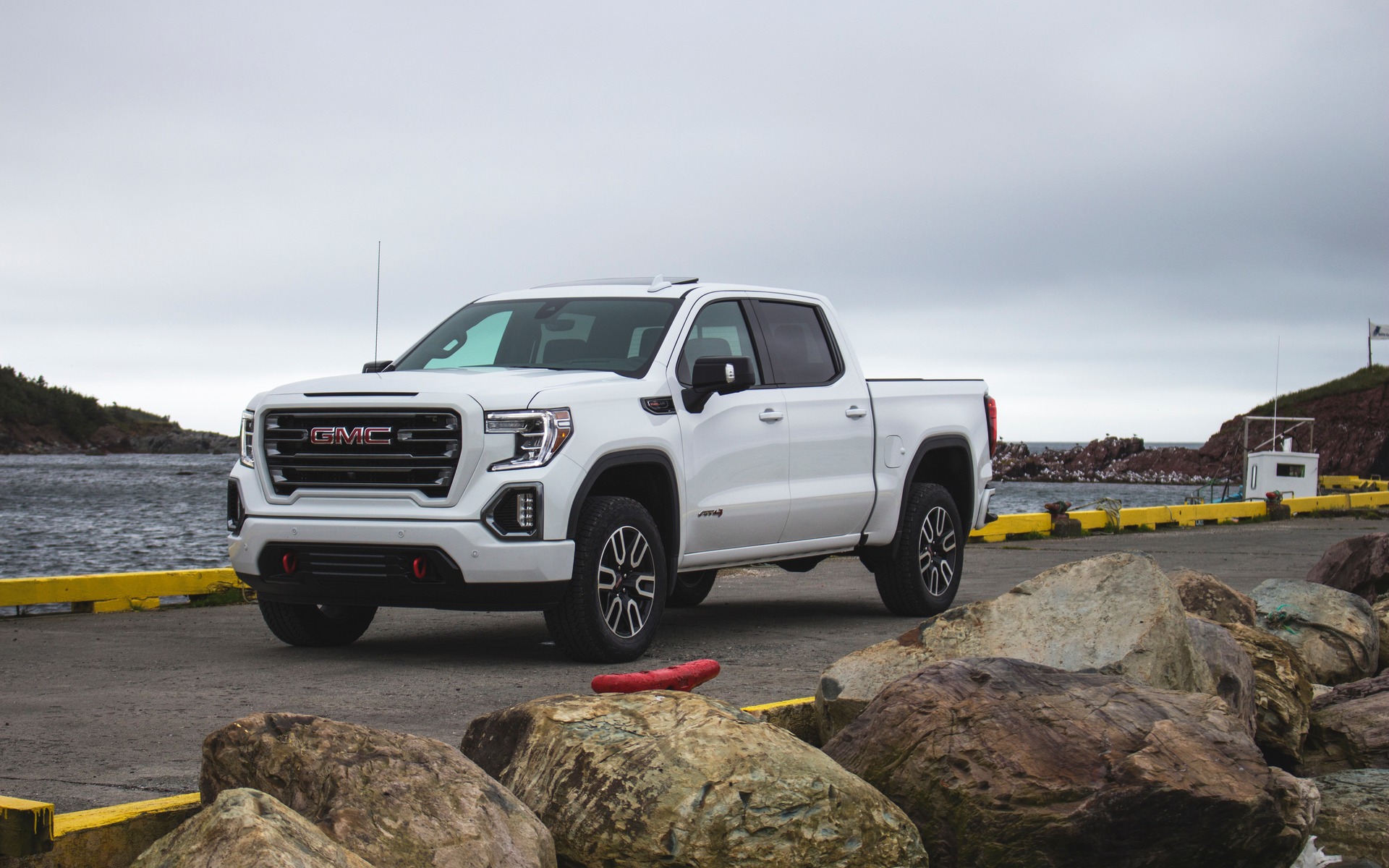
GMC Sierra 1500
The GMC Sierra 1500 shares its platform and many mechanical components with the Chevrolet Silverado 1500, which means it can experience similar driveline vibration issues in certain configurations. While the truck is generally well-engineered for everyday use, its light-duty driveline system can be sensitive to wear, imbalance, or geometry changes, especially as mileage increases or modifications are introduced.
One of the primary contributors to vibration in the Sierra 1500 is carrier bearing wear in two-piece driveshaft setups. Over time, the rubber support material in the carrier bearing can deteriorate, allowing the driveshaft to shift slightly under load. This small movement can create an imbalance that becomes noticeable during steady acceleration or highway cruising. The vibration often feels like a rhythmic pulsing through the floorboard.
Another factor is U-joint wear, which naturally occurs over time but can be accelerated by towing or frequent heavy acceleration. As U-joints begin to loosen, the rotational movement of the driveshaft becomes less consistent. This inconsistency may not be obvious at low speeds, but it becomes amplified at higher speeds where rotational forces are greater.
Aftermarket modifications are also a common trigger for vibration complaints. Changes such as suspension lifts, leveling kits, or oversized tires can alter driveline angles beyond factory specifications.
Because the Sierra 1500 is tuned for precise factory geometry, even moderate changes can introduce harmonic imbalance. Without corrective adjustments, such as realignment or upgraded driveline components, vibration issues may persist.
Improper balancing after maintenance or part replacement can also contribute. If a driveshaft is removed for service and not rebalanced correctly, even slight inaccuracies in weight distribution can cause noticeable vibration. This is more likely in light-duty trucks where tolerances for imbalance are tighter compared to heavy-duty platforms.

Jeep Gladiator
The Jeep Gladiator is designed with strong off-road capability as a priority, and its driveline system reflects that focus. However, this design emphasis can also make it more prone to drive shaft vibration issues, especially when the vehicle is modified or used in conditions that push the suspension beyond factory assumptions. Unlike highway-focused pickups, the Gladiator’s suspension is built for articulation, which introduces frequent changes in driveline angle.
One of the most common causes of vibration in the Gladiator is suspension lifting. Many owners install lift kits to increase ground clearance and improve off-road capability, but lifting the suspension changes the angle between the transmission and rear differential.
This altered geometry places additional stress on the driveshaft and U-joints, which can lead to vibration at certain speeds. Without proper correction, such as adjustable control arms or driveshaft upgrades, the vibration can persist even after alignment.
The solid axle design also contributes to driveline angle variation during articulation. When the suspension flexes off-road or even during uneven road driving, the angle of the driveshaft changes more significantly than in independent suspension systems. These constant angle shifts increase wear on U-joints and can introduce vibration over time.
U-joint wear is another frequent factor. Because the Gladiator is often used in off-road environments, the joints are exposed to dirt, water, and high articulation stress. This accelerates wear compared to vehicles used primarily on paved roads. As the joints loosen, rotational smoothness decreases, which can result in vibration during highway cruising.
Driveshaft imbalance can also occur after repeated off-road impacts. Rocks, uneven terrain, and hard landings can slightly affect shaft alignment or introduce minor deformation. Even if the damage is not visually obvious, it can still affect rotational balance at higher speeds.
Despite these issues, the Gladiator performs well within its intended purpose. Its vibration tendencies are largely tied to modification and off-road use rather than everyday factory driving conditions. However, maintaining driveline smoothness often requires more careful setup and ongoing adjustment compared to standard road-focused trucks.
