
Cold weather has a strong effect on how vehicles perform, especially in regions of the United States such as Alaska, North Dakota, Minnesota, Montana, and parts of the Rocky Mountains. When temperatures drop well below freezing, internal combustion engines, diesel systems, and electric vehicle battery packs all behave differently.
Some vehicles are designed and engineered with features that allow them to start reliably, maintain cabin heat efficiently, and keep traction on snow and ice. Others experience slower starts, reduced efficiency, or in the case of electric vehicles, noticeable reductions in driving range and charging speed.
In extreme cold, engine oil thickens, rubber components stiffen, and battery chemical reactions slow down. This makes starting a conventional engine harder and puts stress on 12 volt systems. Diesel engines may struggle with fuel gelling unless winterized fuel or additives are used.
Electric vehicles face a different challenge: lithium ion batteries deliver less usable energy when cold, and regenerative braking may be limited until the battery warms up. Heating the cabin also consumes energy that would otherwise go toward driving range.
Vehicles that perform well in these conditions usually have strong cold weather engineering. This includes engine block heaters, insulated battery packs, heated seats and steering wheels, advanced traction control systems, and all wheel drive systems that are tuned for low grip surfaces. These features are not just comfort related but directly impact reliability and safety during winter driving.
On the other side, some vehicles are more sensitive to cold due to battery design limitations, weaker thermal management systems, or reliance on older battery chemistry. In electric vehicles especially, older models or budget focused designs may experience faster range drop in freezing temperatures.
Even modern EVs still lose a portion of their range in extreme cold, although newer thermal management systems have reduced the severity of this issue.
This article compares two groups of vehicles. The first group includes five cars known for strong performance in extreme cold conditions across the USA. These are vehicles commonly trusted in snowy states and rural cold regions for their durability and winter readiness. The second group includes five electric or battery dependent vehicles that are known to experience significant performance reduction in cold environments, particularly in terms of range, charging efficiency, or 12 volt system reliability.
The goal is to provide a clear, practical comparison so readers can understand which vehicles are better suited for harsh winter climates and which ones require extra planning or precautions during freezing weather. All information is presented in a factual, balanced way based on known mechanical and electrical behavior in low temperature conditions.
5 Cars Built for Extreme Cold in the USA
Toyota Land Cruiser
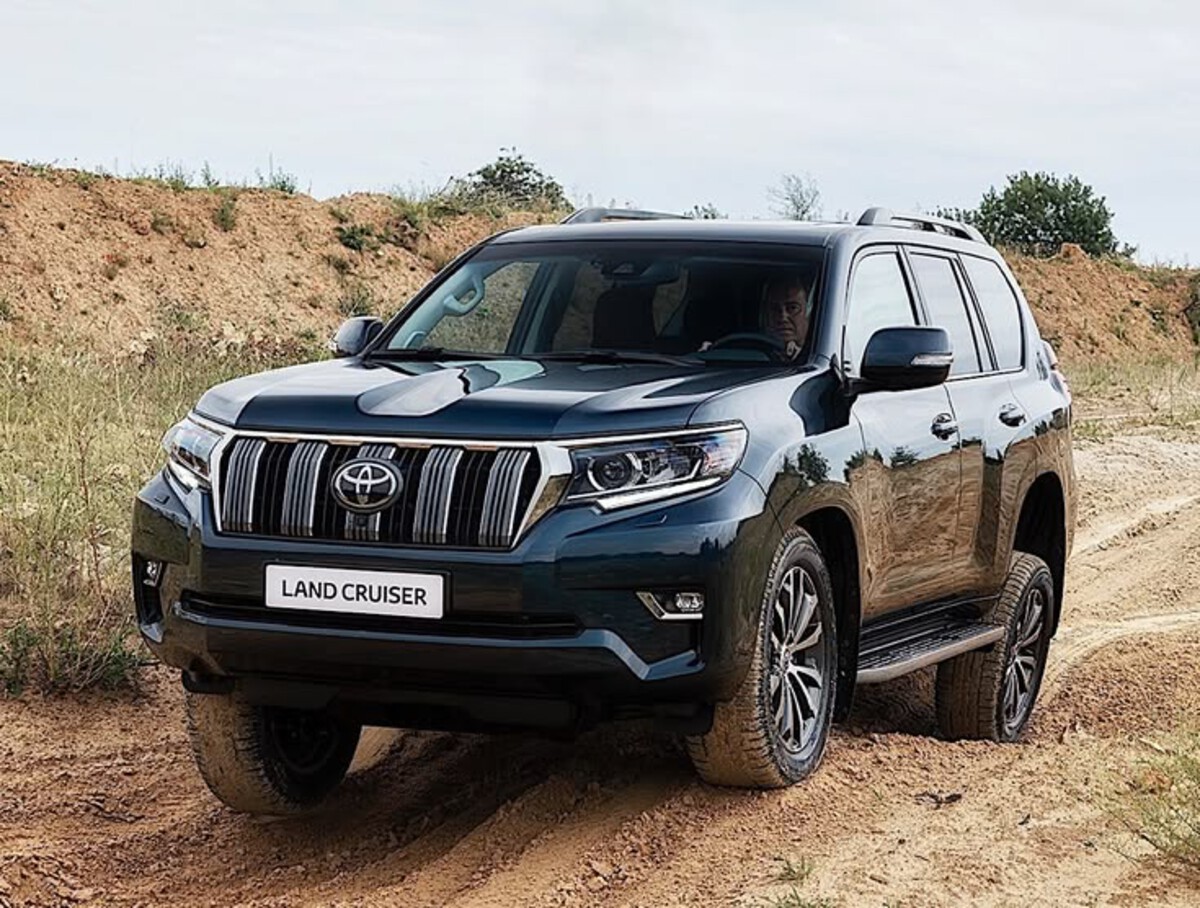
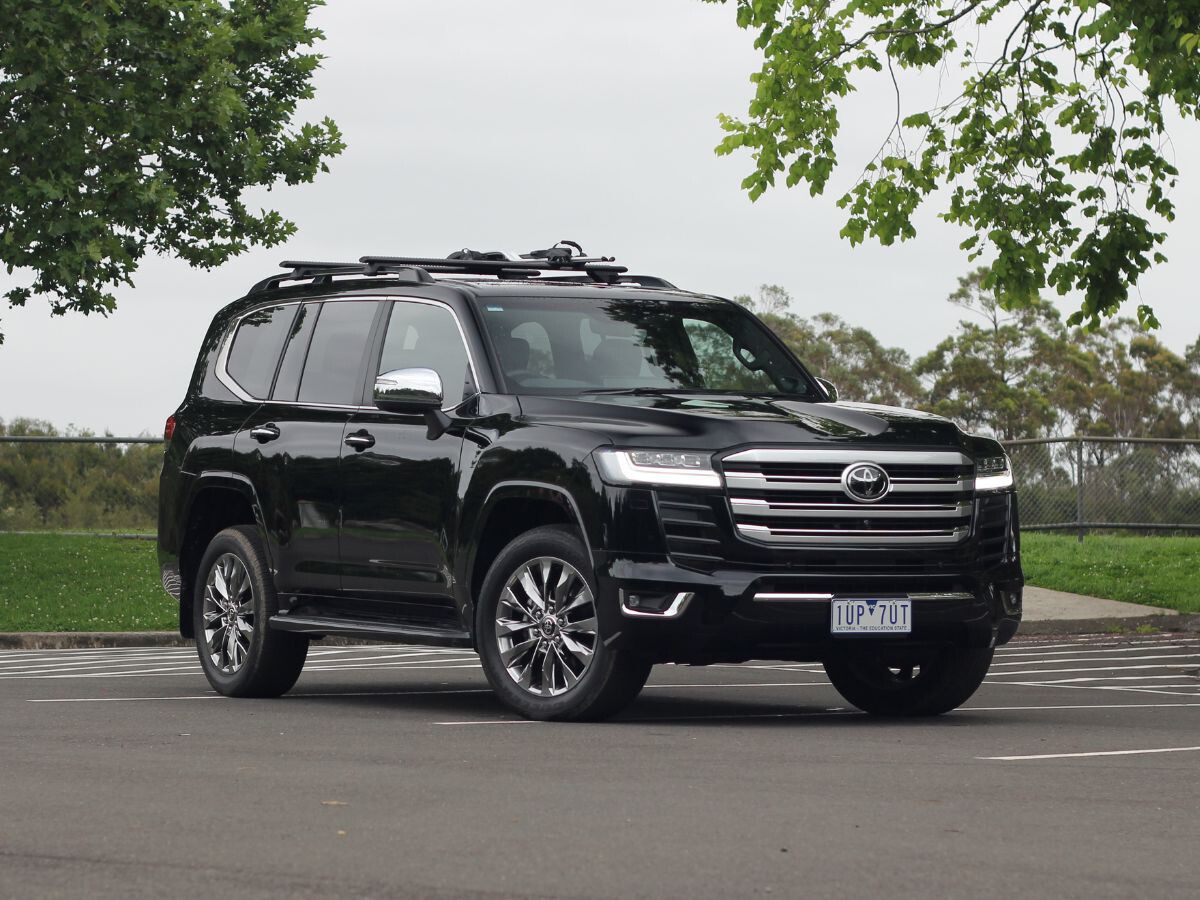
The Toyota Land Cruiser is widely recognized as one of the most dependable vehicles for extreme cold environments, especially in parts of Alaska, northern Canada border regions, and the northern United States where temperatures can drop far below freezing for extended periods. Its engineering focus is long-term durability, which makes it suitable for conditions where many vehicles struggle to start or maintain consistent performance.
One of its strongest advantages is its drivetrain design. The full-time all wheel drive system delivers consistent traction without requiring driver input, which is important when roads are covered in packed snow, black ice, or slush. The system is built with robust mechanical components that are less likely to fail in low temperatures compared to more complex electronically dependent systems. This gives it a strong reliability advantage during winter storms.
The engine performance is another key strength. The Land Cruiser’s engines are designed to produce steady torque at low RPMs, which helps when moving through deep snow or uphill icy roads. Cold starts are generally stable because the vehicle uses heavy-duty starting components and supports accessories like block heaters in colder regions. This reduces strain on the engine and battery during subzero starts.
Cabin comfort is also a major factor in winter usability. The heating system is powerful enough to warm the interior relatively quickly, even when the vehicle has been parked overnight in freezing conditions. Seat heating and climate control systems are designed for sustained winter use, which makes long drives in cold regions more manageable and safer for occupants.
The Toyota Land Cruiser stands out as a vehicle that prioritizes mechanical reliability and stability over complexity, making it one of the most trusted choices for extreme cold driving conditions.
Subaru Outback
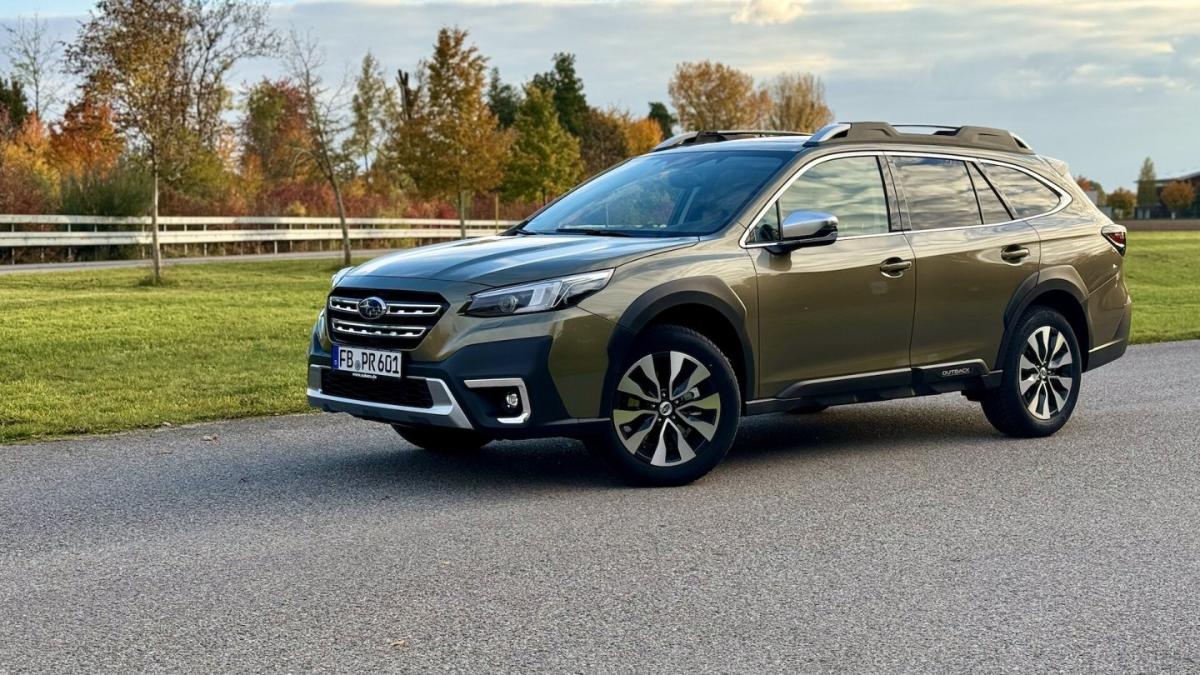
The Subaru Outback has earned a strong reputation as a winter-friendly vehicle across the United States, particularly in snow-prone states like Colorado, Vermont, Maine, and Minnesota. Its design philosophy focuses on stability, traction, and predictable handling in low grip conditions, which are essential for safe driving in freezing weather.
A key feature is its symmetrical all wheel drive system, which operates continuously to distribute power evenly between the wheels. This system improves grip on icy roads and helps reduce the chances of slipping during acceleration or cornering. Because the system is always active, it reacts instantly to changing road conditions, which is especially important during sudden snowfall or black ice patches.
The boxer engine layout contributes to stability by keeping the vehicle’s center of gravity lower than many SUVs in its class. This improves balance and reduces body roll, which is helpful when driving on uneven snow covered roads. The engine also performs reliably in cold weather when paired with proper winter-grade oil and maintenance.
Cold weather starting performance is generally strong due to reliable battery systems and efficient engine design. In colder regions, Subaru vehicles are often equipped with engine block heaters, which help warm the engine before ignition. This reduces wear on internal components and improves starting consistency during very low temperatures.
The cabin heating system is also designed for cold climates, providing steady and even warmth throughout the interior. Combined with heated seats, defrost systems, and good insulation, the Outback remains comfortable during long winter commutes. Its balance of affordability, reliability, and winter capability makes it one of the most practical choices for drivers in snowy regions.
Ford F-150
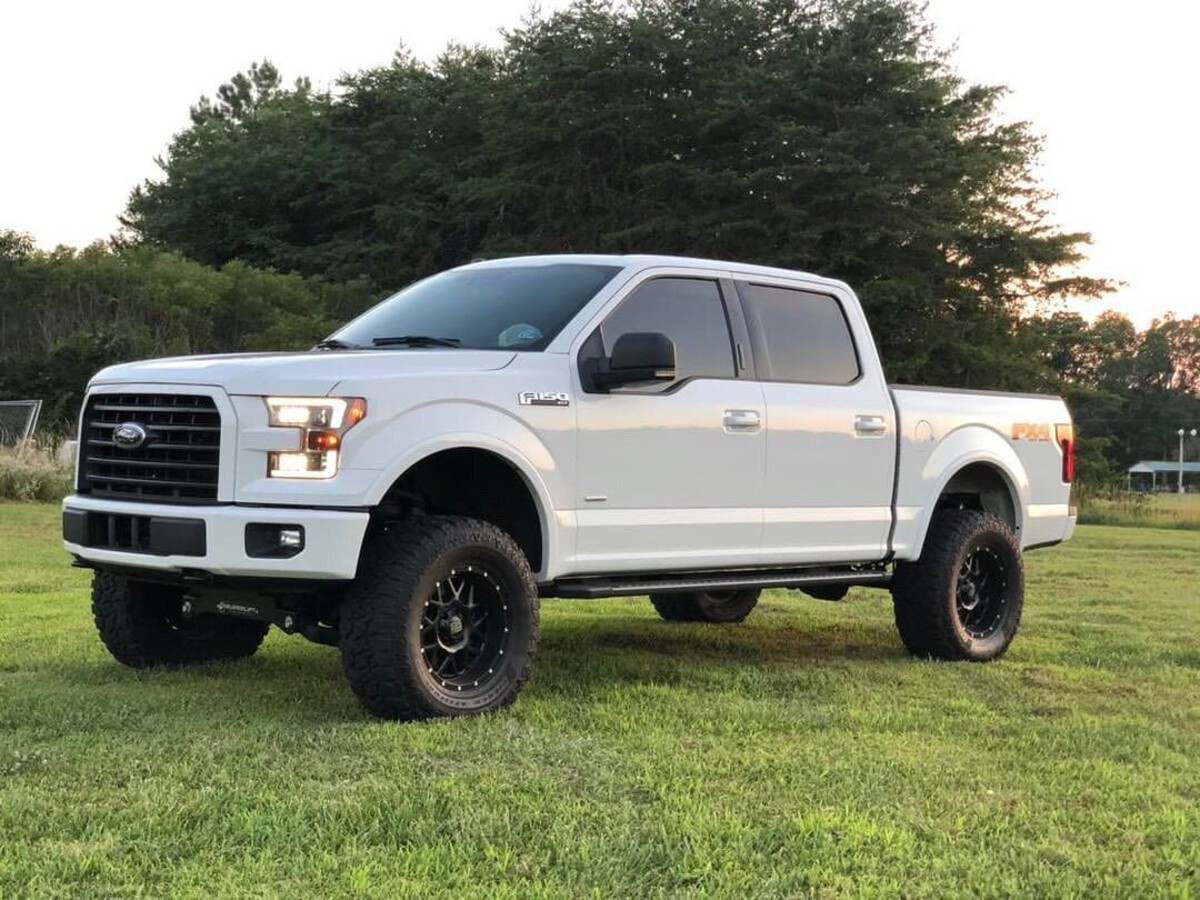
The Ford F-150 is one of the most widely used full-size trucks in the United States and is especially popular in colder regions where both personal and commercial use demand strong winter performance. Its ability to handle heavy workloads while maintaining reliability in freezing temperatures makes it a common choice for construction, farming, and emergency services in snow-prone areas.
One of its key strengths is its range of engine options, including turbocharged EcoBoost engines, naturally aspirated V8s, and diesel variants in some configurations. These engines are engineered to operate reliably in low temperatures, especially when equipped with winter packages that include stronger batteries, engine block heaters, and cold weather fluid systems.
The available four wheel drive system provides strong traction on snow and ice. It allows drivers to switch between driving modes depending on road conditions, which improves control during winter storms. The truck’s weight and wide stance also contribute to stability, making it less likely to be affected by wind or slippery surfaces.
Heating performance is another important advantage. The large cabin can be warmed effectively, and modern F-150 models include features such as heated seats, heated steering wheels, and advanced defrost systems. These features are especially useful during early morning starts when frost buildup is common on windshields and mirrors.
Battery and electrical systems are designed to handle cold cranking demands, although extremely low temperatures can still reduce battery efficiency. Diesel versions, when properly winterized, offer strong torque and fuel efficiency even in harsh cold environments. , the Ford F-150 combines utility, strength, and winter reliability, making it a dependable choice for extreme cold regions.
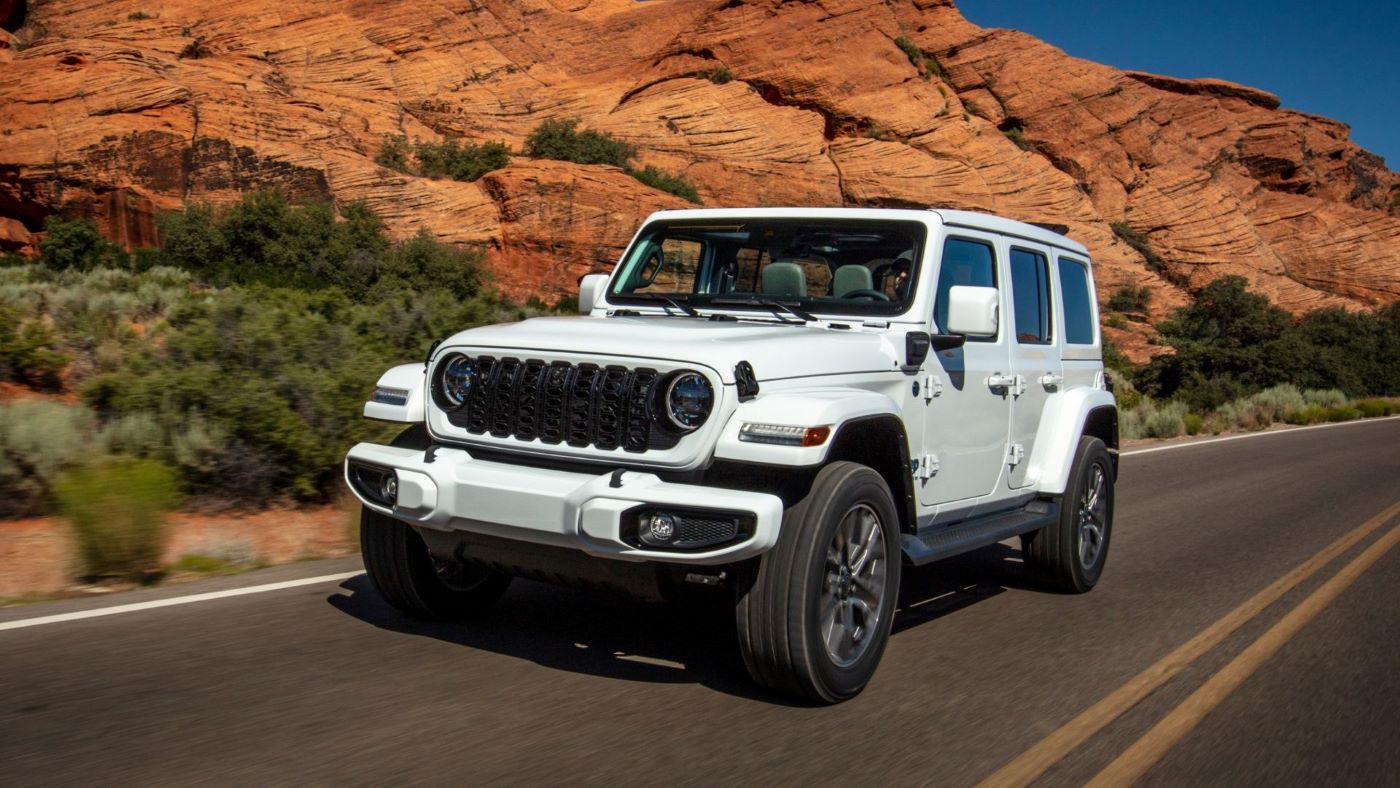
Jeep Wrangler
The Jeep Wrangler is built with off road capability as its core design principle, but this also translates into strong performance in extreme cold and snowy environments. Its rugged construction, high ground clearance, and flexible four wheel drive systems make it particularly effective in deep snow, unplowed roads, and icy terrain.
One of the main advantages is its drivetrain flexibility. Depending on the model, the Wrangler offers part time or full time four wheel drive systems that allow drivers to adapt to changing winter conditions. This is especially useful when transitioning between cleared roads and snow-covered rural areas. The mechanical nature of the system also makes it reliable in very low temperatures.
Ground clearance is another critical factor. The Wrangler sits higher than most SUVs and sedans, allowing it to move through deeper snow without getting stuck. This makes it suitable for rural areas where snow removal may be delayed or inconsistent during heavy winter storms.
Engine durability is also a strong point. The Wrangler’s engines are designed for long-term rugged use, and many versions include cold weather packages with heated seats, remote start systems, and improved battery setups for winter conditions. These features help reduce the difficulty of starting and operating the vehicle in subzero temperatures.
Cabin comfort has improved significantly in newer models, with better insulation and more efficient heating systems. While earlier Wranglers were known for cold interiors, modern versions provide much better warmth retention. This makes winter driving more comfortable for both short trips and longer off road journeys in cold environments.
The Jeep Wrangler is valued for its ability to handle extreme terrain and winter conditions without compromising durability or off road capability.
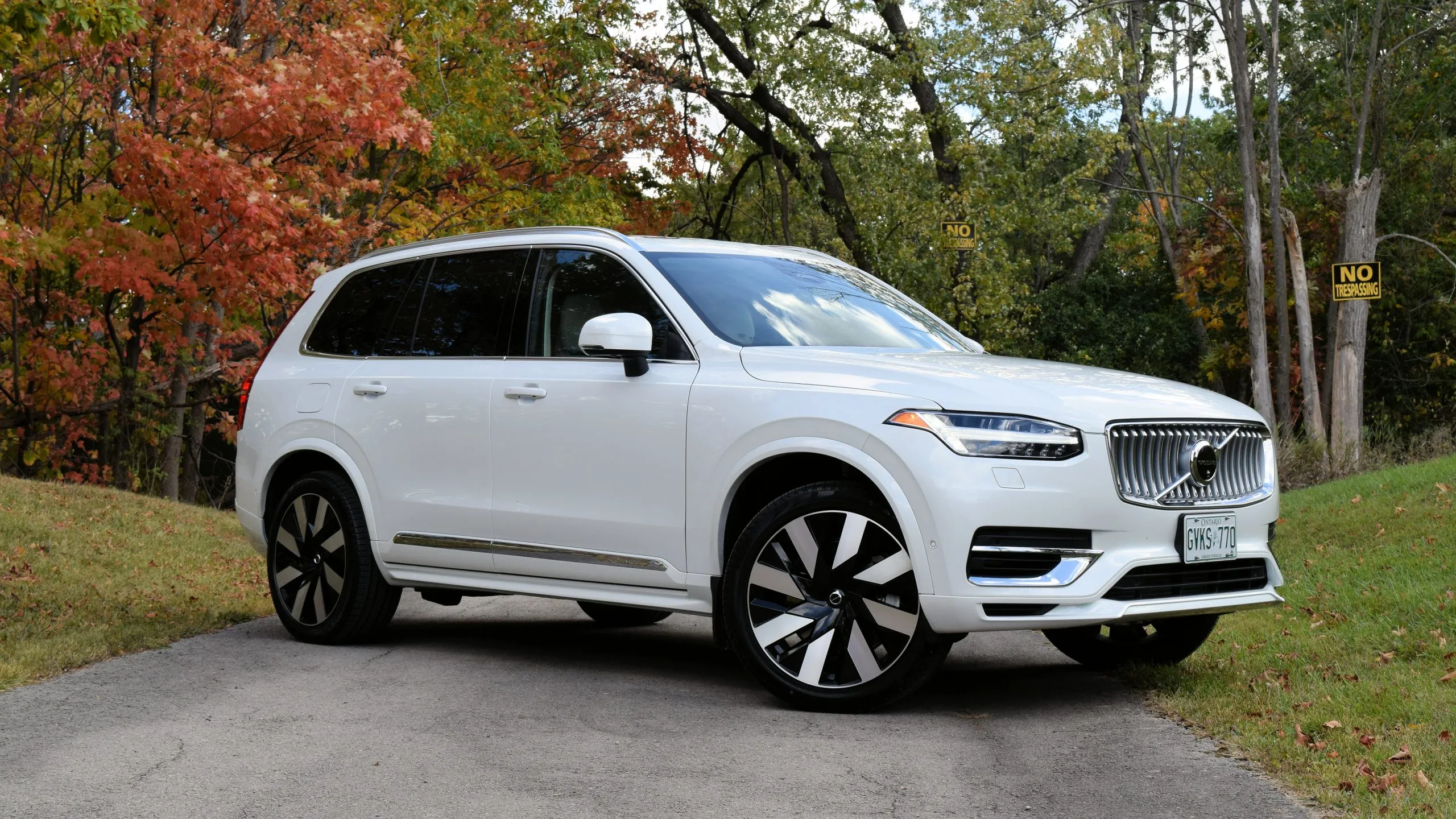
Volvo XC90
The Volvo XC90 is engineered with a strong focus on safety and cold climate performance, reflecting its Scandinavian design heritage where winter driving conditions are a major consideration. It is widely regarded as one of the most refined luxury SUVs for snowy and icy environments due to its balance of comfort, safety systems, and traction control.
The all wheel drive system is designed for stability and control on low grip surfaces. It works seamlessly with advanced traction and stability control systems to distribute power where it is needed most. This helps maintain grip on icy highways and reduces the risk of skidding during sudden maneuvers or braking.
Safety technology is one of its standout features. Systems such as collision avoidance, lane keeping assistance, and adaptive cruise control are calibrated to function reliably in winter conditions. These systems help reduce driver workload during long cold-weather journeys where road conditions can be unpredictable.
The cabin heating system is highly efficient and designed for fast warm-up even in subzero temperatures. Heated seats, heated steering wheels, and multi-zone climate control ensure consistent comfort for all passengers. The insulation quality also helps retain heat, reducing energy consumption once the cabin is warm.
Electronic systems in the XC90 are built to withstand low temperatures, minimizing the risk of cold-related malfunctions. Battery and starting systems are optimized for winter reliability, ensuring dependable performance even after overnight exposure to freezing conditions.
The Volvo XC90 combines luxury, safety, and cold climate engineering, making it one of the most comfortable and dependable SUVs for extreme winter driving conditions.
5 Cars with Batteries That Struggle in Cold Weather
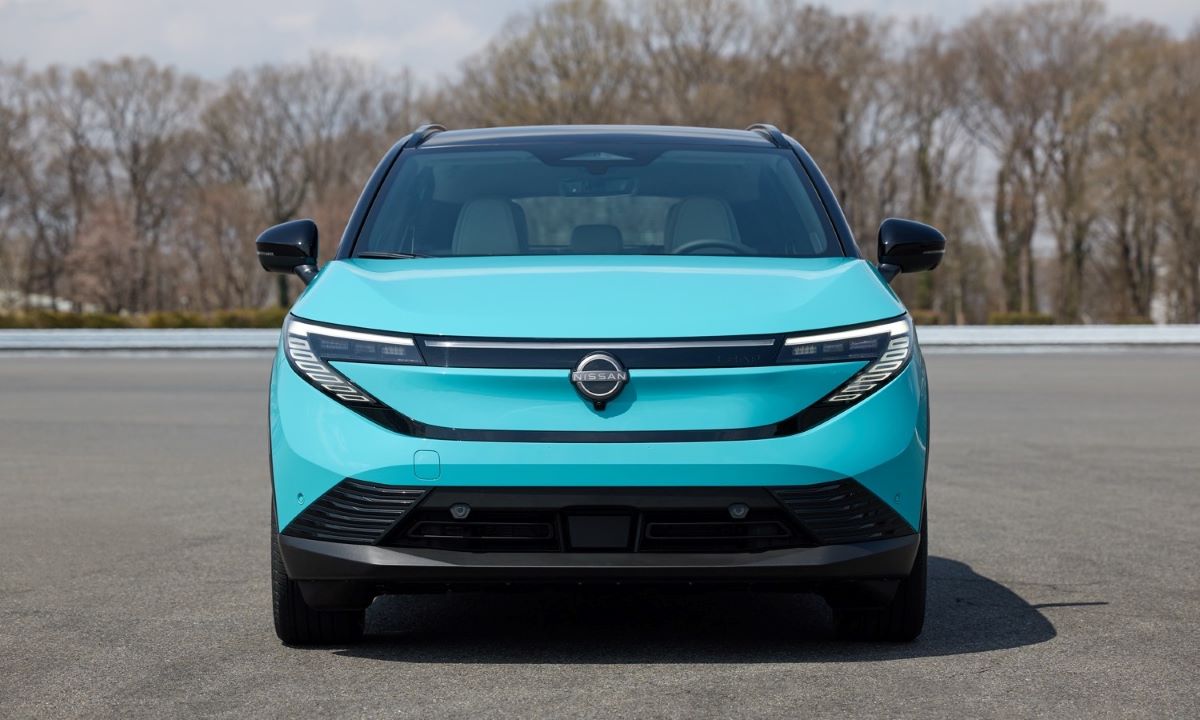
Nissan Leaf (Older Models)
Older versions of the Nissan Leaf are widely known for noticeable performance decline in freezing temperatures, mainly because of limitations in early electric vehicle battery thermal management systems.
These models rely on lithium ion battery packs that do not have fully advanced active heating systems in some trims, which means the battery temperature can drop significantly overnight in cold regions. When this happens, the chemical reactions inside the battery slow down, reducing how much usable energy can be delivered during driving.
One of the most noticeable effects for drivers is reduced driving range. In cold climates, it is common for range to drop by a substantial percentage compared to rated EPA figures. This happens because energy is being used not only for driving but also for heating the cabin and attempting to warm the battery pack itself. Unlike gasoline vehicles that reuse engine heat, the Leaf must draw directly from the battery to provide cabin warmth, which increases energy consumption quickly in winter.
Charging behavior is also affected in low temperatures. When the battery is cold, fast charging speeds decrease because the system limits current flow to protect battery health.
This means that even when connected to a DC fast charger, the vehicle may charge more slowly until the battery reaches a safe operating temperature. For drivers in regions with long, cold winters, this can create longer stops and more planning requirements during travel.
Regenerative braking is another system that becomes limited in winter conditions. When the battery is cold, the system may reduce or temporarily disable regenerative braking to avoid stressing the battery. This changes the driving feel and also reduces efficiency since less energy is recovered during deceleration. Over time, this can contribute to a higher energy usage per trip in cold climates.
While the Nissan Leaf remains an efficient urban electric vehicle, older models require careful winter planning and are best suited for short commutes in mild to moderate cold conditions rather than extreme subzero environments.
Chevrolet Bolt EV (Early Versions)
Early Chevrolet Bolt EV models experience a noticeable drop in efficiency and range during cold weather conditions, even though they include a liquid cooled and heated battery management system. The main challenge is that energy demand rises sharply in winter due to cabin heating needs, battery conditioning, and increased aerodynamic resistance from cold dense air. These combined factors place a heavier load on the battery than in moderate climates.
In freezing temperatures, the vehicle’s onboard systems prioritize battery protection, which can lead to reduced charging and performance efficiency. When the battery is cold at startup, the system may limit power output until it reaches an optimal temperature range. This results in slower acceleration response and reduced regenerative braking capability until the system stabilizes during driving.
Charging performance is also affected, particularly at fast charging stations. If the battery has not been preconditioned, charging speeds may be significantly lower than expected. This is because lithium ion batteries cannot safely accept high charging rates when their internal temperature is too low. Drivers often notice that winter charging sessions take longer, especially during short stopovers in very cold weather.
Another issue is that cold weather can increase strain on auxiliary electrical systems. Cabin heating, defrosting, and seat heating all draw directly from the high voltage battery. In combination with reduced efficiency, this can create a noticeable reduction in driving range, especially on highway routes where energy consumption is already higher.
Despite these challenges, later software updates and improved thermal strategies in newer Bolt EV models have helped reduce some of these limitations. However, early versions still remain more sensitive to cold climates compared to newer electric vehicle designs with more advanced thermal optimization systems.
BMW i3
The BMW i3 is an early generation electric vehicle that uses a relatively small battery pack compared to many modern EVs, which makes it more vulnerable to cold weather performance losses. In low temperatures, the limited battery capacity becomes a key factor because a larger percentage of available energy is consumed by heating systems and thermal regulation processes.
Although the i3 includes battery thermal management, the system is less advanced than those found in newer electric vehicles. This means that in extremely cold conditions, the battery may take longer to reach its ideal operating temperature. During this warm-up period, both efficiency and available power output can be reduced, which affects acceleration and driving range.
Cabin heating is another major contributor to energy consumption. Since the vehicle relies entirely on electrical energy for heating, winter driving significantly increases power usage. In city driving conditions with frequent stops, heating demand remains constant, which further reduces the effective range per charge. This makes the vehicle less efficient for longer commutes in freezing environments.
Highway driving in cold weather can also feel more restrictive due to the combination of aerodynamic drag, heating demand, and battery limitations. The smaller battery pack means there is less buffer capacity to handle these combined energy loads. As a result, drivers may experience more frequent charging requirements during winter months compared to warmer seasons.
Charging performance in cold conditions can also be inconsistent if the battery has not been preconditioned. Without optimal battery temperature, charging speed decreases, which can extend charging times significantly. This makes the i3 more suitable for short-distance urban use in mild winter regions rather than sustained travel in extreme cold climates.
Hyundai Kona Electric (Early Models)
Early Hyundai Kona Electric models offer solid efficiency in normal conditions, but cold weather can significantly reduce their performance due to the natural limitations of lithium ion batteries in low temperatures. Even though these vehicles include liquid cooled battery systems, extremely cold environments still slow down internal battery chemistry, reducing usable energy output.
One of the main impacts drivers notice is reduced driving range. In winter conditions, the vehicle must use additional energy for cabin heating and battery temperature management. Since this energy is drawn directly from the traction battery, it reduces the amount available for driving. On short trips, this effect is more pronounced because the heating system consumes energy continuously from startup.
Charging speed is another factor affected by cold weather. When the battery is cold, fast charging systems reduce power input to protect battery health. This can result in longer charging sessions, particularly when using DC fast chargers during winter travel. In colder climates, drivers often need to allow extra time for charging stops to ensure the battery reaches an efficient temperature range.
Regenerative braking efficiency is also reduced in low temperatures. When the system limits energy recovery, the vehicle relies more on mechanical braking, which slightly reduces efficiency. This effect is more noticeable in city driving, where frequent braking normally allows more energy recovery in warmer conditions.
Despite these challenges, later versions of the Kona Electric have improved thermal management and better software optimization. However, early models are still known for experiencing noticeable range reduction and slower charging performance in freezing environments, making them less ideal for regions with severe winter conditions.
Tesla Model 3 (Without Preconditioning Use)
The Tesla Model 3 generally performs better in cold weather compared to many older electric vehicles due to its advanced thermal management system and battery conditioning capabilities. However, its winter performance is highly dependent on correct use of preconditioning features. When these systems are not used properly, cold weather limitations become more noticeable.
In freezing conditions, battery range naturally decreases because energy is required to heat both the cabin and the battery pack. If the vehicle is not preconditioned before driving or charging, the battery may start at a lower temperature, which reduces efficiency and limits regenerative braking. This can make early parts of a trip feel less efficient compared to normal conditions.
Charging speed is also significantly affected when the battery is cold. Tesla vehicles are designed to warm the battery before fast charging, but if preconditioning is skipped, the vehicle will automatically limit charging power to protect battery health. This results in longer charging times at Supercharger stations during winter travel, especially after the vehicle has been parked outdoors in freezing temperatures.
Regenerative braking reduction is another key behavior in cold conditions. Until the battery reaches optimal temperature, the system may reduce energy recovery during deceleration. This changes driving dynamics and slightly increases energy consumption because more energy is lost as heat during braking instead of being recovered.
, the Tesla Model 3 remains one of the stronger electric options for cold climates, but it still demonstrates that even advanced EV systems depend heavily on thermal management practices. Proper preconditioning and charging habits are essential for maintaining consistent winter performance and minimizing range loss in extreme cold conditions.
