
Winter in cities like Minneapolis is not just about freezing temperatures and heavy snowfall. It is a long season defined by constant exposure to road salt, slush, and moisture that lingers in places you cannot easily see. While salt keeps roads drivable, it quietly attacks a car’s underbody, seams, and structural components.
Over time, this leads to corrosion that can turn a reliable vehicle into a costly liability. For drivers who depend on their cars daily, choosing a model that can resist this damage is not just a matter of preference. It is a practical decision that affects long term ownership costs and safety.
At the same time, not every vehicle is built with the same level of protection. Some cars are engineered with advanced rust proofing techniques, better drainage systems, and materials that resist corrosion. Others, despite being popular or affordable, cut corners in areas that are not immediately visible.
These differences only become clear after a few winters, when rust begins to show on panels, frames, and suspension parts. By then, it is often too late to reverse the damage without expensive repairs.
This contrast is especially noticeable in places like Minneapolis, where road salt usage is heavy and consistent throughout the winter months.
Cars that perform well in mild climates can quickly deteriorate under these conditions, while others continue to hold up with minimal visible wear. Understanding which vehicles fall into each category can help buyers avoid frustration and unexpected expenses.
This article examines both sides of that reality. First, it focuses on cars that are known for their strong resistance to road salt and corrosion, explaining why they are better suited for harsh winters. Then, it shifts to vehicles that tend to rust quickly, highlighting the design or material choices that contribute to their vulnerability.
Each example is chosen to show a different reason behind its performance, so the patterns become clear without repeating the same explanation.
Also Read: 5 Cars for High-Speed Interstates in the USA vs. 5 That Drone at 70 MPH
5 Cars for Road Salt Protection In Minneapolis
Minneapolis winters are not just cold, they are chemically harsh on vehicles in a way many drivers underestimate. The heavy use of road salt creates an environment where metal is constantly exposed to moisture mixed with corrosive agents.
This combination accelerates rust far beyond normal wear, attacking everything from suspension components to brake lines and even the vehicle’s structural frame. For anyone planning to keep a car for several years, this is not a minor concern but a defining factor in ownership experience.
What makes this topic worth discussing is that not all cars respond to these conditions in the same way. Some vehicles are built with durability in mind, using better coatings, corrosion resistant materials, and smarter engineering that prevents salt from settling into hidden areas.
Others may perform well mechanically but lack the protective measures needed to survive repeated winters without visible or structural damage.
In a city like Minneapolis, these differences become obvious within just a few seasons. A well protected vehicle can go years without serious corrosion issues, maintaining both safety and resale value.
On the other hand, a poorly protected one may begin showing rust in places that are difficult or expensive to repair. This gap in long term performance is why choosing the right car matters just as much as regular maintenance.
The purpose of this section is to highlight vehicles that are known for handling these conditions effectively.
Each car included here represents a different approach to resisting salt damage, whether through material choice, structural design, or long term reliability observed by owners. Rather than repeating the same reasoning, each example explains a unique strength that contributes to its durability.
By understanding these differences, buyers can make more informed decisions and avoid the frustration of dealing with preventable corrosion issues.
1. Toyota 4Runner
The Toyota 4Runner stands out as a vehicle that seems built with harsh environments in mind, even if that was not its only purpose. Unlike many modern crossovers that rely on lighter construction, this SUV uses a body on frame design that provides a solid foundation.
That structure allows for thicker metal components and better separation between critical systems, reducing the chances of salt intrusion reaching sensitive areas.
One of the reasons this model earns attention in winter heavy regions is its consistent use of protective coatings. Toyota has refined its rust prevention over decades, and the 4Runner benefits from underbody treatments that are applied evenly and thoroughly.
These coatings are not just cosmetic. They form a barrier that slows down the chemical reaction between salt and metal, which is the main cause of corrosion.
Another aspect that makes the 4Runner worth discussing is its design simplicity. There are fewer exposed seams and complicated panel overlaps compared to more modern designs.
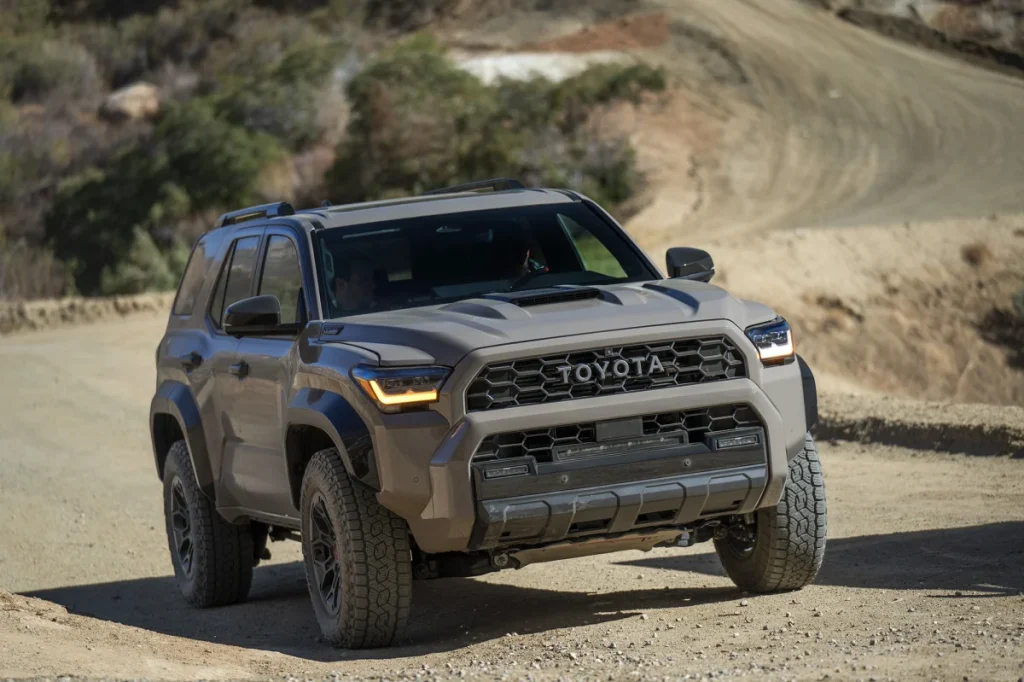
That means fewer hidden pockets where moisture and salt can accumulate unnoticed. Even after repeated exposure, these areas tend to dry out more effectively, which further limits rust formation.
Ownership patterns also play a role in why this vehicle is highlighted. Many 4Runner owners keep their vehicles for long periods, and it is common to see examples with high mileage still maintaining structural integrity. This real world evidence reinforces the idea that its resistance to rust is not just theoretical.
The reason for including the 4Runner here is not just its reputation, but how it demonstrates that durability often comes from a combination of design choices rather than a single feature. It shows how thoughtful engineering can make a noticeable difference when facing years of exposure to road salt.
2. Volvo XC90
The Volvo XC90 approaches rust resistance from a different angle, focusing on material quality and advanced manufacturing processes rather than rugged construction alone. Volvo has long prioritized safety and longevity, and that philosophy extends to how its vehicles handle corrosion.
A key factor in the XC90’s durability is its extensive use of galvanized steel. This material is treated with a protective zinc layer that sacrifices itself before the underlying metal begins to corrode.
It is a technique that has been refined over time, and in this model, it is applied to a large portion of the body structure. This reduces the likelihood of rust forming even when the paint layer is compromised.
The vehicle’s assembly process also deserves attention. Volvo employs precise sealing techniques around joints and welds, which are typically weak points for moisture intrusion.
By limiting the entry of salt water into these areas, the XC90 minimizes the conditions that lead to corrosion in the first place. It is not just about resisting rust, but preventing the environment where rust can begin.
Drainage is another detail that often goes unnoticed but plays an important role. The XC90 is designed to channel water away from critical areas, ensuring that it does not sit in hidden cavities. This constant movement of moisture reduces prolonged exposure, which is a major factor in rust development.
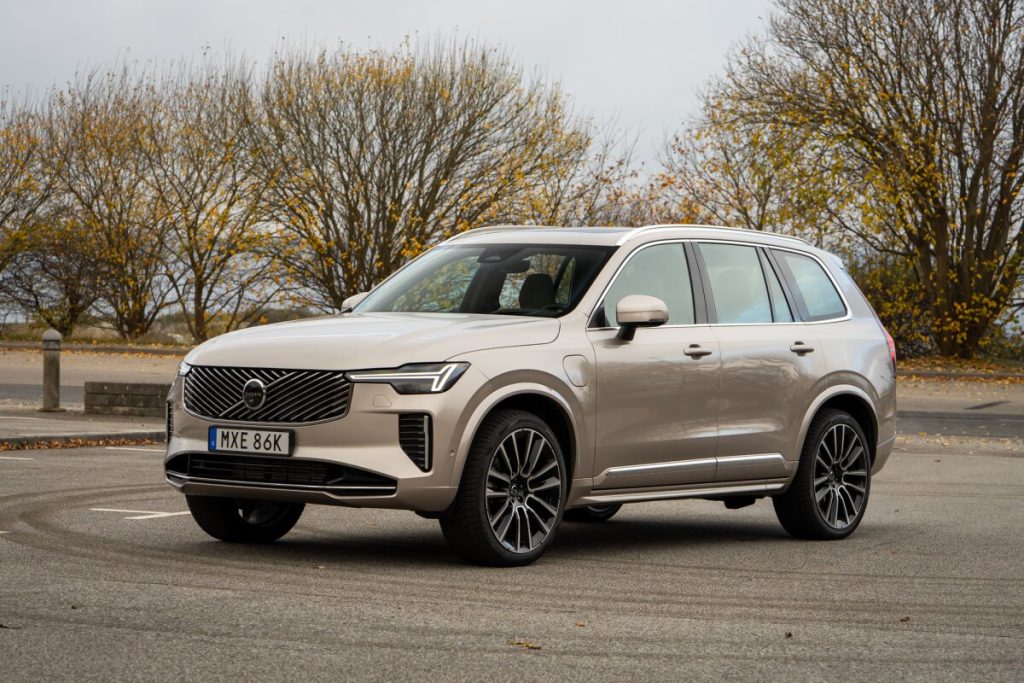
The reason this vehicle is included in the list is because it represents a more modern, technology driven approach to corrosion resistance. It shows that even without a heavy duty frame, a car can still perform exceptionally well in harsh winter conditions if the right materials and processes are used.
3. Subaru Outback
There is a certain kind of vehicle that earns its reputation not through luxury or raw performance, but through years of quietly surviving difficult conditions.
The Subaru Outback fits that description, and its ability to handle winter environments like Minneapolis is tied closely to how it has been engineered from the ground up. It is not designed as a heavy duty truck, yet it consistently proves itself in climates where road salt becomes a daily threat.
One of the more interesting reasons the Outback performs well against corrosion is its use of extensive underbody sealing combined with strategic plastic shielding.
Instead of leaving critical metal components directly exposed, Subaru integrates protective panels that act as a first line of defense. These shields reduce the amount of salt and slush that can reach vulnerable areas, especially around suspension mounting points and fuel lines.
Another factor worth noting is how Subaru has refined its paint and coating processes over time. The Outback benefits from multi layer protection that goes beyond surface level aesthetics.
Even when chips occur from road debris, the layers beneath slow down the spread of rust, buying owners time before any serious damage develops. This becomes particularly valuable in regions where gravel and salt are constantly kicked up during winter driving.
The vehicle’s layout also contributes in a subtle but important way. With a balanced design and moderate ride height, it avoids excessive buildup of compacted snow and ice underneath.
Cars that sit too low often trap slush in tight spaces, creating prolonged exposure to moisture. The Outback’s clearance allows that buildup to fall away more easily, reducing the time salt stays in contact with metal surfaces.
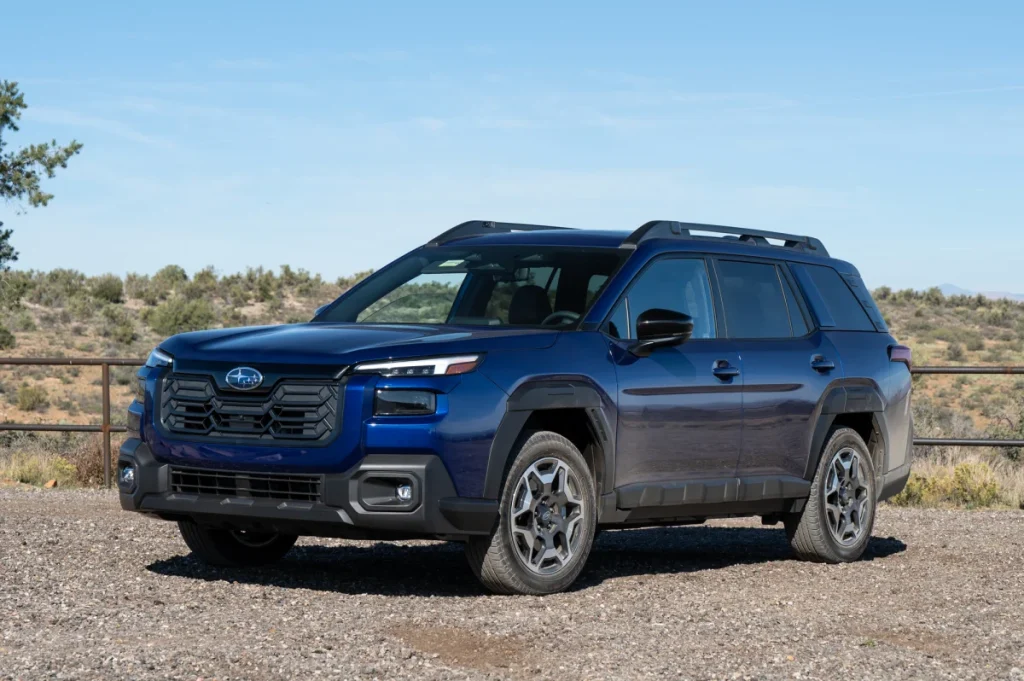
It is included here because it shows how a practical, everyday vehicle can still be well prepared for harsh conditions without relying on extreme construction methods.
The Outback represents a middle ground where thoughtful design choices translate into long term durability, making it a dependable option for drivers who face winter roads year after year.
4. Honda CR-V
Not every vehicle earns its place in a discussion about corrosion resistance through rugged construction or off road heritage.
The Honda CR-V takes a quieter route, relying on consistency in manufacturing and attention to detail that becomes noticeable only after years of use. It is the kind of vehicle that does not draw attention to its durability, yet owners in harsh climates often discover that it holds up better than expected.
A major contributor to this resilience is Honda’s disciplined approach to rust proofing across high volume models. The CR-V benefits from uniform application of anti corrosion coatings, especially in areas that are usually neglected in less carefully produced vehicles.
Wheel wells, door seams, and the lower edges of panels receive thorough treatment, which limits the starting points where rust typically begins.
Another element that makes this model worth discussing is its tight body panel fitment. Gaps and uneven joins can trap salty moisture, allowing it to sit for extended periods. In the CR-V, the precision of assembly reduces these pockets, meaning less opportunity for salt to settle and cause damage. It is a small detail that has a large impact over multiple winters.
There is also a practical advantage in how the vehicle handles daily use. The CR-V is often driven regularly rather than left sitting idle, and its design allows water and slush to drain away effectively during motion.
Constant movement combined with good drainage reduces the duration of exposure, which is one of the key factors in slowing corrosion.
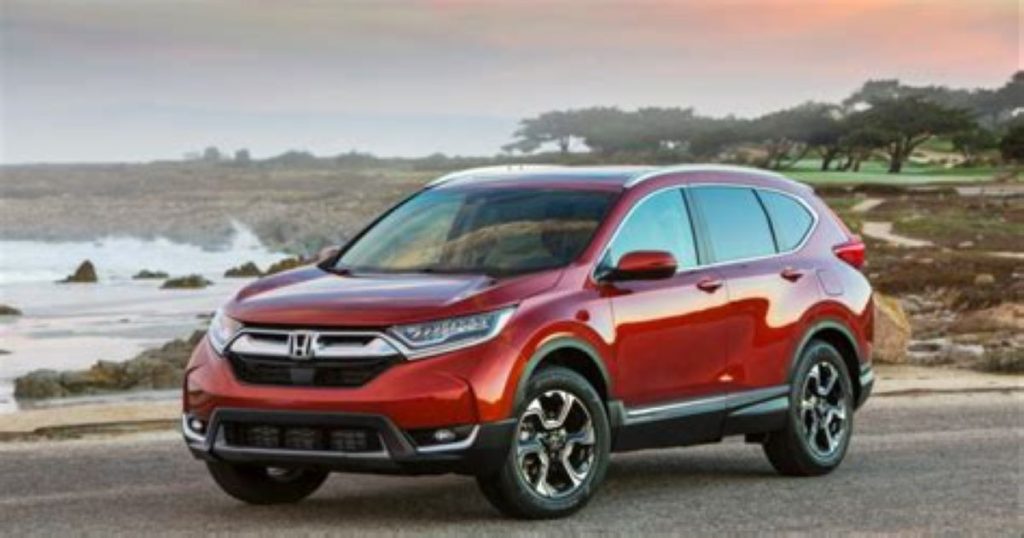
This vehicle is included because it demonstrates that durability does not always come from heavy duty engineering. Sometimes it is the result of consistency and careful execution across every unit produced.
For drivers in Minneapolis who want a dependable daily vehicle that will not quietly deteriorate underneath them, the CR-V represents a balanced and reliable choice.
5. Ford F-150
When discussing vehicles that can withstand aggressive winter conditions, it is difficult to ignore the Ford F-150, particularly in its more recent generations. What sets it apart is not just its size or capability, but a fundamental shift in material choice that directly affects how it handles corrosion.
One of the defining features of modern F-150 models is the use of an aluminum alloy body. Unlike traditional steel panels, aluminum does not rust in the same way when exposed to salt and moisture.
This change alone significantly reduces the visible corrosion that typically appears on truck beds, doors, and fenders after repeated winters. It alters the long term aging process of the vehicle in a way that is immediately noticeable compared to older designs.
That said, the truck does not rely solely on this material advantage. The underlying frame and components still require protection, and Ford addresses this with improved coatings and treatments that are applied more comprehensively than in earlier generations.
These measures help protect areas that remain vulnerable, ensuring that the benefits of the aluminum body are not undermined by weaker structural elements.
Another reason this truck earns a place here is how it is used. Many F-150 owners rely on their vehicles for demanding tasks, including driving through deep snow, hauling equipment, and operating in conditions where salt exposure is unavoidable.
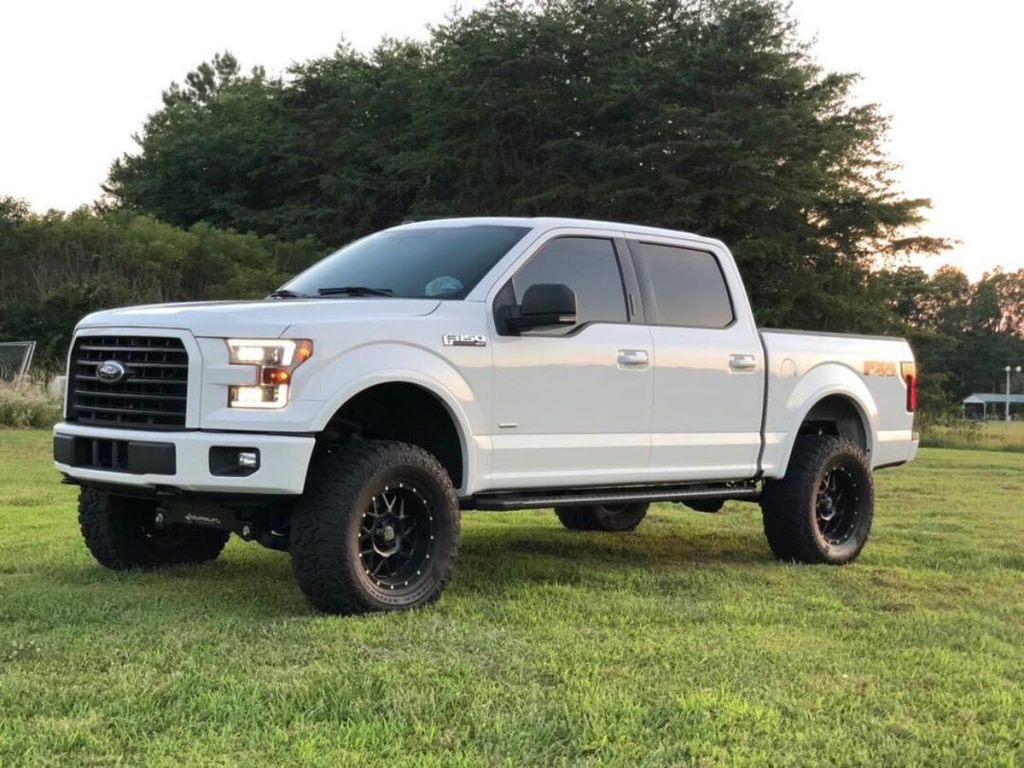
Despite this, newer models tend to maintain their structural integrity well, which reinforces the effectiveness of their corrosion resistance strategy.
It is included in this list because it highlights how a bold change in design philosophy can directly address a long standing issue. The F-150 shows that by rethinking materials and combining them with improved protective measures, a vehicle can significantly reduce the impact of road salt over time.
5 That Will Rust in Two Winters
Winter exposure does not treat every vehicle equally, and Minneapolis provides one of the clearest testing grounds for this reality. The same salt that preserves road safety can quickly expose weaknesses in design, materials, and manufacturing shortcuts.
While some vehicles manage to hold up with minimal visible damage, others begin to show corrosion far sooner than expected, sometimes within just a couple of seasons.
What makes these cases particularly frustrating is that many of these cars are not necessarily unreliable in terms of engines or driving performance.
The issue lies beneath the surface, in areas that are not immediately obvious during a test drive or even in the first year of ownership. By the time rust becomes visible on body panels or starts affecting structural components, the cost and effort required to address it can be significant.
This section focuses on vehicles that tend to struggle in heavy salt environments, each for a different reason. Some suffer from inadequate protective coatings, while others have design features that unintentionally trap moisture.
There are also cases where material choices or cost cutting measures lead to long term durability issues that only become apparent after repeated winter exposure.
The goal here is not to criticize these vehicles without context, but to highlight patterns that buyers should be aware of. Understanding why certain models are more vulnerable can help prevent costly surprises and guide better decisions, especially for those planning to keep their cars for many years in harsh climates.
Each example below is chosen to illustrate a specific weakness, ensuring that the explanations remain distinct rather than repetitive. Together, they paint a clear picture of what can go wrong when corrosion resistance is not given enough priority in vehicle design.
1. Jeep Wrangler
The Jeep Wrangler is often associated with toughness and off road capability, but those strengths do not always translate into resistance against road salt.
Its design, which prioritizes modularity and exposure, creates conditions where moisture and salt can linger longer than they should. This becomes especially problematic in climates like Minneapolis, where winter exposure is both frequent and intense.
One of the most significant factors contributing to the Wrangler’s vulnerability is its numerous seams and removable panels. Doors, roof sections, and body joints are designed for flexibility, but these same features create entry points where salty water can settle.
Even with seals in place, repeated freezing and thawing can allow moisture to work its way into tight spaces, accelerating corrosion over time.
The frame construction also plays a role. While it is built for durability in off road conditions, it includes areas where debris and slush can accumulate.
These pockets are not always easy to clean, and when salt remains trapped, it continues to react with the metal long after the drive is over. This prolonged exposure is what leads to faster rust development compared to more enclosed designs.
Another aspect worth mentioning is the finish quality in certain areas. Owners have reported that paint and protective coatings can be thinner or less consistent in hidden sections. When combined with harsh winter conditions, these weaknesses become more apparent, often resulting in rust appearing earlier than expected.
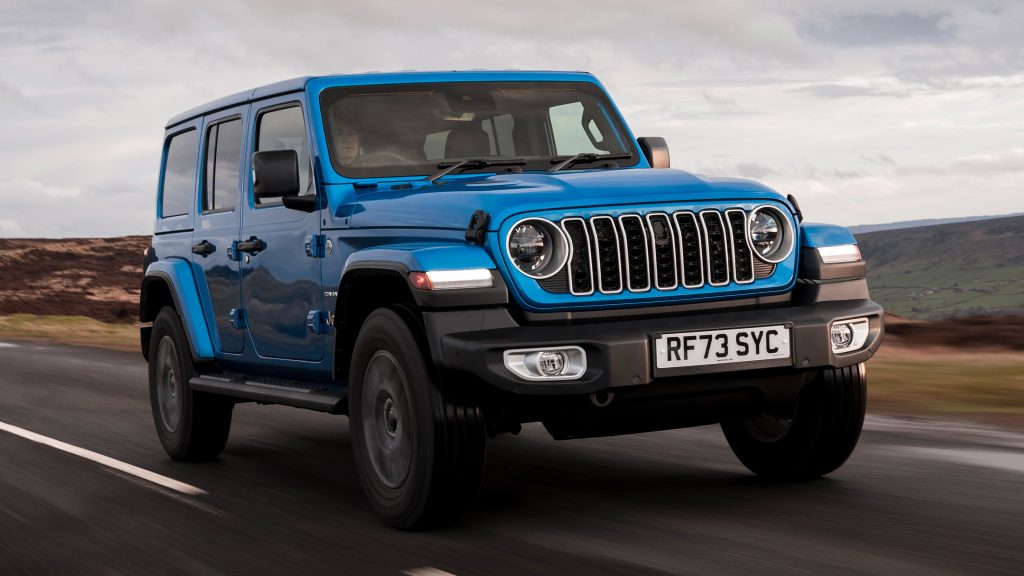
The reason this vehicle is included here is not because it lacks capability, but because its priorities are different. It is built to excel in environments where flexibility and ruggedness matter more than long term resistance to chemical corrosion. In a place where road salt is unavoidable, those trade offs become difficult to ignore.
2. Nissan Altima
The Nissan Altima represents a different type of vulnerability, one that is less about design philosophy and more about material and cost considerations. As a midsize sedan aimed at affordability and efficiency, it does many things well, but long term resistance to harsh winter conditions has not always been one of its strongest points.
A key issue with this model lies in the level of underbody protection. Compared to vehicles that are specifically engineered for durability in extreme climates, the Altima tends to have thinner coatings on critical components.
This does not immediately affect performance, but it leaves metal surfaces more exposed to the effects of salt and moisture over time.
The car’s lower ride height also contributes to the problem in a way that is easy to overlook. Being closer to the ground means it encounters more direct contact with slush, salt spray, and road debris. This constant exposure increases the likelihood that corrosive material will reach areas that are not fully protected, especially during heavy winter driving.
There is also a structural aspect to consider. Certain parts of the undercarriage and suspension components can collect residue, and without sufficient shielding, that buildup remains in place. When combined with cycles of freezing and thawing, it creates the perfect environment for rust to form and spread gradually.
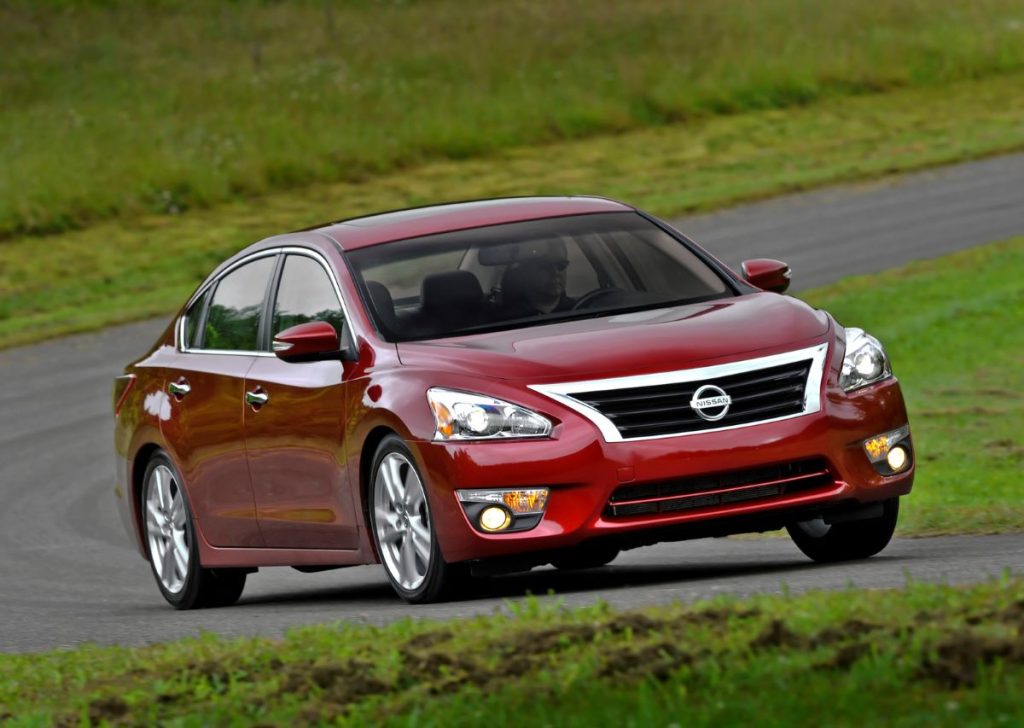
This vehicle is included because it highlights how everyday practicality does not always align with long term durability in extreme conditions.
The Altima works well as a commuter car in many regions, but in a city like Minneapolis, its limitations become more noticeable. It serves as an example of how small compromises in protection can lead to larger issues after just a few winters.
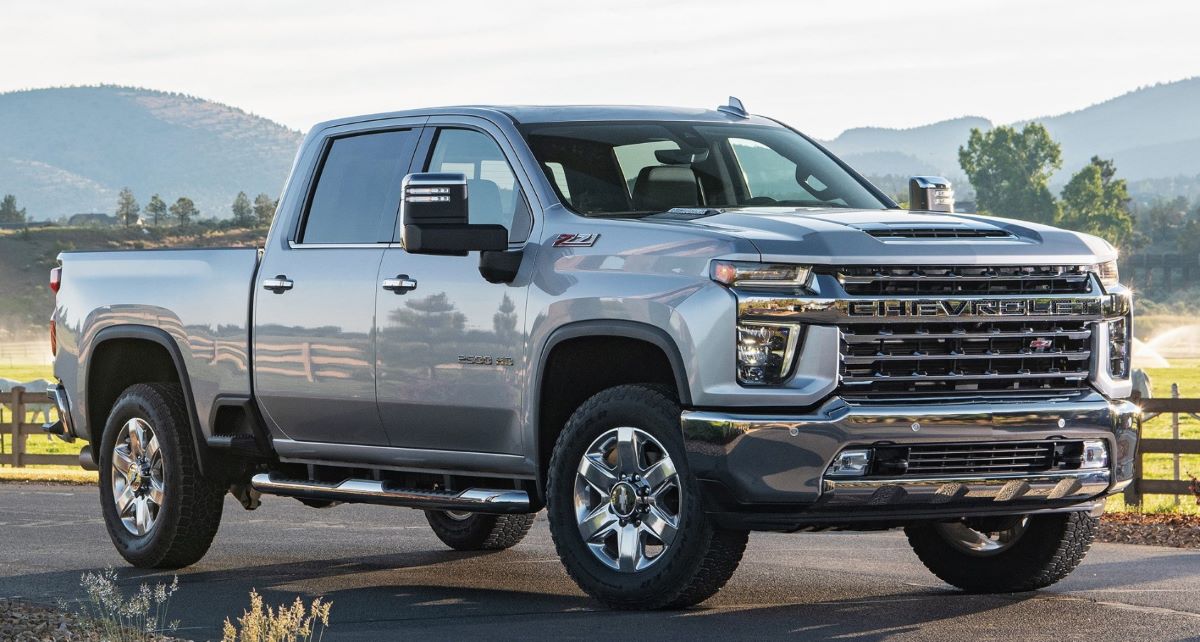
3. Chevrolet Silverado
At first glance, the Chevrolet Silverado seems like it should handle winter abuse without much trouble. It is a full size truck built for work, and many assume that strength automatically translates into resistance against corrosion. The reality can be quite different, particularly in regions where road salt is used heavily and consistently.
One of the main concerns with certain Silverado generations lies in the steel used for body panels and how it is protected. While the frame itself is sturdy, the outer panels and components underneath are more vulnerable than expected.
Wheel arches, rocker panels, and the underside of the bed often become early hotspots where rust begins to appear, especially when salt and moisture are not washed off regularly.
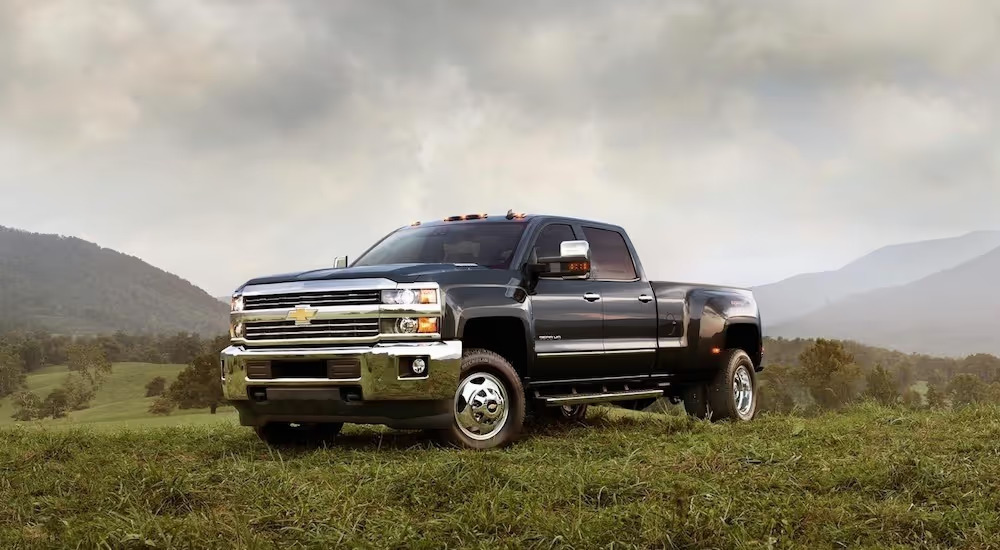
Another issue comes from how debris collects during daily driving. Trucks like the Silverado tend to throw up a lot of slush and road grime into areas that are not always easy to clean. When that buildup sits for extended periods, it accelerates the corrosion process. Over time, this can lead to visible damage that spreads faster than many owners anticipate.
The reason it is included here is because it challenges the assumption that size and toughness alone are enough to prevent rust related problems.
4. Mazda 3
The Mazda 3 has built a reputation for being enjoyable to drive and well designed, but earlier models in particular have struggled when exposed to harsh winter environments. In places like Minneapolis, where salt is a constant presence, these weaknesses become more noticeable within a relatively short time.
A significant factor is the level of corrosion protection applied during manufacturing. Compared to some competitors, certain versions of the Mazda 3 have thinner protective coatings, particularly in less visible areas. This leaves parts of the underbody and inner panels more exposed once the outer paint layer is compromised by chips or scratches.
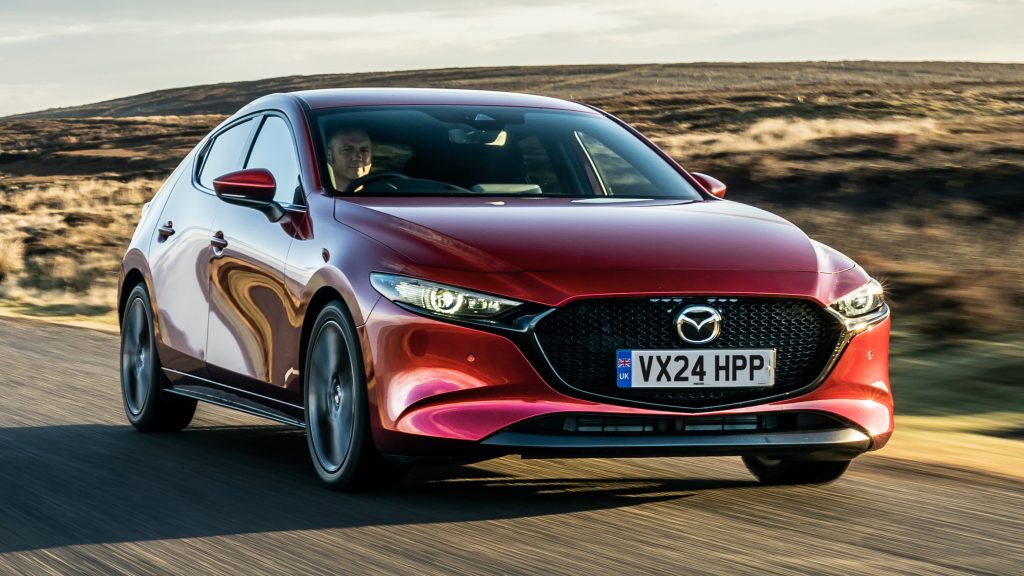
The compact size of the car also means that it sits lower to the ground, increasing direct contact with salt spray.
This repeated exposure affects not only the exterior panels but also components underneath, where moisture can linger longer than expected. Over multiple winters, this leads to rust forming in places that are difficult to treat.
It appears in this list because it shows how a well engineered driving experience does not always guarantee durability against environmental stress, especially when corrosion protection is not a primary focus.
5. Ford Escape
The Ford Escape represents a case where practicality and widespread popularity do not necessarily align with long term resistance to aggressive winter conditions. It is a common choice for daily driving, yet certain model years have shown a tendency to develop rust sooner than expected in salt heavy regions.
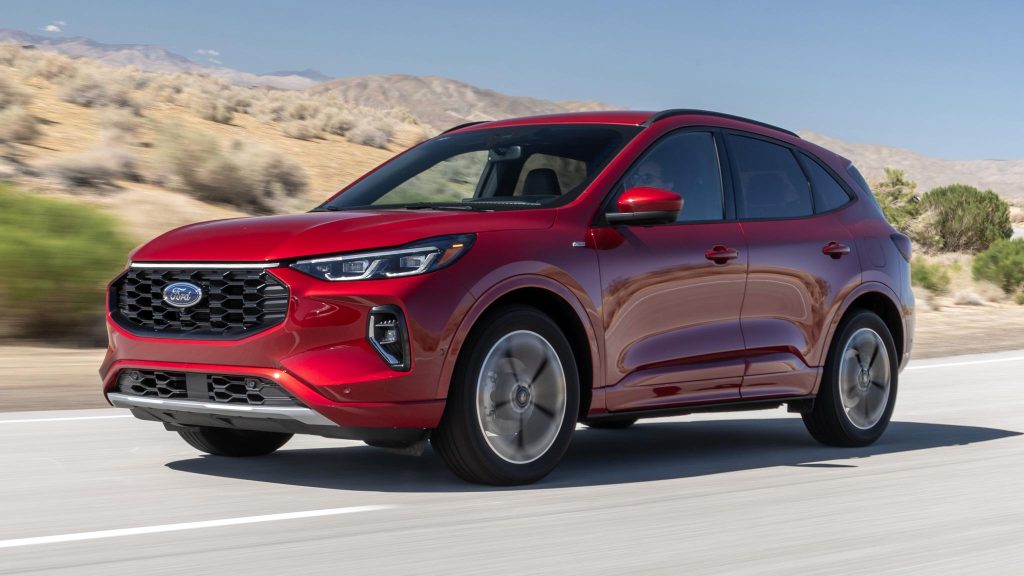
One contributing factor is how water and slush move through the vehicle’s structure. Drainage in some areas is not as effective as it could be, allowing moisture to remain trapped longer. When mixed with road salt, this creates an environment where corrosion can begin quietly and spread over time without immediate visibility.
Another point to consider is the protection of suspension and undercarriage components. These areas are constantly exposed during winter driving, and when coatings are not sufficiently robust, they become vulnerable to gradual deterioration.
This does not cause instant failure, but it shortens the lifespan of parts that should otherwise last much longer.
This vehicle is included to highlight how everyday usability can sometimes come with hidden trade offs. It serves as a reminder that long term durability in harsh climates depends heavily on details that are not always obvious at the time of purchase.
Also Read: 5 Cars for Extreme Cold in the USA vs 5 Cars with Batteries That Struggle in Cold Weather
