
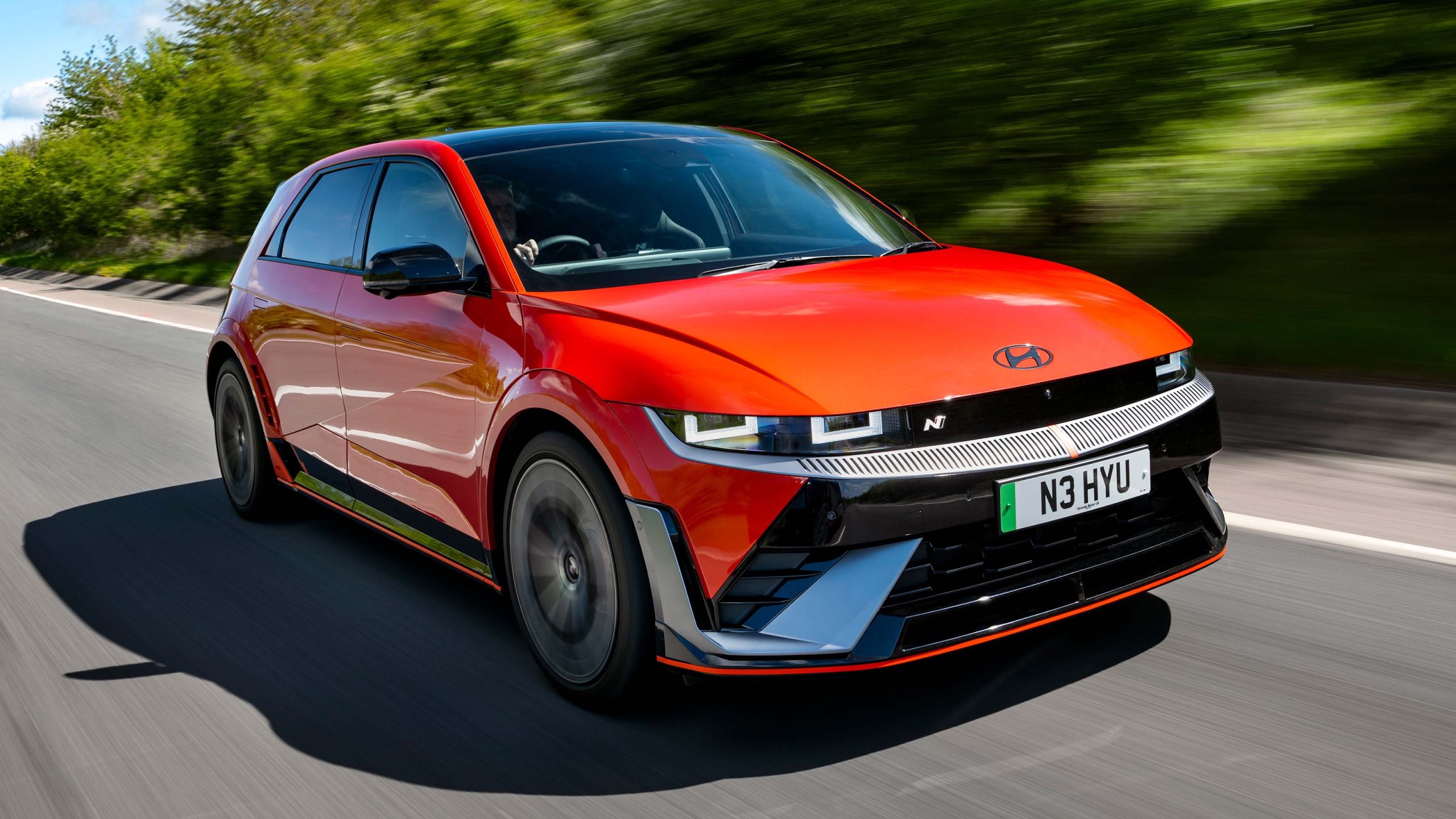
Technology has become one of the most defining factors in modern vehicles, especially in regions where innovation is not just encouraged but embedded into daily life. The Research Triangle in Raleigh is one such place, where engineering, data science, and cutting-edge development shape how people think about mobility.
In this environment, cars are no longer judged only by performance or comfort, but by how seamlessly they integrate with digital ecosystems. Electric vehicles, in particular, have emerged as platforms for continuous improvement, offering software updates, smart connectivity, and advanced driver interfaces that evolve over time.
At the same time, not every vehicle has kept pace with this rapid shift. While some manufacturers have embraced software as a core component of the driving experience, others still treat it as a secondary feature.
This creates a noticeable gap between vehicles that feel modern and adaptive and those that seem frozen in an earlier era of automotive design. Outdated software does not just affect convenience, it impacts navigation accuracy, user interface responsiveness, and even long-term ownership satisfaction.
The contrast between these two categories is especially relevant in a tech-driven region like Raleigh’s Research Triangle. Buyers here are more likely to expect their vehicles to behave like smart devices, with intuitive systems, regular updates, and seamless connectivity.
A car that fails to deliver on these expectations quickly feels out of place, regardless of its mechanical strengths.
This article explores that divide in detail. First, it highlights electric vehicles that excel in integrating technology into every aspect of the driving experience, making them particularly suited for a forward-thinking environment.
Then it examines cars that struggle due to outdated software, explaining why they fall behind and how that affects usability.
The goal is to provide clarity in a rapidly evolving landscape, helping readers understand not just which vehicles stand out, but why their approach to technology matters more than ever.
Also Read: 6 Sand-Ready 4x4s for Beach Access In Jacksonville vs. 6 Luxury SUVs That Hate Salt
6 Tech-Integrated EVs for Research Triangle In Raleigh
In a region defined by innovation, the expectations placed on vehicles go far beyond traditional benchmarks. The Research Triangle is home to professionals who interact daily with advanced systems, data-driven tools, and constantly evolving technology. For them, a car is not just transportation but an extension of their digital lifestyle.
Electric vehicles naturally align with this mindset because they are built around software as much as hardware. They offer over-the-air updates, intelligent interfaces, and connectivity features that continue to improve after purchase. This ability to evolve is what sets them apart from conventional vehicles that remain largely unchanged over time.
This section focuses on EVs that truly embrace this philosophy. These are not just electric cars with screens, but vehicles designed with technology at their core. They provide seamless integration with smartphones, advanced driver assistance systems, and user interfaces that feel intuitive rather than complicated.
What makes these vehicles particularly suitable for Raleigh’s tech ecosystem is their adaptability.
They can respond to new developments, integrate with emerging platforms, and deliver a driving experience that feels current rather than outdated. In a place where innovation is part of daily life, that quality becomes essential.
The following vehicles have been selected because they represent the best examples of tech-forward thinking in the EV space. Each one demonstrates a different approach to integrating technology, offering insight into how modern vehicles can keep pace with a rapidly changing world.
1. Tesla Model 3
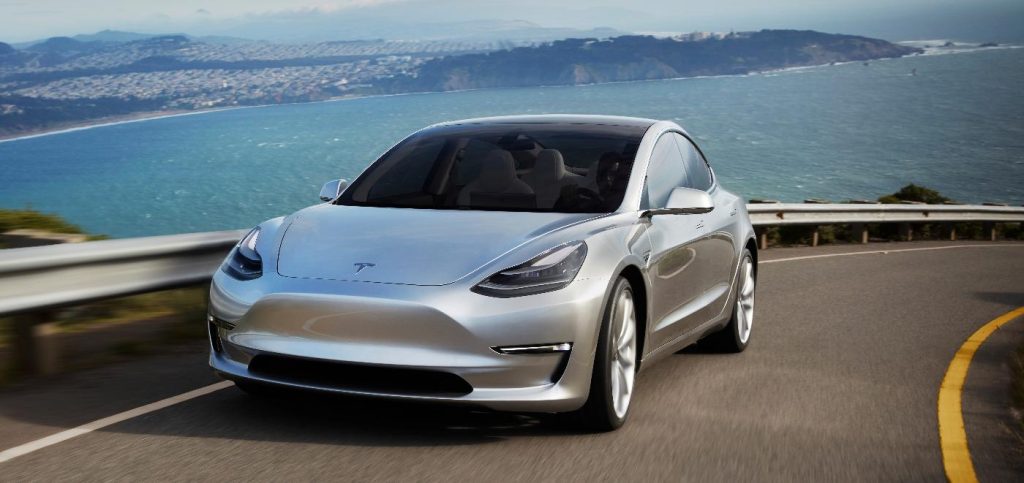
The Tesla Model 3 stands as a benchmark for what a software-driven vehicle can achieve when technology is treated as the foundation rather than an add-on. In a region like Raleigh’s Research Triangle, where users are accustomed to fluid digital experiences, this car feels immediately familiar in the way it operates.
At the center of its appeal is a minimalist interface that consolidates nearly all controls into a single touchscreen. This design choice may seem unconventional at first, but it reflects a broader philosophy of reducing physical complexity while enhancing digital flexibility.
Updates arrive over the air, often introducing new features or refining existing ones, which means the car evolves long after it leaves the showroom.
Another defining element is how deeply integrated its systems are. Navigation, charging infrastructure, and vehicle performance data all work together seamlessly, creating a cohesive experience rather than a collection of separate functions.
This level of integration is particularly valuable in a tech-focused environment, where efficiency and clarity are highly valued.
The reason this vehicle is included here goes beyond its popularity. It represents a shift in how cars are designed and experienced. Instead of being static machines, they become dynamic platforms that improve over time, aligning perfectly with the expectations of a region driven by innovation.
2. Hyundai Ioniq 5
The Hyundai Ioniq 5 takes a different approach to technology integration, focusing on accessibility and thoughtful design rather than overwhelming the user with complexity. In a place like the Research Triangle, where not all users are looking for experimental interfaces, this balance becomes particularly appealing.
Its interior layout combines digital displays with a sense of openness that makes interacting with the system feel natural. The infotainment interface is responsive and logically structured, allowing users to access features without unnecessary steps.
This simplicity does not come at the cost of capability, as the vehicle still offers a wide range of connected features and smart functions.
One of its standout qualities is how it handles charging and energy management. The system provides clear, real-time information, helping drivers make informed decisions without needing to interpret complicated data. This clarity is important in a region where efficiency and optimization are part of everyday thinking.
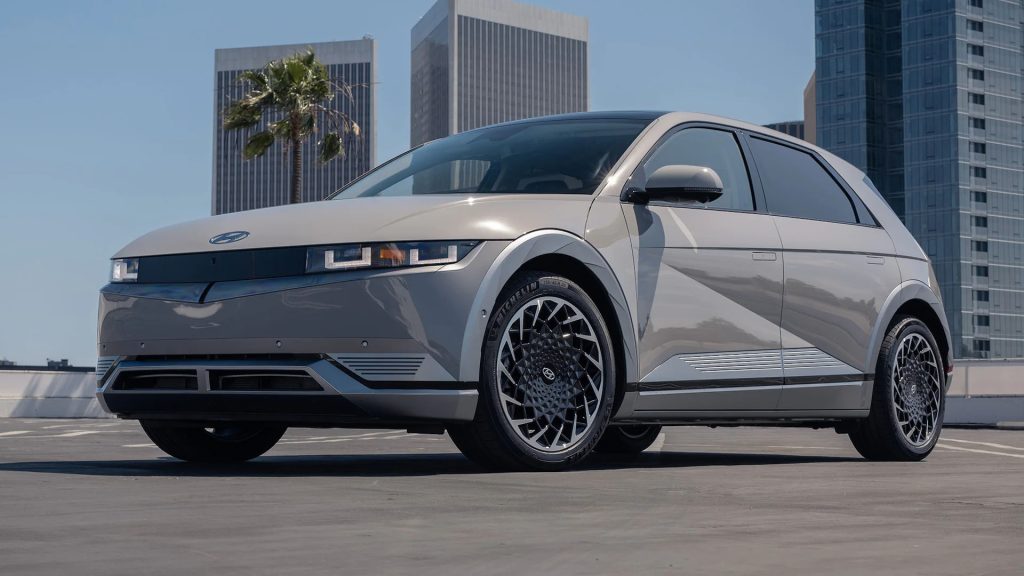
Another reason for its inclusion is its adaptability. The Ioniq 5 supports updates and integrates well with modern digital ecosystems, ensuring that it remains relevant as technology evolves. It does not try to reinvent the user experience entirely, but instead refines it in a way that feels intuitive and reliable.
This vehicle is highlighted because it demonstrates that advanced technology does not have to be overwhelming. By focusing on usability and thoughtful integration, it delivers a modern experience that aligns well with the expectations of a tech-savvy yet practical audience.
3. Ford Mustang Mach-E
The Ford Mustang Mach-E represents a turning point for traditional manufacturers adapting to a software-first mindset. Instead of treating technology as a supporting feature, this vehicle places it at the center of the ownership experience, making it particularly relevant in a place like Raleigh’s Research Triangle.
Its interface is built around a large vertical touchscreen that blends familiar smartphone-like interactions with automotive functionality. What stands out is not just the size of the display, but how the system responds to user input.
It feels deliberate and structured, offering layers of customization without becoming confusing. This balance is important for users who expect both flexibility and clarity.
Another element worth focusing on is its over-the-air update capability. Ford has invested heavily in ensuring that the Mach-E can receive improvements over time, whether through performance tweaks, interface refinements, or new features.
This transforms the vehicle into something that evolves alongside its owner, aligning with the expectations of a tech-driven environment.
The Mach-E is also notable for how it integrates driver assistance systems. These features are not isolated tools but part of a cohesive system that enhances the overall driving experience. For users in a region where innovation is part of daily life, this level of integration feels natural rather than experimental.
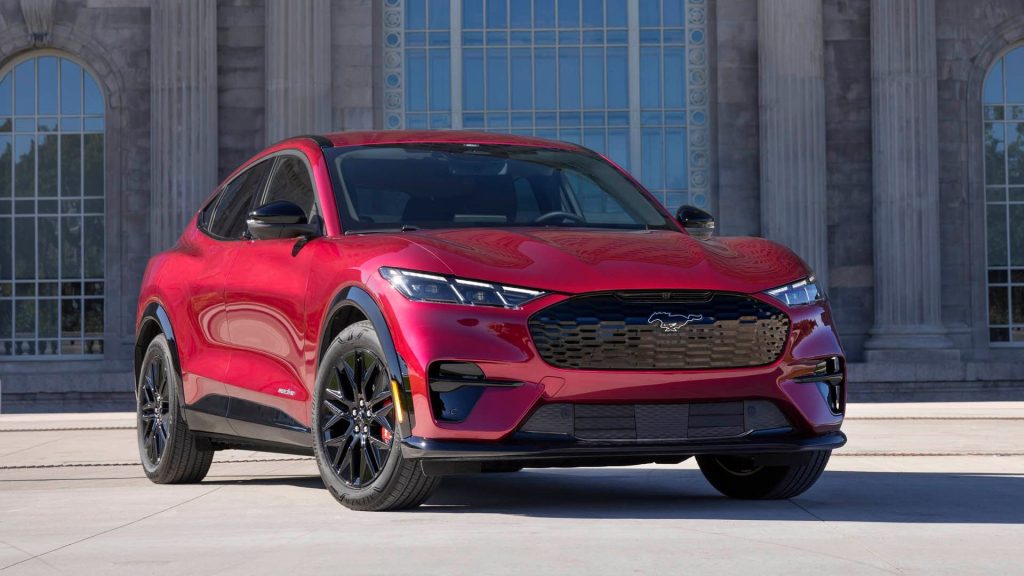
This vehicle is included because it demonstrates how legacy brands can successfully transition into the digital era. It shows that embracing technology does not require abandoning identity, but rather rethinking how that identity is expressed through modern tools.
4. Rivian R1S
The Rivian R1S approaches technology integration from the perspective of exploration and versatility. While many EVs focus on urban environments, this SUV expands the definition of tech-forward design by ensuring that connectivity and intelligence extend beyond city limits.
Inside, the R1S offers a clean and highly responsive interface that controls everything from navigation to vehicle settings. What makes it stand out is how well it integrates these systems with its hardware capabilities.
For example, terrain management and drive modes are seamlessly tied into the digital interface, allowing users to adapt the vehicle to different conditions without complexity.
Another key aspect is its continuous improvement model. Rivian has built its platform with updates in mind, ensuring that features can be refined and expanded over time. This is particularly important in a region like the Research Triangle, where users expect their technology to stay current rather than become outdated.
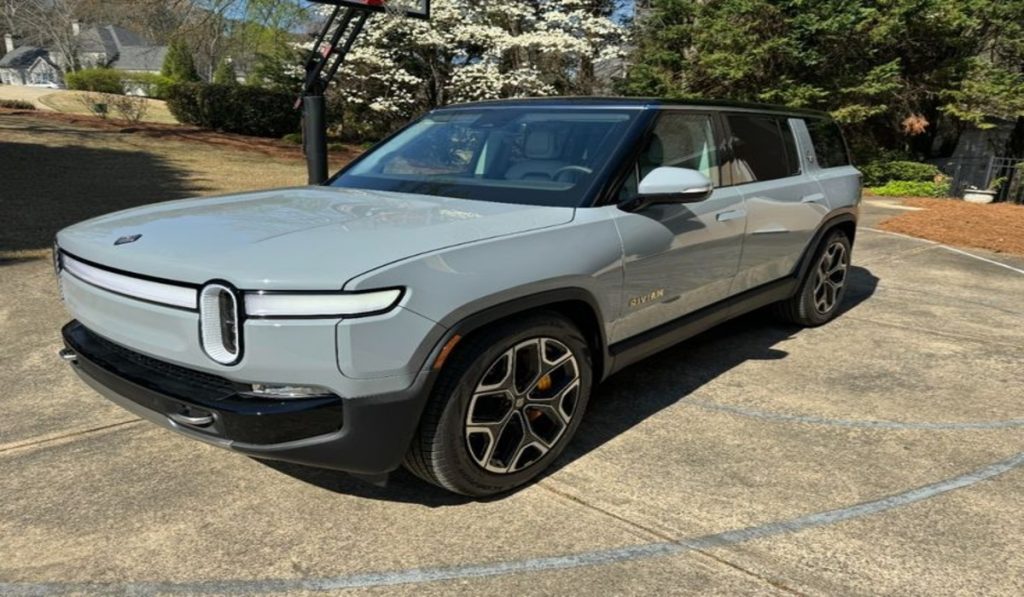
The R1S also reflects a broader shift in how vehicles are perceived. It is not just a mode of transport but a connected system that supports a wide range of activities. This versatility, combined with its advanced software, makes it a compelling option for those who value both innovation and capability.
The reason for its inclusion lies in its unique approach. It does not simply replicate what other EVs are doing but introduces a perspective that blends technology with adaptability, making it relevant for a wide variety of use cases.
5. BMW i4
The BMW i4 brings a more traditional sense of refinement into the world of tech-integrated electric vehicles. Rather than focusing on radical changes, it enhances familiar concepts with modern software, creating an experience that feels both advanced and comfortable.
Its curved display setup is one of its defining features, combining the instrument cluster and infotainment system into a seamless visual experience. The interface is designed to be intuitive, allowing users to access information quickly without feeling overwhelmed.
This approach is particularly appealing for those who want advanced technology without a steep learning curve.
Another strength of the i4 is how it integrates driving dynamics with digital control. Settings for performance, efficiency, and comfort are easily adjustable, giving drivers a sense of control that goes beyond basic functionality. This level of customization aligns well with the expectations of a tech-savvy audience.
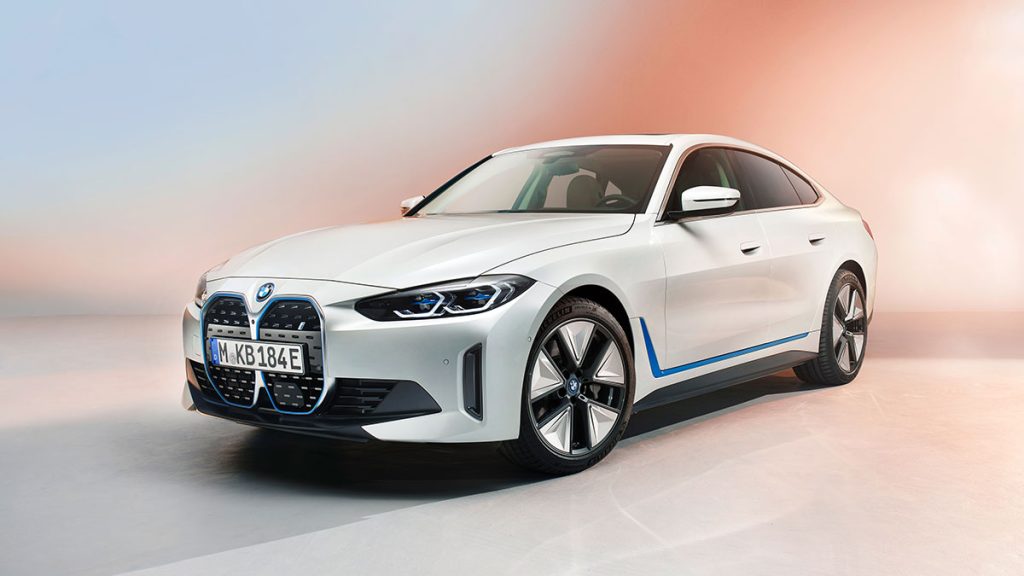
The vehicle also supports regular updates, ensuring that its systems remain relevant over time. While it may not push boundaries as aggressively as some competitors, it delivers a polished and reliable experience that reflects BMW’s engineering philosophy.
This car is featured because it shows that innovation does not always have to be disruptive. By refining existing ideas and integrating them with modern technology, it creates a balanced and sophisticated driving experience.
6. Lucid Air
The Lucid Air represents a high-end interpretation of what a technology-focused electric vehicle can be. It is designed to push boundaries not only in performance but also in how drivers interact with their vehicles.
Its interface is layered across multiple displays, each serving a specific purpose. This arrangement allows for a more organized presentation of information, reducing clutter while maintaining accessibility. The system is highly responsive, reflecting a level of refinement that aligns with its premium positioning.
One of the most notable aspects of the Lucid Air is its approach to updates and system integration. It is built as a platform that can evolve, with the ability to introduce new features and improvements over time. This ensures that the vehicle remains relevant in a rapidly changing technological landscape.
Another reason for its inclusion is how it redefines expectations. It does not simply compete within the EV segment but sets a benchmark for what technology integration can achieve. For users in the Research Triangle, where innovation is a daily reality, this level of advancement feels appropriate rather than excessive.
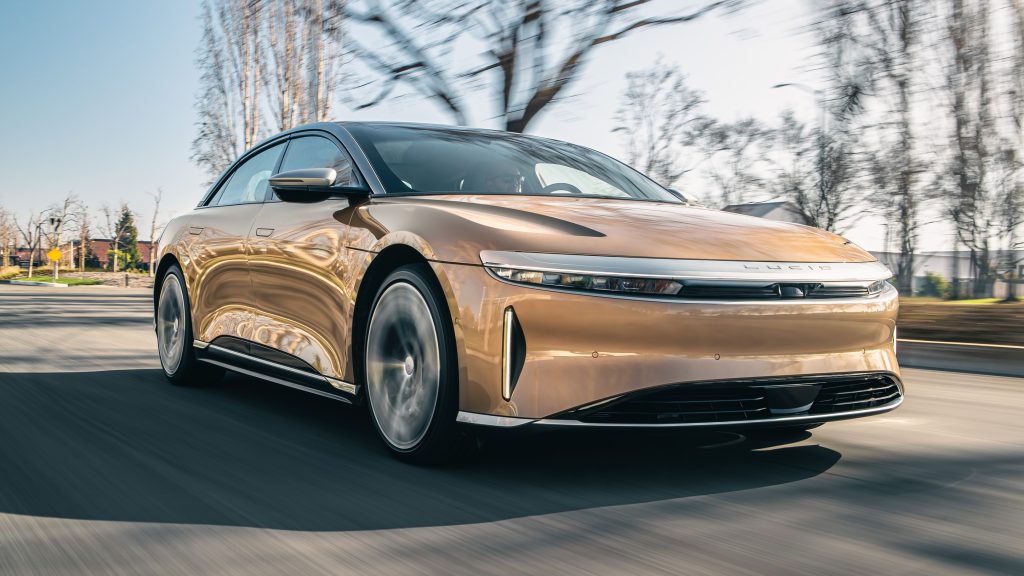
The Lucid Air is highlighted because it represents the future of automotive design. It combines cutting-edge technology with a focus on user experience, creating a vehicle that feels as advanced as the environment it is designed for.
6 Cars with Outdated Software
While some vehicles embrace the future with evolving digital ecosystems, others remain rooted in older approaches that no longer meet modern expectations. Outdated software is not always immediately obvious, but over time, it becomes a significant drawback.
Slow interfaces, limited connectivity, and lack of updates can turn everyday tasks into frustrating experiences.
In a region like Raleigh’s Research Triangle, where technology is part of daily life, these shortcomings are even more noticeable. Drivers expect their vehicles to integrate seamlessly with their digital routines, and when that does not happen, the gap becomes impossible to ignore.
This section focuses on cars that struggle in this area. These are not necessarily bad vehicles overall, but their software systems fail to keep up with current standards. Whether due to lack of updates, outdated interfaces, or limited functionality, they fall behind in a world that increasingly values digital integration.
Understanding these limitations is important for buyers who prioritize technology. It highlights the difference between vehicles that evolve and those that remain static, offering a clearer perspective on what to expect in long-term ownership.
1. Nissan 370Z
The Nissan 370Z is often celebrated for its driving purity, but when it comes to technology, it feels firmly anchored in an earlier era. Its infotainment system lacks the responsiveness and functionality that modern users have come to expect, creating a noticeable disconnect between performance and usability.
The interface itself is simple, but not in a way that feels intentional or refined. Instead, it reflects an older approach where digital systems were secondary considerations. Navigation, connectivity, and user interaction all feel limited compared to contemporary standards.
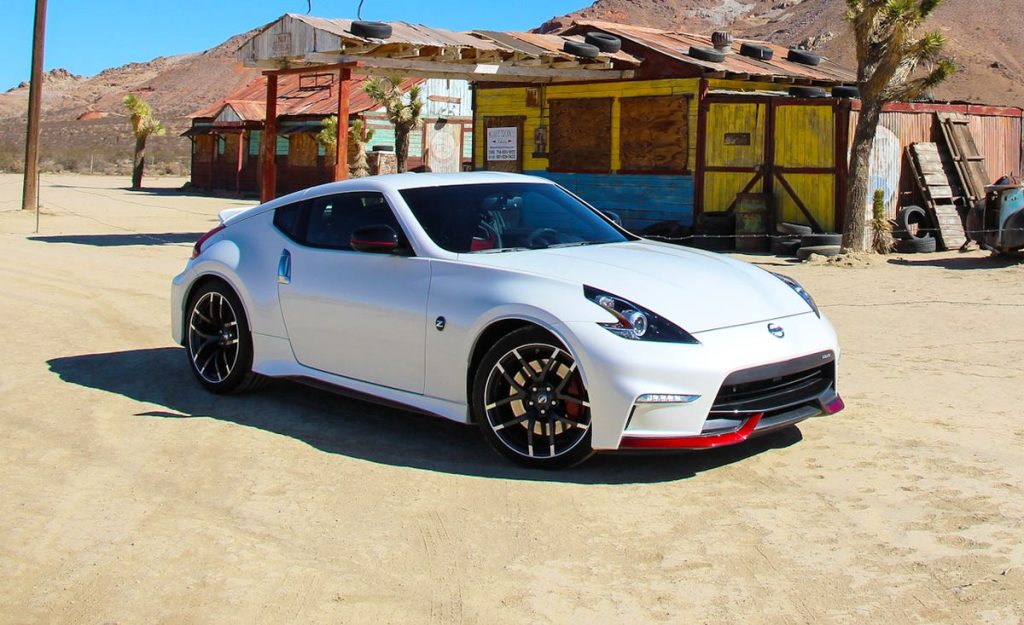
This car is included because it highlights how quickly technology can become outdated. While its mechanical aspects may still appeal to enthusiasts, its software does not align with the expectations of today’s drivers, particularly in a tech-focused region.
2. Jeep Compass
The Jeep Compass offers practicality and off-road capability, but its older software implementations reveal clear limitations. While newer versions have improved, earlier systems often struggled with responsiveness and intuitive design, leaving users frustrated.
The infotainment system can feel slow and less refined compared to competitors. Basic tasks such as navigating menus or connecting devices may require more effort than expected, which detracts from the overall experience.
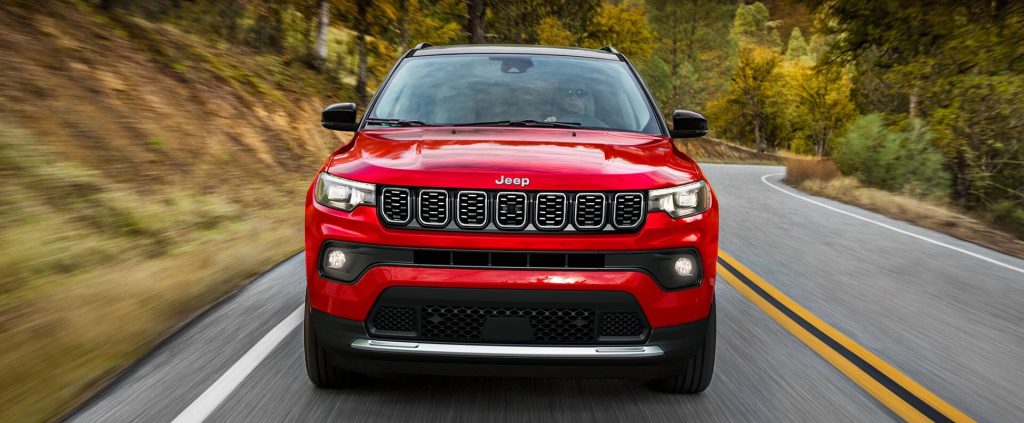
This vehicle is featured because it demonstrates how software can impact perception. Even if the hardware is capable, outdated or poorly executed digital systems can make a car feel less modern than it actually is.
3. Dodge Journey
The Dodge Journey reflects an era when infotainment systems were treated as optional enhancements rather than essential components of the driving experience.
When viewed today, its software feels noticeably behind the curve, especially in responsiveness and overall interface design. The system relies on an older structure that prioritizes basic functionality but lacks the refinement expected in modern vehicles.
Interaction with the interface often requires patience. Menu transitions are not particularly smooth, and the logic behind certain controls feels dated compared to newer systems that emphasize intuitive layouts. This becomes more apparent when attempting everyday tasks such as connecting a smartphone or navigating through media options.
Another limitation lies in the absence of meaningful updates. Unlike modern vehicles that receive continuous improvements, the Journey remains largely static. This creates a sense of technological stagnation, where the system feels the same year after year, regardless of evolving user expectations.
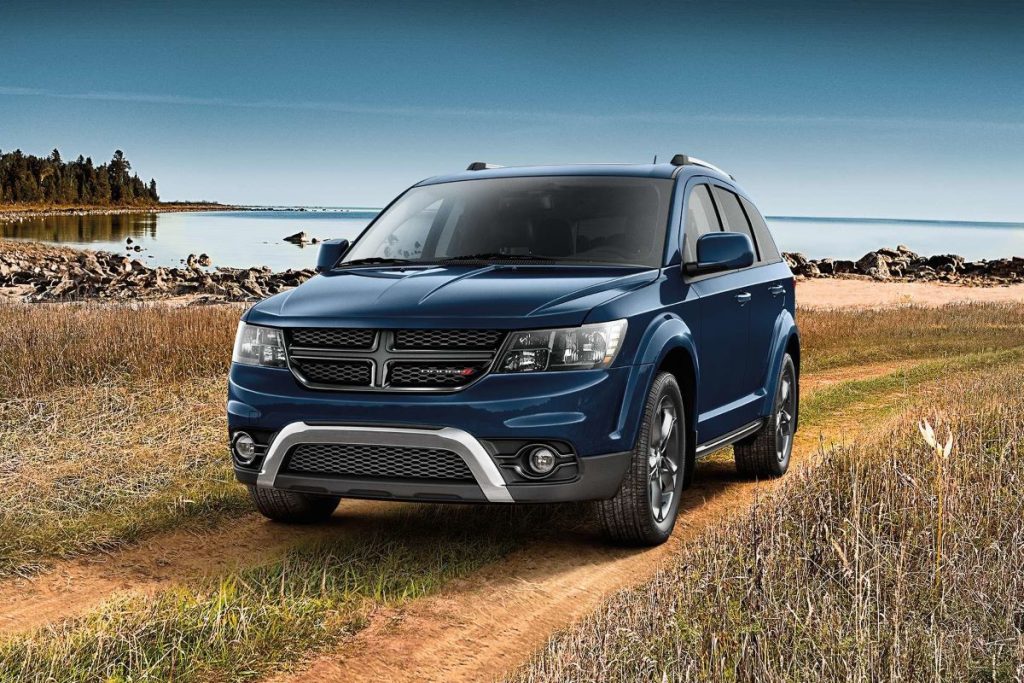
The reason this car is included here is to highlight how quickly software can age when it is not designed to evolve. While the Journey may still function as basic transportation, its digital experience does not align with what drivers now consider standard. In a tech-aware environment, this gap becomes difficult to overlook.
4. Toyota 4Runner
The Toyota 4Runner is widely respected for its durability and off-road capability, but its software tells a very different story. The infotainment system feels conservative, almost reluctant to adopt modern design principles, which creates a noticeable contrast between its mechanical strength and digital experience.
Rather than offering a fluid and engaging interface, the system focuses on simplicity in a way that borders on outdated. Graphics are basic, transitions are minimal, and the overall interaction lacks the responsiveness found in newer vehicles.
While this approach may appeal to those who prefer minimal distractions, it does not meet the expectations of users accustomed to modern technology.
Connectivity is another area where the 4Runner shows its age. Integration with smartphones and external devices is present, but it does not feel seamless. There is often a sense that the system is catching up rather than leading, which can be frustrating for drivers who rely on digital tools daily.
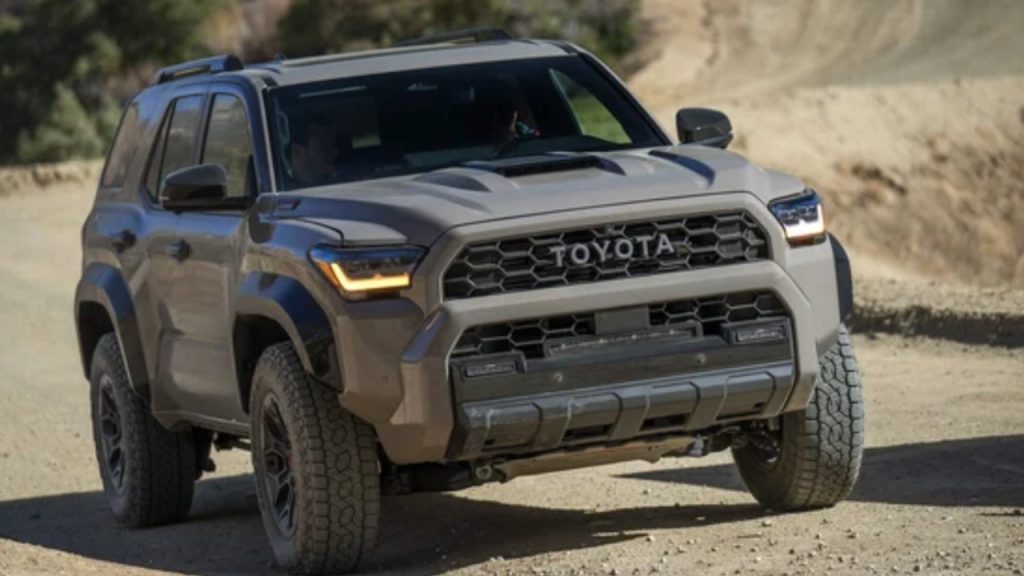
This vehicle is included because it represents a deliberate trade-off. Toyota has prioritized reliability and ruggedness, but in doing so, it has allowed the software experience to lag behind. For some buyers, this may be acceptable, but in a region where technology is central to daily life, it becomes a clear limitation.
5. Chevrolet Trax
The Chevrolet Trax illustrates how entry-level positioning can influence the quality of in-car technology. While it offers essential features, the execution often feels basic and somewhat outdated compared to competitors that have pushed even budget vehicles toward more advanced systems.
The infotainment interface is functional, but it lacks the polish and responsiveness that define modern software experiences. Screen resolution, menu structure, and transition speeds all contribute to a system that feels a step behind. It performs necessary tasks, but without the smoothness that users increasingly expect.
One of the more noticeable issues is how the system handles multitasking. Switching between navigation, media, and connectivity features can feel less fluid, which interrupts the overall driving experience. This is particularly evident for users who are accustomed to faster, more integrated digital environments.
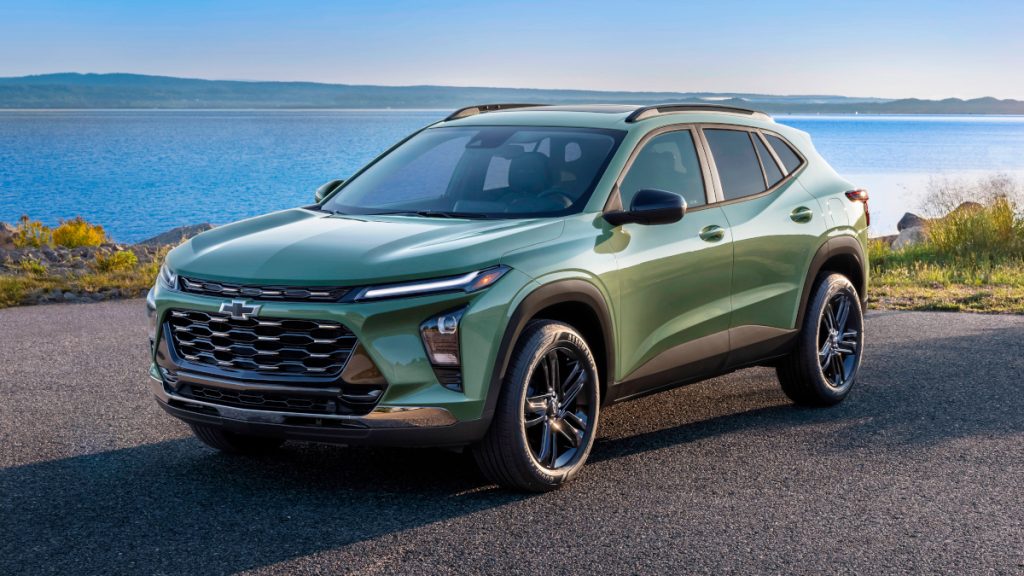
The reason this car appears on this list is to emphasize that affordability should not automatically mean outdated technology. As expectations rise across all segments, vehicles like the Trax highlight the gap between basic functionality and truly modern integration.
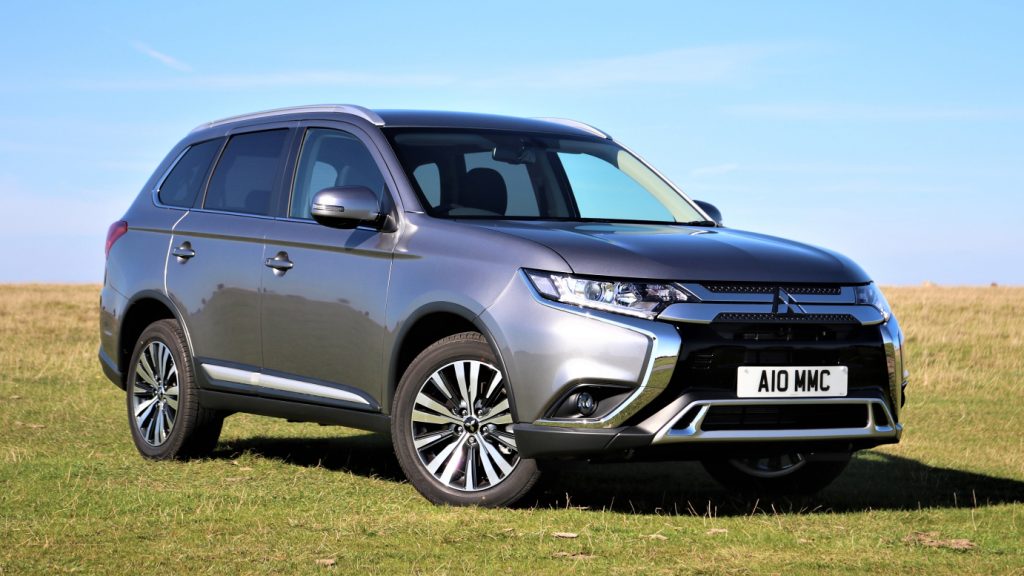
6. Mitsubishi Outlander Sport
The Mitsubishi Outlander Sport represents a case where incremental updates have not fully addressed underlying limitations. While the vehicle has received revisions over time, its software still carries the characteristics of an older design philosophy that prioritizes simplicity over innovation.
The interface feels straightforward, but not in a way that enhances usability. Instead, it lacks the depth and responsiveness that make modern systems engaging. Touch inputs can feel less immediate, and the overall layout does not take full advantage of contemporary design standards.
Another aspect worth noting is the limited sense of evolution. While some improvements have been introduced, they do not fundamentally change how the system operates. This creates a feeling that the vehicle is only partially keeping up with advancements rather than fully embracing them.
This car is included because it highlights how partial updates are not always enough. In a rapidly advancing technological landscape, maintaining relevance requires more than small adjustments.
The Outlander Sport shows how a vehicle can remain functional while still feeling behind, especially for users who expect their cars to match the pace of modern digital life.
This article explores a growing divide in the automotive world by comparing tech-integrated electric vehicles suited for Raleigh’s Research Triangle with cars that struggle due to outdated software.
In a region driven by innovation, expectations from vehicles have shifted significantly. Cars are no longer judged only by performance or comfort, but by how well they integrate with digital ecosystems, deliver updates, and provide intuitive user experiences.
The first half focuses on EVs that embrace technology as their foundation rather than an add-on. Models like the Tesla Model 3, Hyundai Ioniq 5, Ford Mustang Mach-E, Rivian R1S, BMW i4, and Lucid Air represent a new generation of vehicles designed around software.
These cars offer over-the-air updates, responsive interfaces, smart navigation systems, and seamless smartphone integration. More importantly, they evolve over time, meaning the ownership experience improves rather than becomes outdated.
This adaptability makes them especially suitable for tech-centric environments like Raleigh, where users expect their vehicles to behave like modern devices.
Each EV highlighted takes a slightly different approach. Some prioritize minimalism and deep system integration, while others focus on usability and balanced design.
A few push boundaries with advanced multi-screen setups and high-end digital ecosystems. Despite these differences, they all share a core strength: they treat software as a critical part of the vehicle, not an afterthought.
The second half shifts focus to cars that fall behind due to outdated software. Vehicles such as the Nissan 370Z, Jeep Compass, Dodge Journey, Toyota 4Runner, Chevrolet Trax, and Mitsubishi Outlander Sport demonstrate how older or poorly updated systems can negatively impact the driving experience.
These cars often feature slow interfaces, limited connectivity, and a lack of meaningful updates, making them feel disconnected from modern expectations.
What stands out is that many of these vehicles are not fundamentally flawed in terms of mechanical performance.
Some are reliable, capable, and even enjoyable to drive. However, their outdated software creates a gap that becomes increasingly noticeable, especially for users accustomed to seamless digital interactions.
The key takeaway is clear. In today’s automotive landscape, technology is no longer optional. Vehicles that evolve and integrate well with modern digital life offer a significantly better ownership experience, while those that remain static risk feeling obsolete, regardless of their other strengths.
Also Read: 6 High-Beam Headlights for Rural US Roads vs 6 Dim Halogen Relics
