
Boulder has a specific kind of energy that makes most of the country’s vehicle options feel slightly inadequate.
Boulder residents do not just own gear. They live with it, transport it constantly, and depend on their vehicles to make all of it manageable. This is why the sedan question matters so much in Boulder specifically. Sedans are perfectly sensible vehicles for the majority of American driving conditions.
Comfortable, fuel-efficient, smooth on highways, and available at attractive price points across every segment from economy to luxury, they represent reasonable choices for buyers whose primary needs are commuting and occasional road trips.
But Boulder is not a median American driving environment. It is a place where the cargo area of your vehicle is essentially a fifth occupant that needs accommodation on every adventure-oriented trip.
Wagons solve the Boulder problem in a way that sedans simply cannot replicate. By extending the roofline rearward over the cargo area rather than dropping it down to a trunk lid, wagons create a cargo volume that is genuinely useful for the kind of irregular, large, and oddly shaped loads that outdoor sports generate.
A wagon with folded rear seats can swallow bikes, boards, tent poles, and loaded duffel bags in combinations that sedan trunks cannot come close to matching, regardless of cubic foot ratings.
This page compares four wagons that genuinely work for Boulder’s active lifestyle with four sedans that look good on paper but leave Boulder residents frustrated when it is time to load up and head to the mountains.
4 Cargo-Ready Wagons
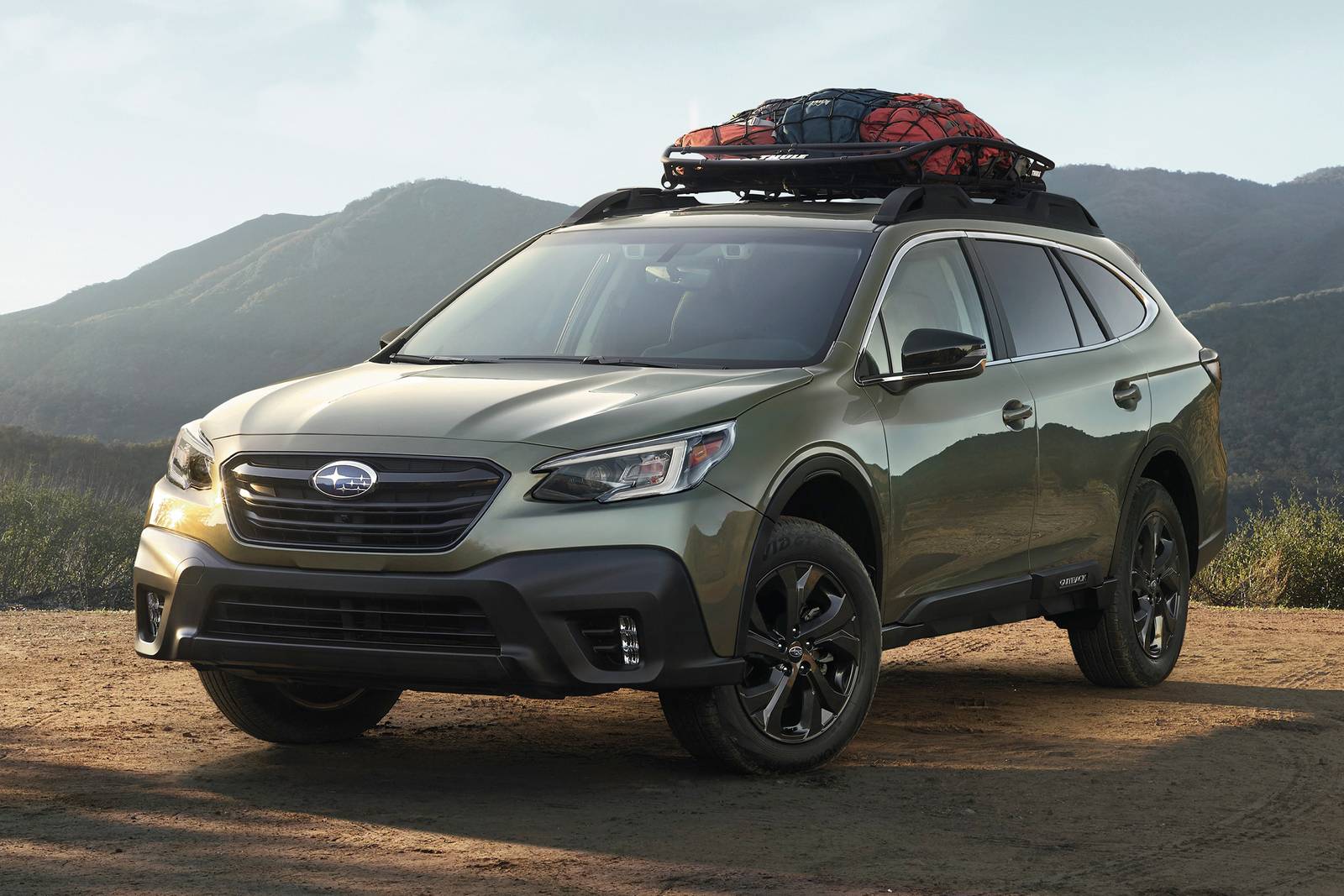
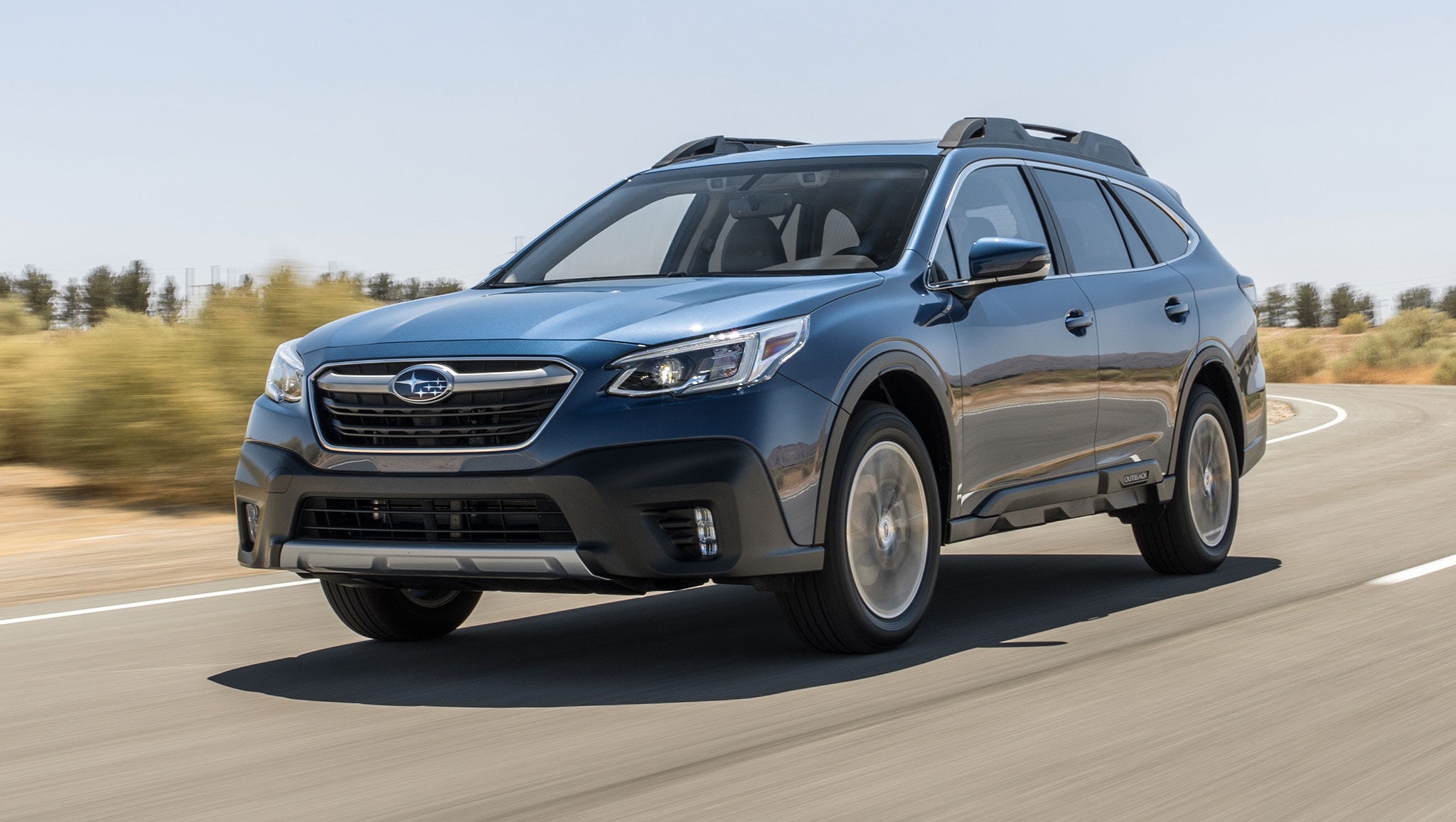
1. Subaru Outback Limited XT Turbo AWD (Seventh Generation, 2020 to 2024)
Ask anyone who has lived in Boulder for more than two years which vehicle they see most consistently in trailhead parking lots, climbing gym parking lots, and REI parking lots, and the answer will involve Subaru more often than any other brand. Outback specifically.
This frequency is not a coincidence or regional tribalism. It reflects a genuine alignment between what the Outback provides and what Boulder’s active lifestyle demands, and the seventh-generation Outback Limited XT Turbo AWD version of this formula represents the most capable iteration of a proven concept.
Cargo capacity in the seventh-generation Outback behind the rear seats measures 32.5 cubic feet, which grows to 75.7 cubic feet when both rows of rear seats are folded.
That folded dimension is where Boulder relevance becomes undeniable. A full-suspension mountain bike loads through the tailgate without wheel removal in most configurations, lying diagonally across the flat floor that the folded seat arrangement creates.
Two loaded overnight backpacking packs fit with room for additional gear. Ski equipment for two people, including boots, poles, and a bag for goggles and accessories, loads without roof rack involvement on shorter trips.
Subaru’s Symmetrical AWD system in the seventh-generation Outback provides genuine all-season traction competence that Boulder’s variable weather makes practically necessary.
Roads to Eldora Mountain Resort and access routes to trailheads above the canyon towns regularly receive snow and ice during Boulder’s extended winter season, and driving these roads in a rear-wheel-drive vehicle without confidence in adverse traction is a Boulder lifestyle limitation that AWD removes completely.
X-Mode terrain management adds specific capability for mud, snow, and unpaved conditions beyond normal AWD operation.
Ground clearance of 9.5 inches on the seventh-generation Outback exceeds most crossovers and is sufficient for the unpaved Forest Service roads that access the best Boulder County outdoor destinations.
This ground clearance, combined with the AWD system and the cargo volume, positions the Outback as a vehicle that eliminates the need for separate adventure vehicle ownership that urban-outdoor life in a place like Boulder might otherwise demand.
Roof rail integration allows crossbar mounting for bike carriers, kayak saddles, cargo boxes, and ski carriers without drilling or bracket adaptation, and Yakima and Thule both maintain specific accessory ecosystems for the Outback platform that Boulder’s outdoor retail community stocks comprehensively.
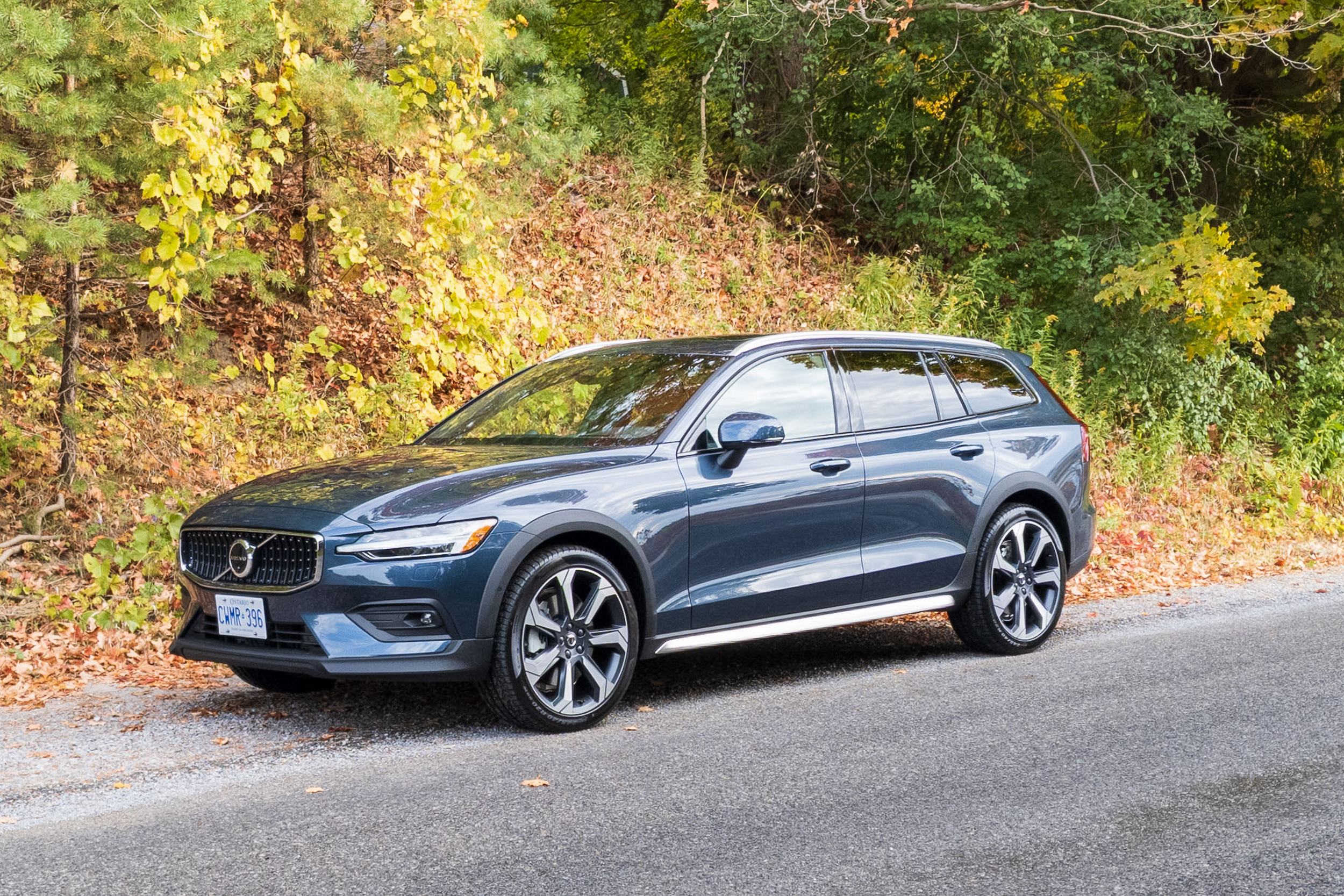
2. Volvo V60 Cross Country B5 AWD (Third Generation, 2019 to 2024)
Boulder has a substantial population of professionals who want a vehicle that serves their active lifestyle without communicating that outdoor utility was their only consideration.
Volvo’s V60 Cross Country B5 AWD addresses this specific Boulder demographic with a wagon whose cargo capability matches active lifestyle demands and whose interior quality, technology, and driving refinement satisfy buyers who spend most of their week in a different context than weekend adventure mode.
Cargo volume in the V60 Cross Country behind the rear seats measures 23.6 cubic feet, which grows to 51.3 cubic feet with the rear seats folded flat. These numbers are smaller than the Outback’s, and buyers who need maximum cargo volume should weigh this difference carefully.
For Boulder residents whose gear loadouts are intensive but not overwhelming, the V60’s cargo space handles mountain bikes when front wheels are removed, full camping setups, and ski equipment for two to four people without compromise.
Volvo’s 2.0-liter turbocharged B5 powertrain provides 247 horsepower through an eight-speed automatic transmission, delivering performance that makes Boulder’s mountain road driving genuinely engaging while providing the fuel economy that makes weekly trips up Boulder Canyon financially sustainable.
AWD capability in the V60 Cross Country includes Haldex rear-biased torque distribution that provides confident traction on the packed snow and ice that characterizes Boulder’s canyon roads during winter months.
Raised ride height of 2.4 inches compared to the standard V60 wagon gives the Cross Country adequate ground clearance for the vast majority of unpaved access roads in Boulder County without reaching the heights that compromise on-road handling.
This moderate ground clearance increase maintains the V60’s handling character on Boulder’s winding mountain roads while providing the clearance buffer that gravel road driving and shallow snow require.
Air quality management inside the V60 Cross Country is a feature that outdoor-oriented Boulder buyers appreciate specifically: Volvo’s CleanZone air filtration system actively removes pollen, dust, and particles from incoming cabin air, which matters for the portion of Boulder’s population who combine intensive outdoor activity with allergy sensitivities to Colorado’s documented high allergen levels.
Also Read: 6 Best Stock 4x4s In the USA vs 6 Overhyped Appearance Packages
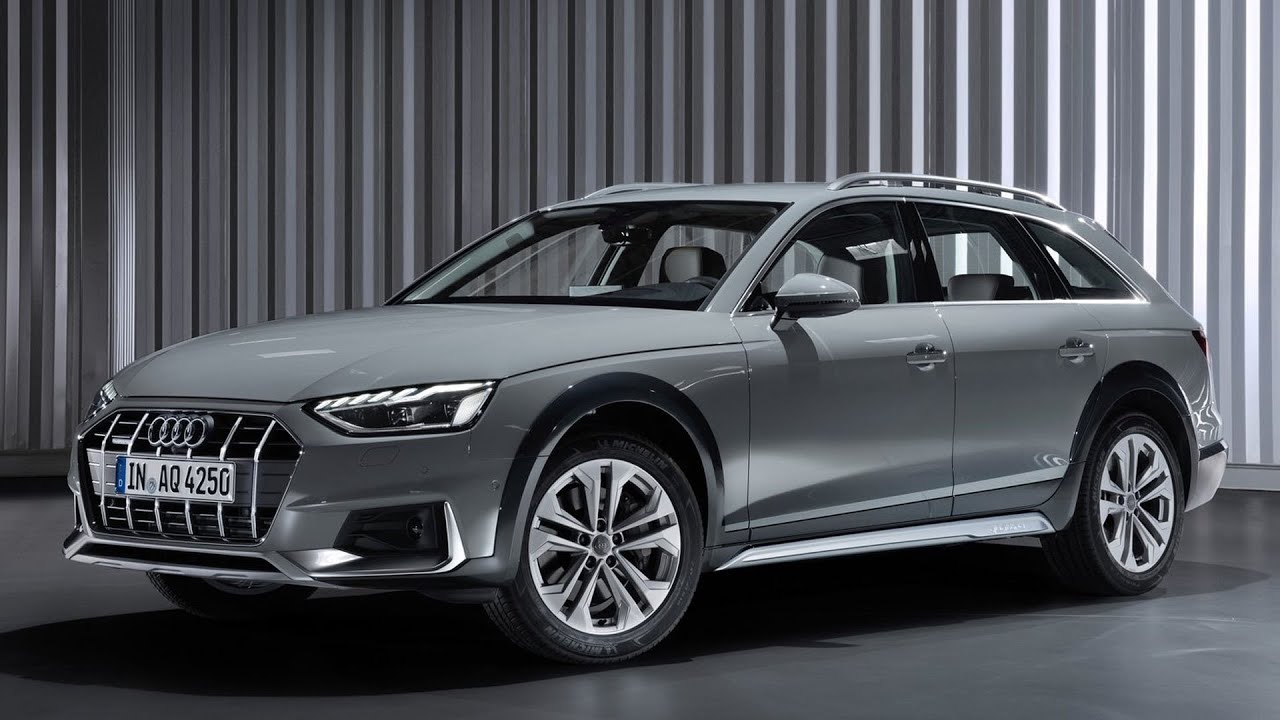
3. Audi A4 Allroad Quattro 45 TFSI (B9 Generation Facelift, 2020 to 2024)
Audi introduced the A4 Allroad as a refined wagon designed to balance daily professional transport with dependable access to outdoor locations. The raised suspension and Quattro system suit Boulder drivers who divide their time between city commuting and mountain travel, without adopting the visual character of a dedicated utility vehicle.
For weekday travel between Boulder and Denver, the vehicle delivers stable motorway behaviour, controlled ride quality, and interior presentation suited to business use.
At weekends, the same platform supports travel to trailheads and alpine access roads where weather conditions change quickly and road surfaces vary widely.
The B9 generation A4 Avant body offers practical cargo accommodation. Space behind the rear seats measures 28.6 cubic feet, expanding to 60.3 cubic feet when the rear seating is folded. This capacity supports skis, camping supplies, and rectangular equipment bags commonly used for outdoor activities.
The rear seating folds to create a truly level load surface. This design detail allows long items to be loaded straight without angling or obstruction. Loading efficiency improves, and the vehicle accommodates gear such as boards, poles, and storage cases with minimal adjustment during preparation.
Quattro All Wheel Drive in this specification uses a permanent torque distribution system with a Torsen centre differential. Power delivery adapts continuously to road conditions, providing stable traction on snow-covered canyon roads and damp gravel approaches encountered during the colder months.
Because torque allocation occurs before wheel slip, the system responds smoothly to changing grip levels. This behaviour proves valuable on shaded mountain routes where ice, moisture, and dry asphalt can appear within short distances, demanding immediate traction control rather than delayed correction.
Ride height increases by about 1.3 inches compared with the standard A4 Avant. Combined with revised front and rear body shaping, the vehicle manages unpaved access roads with greater clearance than its road-focused origins might imply, supporting confident approach angles on uneven surfaces.
Despite these practical adaptations, the A4 Allroad maintains restrained exterior styling and a high-quality cabin. Materials, infotainment systems, and seating comfort reflect expectations for a premium vehicle used in professional settings, allowing seamless transition between client meetings and outdoor excursions.
For Boulder professionals seeking one vehicle that addresses weekday responsibilities and weekend recreation, the A4 Allroad Quattro provides a measured blend of refinement and capability. Its design avoids exaggerated styling while delivering real performance advantages for mountain access and seasonal weather conditions.
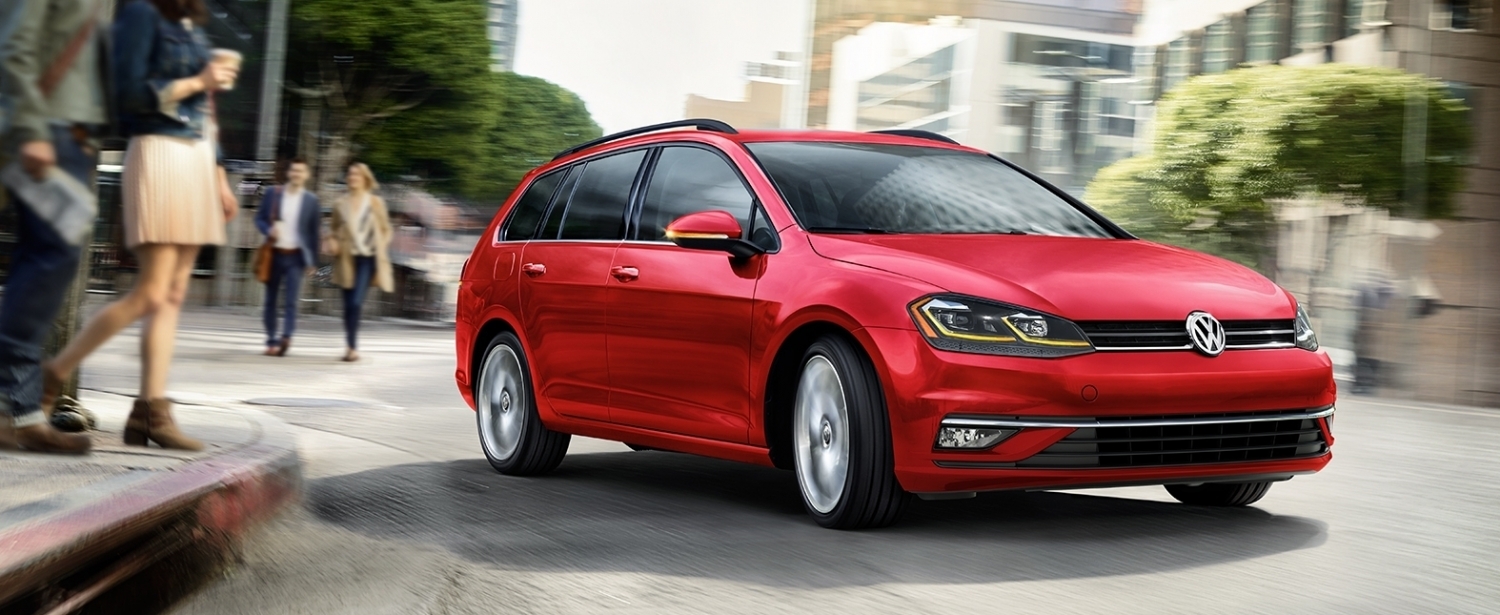
4. Volkswagen Golf SportWagen 4Motion (MK7.5 Generation, 2019)
The Golf SportWagen 4Motion offers compact wagon utility tailored to environments where parking space and road width remain limited. In Boulder, many outdoor activities require efficiency and adaptability rather than the size of a large crossover or extended wagon body.
Daily routines such as climbing gym visits, short hikes, and single bicycle transport generate modest equipment demands. The SportWagen accommodates these needs while fitting easily into urban parking structures and crowded trailhead areas common throughout mountain towns.
Cargo capacity behind the rear seats measures 30.4 cubic feet. This figure rivals larger vehicles while preserving a smaller exterior footprint. Volkswagen achieved this through efficient interior packaging that prioritises vertical cargo space without enlarging the vehicle body.
When the rear seats are folded, available space increases to 66.5 cubic feet. The resulting flat load area supports camping equipment, storage boxes, and extended gear arrangements used for weekend trips into the surrounding mountain regions. The 4Motion system uses an adaptive All Wheel Drive arrangement that normally sends power to the front wheels.
When wheel slip is detected, torque is transferred to the rear axle, providing improved grip on snow, gravel, and wet pavement encountered on access roads.
This configuration supports fuel efficiency during city use while supplying additional traction during canyon travel. Drivers benefit from predictable handling without sacrificing economy during regular commuting between Boulder and Denver.
Power comes from a turbocharged 1.8 litre petrol engine producing 170 horsepower. Performance remains adequate for motorway merging and mountain driving while avoiding the fuel demands associated with larger engines, unnecessary for typical weekend usage patterns.
Real-world fuel consumption in Boulder conditions commonly falls within the mid to upper twenties miles per gallon.
This level suits drivers who balance frequent urban trips with periodic mountain travel, reducing operating costs while maintaining versatility. The Golf SportWagen 4Motion suits residents who value practicality, controlled size, and dependable traction.
Its restrained dimensions, flexible cargo area, and efficient drivetrain align well with the realities of Boulder living, where adaptability often matters more than vehicle scale.
4 Sedans With Insufficient Cargo Space for Boulder Living
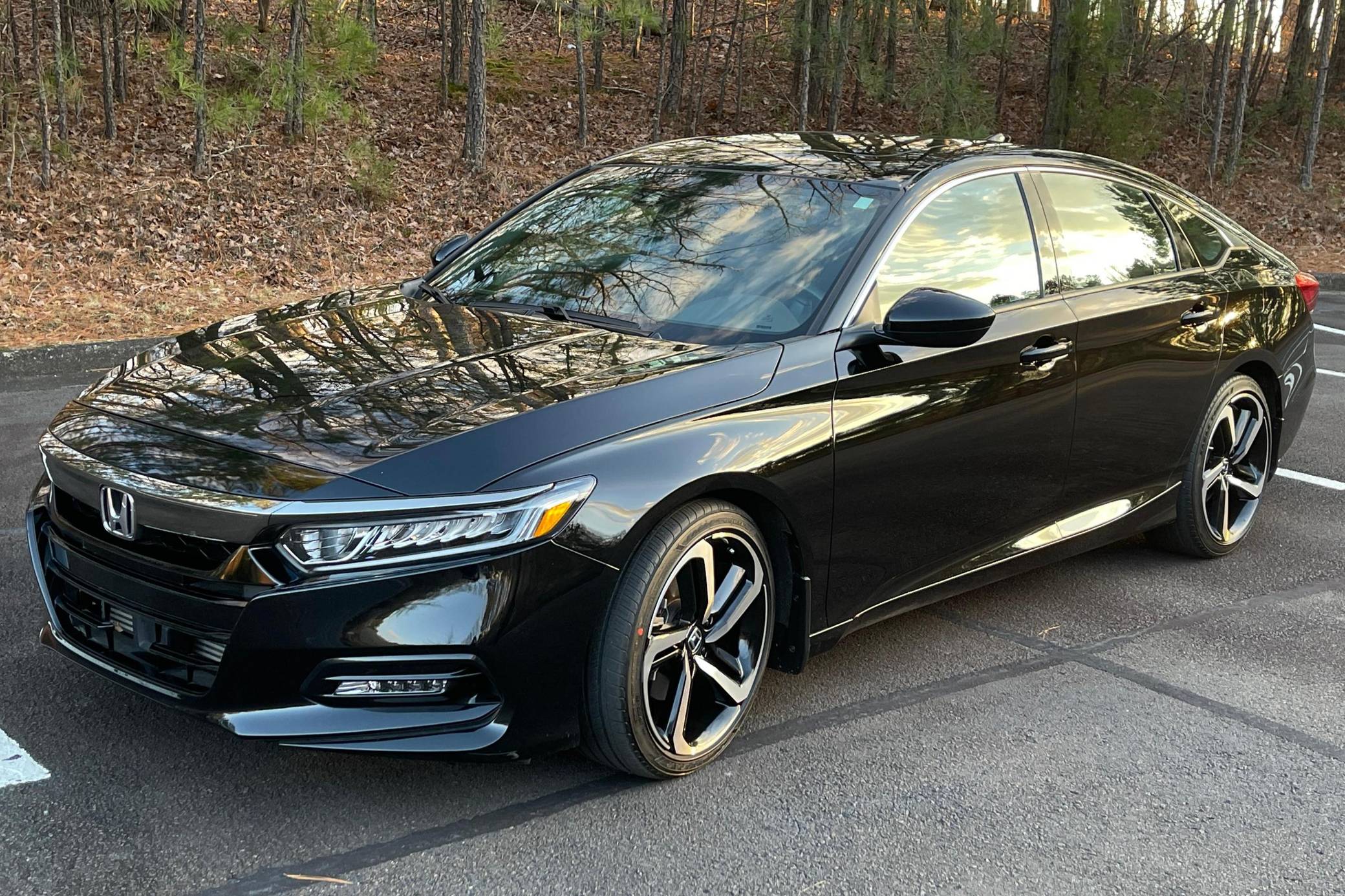
1. Honda Accord Sport 2.0T Manual (Tenth Generation, 2018 to 2022)
Honda’s tenth-generation Accord is one of the better midsize sedans of its era by any honest assessment.
Strong powertrain choices, a refined driving experience, genuinely good interior quality at its price point, and Honda’s well-documented long-term reliability reputation make it a sensible choice for buyers whose priorities align with what a midsize sedan delivers well.
For Boulder, though, the Sport 2.0T’s cargo limitations create consistent real-world frustrations that the vehicle’s many genuine strengths cannot resolve.
Trunk volume in the tenth-generation Accord measures 16.7 cubic feet, which is a reasonable number for a midsize sedan but becomes immediately problematic the first time a Boulder resident tries to load it with the combination of gear that a typical active weekend generates.
A mountain bike does not fit in a sedan trunk under any configuration. Ski equipment for two people requires careful disassembly and creative stacking that may or may not succeed depending on ski length and boot bag dimensions.
A full overnight backpacking setup for two people pushes the Accord’s trunk to its limits before trail food and emergency gear are added.
Pass-through from the trunk to the rear seat exists in the Accord via a center ski pass, which helps with ski transport but creates a loading scenario where skis lie partially in the rear seat passenger area, eliminating rear passenger capacity during ski trips.
Boulder households with multiple passengers and ski equipment will find this pass-through solution unsatisfying in practice, requiring a roof rack for complete functionality that the wagon alternatives make unnecessary.
Roof rack compatibility on the Accord requires a threshold bar system that mounts to the door frame rather than dedicated factory rails, which provides adequate function but creates slightly less secure attachment compared to factory-railed alternatives and adds complication to the accessory purchase and installation process.
Boulder residents who use roof racks frequently enough to leave them permanently installed will find the Accord’s roof rack foundation less convenient than dedicated factory rail systems. For Boulder residents who primarily commute within the city and make occasional lower-intensity outdoor trips, the Accord’s cargo limitations are manageable with planning and appropriate roof accessories.
For the segment of Boulder’s population whose outdoor activity intensity and frequency place constant pressure on cargo capacity, the Accord’s limitations become a weekly source of compromise and inconvenience that a wagon alternative would resolve permanently.
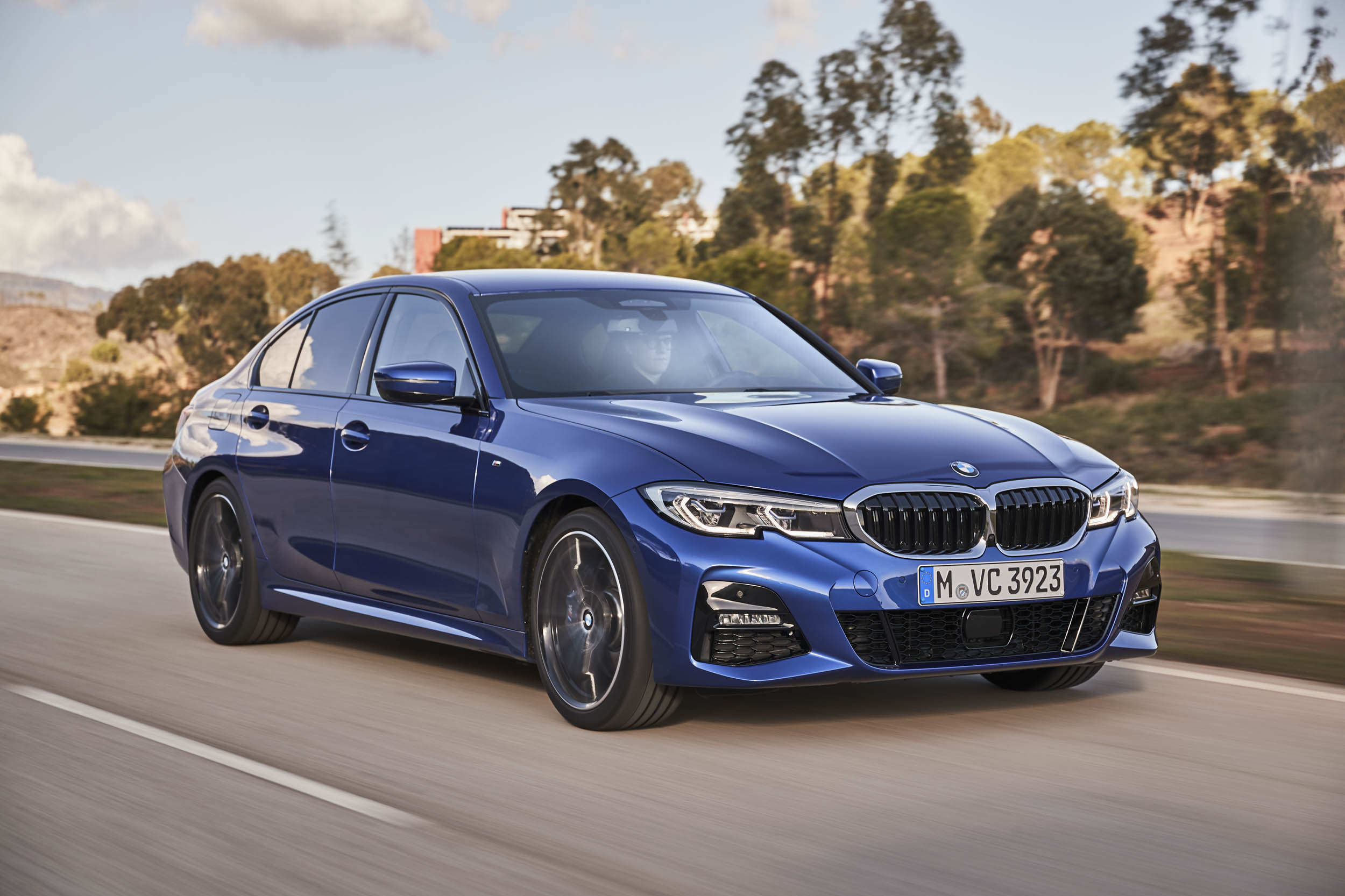
2. BMW 330i xDrive Sedan (G20 Generation, 2019 to 2023)
BMW’s G20 3 Series with xDrive all-wheel drive is one of the most dynamically rewarding driving experiences available at its price point, offering chassis feedback, steering precision, and powertrain sophistication that genuinely justify the premium positioning.
Boulder residents who purchase the 330i xDrive for its driving dynamics and AWD capability discover these qualities intact and appreciated during every drive. What they also discover, often more quickly than they expected, is that the sedan body’s cargo limitation creates a practical mismatch with Boulder’s active lifestyle that no amount of driving dynamics compensates for on gear-loading day.
Trunk volume in the G20 330i measures 17 cubic feet, which is competitive within the midsize premium sedan segment but represents a fundamental physical limitation that creative packing cannot overcome.
Boulder’s most common outdoor gear configurations simply require more usable volume than this number provides, not because of inefficient packing but because ski equipment, bikes, and camping setups are physically large items that need the additional height and access that a wagon’s cargo area provides.
xDrive AWD in the 330i provides BMW’s intelligent all-wheel-drive capability that distributes torque to provide both performance and traction benefits across varied road conditions. This AWD system is genuinely capable in the packed snow and ice conditions that Boulder’s canyon roads generate during winter, which is a real advantage over rear-wheel-drive alternatives for Boulder’s specific driving environment.
The AWD capability is one area where the 330i xDrive meets Boulder’s demands completely, making the cargo limitation more frustrating by difference: the drivetrain is exactly right for Boulder, but the body style is not.
Roof rack options for the G20 3 Series use a threshold system comparable to the Accord’s approach, lacking the factory rail integration that makes roof rack mounting more straightforward on dedicated wagon platforms.
Frequent roof rack installation and removal for bike and ski carrier use is more cumbersome on the 3 Series than on wagon alternatives with factory-integrated rails.
For Boulder residents who prioritize driving dynamics above all other considerations and are willing to use a roof rack as the primary active gear transport solution, the 330i xDrive satisfies the driving quality requirement admirably.
For those who want an integrated, flexible cargo solution that does not require roof-level loading for every weekend trip, the 3 Series’s wagon alternative in BMW’s lineup, the 3 Series Touring, is the more honest recommendation for Boulder’s specific demands.
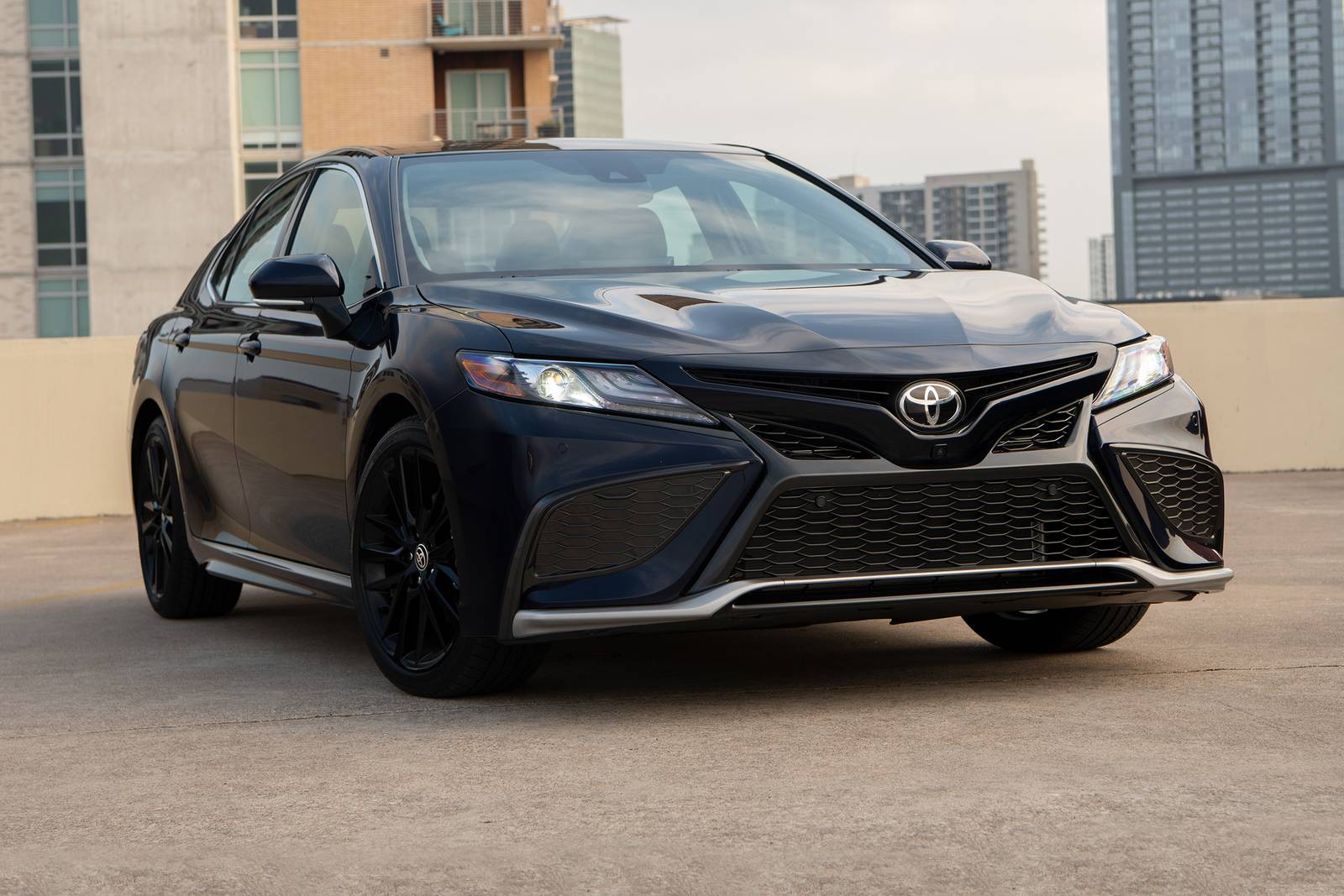
3. Toyota Camry XSE AWD (Eighth Generation, 2022 to 2024)
Toyota’s introduction of All Wheel Drive to the eighth-generation Camry addressed a long-standing limitation for buyers in regions with prolonged winter conditions.
For Boulder residents, the XSE AWD variant presents an appealing blend of Toyota’s durability reputation and improved traction capability at a price point that remains accessible within the midsize sedan category.
Despite this drivetrain upgrade, the vehicle’s body configuration continues to restrict its usefulness for active transport requirements.
Boot capacity in the eighth-generation Camry XSE AWD stands at 15.1 cubic feet. This figure places it toward the lower boundary of its segment and reflects packaging compromises required to accommodate rear drive hardware absent in the front wheel drive version.
Buyers familiar with earlier Camry generations often notice the reduction when attempting to load equipment associated with mountain recreation.
For Boulder households that prioritise winter road confidence, the AWD system delivers credible performance. Toyota employs a torque-on-demand arrangement using a rear electric motor, engaging rear drive when traction demands increase.
During routine driving, the system remains primarily front driven, preserving fuel economy while remaining ready for snow covered canyon roads and changing surface conditions common during colder months.
From an engineering perspective, this AWD layout suits the traction needs encountered in Boulder and surrounding mountain corridors.
The system responds smoothly without excessive mechanical intrusion, confirming that Toyota approached this drivetrain addition with careful calibration. The limitation arises not from traction delivery but from the sedan format that surrounds it.
A rear seat centre pass-through allows skis and similar items to extend into the cabin. While this feature offers partial relief, the loading process remains awkward. Equipment must be lifted high, pushed through a narrow opening, and positioned between rear seating positions.
This method reduces passenger comfort and increases preparation time compared with vehicles designed with extended load floors.
Many Camry XSE AWD owners in Boulder resolve these constraints by adopting roof-mounted storage solutions. Roof boxes and ski carriers transform the vehicle into a workable platform for seasonal activities.
Toyota’s mechanical dependability supports this adaptation, allowing owners to rely on the car year-round without concern for drivetrain durability.
A realistic assessment remains necessary. If outdoor activity formed the primary design objective, a sedan body would not satisfy those priorities regardless of drivetrain capability.
The Camry XSE AWD succeeds as a dependable, winter-capable daily vehicle, yet its cargo limitations persist unchanged, requiring supplementary solutions for those whose routines involve frequent gear transport.
Also Read: 6 Cars with Great Factory Undercoating In the USA vs 6 Rust Magnets
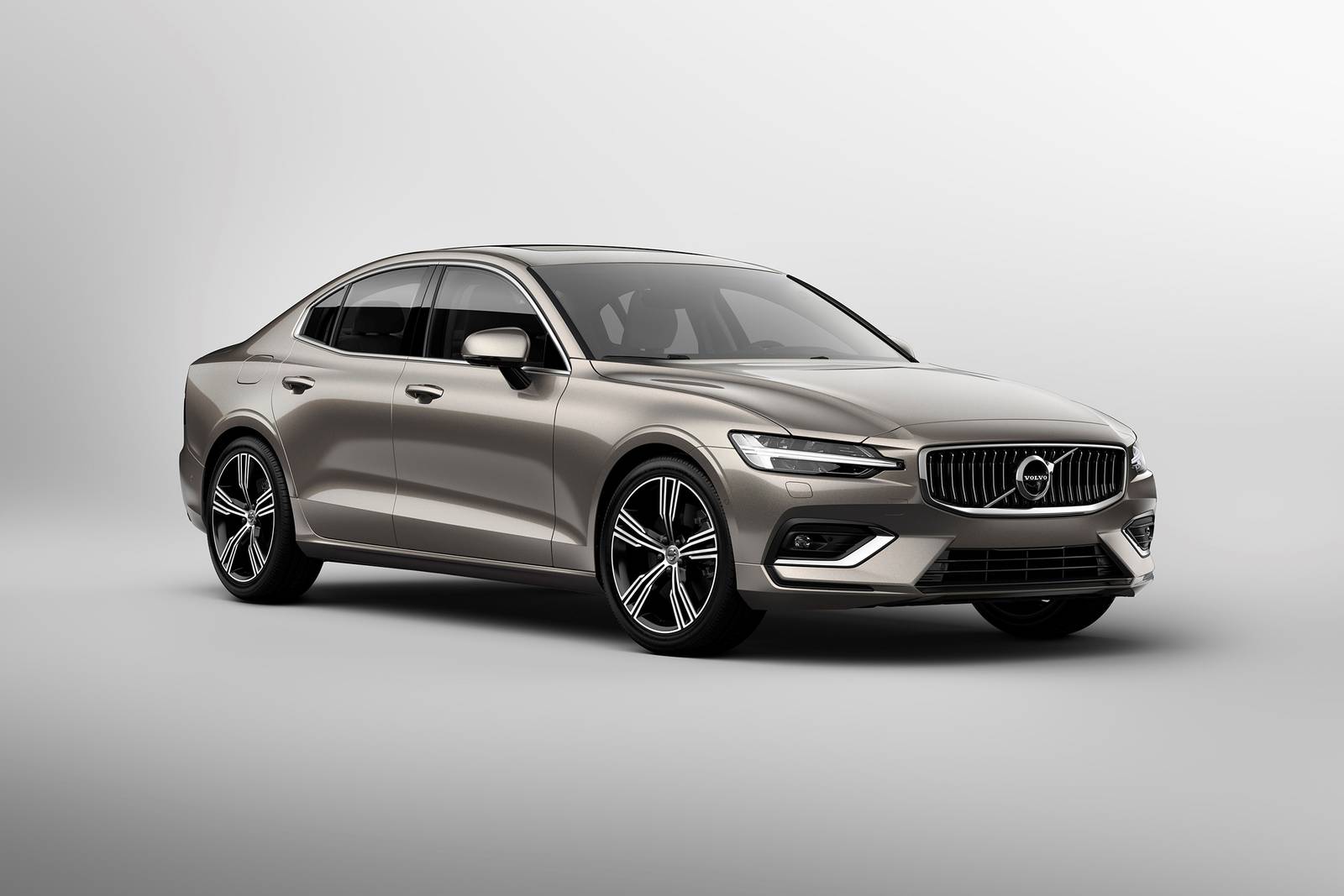
4. Volvo S60 T5 FWD Inscription (Third Generation, 2019 to 2023)
The Volvo S60 serves as the brand’s compact executive saloon, and the Inscription specification delivers the refinement, material quality, and technological sophistication associated with Volvo’s modern identity.
For Boulder professionals drawn to Scandinavian design and a strong safety reputation, the S60 Inscription presents an immediate visual and tactile appeal. Practical assessment begins once outdoor equipment enters the equation.
Boot capacity in the third-generation S60 measures 11.6 cubic feet. This volume is modest even by compact saloon standards and becomes restrictive when handling sporting equipment, winter supplies, or weekend travel items.
The Inscription trim paired with front wheel drive removes winter traction support that Boulder’s seasonal conditions encourage.
While Volvo provides All Wheel Drive in other S60 variants, this specific configuration combines reduced storage capacity with a drivetrain less suited to snow-covered roads, presenting limitations on two separate fronts.
Cabin execution remains a strong attribute. Upholstery options, interior finishes, and ergonomic seating reflect Volvo’s focus on comfort and understated luxury.
Available premium audio and digital interfaces appeal to design-focused buyers who value a calm, well-appointed driving environment during daily commuting.
Safety systems form a central part of the S60’s appeal. Collision avoidance technology, lane guidance assistance, and comprehensive passive protection suit families and professionals who place high value on occupant security during mountain travel and urban driving alike.
The practical question for Boulder buyers centres on suitability rather than quality. Volvo’s own range provides an internal reference point through the V60 estate. That model offers similar cabin execution, comparable safety systems, and substantially greater load capacity, particularly in Cross Country form.
When evaluated side by side, the estate body resolves the storage limitation without sacrificing refinement. Buyers who test both commonly recognise that daily use patterns favour the versatility of the wagon configuration.
The S60 Inscription remains a refined saloon with strong safety credentials, yet its format limits alignment with Boulder’s active lifestyle expectations.
