
Convertible cars often follow a predictable story: strong attention at launch, rapid depreciation, then long periods where they sit ignored on used listings. That pattern has repeated for decades, especially in segments where buyers chase practicality instead of open-air driving pleasure. Yet a smaller group of convertibles has broken away from that script.
These vehicles were once overlooked, discounted quickly, or dismissed as niche purchases, only to later regain attention as demand patterns changed. Interest in these models has risen due to shifting preferences toward weekend cars, lifestyle-driven ownership, and renewed appreciation for mechanical character.
At the same time, supply has tightened for well-kept examples, pushing buyers to compete more aggressively than anyone expected a decade ago. What used to sit quietly on dealership lots now draws attention from collectors, enthusiasts, and even daily drivers looking for something different.
This list focuses on nine convertibles that experienced a clear reversal in value behaviour. Each model carries its own story, from early depreciation pressure to later market correction. Some benefited from limited production numbers. Others gained recognition through reliability records or design maturity that was not fully appreciated at launch.
The sections below take a closer look at each vehicle, examining why early market reception failed to reflect long-term desirability, and how ownership perception shifted enough to push values upward again. Every model listed includes its full name and designation, with attention given to how each one found renewed respect among buyers.
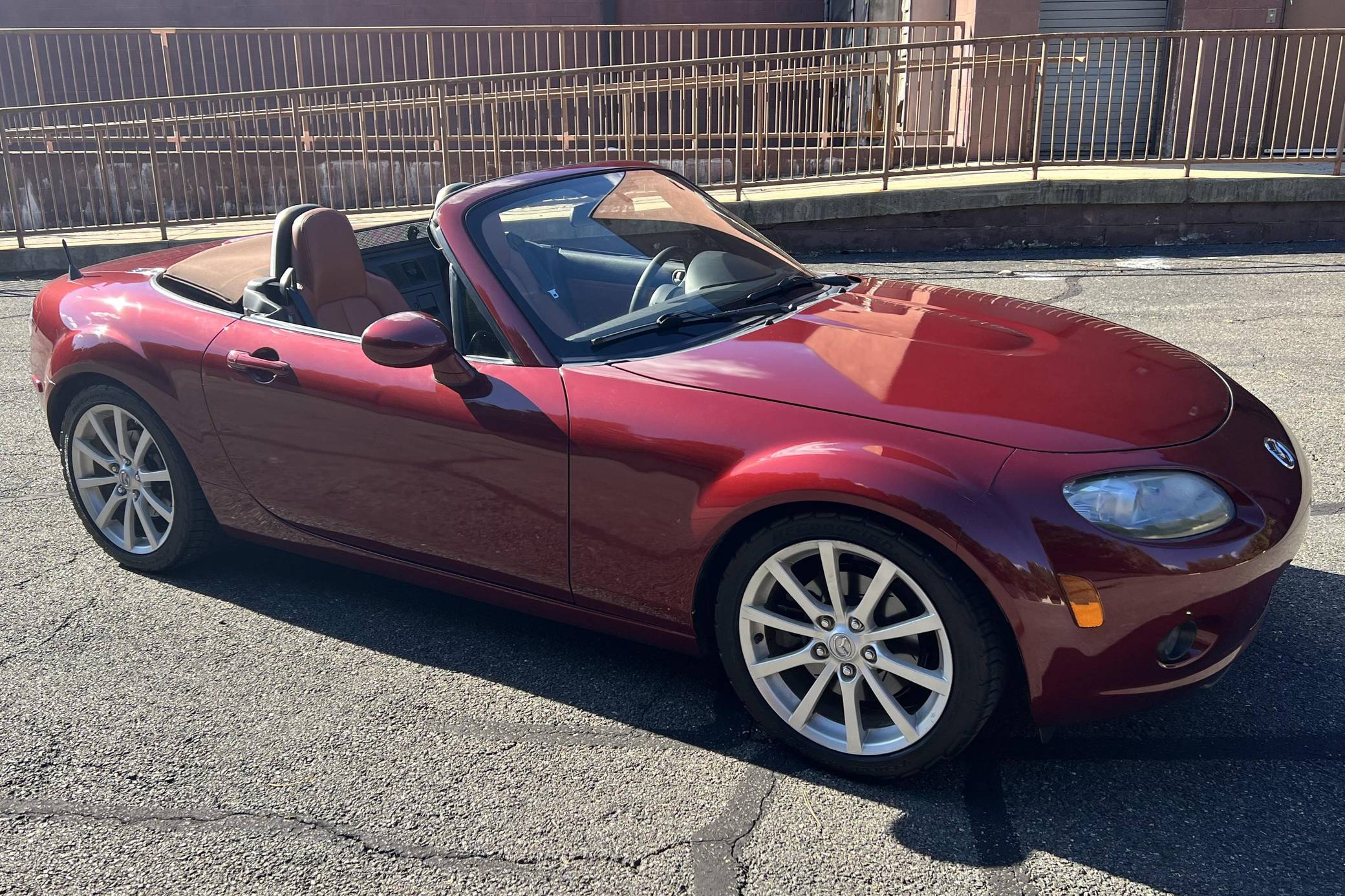
1. 2006 Mazda MX-5 Miata Grand Touring
At the point of release, the 2006 Mazda MX-5 Miata Grand Touring entered the market with a clear identity as a lightweight roadster built for pure driving satisfaction. Expectations centered on its simplicity, affordability, and engaging handling.
Despite these strengths, early resale figures did not reflect strong demand. Many buyers at the time were more attracted to compact vehicles equipped with advanced infotainment systems and modern convenience features. This preference placed the MX-5 at a disadvantage in its early years, leading to lower resale values than anticipated.
As years passed, the very qualities that limited its early appeal began to define its value. Mechanical simplicity emerged as a major advantage. The car’s straightforward engineering reduced the likelihood of costly failures, making it easier and more affordable to maintain.
Its naturally balanced chassis, combined with a responsive four-cylinder engine, delivered a consistent driving experience that did not degrade easily with mileage. Owners frequently reported dependable performance even after extended use, which gradually improved its reputation in the used car market.
The interior design followed a functional approach, prioritizing driver engagement above luxury. Materials and layout focused on usability rather than visual extravagance. At first, this restrained approach discouraged buyers seeking premium comfort.
However, as the vehicle aged, this same simplicity proved beneficial. Components showed less wear compared to more complicated interiors found in rival vehicles. Enthusiasts began to appreciate the uncluttered cabin, viewing it as a space dedicated entirely to driving rather than distraction.
Driving dynamics played a decisive role in changing public perception. The MX-5 offered precise steering feedback and a lightweight structure that allowed for sharp handling. These characteristics became increasingly rare as newer vehicles adopted heavier builds and turbocharged engines designed more for efficiency than engagement.
Drivers who valued connection with the road began to seek out this generation of the MX-5, recognizing that its driving qualities remained largely unmatched within its segment. Market conditions also contributed to its growing appeal. Supply began to reduce as many units were either modified or poorly maintained, leaving fewer clean examples available.
Enthusiast communities placed increasing emphasis on originality, encouraging buyers to pursue well-preserved models. Auction platforms began recording stronger bidding patterns, reflecting rising interest and confidence among buyers.
Gradually, the vehicle moved from being an affordable used convertible to a respected choice among driving enthusiasts. Its ability to deliver consistent performance, low maintenance demands, and a rewarding driving experience established its place in the market.
The 2006 MX-5 Miata Grand Touring demonstrated that a focus on driving purity can translate into long-term value, even when early market reception appears modest.
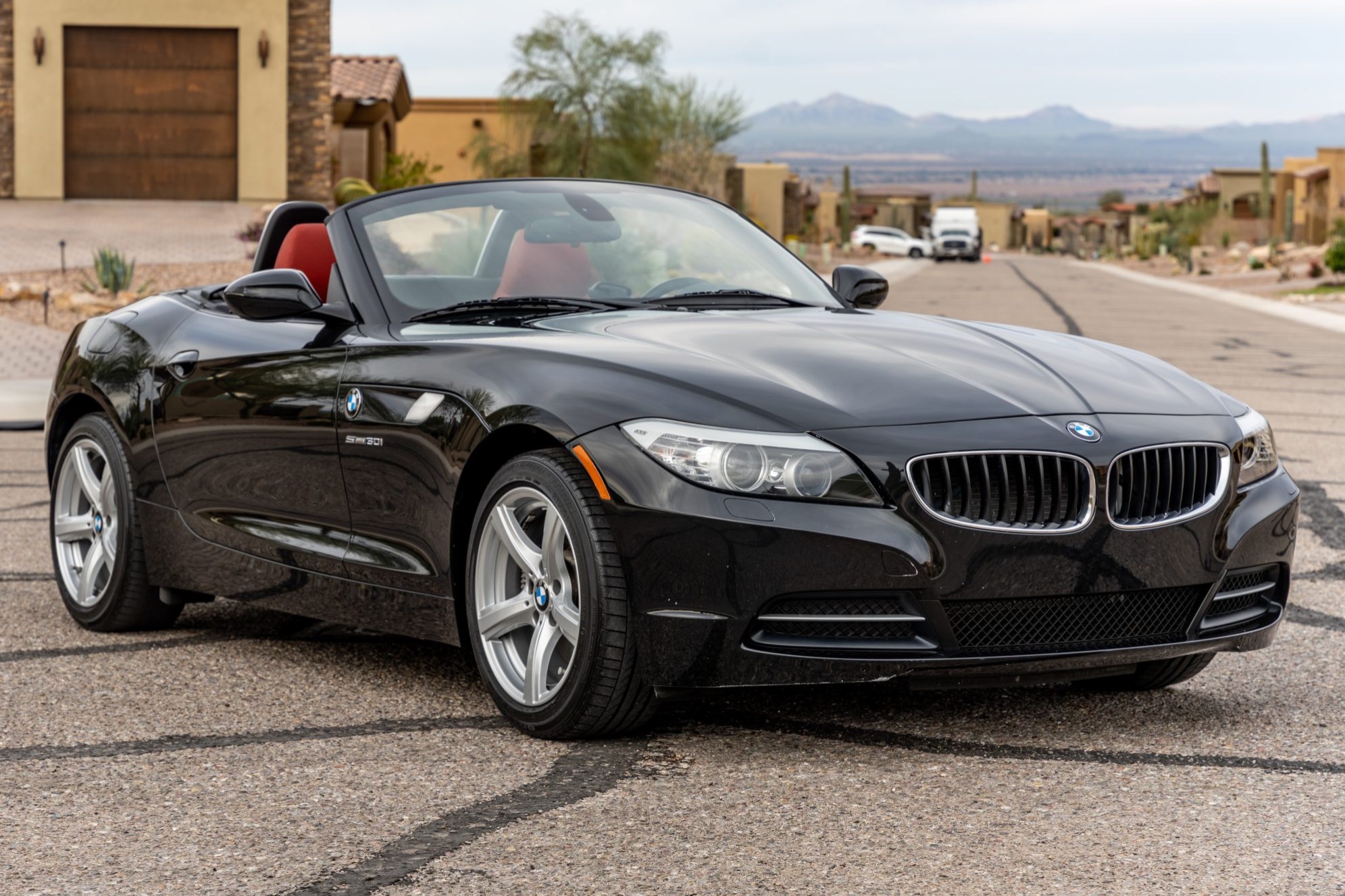
2. 2010 BMW Z4 sDrive30i Roadster
The 2010 BMW Z4 sDrive30i Roadster entered the market with a premium badge and expectations that reflected its brand positioning. Despite this, early ownership trends revealed steep depreciation. Concerns about maintenance expenses and the cost of servicing a luxury vehicle discouraged many potential buyers in the secondary market.
At the time, the price of upkeep seemed difficult to justify, especially for those with limited budgets. Beneath these concerns, the vehicle possessed qualities that would later drive renewed interest. Its straight-six engine delivered smooth and refined power, offering a level of performance that distinguished it from many competitors. The engine’s linear response and balanced output appealed to drivers who valued traditional engine characteristics.
As newer models began shifting toward smaller turbocharged units, appreciation for this naturally aspirated configuration grew steadily. The vehicle’s chassis also contributed to its enduring appeal. Designed with rear-wheel drive, it provided a balanced driving experience that rewarded skilled handling.
Steering precision and stability allowed drivers to feel in control, whether during relaxed cruising or more spirited driving. These qualities aged well and gradually corrected early perceptions that had underestimated its capabilities.
Inside the cabin, the Z4 reflected a premium approach with high-quality materials and advanced features for its time. Early criticism focused on the potential cost of maintaining electronic systems and interior components. However, long-term ownership experiences began to challenge these concerns. Many systems proved more reliable than initially expected, helping to rebuild confidence among second and third owners.
Production numbers remained relatively limited compared to more common roadsters, which later influenced market behaviour. As fewer units were available, especially those maintained in good condition, scarcity began to play a role in price stability. Buyers searching for clean examples found it increasingly difficult to locate them, leading to higher willingness to pay.
Auction trends began to show stronger participation, particularly for models equipped with manual transmission. These versions appealed to driving enthusiasts seeking a more involved experience. As a result, the reputation of the Z4 gradually shifted from a costly luxury item to a vehicle worthy of preservation.
After a long time, the 2010 BMW Z4 sDrive30i Roadster established itself as a car that offered both performance and refinement. Its initial depreciation created opportunities for later buyers, while its enduring qualities ensured that it remained desirable. The change in perception demonstrated how engineering excellence and limited availability can influence long-term market value.
Also Read: 5 Convertibles for US Daily Driving vs. 5 Weekend-Only Rags
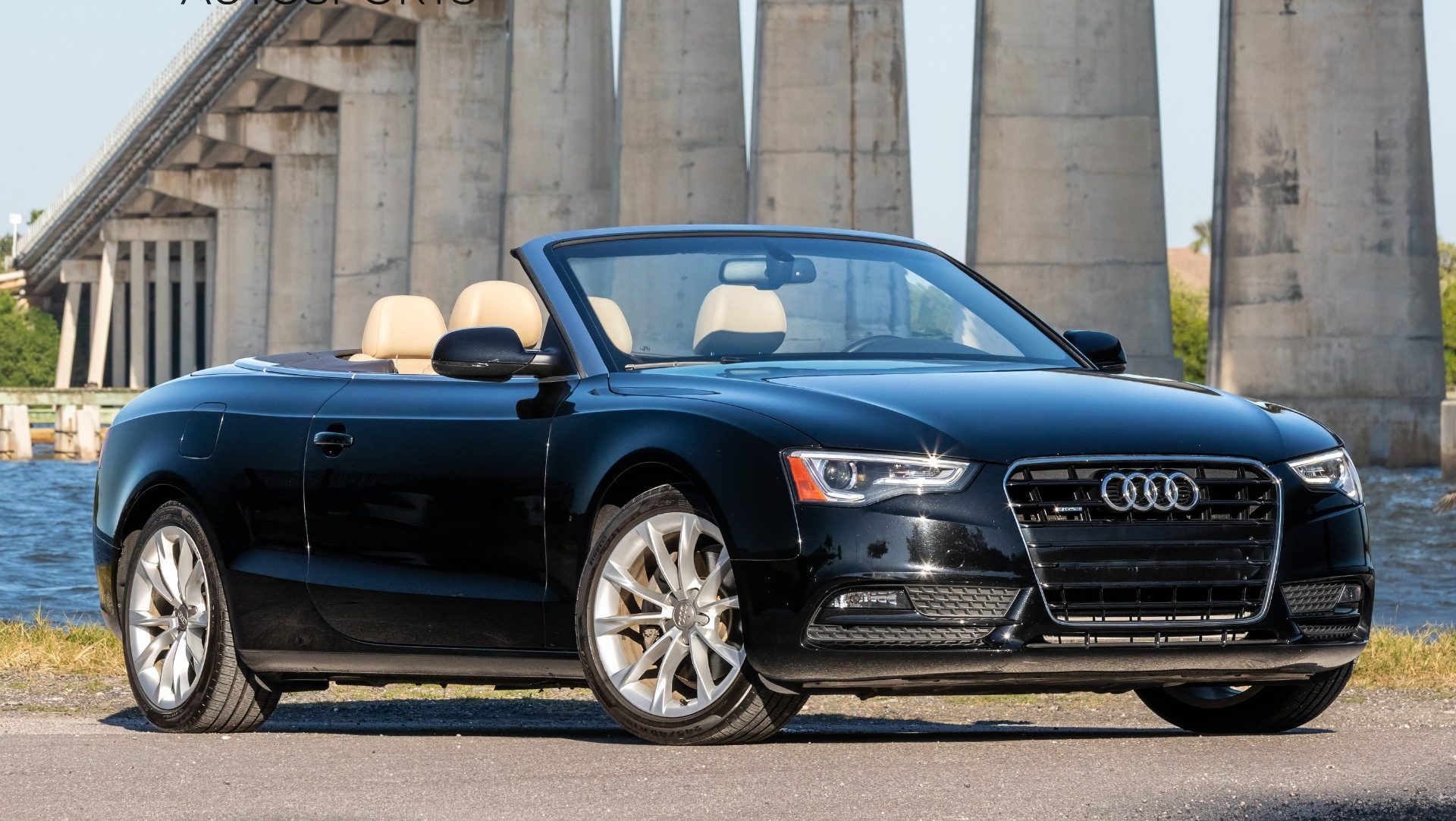
3. 2013 Audi A5 Cabriolet 2.0T Quattro Premium Plus
At launch, the 2013 Audi A5 Cabriolet 2.0T Quattro Premium Plus attracted attention primarily for its elegant styling. Buyers admired its sleek exterior and refined presentation, though questions arose regarding long-term value. Concerns about maintenance expenses and the durability of electronic systems affected confidence in the used market during its early years.
The vehicle’s performance offered a balanced combination of efficiency and power. Its turbocharged four-cylinder engine delivered adequate acceleration while maintaining reasonable fuel consumption. This balance made it suitable for both daily use and occasional leisure driving.
The inclusion of Quattro all-wheel drive enhanced stability, allowing the car to perform reliably across different road conditions. This practical advantage distinguished it from many rear-wheel-drive competitors. Inside, the cabin reflected Audi’s commitment to quality. Materials were carefully selected, and the layout provided a sense of refinement that appealed to buyers seeking comfort.
Early concerns regarding electronic reliability created hesitation among potential owners. However, as time progressed, reports from long-term users indicated that many of these fears were overstated. Systems functioned reliably when properly maintained, helping to restore confidence in the model.
Ride comfort became one of its strongest attributes. The suspension was tuned to deliver a smooth driving experience, making it suitable for extended journeys. As competing models aged, this comfort advantage became more apparent. Buyers looking for a convertible that combined luxury with ease of use began to recognise its strengths.
Changes within the Audi lineup also influenced demand. Newer convertible models introduced higher pricing and more aggressive styling, which did not appeal to all buyers. The A5 Cabriolet began to occupy a favourable position for those seeking a balance between elegance and practicality. This move in preference contributed to a gradual increase in demand.
Availability of well-maintained units began to decline as years passed. Buyers searching for low-mileage examples faced limited options, which supported stronger pricing. Market behaviour reflected a growing appreciation for the vehicle’s design and usability.
The 2013 Audi A5 Cabriolet demonstrated that initial concerns do not always determine long-term value. Its combination of style, comfort, and dependable performance allowed it to gain recognition as time goes on. As perceptions improved, it secured a stable position within the convertible segment.
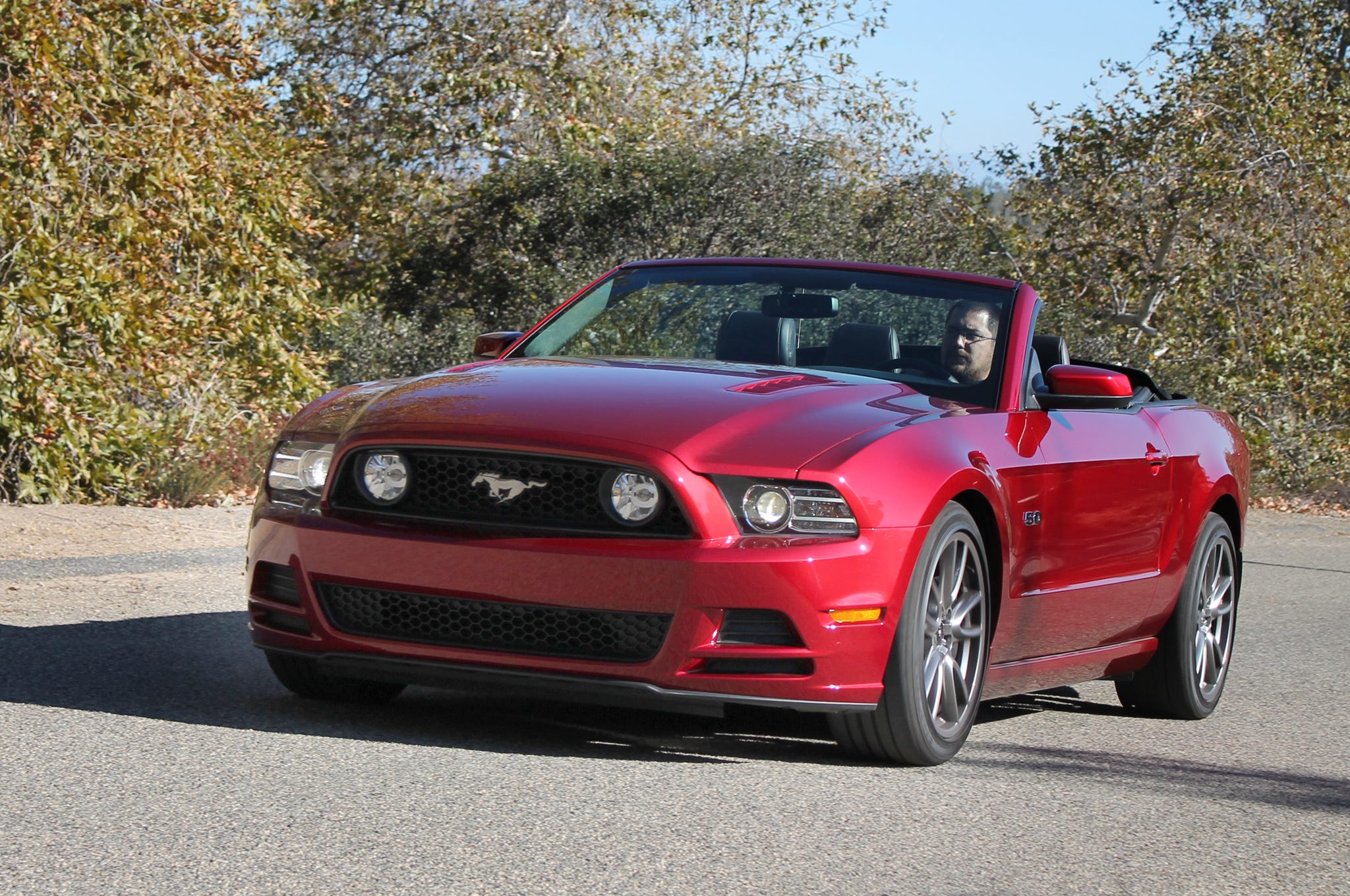
4. 2014 Ford Mustang GT Convertible
The 2014 Ford Mustang GT Convertible entered the market with a reputation centered on performance. Early buyers focused primarily on its powerful engine, often using it as a daily vehicle. This widespread usage led to a large number of units appearing in the used market, which initially kept resale values modest.
The vehicle’s V8 engine remained its defining feature. It delivered strong acceleration and a distinctive driving character that continued to appeal to enthusiasts. Many owners reported that the engine maintained its performance when properly serviced, contributing to a reputation for durability. This reliability helped change perceptions among buyers who had initially underestimated its long-term potential.
Improvements in chassis design marked a departure from earlier versions. Handling became more precise, allowing the car to perform well in a wider range of driving conditions. This development broadened its appeal beyond those interested solely in straight-line performance. Enthusiasts began to recognise its versatility, which contributed to a gradual increase in demand.
Interior quality also showed progress compared to previous models. Materials and build quality improved, though early reviews did not fully acknowledge the extent of these changes. As vehicles aged, the durability of the cabin became evident. This strengthened confidence among buyers considering used examples.
Interest among collectors began to grow as manual transmission vehicles became less common in newer performance cars. This scarcity increased the desirability of certain variants, particularly those maintained in original condition. Buyers seeking a traditional driving experience found the Mustang GT Convertible appealing.
Market activity reflected these changes, with stronger bidding observed for well-preserved units. The vehicle began to gain recognition for offering both modern usability and a classic performance feel. This balance contributed to its rising value in the secondary market.
The 2014 Mustang GT Convertible demonstrated how a performance-focused vehicle can gain broader appreciation when supported by durability and improved engineering. Its evolution in the market highlighted the importance of maintaining original characteristics while adapting to changing expectations.
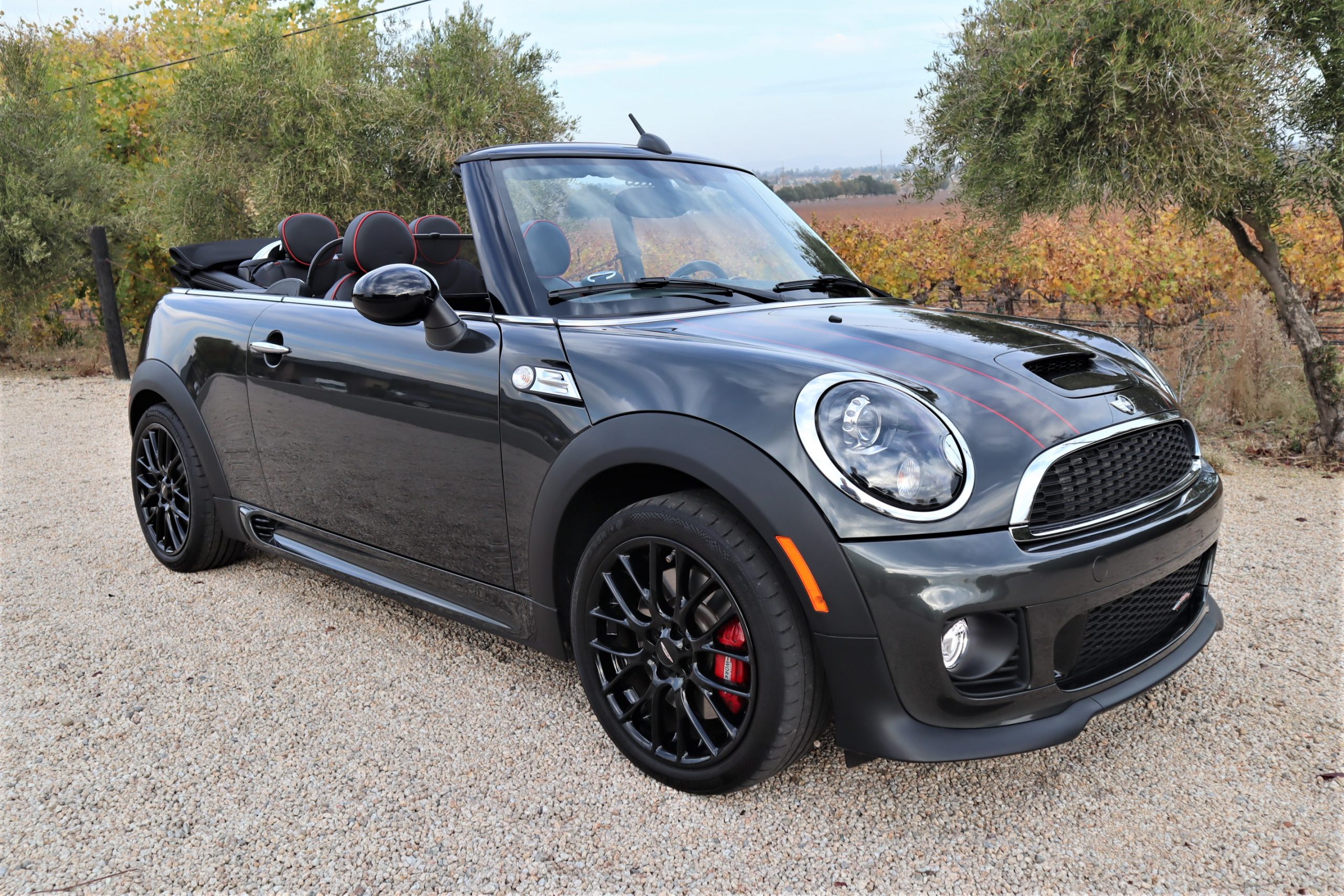
5. 2015 Mini Cooper S Convertible
The 2015 Mini Cooper S Convertible entered the market with a distinctive identity defined by its compact size and unconventional design. Early reactions were mixed, as its appearance and proportions did not appeal to all buyers. This limited its reach within the broader market, leading to rapid depreciation during its initial years.
Despite this, the vehicle offered strong performance relative to its size. Its turbocharged engine delivered lively acceleration, making it enjoyable to drive in both urban and suburban settings. This energetic character became a major factor in attracting renewed interest as drivers began to prioritize driving enjoyment over conventional expectations.
Handling played a major role in shaping its reputation. The suspension provided a responsive and agile feel often described as similar to that of a go-kart. This characteristic appealed particularly to drivers seeking an engaging experience within city environments. The car’s ability to deliver quick responses and tight control distinguished it from larger competitors.
The interior reflected a focus on personality rather than traditional design principles. Unique elements and creative styling choices initially divided opinions. As time goes on, however, these features contribute to its identity, attracting buyers who valued individuality. The cabin’s distinct character became part of its appeal among enthusiasts.
Perception of reliability improved as long-term ownership experiences became available. Many owners reported manageable maintenance requirements when regular servicing was observed. This helped to address early concerns and encouraged confidence among prospective buyers.
Changes within the Mini lineup also influenced demand. Newer models grew in size and adopted a more conventional driving feel, which did not satisfy all drivers. As a result, attention shifted back to earlier versions that retained a stronger focus on compact performance. This trend supported increased interest in the 2015 Cooper S Convertible.
Market behaviour reflected this renewed appreciation. Buyers began to recognize the value of its unique design and engaging performance. The vehicle secured a place among those seeking a convertible that prioritized character and driving enjoyment, demonstrating that distinctiveness can contribute to lasting appeal.
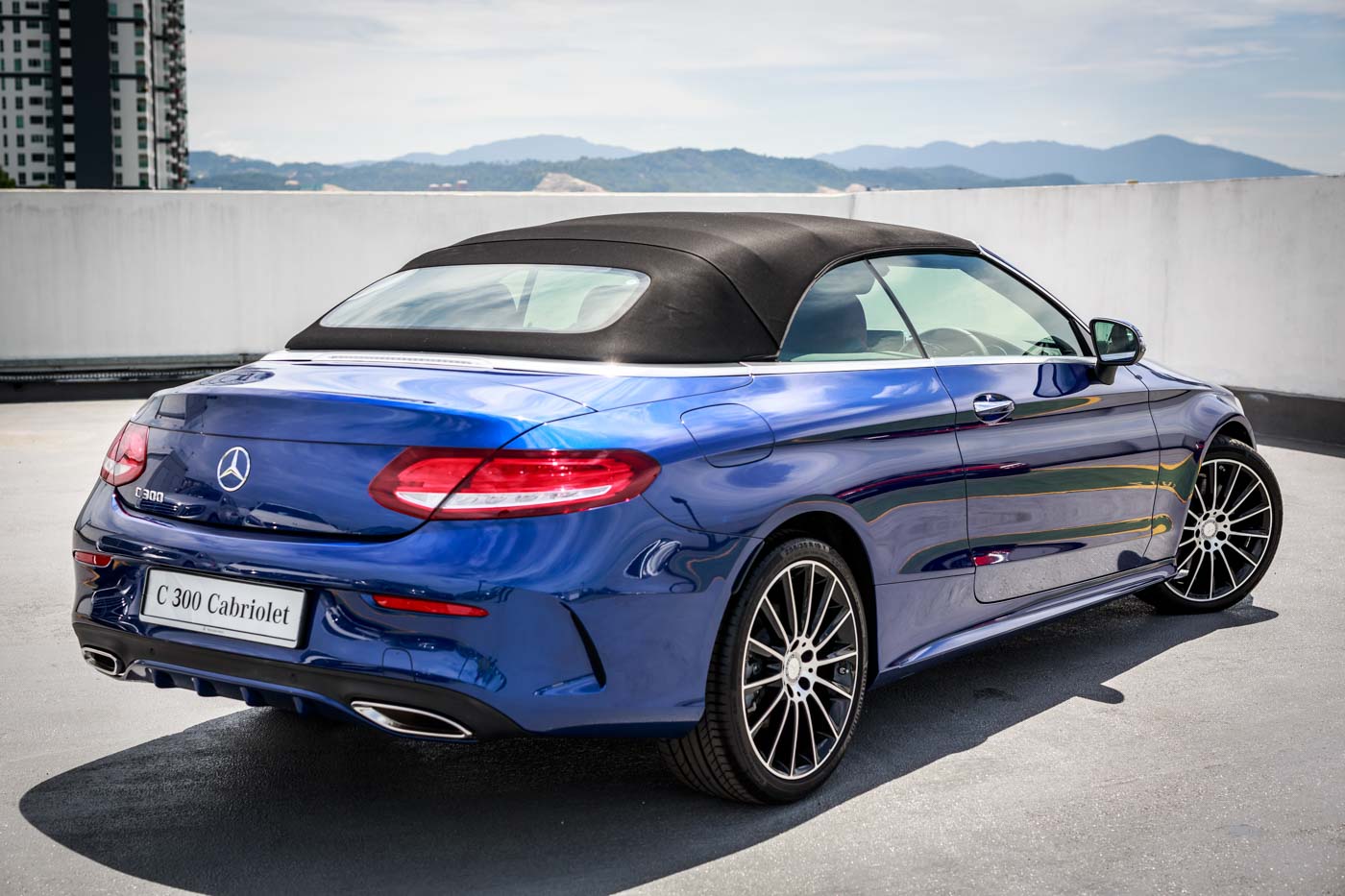
6. 2016 Mercedes-Benz C300 Cabriolet
Early market reaction toward this model was shaped heavily by its badge value. Buyers expected strong retention because of the luxury positioning, yet depreciation moved faster than most initial forecasts suggested. Luxury convertibles often face this pattern due to high entry pricing and rapid early ownership cost concerns.
After the first wave of ownership, pricing softened sharply, creating a period where the vehicle appeared undervalued compared to its engineering depth. Power delivery came from a turbocharged 2.0-litre four-cylinder engine that replaced older six-cylinder layouts found in previous generations. This change initially drew skepticism from traditional buyers who associated Mercedes-Benz performance sedans with larger displacement engines.
Once real driving experience became common, those concerns weakened. Acceleration felt smooth, torque arrived earlier in the rev range, and fuel efficiency improved without removing daily usability. Highway travel and city driving both benefited from the revised powertrain approach, and long-term owners began reporting stable performance with proper maintenance intervals.
Interior craftsmanship influenced perception more than expected. High-grade leather surfaces, metallic trim detailing, and a digital instrument layout created an environment that aged well. Even after several years of use, cabin materials resisted wear patterns that typically affect lower-tier convertibles.
That durability helped move buyer attention away from early depreciation concerns and toward long-term ownership value. Roof engineering contributed to renewed respect for the model. The retractable soft-top system operated with precision, folding smoothly without excessive mechanical strain.
Noise insulation remained strong for a convertible, allowing highway use without excessive cabin disturbance. Owners appreciated how consistently the mechanism performed under repeated use, which reduced long-term ownership hesitation.
Ride quality played a supporting role in reshaping perception. Suspension tuning balanced comfort and control, allowing relaxed cruising without feeling disconnected from the road. At higher speeds, stability remained predictable, which added confidence during extended drives. This balance helped the car appeal to both comfort-oriented buyers and those seeking mild sport character.
As early depreciation stabilized, resale activity began to move. Listings that once sat unnoticed started receiving attention from buyers seeking entry into the Mercedes-Benz convertible segment at reduced cost. Vehicles with documented service history and clean condition attracted stronger bidding activity, especially in private sales. Demand did not spike suddenly but grew steadily as awareness of durability improved.
Market behaviour eventually reflected a clearer understanding of the model’s long-term value. What was once seen as a rapidly depreciating luxury purchase transitioned into a more balanced ownership proposition, where build quality and driving refinement held stronger weight than early price movement.
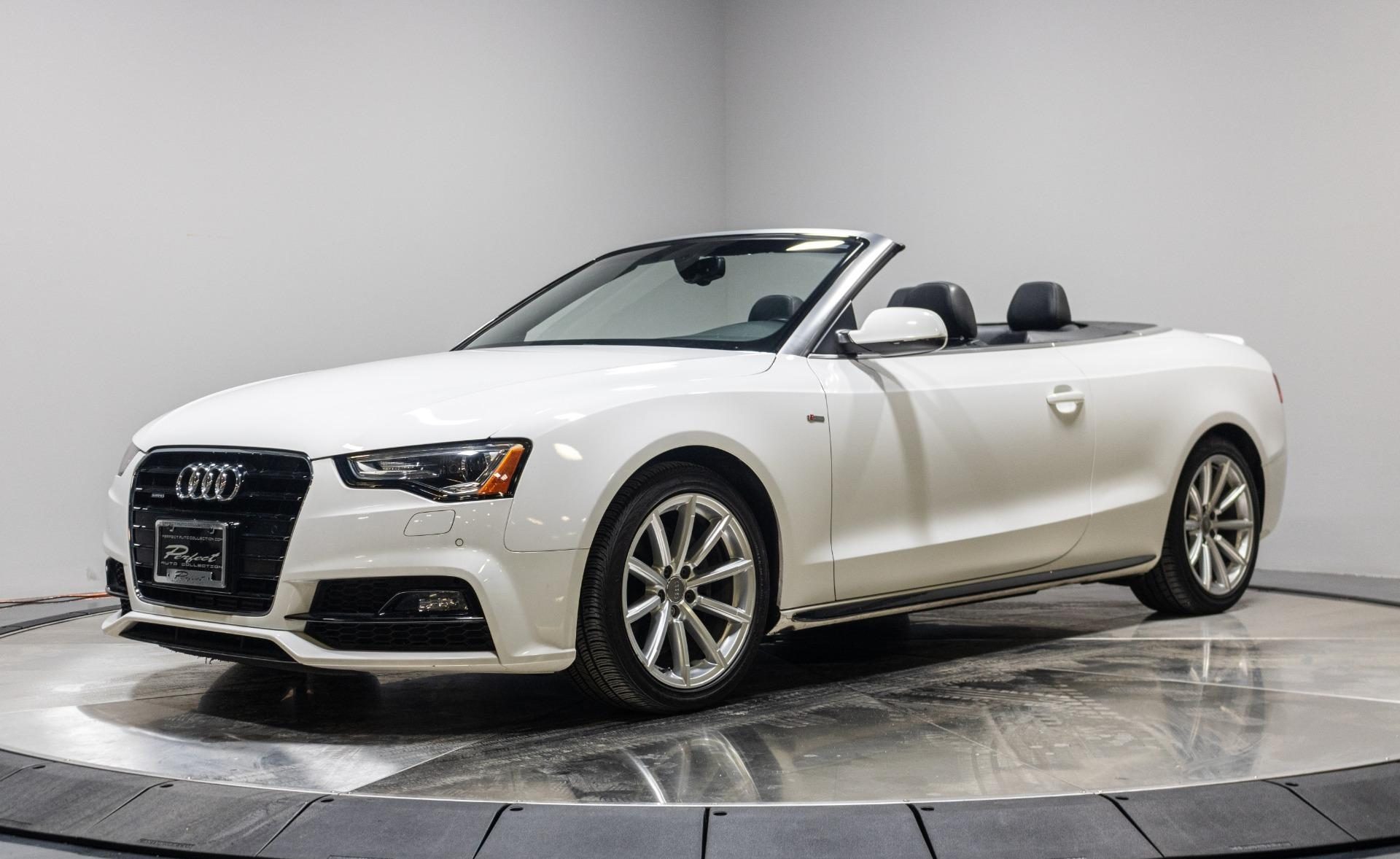
7. 2017 Audi A5 2.0T Cabriolet Quattro Prestige
Initial reception of this model leaned heavily toward visual appeal and brand positioning. Buyers admired the exterior styling and interior layout, yet resale expectations remained cautious. Early depreciation reflected this hesitation, as luxury convertibles in this segment often struggle to maintain early value due to premium pricing and competition.
Powertrain performance is centred on a turbocharged 2.0-litre engine paired with Audi’s Quattro all-wheel-drive system. Early skepticism focused on whether the smaller engine could match expectations set by earlier six-cylinder offerings.
Real-world driving shifted that perception. Power delivery felt responsive in urban environments, while highway merging and passing maintained confidence. Quattro traction added stability during wet and uneven road conditions, which expanded usability beyond fair-weather driving.
Interior execution contributed strongly to later appreciation. Audi’s design language emphasized clean layout, digital displays, and high-quality materials. Early concerns regarding electronic reliability appeared during initial ownership cycles, yet long-term reports showed fewer failures than anticipated. Cabin durability remained consistent, especially in vehicles that followed scheduled maintenance.
Ride comfort became a defining trait. Suspension tuning focused on smooth road absorption while maintaining controlled handling characteristics. This allowed the vehicle to function as both a relaxed cruiser and a capable daily driver. Drivers appreciated the balance between comfort and steering precision, especially on longer routes.
Convertible roof performance influenced ownership confidence. The retractable top operated smoothly with minimal mechanical hesitation. Insulation quality, when closed, reduces noise intrusion, making the car suitable for extended highway use. Owners often cited the roof system as a strong point in long-term ownership discussions.
As newer luxury convertibles entered higher pricing brackets, demand for this model began to strengthen. Buyers seeking a premium driving experience without current-generation pricing increases turned attention toward earlier examples. That move increased competition for clean units with complete service documentation.
Resale activity improved as the supply of well-maintained vehicles tightened. Enthusiast buyers and practical luxury shoppers competed for similar inventory, which helped stabilize and gradually raise value levels. The model transitioned from early depreciation pressure to a more balanced market position driven by durability perception and consistent driving quality.
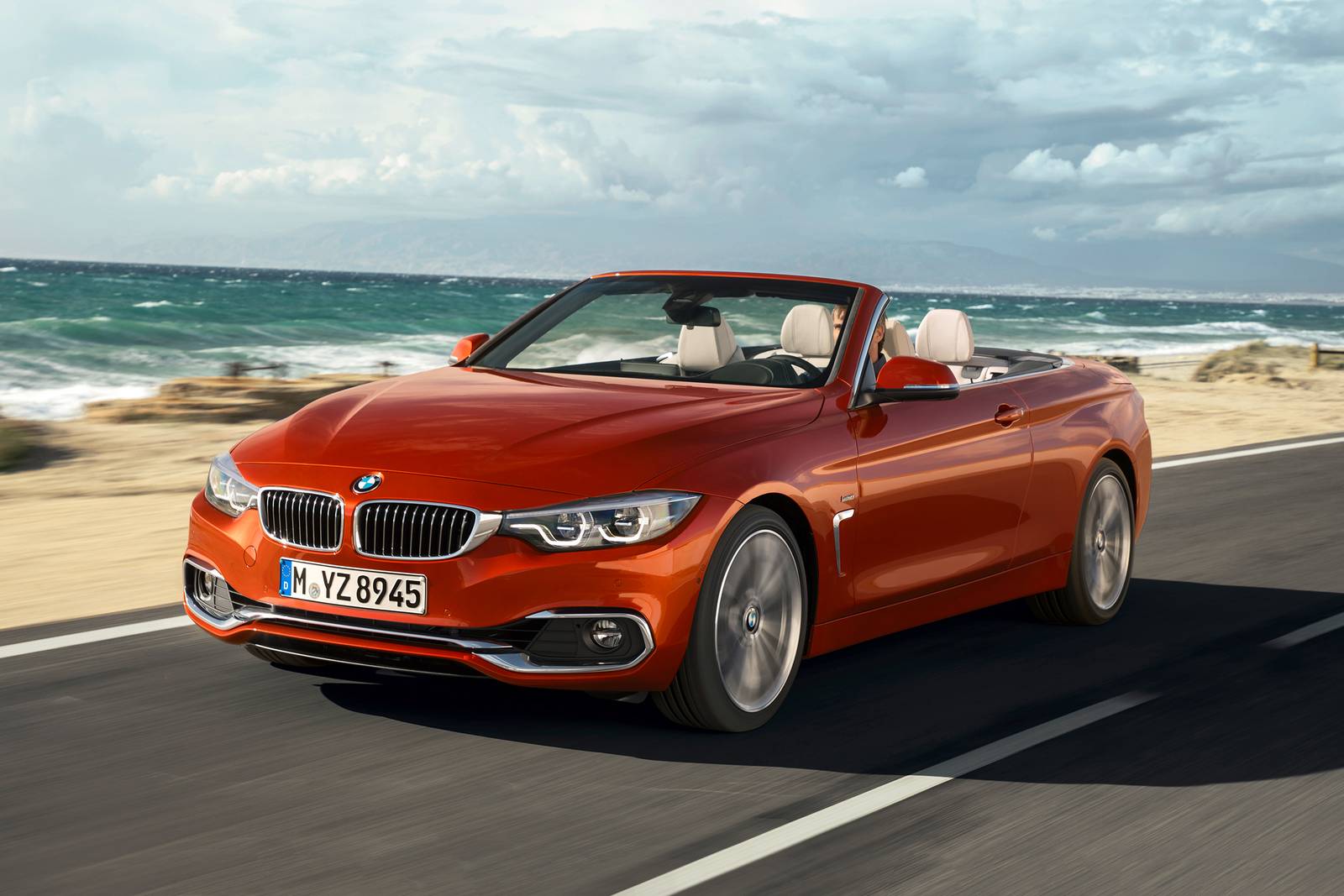
8. 2018 BMW 4 Series 430i Convertible
Initial market positioning placed this model in a crowded luxury segment where competition strongly influenced early depreciation. Buyers had multiple alternatives in similar price ranges, which reduced early resale strength despite solid engineering foundations.
Performance came from a turbocharged 2.0-litre four-cylinder engine designed for efficiency and responsiveness. Power delivery felt smooth in everyday driving, with adequate acceleration for highway use. Fuel consumption remained manageable, which appealed to drivers seeking premium branding without excessive operating costs.
Chassis tuning emphasized precision and balance. Rear-wheel-drive architecture supported stable handling and predictable steering response. Drivers often noted that the vehicle maintained composure during spirited driving while still delivering comfortable highway behaviour. This dual character contributed to long-term appreciation once initial depreciation stabilized.
Interior design focused on driver orientation, integrating digital instrumentation with ergonomic control placement. Early feedback highlighted a learning curve for infotainment systems, yet long-term ownership showed system reliability held steady. Cabin materials aged reasonably well, especially in vehicles maintained properly.
Convertible roof engineering added long-term value stability. The folding mechanism operated smoothly and provided acceptable insulation when closed. Seasonal usability improved compared to older convertible designs, allowing extended use beyond warm-weather driving.
Resale strength improved once early depreciation slowed. Well-maintained vehicles with service records attracted stronger bidding activity, particularly in private sales where condition transparency played a larger role. Ownership perception gradually moved from “mid-tier luxury convertible” toward “balanced performance luxury option,” supported by the durability of mechanical systems and consistent driving satisfaction.
Also Read: 5 Convertibles for Ocean Drive In Miami vs. 5 Interiors That Melt in Florida Heat
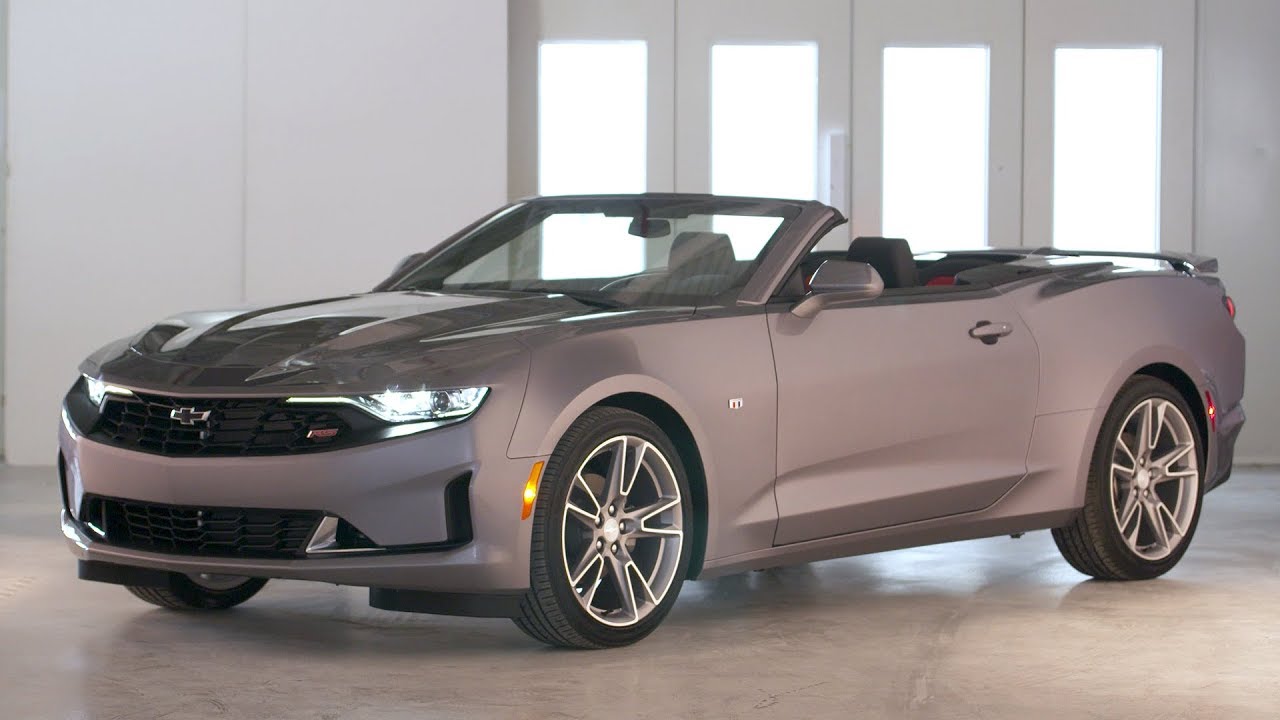
9. 2019 Chevrolet Camaro LT Convertible
Early market response focused heavily on higher-performance trims, leaving the LT version with less attention in resale discussions. That imbalance contributed to quicker early depreciation, as buyers prioritized V8 variants while overlooking the broader value proposition of the LT configuration.
Power delivery came from a turbocharged four-cylinder engine designed to balance performance with fuel efficiency. Initial skepticism centered on whether the smaller engine could support the Camaro identity. Real-world usage changed that view, as acceleration proved sufficient for daily driving and highway demands.
Chassis improvements in this generation enhanced handling precision. Steering response felt more direct compared to earlier versions, while suspension tuning improved stability during cornering. These refinements helped move perception among drivers who valued handling as much as straight-line acceleration.
Interior updates improved cabin durability and usability. While not positioned as a luxury interior, the materials showed better wear resistance than previous iterations. Controls were simplified, and seating comfort improved for longer drives.
Convertible roof operation remained a strong point. The system functioned reliably with consistent folding performance and acceptable sealing when closed. That reliability reduced concerns often associated with long-term convertible ownership.
As newer performance models increased pricing, this generation became more attractive as a value-oriented entry point into muscle car styling. Buyers began reassessing the LT trim as a practical alternative rather than a downgraded option.
Resale interest strengthened among younger buyers and cost-conscious enthusiasts seeking styling and performance without premium pricing barriers. That demand helped stabilize values and reduce early depreciation pressure. Market behaviour eventually reflected a more balanced view of the model, where usability, efficiency, and design combined to create sustained interest beyond initial expectations.
