
Buying a used car in the United States under $10,000 has become both an opportunity and a major risk. On one hand, the used car market still offers strong, reliable vehicles that can easily last another 100,000 to 150,000 miles if maintained properly.
On the other hand, inflation in the automotive sector, rising repair costs, and aggressive resale pricing have made it easier than ever to end up with a vehicle that looks like a bargain but turns into a financial trap.
For budget buyers, especially students, first-time drivers, and families needing a second car, the $10,000 price range is one of the most competitive segments in the used car market.
At this price point, you are usually looking at vehicles that are between 8 and 15 years old with moderate to high mileage. That means reliability, maintenance history, and brand reputation matter far more than appearance or luxury features.
Certain brands like Toyota and Honda dominate this segment because they are known for long-lasting engines, affordable repairs, and strong resale value.
Models such as the Toyota Corolla and Honda Civic consistently appear in reliability rankings because they are engineered to handle high mileage with minimal mechanical failure when properly maintained. These cars are not flashy, but they are dependable transportation tools that rarely surprise owners with major repair bills.
However, the used car market also contains vehicles that look appealing on paper but are widely considered poor financial decisions. Some are expensive to repair due to complex engineering, while others suffer from known transmission or engine issues that appear after a certain mileage threshold.
There are also models that were heavily marketed when new but failed to maintain reliability over time, making them “scam-like” purchases in the used market when buyers are unaware of their long-term issues.
This article breaks down both sides. First, it highlights five of the most reliable used cars under $10,000 in the USA that still make sense in 2026 based on durability, maintenance cost, and parts availability.
Then it exposes five commonly recommended but risky or misleading used cars that buyers should approach with caution or avoid entirely unless they have deep mechanical knowledge and repair budgets.
5 Reliable Used Cars Under $10,000 in the USA
1. Toyota Corolla
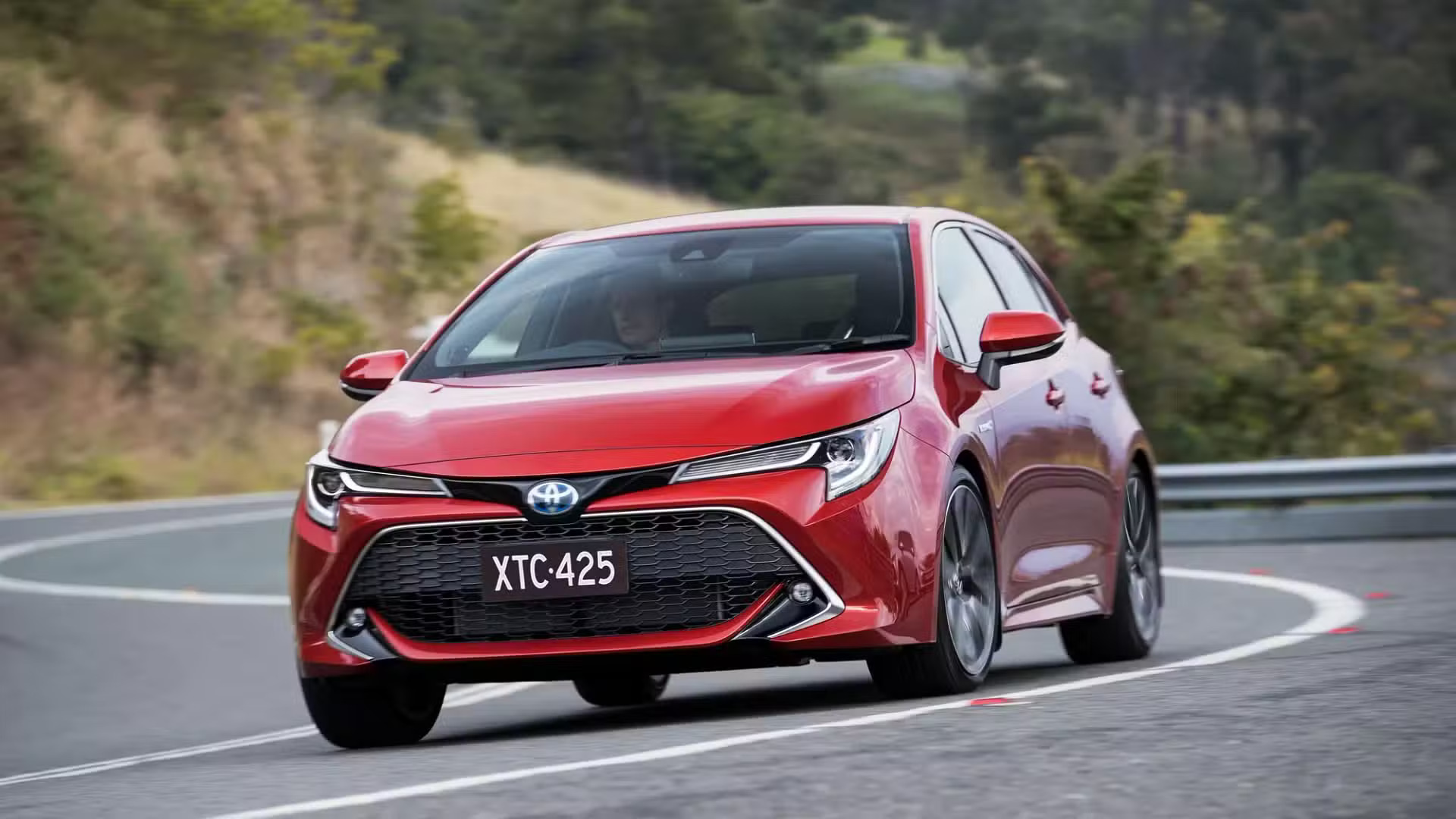
The Toyota Corolla has earned its reputation as one of the most dependable compact cars ever sold in the United States, and this is especially true for models produced between 2009 and 2014.
What makes the Corolla stand out in the under $10,000 used car segment is not luxury or performance, but its unmatched consistency in reliability and low cost of ownership.
The 1.8 liter four cylinder engine used in these models is designed with simplicity in mind, which reduces the number of components that can fail over time.
This engineering philosophy is one of the main reasons why many Corollas easily surpass 200,000 miles without requiring major engine work, provided routine maintenance such as oil changes and fluid checks are followed.
Another major advantage of the Corolla is its extremely low maintenance and repair cost structure. Because Toyota sold such a large number of these vehicles in the USA, replacement parts are widely available and inexpensive compared to European or luxury brands.
Mechanics are also very familiar with this model, which means labor costs are usually lower and diagnostics are quicker. Even in smaller towns, finding someone who can service a Corolla is rarely an issue, making it a practical choice for nearly any location in the country.
Fuel efficiency is another important reason why the Corolla remains highly attractive in this price range. These models typically achieve between 28 and 35 miles per gallon depending on driving conditions, which makes them ideal for commuters who need to keep monthly fuel expenses low.
Over time, this fuel savings can significantly offset the initial purchase cost, making the Corolla not just a reliable vehicle but also a financially efficient one.
Comfort and features may be basic compared to newer cars, but the Corolla compensates with durability and predictable performance.
Even after many years of use, the suspension system and drivetrain tend to remain stable, avoiding the expensive breakdowns that plague less reliable competitors. For buyers prioritizing long term peace of mind over luxury features, the Toyota Corolla remains one of the safest choices in the used car market.
2. Honda Civic
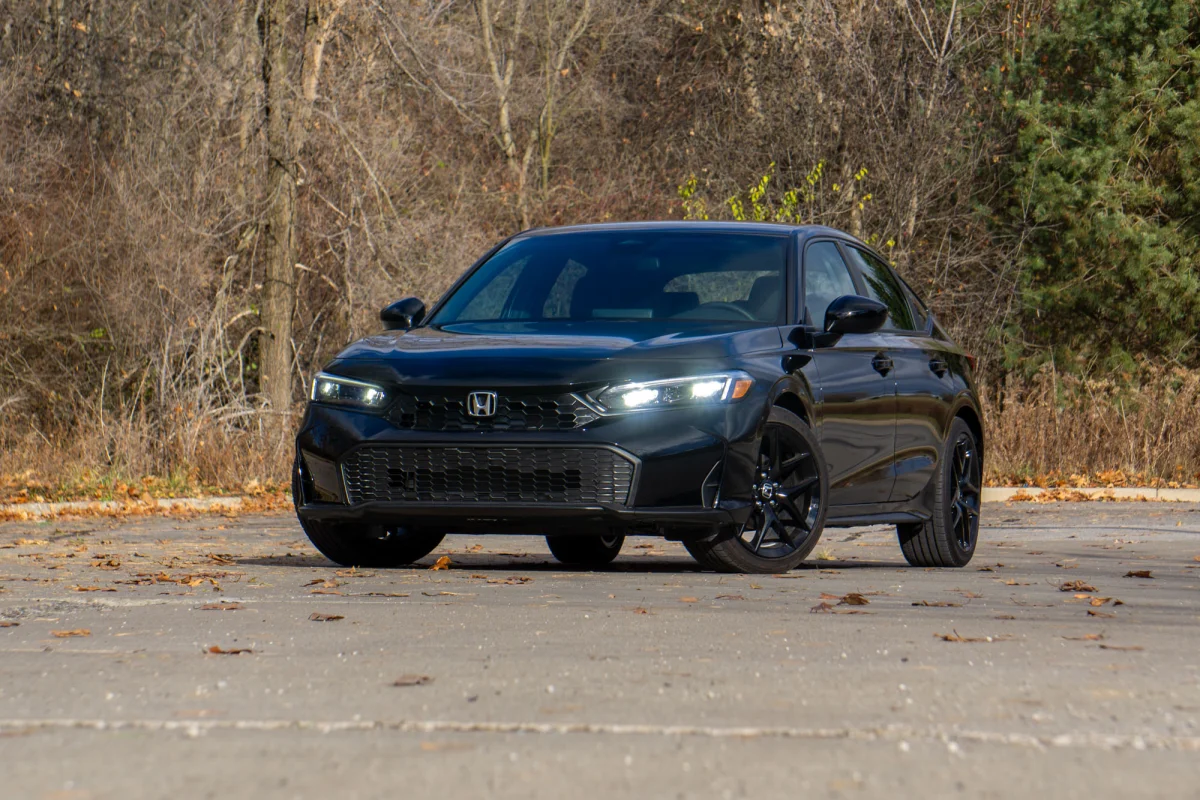
The Honda Civic from the 2008 to 2013 generation continues to be one of the strongest contenders in the affordable used car category due to its balanced combination of reliability, efficiency, and driving enjoyment.
Unlike many economy cars that focus only on practicality, the Civic also delivers a more refined driving experience, which makes it especially appealing to younger drivers or those who spend a lot of time on highways and city roads. The 1.8 liter i VTEC engine is well known for its durability and smooth power delivery, and it has proven capable of lasting well beyond 200,000 miles with proper maintenance.
One of the key strengths of the Civic is its ability to maintain performance consistency over time. Even as the mileage increases, the engine tends to remain responsive and fuel efficient, avoiding the sluggish feel that some older vehicles develop.
Fuel economy typically ranges from 28 to 36 miles per gallon, depending on whether the driving is urban or highway based. This makes it one of the most cost effective daily drivers in the United States, particularly for students and professionals who commute regularly.
Maintenance costs for the Civic are generally low, but slightly higher than the Toyota Corolla in some cases due to its more performance oriented engineering. However, this difference is often minimal and outweighed by the Civic’s stronger driving dynamics and better interior design. Parts availability is also excellent, and most repair shops are very experienced with Honda vehicles, which helps keep service costs reasonable.
In terms of longevity, many Civics from this generation are still on the road today with high mileage and minimal major repairs. This is largely due to Honda’s focus on engine efficiency and mechanical durability rather than unnecessary complexity. However, buyers should still pay attention to maintenance history, especially oil change records and transmission condition, since neglected vehicles can still develop issues over time.
3. Toyota Camry
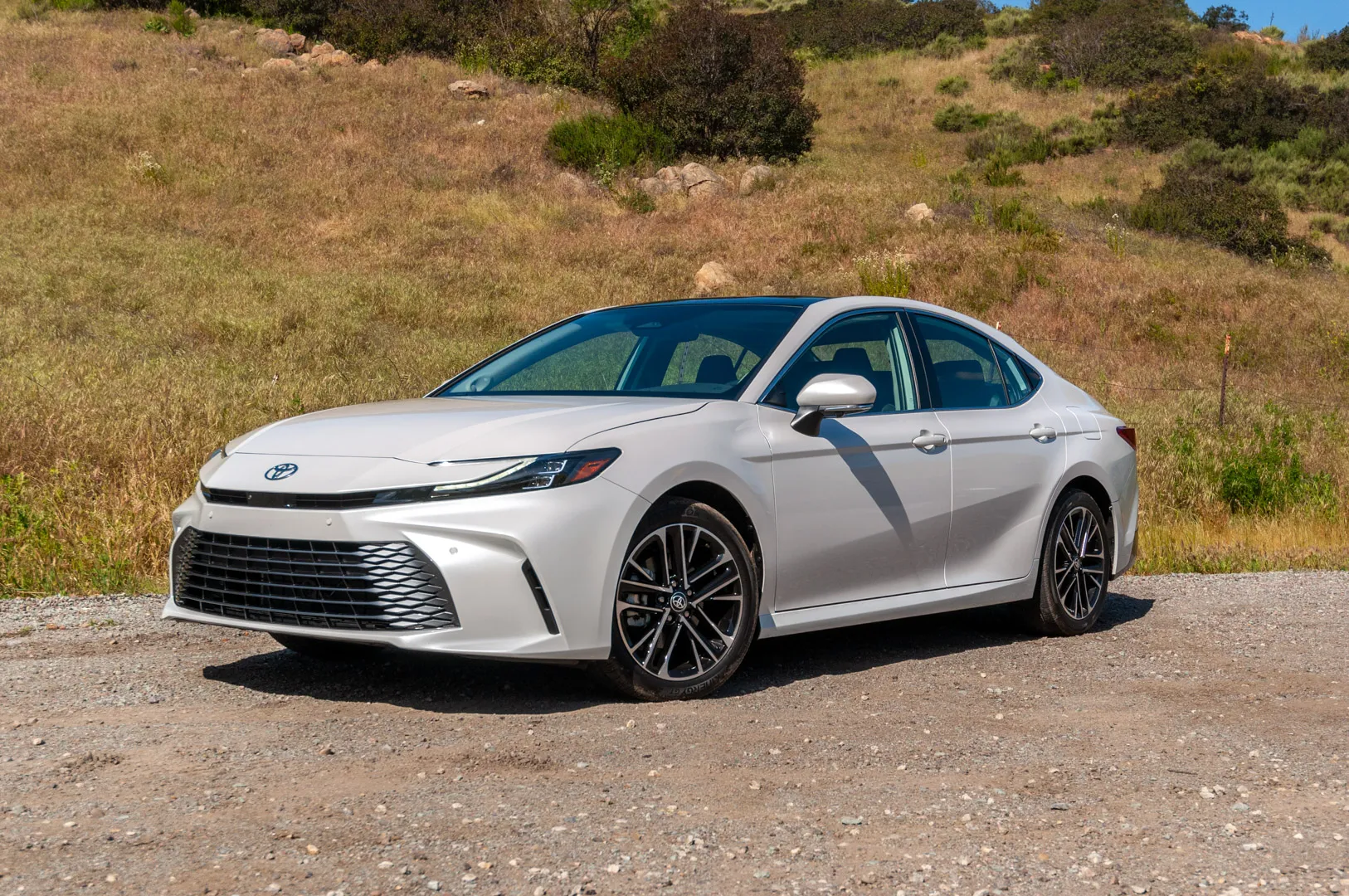
The Toyota Camry is widely regarded as one of the most reliable midsize sedans ever produced, and the 2007 to 2012 models are particularly strong choices for buyers looking under the $10,000 price range. Unlike compact cars, the Camry offers significantly more interior space, making it an excellent option for families, rideshare drivers, or individuals who frequently travel long distances.
The 2.4 liter four cylinder engine is known for its long term durability and smooth operation, while the optional V6 engine provides additional power for highway driving, although with slightly higher fuel consumption.
One of the most impressive aspects of the Camry is its ability to maintain comfort and stability even after many years of use. The suspension system is designed to absorb road imperfections effectively, which helps reduce driver fatigue during long journeys.
This makes it a preferred choice for highway commuters and people who regularly drive between cities. Even after reaching high mileage, the Camry tends to feel solid and composed, which is a key reason it has remained a top selling used car in the USA.
Reliability is another major strength of the Camry. Toyota engineered this model with a focus on long term dependability, and as a result, many Camrys from this generation continue to operate with minimal major repairs even after 200,000 miles. Routine maintenance such as oil changes, brake replacements, and fluid servicing is usually enough to keep the vehicle running smoothly for years.
The Camry also benefits from a strong reputation in the used car market, which helps it retain resale value better than many competitors. While it may cost slightly more than some other budget vehicles, the long term savings in repair costs and reliability often make it a better financial decision. For buyers seeking a comfortable, dependable, and long lasting midsize sedan, the Toyota Camry remains one of the most practical choices available.
4. Mazda3
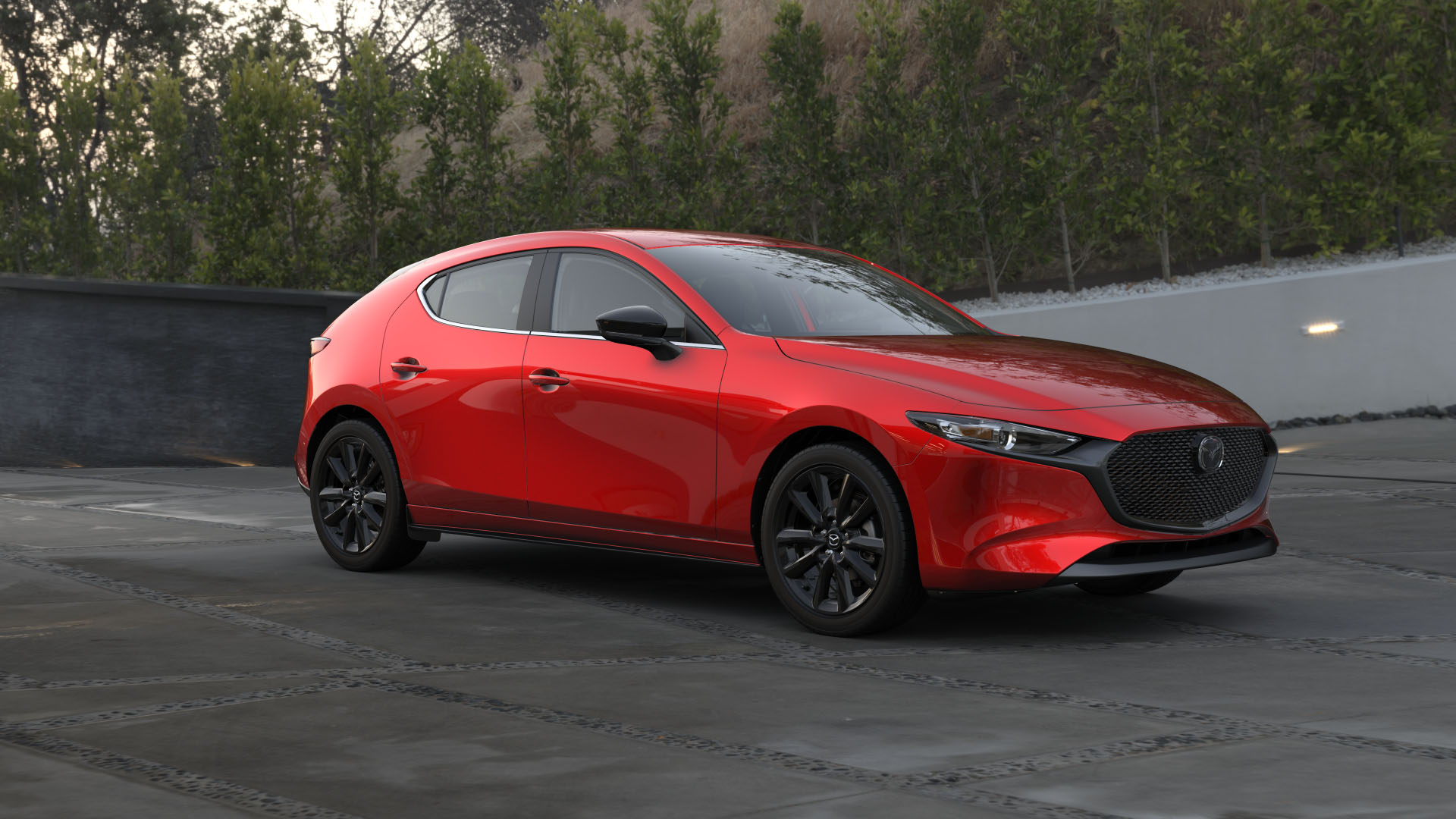
The Mazda3 from the 2010 to 2014 model years offers a unique combination of reliability, efficiency, and driving enjoyment that sets it apart from many other economy cars in the same price range.
While Toyota and Honda often dominate discussions about dependability, Mazda has built a strong reputation for producing vehicles that are not only reliable but also engaging to drive. The Mazda3 achieves this balance by offering responsive steering, well tuned suspension, and a lightweight chassis that makes it feel more dynamic than many competitors.
Under the hood, the Mazda3 is equipped with efficient and durable engines that are designed to handle long term use without major mechanical issues when properly maintained. These engines are simpler than many modern turbocharged systems, which helps reduce long term repair complexity and cost. Fuel efficiency is also strong, with many models achieving around 28 to 34 miles per gallon, making it a practical choice for both city and highway driving.
One of the key advantages of the Mazda3 is its driving experience. Unlike many budget cars that prioritize function over feel, the Mazda3 offers sharper handling and better road feedback, which makes daily driving more enjoyable. This has earned it a loyal following among drivers who want something practical but not boring.
However, the Mazda3 does have some trade offs. The interior space is slightly smaller compared to rivals like the Honda Civic, and cabin noise can be higher at highway speeds. Despite these minor drawbacks, the reliability and lower cost of ownership make it a strong contender in the under $10,000 category. For buyers who want a dependable car that also feels fun to drive, the Mazda3 is an excellent option.
5. Honda Fit
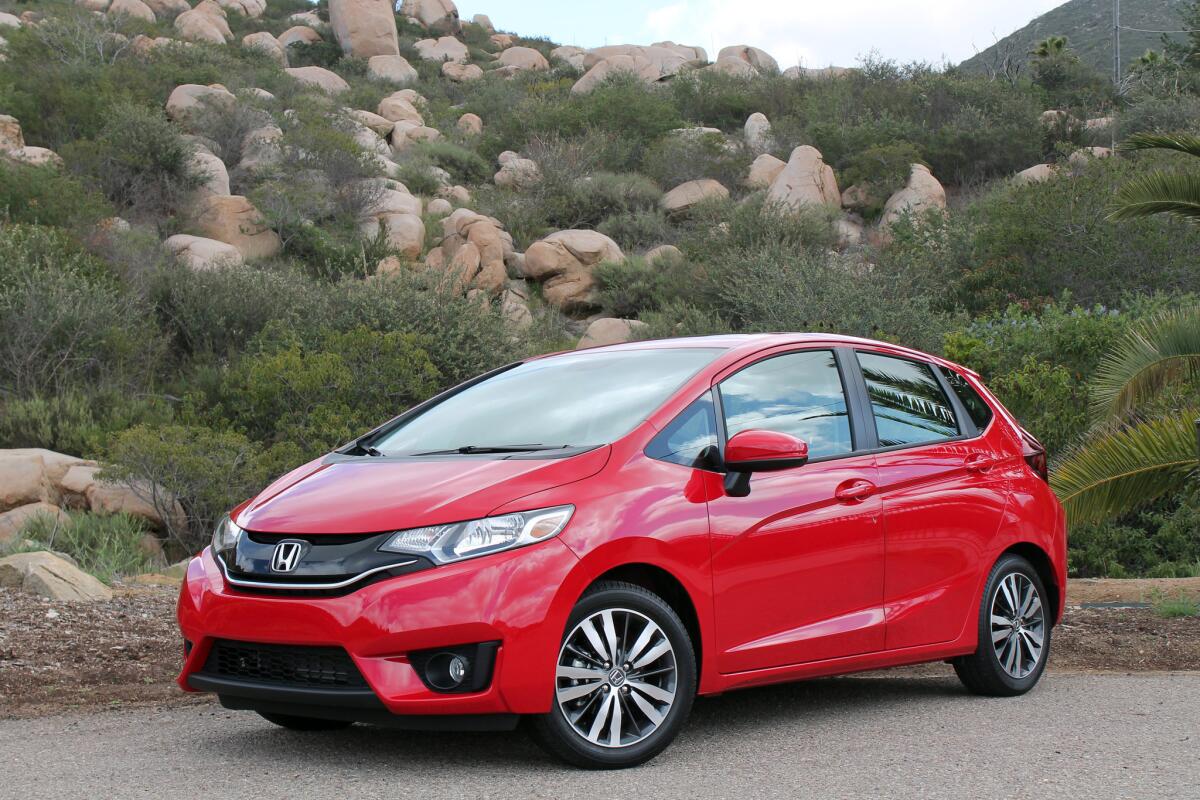
The Honda Fit is one of the most practical and cleverly designed small cars ever sold in the United States, especially in the 2009 to 2013 generation. Despite its compact exterior size, the Fit offers surprisingly large interior space due to Honda’s innovative interior design approach, including the well known Magic Seat system. This allows the rear seats to fold in multiple configurations, enabling the vehicle to carry unusually large or tall items for its size category.
Reliability is one of the strongest aspects of the Honda Fit. The 1.5 liter engine is simple, fuel efficient, and highly durable when maintained properly. Many Fits easily exceed 200,000 miles without major engine problems, which places it in the same reliability category as the Corolla and Civic. Maintenance costs are also very low, and the vehicle is generally inexpensive to service due to its straightforward mechanical design.
Fuel efficiency is another major advantage, with most models achieving between 30 and 36 miles per gallon depending on driving conditions. This makes the Fit especially attractive for city drivers, students, and individuals looking to minimize fuel expenses. Its small size also makes parking and maneuvering in tight urban environments extremely easy, which adds to its practicality.
While the Honda Fit is not designed for high performance or luxury, it excels in efficiency, reliability, and usability. It is one of the best examples of how a small car can still provide exceptional value and long term dependability in the used car market.
5 Used Cars That Are “Scam-Like”
1. BMW 7 Series
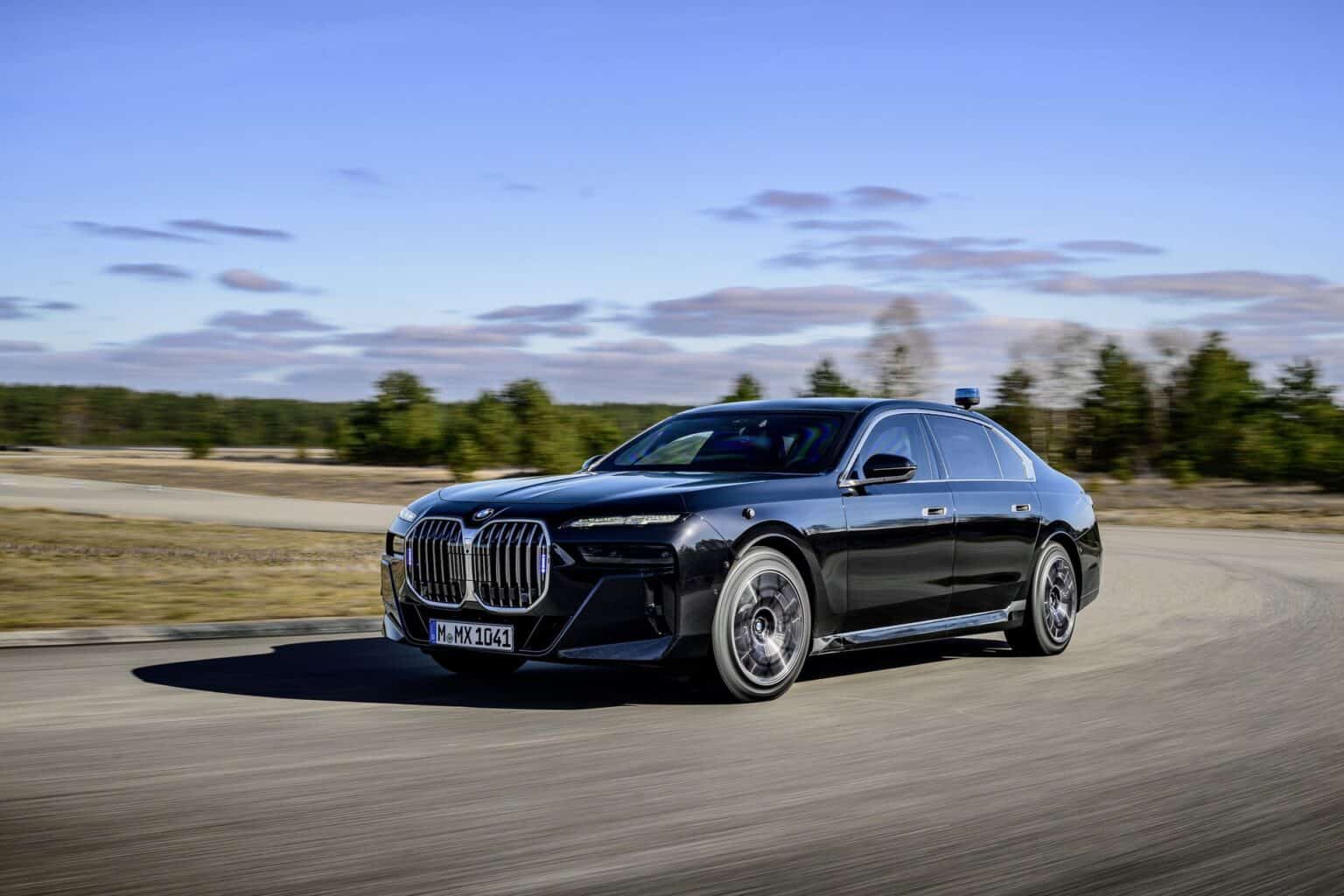
The BMW 7 Series from the 2002 to 2012 model years often appears extremely attractive in the used car market because of its dramatic depreciation. A luxury sedan that originally cost well over $70,000 to $90,000 can sometimes be found for under $10,000, which creates the illusion of an incredible bargain.
However, this is one of the most common financial traps in the used luxury car segment. The initial purchase price is low, but the cost of ownership is extremely high due to complex engineering, expensive parts, and specialized labor requirements.
One of the biggest issues with this generation of the 7 Series is its advanced electronic systems. These vehicles were loaded with cutting edge technology for their time, including adaptive suspension, electronic dashboards, and complex climate and comfort systems.
While impressive when new, these systems become expensive liabilities as the car ages. Even small electronic failures can cost hundreds or thousands of dollars to diagnose and repair, and multiple failures often occur at once in high mileage vehicles.
Another major concern is the air suspension system, which is designed to provide a smooth and luxury focused ride. Over time, components such as air struts and compressors tend to fail, and replacing them is extremely costly.
When these systems break down, the car can become uncomfortable or even unsafe to drive, and many owners choose to abandon repairs because the cost exceeds the value of the vehicle.
Engine and transmission maintenance on the 7 Series is also significantly more expensive than mainstream vehicles. These engines are powerful but complex, requiring specialized tools and expertise. Routine repairs that would be inexpensive on a Toyota or Honda can easily cost several times more on a BMW.
As a result, while the BMW 7 Series may look like a luxury bargain under $10,000, it often becomes a long term financial burden rather than a smart purchase.
2. Mercedes-Benz S-Class
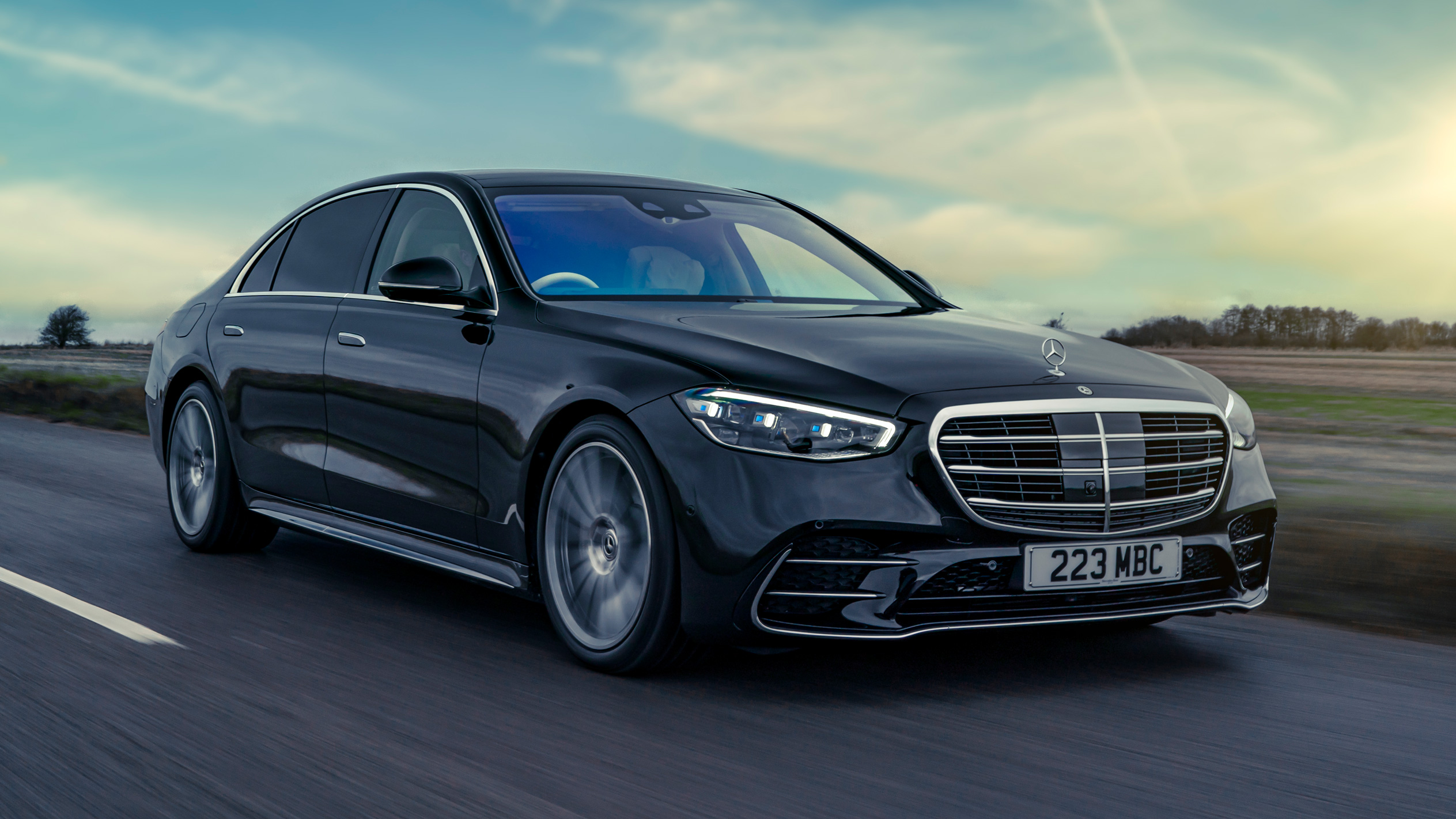
The Mercedes-Benz S-Class from the early 2000s to 2011 is another vehicle that frequently attracts budget buyers due to its extremely low resale price compared to its original luxury status.
Like the BMW 7 Series, it offers a high level of comfort, advanced features, and prestige, but the long term ownership costs make it a risky choice for most used car buyers. Many of these vehicles are sold cheaply not because they are simple or efficient, but because they have already reached a stage where maintenance becomes unpredictable and expensive.
One of the main problems with this generation of S-Class vehicles is the complexity of their systems. These cars were engineered with a strong focus on luxury and innovation, including advanced suspension systems, electronic control modules, and high end interior electronics.
While these features create a premium driving experience, they also introduce multiple points of failure as the vehicle ages. Electrical issues are particularly common, ranging from malfunctioning sensors to complete system failures that can affect drivability.
Another major issue is the air suspension system, which is designed to deliver a smooth and stable ride. Over time, components such as air struts and compressors wear out and require expensive replacement. When these systems fail, the car may sit unevenly or become difficult to drive, and repair costs often exceed the resale value of the vehicle. This leads many owners to either delay repairs or sell the car at a loss.
Transmission and engine repairs are also significantly more expensive compared to mainstream vehicles. Even basic maintenance tasks can cost much more due to specialized parts and labor requirements. While the S-Class remains one of the most comfortable and prestigious sedans ever made, its long term ownership costs make it a financially risky option in the used car market, especially under $10,000.
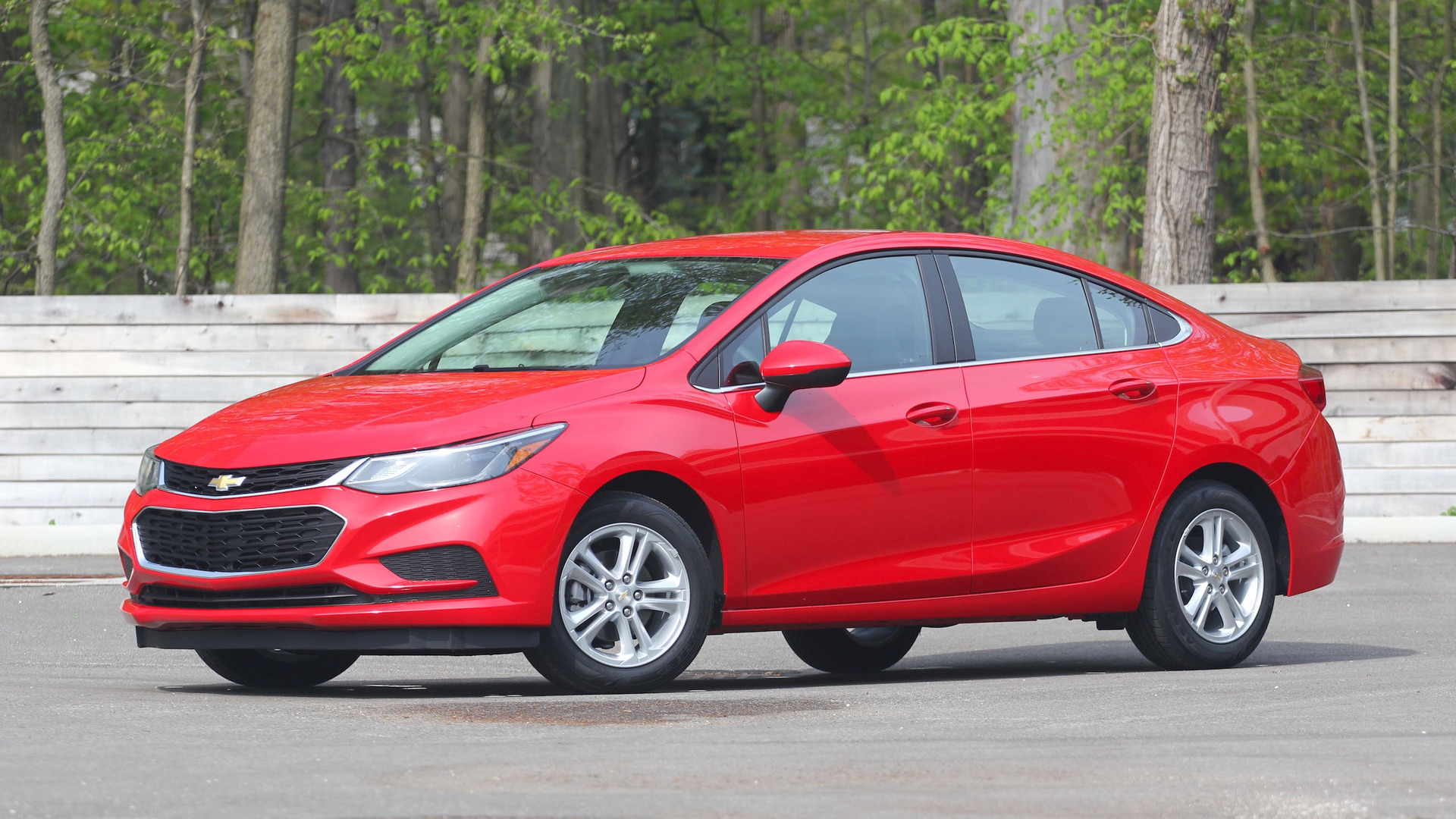
3. Chevrolet Cruze
The Chevrolet Cruze from the 2011 to 2016 model years is often marketed as an affordable and fuel efficient compact sedan, which makes it appear like a smart purchase in the used car market.
However, several model years in this range have developed a reputation for mechanical issues that can make ownership more expensive than expected. While not every Cruze will experience major problems, the risk of costly repairs is significantly higher compared to more reliable competitors like the Toyota Corolla or Honda Civic.
One of the most commonly reported issues involves the engine cooling system. Many Cruze models are known for coolant leaks and thermostat housing failures, which can lead to overheating if not addressed quickly.
Overheating can cause severe engine damage, turning what appears to be a minor repair into a very expensive problem. This makes regular maintenance and inspections extremely important, but even with proper care, failures can still occur.
Turbocharged engine variants also introduce additional complexity. While the turbo engine provides better performance and fuel efficiency, it also adds more components that can fail over time.
Turbocharger issues, oil leaks, and intake problems are not uncommon in higher mileage vehicles. These repairs are more expensive than those found in naturally aspirated engines used by many Japanese competitors.
Transmission performance is another concern in some Cruze models, with reports of rough shifting and premature wear in certain automatic versions. Combined with electrical sensor issues that can trigger warning lights and system errors, the Cruze can become unpredictable as it ages. While it may still be an affordable entry point into car ownership, long term reliability is less consistent than many other vehicles in the same price category.
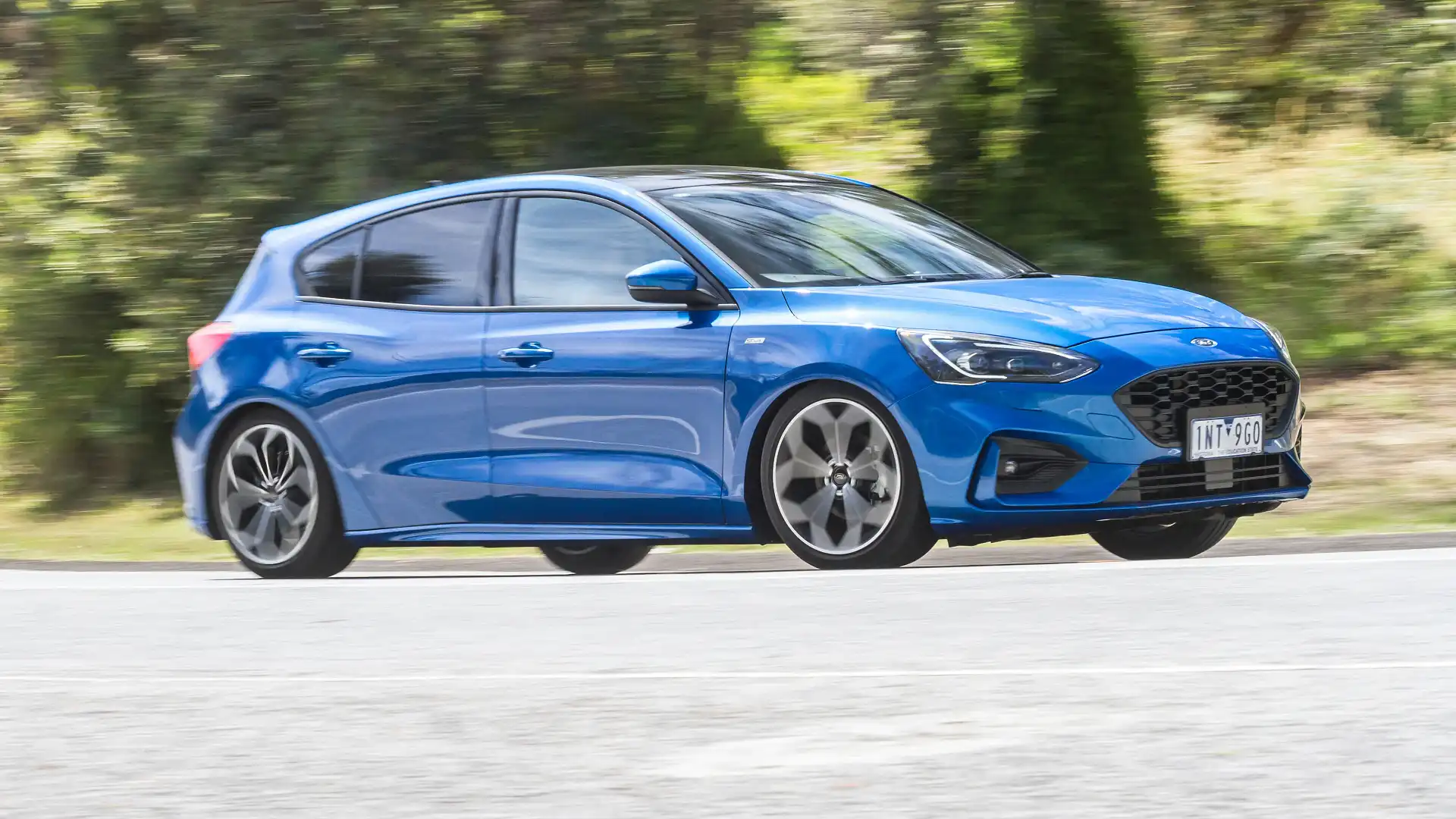
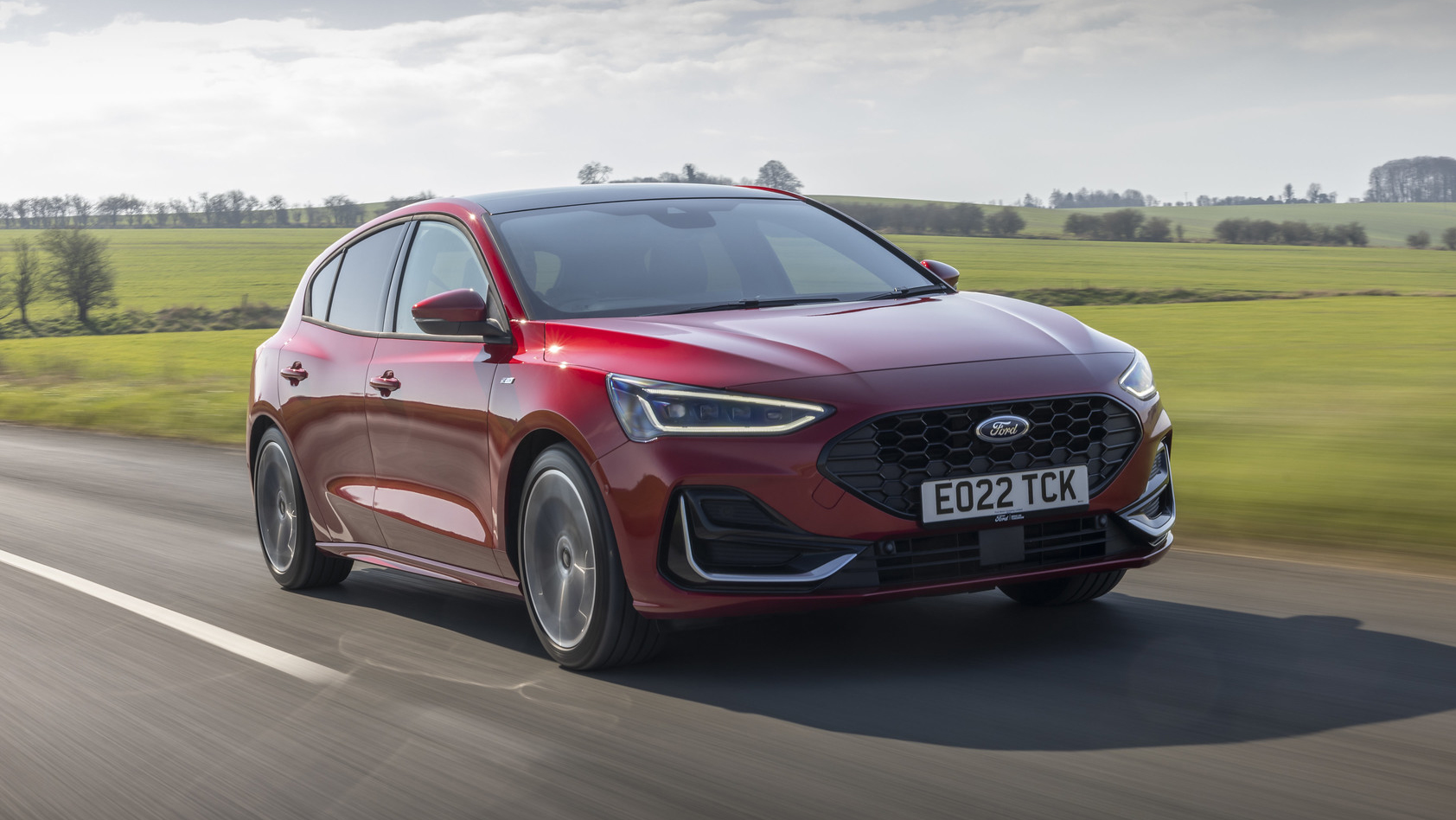
4. Ford Focus
The Ford Focus from the 2012 to 2016 period is widely known in the used car market for its problematic automatic transmission system, particularly the dual clutch PowerShift transmission.
While the Focus itself is a well designed compact car with good handling and fuel efficiency, the transmission issue significantly affects its long term reliability and makes certain versions a risky purchase for budget buyers.
The main problem lies in the design of the dual clutch automatic transmission, which was intended to improve fuel economy and provide a more engaging driving experience.
However, in real world use, many drivers experienced issues such as jerky shifting, hesitation during acceleration, and inconsistent power delivery. These symptoms often appear relatively early in the vehicle’s life and tend to worsen over time if not addressed.
In many cases, repairs to the transmission system are expensive and may not fully resolve the underlying issues. Some owners report multiple repair attempts without long term success, which reduces confidence in the vehicle’s reliability. Because transmission replacement or major repair can cost thousands of dollars, it often exceeds the value of the car itself in the used market.
It is important to note that manual transmission versions of the Ford Focus are generally more reliable and do not suffer from the same widespread issues. However, automatic models dominate the used car market, which increases the risk for average buyers who may not be aware of the difference.
As a result, the automatic Ford Focus from this generation is often considered a high risk purchase despite its attractive pricing and good fuel economy.
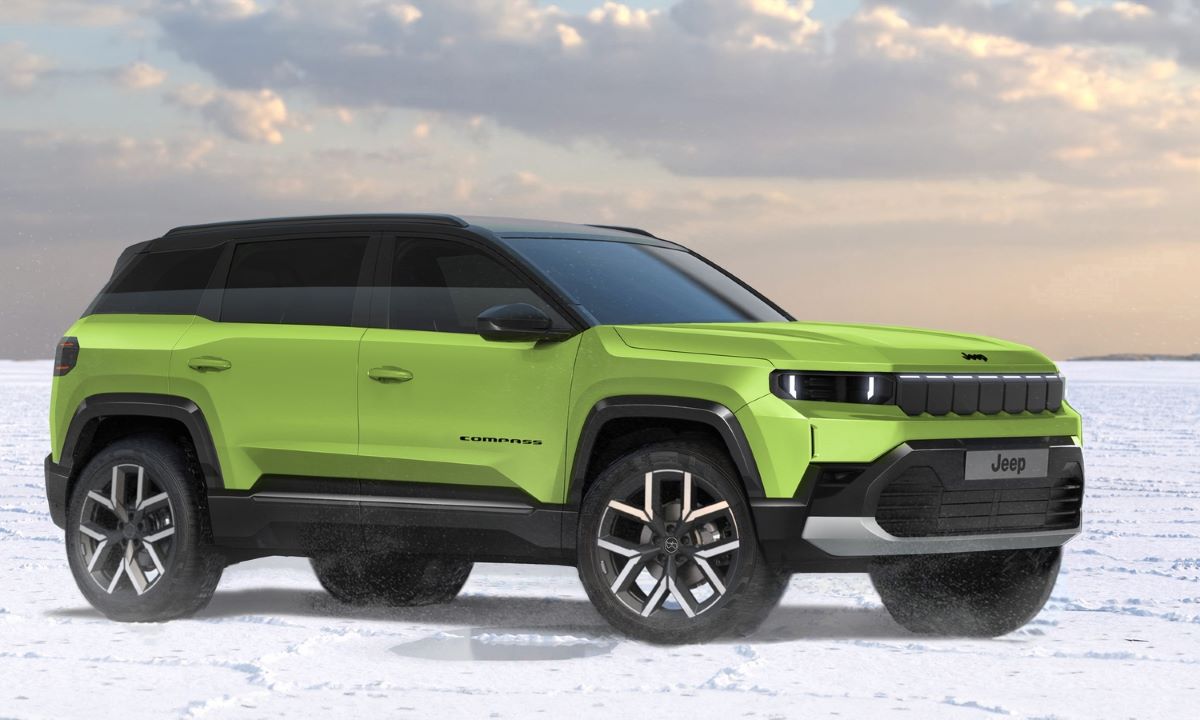
5. Jeep Compass
The Jeep Compass from the 2007 to 2015 model years is another vehicle that frequently appears as an affordable SUV option in the used car market, especially under $10,000.
Its rugged branding and SUV appearance often attract buyers who want a budget friendly entry into the SUV segment. However, this model has consistently received below average reliability ratings, making it a risky long term investment compared to competitors in the same category.
One of the main concerns with the Jeep Compass is its powertrain performance. Many owners report issues with transmission reliability, including rough shifting and premature wear. These problems can lead to expensive repairs, especially as mileage increases. In some cases, transmission failure occurs earlier than expected, which significantly increases ownership costs.
The engine performance is generally adequate but not particularly strong or efficient compared to rivals. Over time, some models develop oil consumption issues and other mechanical concerns that require ongoing attention. While not always catastrophic, these issues can increase maintenance frequency and cost.
Electrical system reliability is another weak point in this model. Owners have reported sensor failures, dashboard warning lights, and intermittent electronic issues that can be difficult to diagnose. These problems can create frustration for owners and often require repeated visits to repair shops.
When compared to more reliable compact SUVs from brands like Toyota or Honda, the Jeep Compass tends to fall short in long term durability. While it may seem like a budget friendly SUV option, the potential for higher repair costs and inconsistent reliability makes it a cautious purchase for anyone trying to stay within a strict budget.
