
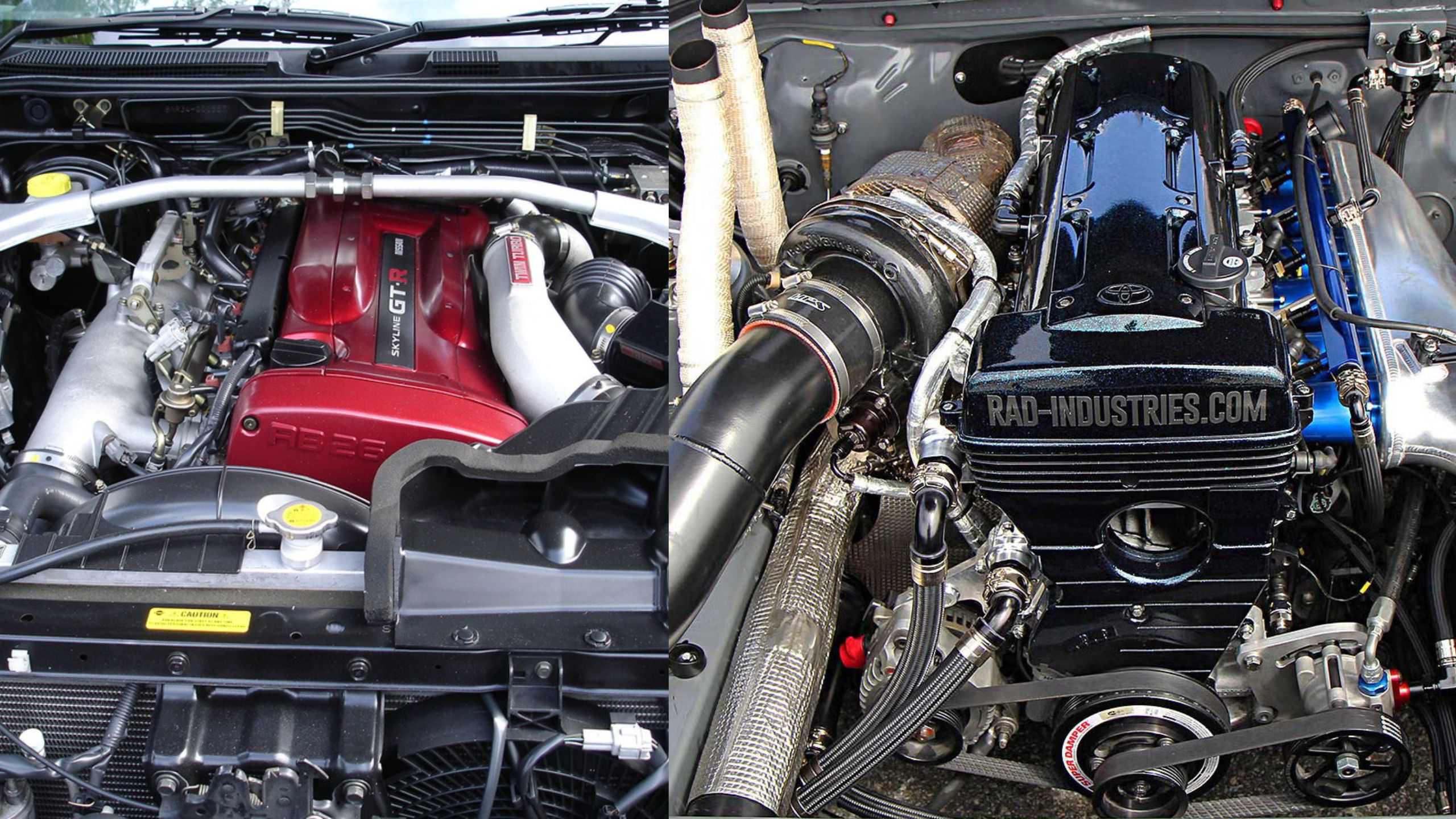
Japan has always been the heartbeat of performance engineering. The country that gave us bullet trains also gave us some of the most legendary engines ever built. From the mountain passes of Hakone to the circuits of Suzuka, Japanese engineers have consistently pushed boundaries. They built motors that defied displacement logic and rewrote the rulebook on what a small engine could achieve.
What makes Japanese engines truly special is their tunability. These motors were not just designed to run they were designed to be pushed, modified, and transformed. Builders around the world discovered this secret decades ago. They began pulling these engines from their original homes and dropping them into everything imaginable.
A Toyota 2JZ found its way into BMWs and Mustangs. A Honda K-Series breathed life into old muscle cars. A Nissan RB26 sat inside a Mazda Miata chassis. The engine swap culture exploded globally. Workshops from California to Poland began treating Japanese engines like universal building blocks.
This list celebrates ten Japanese engines that tuners cannot stop swapping into everything else. Each one carries a legacy of reliability, power potential, and aftermarket support that is almost unmatched. These are the engines that built a culture and continue to fuel it today.
1. Toyota 2JZ-GTE
The Toyota 2JZ-GTE is the most famous engine swap candidate in automotive history. It came from the factory in the Supra MKIV producing around 320 horsepower. But that number was just the beginning of its story.
The engine was built with thick cast-iron block walls. Those walls could handle enormous cylinder pressure without cracking or warping. Tuners discovered this almost immediately after the Supra launched in 1993.
With a simple turbo upgrade and basic supporting mods, 500 horsepower became achievable. With a built bottom end and proper fueling, 1,000 horsepower was realistic. The 2JZ became the benchmark against which all other inline-six engines were measured.
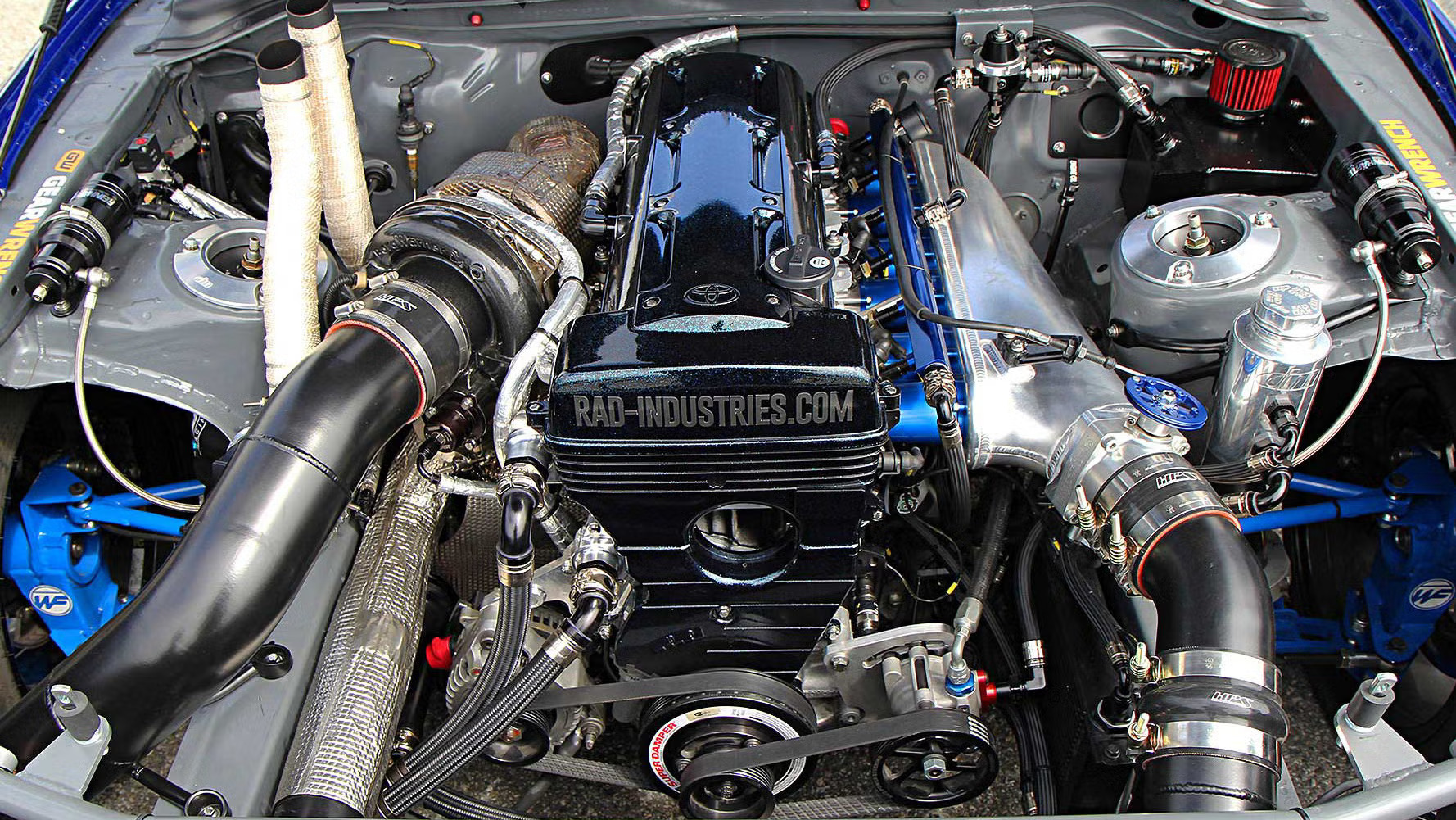
The reason it swaps into everything is its compact inline-six layout. It fits surprisingly well into engine bays not originally designed for it. Fabricators found creative ways to mount it in RX-7s, S-Chassis Nissans, and even old American muscle cars.
BMW E30s with 2JZ swaps became a cult phenomenon in the drift world. The combination of classic German chassis dynamics and Japanese engine reliability proved irresistible. Builders worldwide began chasing that same formula.
The aftermarket support for the 2JZ is staggering. Companies across Japan, the USA, Australia, and Europe manufacture parts specifically for this engine. You can build a 2JZ to almost any power level with off-the-shelf components.
Even the transmission options are plentiful. The Getrag V160 six-speed that came with the Supra is strong, but many builders opt for the Tremec T56 or a sequential gearbox. The engine adapts to almost any drivetrain configuration with the right adapter plate.
Fuel systems, cooling solutions, engine management options everything exists for the 2JZ. It has been in active development for over thirty years. No other engine enjoys quite this level of continuous aftermarket investment.
Drift cars, time attack builds, street monsters, and drag machines all run 2JZ power. The engine does not discriminate between applications. It simply makes power and keeps making it.
Toyota discontinued the 2JZ in 2002, but the tuning world refused to let it die. Used engines are imported from Japan in huge numbers every year. The supply chain that keeps 2JZs flowing around the world is a remarkable thing to witness.
New cylinder heads, billet cranks, and upgraded internals continue to be developed. Engineers are still finding new ways to extract more from this twenty-year-old architecture. The 2JZ is not just an engine it is an ongoing obsession.
2. Honda K-Series
The Honda K-Series arrived in 2001 and immediately changed how people thought about four-cylinder engines. It replaced the legendary B-Series and had big shoes to fill. It filled them, and then some.
The K20 and K24 variants became the two most popular versions. The K20 was the high-revving, performance-focused choice. The K24 brought more displacement and torque to the table.
Honda built the K-Series with VTEC and i-VTEC variable valve timing. This technology allowed the engine to behave like two different motors depending on RPM. Below the VTEC crossover point, it was smooth and fuel-efficient. Above it, the engine transformed into a screaming performance unit.
Naturally aspirated K20s regularly rev past 8,500 RPM in built form. The sound of a K-Series at full song is one of the most exciting noises in motorsport. It is sharp, mechanical, and deeply satisfying.
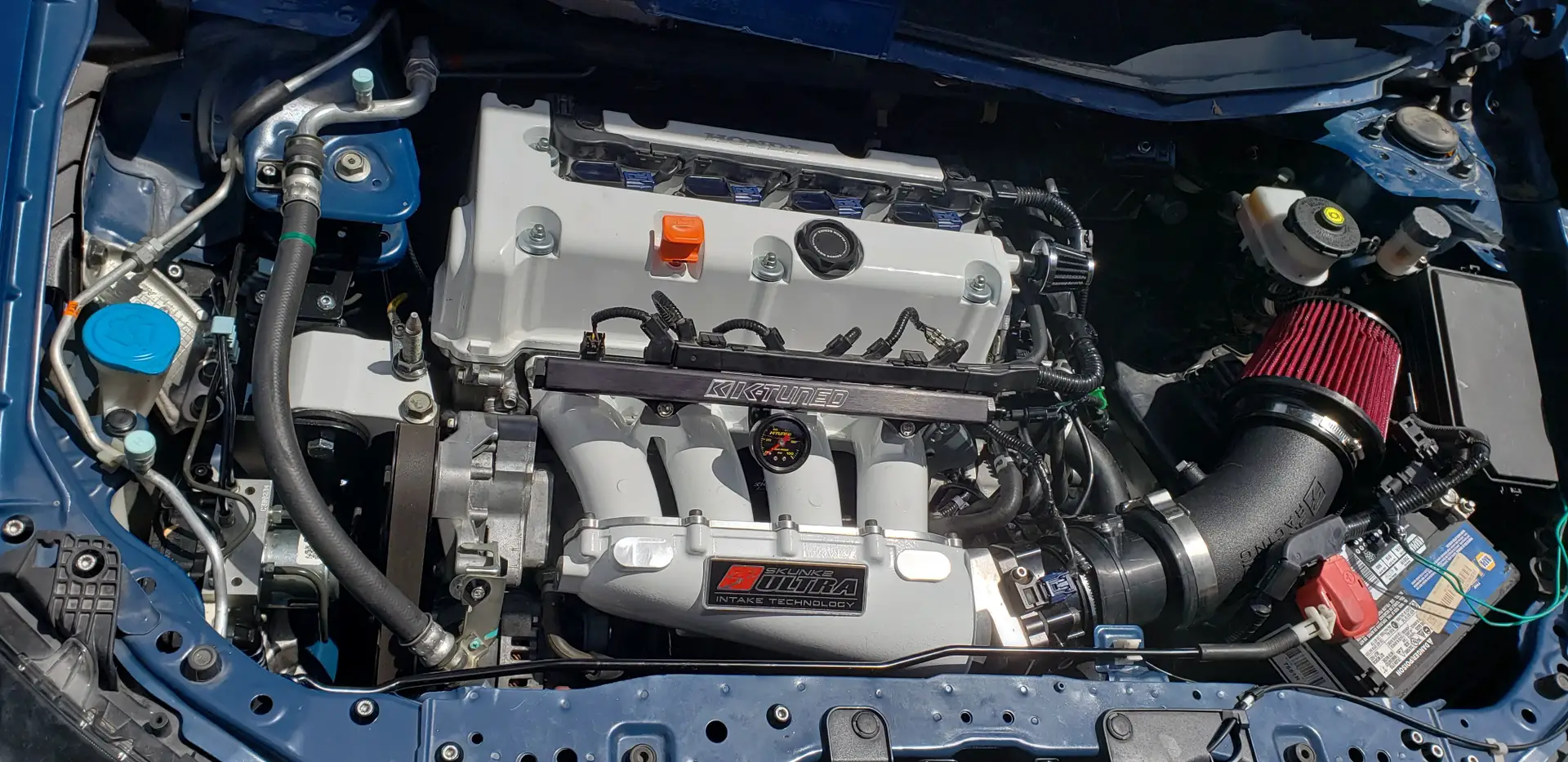
The engine became a favorite for chassis swaps almost immediately. Honda Civics, CRXs, and older Integras received K-Series transplants in huge numbers. The relatively light weight of the engine made it attractive for lightweight builds.
But the swap culture went far beyond Honda platforms. Builders began fitting K-Series engines into Mazda Miatas, Lotus Elises, and even classic Mini Coopers. The compact dimensions made it surprisingly versatile.
Turbocharged K-Series builds added another dimension entirely. A K20 with a proper turbo setup can produce 600 horsepower and remain relatively streetable. The engine handles boost well when properly supported.
Swap kits for the K-Series are available for dozens of different chassis. Companies like Hasport, Innovative Mounts, and Tegiwa have made K-Series swaps accessible to home builders. The barrier to entry is remarkably low.
The bottom end of the K-Series is robust for its displacement. Stock connecting rods hold up well under moderate boost. Forged internals unlock serious power potential without exotic machining.
Honda continued developing the K-Series architecture for many years. This means there are multiple generations of the engine available. Builders can mix and match components between generations for optimal results.
The K-Series represents the democratization of performance engine swapping. It is affordable, available, and extraordinarily well-supported. It turned an entire generation of builders into engine swap enthusiasts.
3. Nissan RB26DETT
The RB26DETT was born to race. Nissan developed it specifically to homologate the R32 GT-R for Group A touring car competition. The road car version was simply a side effect of that motorsport mission.
Six individual throttle bodies fed the two parallel turbochargers. The engine breathed with a mechanical precision that was unlike anything else on the market. At factory spec, Nissan rated it at 276 horsepower due to a gentleman’s agreement among Japanese manufacturers. Everyone knew the real number was much higher.
The actual output was closer to 330 horsepower from the factory. With boost turned up and basic supporting modifications, 500 horsepower came easily. The RB26 had the same deep-breathing capability as the 2JZ but with a different character.
Where the 2JZ felt like a freight train building speed, the RB26 felt like a revving motorcycle engine. It was more aggressive, more vocal, and more demanding. Builders who chose the RB26 usually loved that character deeply.
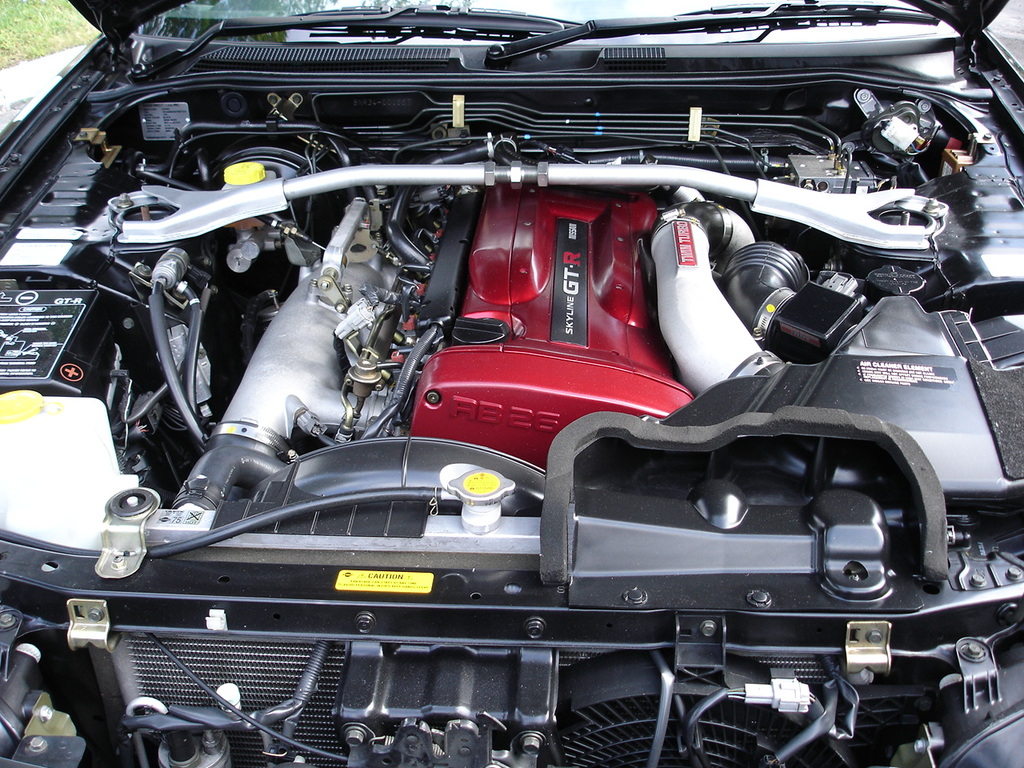
The engine found homes in S13 and S14 Nissan Silvia chassis regularly. Dropping an RB26 into a lighter Silvia created a devastating drift or track weapon. The power-to-weight ratio became extraordinary.
Toyota AE86 builds with RB26 power became legendary in Japanese car culture. Fitting a straight-six into a car designed for a four-cylinder required serious fabrication skill. Those builds became respected as genuine works of mechanical art.
Mazda RX-7 FD chassis also received RB26 transplants. The RX-7 was already a brilliant handling platform. Adding RB26 power transformed it into something truly fearsome on a circuit.
The RB26 block responds very well to forged internals. A properly built bottom end can support 800 to 1,000 horsepower with appropriate supporting hardware. The cylinder head flows exceptionally well when ported and polished.
Aftermarket camshafts, upgraded turbos, and standalone engine management systems are all readily available. The Japanese domestic market generated enormous amounts of tuning knowledge for this engine. That knowledge is now shared globally through online communities.
Sourcing RB26 engines requires importing from Japan in most countries. The supply has not dried up, but prices have risen significantly over the past decade. Building and maintaining an RB26 swap requires financial commitment.
That commitment is rewarded with an engine that sounds and feels unlike any other. The RB26 has a personality that inspires loyalty. Once you have driven a car powered by one, the obsession becomes very understandable.
4. Mazda 13B Rotary
The Mazda 13B rotary engine operates on completely different principles from every other engine on this list. It has no pistons, no connecting rods, and no conventional valvetrain. Two triangular rotors spin eccentrically inside oval housings to generate power.
This design produces an extraordinarily high power-to-weight ratio. A turbocharged 13B produces serious power from an engine that weighs significantly less than a comparable piston unit. The packaging is compact and low, which helps with weight distribution.
The 13B-REW from the FD RX-7 was the most refined version. It used a sequential twin-turbo system and produced 255 horsepower in factory form. With modifications, that number climbs dramatically and quickly.
The engine sounds like nothing else on earth. A high-revving rotary produces a mechanical howl that is simultaneously alien and addictive. Cars equipped with 13B swaps attract attention wherever they go.
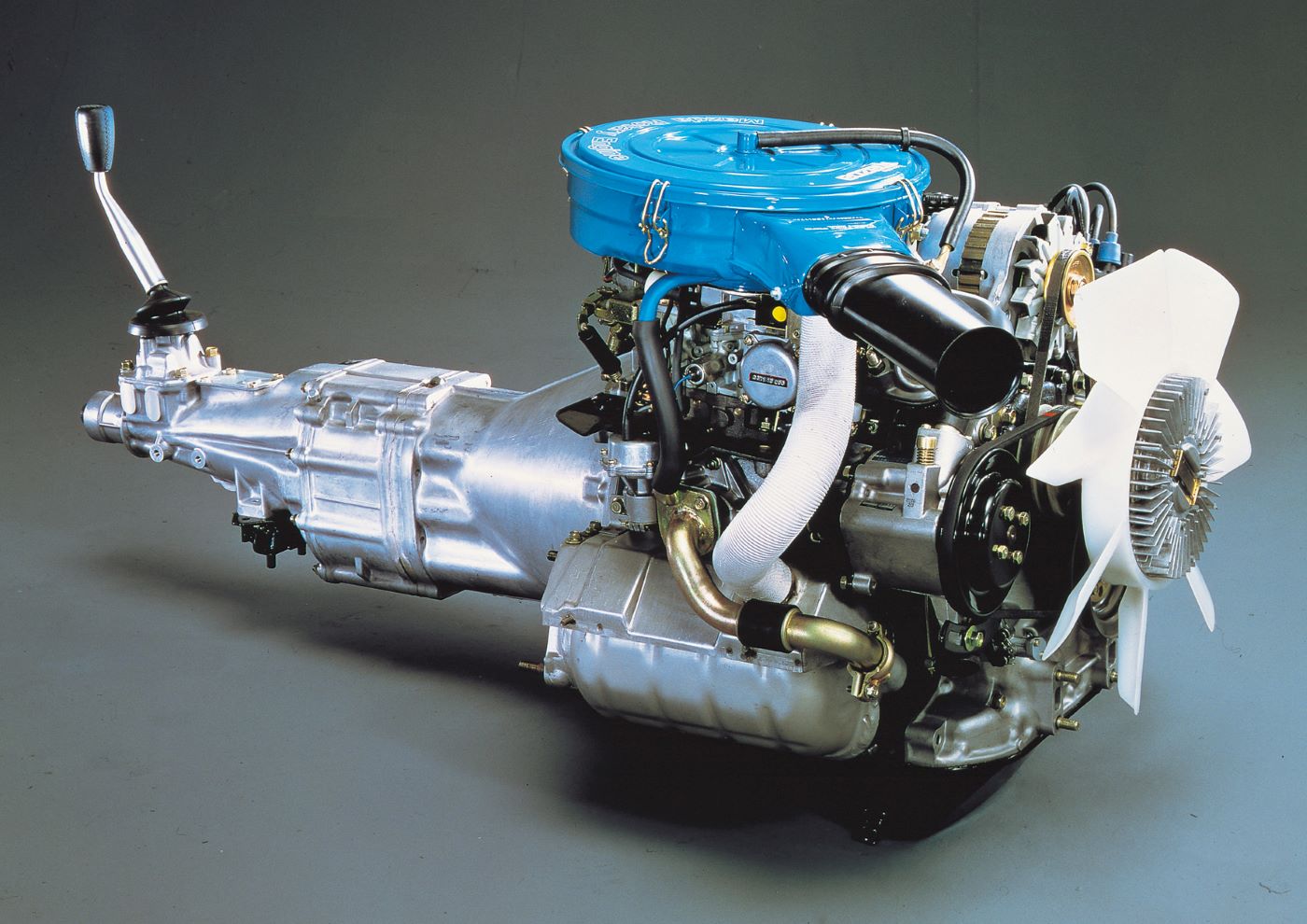
Builders began swapping 13B engines into unexpected platforms. Miatas, small European hatchbacks, and even motorcycles received rotary transplants. The light weight made it ideal for minimalist performance builds.
The main challenge with rotary swaps is managing the engine’s unique requirements. Apex seals wear faster than piston rings, especially under sustained high loads. Oil consumption is part of normal operation and must be managed carefully.
Cooling systems for 13B swaps require careful engineering. The engine generates significant heat from its combustion chambers. Proper oil cooling is just as critical as water cooling in a rotary application.
Despite these challenges, the rotary community continues to grow. Builders accept the maintenance demands as part of the rotary lifestyle. The unique driving experience justifies the additional complexity in their minds.
Peripheral port and bridge port modifications unlock extraordinary naturally aspirated performance. A fully ported 13B can rev past 9,000 RPM. The sound at those RPMs is something that stays with you permanently.
Fuel injection conversions and modern engine management systems have made 13B swaps more reliable than ever. Pioneers who documented their builds online have created a knowledge base for newcomers. The rotary swap community is passionate, generous, and deeply knowledgeable.
Also Read: 10 Subaru Engines From the Head-Gasket-Fixed Era
5. Toyota 1JZ-GTE
The 1JZ-GTE often lives in the shadow of its larger sibling, the 2JZ. This is deeply unfair to an engine that is genuinely exceptional. The 2.5-liter inline-six deserves far more credit than it typically receives.
Toyota built the 1JZ with twin turbochargers feeding the same strong inline-six architecture as the 2JZ. The slightly smaller displacement meant slightly less torque, but also a more compact and lighter package. For many applications, this tradeoff works perfectly.
In stock form, the 1JZ produced around 280 horsepower. Like most Japanese engines of its era, this was a conservative figure. Real-world output was measurably higher than the factory claimed.
Single turbo conversions transformed the 1JZ into a seriously capable performance engine. A single large turbocharger, upgraded fuel system, and supporting modifications easily produced 400 to 500 horsepower. The engine handled this power increase with composure.
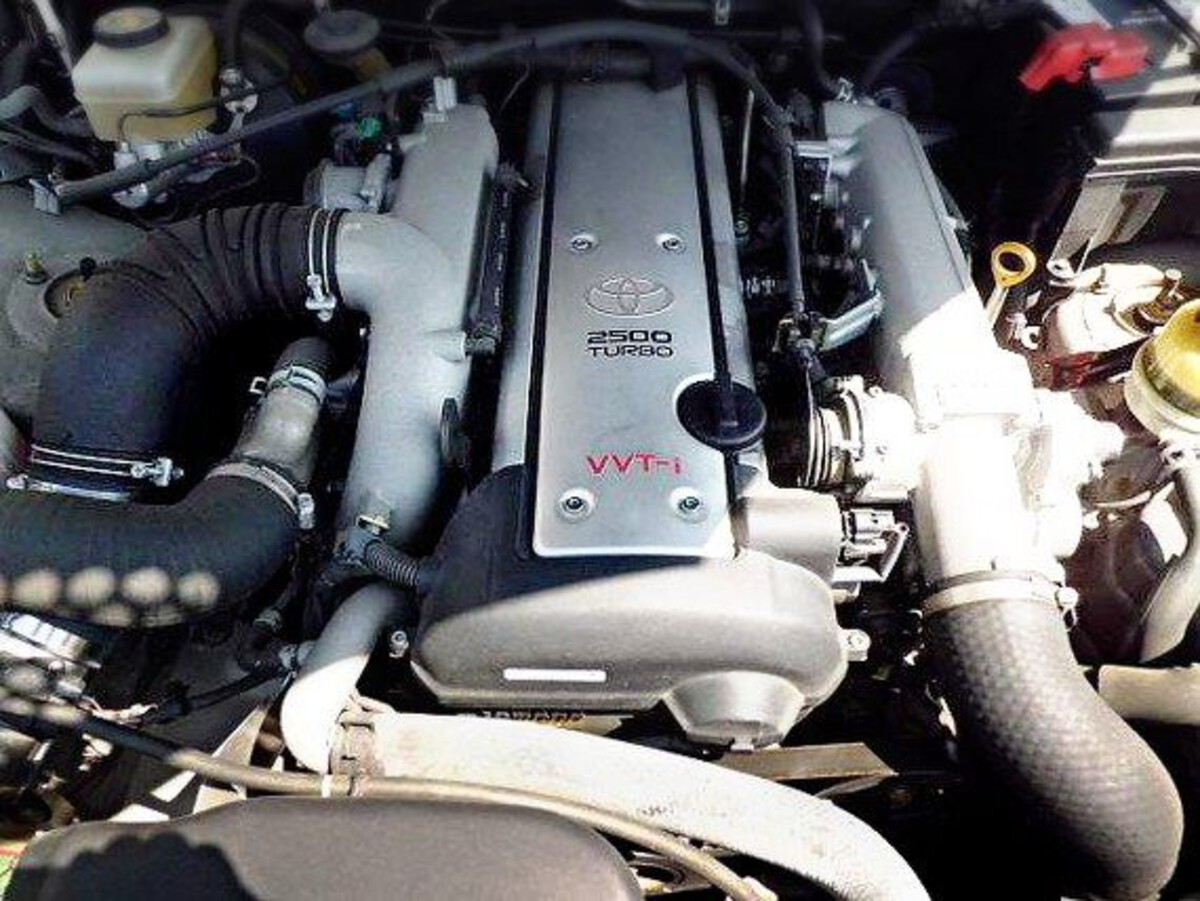
The 1JZ became enormously popular in the drift scene. Its lighter weight compared to the 2JZ made it preferred for cars where balance was a priority. Australian, Japanese, and European drift builders embraced it enthusiastically.
BMW E-body chassis received 1JZ swaps in significant numbers. The combination produced a well-balanced rear-wheel-drive machine that was competitive and relatively affordable to build. Workshop bills for 1JZ-powered BMWs were lower than equivalent 2JZ builds.
S-Chassis Nissans fitted with 1JZ engines became a common sight at drift events. The engine fit well in the engine bay and provided excellent power delivery characteristics. Drivers appreciated the smooth, progressive power curve.
The 1JZ shares many components with the 2JZ. This cross-compatibility gives builders access to some of the most extensive parts networks in the tuning world. Finding upgraded parts is rarely a challenge.
Fuel economy during normal driving remains reasonable for an inline-six. This makes 1JZ-swapped cars more liveable as daily driven vehicles. The engine does not demand constant attention when driven normally.
The 1JZ-GTE represents one of the best value propositions in engine swap culture. It is cheaper to source than a 2JZ, easier to install in many applications, and still capable of serious performance. Builders who choose the 1JZ rarely regret the decision.
6. Honda B-Series
Before the K-Series arrived, the B-Series was the undisputed king of Honda performance. Engines like the B16A, B18C, and B18C Type R defined an entire era of front-wheel-drive performance. They remain deeply respected today.
The B-Series debuted in the late 1980s and evolved progressively through the 1990s. Each new variant brought improvements in power, refinement, and capability. The B18C5 in the Integra Type R produced 195 horsepower from 1.8 liters an extraordinary achievement for a naturally aspirated engine.
Honda’s VTEC system performed at its absolute best in B-Series applications. The transition between low-cam and high-cam profiles was dramatic and exciting. Drivers who experienced it for the first time described it as the engine coming alive.
The B-Series was lighter and smaller than most competitors of similar power output. This made it attractive for builders working with lightweight chassis. Every kilogram saved in the engine bay improved handling balance.
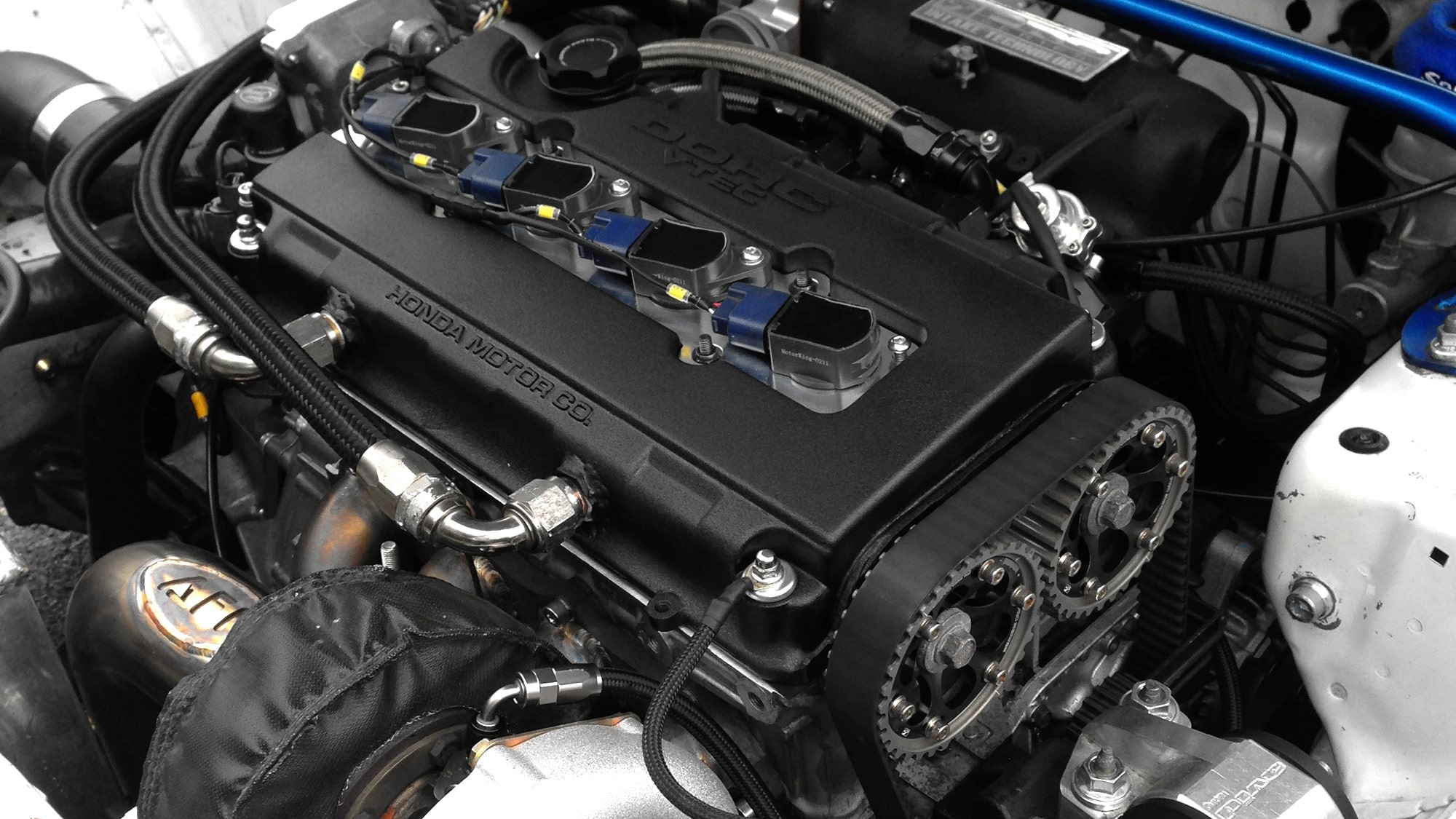
Civic, CRX, and Del Sol platforms received B-Series swaps in enormous numbers. The Honda community developed an entire ecosystem of swap components. Mounts, axles, shifter linkages, and ECU solutions were all commercially available.
The swap culture extended beyond Honda platforms quickly. Caterham Seven builds with B-Series power became popular in the UK. The combination of extreme lightness and high-revving power proved devastatingly effective on circuit.
Turbocharged B-Series engines developed a strong following. The inherently strong bottom end handled boost well up to moderate levels. Beyond that, forged internals unlocked serious power from the small displacement.
The B18C engine in particular became a favorite for endurance racing. Its reliability under sustained high loads made it a natural choice for long-distance competition. Honda’s engineering reputation was thoroughly justified by B-Series race results.
The sound of a naturally aspirated B-Series at 8,000 RPM is one of the great automotive experiences. It is precise, mechanical, and utterly purposeful. No modern turbocharged engine quite captures the same immediacy.
The B-Series defined what a performance four-cylinder could be during the 1990s. Its influence on car culture, motorsport, and the swap scene cannot be overstated. Every Honda enthusiast owes a debt of gratitude to this extraordinary engine family.
7. Subaru EJ20/EJ257
The Subaru EJ-Series engine sound is one of the most recognizable in motorsport. That distinctive flat-four burble announces its presence before the car comes into view. It is the sound of rallying, of World Rally Championship glory, and of Colin McRae on a gravel stage.
The EJ20 and EJ257 are horizontally opposed four-cylinder engines. The boxer layout places the cylinders flat and opposed, which lowers the center of gravity significantly. This has measurable benefits for handling and chassis dynamics.
Subaru developed these engines through decades of rally competition. The demands of World Rally Championship racing forced continuous improvement in reliability and performance. Production road car versions benefited directly from that racing development.
The EJ257 in the STI produced 305 horsepower from the factory in later US market form. The engine responded very well to modifications. An upgraded turbocharger, intercooler, and engine management tune could push output past 400 horsepower on the stock block.
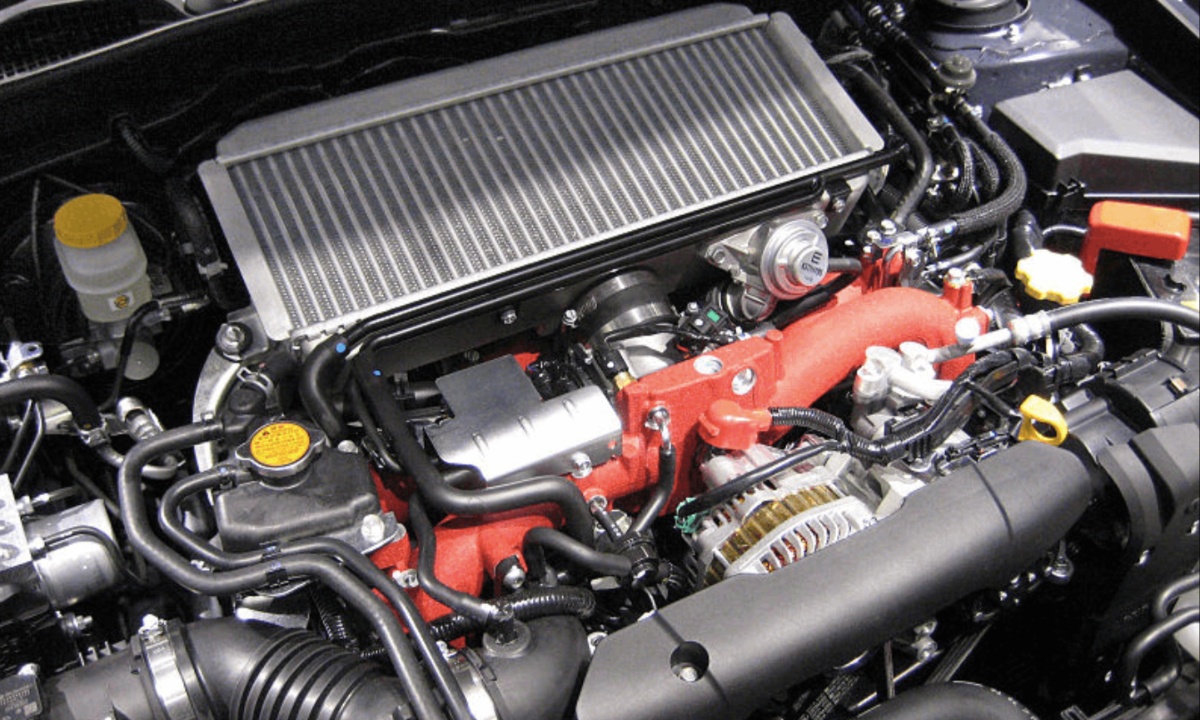
Built EJ257 engines with forged internals and large single turbocharger setups regularly produced 500 to 600 horsepower. The boxer layout handled this power with the same composure it showed in rally conditions. These engines were genuinely tough.
Kit car builders discovered the EJ-Series for its dimensions and power density. Locost Seven-style builds, Westfield kits, and bespoke single-seat racing cars received EJ transplants. The all-wheel-drive potential also opened doors for unusual applications.
Porsche 911 and 914 owners occasionally fitted EJ-Series engines. The boxer layout was philosophically compatible with Porsche’s engine placement tradition. These swaps were controversial but technically interesting.
The EJ-Series had known weaknesses that builders needed to address. Head gaskets on the EJ20 and EJ257 were a well-documented failure point. Proper cooling system maintenance and head stud upgrades addressed this vulnerability effectively.
Aftermarket support for EJ-Series engines is comprehensive. Companies worldwide manufacture upgraded internals, heads, and supporting components. The global Subaru community generates continuous technical knowledge and development.
The legacy of the EJ-Series in rally competition gives it a romantic appeal that numbers alone cannot capture. Driving a well-built EJ-powered car on a twisty road connects you to that rally heritage in a tangible way. That emotional connection is a genuine part of its appeal.
8. Nissan SR20DET
The SR20DET powered the Nissan Silvia S13, S14, and S15 across various markets. It became the engine most closely associated with the origins of professional drift competition. Without the SR20DET, the global drift scene would look very different today.
The 2.0-liter turbocharged four-cylinder produced 205 horsepower in base S14 spec. That was competitive power for a relatively small and light car. The combination created naturally playful handling characteristics that drivers could exploit beautifully.
The SR20DET was engineered with a strong bottom end for its displacement. Stock internals handled moderate power upgrades without complaint. Tuners found this reliability extremely attractive for competition applications where rebuilds are expensive.
A basic bolt-on power upgrade better turbo, intercooler, and tune easily produced 280 to 300 horsepower. That was enough to make an S-Chassis genuinely competitive in amateur competition. The low cost of reaching that power level made the SR20DET enormously popular.
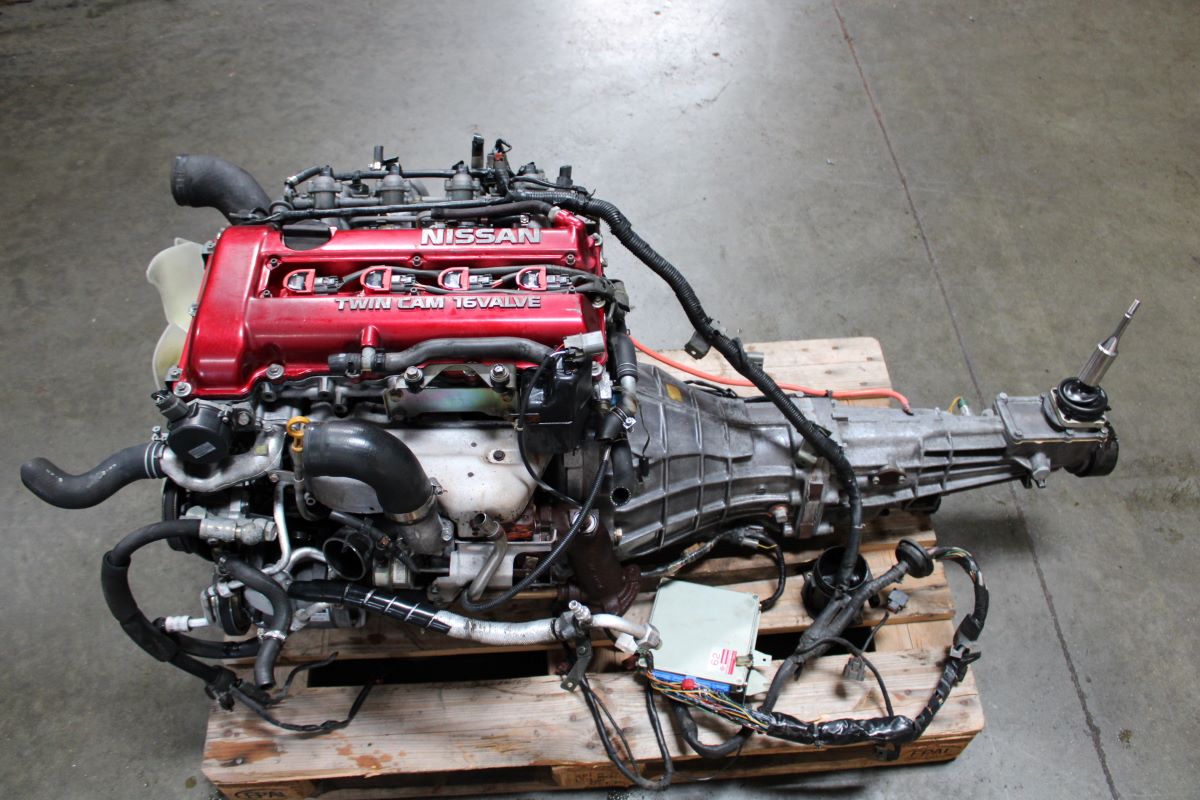
Swap culture embraced the SR20DET with great enthusiasm. AE86 chassis received SR20DET transplants, combining lightweight classic styling with modern turbocharged power. These builds became iconic in the Japanese domestic drift community.
European builders discovered the SR20DET after importing S-Chassis cars. BMW E30s, Volkswagen Golfs, and various European rear-wheel-drive platforms received SR20 swaps. The engine fitted well and the power delivery suited sideways driving styles perfectly.
High-power SR20DET builds with fully built engines and large single turbochargers produced 500 to 600 horsepower. At these levels, the engine required significant supporting work. But the platform was proven capable of handling serious power in the right hands.
The SR20DET had a more aggressive power delivery character than some competitors. Power arrived with a punch that rewarded smooth driving technique. Drivers who learned to work with this characteristic became noticeably better behind the wheel.
Parts availability for the SR20DET remains excellent globally. Japanese domestic market imports keep a steady supply of both complete engines and individual components available. Rebuilding and refreshing an SR20DET is accessible and relatively affordable.
The SR20DET carries a historical weight that makes it more than just an engine choice. Choosing one connects you to the roots of professional drifting. For enthusiasts who care about that history, the choice is deeply meaningful.
9. Toyota 4A-GE
The Toyota 4A-GE is proof that a small engine can have enormous character. The 1.6-liter four-cylinder was developed in collaboration with Yamaha. Yamaha’s involvement gave the engine a head design with breathing characteristics far beyond what Toyota could achieve independently.
The 4A-GE debuted in the AE86 Corolla in 1983 and remained in production through multiple variants until 1998. Each generation improved upon the last. The 20-valve Silvertop and Blacktop versions of the mid-1990s represented the peak of the architecture.
The 20-valve 4A-GE produced 165 horsepower from 1.6 liters in naturally aspirated form. It achieved this through high compression, aggressive camshaft profiles, and excellent cylinder head flow. It redlined at over 8,000 RPM and encouraged you to use every RPM.
The engine became inseparable from the AE86 Corolla’s legendary status. When MF Ghost and Initial D portrayed mountain racing culture, the 4A-GE was always at the center. An entire generation of enthusiasts learned to want this engine through those stories.

Swap applications were largely focused on lightweight platforms. Lotus Seven builds, open-wheel formula cars, and small sports cars received 4A-GE transplants. The light weight and natural aspiration made it perfect for tracks that rewarded driver skill over brute power.
Kart racing engines sometimes used 4A-GE components as the basis for extreme builds. The cylinder head flowed exceptionally well with mild porting work. Naturally aspirated competition builds extracted every possible horsepower from the architecture.
The 4A-GE responds beautifully to individual throttle body conversions. Four separate throttle bodies feeding each cylinder improved throttle response dramatically. The sound with ITBs installed was absolutely extraordinary at high RPM.
Turbocharging a 4A-GE was less common but produced interesting results. The engine’s high-revving nature and strong cylinder head made it respond well to carefully implemented forced induction. Low-pressure turbo setups maintained the engine’s character while adding usable power.
The 4A-GE community maintains a passionate devotion to this engine. Technical knowledge about every variant is extensively documented online. Building and maintaining a 4A-GE requires dedication but rewards that dedication generously.
The 4A-GE demonstrates something important about engine character. Raw horsepower numbers do not tell the whole story of what makes a driving experience memorable. Sometimes a 165-horsepower engine with perfect delivery and a glorious sound creates more joy than something twice as powerful.
10. Mitsubishi 4G63T
The Mitsubishi 4G63T powered the Lancer Evolution through its most legendary generations. From the Evolution I through to the Evolution IX, this turbocharged 2.0-liter four-cylinder wrote history in rally competition. The engine’s record speaks for itself.
Mitsubishi developed the 4G63 with competition very much in mind. The block was cast iron, which added weight but provided exceptional structural rigidity. That rigidity allowed the engine to handle enormous cylinder pressure without distortion.
Factory output for the later Evolution versions reached 286 horsepower, again limited by the Japanese manufacturer agreement. Real-world output exceeded that figure measurably. The engine had significant untapped potential even from the showroom floor.
Tuned 4G63T engines with upgraded turbochargers and supporting modifications produced 400 to 500 horsepower reliably. The cast-iron block’s strength was the foundation of this capability. Very few engines of similar displacement offered the same reliability at high power levels.

The 4G63T found its way into unexpected chassis with impressive regularity. Mitsubishi Eclipse and Galant platforms obviously benefited from the swap. But builders also fitted 4G63T engines into rear-wheel-drive chassis from entirely different manufacturers.
BMW E30 builds with 4G63T power became a respected segment of the tuning community. The engine’s torque characteristics suited the classic BMW chassis well. These builds were often more affordable than equivalent 2JZ or RB-powered projects.
Lightweight track builds using Caterham, Westfield, and similar platforms found the 4G63T attractive. The combination of power density and weight made power-to-weight ratios extremely favorable. Lap times on modest budgets became impressive.
The aftermarket for the 4G63T is well-developed and globally accessible. Companies in Japan, the USA, and Australia manufacture high-quality replacement and performance components. Rebuilding a tired 4G63T to better-than-new specification is entirely practical.
The engine’s association with rally heritage gives it emotional resonance. Tommi Mäkinen and Richard Burns won World Rally Championship titles with 4G63T power. Driving a well-built 4G63T-powered car connects you to that competitive legacy.
The 4G63T is perhaps the most underappreciated engine on this list. Its capabilities match those of more celebrated alternatives, but its profile in popular culture remains lower. Builders who discover the 4G63T often wonder why they waited so long to explore it.
Also Read: 9 Engines Still Running in Countries Where Parts Haven’t Been Made Since 1995
