
Driving to a remote mountain cabin in the United States is very different from daily city commuting. The terrain in regions like the Rockies, Appalachians, or Sierra Nevada demands a vehicle that can handle steep inclines, loose gravel, snow, mud, and unpredictable weather.
One of the most important mechanical factors in such conditions is torque, which is the rotational force that helps a vehicle move from a standstill and climb hills efficiently. High torque, especially at low engine speeds, allows vehicles to maintain traction and momentum on steep grades without excessive strain.
Mountain driving also places importance on drivetrain configuration. Vehicles equipped with all wheel drive or four wheel drive systems provide better grip on slippery or uneven surfaces, which is critical when navigating forest trails or unpaved cabin access roads.
Ground clearance is another major factor, as rocky paths and deep ruts can easily damage low riding vehicles. Suspension tuning, hill descent control, and transmission responsiveness also contribute to a vehicle’s ability to safely climb and descend steep terrain.
In contrast, vehicles with low torque outputs or poorly optimized power delivery often struggle in mountainous conditions. These cars may feel sluggish when accelerating uphill, require frequent gear changes, and can even become unsafe when they cannot maintain momentum on steep inclines.
Subcompact city cars, for example, are typically designed for fuel efficiency and affordability rather than performance under load, making them less suitable for rugged environments.
This article compares two distinct categories. The first includes five vehicles that are well suited for accessing mountain cabins in the United States, focusing on torque, drivetrain capability, and ruggedness.
The second group highlights five vehicles known for weak torque delivery or limited performance in demanding conditions. By examining both sides, it becomes easier to understand what makes a car capable or incapable in mountainous terrain.
The goal is not just to list vehicles but to explain why they perform the way they do. Understanding torque, drivetrain systems, and vehicle design will help you make better decisions if you plan to explore remote mountain areas or invest in a vehicle for off grid living.
5 Cars for Mountain Cabin Access in the USA
Subaru Outback
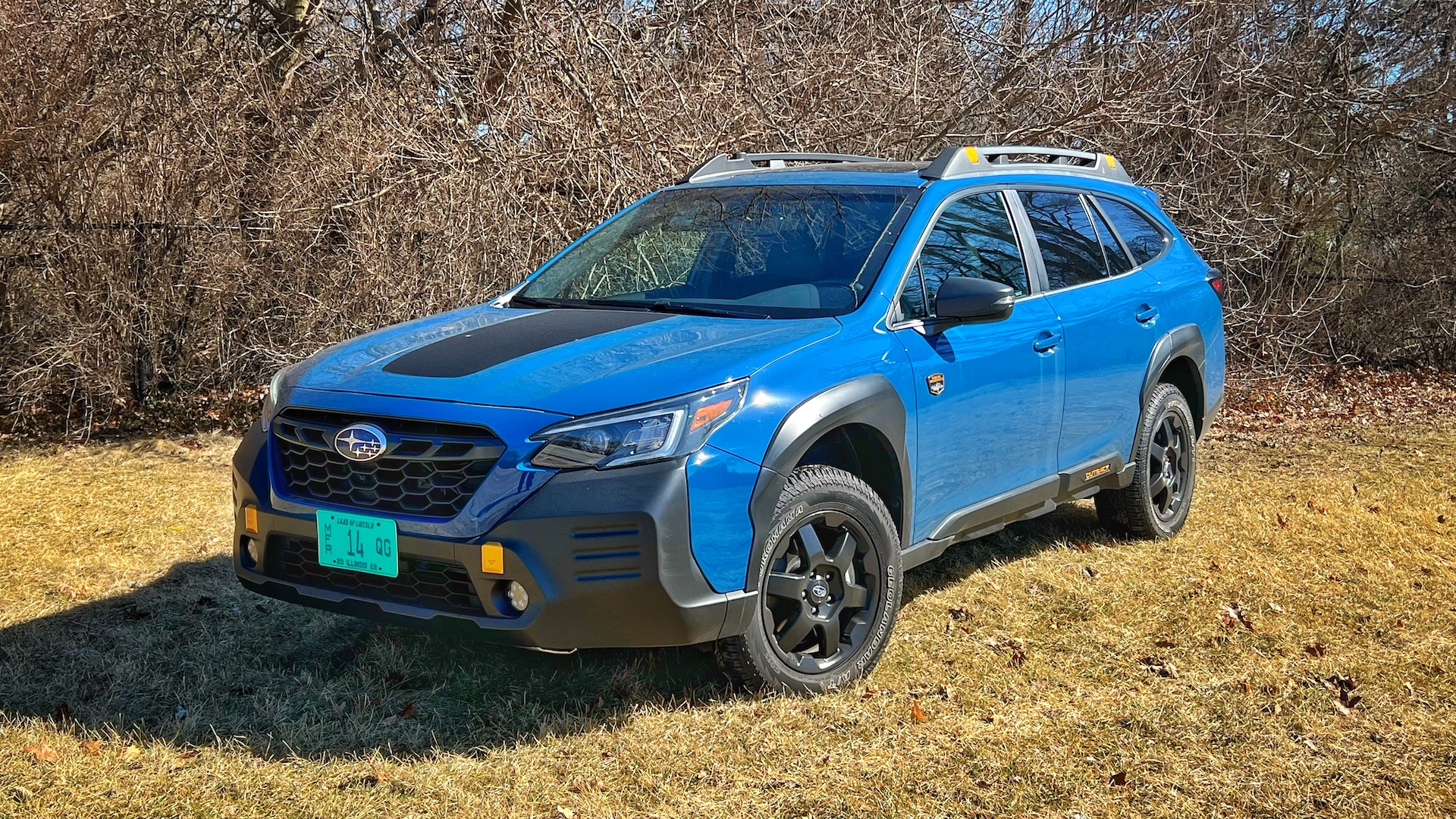
The Subaru Outback is widely recognized as one of the most capable crossover vehicles for mountain environments. It combines a car like driving experience with SUV level practicality, making it ideal for long trips to remote cabins.
Its standard all wheel drive system ensures consistent traction on dirt roads, snow covered paths, and steep inclines. The Outback also offers strong torque output, which helps maintain steady climbs without excessive gear hunting.
Another key advantage is its ground clearance, which is higher than most crossovers. This allows it to pass over rocks, shallow streams, and uneven surfaces without scraping the underbody. The suspension system is tuned to absorb shocks from rough terrain while still maintaining comfort on highways. This dual capability makes it a favorite among outdoor enthusiasts who need both reliability and versatility.
The Outback also includes advanced driving modes that optimize traction and torque distribution. Features like terrain management systems help drivers adapt to snow, mud, or gravel conditions with minimal effort. These systems automatically adjust throttle response and braking to maintain stability, reducing driver fatigue during long climbs.
Fuel efficiency is another strong point. Despite its rugged capability, the Outback remains economical compared to larger SUVs. This is important when traveling long distances into remote areas where fuel stations may be scarce. It strikes a balance between performance and practicality that few vehicles can match.
The Subaru Outback is an excellent choice for mountain cabin access due to its blend of torque, traction, comfort, and reliability. It is particularly suited for users who want a capable vehicle without stepping into full off road territory.
Jeep Wrangler
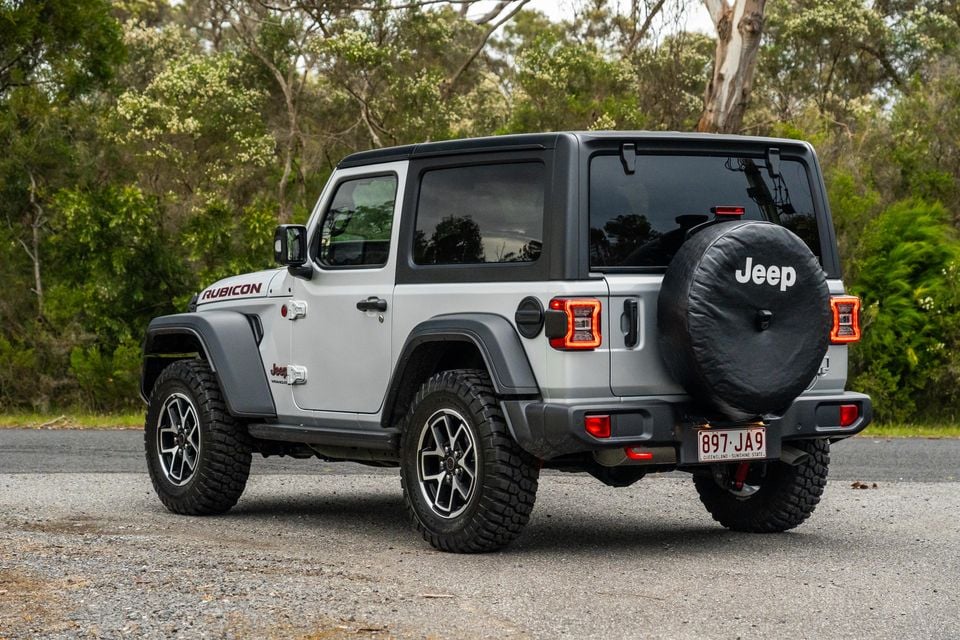
The Jeep Wrangler is one of the most iconic off road vehicles in the United States. Built with rugged terrain in mind, it excels in situations where other vehicles struggle. Its high torque engine options and robust four wheel drive system make it ideal for steep, rocky, or muddy paths leading to remote cabins.
One of the defining features of the Wrangler is its body on frame construction. This design provides durability and strength, allowing the vehicle to handle extreme conditions without compromising structural integrity. Combined with high ground clearance, it can easily navigate obstacles such as large rocks or deep ruts.
The Wrangler also offers low range gearing, which is crucial for slow, controlled climbs. This feature allows the engine to deliver maximum torque at low speeds, making it easier to ascend steep trails without losing traction. It also reduces strain on the engine and transmission during difficult climbs.
Another advantage is customization. The Wrangler can be equipped with off road tires, skid plates, and locking differentials, further enhancing its capability. This makes it a popular choice for people who frequently travel to remote or challenging locations.
Despite its rugged nature, the Wrangler is not without compromises. Ride comfort and fuel efficiency are not its strongest points. However, when it comes to pure capability and torque driven performance, it remains one of the best vehicles for mountain cabin access.
Toyota 4Runner
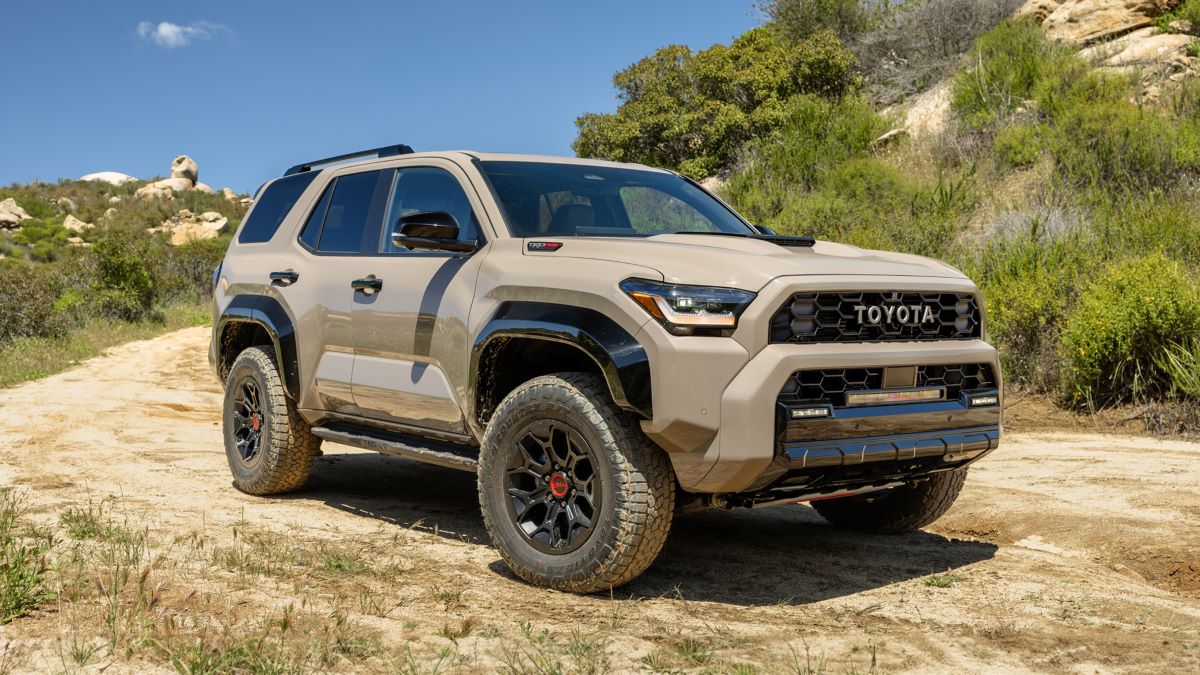
The Toyota 4Runner is a reliable and durable SUV designed for off road performance. It is particularly well suited for mountain environments due to its strong torque delivery and rugged construction. The vehicle’s engine provides consistent power, allowing it to climb steep hills without hesitation.
One of the standout features of the 4Runner is its predictable torque curve. Unlike some turbocharged engines that deliver power unevenly, the 4Runner provides steady torque across a wide range of speeds. This makes it easier to control the vehicle during long uphill climbs.
The 4Runner also includes advanced off road features such as multi terrain select and crawl control. These systems help optimize traction and maintain stability on challenging surfaces. Whether driving through snow, sand, or rocky trails, the vehicle adapts to maintain performance.
Durability is another major advantage. The 4Runner is known for its long lifespan and ability to withstand harsh conditions. This reliability is crucial when traveling to remote mountain cabins where breakdowns can be dangerous.
The Toyota 4Runner combines torque, durability, and off road capability, making it a strong choice for accessing remote locations in the mountains.
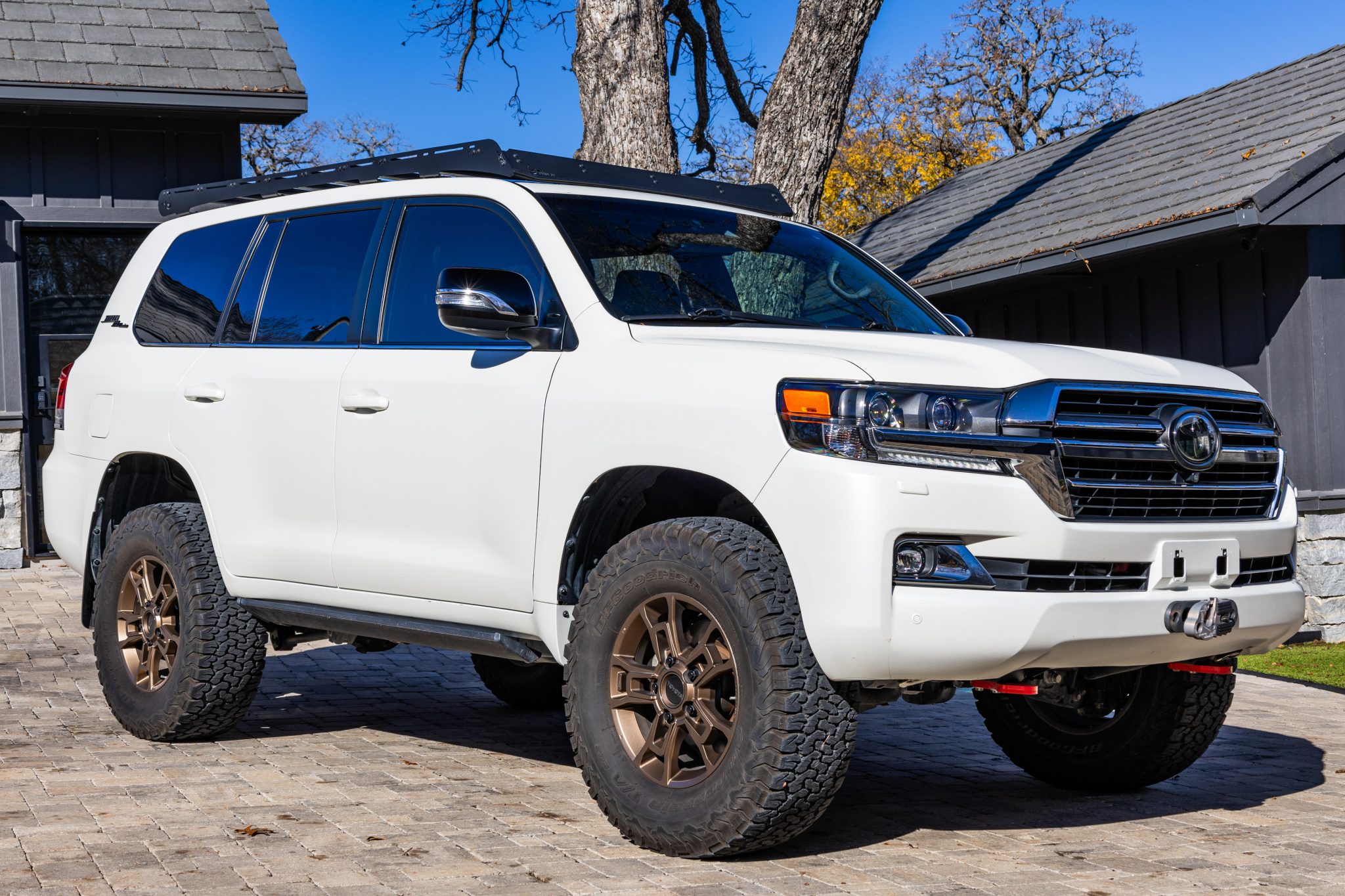
Toyota Land Cruiser
The Toyota Land Cruiser is often considered one of the most capable off road vehicles ever built. Its powerful engine and high torque output make it ideal for tackling steep and challenging terrain. The Land Cruiser is designed to handle extreme conditions, from rocky mountain paths to deep snow.
One of its key strengths is its advanced four wheel drive system. This system ensures that power is distributed evenly across all wheels, maximizing traction. It also includes features such as terrain selection modes, which adjust the vehicle’s performance based on the environment.
The Land Cruiser’s build quality is another major advantage. It is constructed with durability in mind, allowing it to withstand years of heavy use. This makes it a popular choice for explorers and adventurers who frequently travel off the beaten path.
Comfort is also a strong point. Despite its rugged capabilities, the Land Cruiser offers a refined interior and smooth ride. This makes long journeys to remote cabins more enjoyable.
The Toyota Land Cruiser is a premium option for mountain driving, offering exceptional torque, reliability, and comfort.
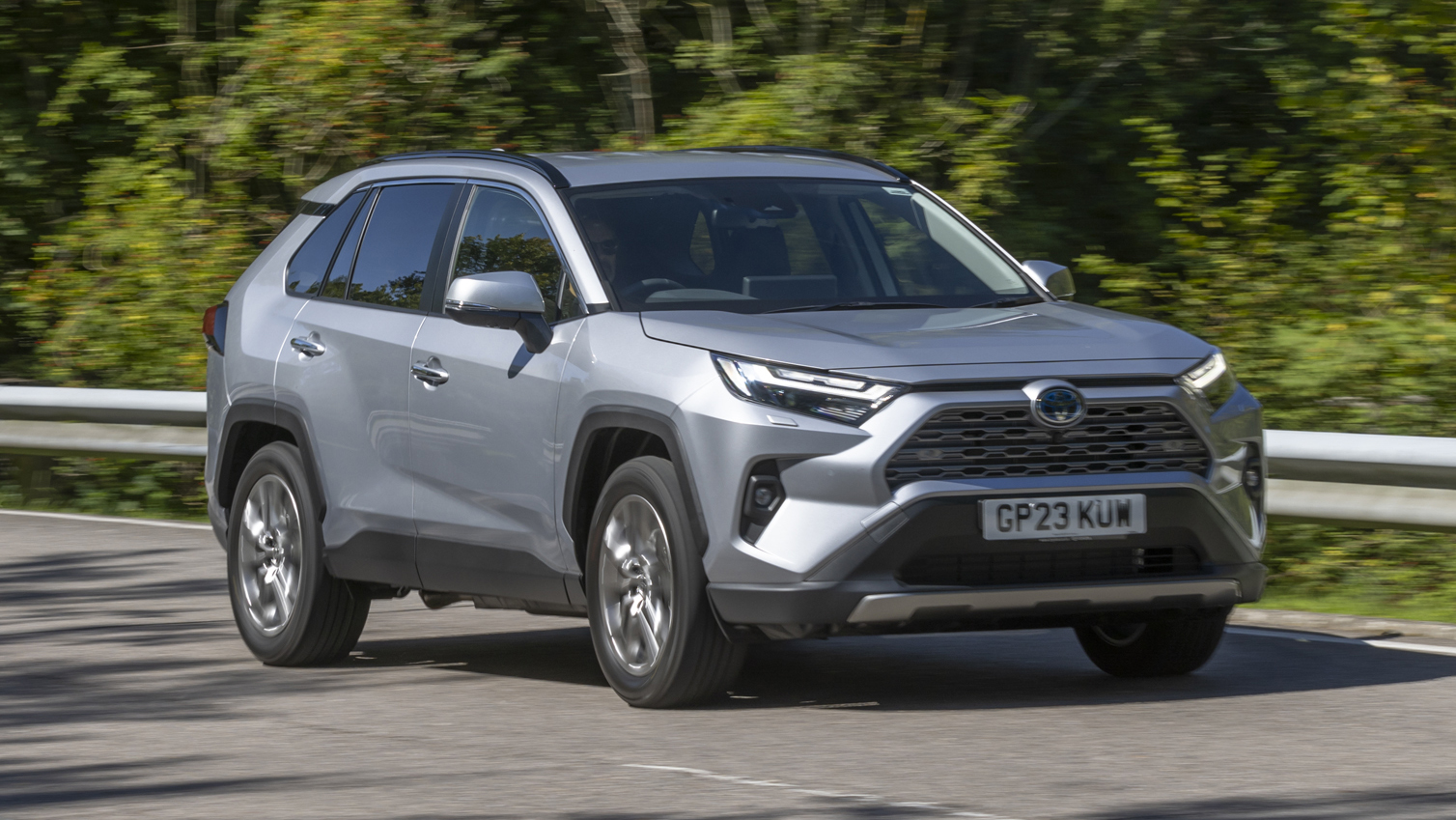
Toyota RAV4 Hybrid
The Toyota RAV4 Hybrid offers a unique combination of efficiency and performance. Unlike traditional gas engines, its electric motor provides instant torque, which is particularly useful for climbing hills. This immediate power delivery helps the vehicle accelerate smoothly on steep inclines.
The RAV4 Hybrid also features an all wheel drive system that enhances traction. The electric motor powers the rear wheels, improving stability on slippery or uneven surfaces. This makes it a practical choice for light to moderate off road conditions.
Fuel efficiency is one of its biggest advantages. The hybrid system allows the vehicle to travel long distances with minimal fuel consumption. This is especially beneficial for trips to remote cabins where fuel availability may be limited.
While it is not as rugged as a Wrangler or 4Runner, the RAV4 Hybrid offers a good balance of capability and comfort. It is well suited for drivers who want a reliable and efficient vehicle for occasional mountain trips.
The Toyota RAV4 Hybrid demonstrates how modern technology can enhance torque delivery and improve performance in challenging conditions.
5 Cars With No Torque and Poor Mountain Performance
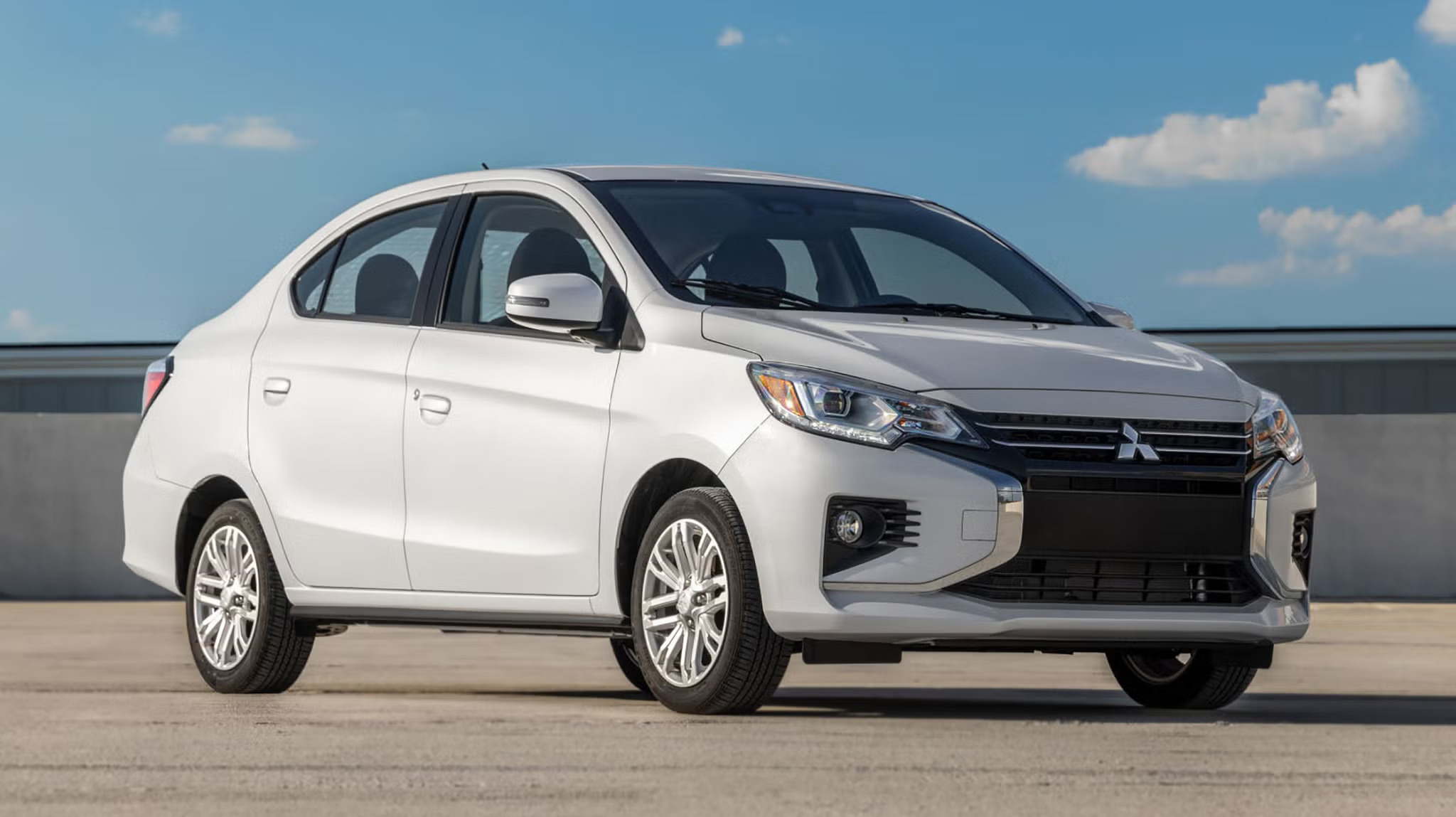
Mitsubishi Mirage
The Mitsubishi Mirage is often cited as an example of a car with extremely low torque. Its small engine produces minimal power, making it difficult to accelerate, especially on inclines. This lack of torque becomes very noticeable when driving uphill or carrying heavy loads.
The Mirage is designed primarily for city driving and fuel efficiency. While it performs adequately in urban environments, it struggles in mountainous terrain. Drivers often need to push the engine hard just to maintain speed, which can lead to increased wear and reduced efficiency.
Another issue is its transmission. The continuously variable transmission tends to keep the engine in a high rev range without delivering significant power. This results in a noisy and inefficient driving experience.
The car’s lightweight design does not compensate for its lack of torque. While lighter vehicles can sometimes perform well, the Mirage’s engine simply does not provide enough force for steep climbs.
The Mitsubishi Mirage is not suitable for mountain cabin access due to its weak torque and limited performance capabilities.
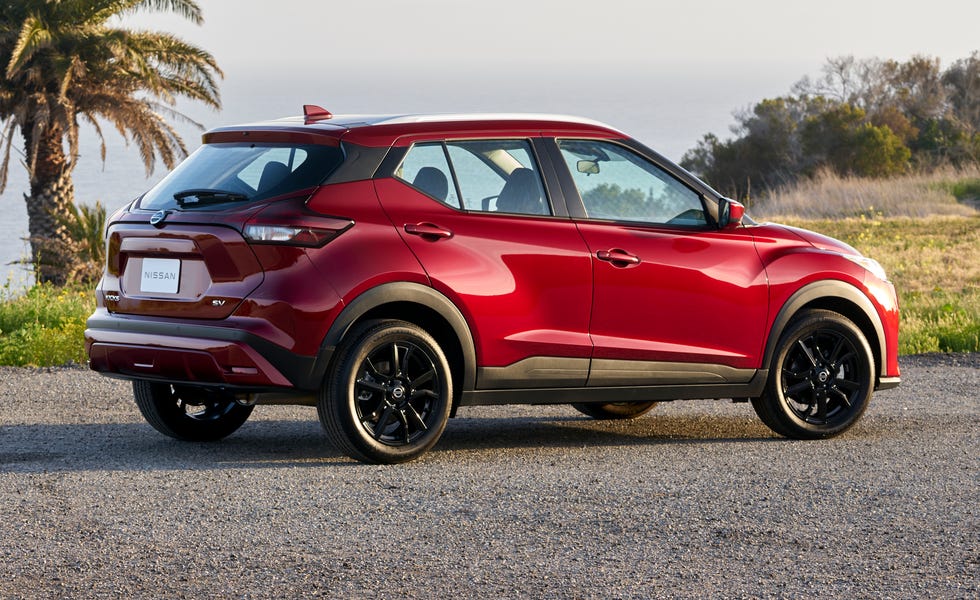
Nissan Kicks
The Nissan Kicks is another vehicle that struggles with torque. While it is more powerful than the Mirage, it still lacks the low end torque needed for steep climbs. This makes it less suitable for mountainous environments.
The Kicks is designed as a compact urban crossover. Its focus is on comfort and efficiency rather than performance. As a result, it does not provide the power needed for demanding terrain.
Drivers may find that the vehicle struggles to maintain speed on inclines, especially when fully loaded. This can make mountain driving stressful and less safe.
The lack of all wheel drive in many versions further limits its capability. Without proper traction, the vehicle may slip on loose or slippery surfaces.
Toyota C-HR
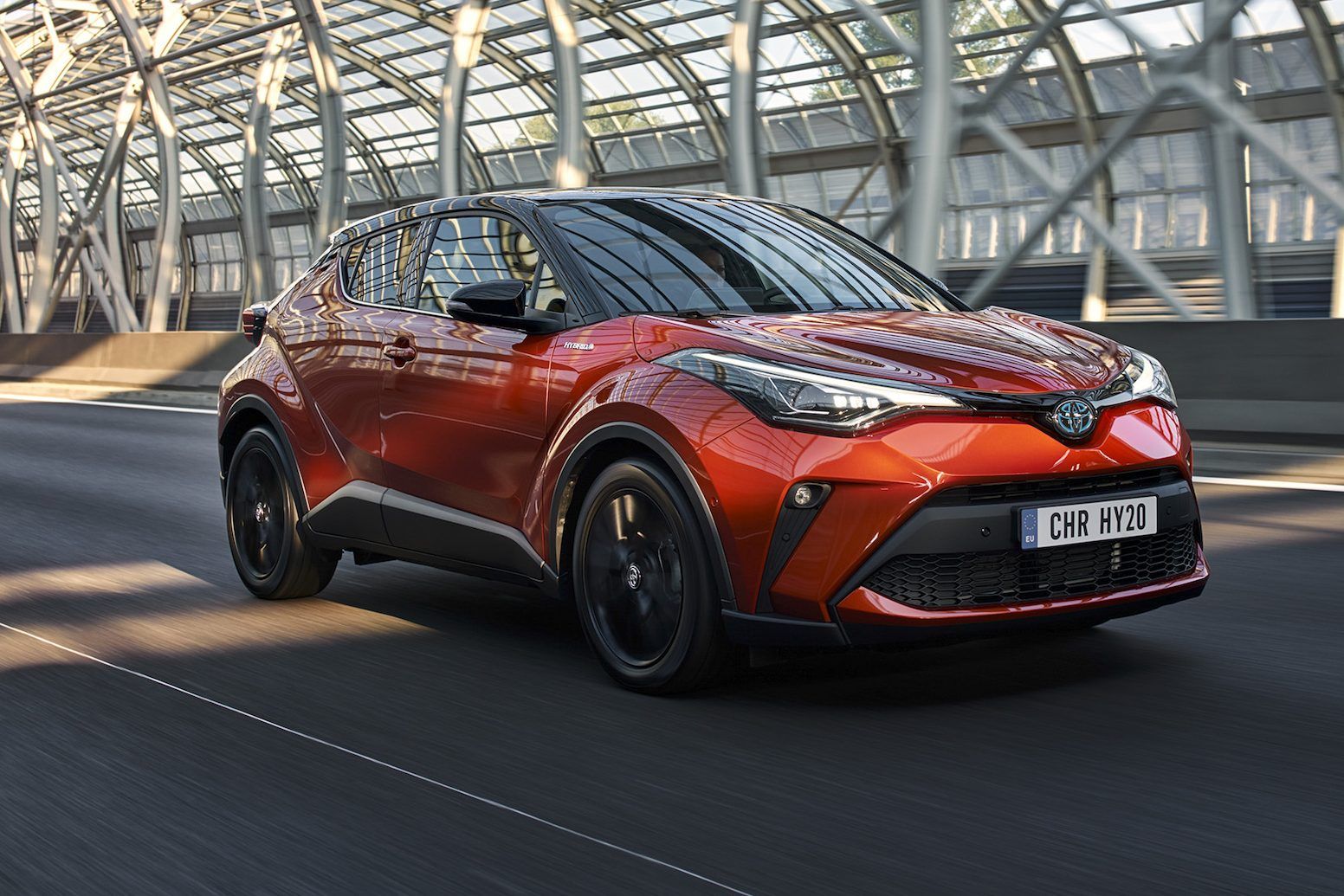
The Toyota C-HR is known for its stylish design, but it is not built for rugged terrain. Its engine produces modest torque, which can feel insufficient when driving uphill.
The vehicle’s focus on design and efficiency means that performance takes a back seat. While it handles well on paved roads, it lacks the needed for steep climbs.
The transmission can also contribute to a sluggish feel. Drivers may notice delays in acceleration, particularly when attempting to overtake or climb hills.
Another limitation is the lack of advanced off road features. Without all wheel drive or terrain management systems, the C-HR struggles in challenging conditions.
Hyundai Accent
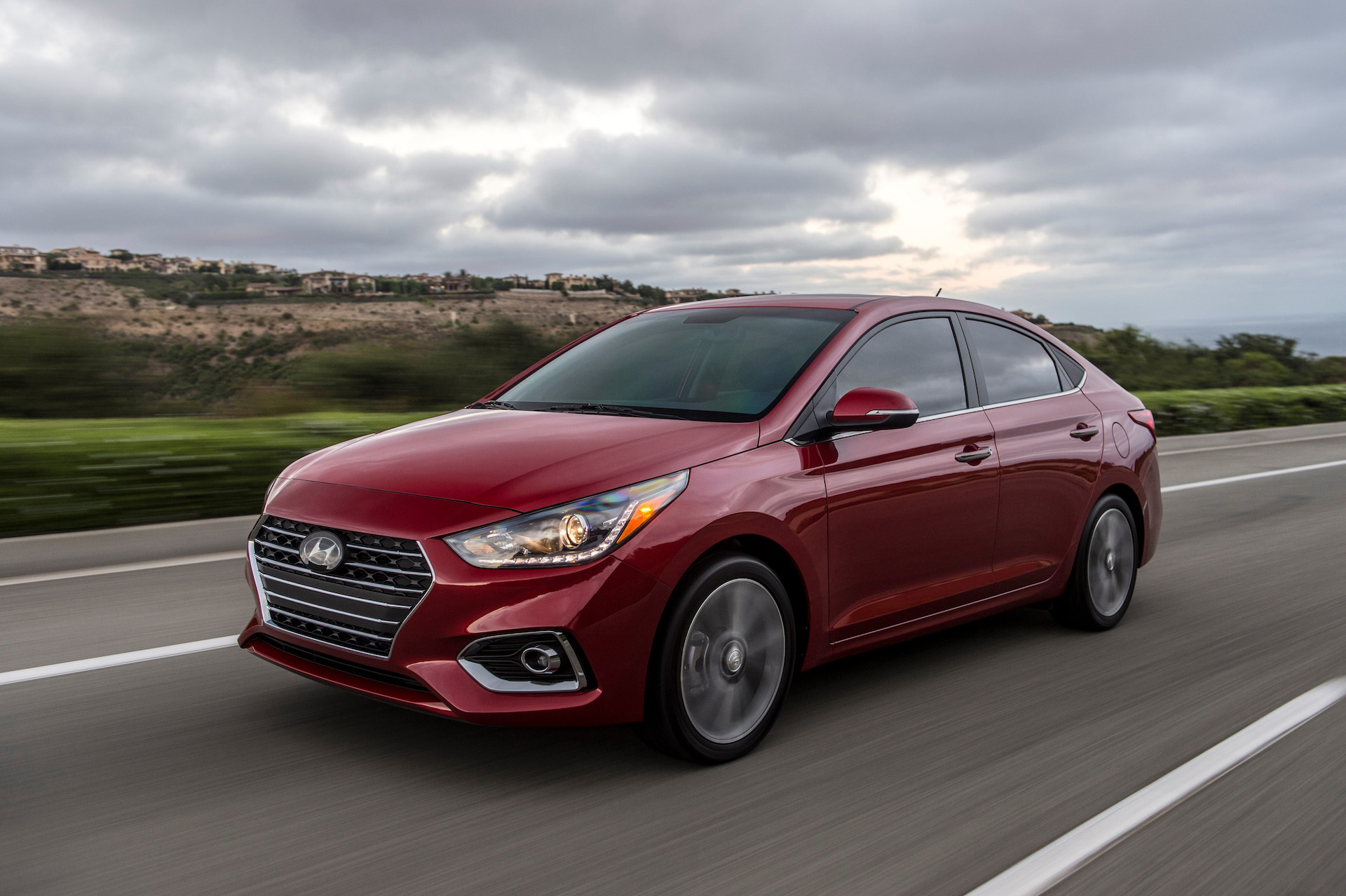
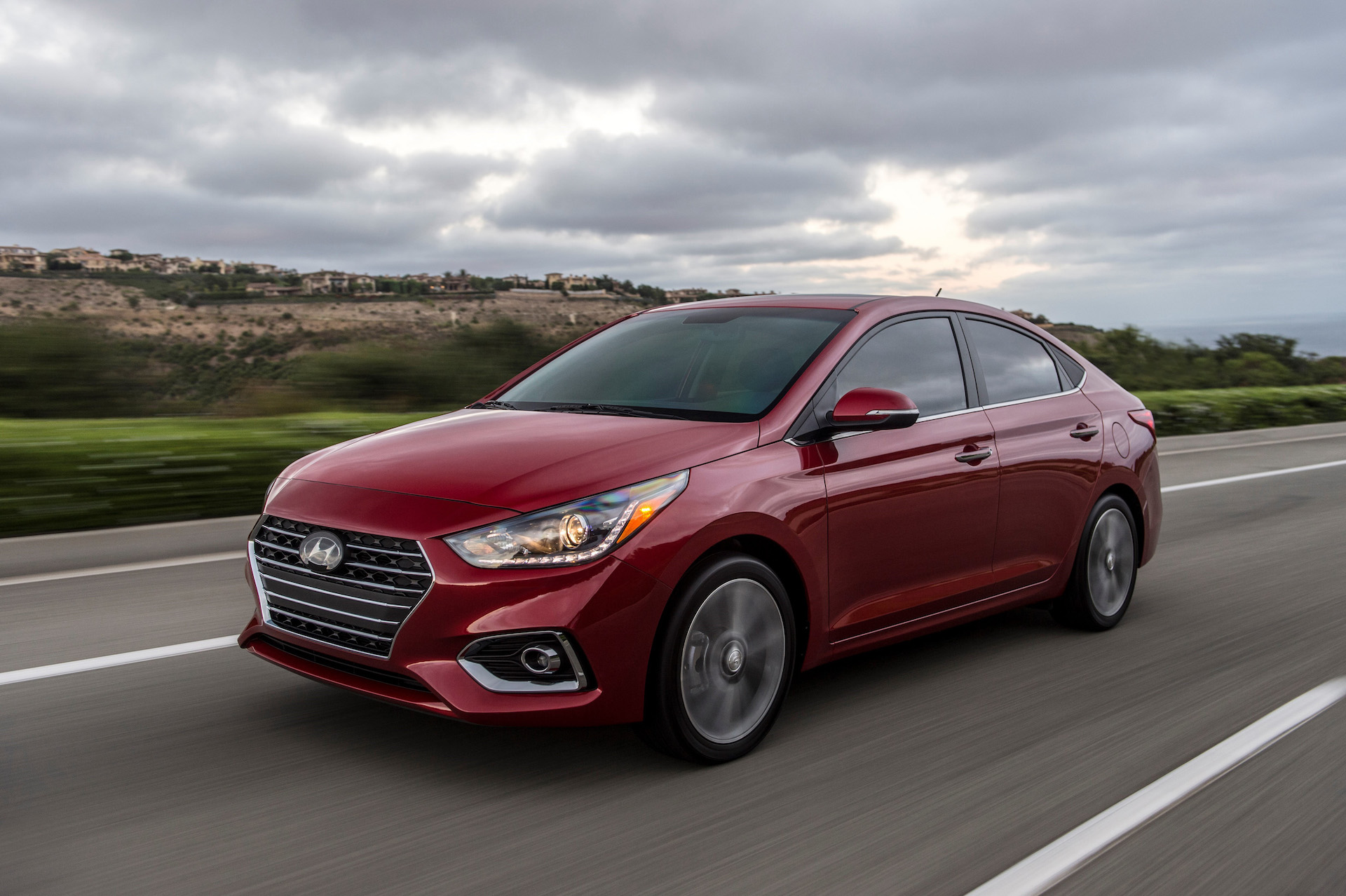
The Hyundai Accent is a compact sedan designed for affordability and efficiency. Its small engine produces limited torque, making it unsuitable for steep terrain.
While it performs well in urban environments, it struggles on hills. Drivers may need to downshift frequently to maintain speed, which can be tiring and inefficient.
The Accent’s low ground clearance also poses a problem. It is not designed to handle rough or uneven surfaces, increasing the risk of damage.
Additionally, the lack of all wheel drive limits traction. This can be a major issue in snowy or muddy conditions commonly found in mountain areas.
Kia Rio
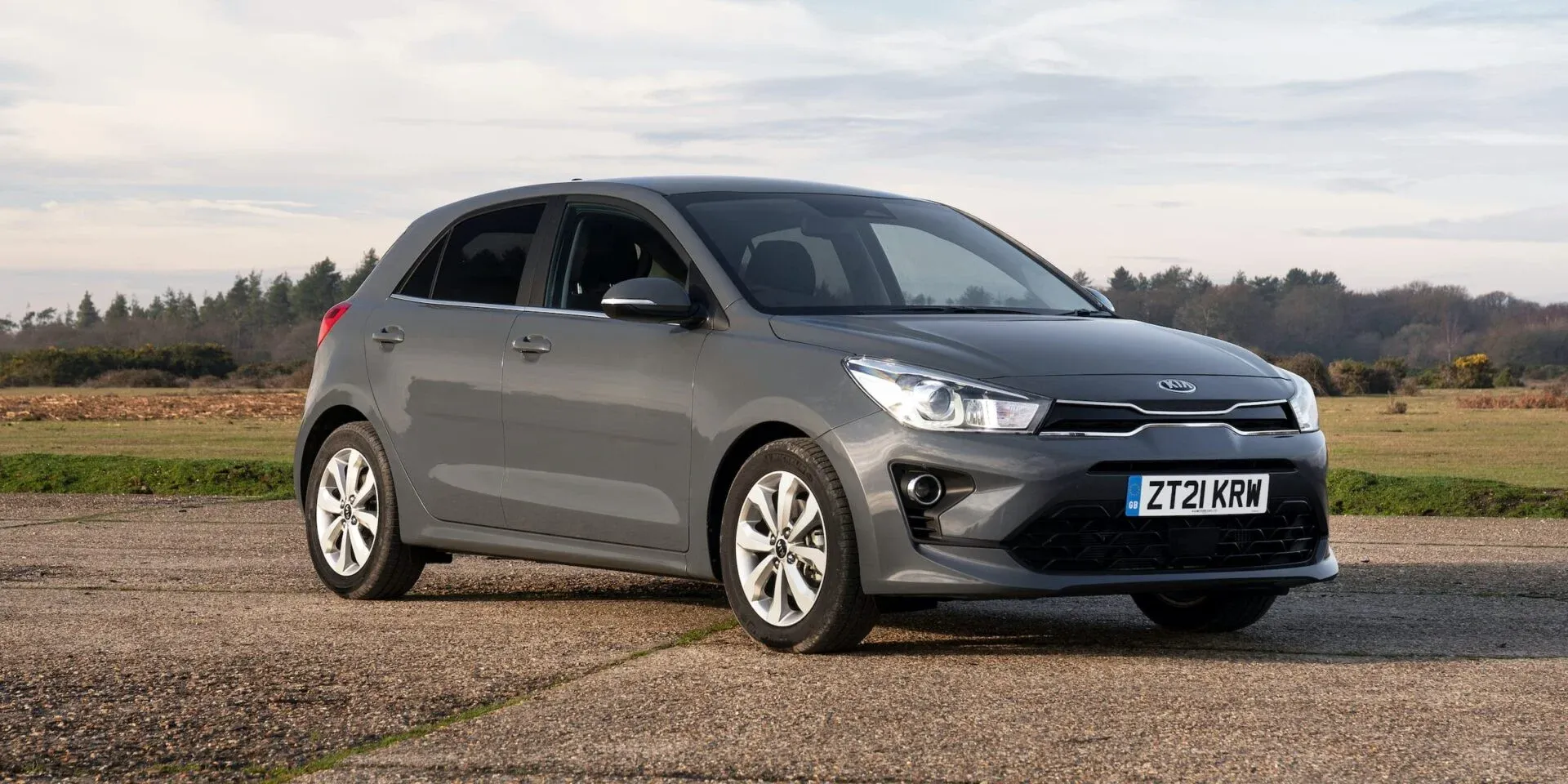
The Kia Rio is another subcompact car with limited torque. Its engine is designed for fuel efficiency rather than performance, making it less capable on steep inclines.
The Rio’s lightweight design does not compensate for its lack of power. Drivers may find it difficult to maintain momentum on hills, especially when carrying passengers or cargo.
The vehicle’s suspension and ground clearance are also not suited for rough terrain. This limits its ability to navigate unpaved roads leading to cabins.
Like other cars in this category, the Rio lacks advanced traction systems. This further reduces its effectiveness in challenging conditions.
